Flax Reinforcements Made More Accessible with BIOFIBIX Hypermat

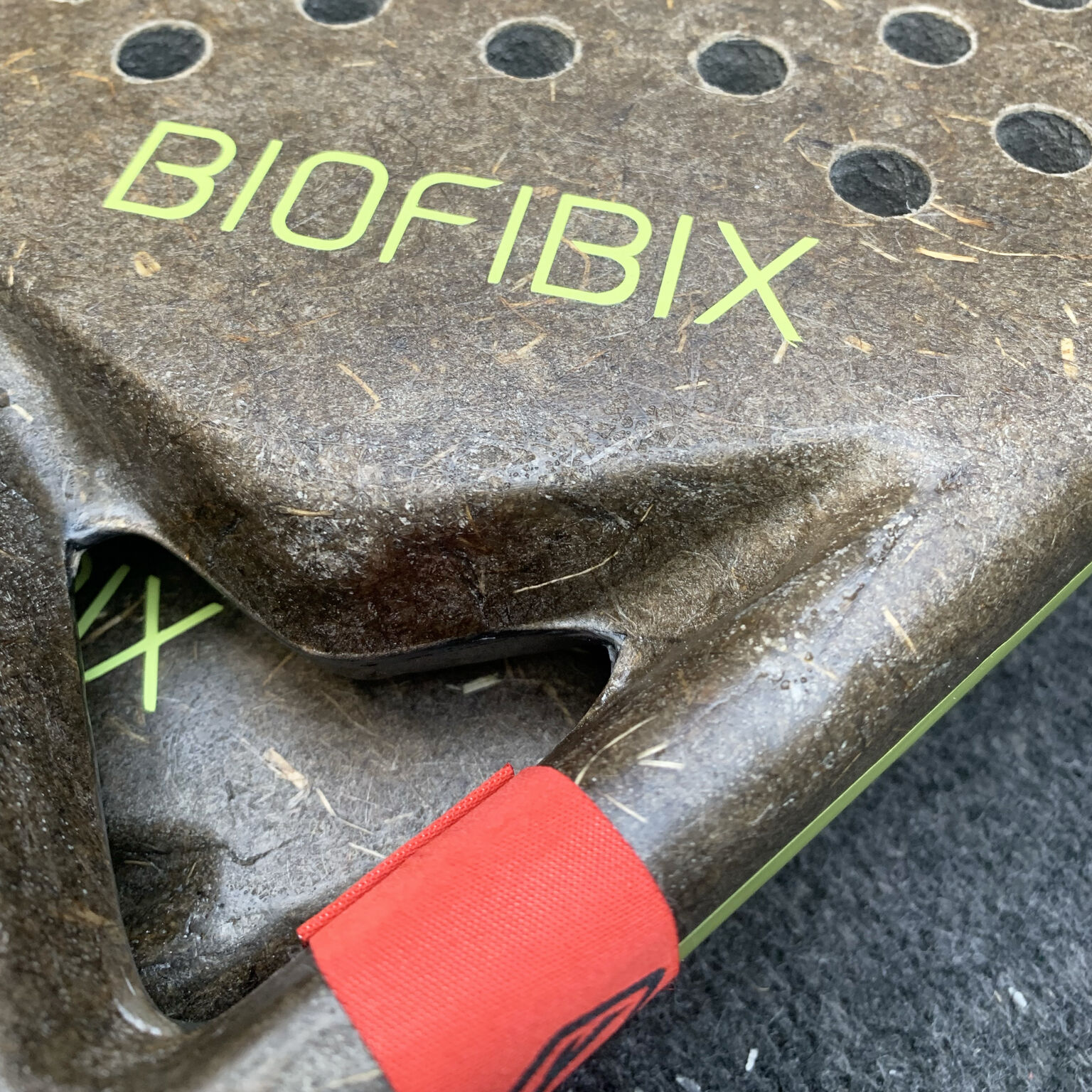
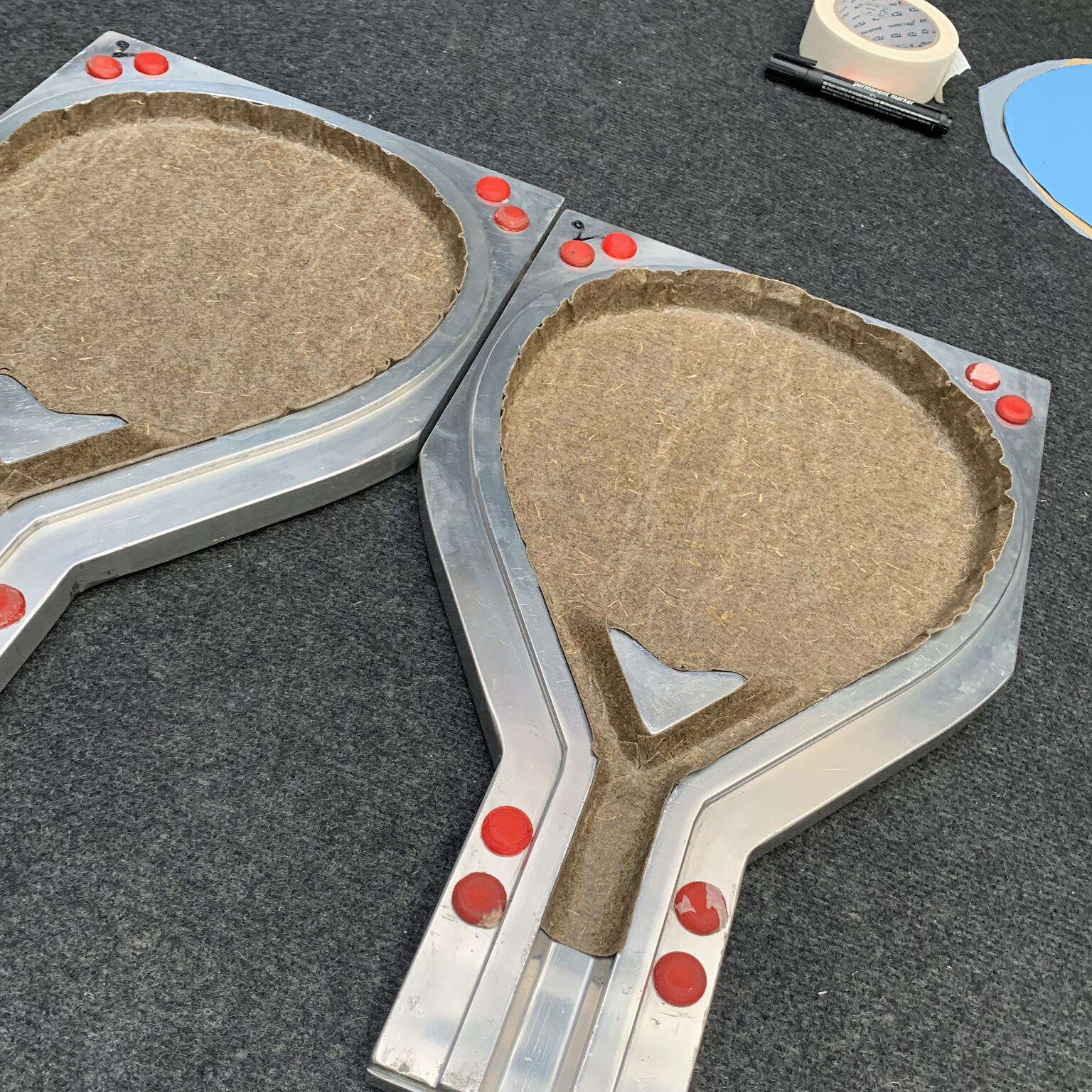
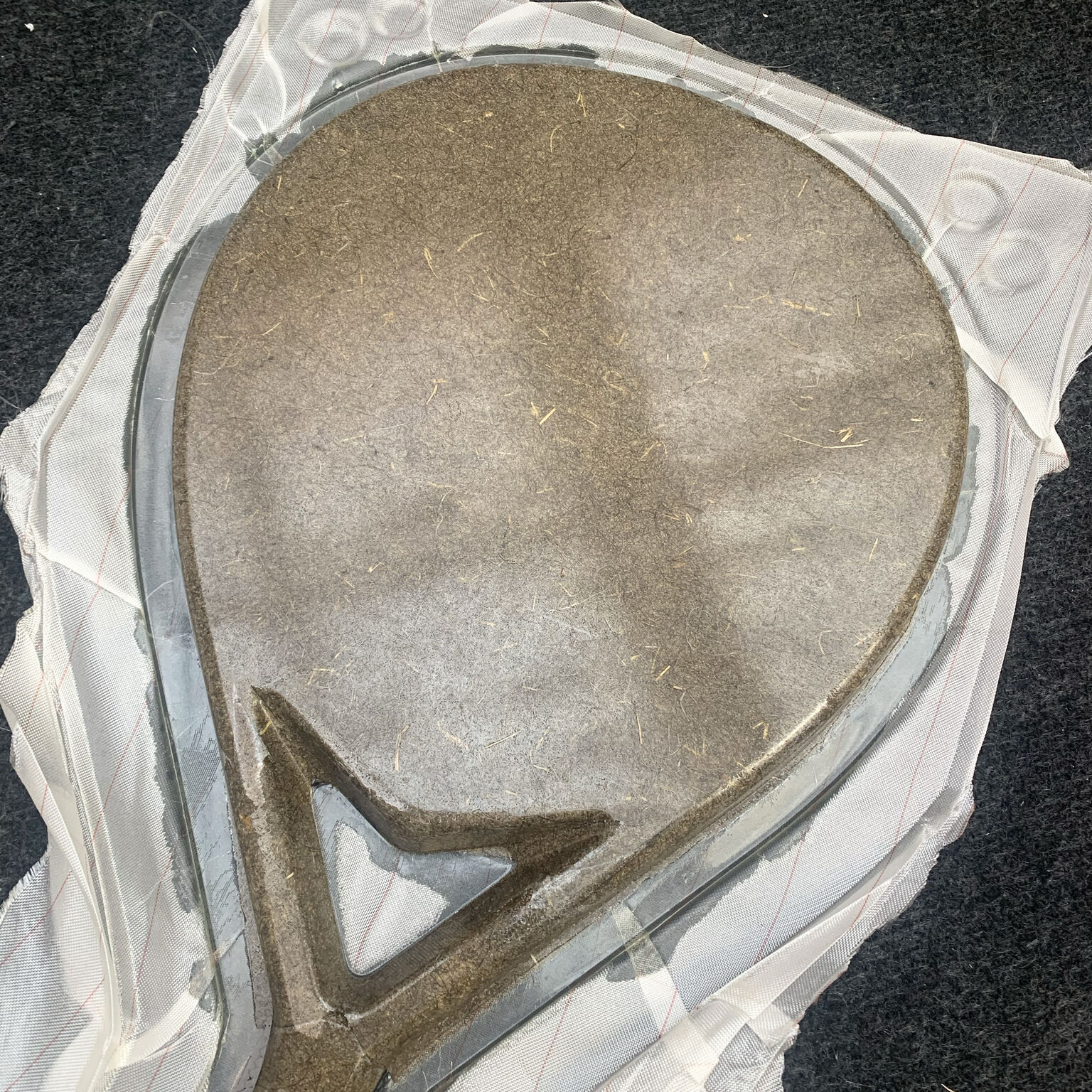
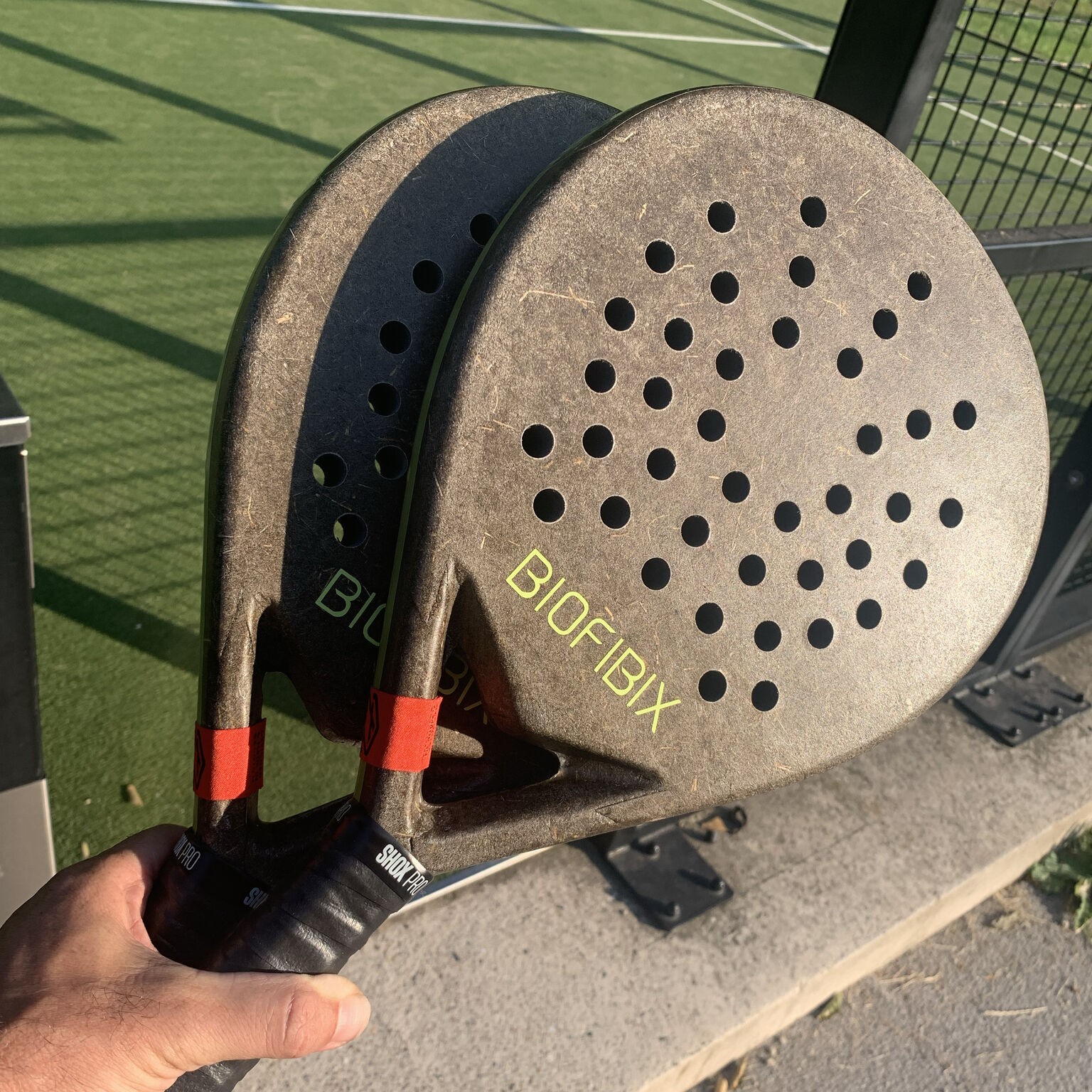

Flax fibres are gaining interest in composite design because they are bio-based, lightweight, and have a lower environmental impact than many synthetic alternatives. Yet challenges such as cost, moisture sensitivity, and high resin uptake have slowed their wider use. The Belgian company BIOFIBIX developed Hypermat to address these limitations and to make flax reinforcements easier to integrate into existing composite processes.
Hypermat targets sectors where designers look for lighter, more sustainable materials, including mobility, sports and leisure, marine, and product design. In these fields, natural fibres can offer an alternative to carbon and glass composites when full structural performance is not required.
Material Treatment That Improves Performance
Researchers at KU Leuven’s Department of Materials Engineering created a fibre treatment that boosts the technical behaviour of flax. BIOFIBIX uses this treatment in Hypermat to lower resin uptake by 10–40% compared with common flax reinforcements. Less resin means a higher share of fibre in the final composite and a better stiffness-to-weight ratio.
The treatment also strengthens the bond between the fibres and the resin. This improves wetting and lowers moisture uptake, two issues that often limit natural fibres in engineering products. Hypermat uses a stable, non-woven layout that distributes loads more evenly in different directions, which helps ensure predictable performance.
Locally Sourced European Flax
BIOFIBIX works with flax grown in Belgium. All fibres carry European Flax Certification, which confirms traceability and responsible farming. The crop grows quickly, stores CO₂ during growth, and offers an annual harvest. BIOFIBIX keeps the supply chain within roughly 150 kilometres, which lowers transport impact and supports local production.
The company supplies Hypermat in three fabric weights—300, 425, and 600 g/m²—and in widths up to 2300 mm. The material’s low thickness, high strength, and stabilised structure make it suitable for converters that need precise cutting, lay-up control, and consistent resin flow.
Applications in Design and Engineering
Designers already use flax reinforcements in padel and pickleball rackets, where strong vibration damping improves comfort. In yacht building, natural fibre composites can reduce noise and weight, especially in interior or semi-structural parts.
For product designers, mobility developers, and composite manufacturers, Hypermat offers a bio-based option for components that do not rely on carbon-level strength. It provides a way to reduce environmental impact while keeping reliable mechanical performance.
Source & photos: BIOFIBIX

Comments