Forestone Cabin: A Regenerative Timber Prototype in the Pyrenees

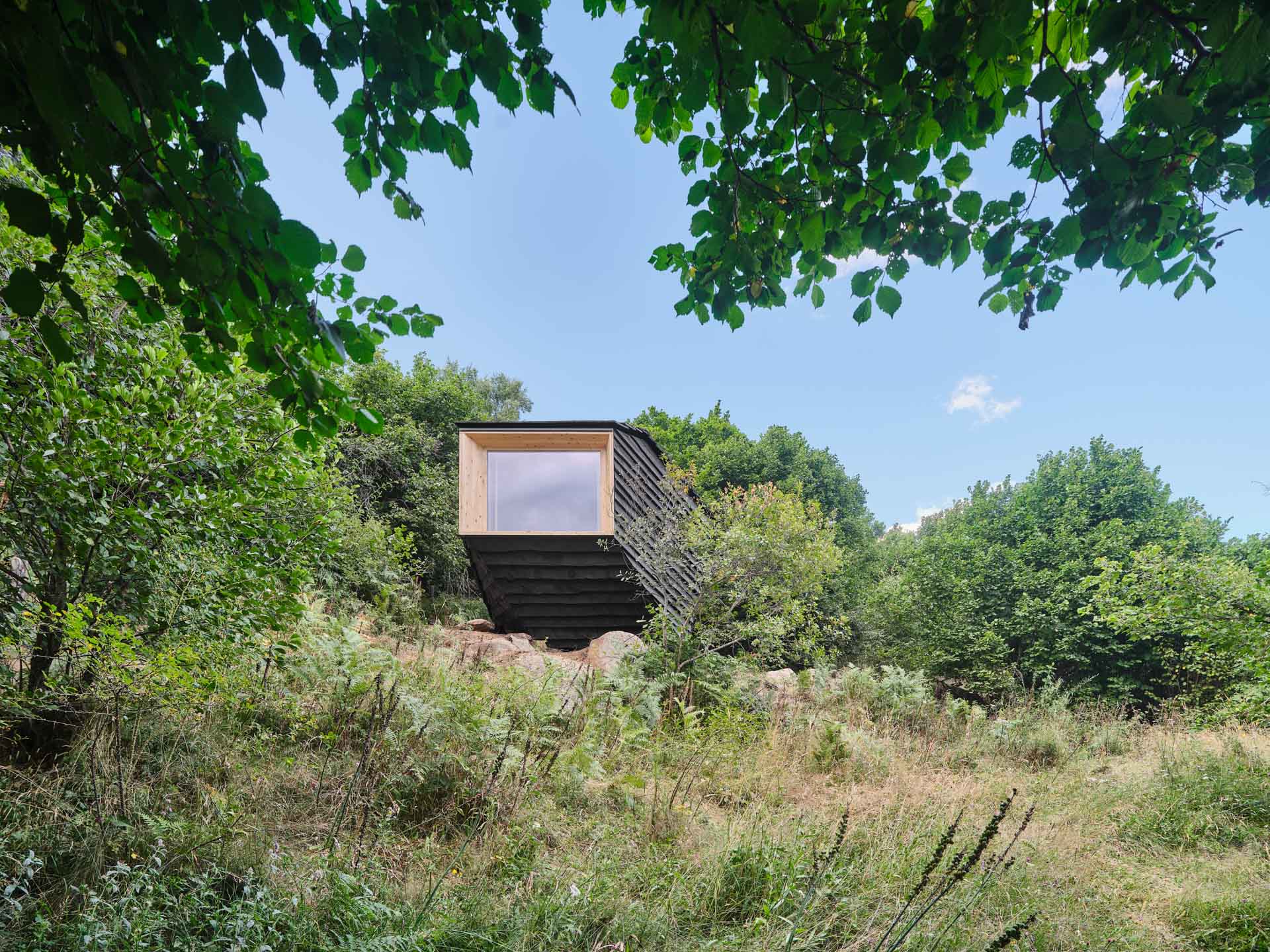
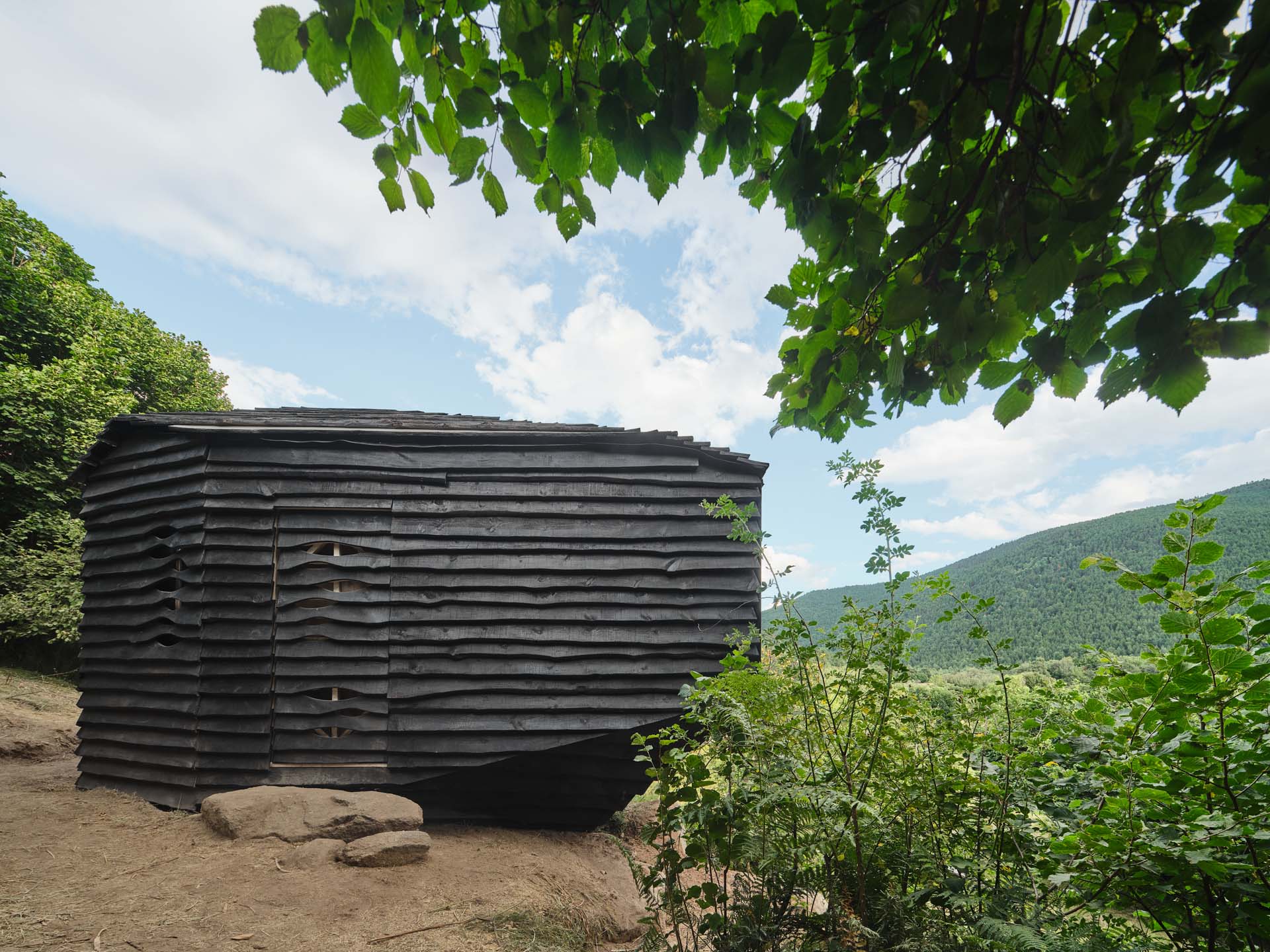
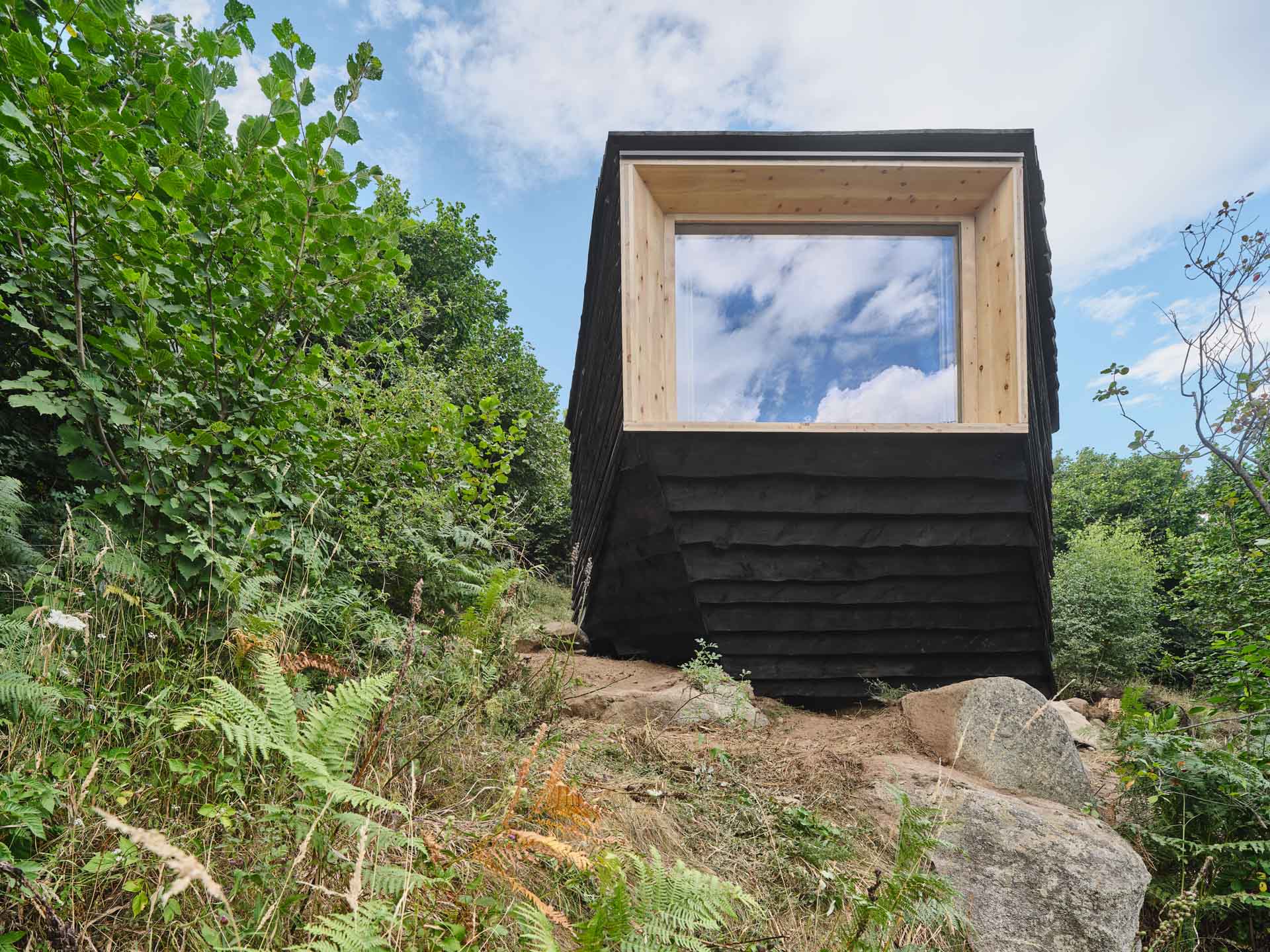
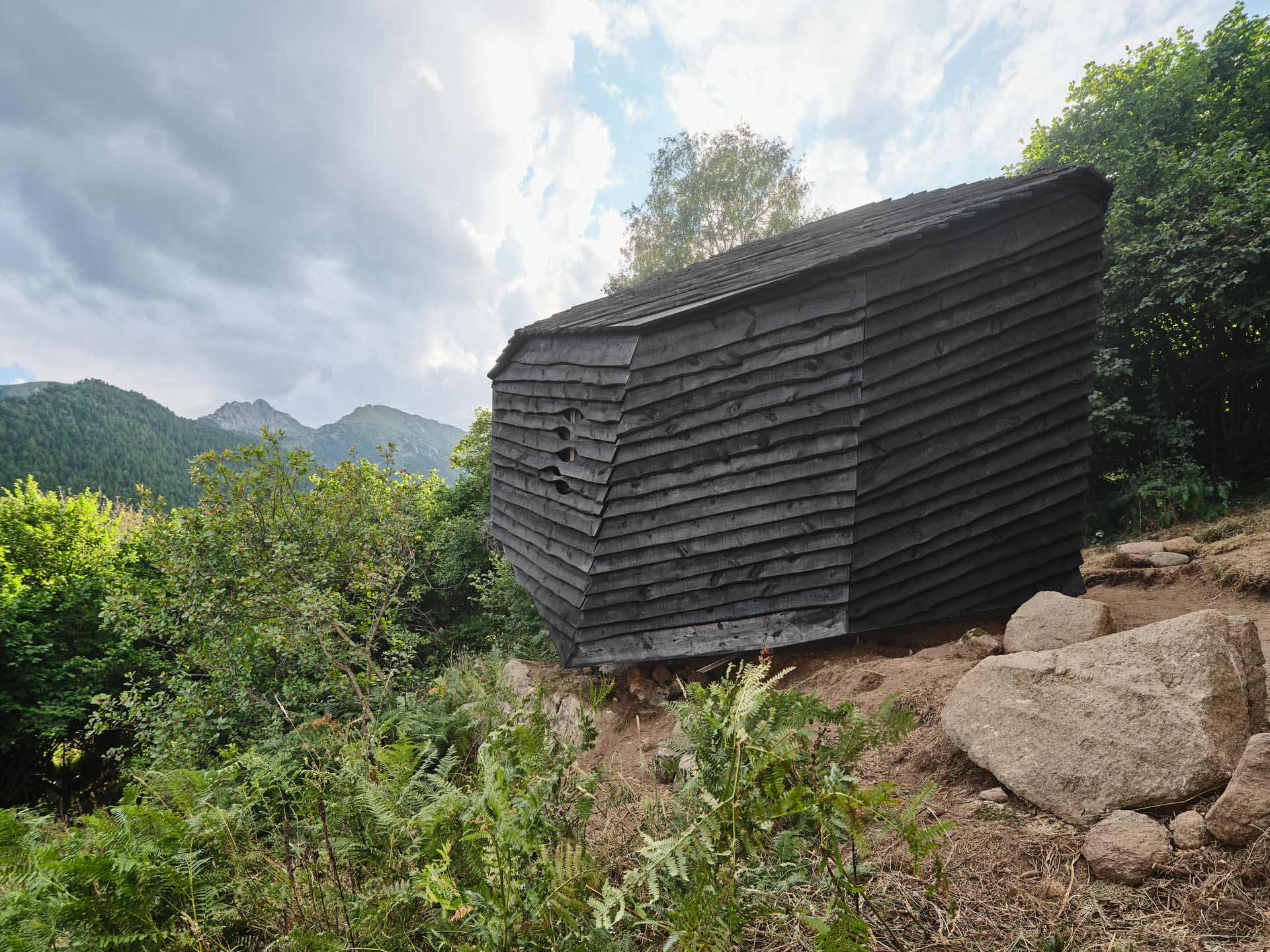
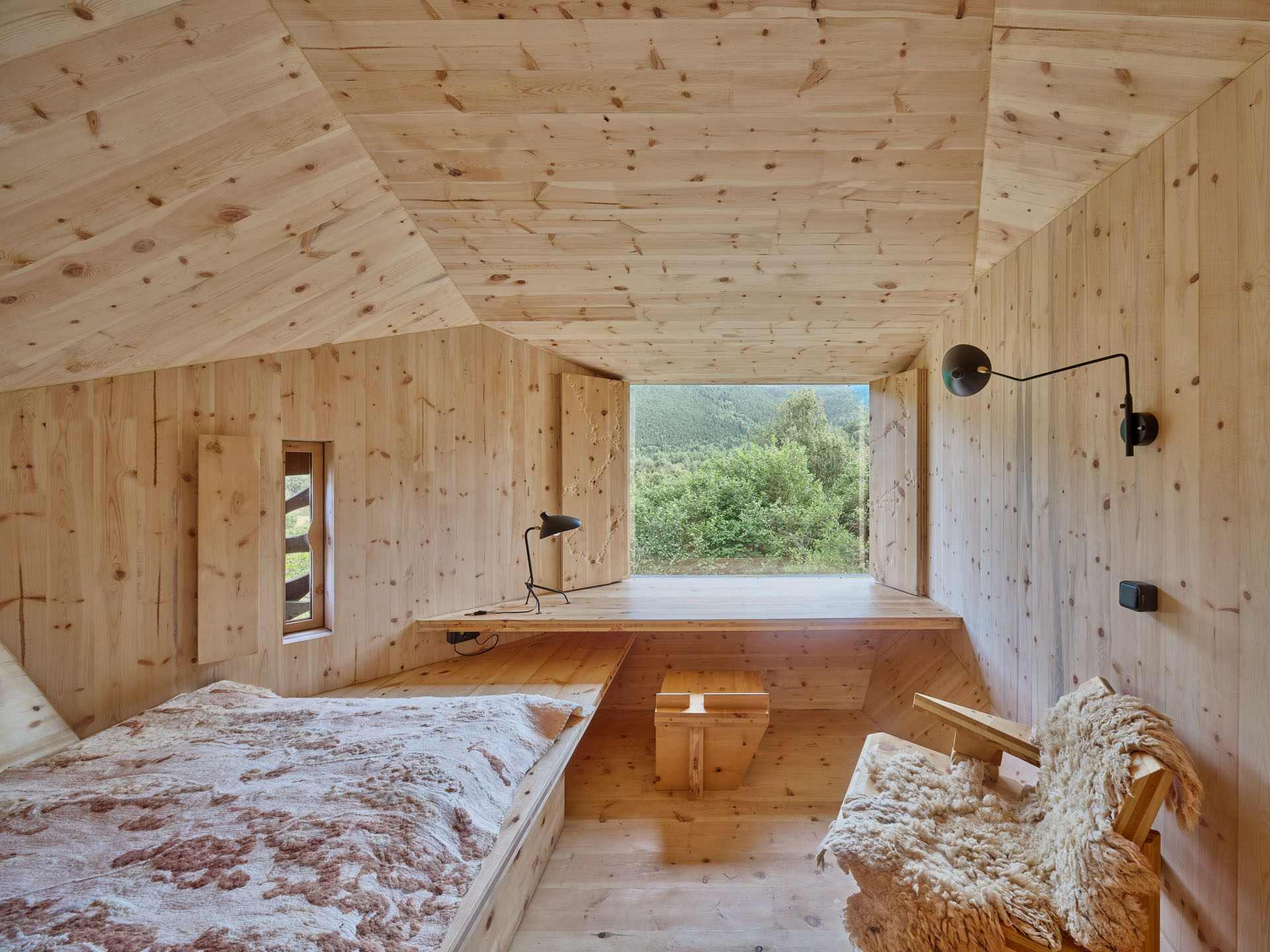


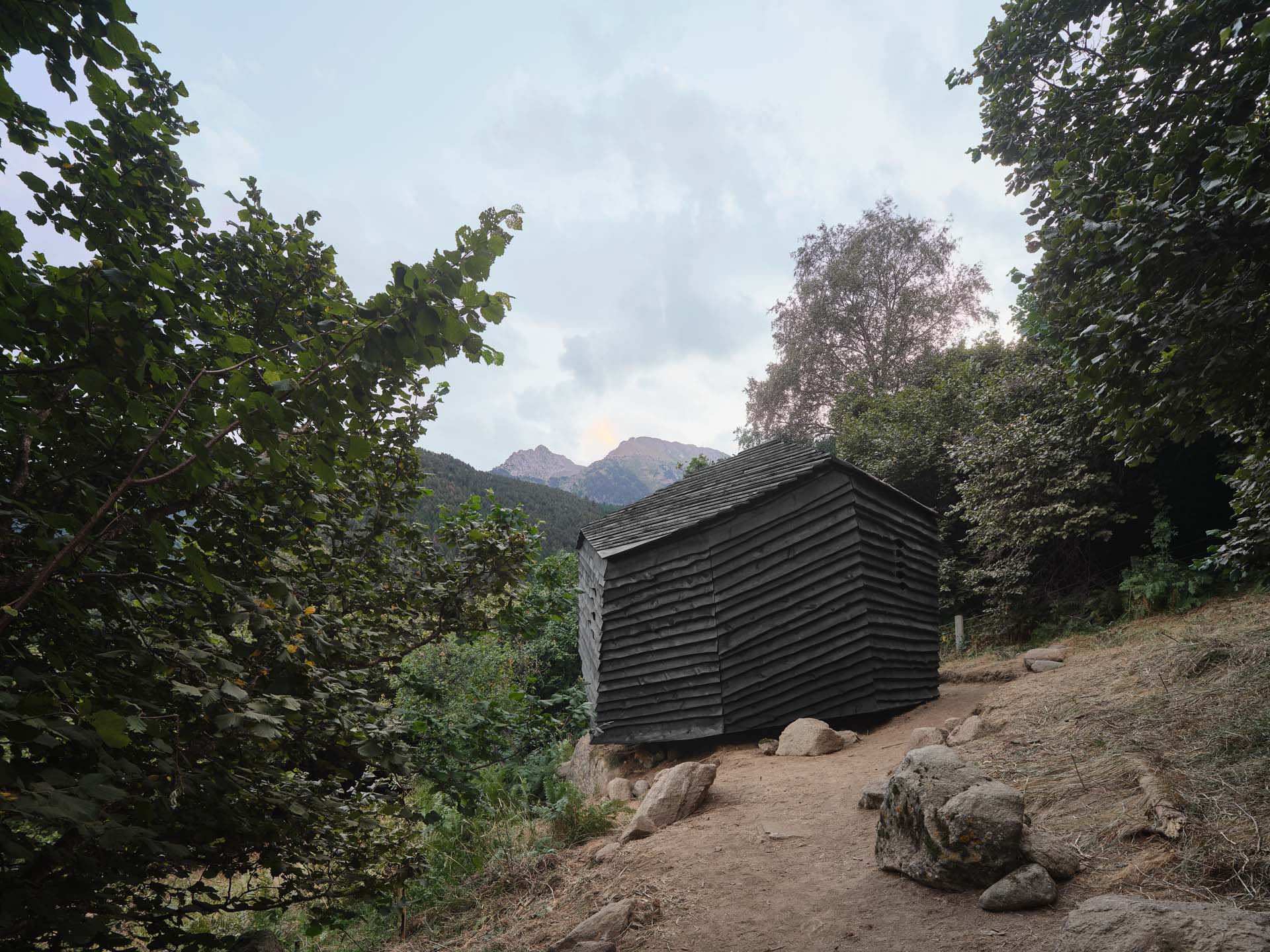
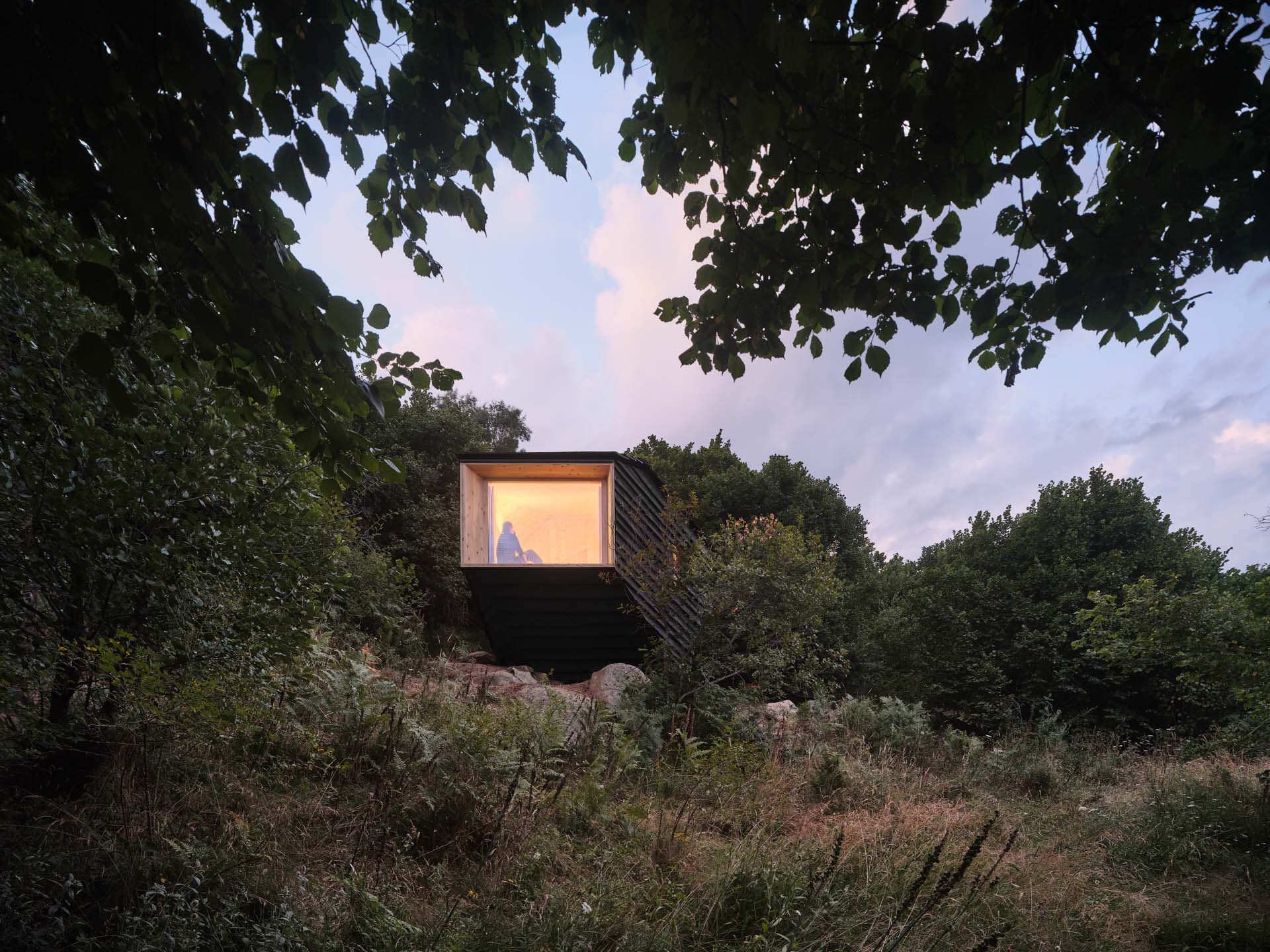

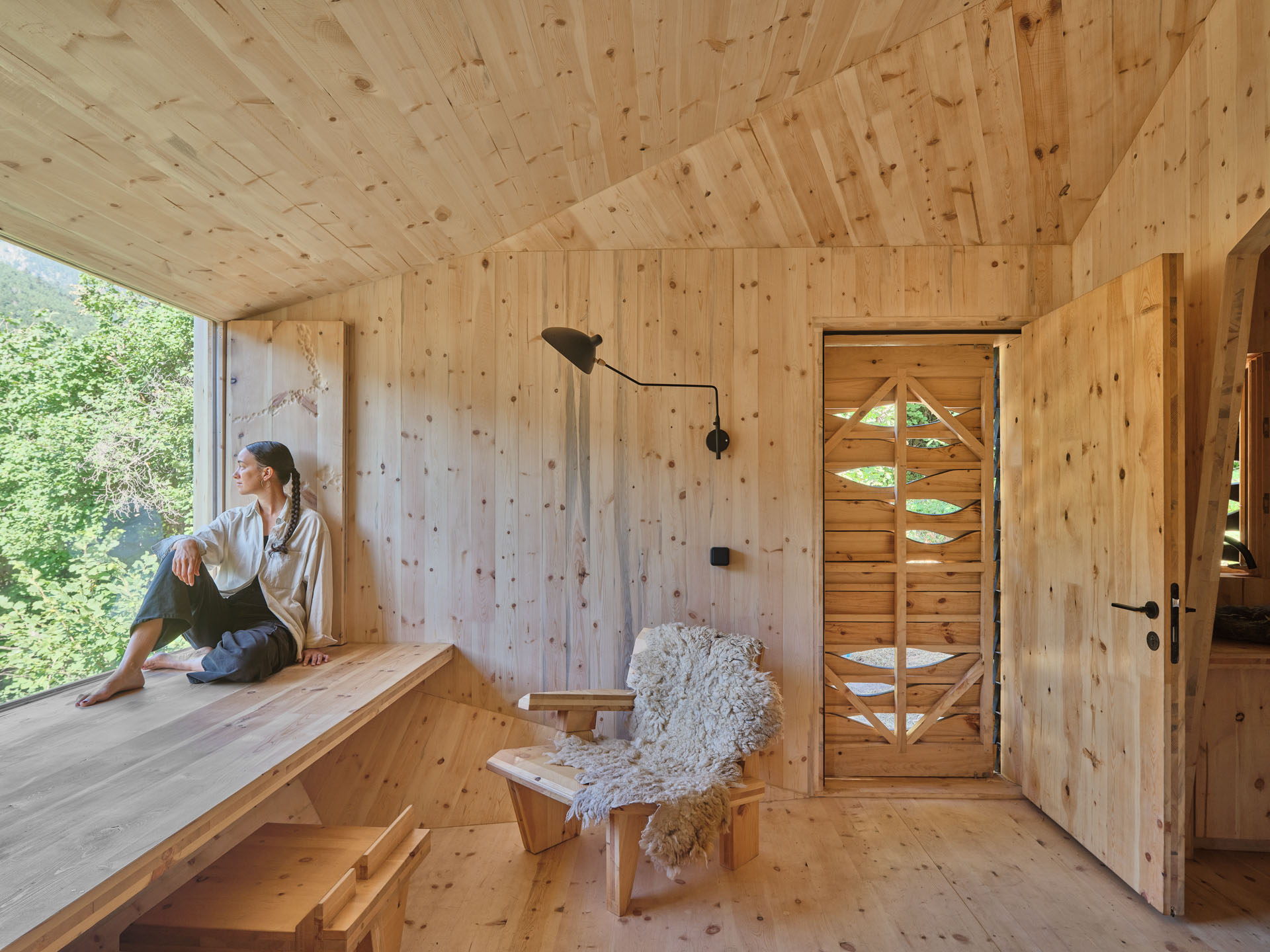
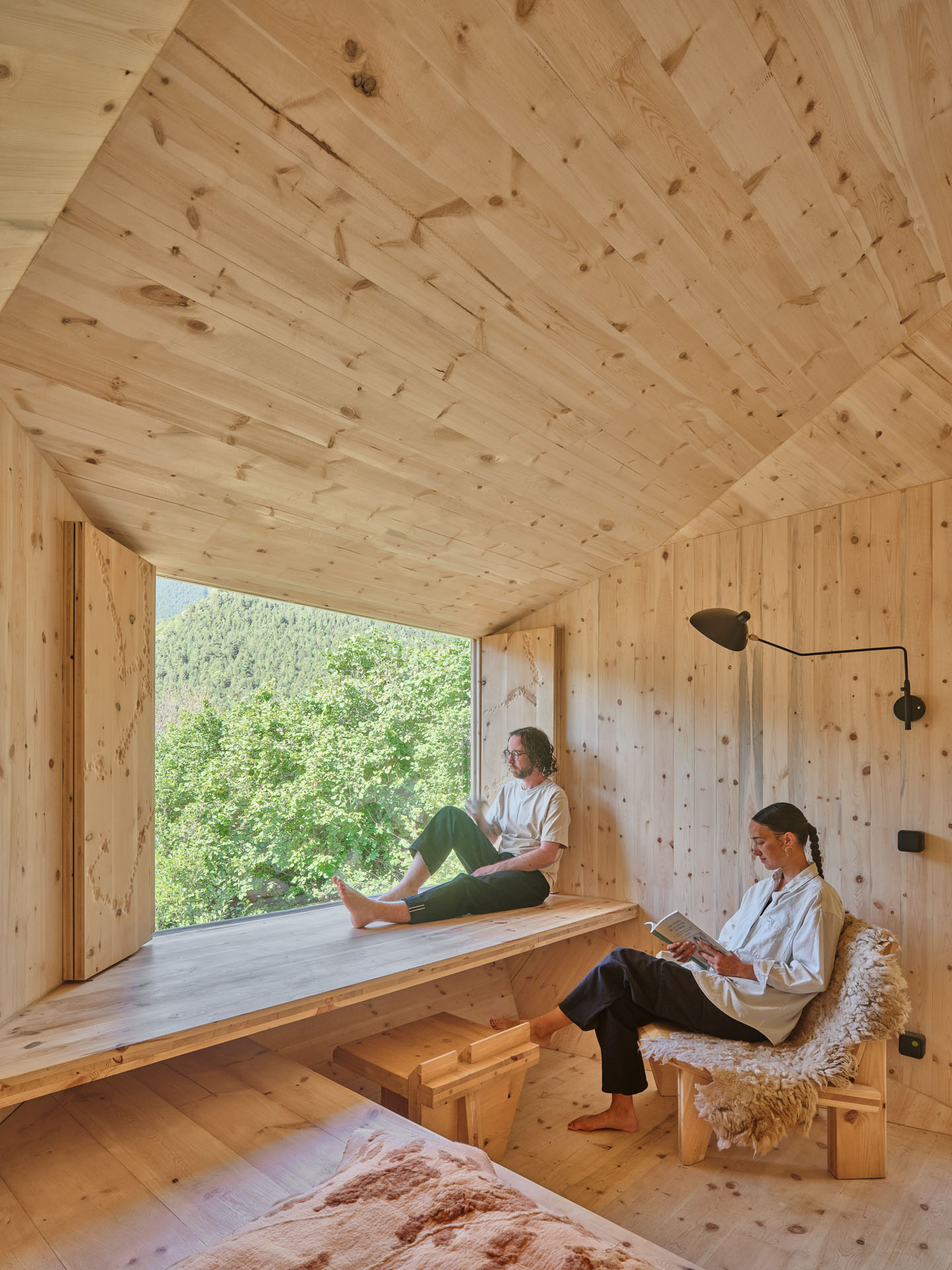

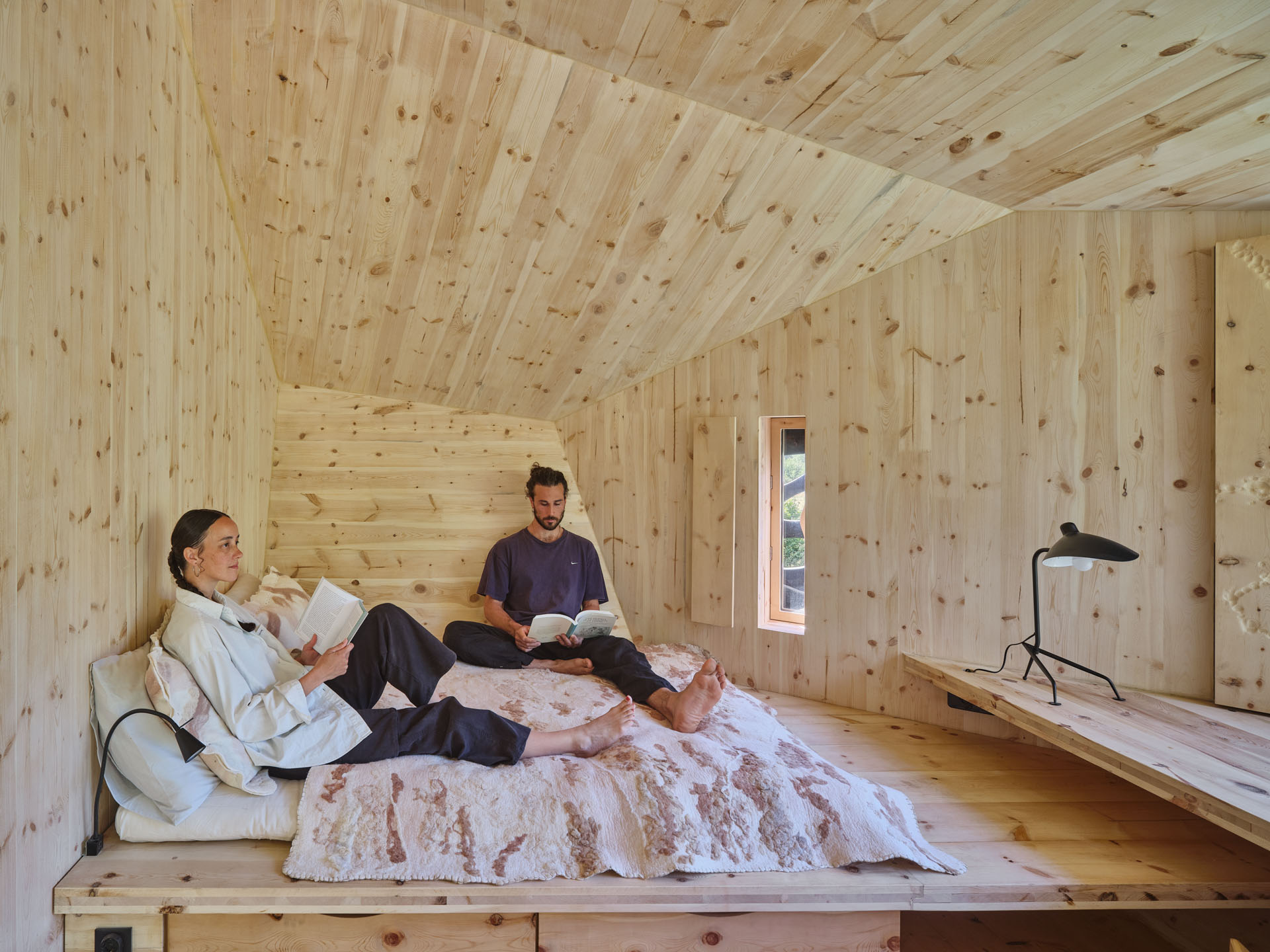

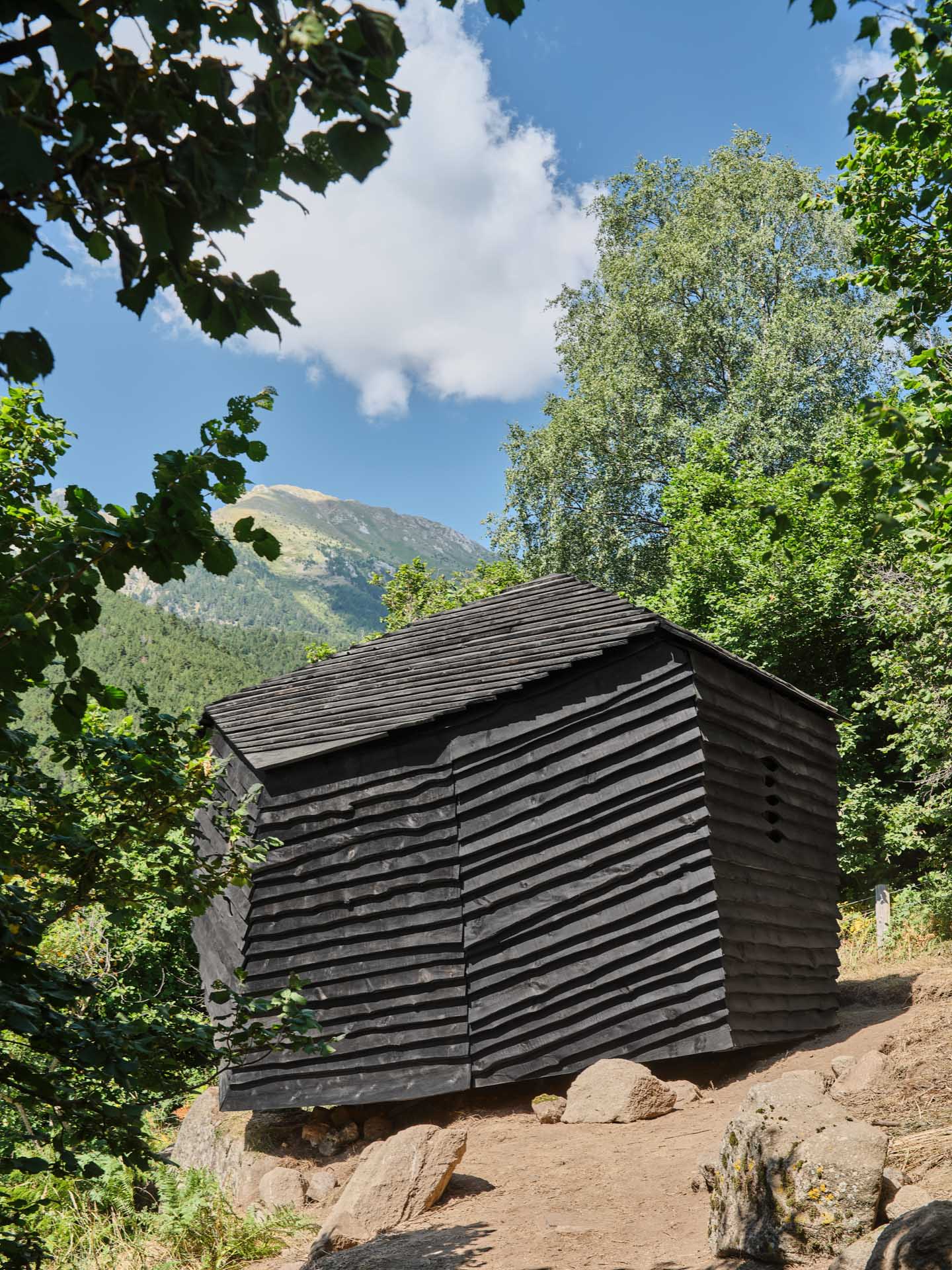
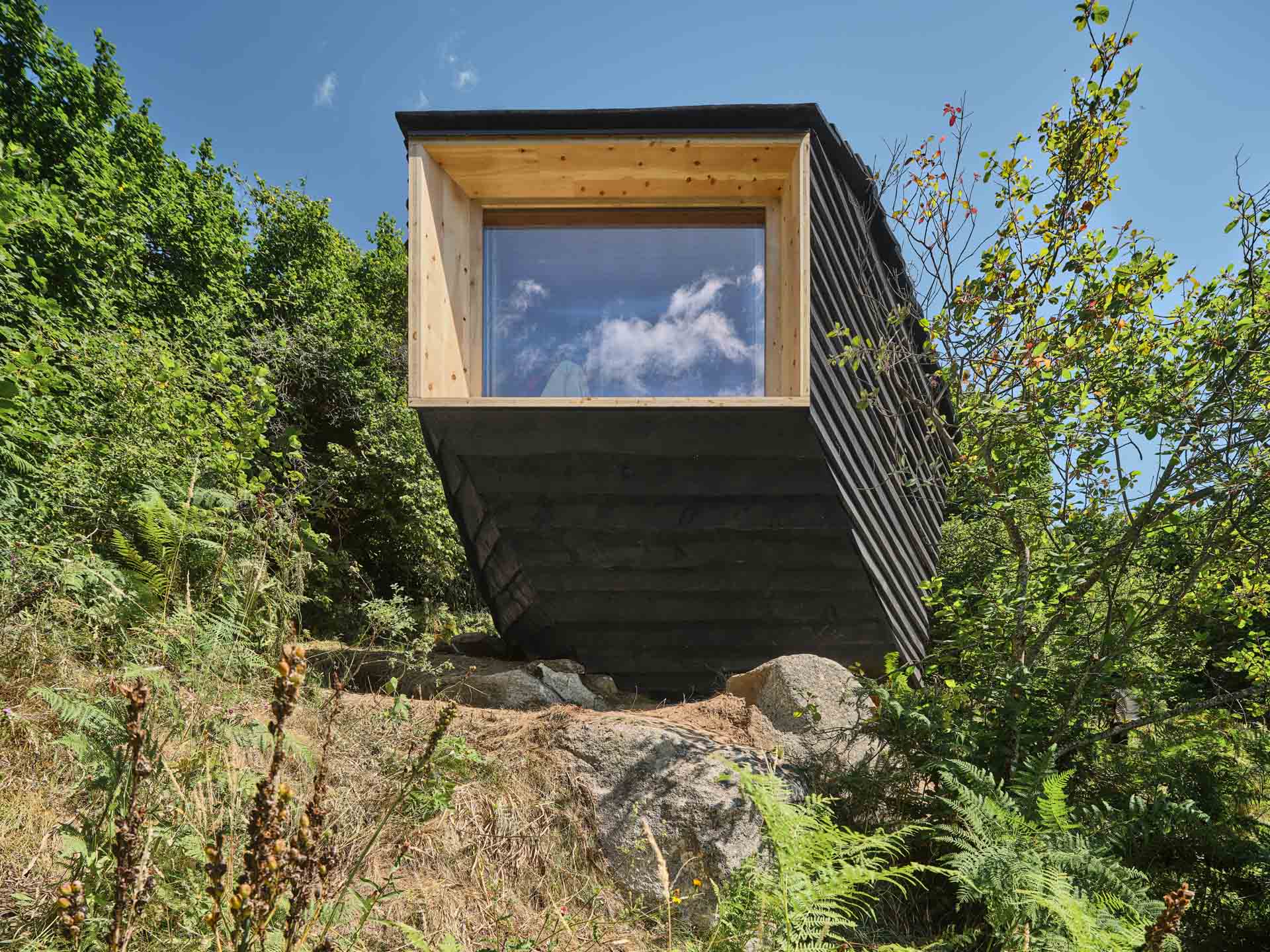
Forestone Cabin is a 20 m² experimental wooden dwelling developed by the Institute for Advanced Architecture of Catalonia (IAAC). The project forms part of the Bio for Piri initiative in the Pyrenees. It explores how local materials, regenerative forestry and low-impact construction can shape future architecture.
The 2025 cohort of IAAC’s Master in Ecological Architecture and Advanced Construction designed and built the cabin. The building sits near MónNatura Sort in the Catalan Pyrenees. It offers temporary accommodation for two people, including a sleeping area, workspace and bathroom. At the same time, it acts as a full-scale prototype for building in sensitive forest landscapes.
Timber Construction as a Circular Material System
The entire structure and envelope use locally sourced cross-laminated timber (CLT). The wood comes from nearby Pyrenean forests. As a result, transport distances and related emissions remain low. Moreover, the design relies on dry-assembly methods. This approach allows future disassembly, reuse or relocation of the building.
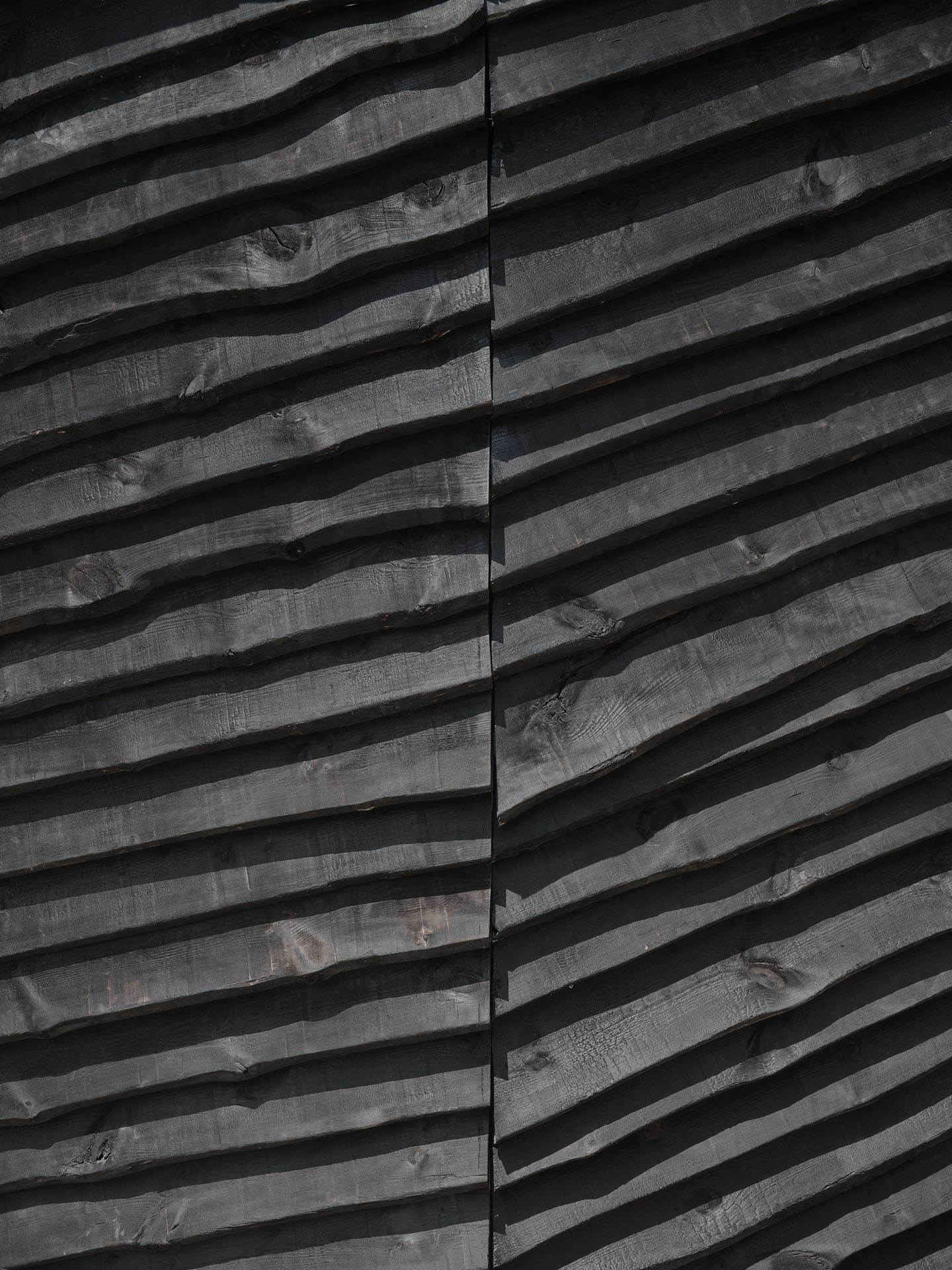
The façade plays a key material role. It consists of charred pine boards treated with the traditional Japanese Yakisugi (Shou Sugi Ban) technique. By charring the wood surface, the material gains protection against moisture, insects and mould. In addition, the treatment improves fire resistance without chemical coatings. In a region increasingly affected by wildfires, this choice directly links material innovation to forest management.
Interior Craftsmanship and Biobased Materials
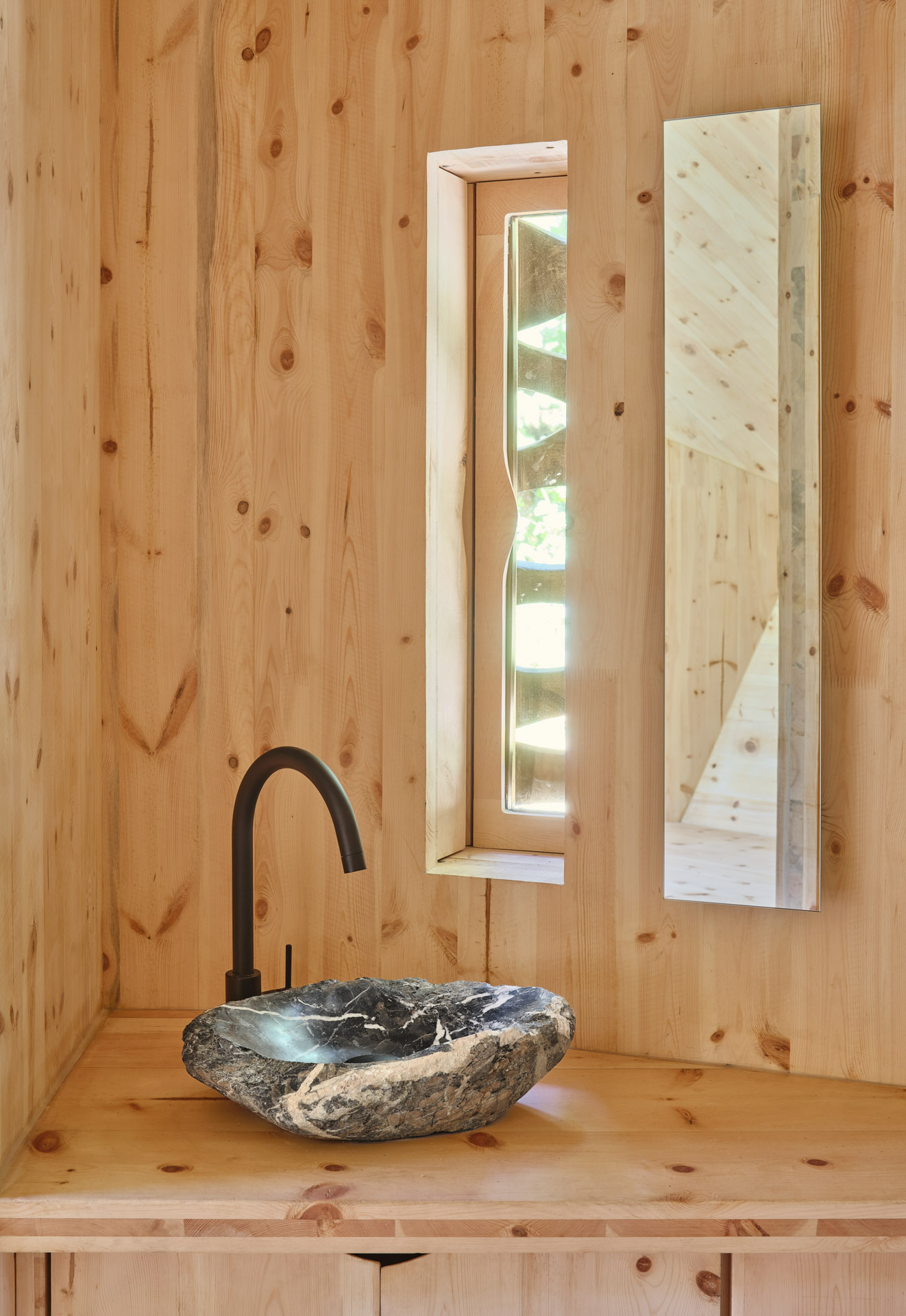
Inside, the cabin becomes a continuous wooden interior. Custom-made CLT elements form the bed, seating, storage and washbasin counter. The students designed and fabricated all furniture themselves. Consequently, structure, architecture and interior design merge into one coherent material system.
However, wood is not the only local material used. During a regional wool festival, the students collaborated with nearby farmers to collect sheep’s wool. They later processed the wool into felt textiles. These textiles now appear as rugs, blankets and cushions. Wool, as an agricultural by-product, offers natural insulation, tactile comfort and full biodegradability.
In addition, the students carved a washbasin from a locally sourced stone. This element further strengthens the connection between the building and its landscape.
A Replicable Model for Sustainable Building
From the outset, Forestone Cabin was designed as a replicable model. Its modular CLT construction, simple detailing and reliance on regional materials make it adaptable to other forest contexts. Therefore, the project demonstrates how small-scale architecture can support long-term environmental stewardship.
From January 2026, the cabin is open to guests. Visitors can experience firsthand how regenerative forestry, biobased materials and circular construction methods translate into built form.
Source: Institute for Advanced Architecture of Catalonia (IAAC)
Photos: Adrià Goula

Comments