From Plant to Palette: Natural Dyeing in Marianne Tiegen’s Chalet Cocagne
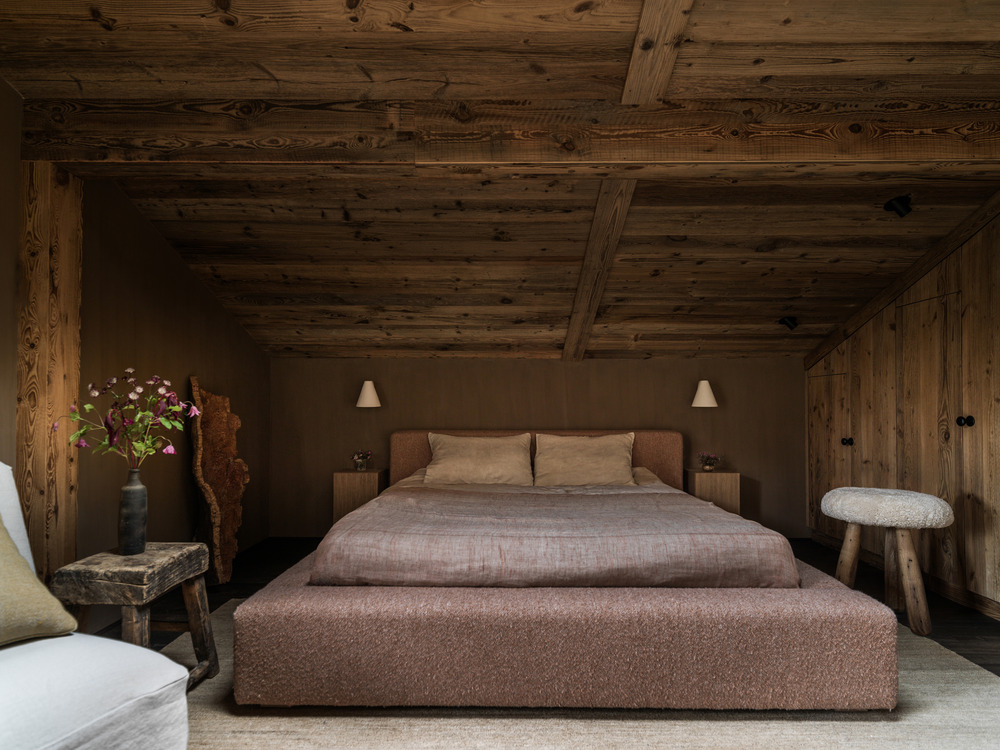
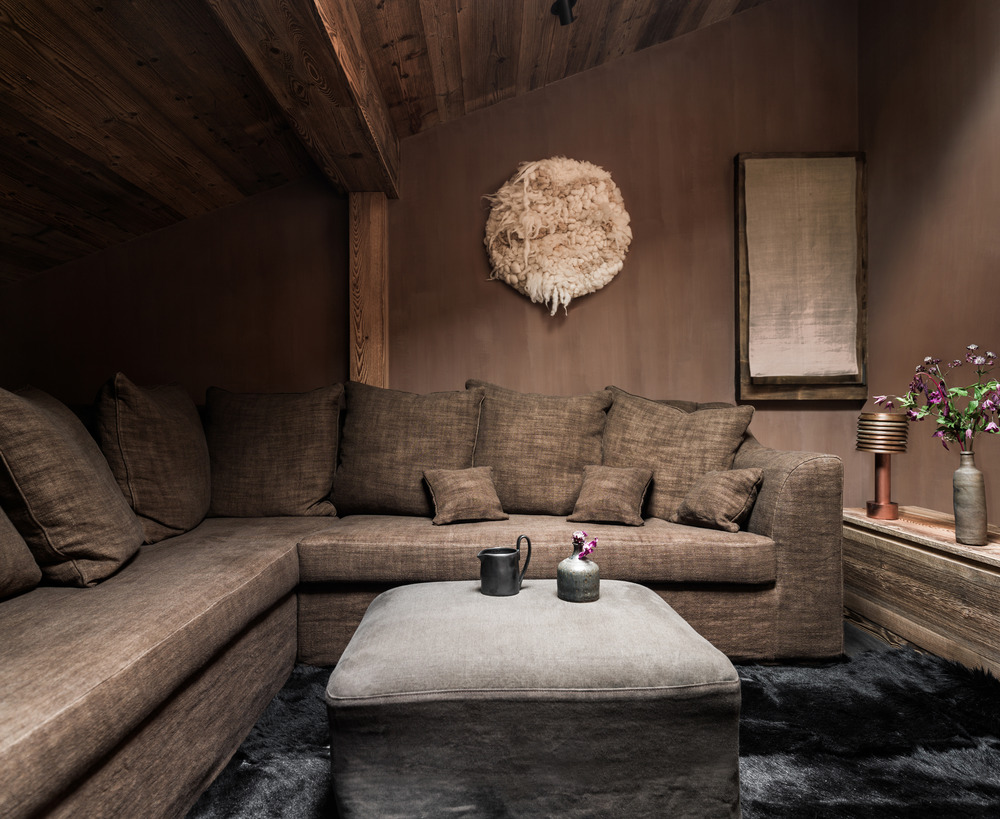
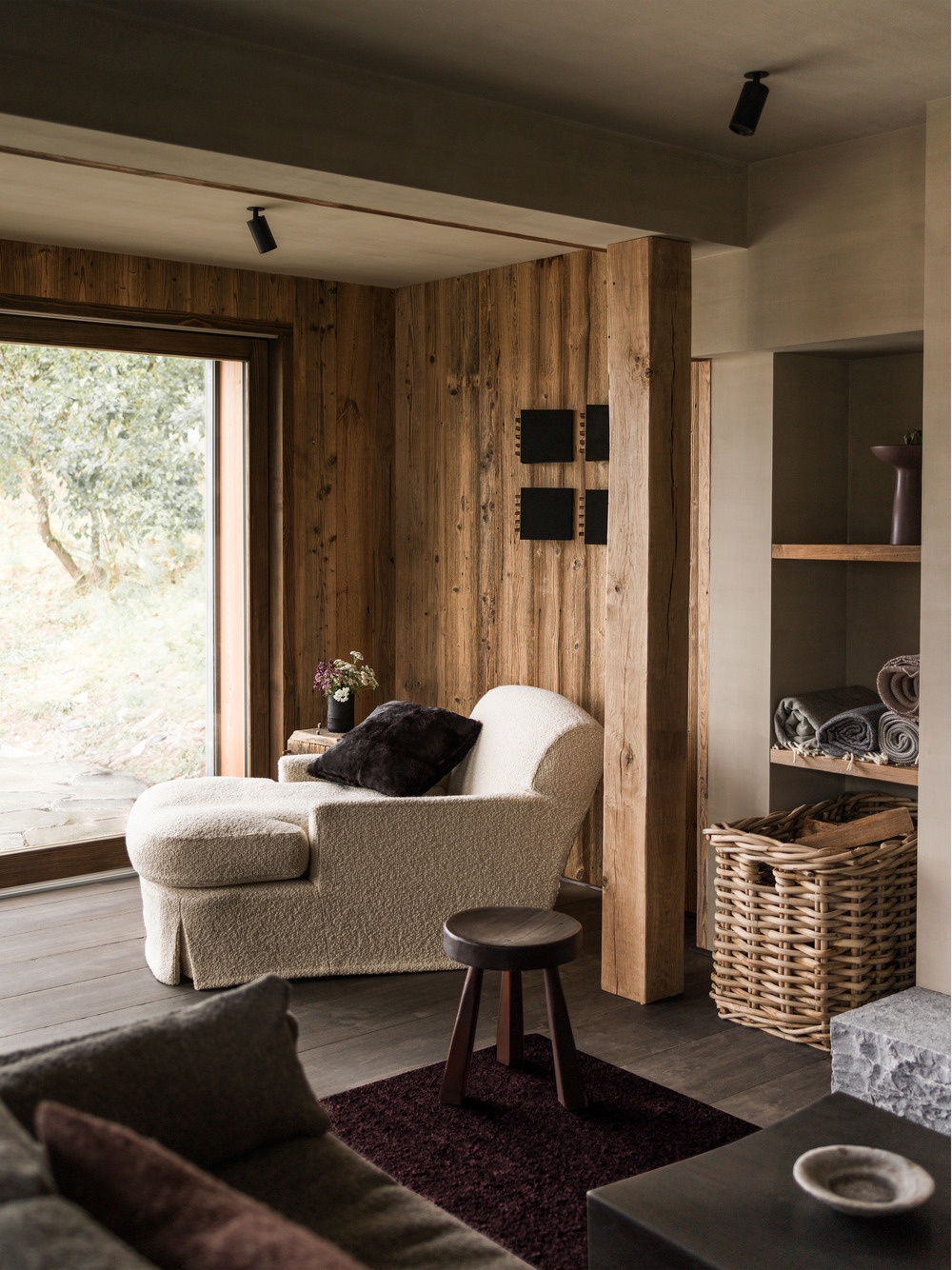
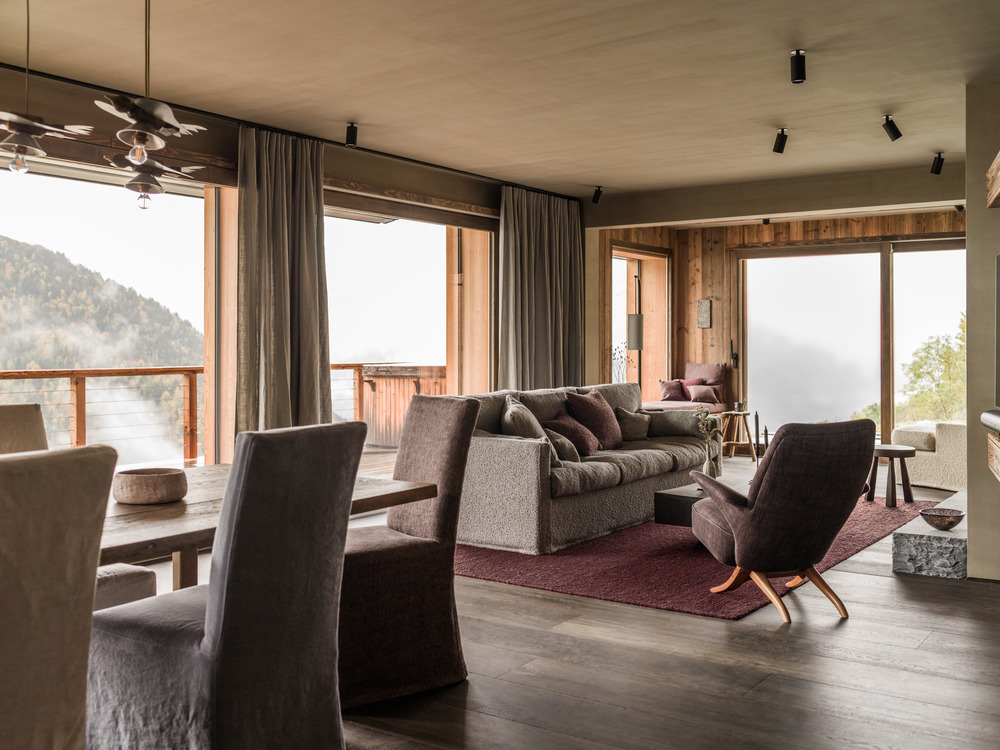
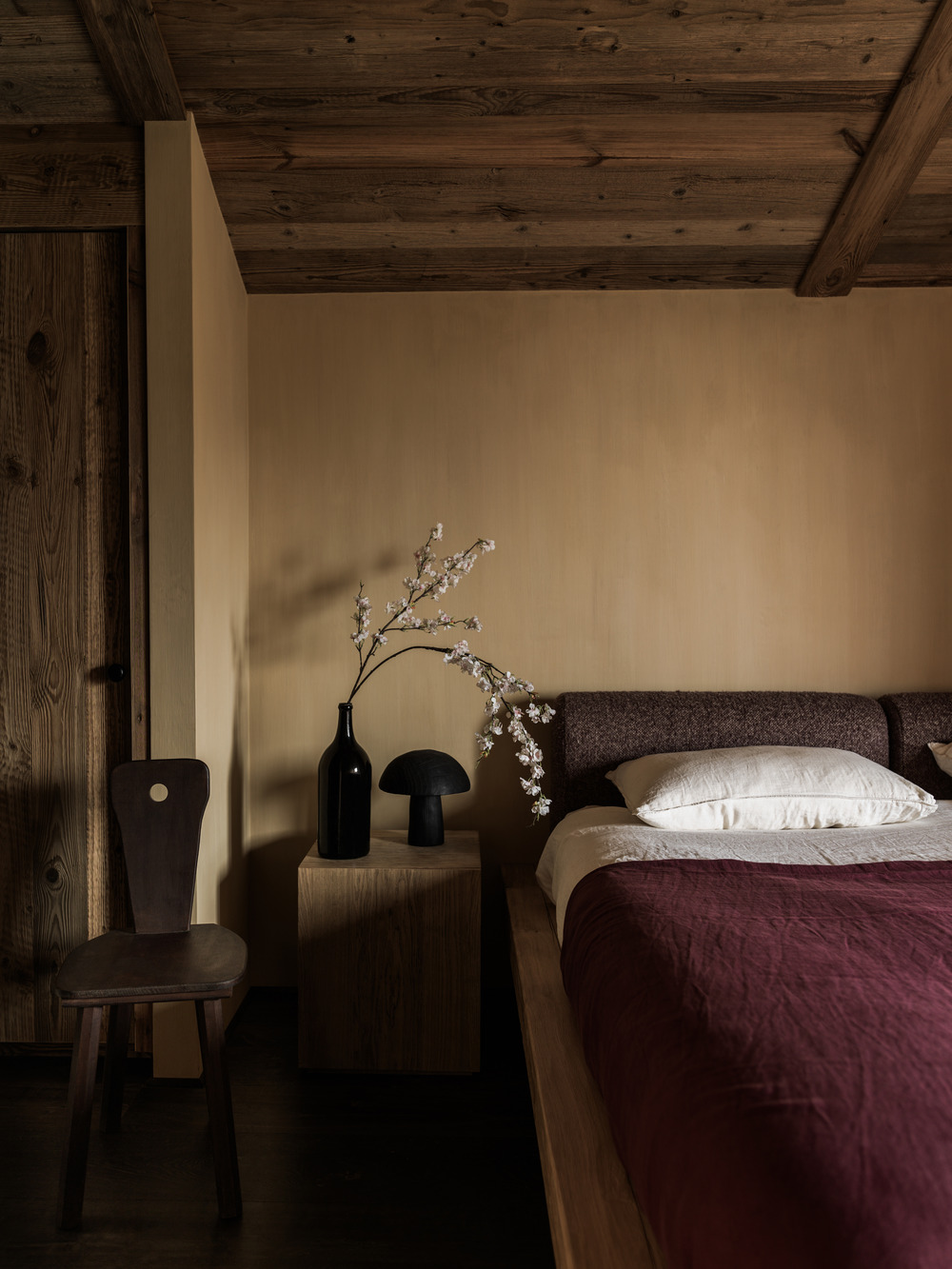
In the Swiss Alps, Chalet Cocagne by Marianne Tiegen Interiors shows how colour and material can connect interiors to their surroundings. The project reimagines a 1970s chalet through natural dyeing, reuse of materials, and craft-based sustainability.
Colours from the Landscape
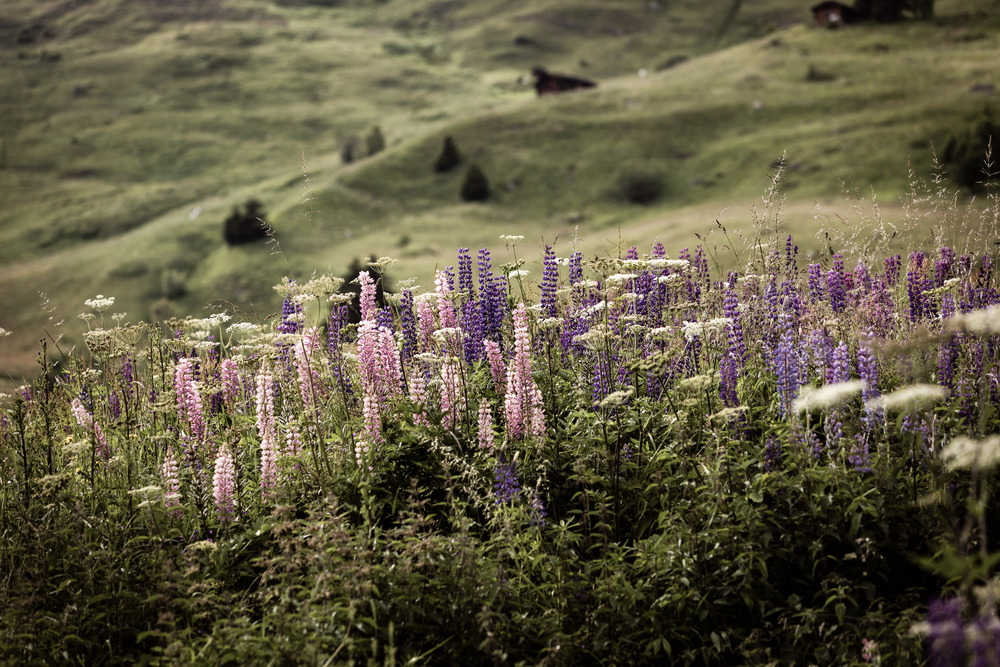
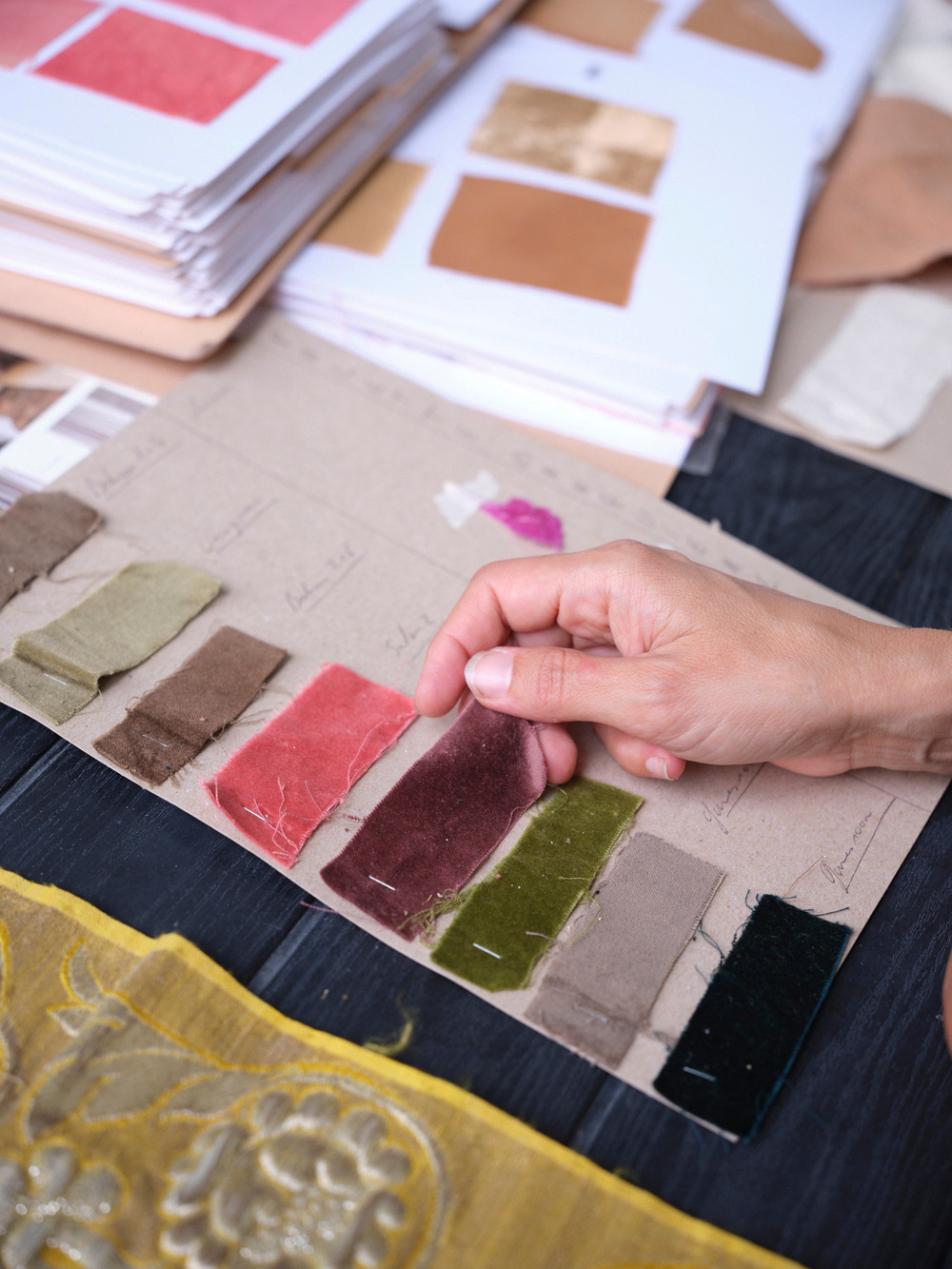
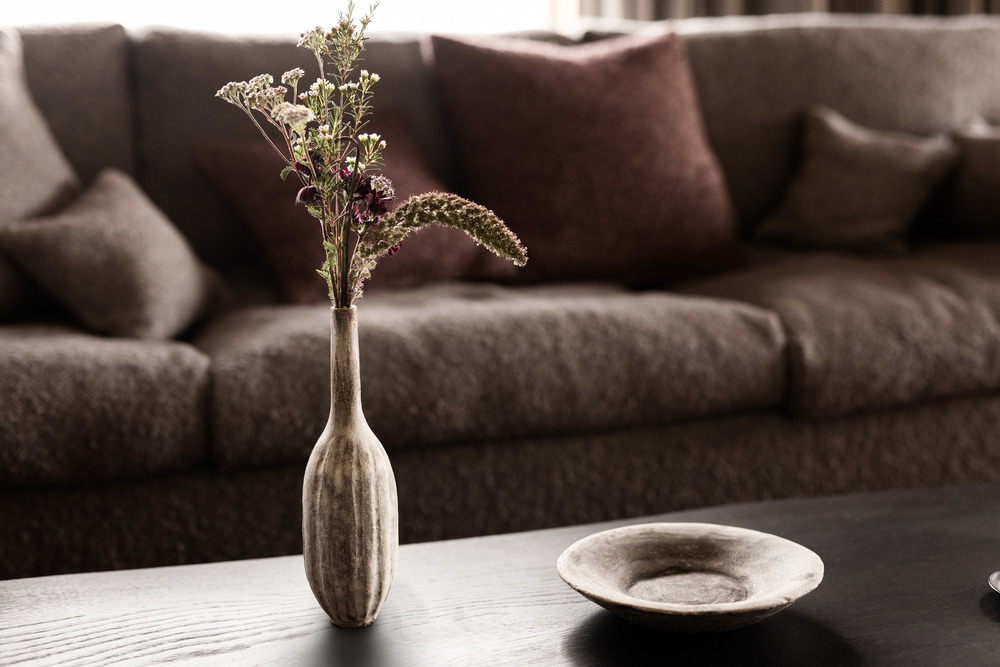
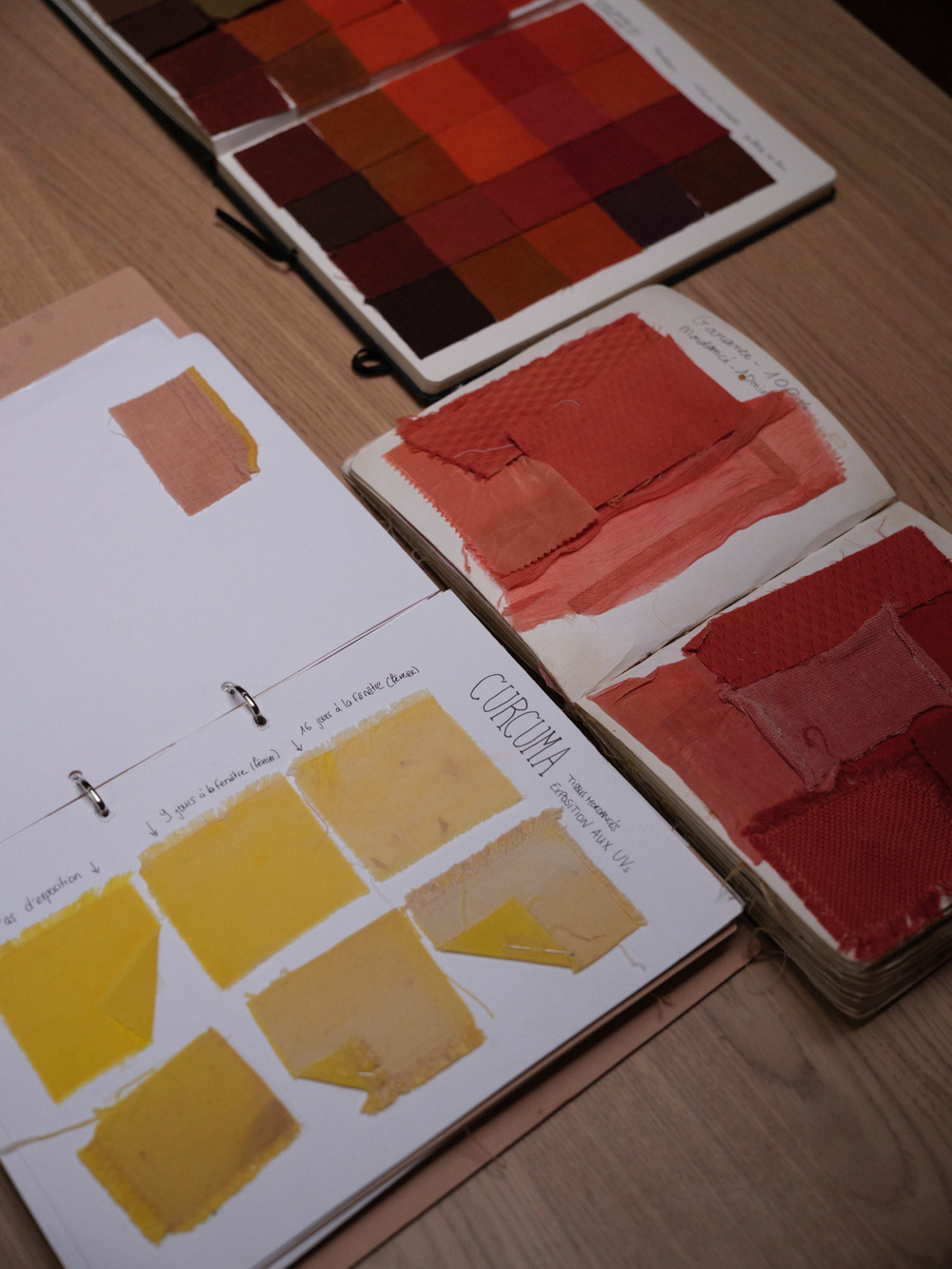
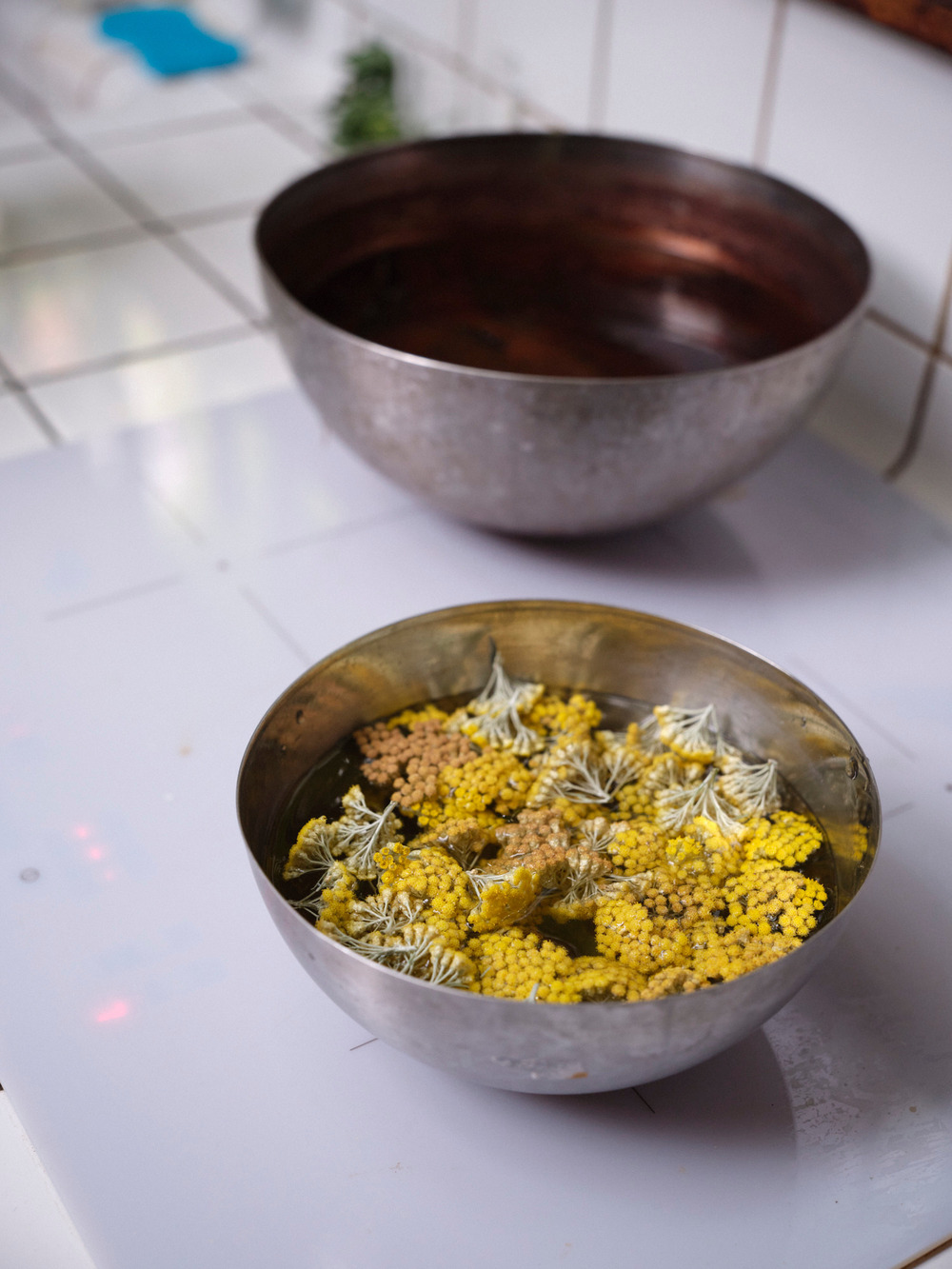
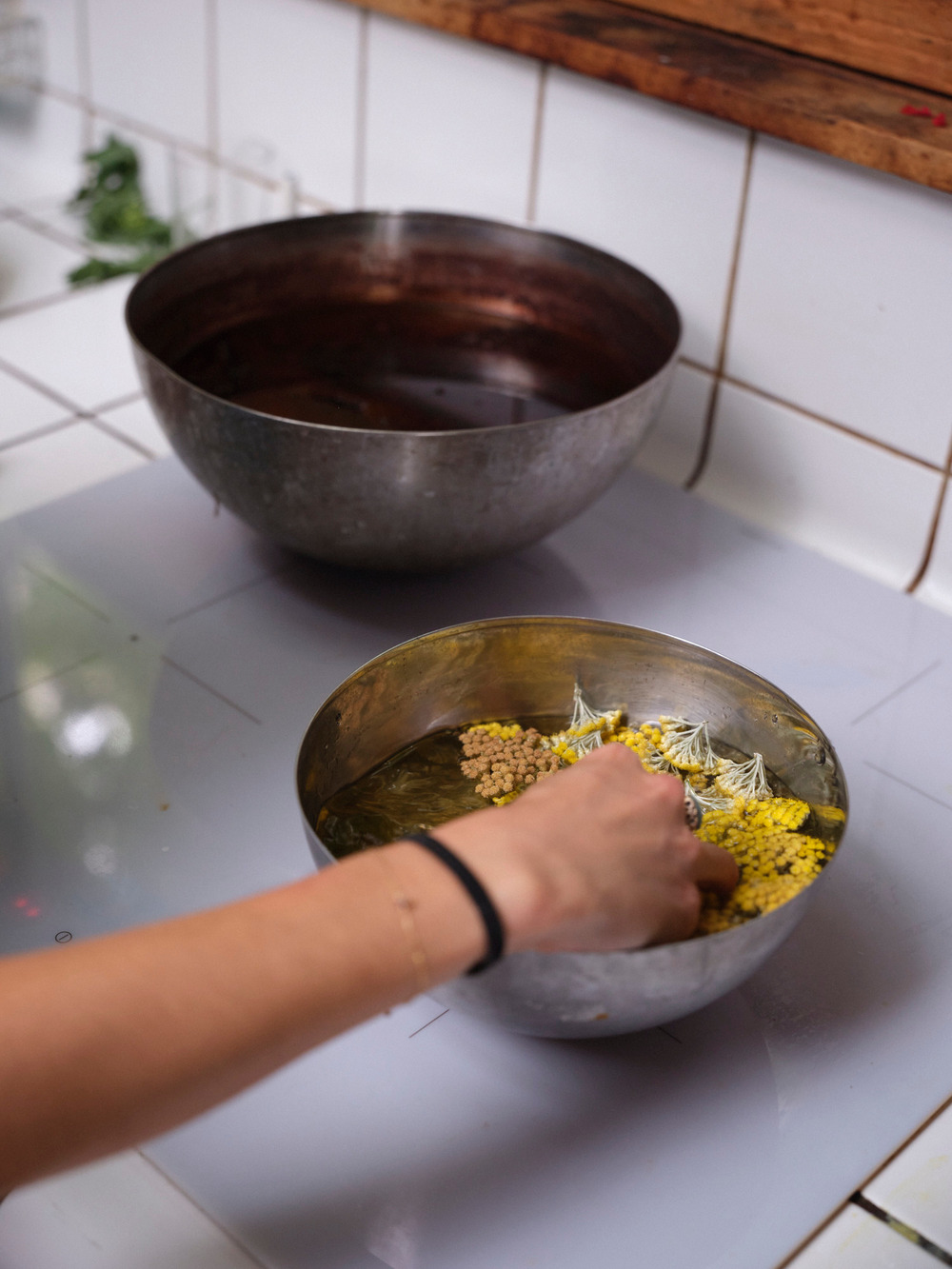
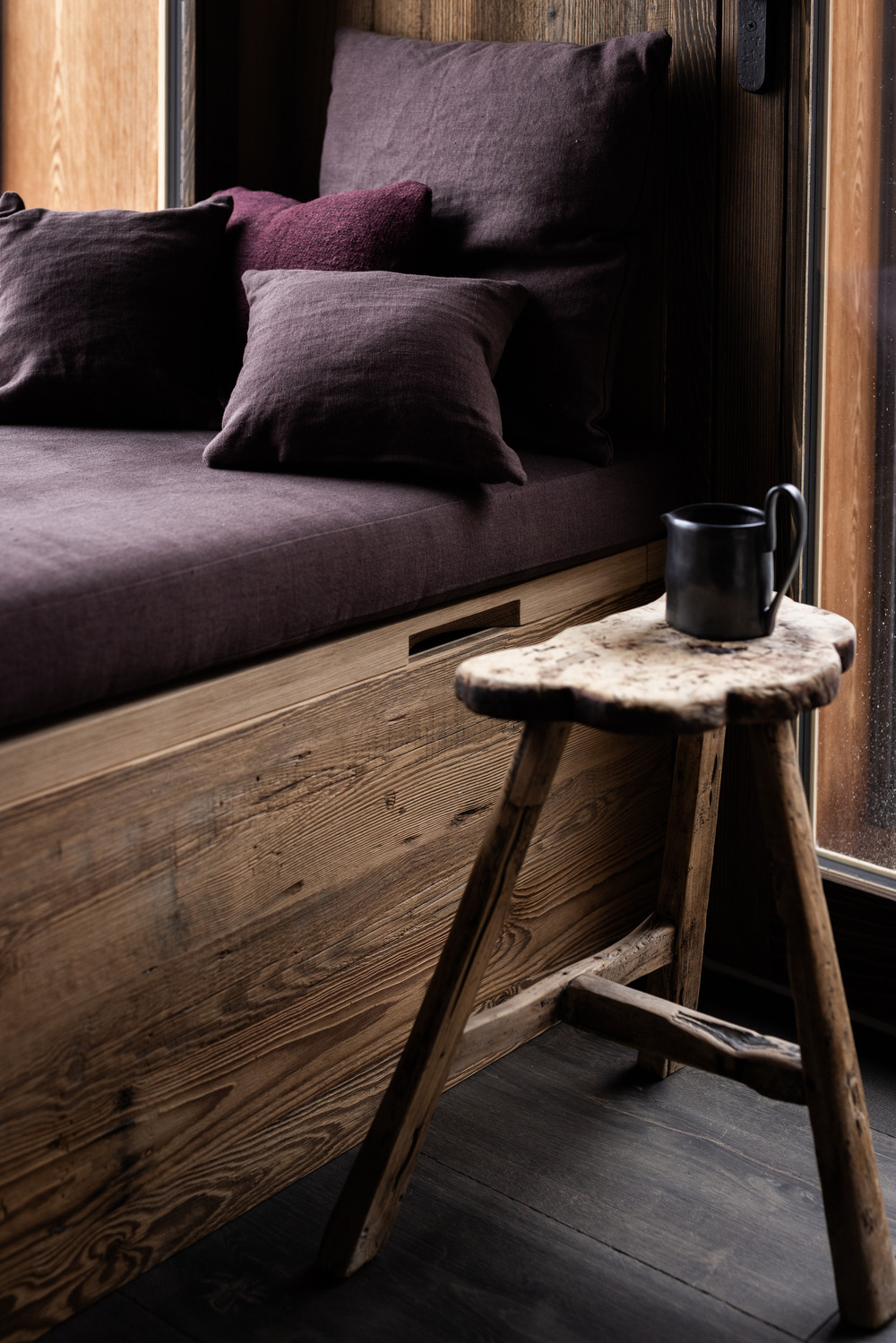
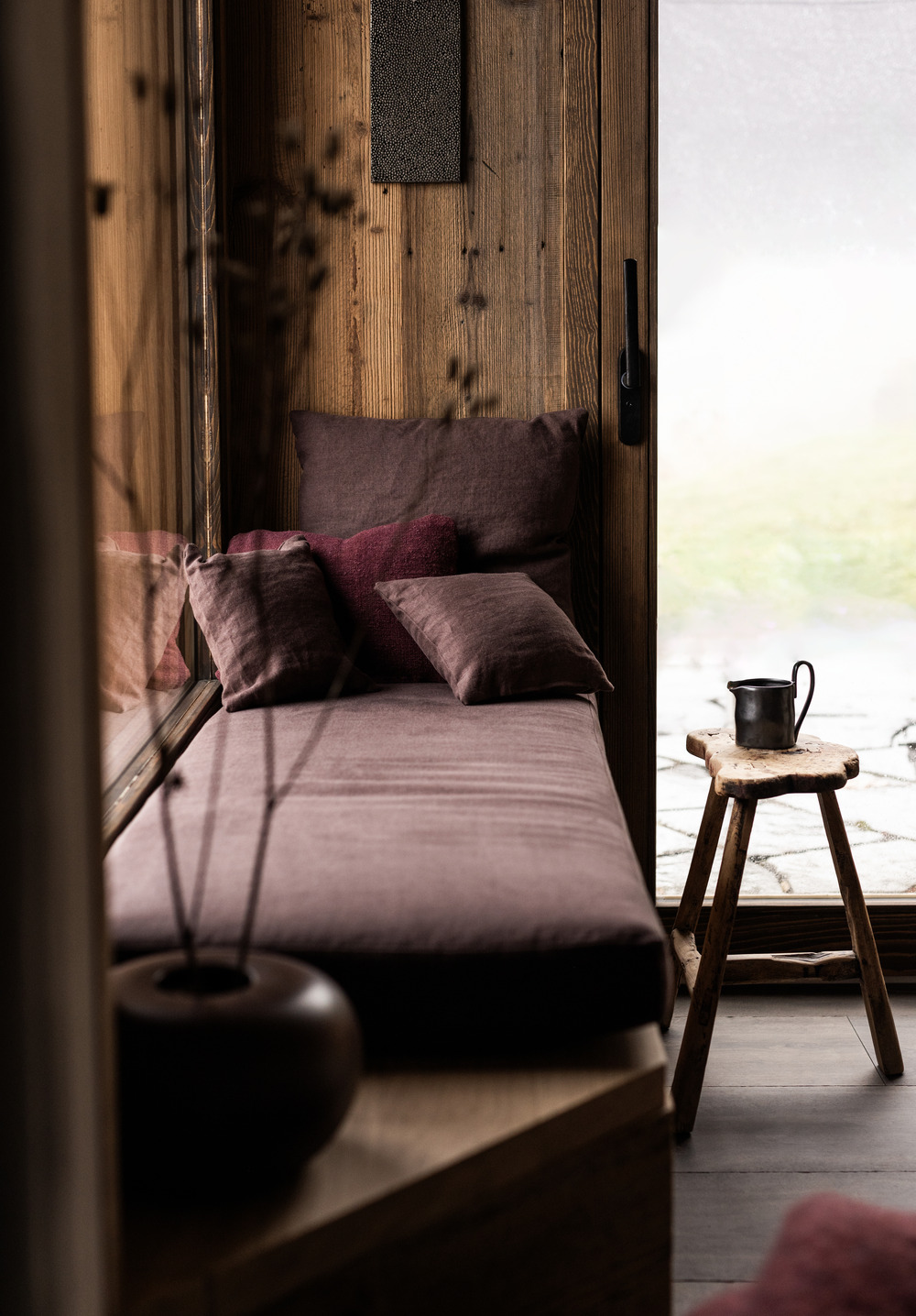
Each shade in the interior comes directly from local plants, flowers, and minerals. Tiegen and her team collect and process these sources to extract gentle tones that mirror the alpine landscape. Misty greys recall the mountain stone, soft yellows reflect summer flowers, and muted purples evoke thistle and wild aster.
This approach explores how natural pigments can replace synthetic dyes in interior design. The colours developed in Tiegen’s Paris atelier were applied by artisans using traditional methods. As a result, the hand-dyed linens, wools, and limewash paints bring texture and depth to the chalet.
Sustainable Materials and Reuse
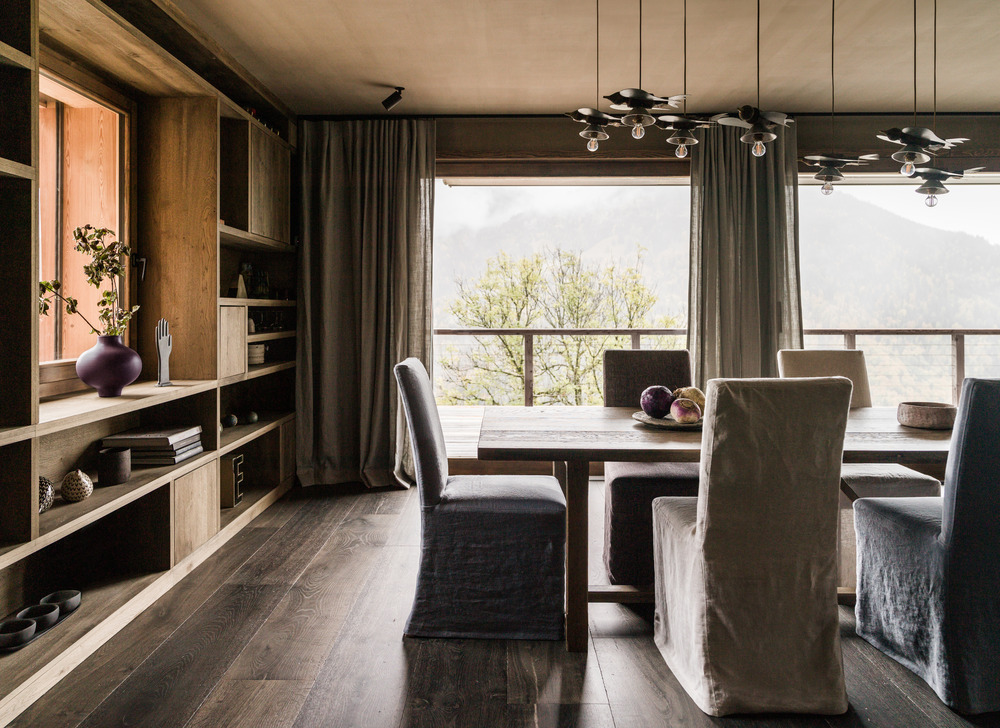
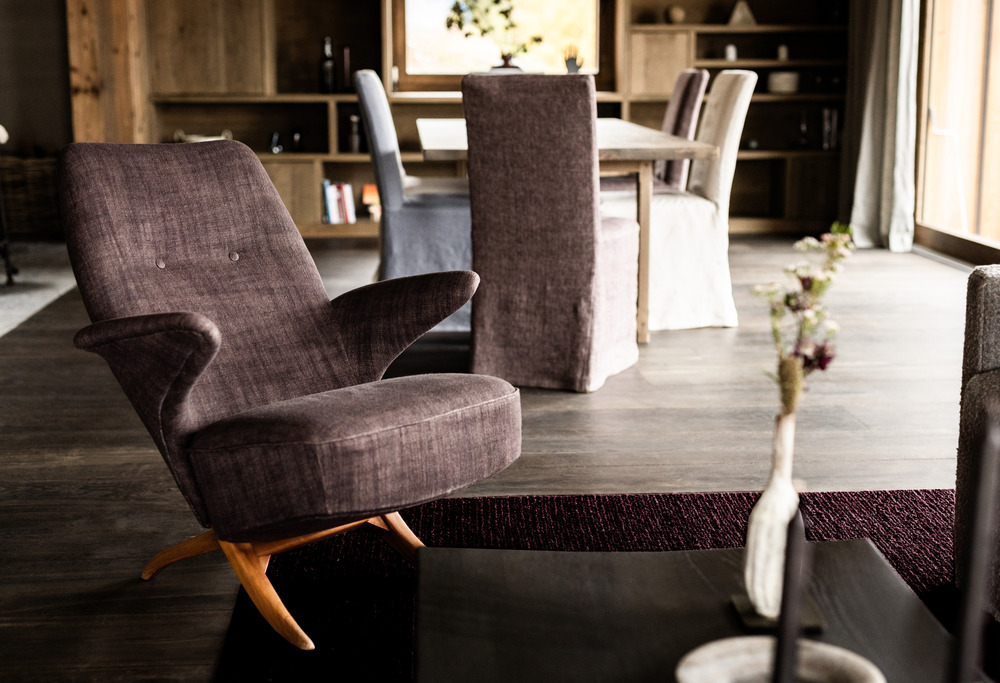
Sustainability guided every stage of the renovation. Plant-based pigments lower water use and eliminate chemical waste. In addition, reclaimed oak, locally sourced wool, and vintage furniture support a circular design approach.
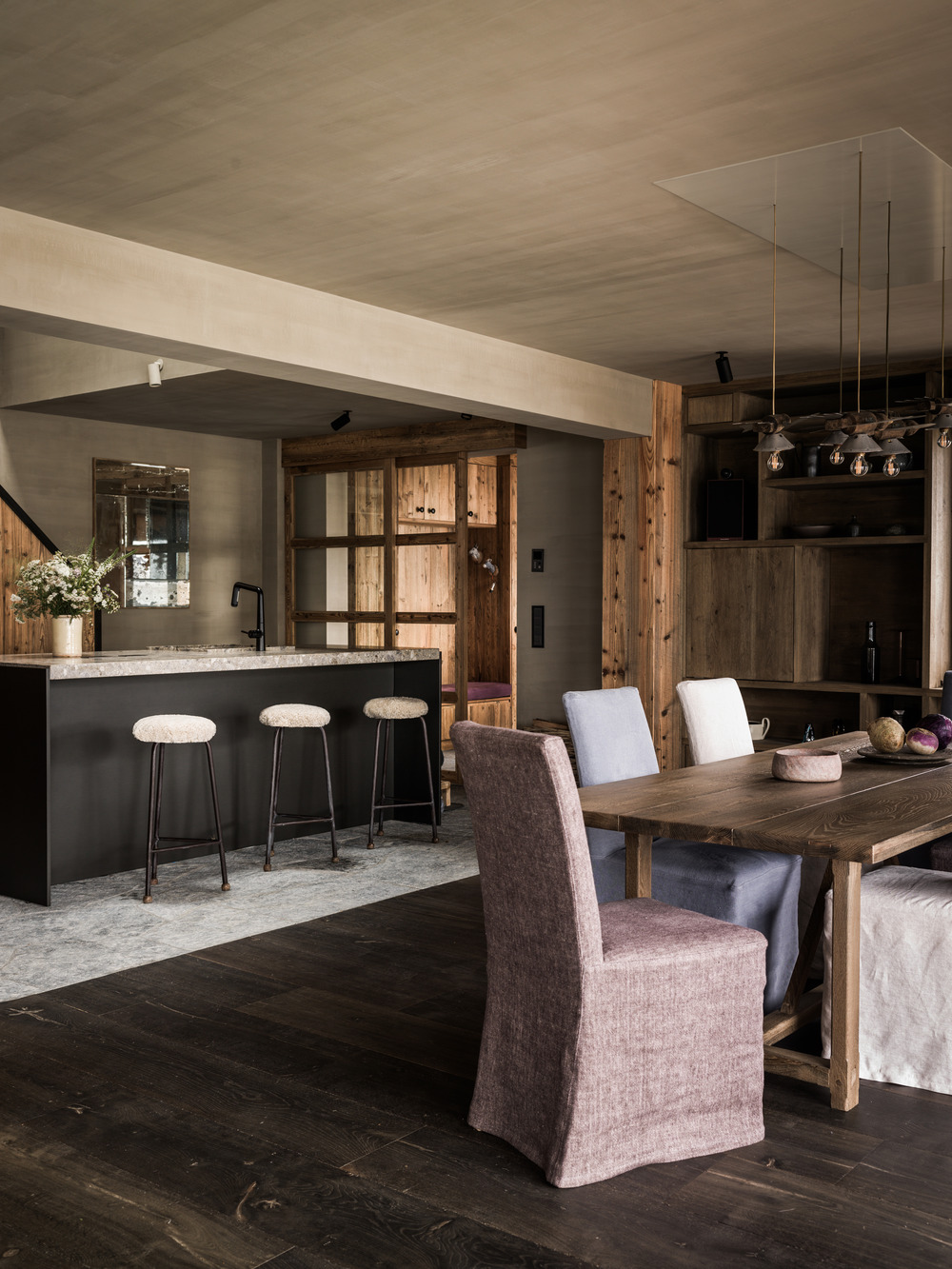
Many furnishings reflect this mindset. A dining table made from reclaimed oak and textiles in custom dyes such as Orage, Chardon, and Lupin demonstrate how aesthetic value and environmental care can align. Every element was chosen to balance visual harmony with practical comfort.
The use of mineral-based finishes and soft, natural textiles helps the interior blend with the mountain surroundings. Therefore, the design maintains both beauty and durability for long-term living.
A Material Connection to Place
Rather than following trends, Tiegen focuses on timeless colour relationships and authentic materials. The slight variations in tone and texture highlight the natural character of each surface. Moreover, the project reflects a growing movement in design that values longevity, local sourcing, and material transparency.
Chalet Cocagne demonstrates that natural dyeing and circular design can enrich interior projects. By combining craft, locality, and low-impact materials, the project creates an environment that feels both contemporary and connected to nature.
Source: Marianne Tiegen Interiors via V2com
Photos: @jwilson

Comments