From Waste Stream to Resource: Giving Horticultural Film a Second Life
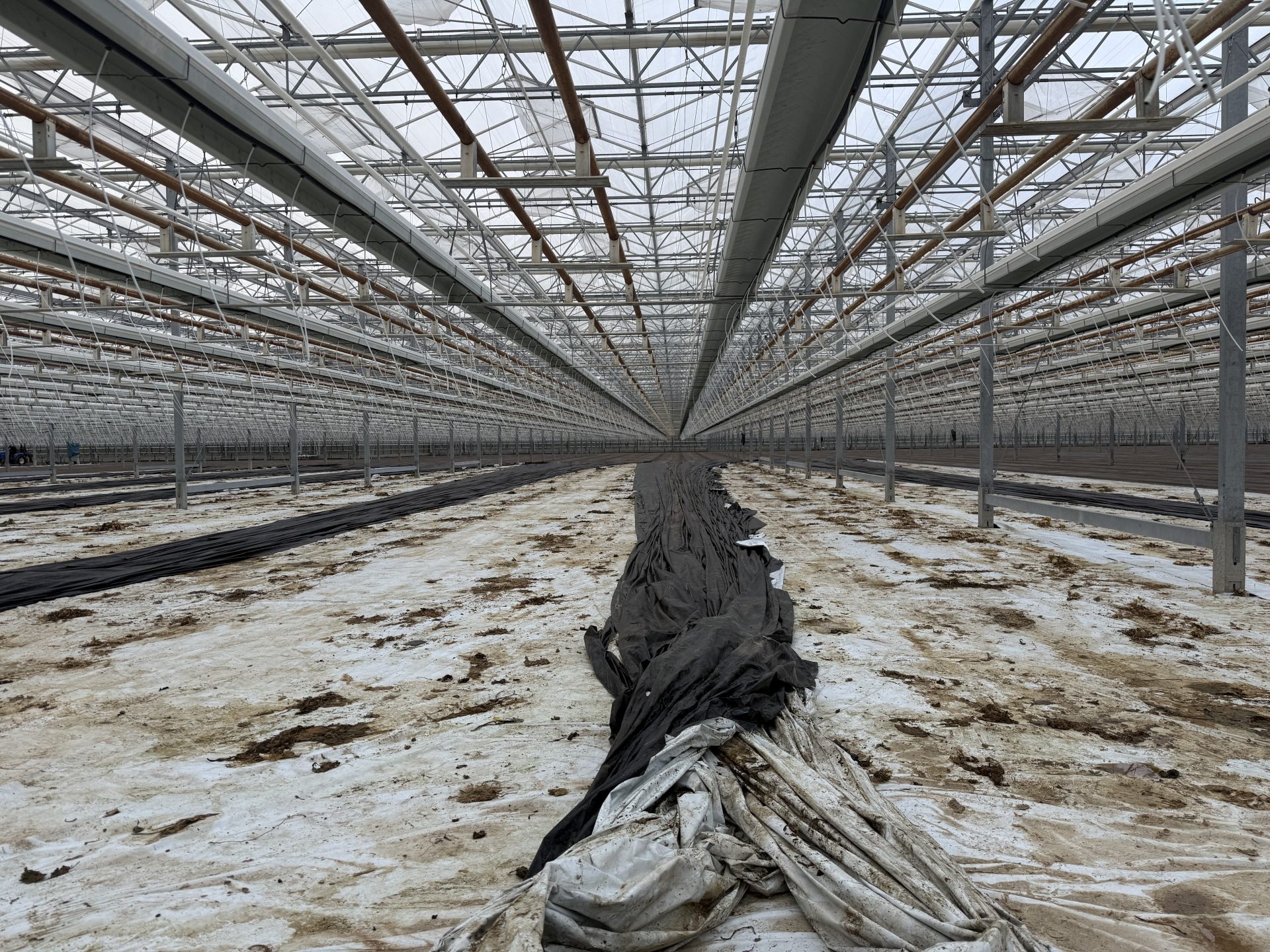
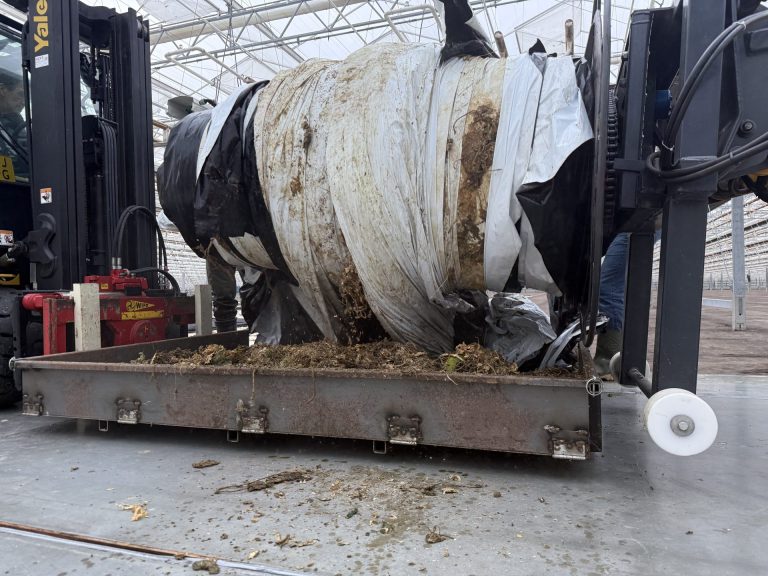
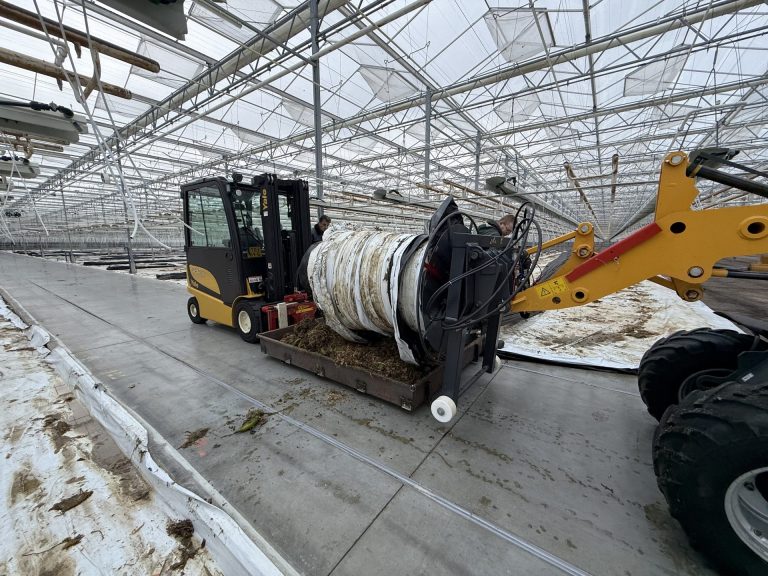
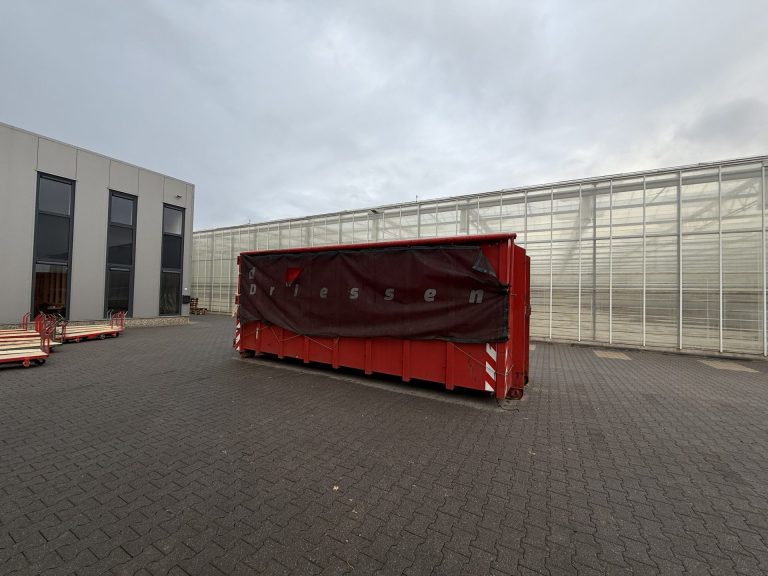
During crop rotation in the horticultural sector, large amounts of plastic film are removed each year. This material, mainly strip film and walkway film, used to be collected as mixed business waste and sent for incineration. Mertens has now developed a more sustainable and far more cost-effective alternative. In collaboration with a specialist plastics recycler, the company has created a new route in which used film becomes a valuable raw material. A first pilot shows strong results and points to sector-wide potential.
A Sustainable Alternative to Incineration
The cost of processing plastic waste continues to rise, which encouraged Mertens to look for circular solutions. Their search led to a recycler experienced in handling plastics from the agricultural sector. Early discussions focused on the needs of growers and on the practical barriers that often prevent proper recycling. The recycling partner visited growers directly to understand how film is used, collected and stored, which helped shape a realistic pilot approach.
Building a Circular Chain
Mertens plays an important role as connector. Many growers are not aware that greenhouse film can be recycled, so Mertens guides them from registration to collection. The first trials took place with growers of peppers, snack tomatoes and cucumbers. All growers delivered their used film in a swept-clean condition, which proved essential for efficient processing. Both growers and the recycler reported smooth logistics, high material quality and lower costs compared to regular waste incineration.
From Used Film to New Material
At the recycling facility, the film is stored, washed, shredded and pressed into bales. These bales then serve as feedstock for new plastic products. For the growers, the process requires only a small change in daily practice, with no need for new equipment. For designers, the resulting recyclate increases the availability of recycled polyethylene streams suitable for use in construction components, interior panels, product housings and packaging applications. The initiative demonstrates how circular systems in horticulture can strengthen material flows for design and manufacturing sectors that rely on high-quality recycled plastics.
Scaling Up the Initiative
Mertens will expand the programme in the coming months. New growers have already registered, and additional pilots will begin in October. The company is also exploring similar circular routes for other residual materials such as rope and plant waste. According to Mertens, the approach is ready for broader adoption. The system works, it is scalable and it aligns with the sustainability ambitions of the horticultural sector.
This development strengthens the wider circular plastics landscape and supports designers across disciplines who seek reliable, low-impact materials with a traceable and transparent origin.
Source & photo: Mertens Groep

Comments