MaterialsStoriesBrandsEventsBooksTalksChannels
← Stories
Biophilic & Human-CentredCircular

A green roof by tiling with Ecopan
News · Story by MaterialDistrict · 15 Sept 2016 · 2 min read

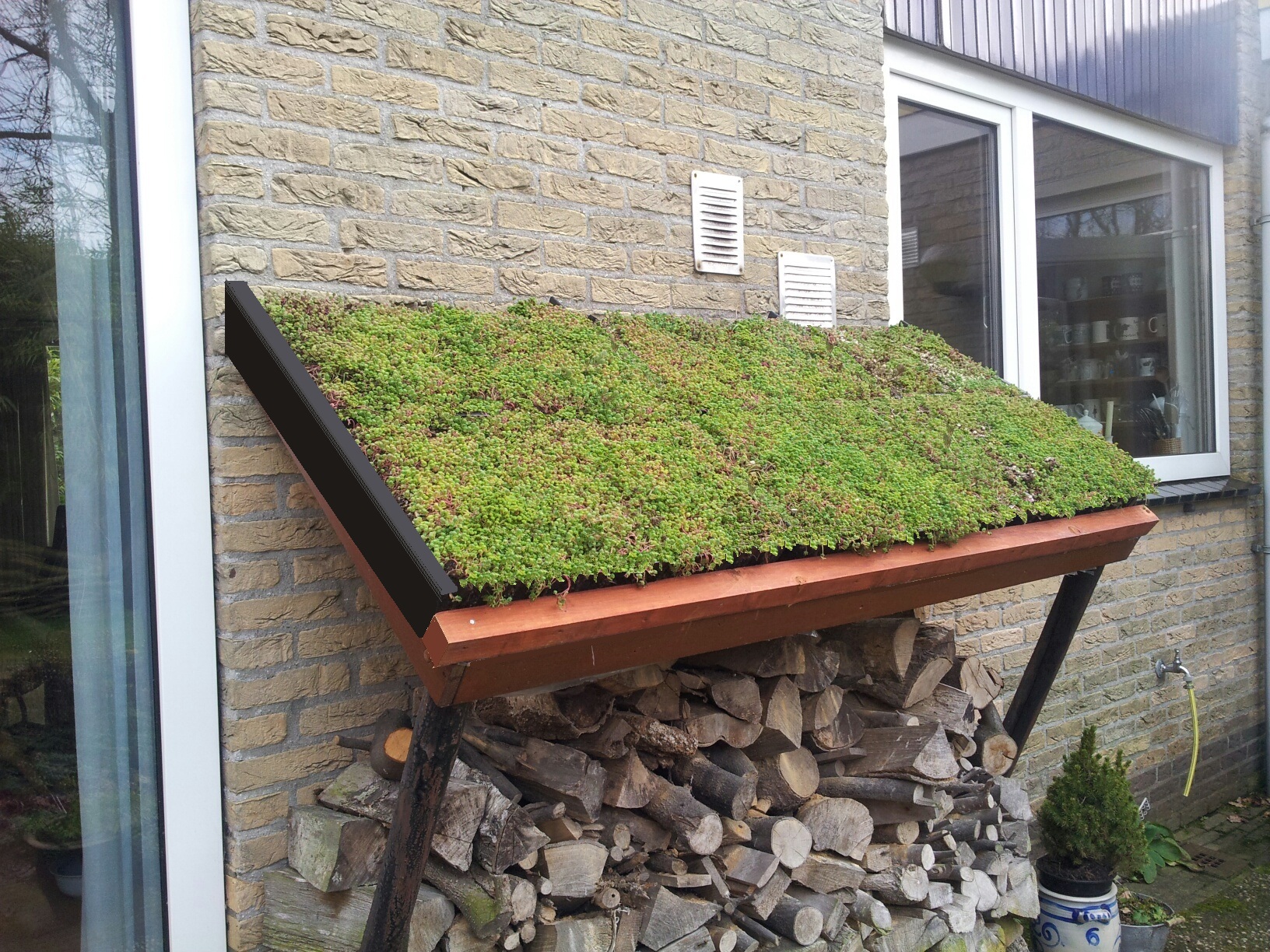
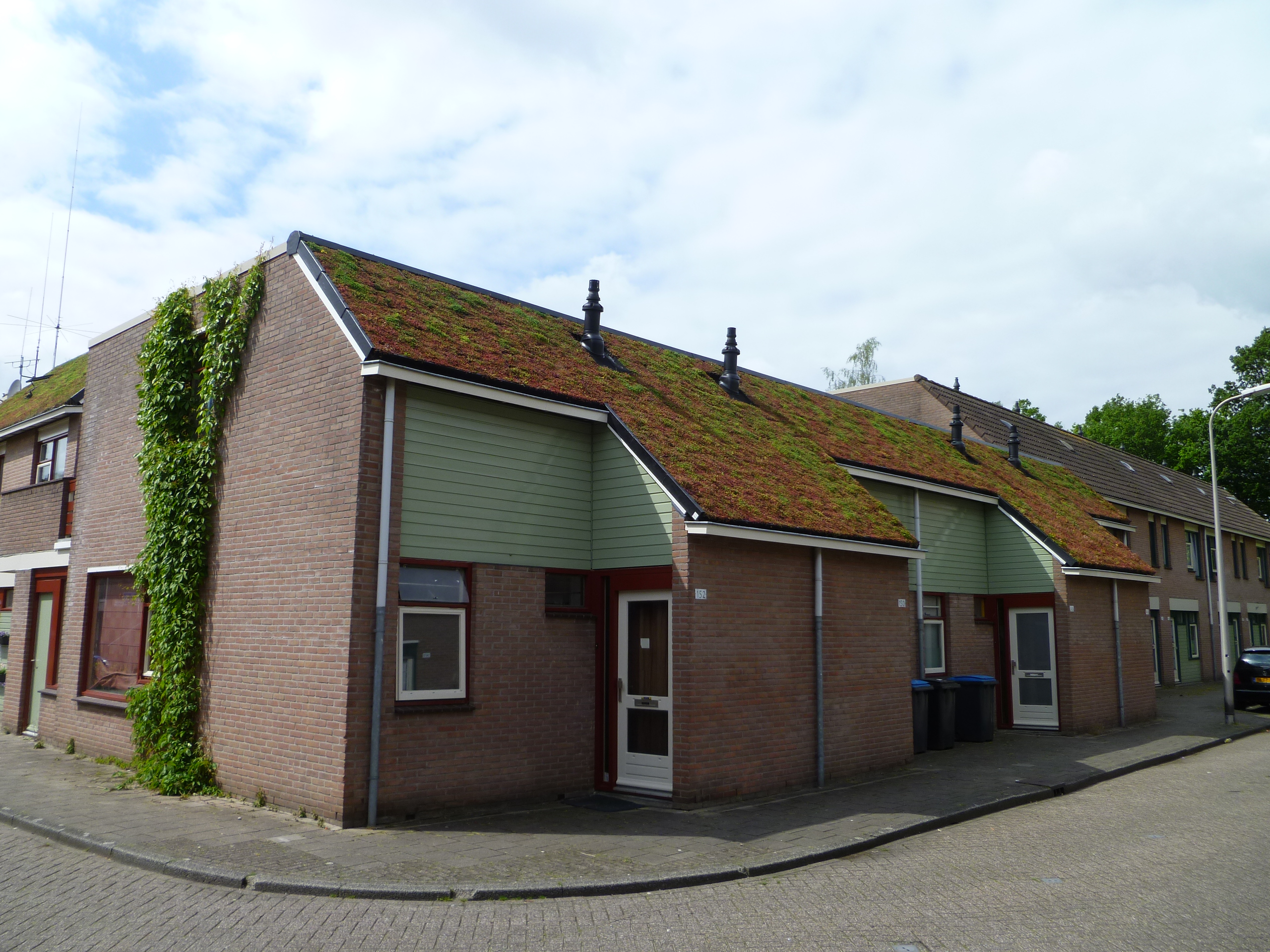
People often complain that there is too little green in the city, and with the growing population and urbanisation, more and more will disappear. Because it rains more often and harder nowadays, the sewage system can become overloaded, as it cannot get rid of the access water quick enough. One solution for both these problems is green roofs: placing plants on your roof. While this was already possible with flat roofs, Arno Weppel has come up with a roofing tile for pitched roofs: the Ecopan.

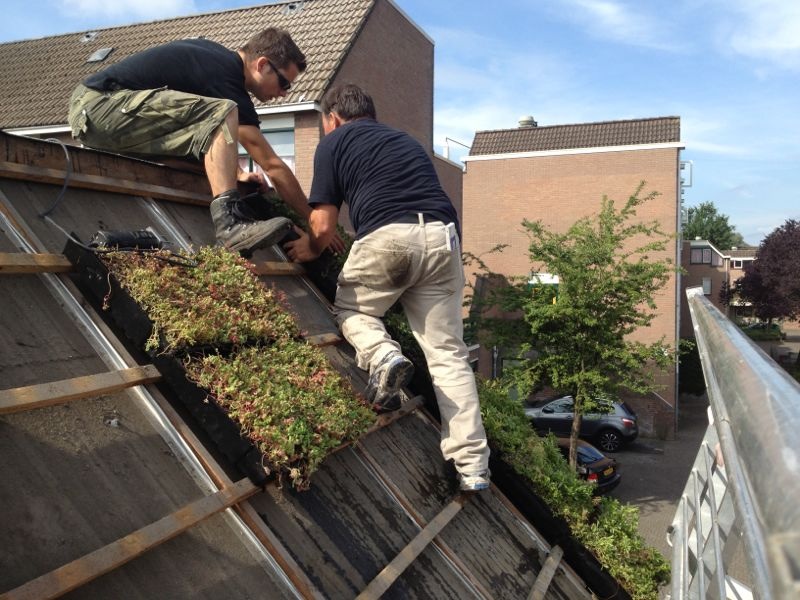
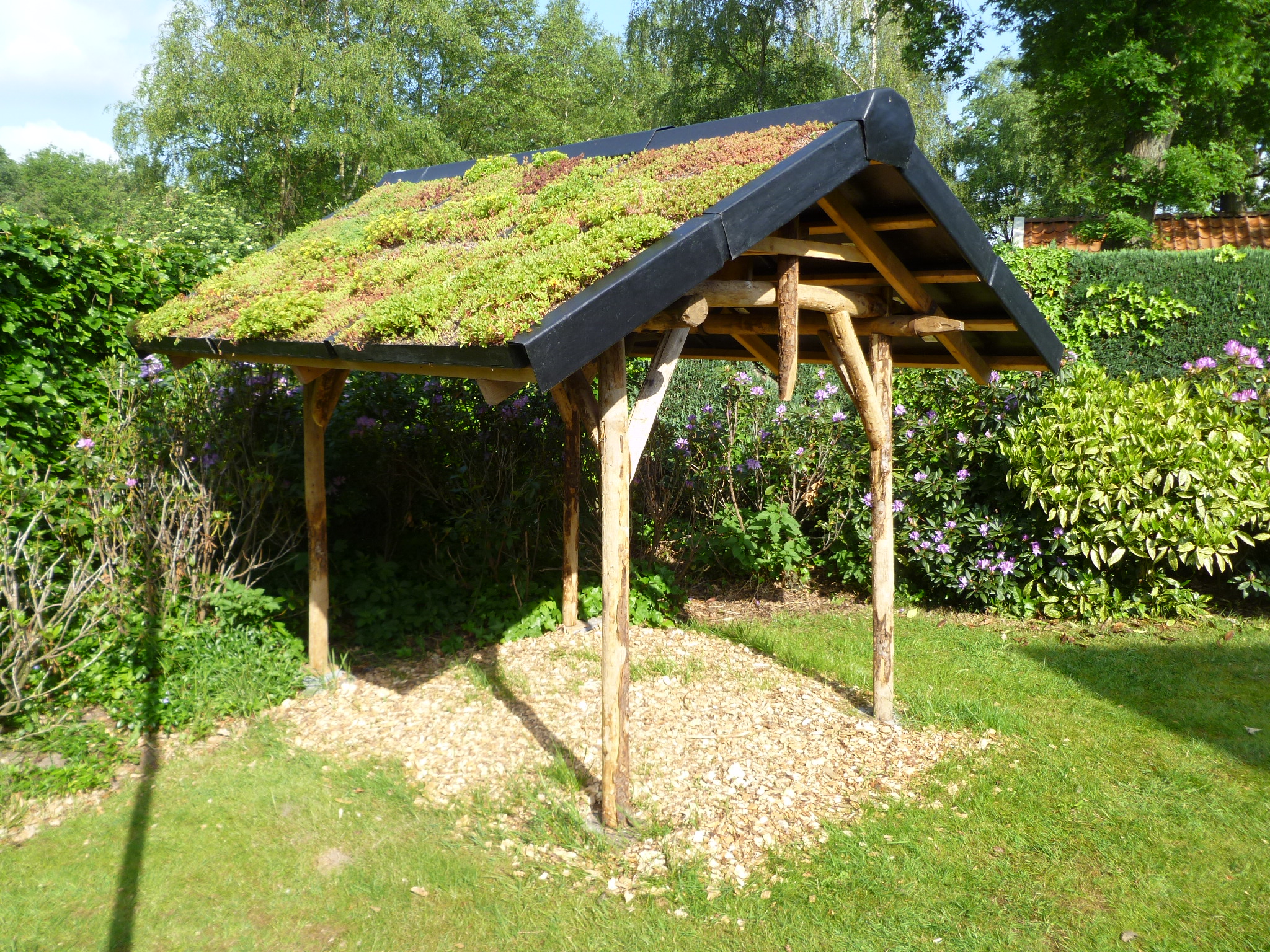
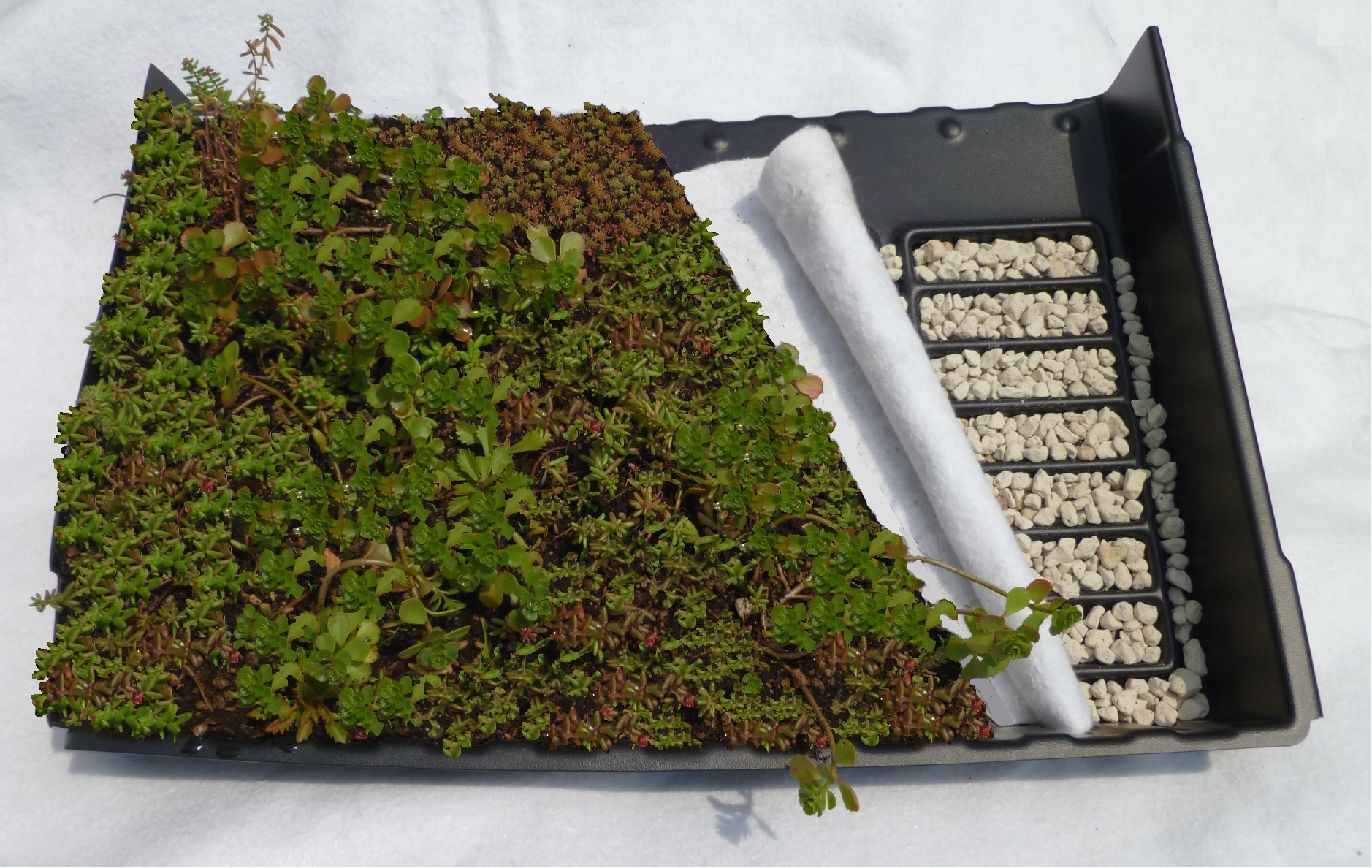
Making flat roofs green is not much of a challenge; since a few years it is possible to buy plants on a roll, which you only have to unroll on your roof. For pitched roofs it was not that easy, until now. The Ecopan (‘Eco-tile’) can be placed as easily as a normal roof tile. The tile itself is made from recycled HDPE plastic, with water reservoirs in which pumice is placed to hold water, a filter, a substrate and six types of sedum. Sedum is a species of plants that do not lose their leaves, remains green all year round and can both live in wet and dry environments. The tiles can be used until an angle of inclination of fifty degrees.

Having a green roof has many advantages. As mentioned above, the plants hold water so the sewage system has time to drain access water. Plants trap CO2 and release oxygen, filtering and cleaning the air. The tiles form a layer of isolation as well, subduing the noises from outside. Study shows that under a roof of Ecopans, it is 6-13 degrees Celcius (10.8-23.4 degrees Fahrenheit) cooler than under a conventional roof on hot days. And, of course, it just looks pretty, because the plants bloom from May to October.

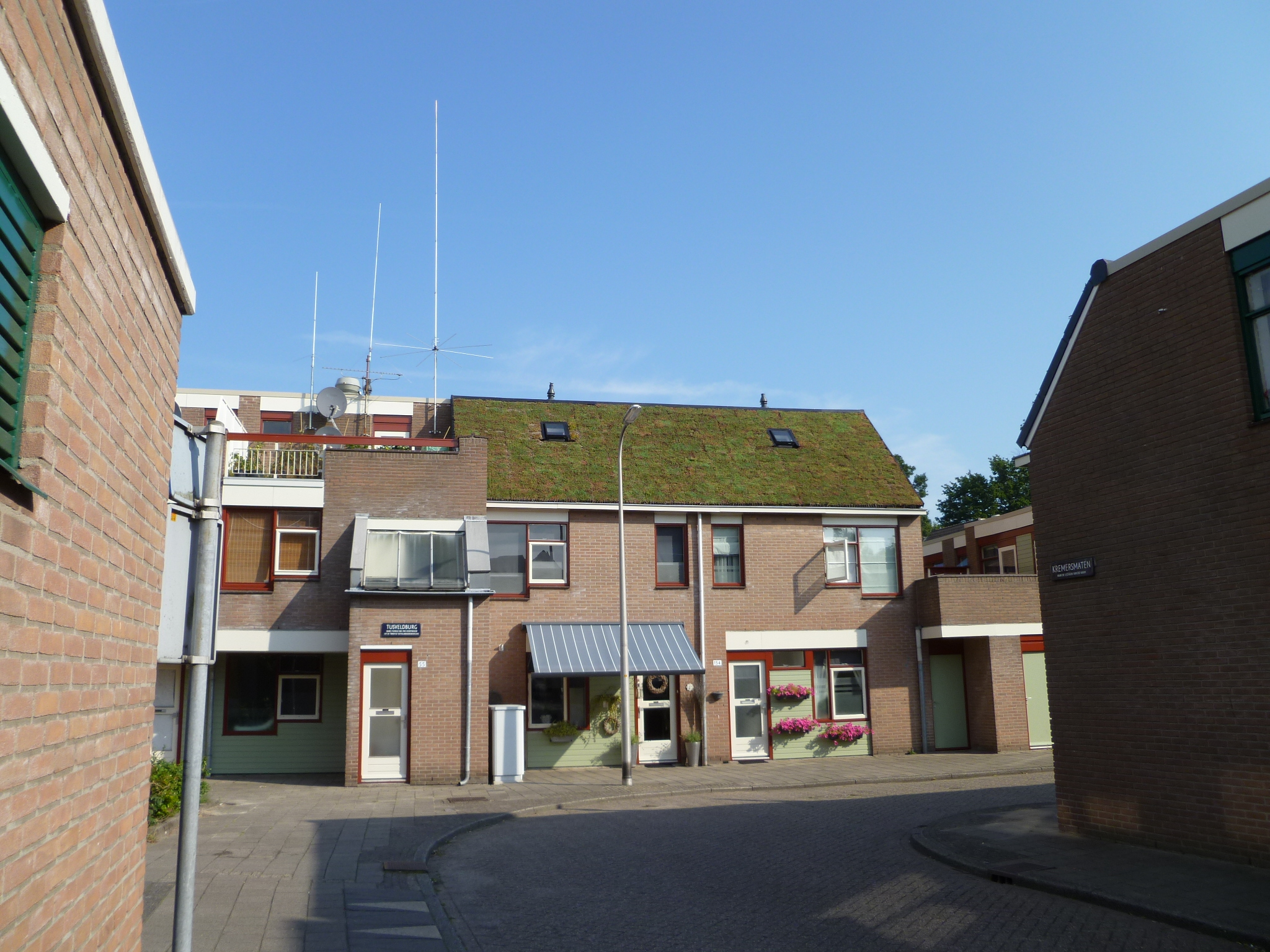
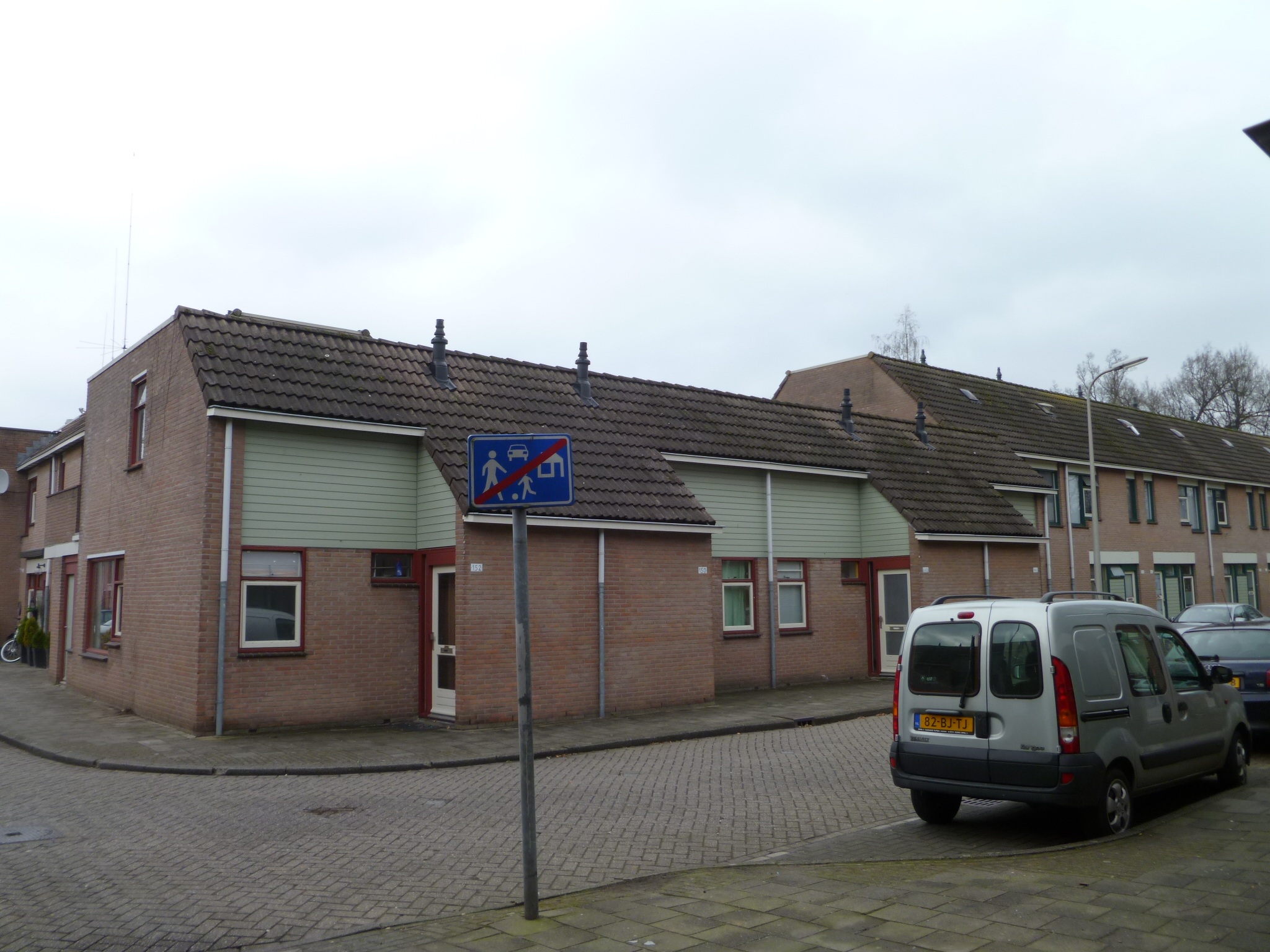
In 2013, a pilot using the roof tiles was done in Enschede, the Netherlands. The tiles were placed on eleven houses, and in the course of a year and a half, the effects were studied. The trial was obviously a success, as the tiles are now available for sale.

Photos: Ecopan.nl

MDMaterialDistrict15 Sept 2016 · 2 min read
Enjoyed this story?Make MaterialDistrict a preferred source — see our stories first in Google.
Make MaterialDistrict your preferred source
Latest materials
  • Mush Surfaces – Bio-Lithic EditionMush Composites
  • ‘Carbon Capture’ tilesStudio Jesper Eriksson
  • OBRO – Leather-Infused Translucent PVC CompositeOkunote
All materials →

Follow the Transition

Choose your topics and stay updated on the innovations shaping a sustainable built environment.

Email updates:
Unlock all articles
Read every in-depth story

Insiders read every in-depth article, get quarterly trend reports and 1 free event entry per year.

Become an Insider — €10/mo

Related

  • ArticleTowards A Fully Biobased Green Roof: Lessons From The Roofed Green Tray
  • ArticleA solar panel that looks like a ceramic roof tile
  • ArticleA sustainable green roof made from sewage waste
  • ArticleRoof tiles as emergency raft in case of floods
  • ArticleBiobased roof tiles and cooling terracotta
  • ArticleA green roof made of metal and ferrocement
MaterialDistrict
The leading platform for innovative and sustainable materials — for architects, designers and manufacturers.

Choose your topics and stay updated on the innovations shaping a sustainable built environment.

Discover
MaterialsStoriesEventsTalksBooksBrands
For specifiers
Create free accountInsider membershipCompare materialsBoardsInsider insights
For manufacturers
List your materialsBrand profileReach 80,000+ specifiersSample requestsInnovation Fund
Company
About MaterialDistrictOur missionFrequently asked questionsContact
Contact
info@materialdistrict.com+31 (0)20 71 30 650
MaterialDistrict B.V.
Amsterdamsestraatweg 43-A2
NL-1411 AX Naarden
The Netherlands
Company Number 60837802
VAT Number NL854081732B01
LinkedInInstagramX
© 1998 – 2026 MaterialDistrictAdd MaterialDistrict to Google
Privacy policyAccessibilityCookiesTerms of use