GREENLANDER Introduces Natural Fibre Composites in Expedition Vehicle Design
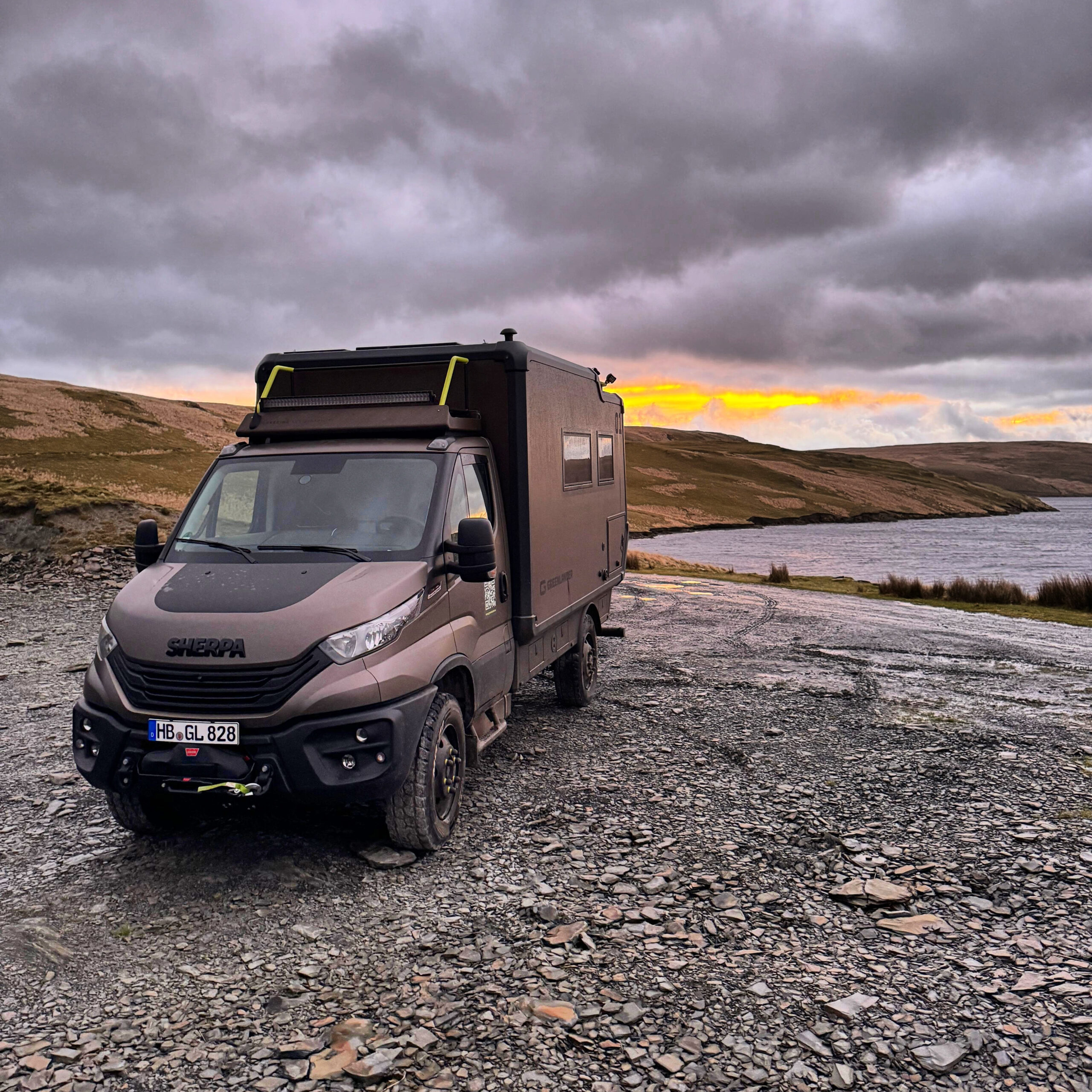

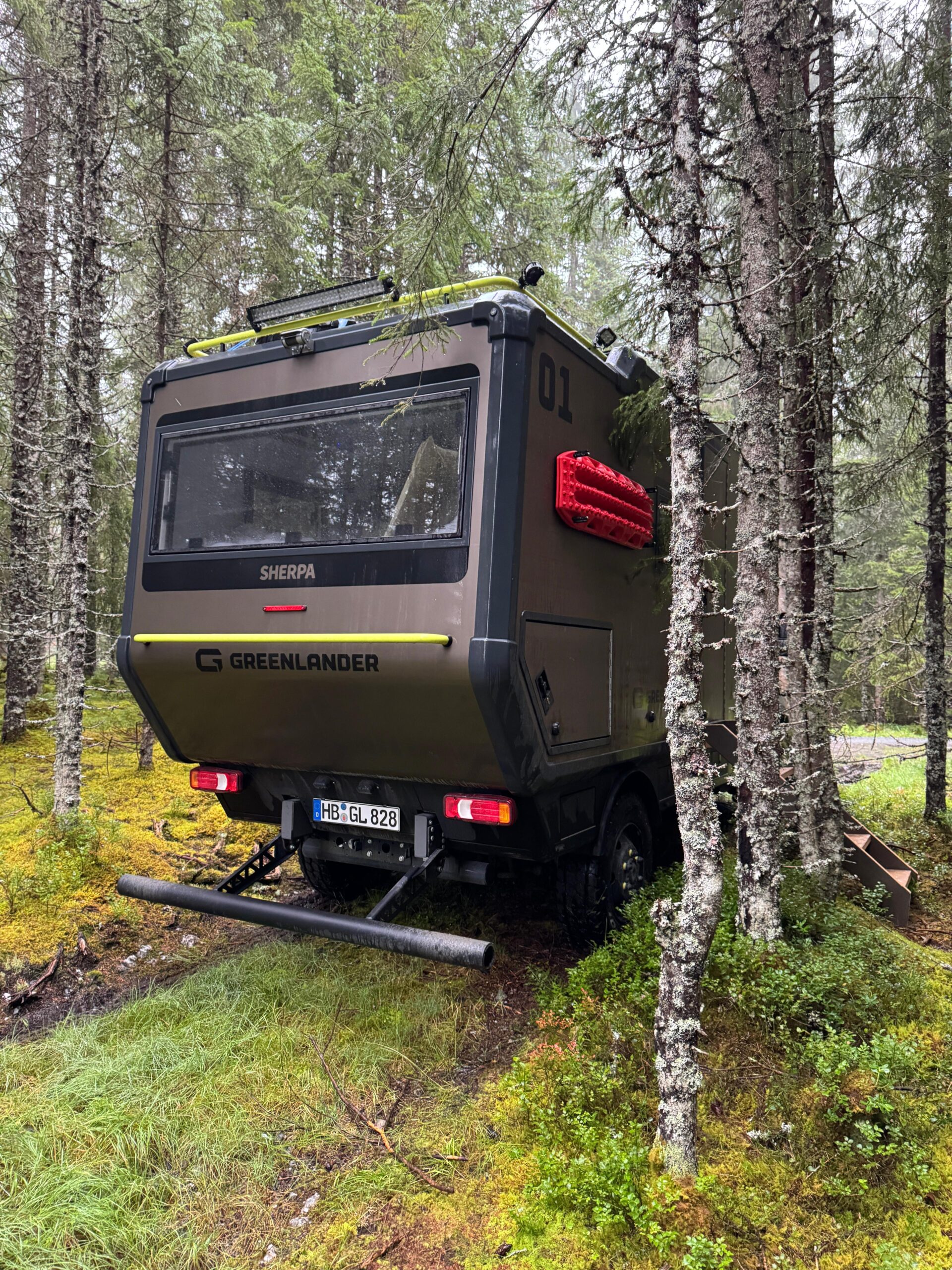
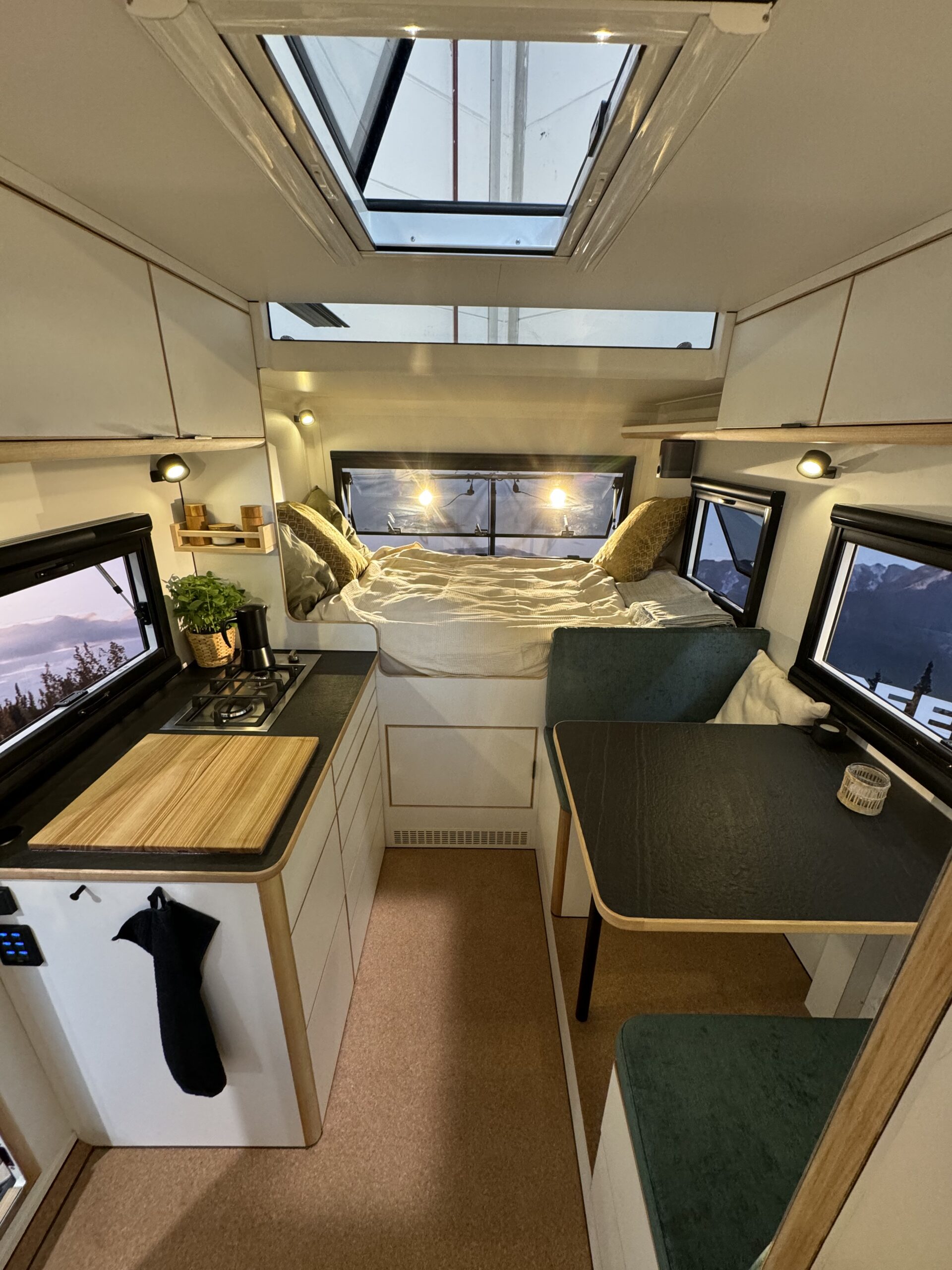

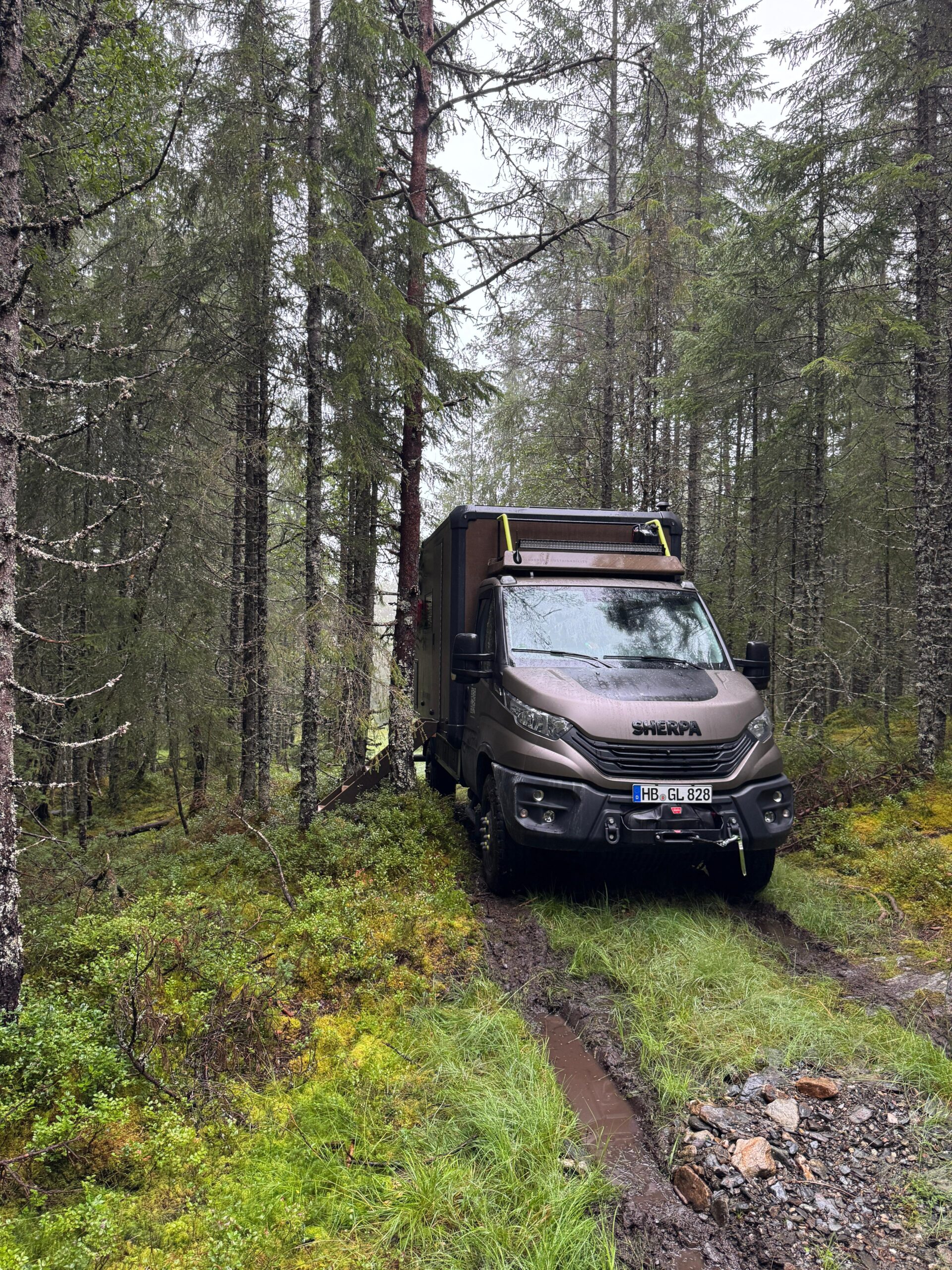
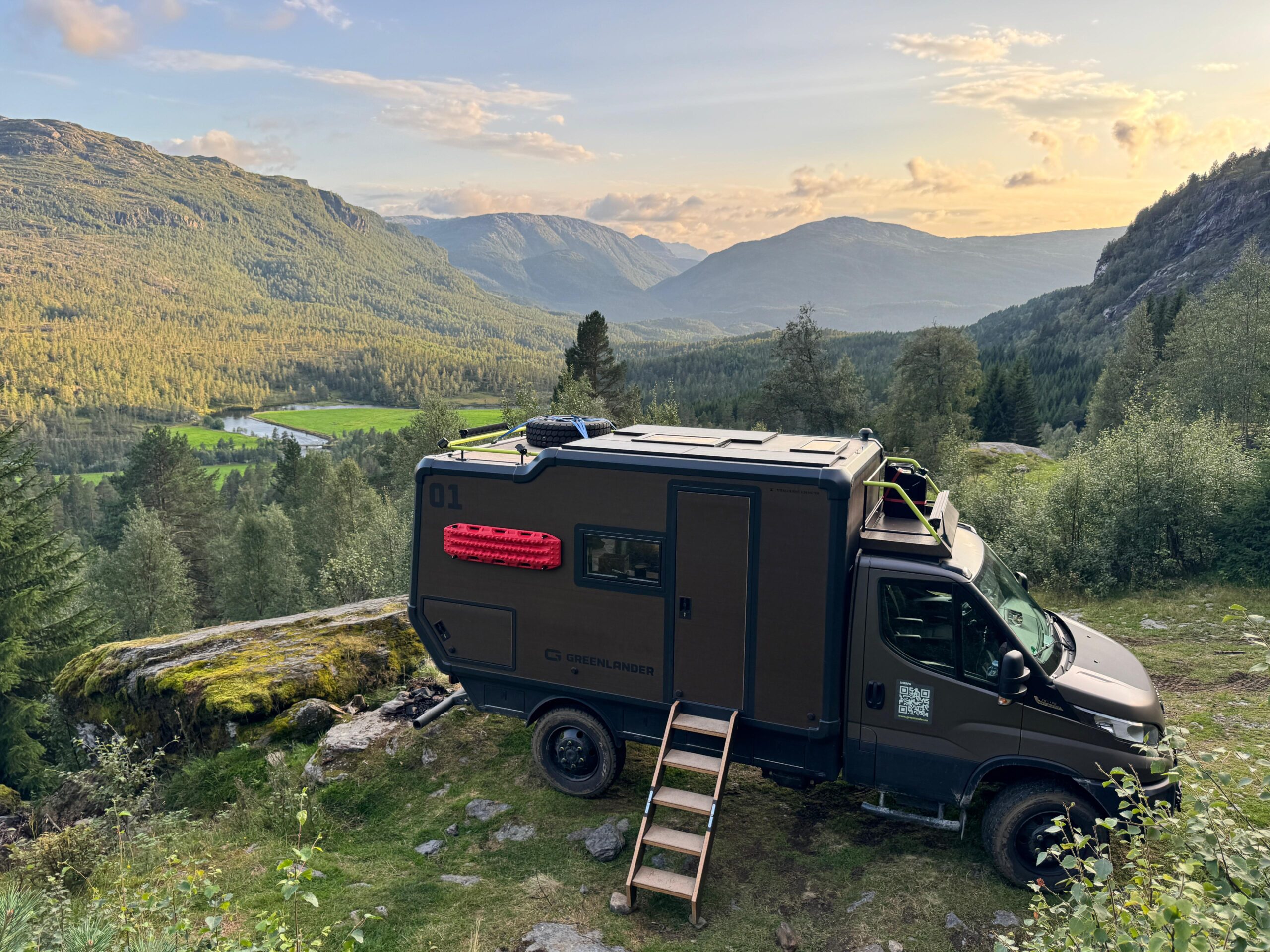
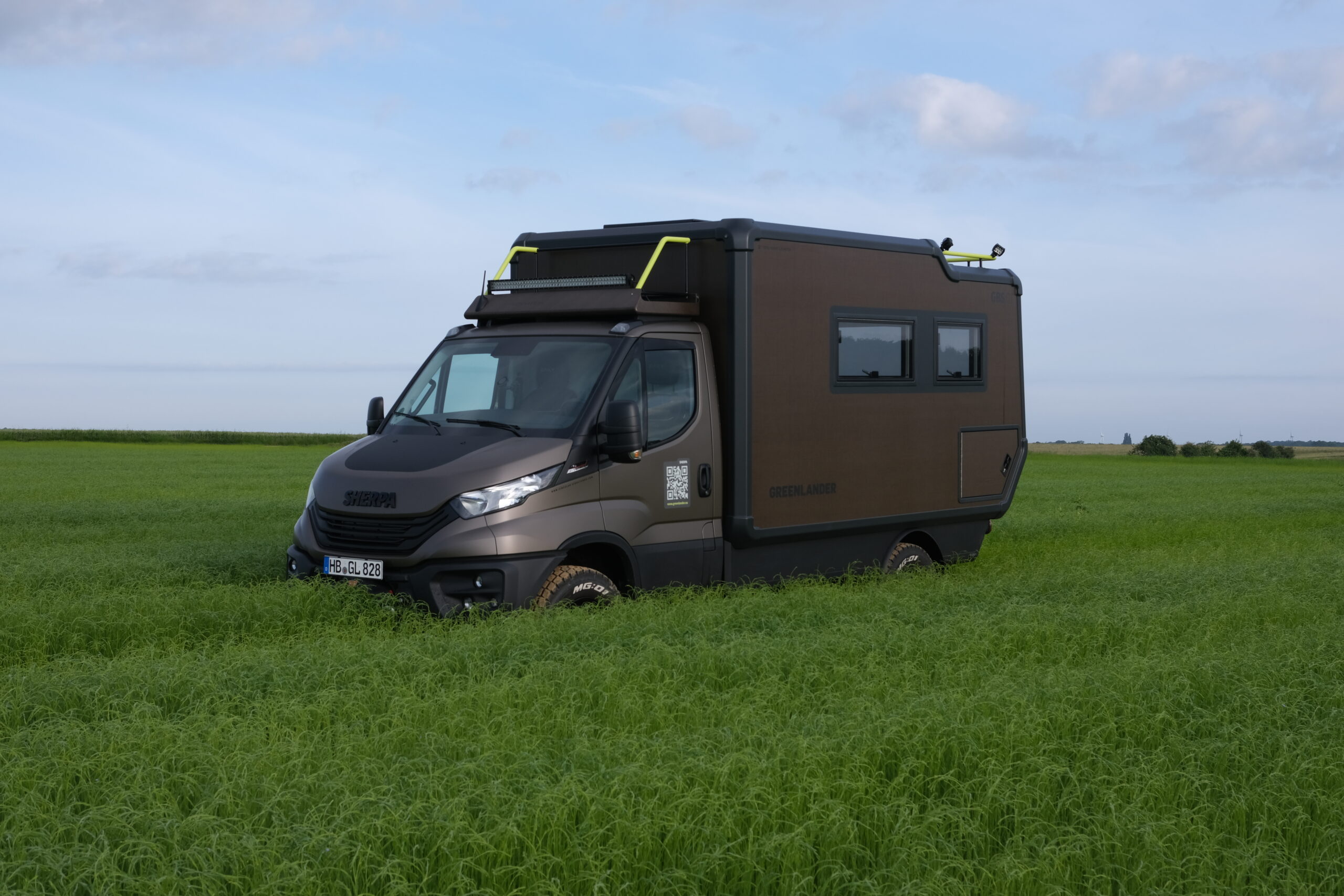

At the 2025 Caravan Salon Düsseldorf, GREENLANDER presented the series version of its Sherpa expedition vehicle. The model highlights new possibilities for using natural fibre composites in mobile design and lightweight construction.
Materials and Construction
The Sherpa cabin uses flax fibres, recycled PET cores, and cork instead of glass fibres and foams. These materials lower the energy needed for production, reduce overall weight, and make the cabin easier to recycle at the end of its life. The lightweight structure also allows more water and energy storage to be built into the frame. As a result, the vehicle gains greater autonomy without increasing its size.
Designers can view the Sherpa as an example of how natural fibre sandwich panels work in practice. This approach could be applied in areas where weight reduction, durability, and circular design are essential. Possible fields include automotive design, modular construction, and product development.
Industry Context
The Sherpa launch reflects a wider trend in material use. At the same event, EXPLORER Magazine showed a self-build vehicle using the same type of composite panels. In addition, Dethleffs introduced its concept model, e.home E.CO, built with these materials as well. These examples suggest a growing interest in natural fibre composites across both professional and consumer markets.
Design Implications
GREENLANDER applies knowledge from yacht and aerospace construction to caravan building. This transfer shows how biobased and recycled composites can provide strong, lightweight, and circular alternatives to traditional materials. The ideas explored in the Sherpa could inspire future projects in lightweight architecture, interior systems, and portable structures.
Source & photos: GREENLANDER

Comments