House of Monitors Integrates Light, Structure, and Material Strategy on the Scarborough Bluffs

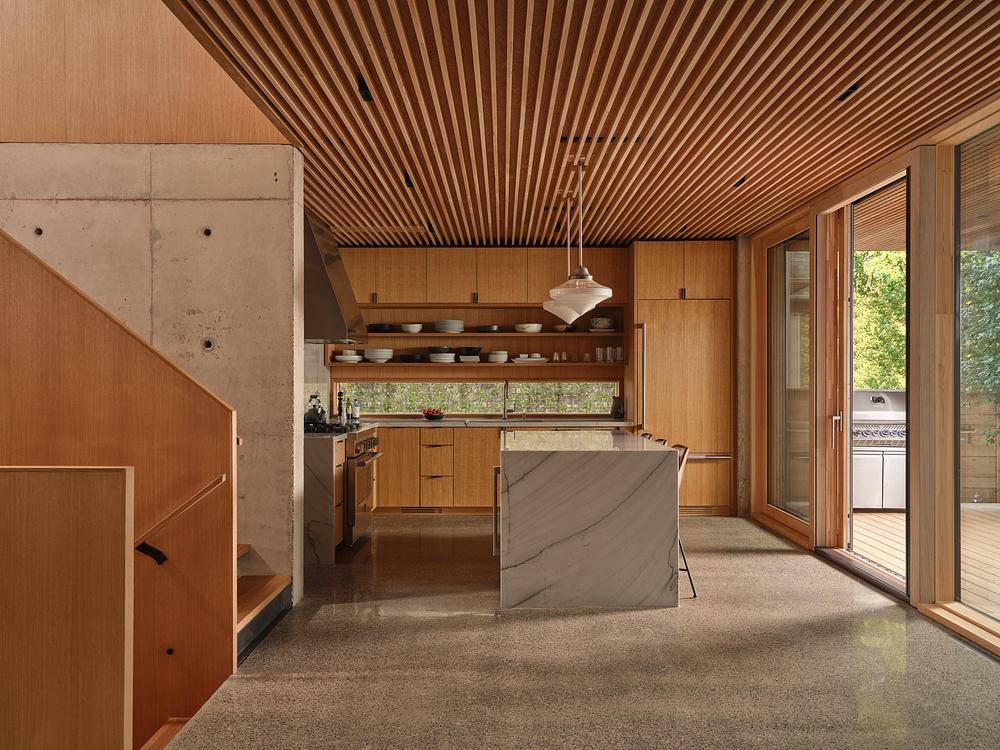
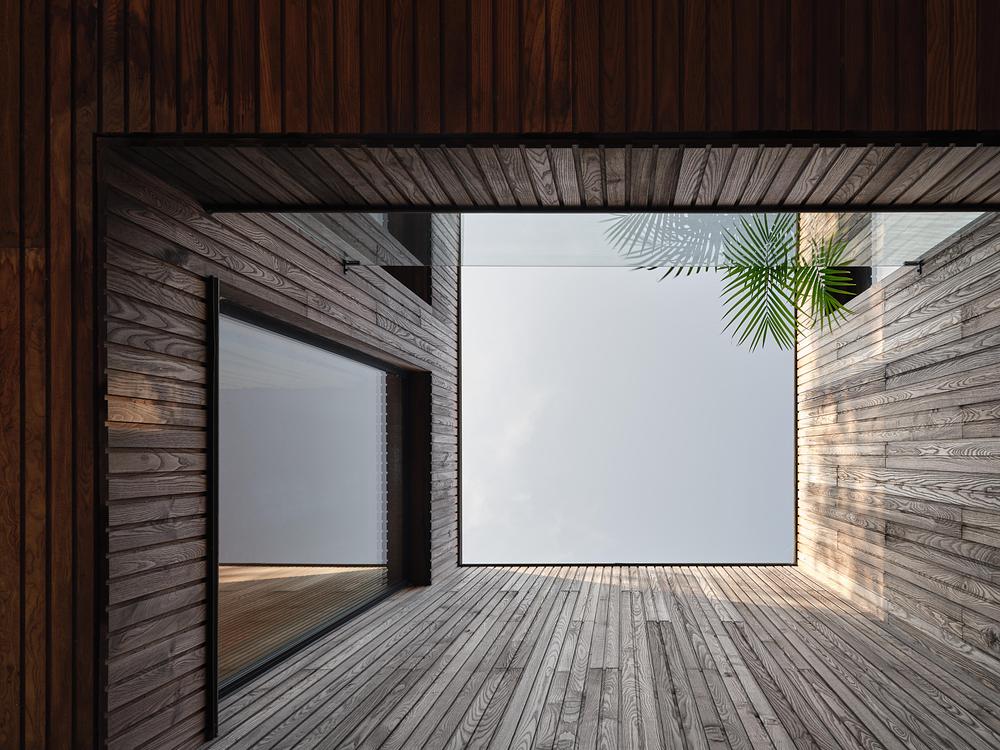
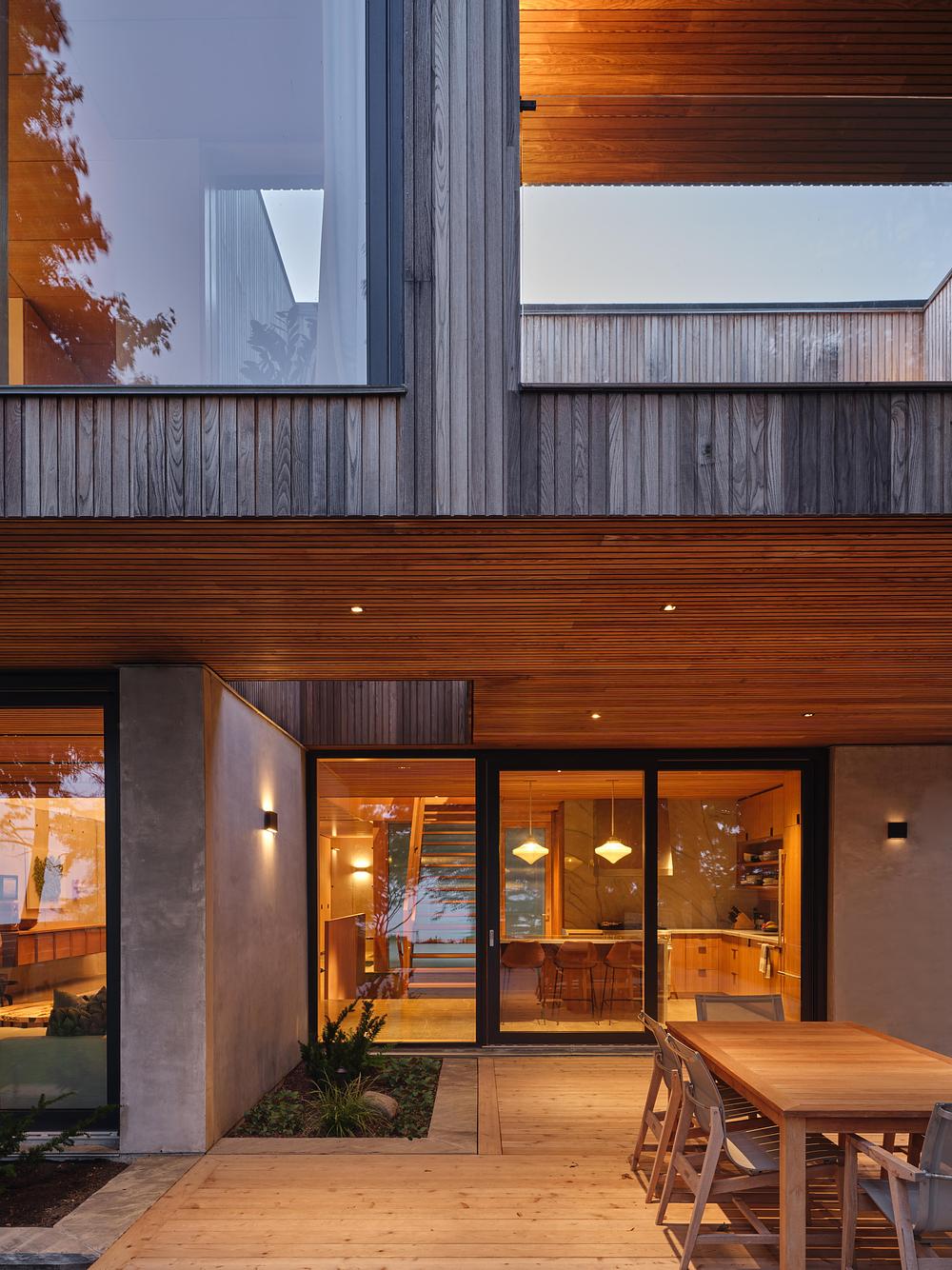
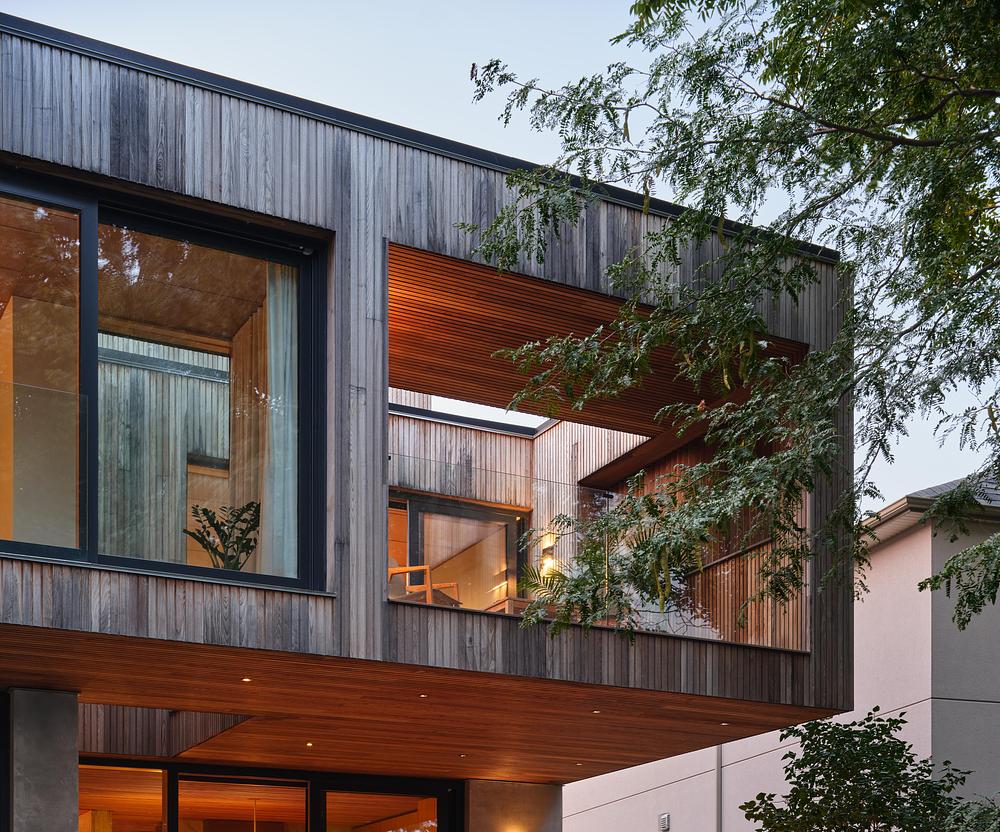
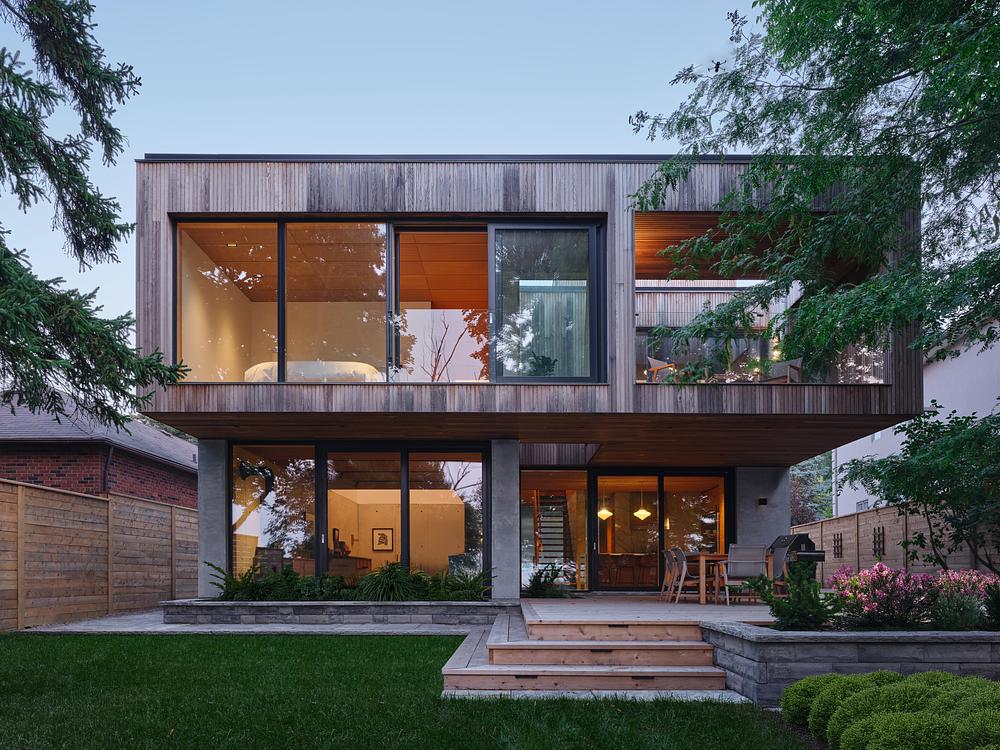
House of Monitors is a private residence by Williamson Williamson Inc., located on the edge of the Scarborough Bluffs in Toronto, Canada. The project combines exposed concrete, timber and glass to respond to sandy soil conditions, a steep escarpment and the need for long-term structural stability. From the outset, material selection informs both the architectural expression and the environmental strategy, linking construction logic, daylight access and durability.
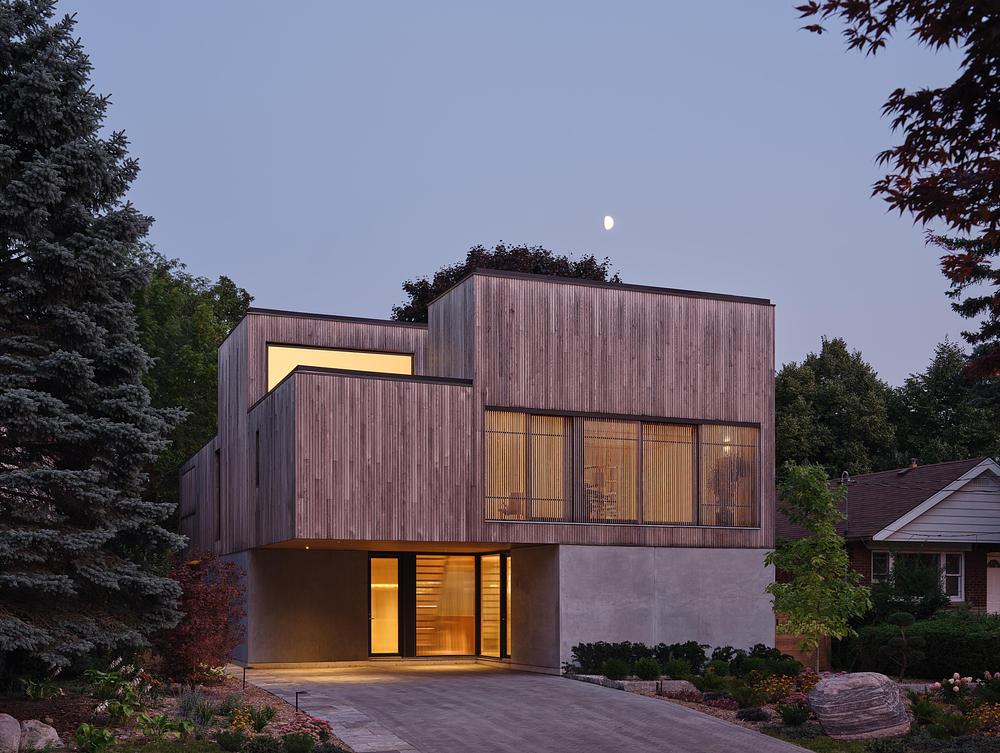
Rather than spreading across the site, the building takes the form of a compact composition of stacked and intersecting volumes. This approach limits intervention in the fragile landscape while allowing precise control over how materials perform and age over time.
Concrete As Structure, Shoring, And Thermal Mass
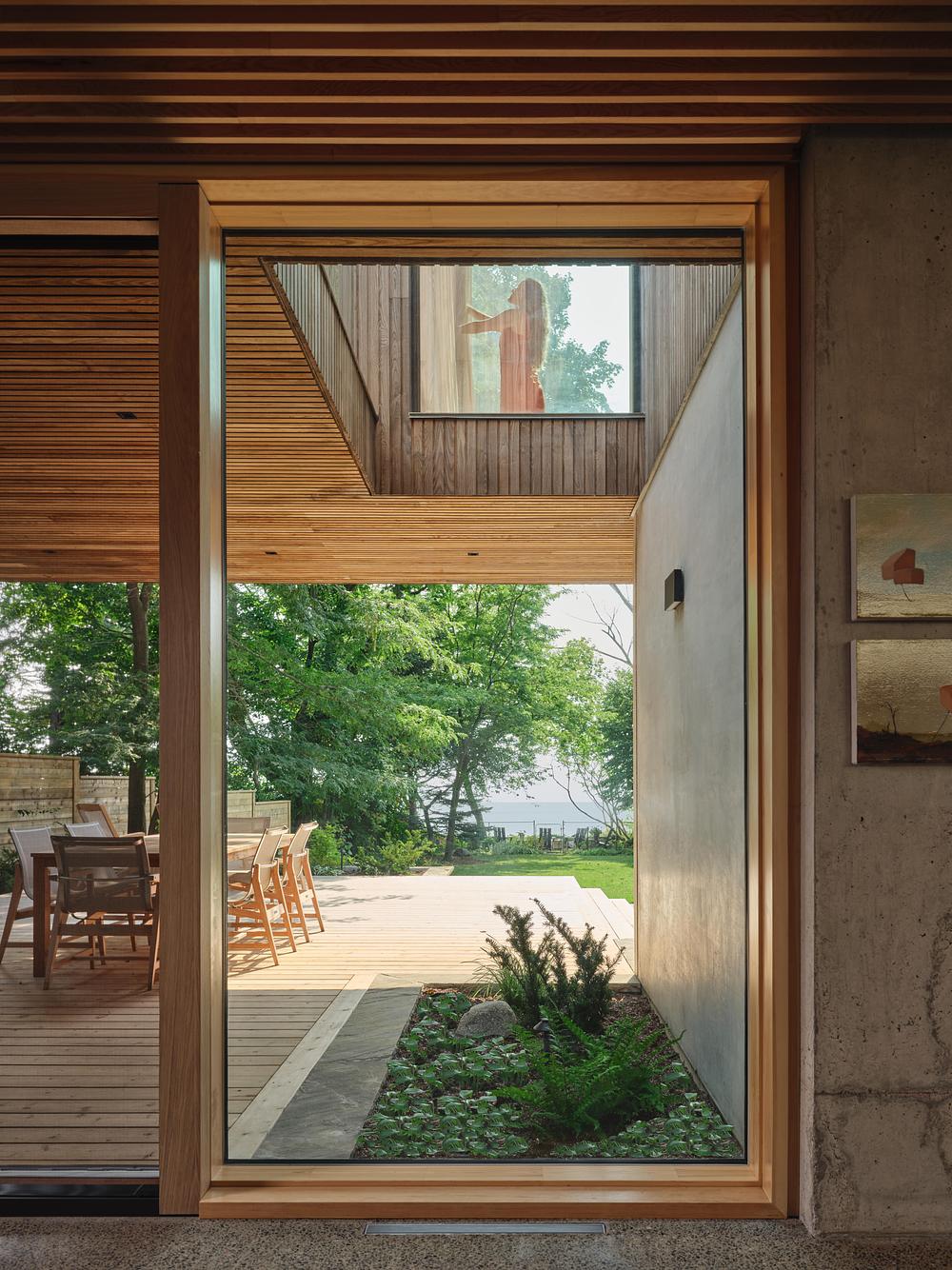
Concrete forms the foundation of the house, both structurally and spatially. The lower volumes emerge directly from the bluff and act simultaneously as structure, inhabitable shoring and thermal mass. Through this multifunctional use, the design reduces the need for additional layers or systems. At the same time, it addresses long-term stability in response to the unstable ground conditions.
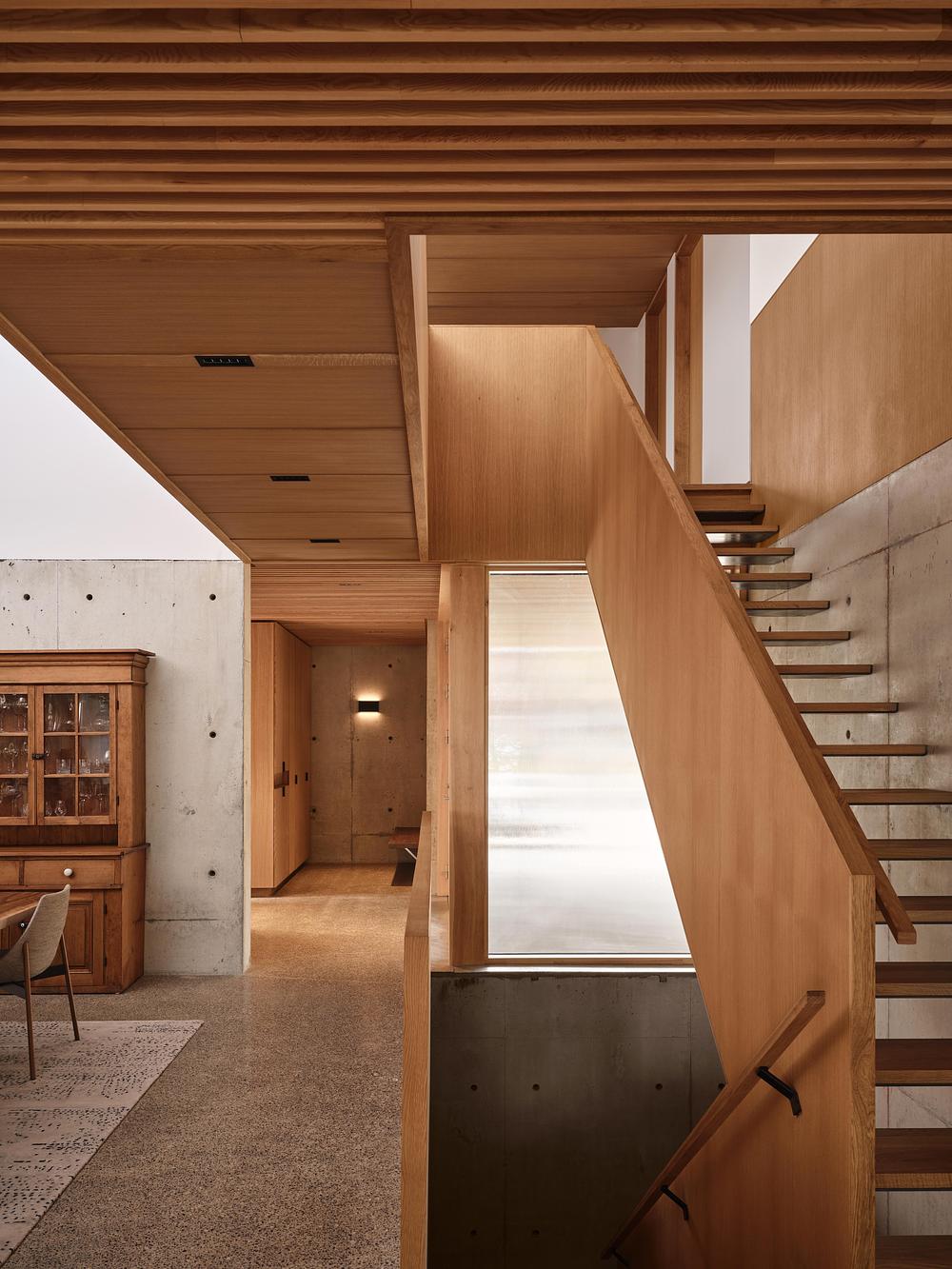
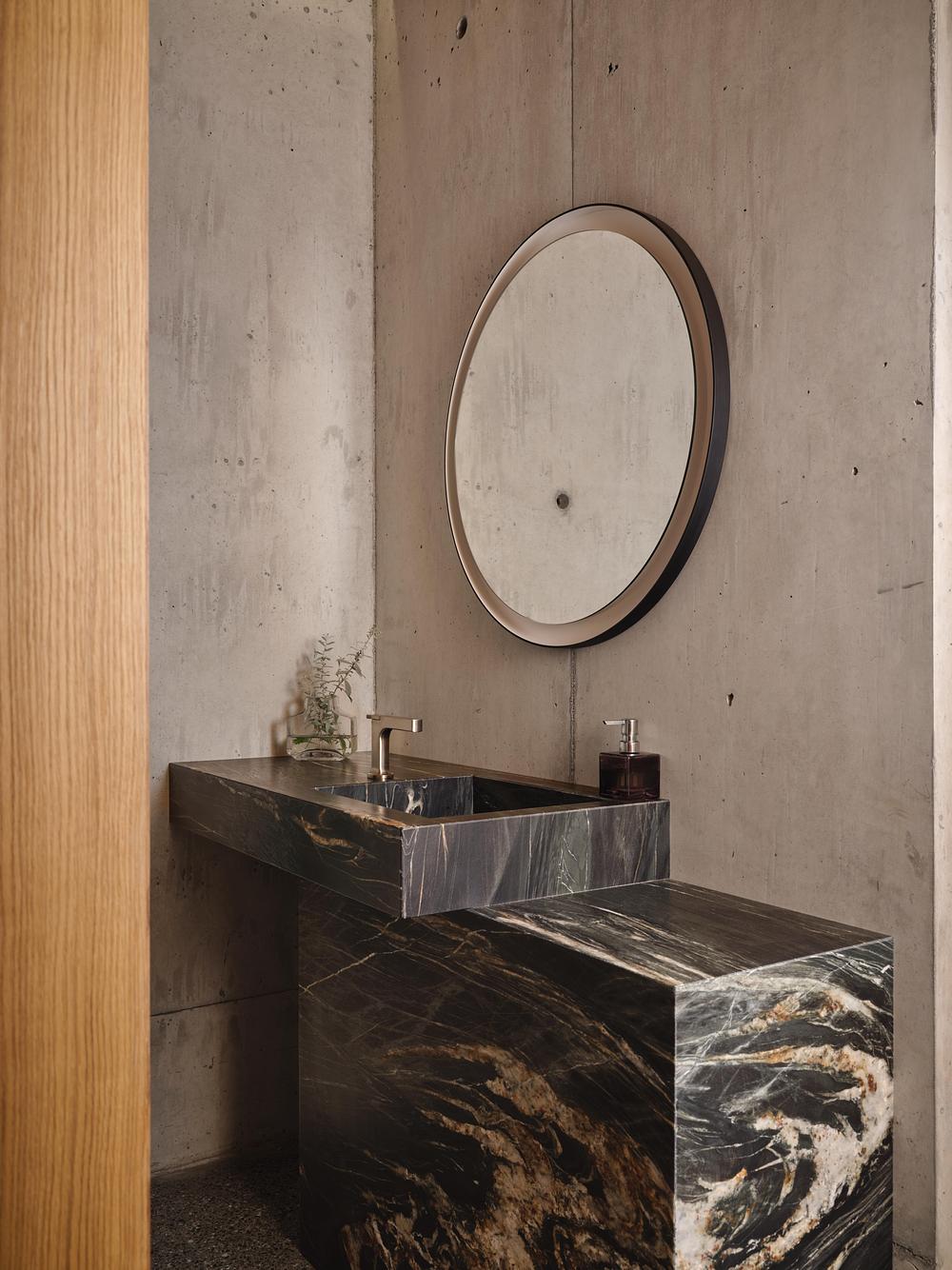
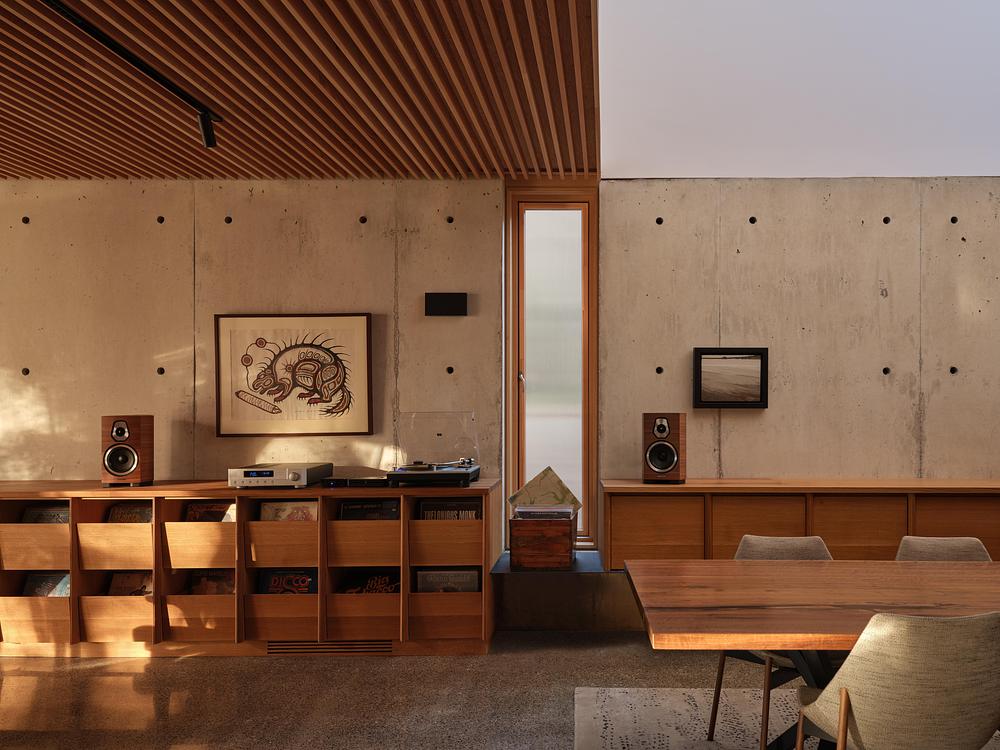
Inside, exposed concrete defines circulation zones and service areas. Its thermal mass helps regulate indoor temperatures, supporting comfort across seasons. By leaving the concrete largely unfinished, the project avoids applied finishes and prioritises durability, low maintenance and material clarity.
Timber As A Biobased Counterpart
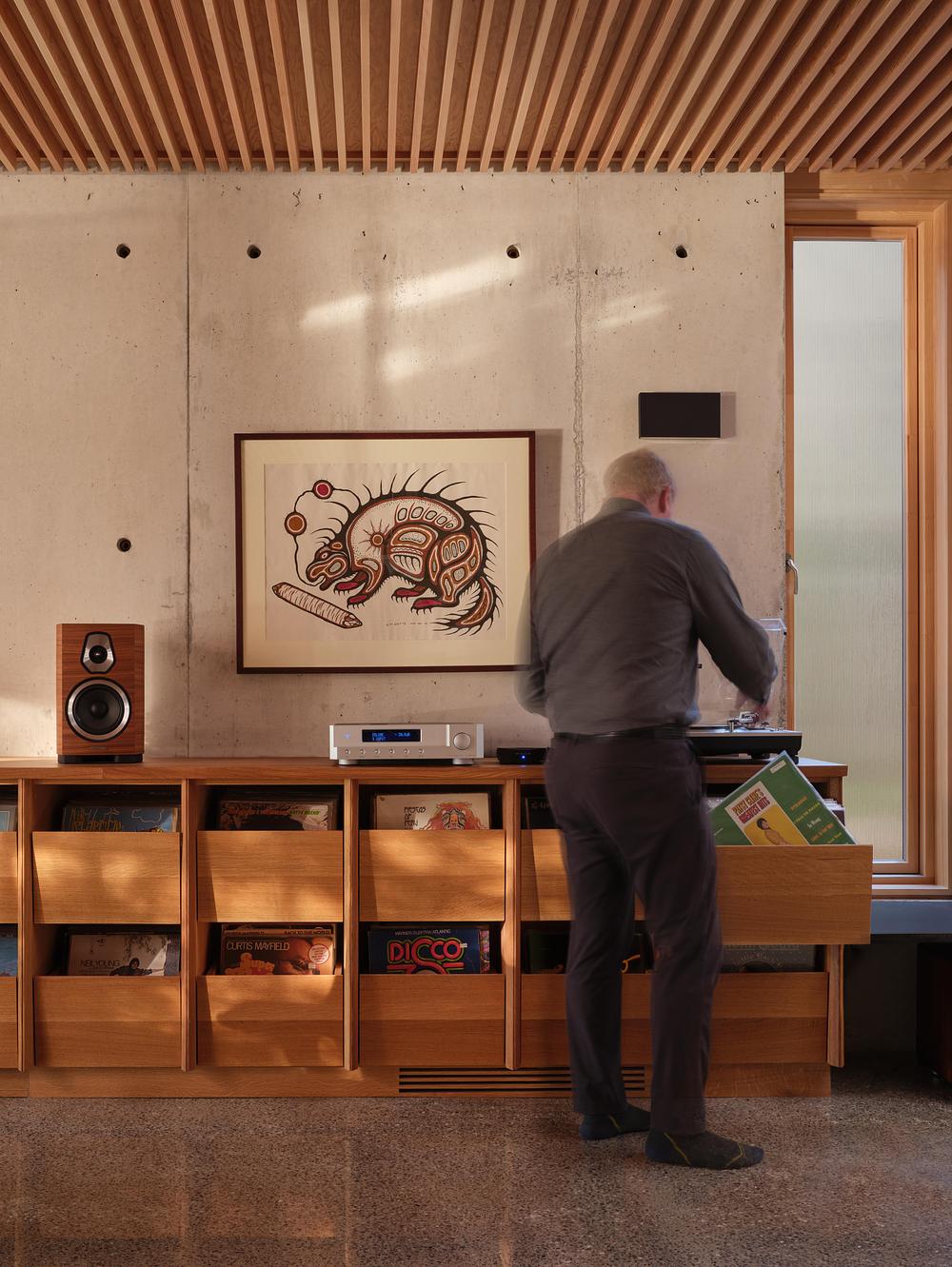
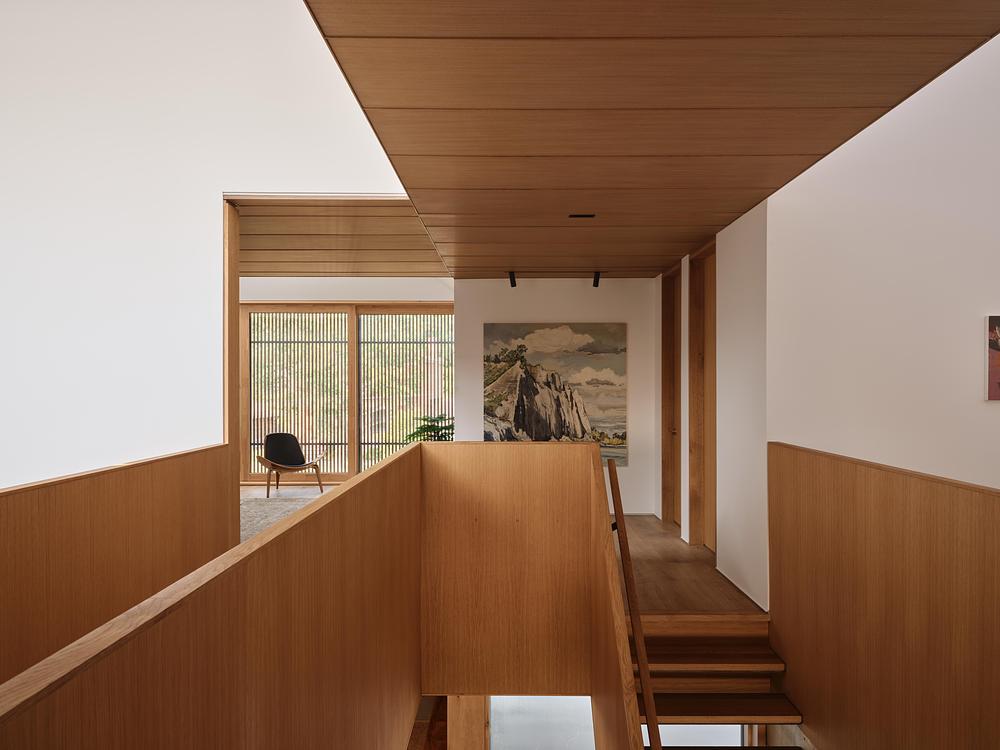
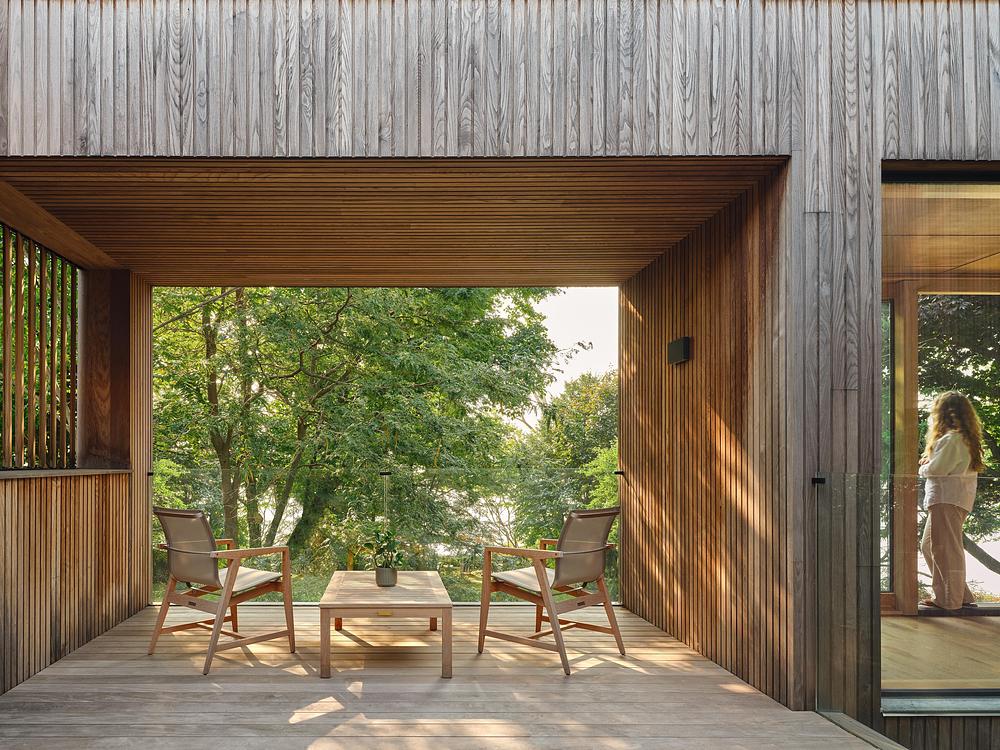
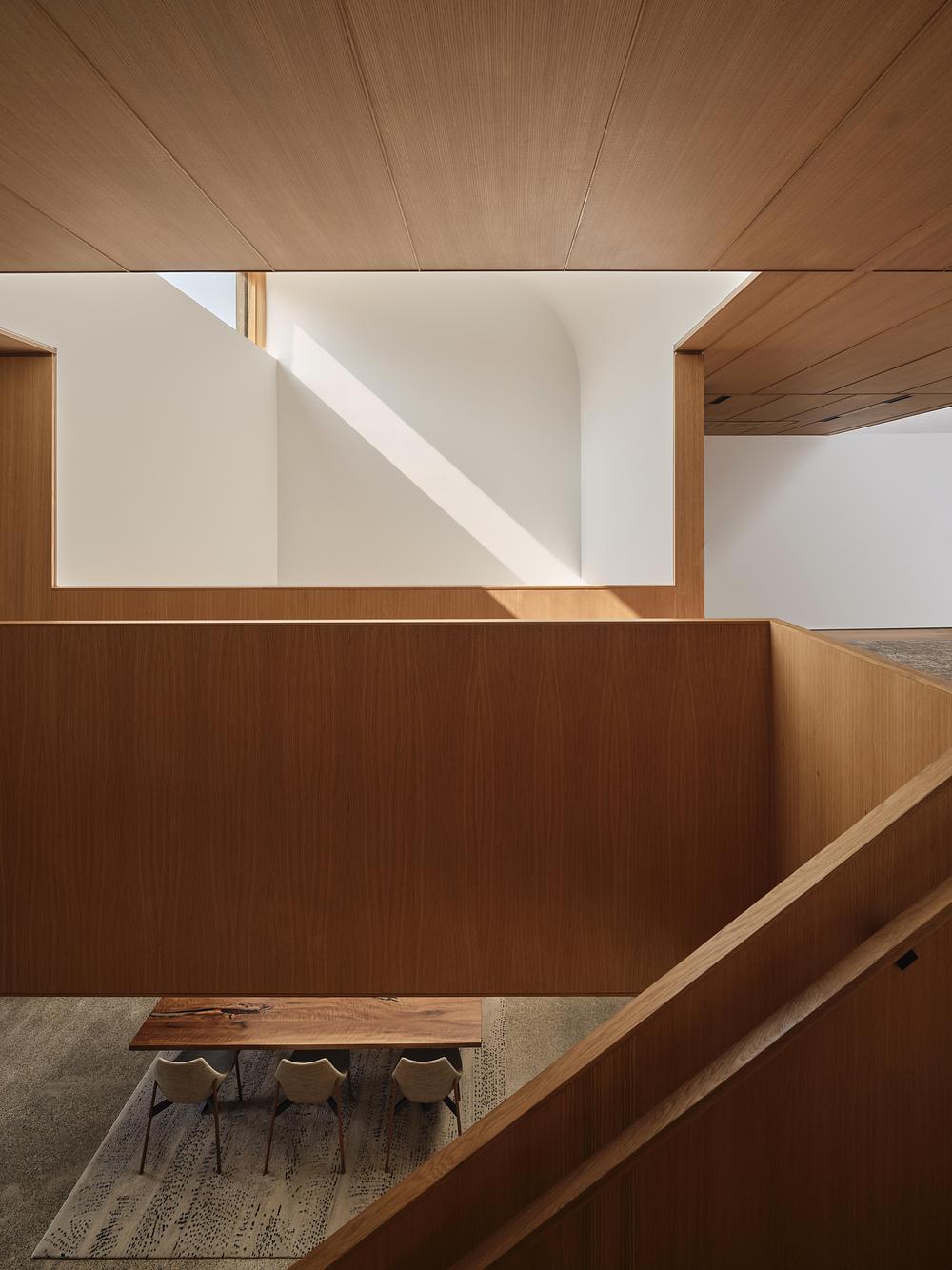
Above the concrete base, a cantilevered timber volume extends towards both the street and Lake Ontario. Timber also plays a key role inside the house, where it appears in ceilings, built-in furniture and wall linings. Douglas fir ceilings and oak millwork introduce warmth and tactile contrast to the mineral structure below.
As a biobased material, timber supports a renewable material palette while also contributing to acoustic comfort and spatial definition. Its use remains closely tied to function, reinforcing a clear and readable construction logic.
Layered Materials And Daylight Control
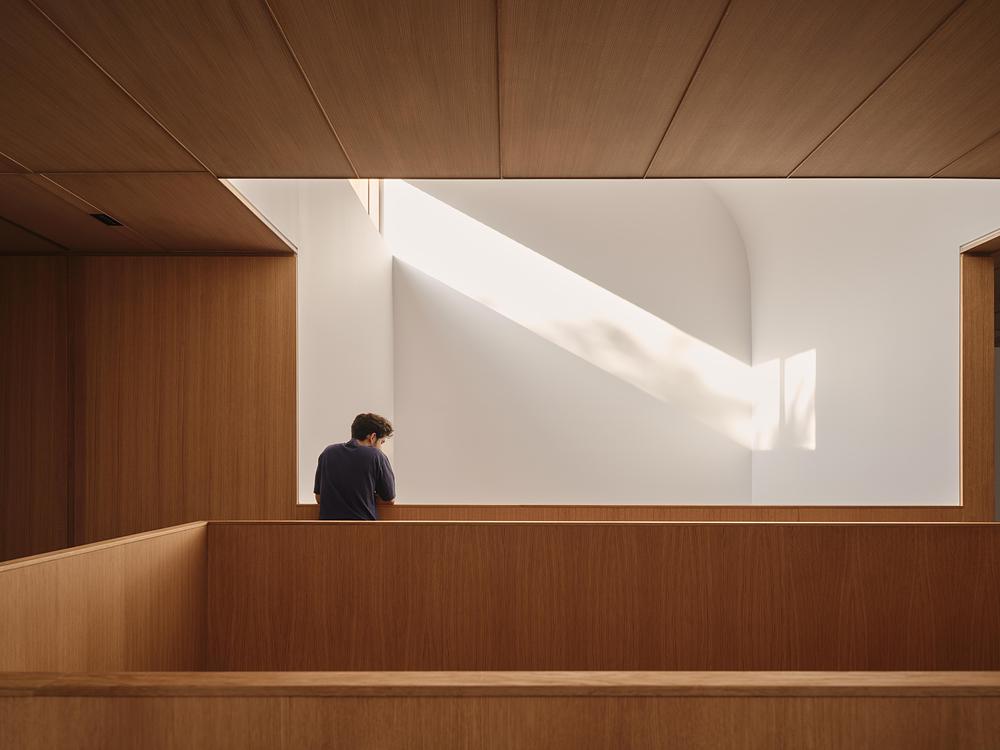
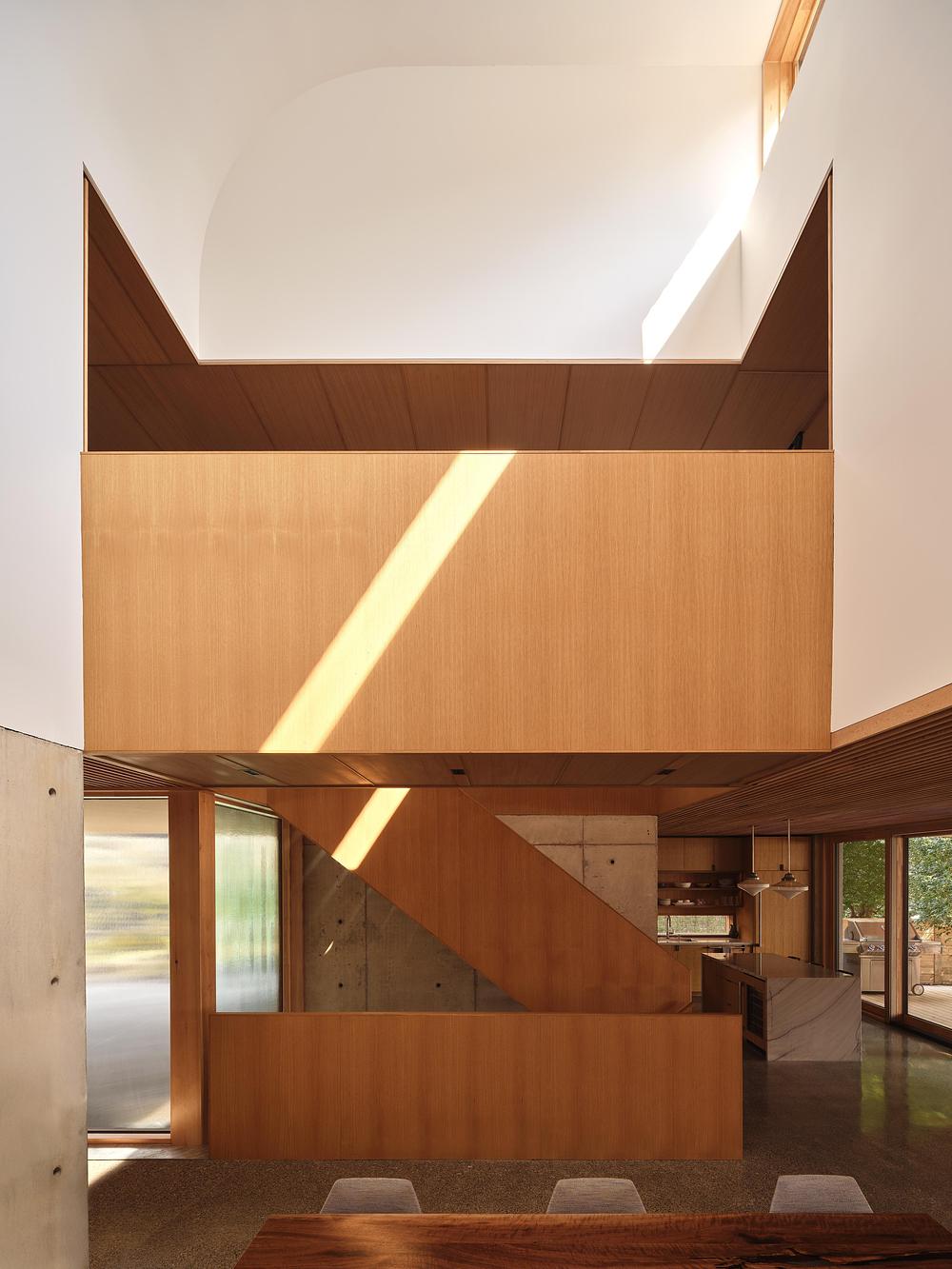
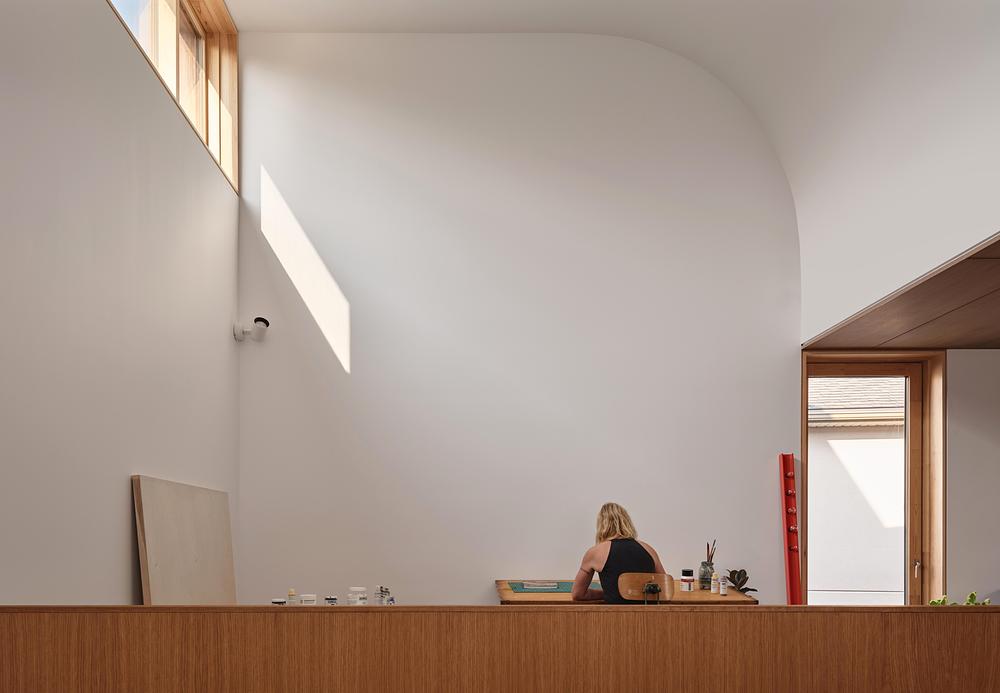
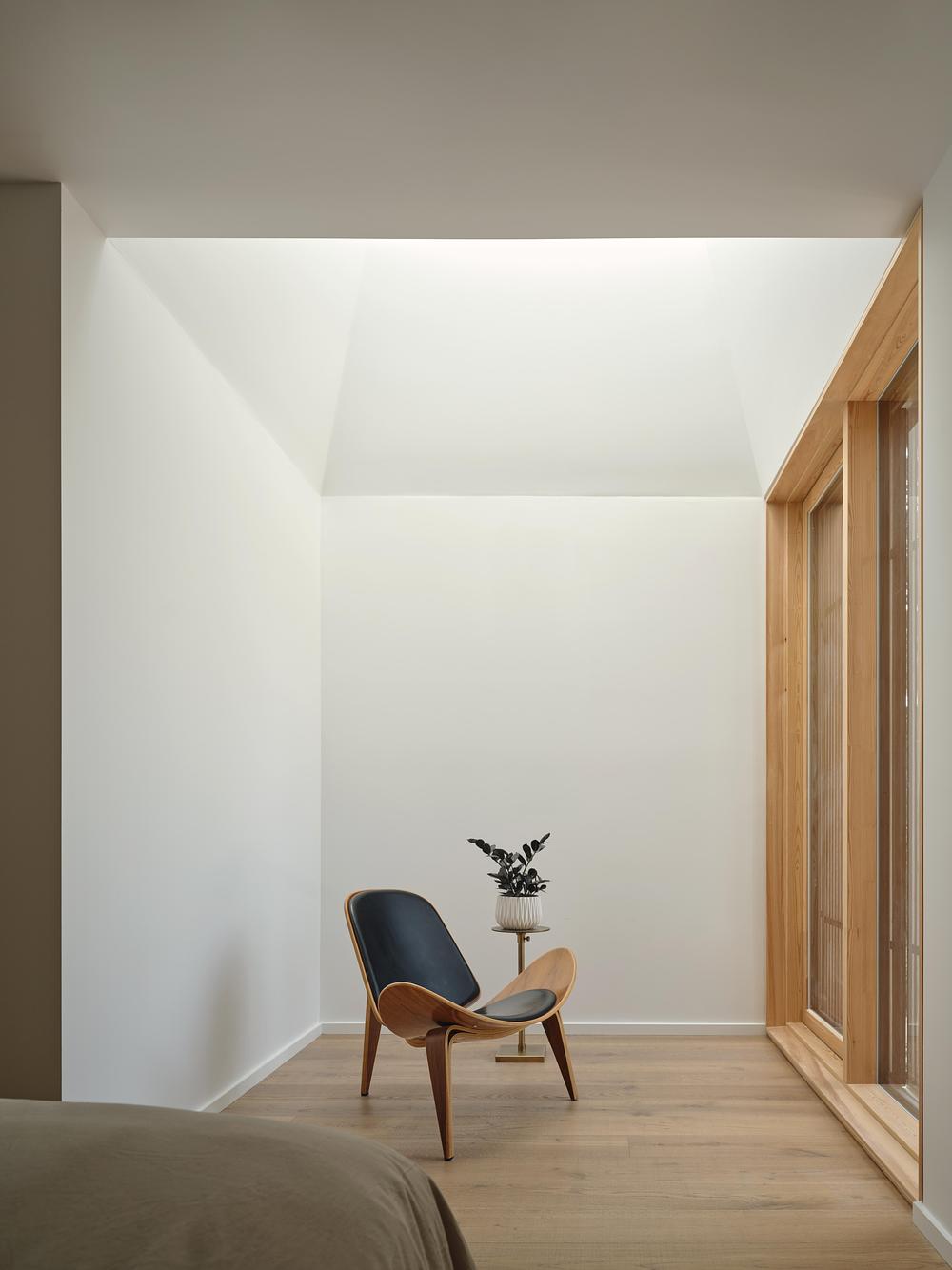
Daylight enters the house through a series of light monitors finished in white-painted surfaces. These surfaces reflect light deeper into the interior and help reduce reliance on artificial lighting during daytime use. In this way, colour and finish become active components of the building’s energy strategy.
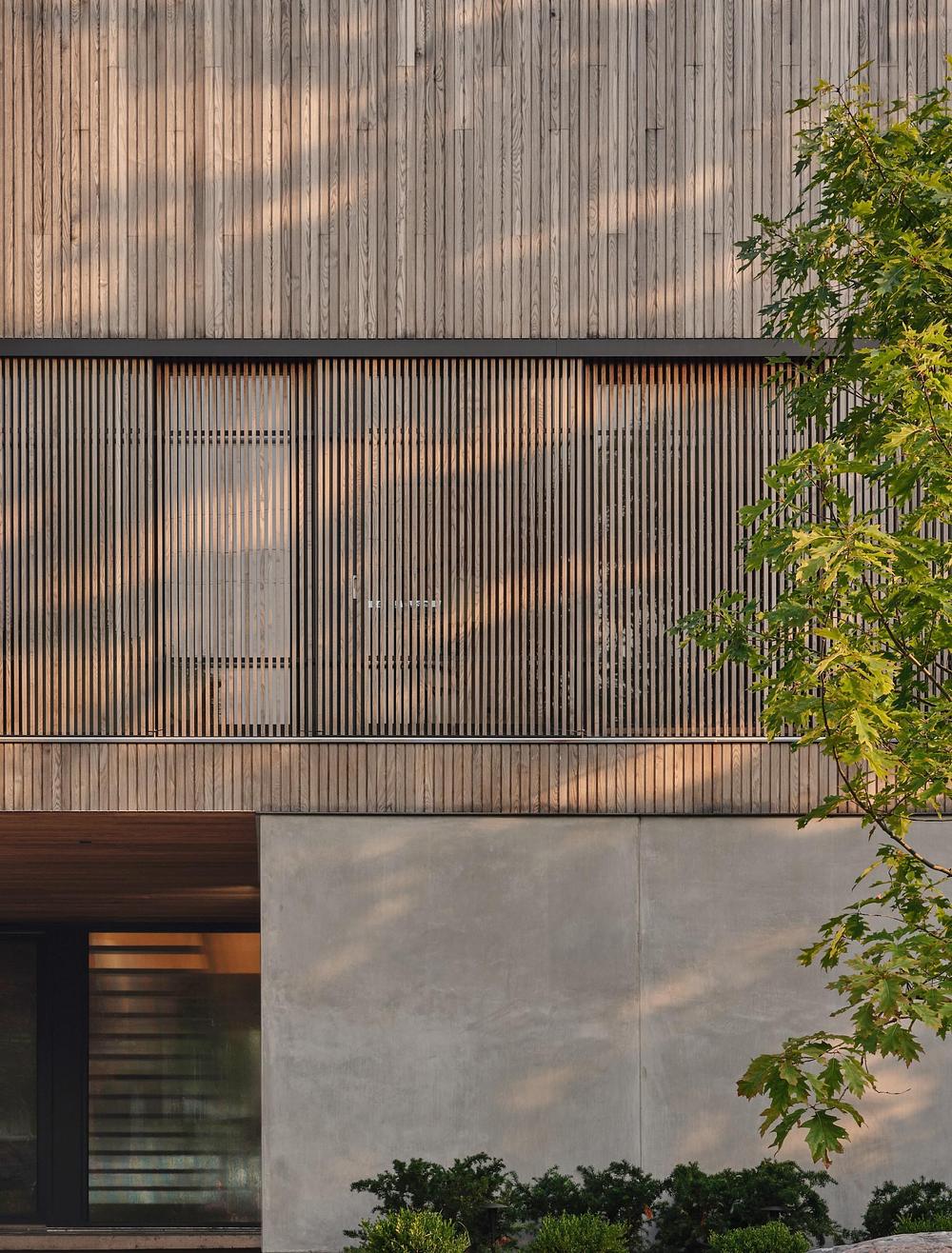
Along the street façade, movable slatted timber screens add an additional material layer. These screens allow residents to adjust privacy and daylight according to changing needs. Rather than relying on mechanical solutions, the design uses material elements to support flexibility and comfort.
Material Clarity And Long-Term Performance
Throughout the house, materials are selected for durability, repairability and long service life. The restrained palette of concrete, timber and glass limits material complexity and supports adaptability over time.
Source: Williamson Williamson Inc. via V2com
Photos: Doublespace Photography

Comments