Itaca: A 3D-Printed Building Model for Circular and Self-Sufficient Architecture
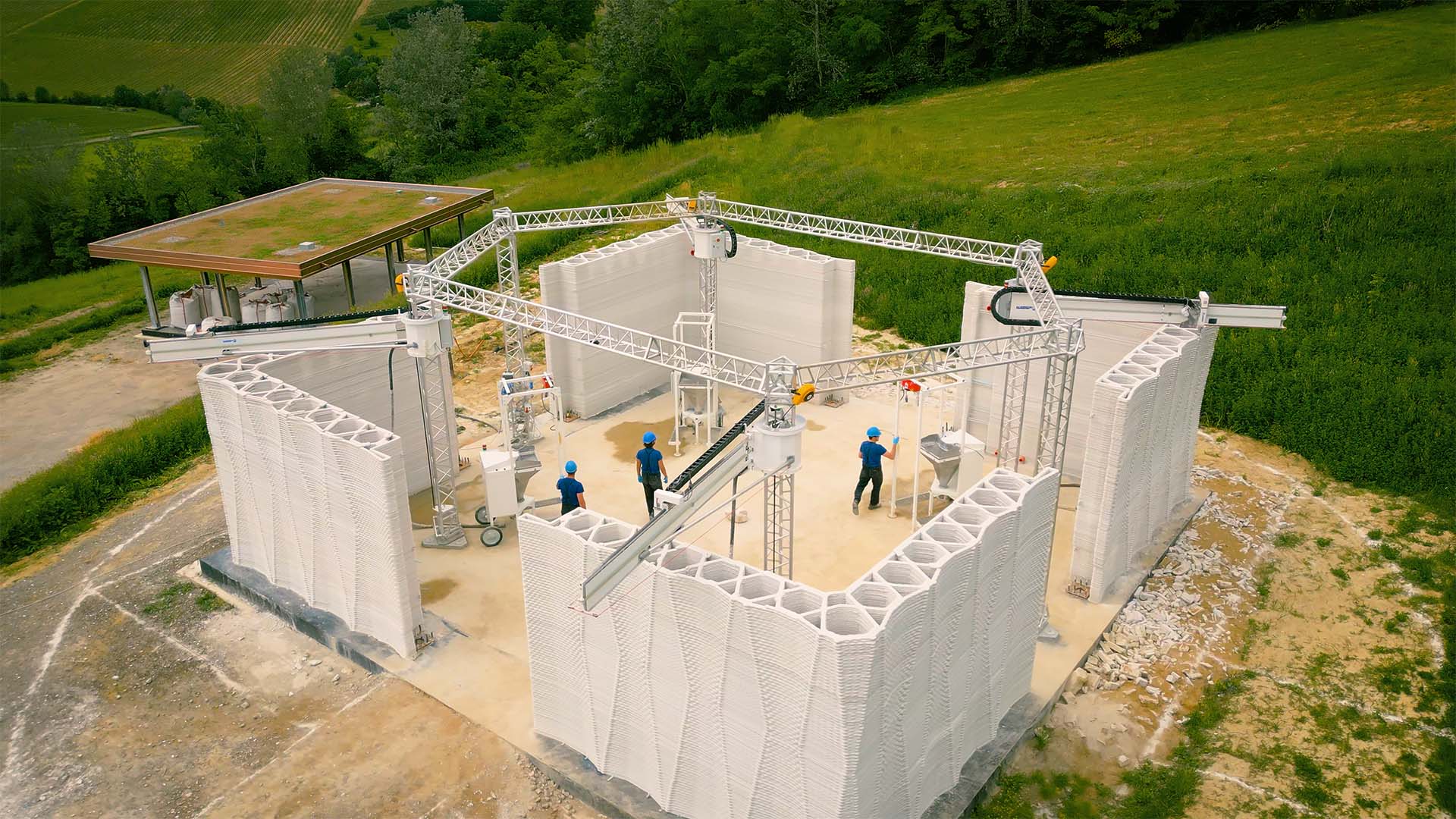
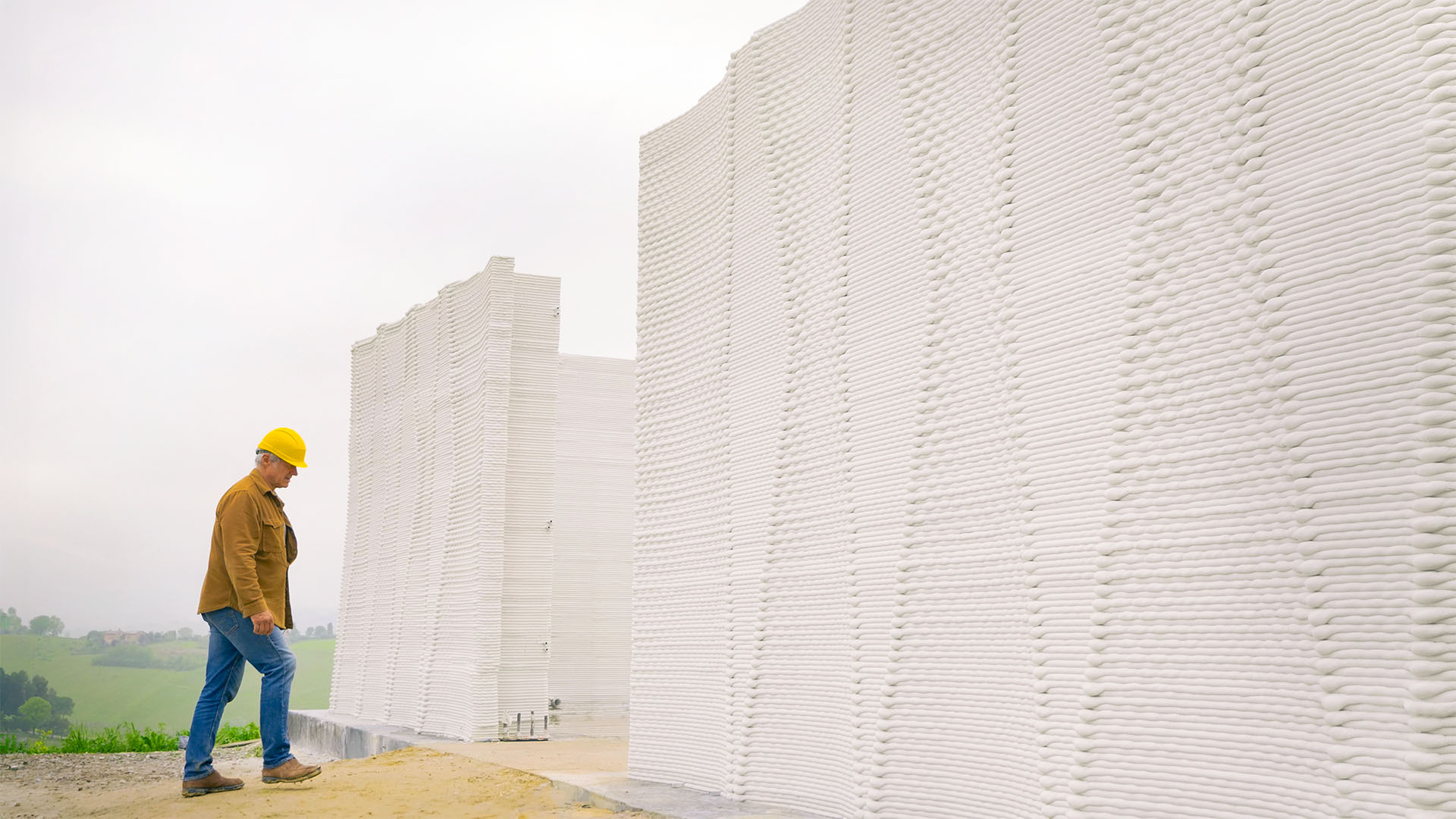
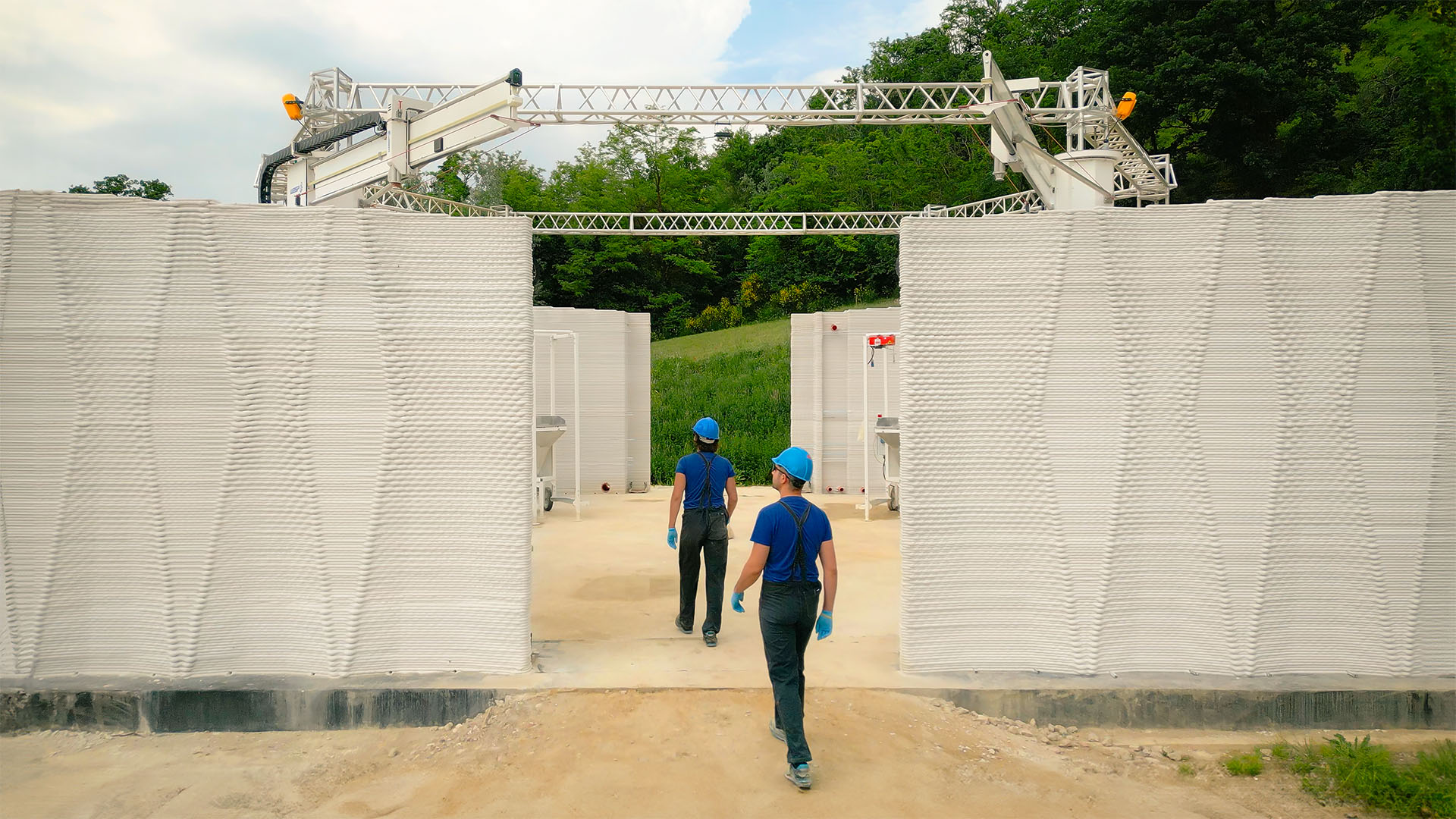
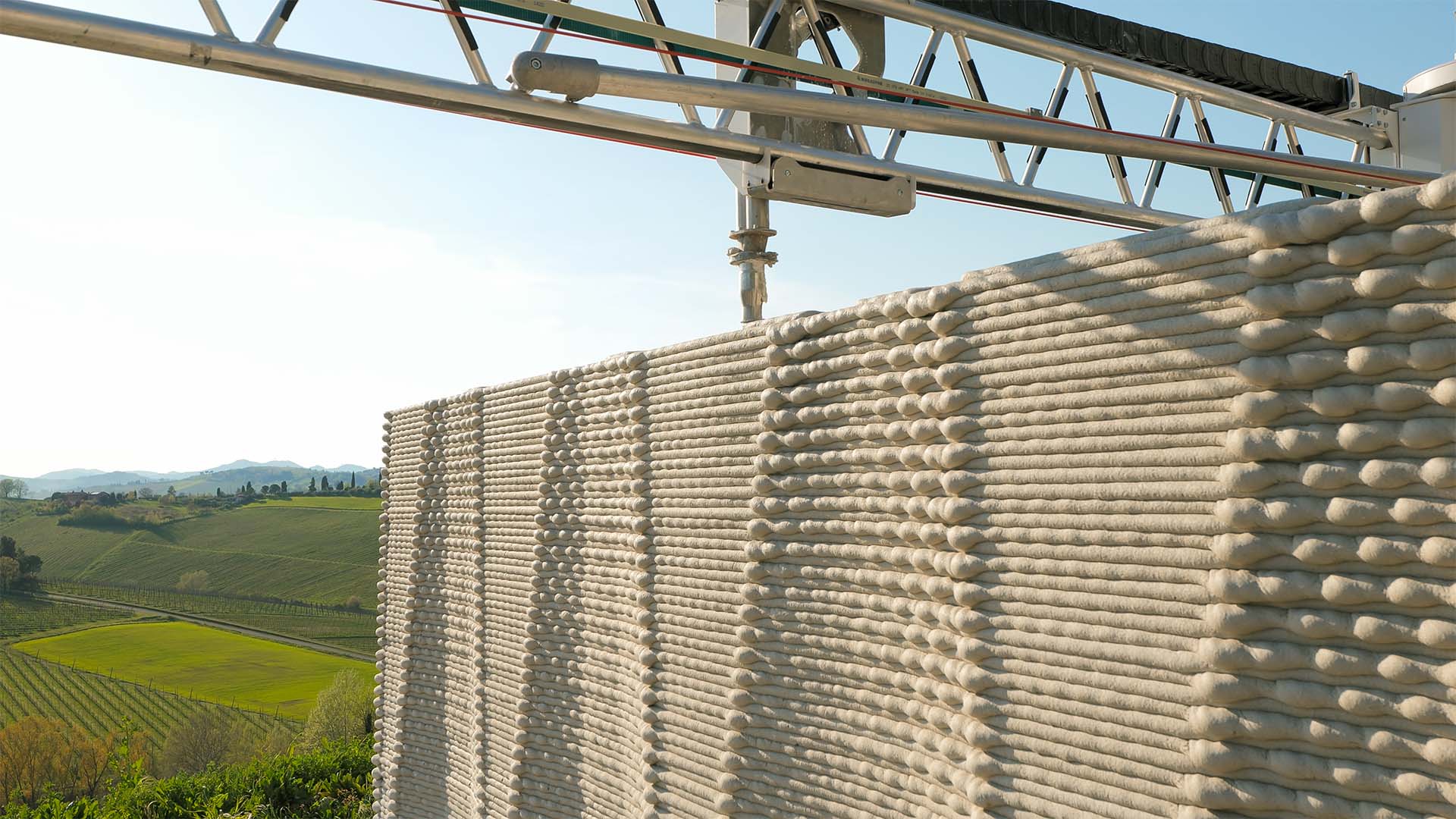
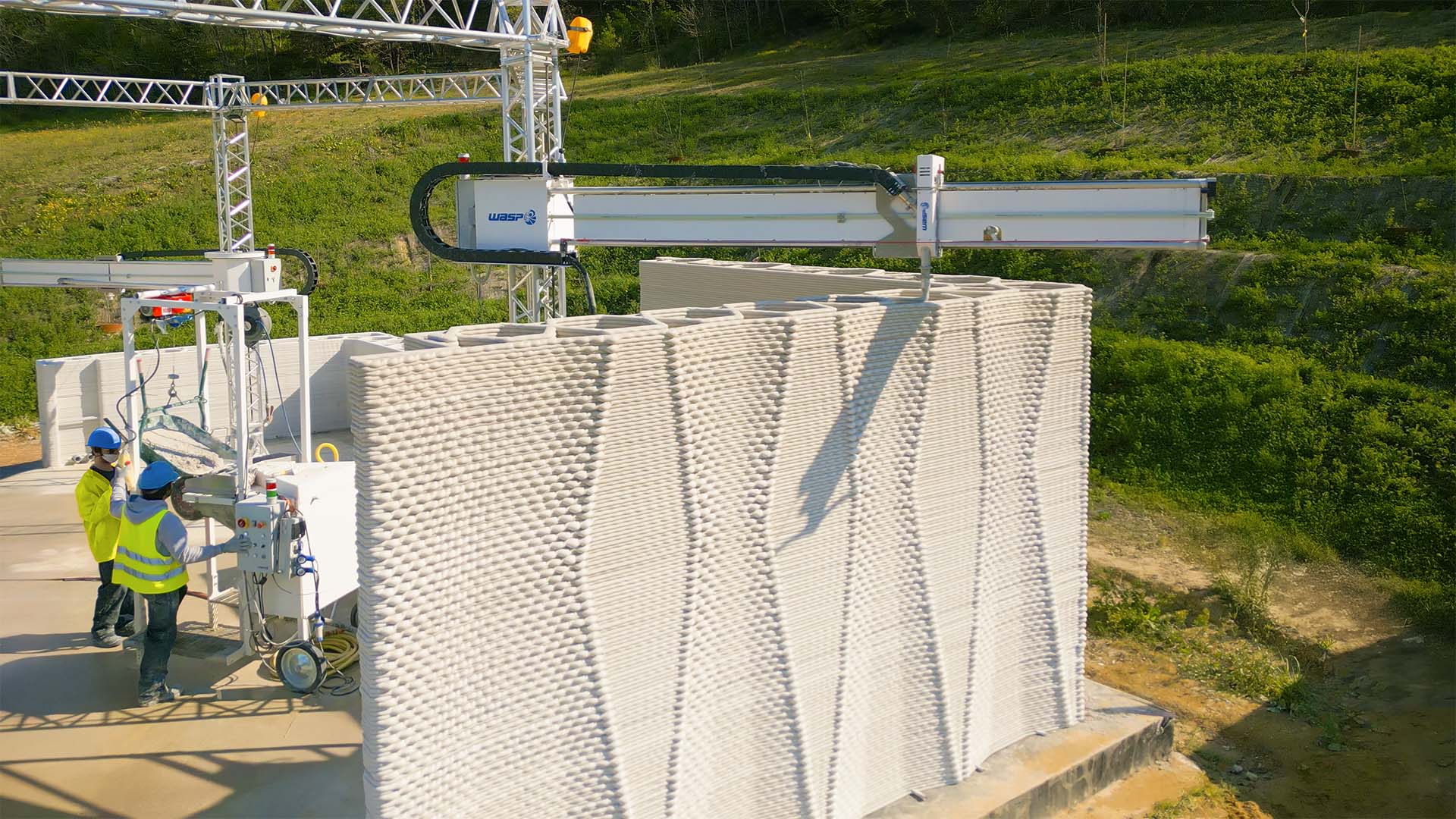
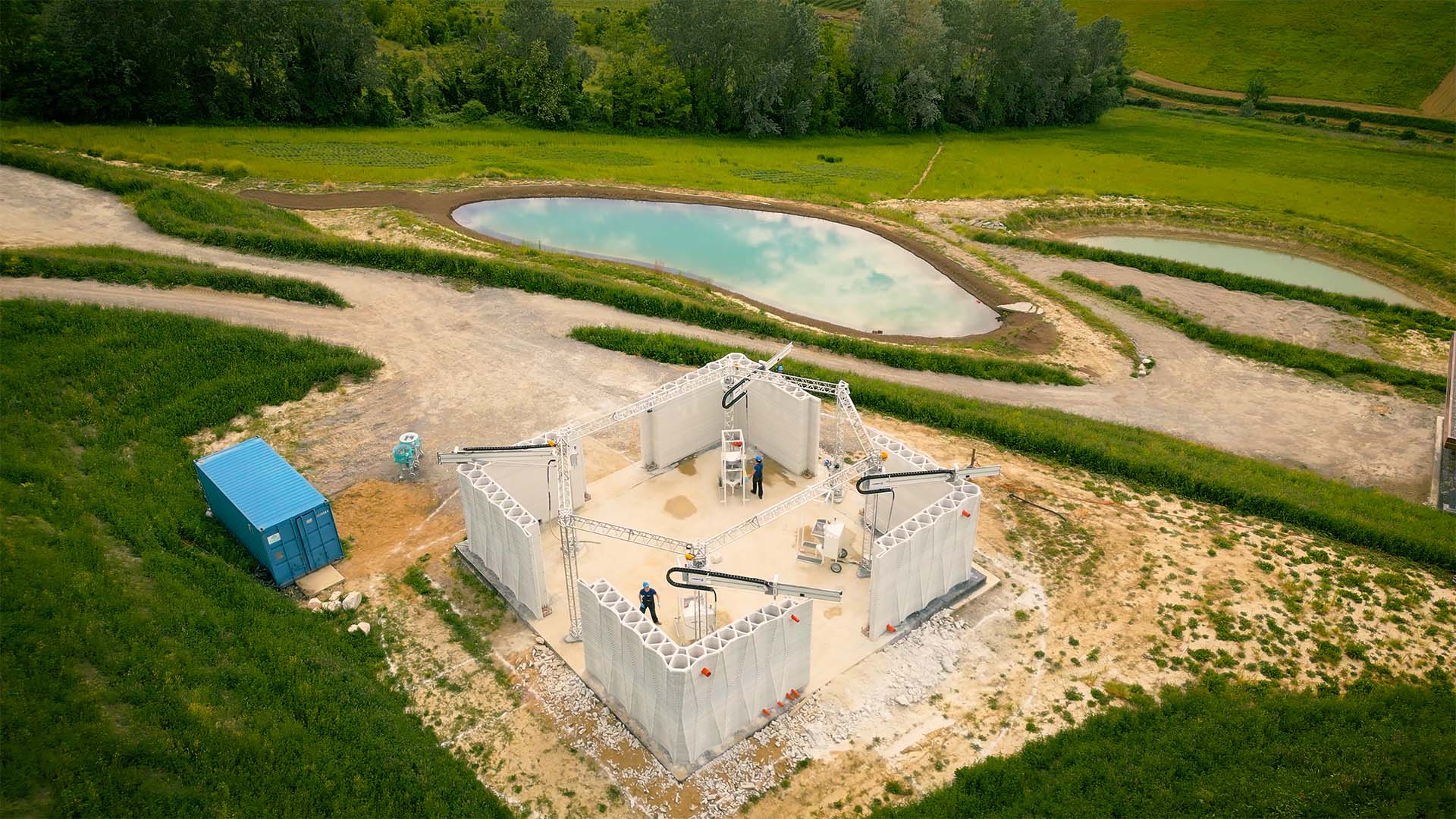
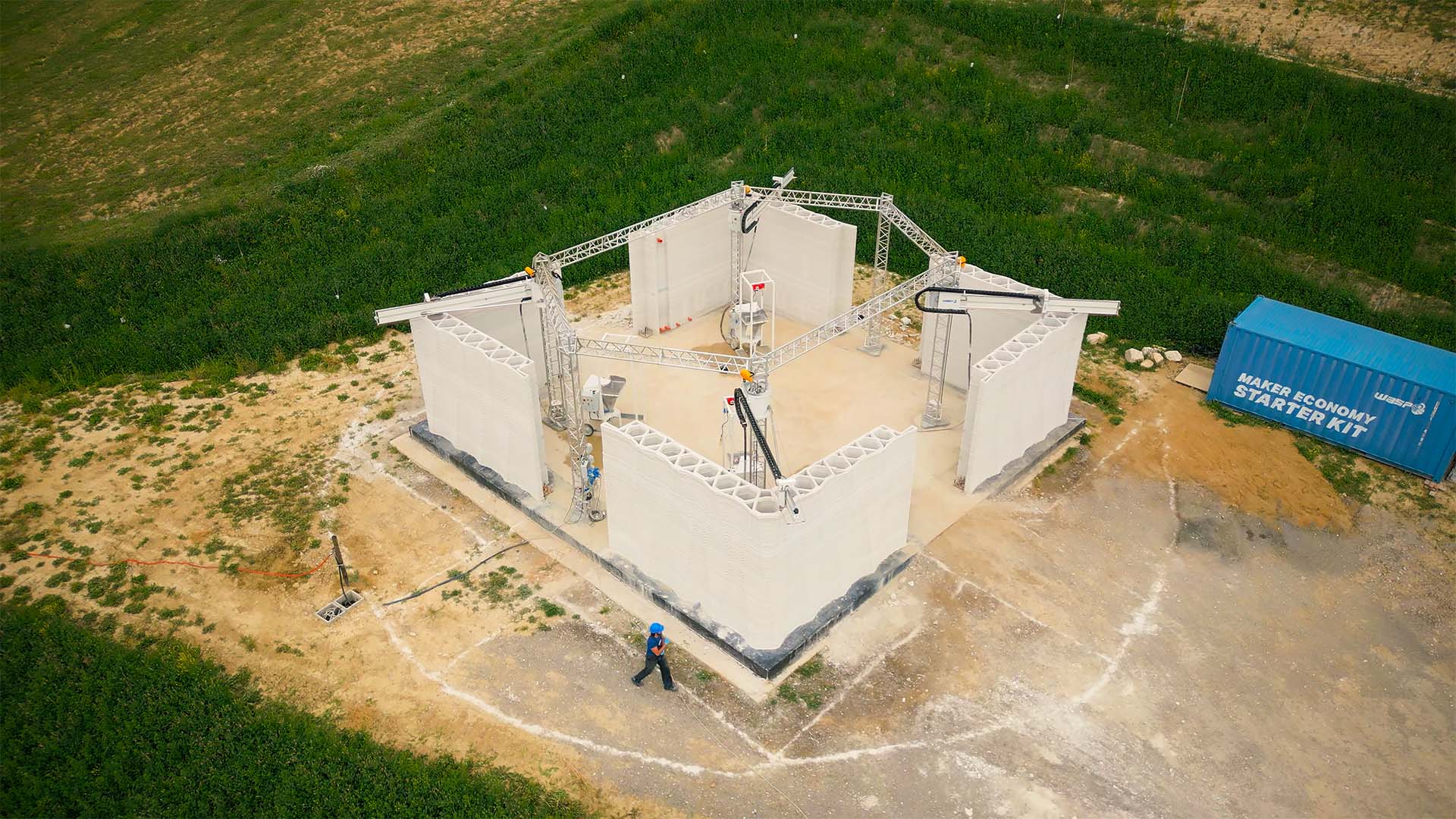
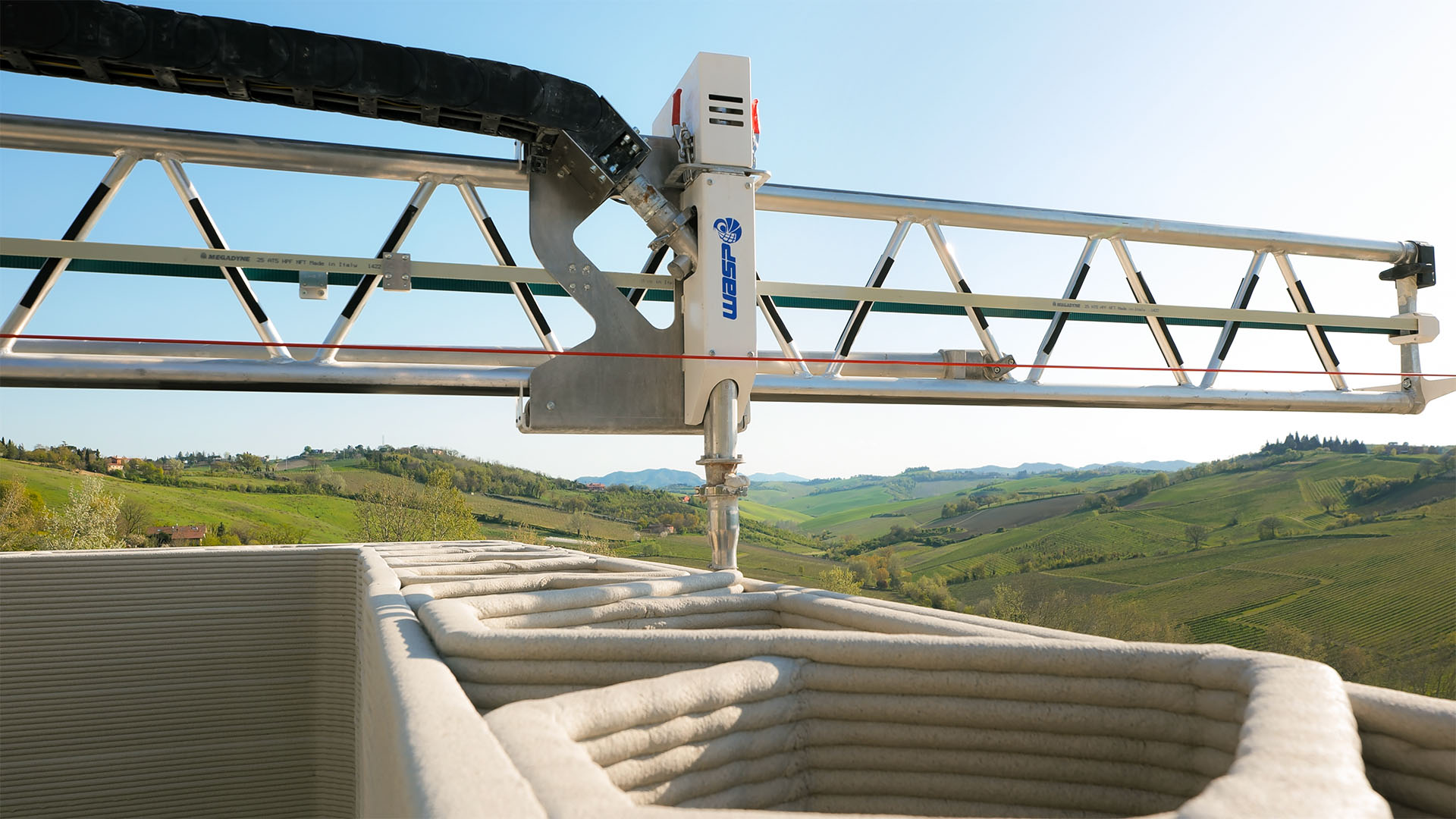
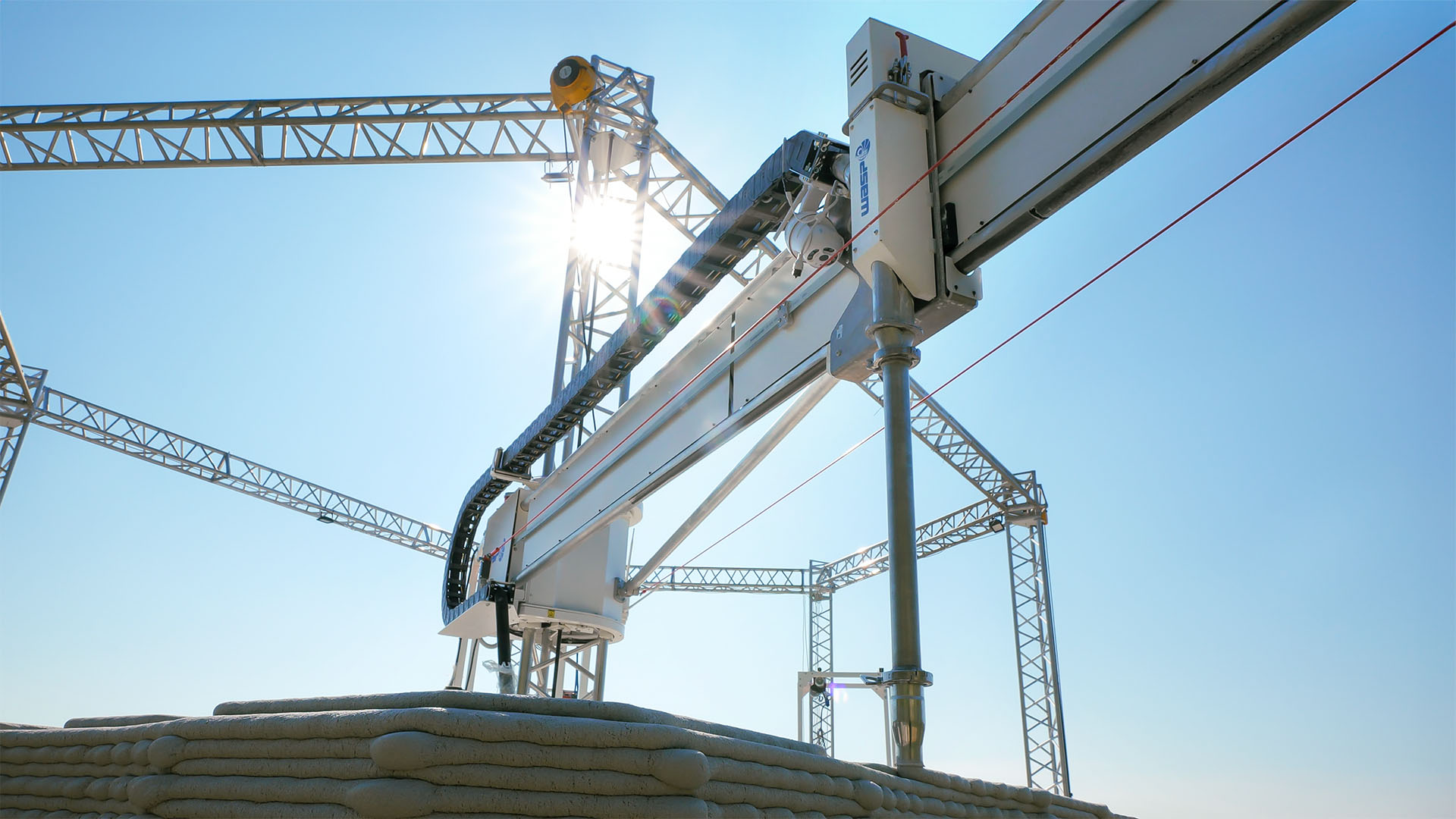
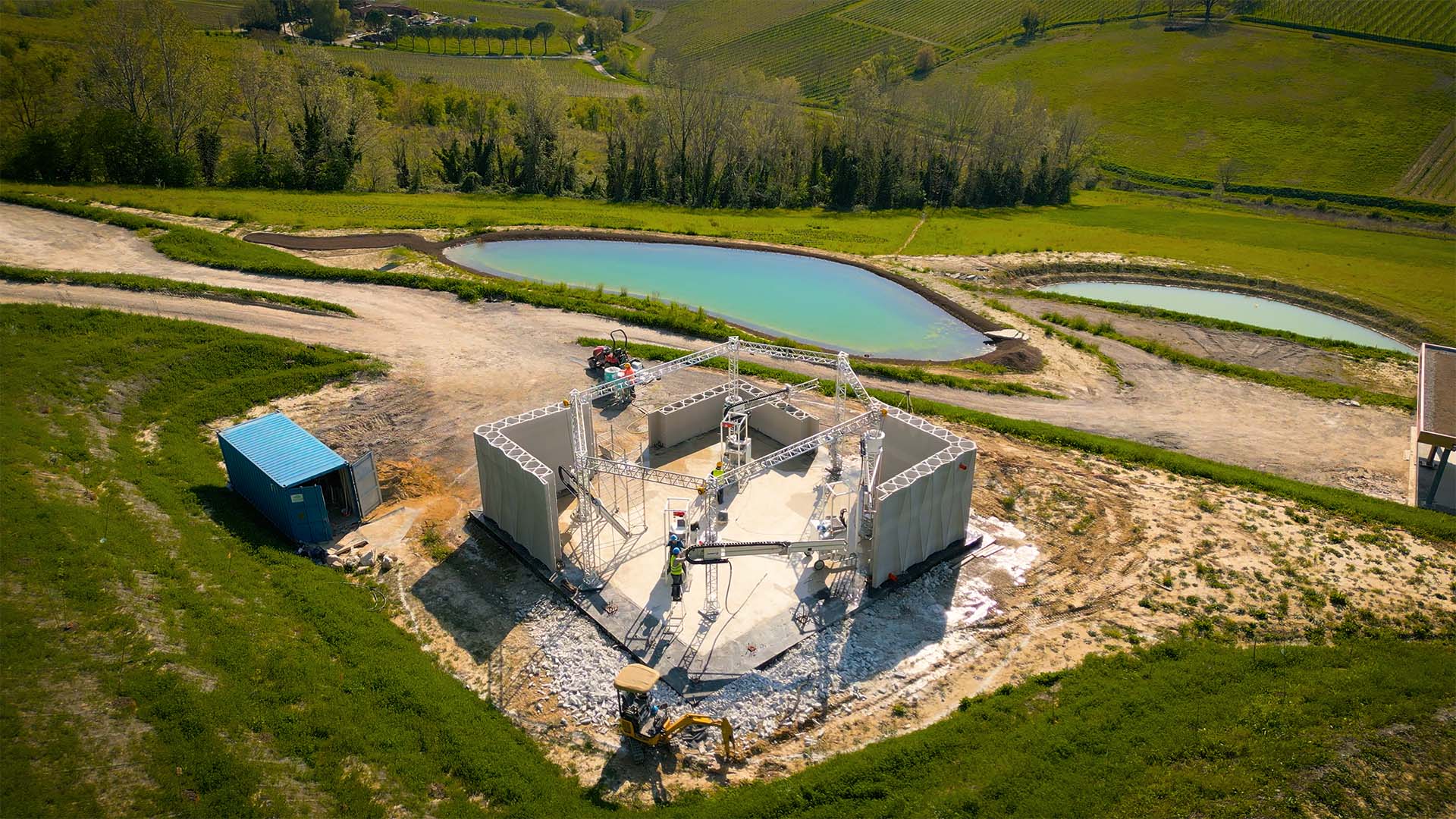
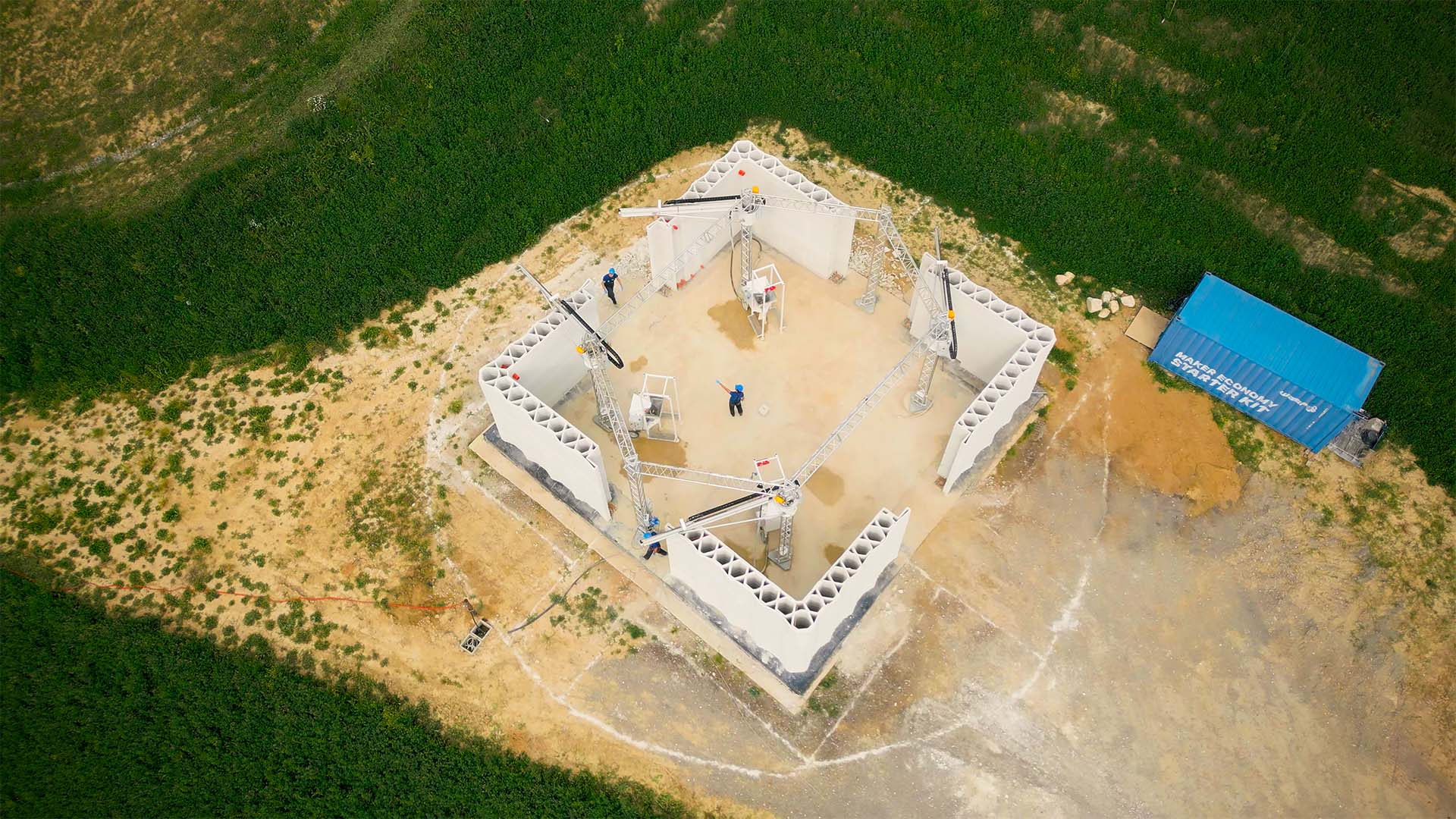
Italian technology company WASP has completed the structural printing of Itaca, the first certified self-sufficient building created through 3D printing. The project is located in the Shamballa open-air laboratory in Northern Italy and serves as a full-scale prototype for circular, low-impact construction.
WASP founder Massimo Moretti introduced Itaca as a replicable model for sustainable living. The project explores how digital fabrication, local resources and biobased materials can come together in a new construction system.
Certified 3D Printing for Structural Architecture
One of the project’s main ambitions was to meet the same standards as conventional construction. Itaca complies with Italian and European building regulations, including strict seismic requirements. This certification proves that 3D printed buildings can deliver structural safety, durability and long-term performance.
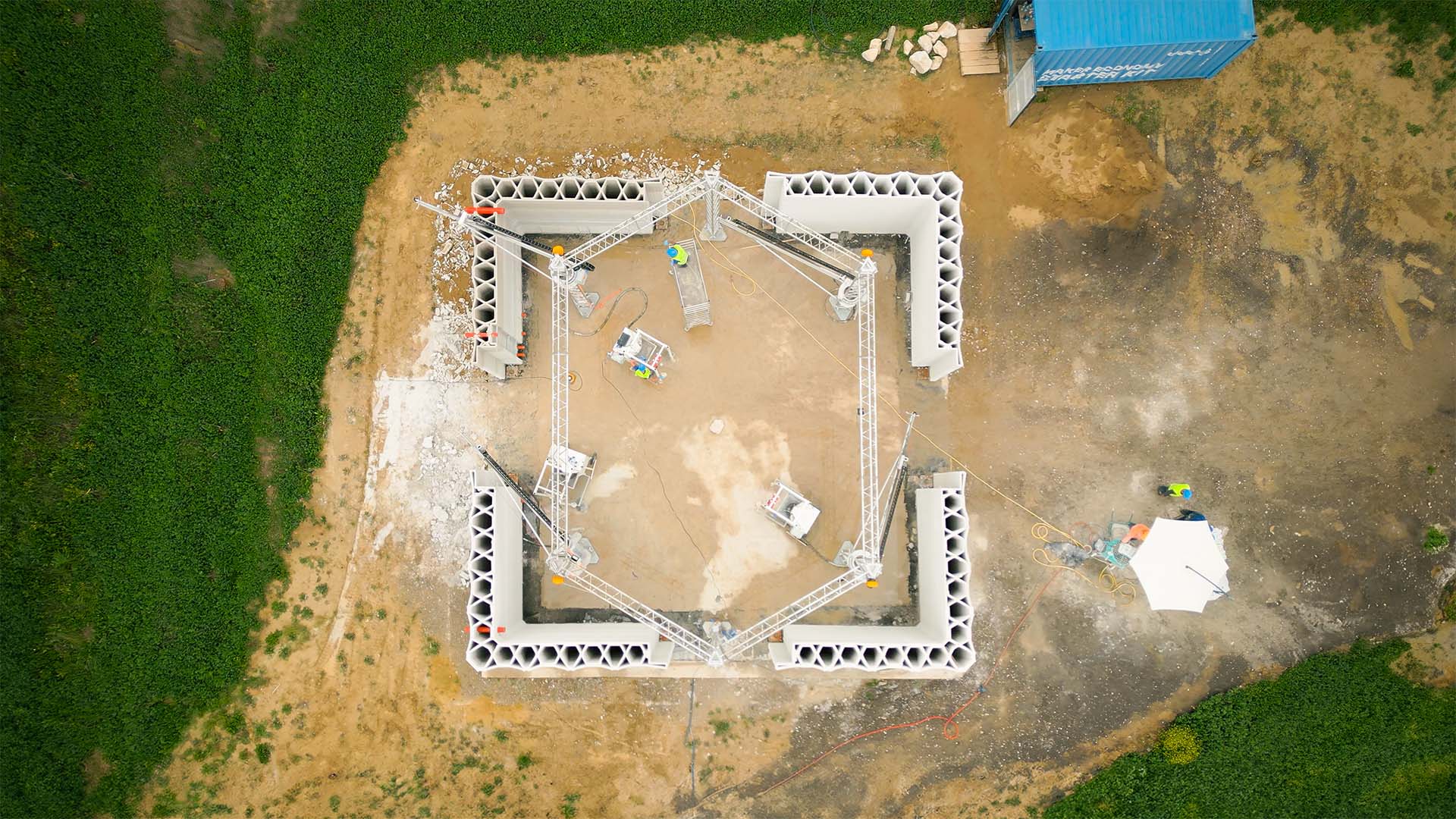
WASP used an updated Crane WASP system with four robotic arms. Each arm printed a wall section at the same time. This approach significantly reduced construction time, allowing the structural shell to be completed within days.
Lime-Based Walls and Biobased Insulation
Instead of concrete, WASP printed the walls using a lime-based mixture. Lime produces lower carbon emissions than cement and offers high breathability. This helps regulate indoor humidity and reduces the risk of mould.
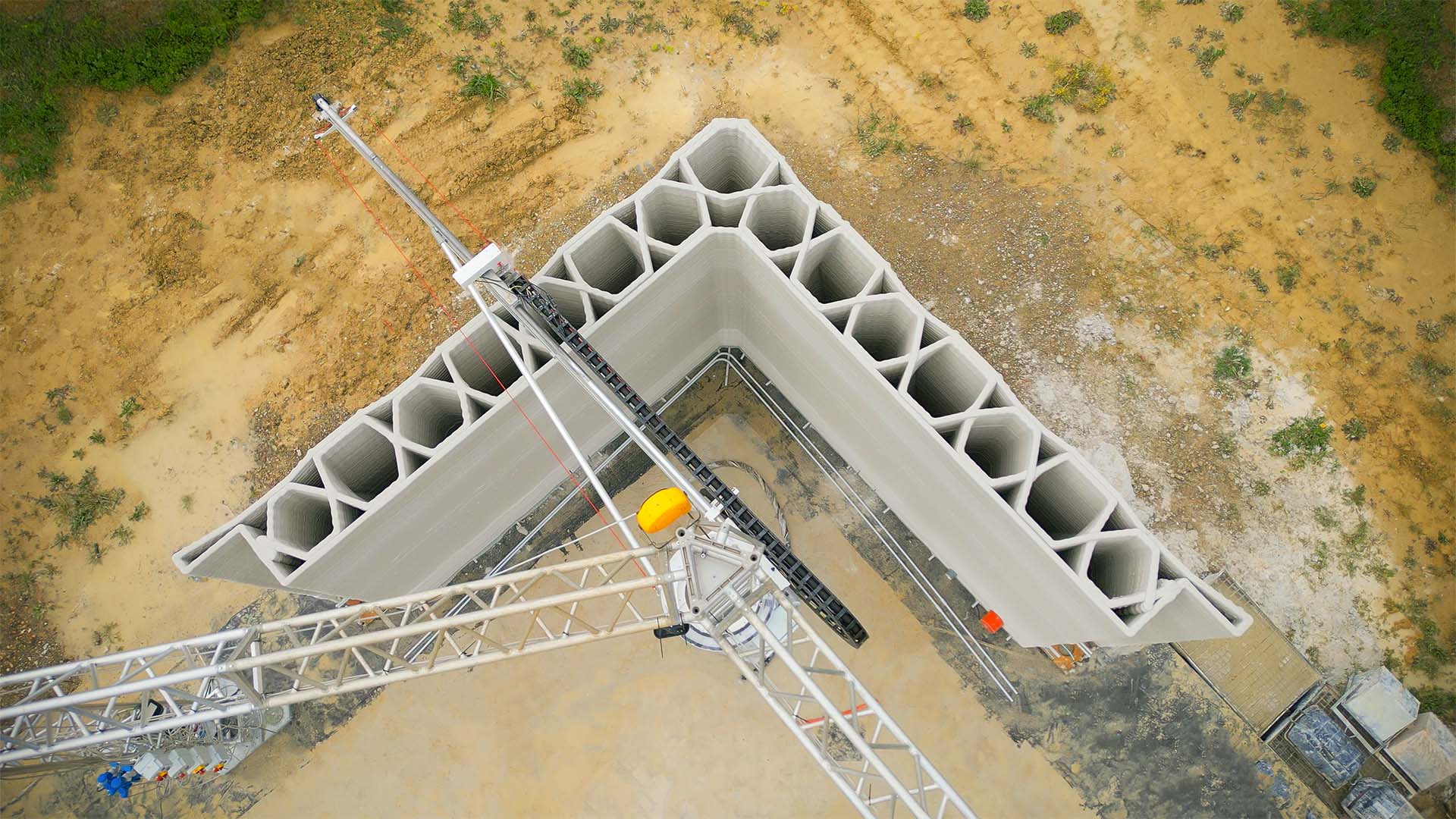
The walls measure between 60 and 70 centimetres thick. Inside, the cavities are filled with rice husks from agricultural waste, combined with natural lime powder. This biobased infill provides thermal insulation from within the wall structure. The result is a passive building envelope with strong energy performance and a reduced environmental footprint.
Heating, electrical systems and ventilation are integrated directly during the printing process. This approach avoids later construction work and improves material efficiency. The ventilated wall design also supports natural air circulation and indoor comfort.
Architecture Embedded in a Regenerative Landscape
Itaca forms part of a broader vision that connects architecture to landscape and resource management. Rainwater basins collect and store water for irrigation while reducing erosion. Reforestation and agroforestry initiatives aim to restore biodiversity in the surrounding area.
A green roof and solar panels will further improve insulation, energy efficiency and ecological value. Together, the building and landscape function as a small circular system that supports self-sufficiency.
By combining additive manufacturing, biobased materials and circular design principles, Itaca presents a compelling reference for architects and designers exploring the future of sustainable construction.
Source & photos: WASP

Comments