Katajanokan Laituri Integrates Large-Scale Timber Construction In A Waterfront Context
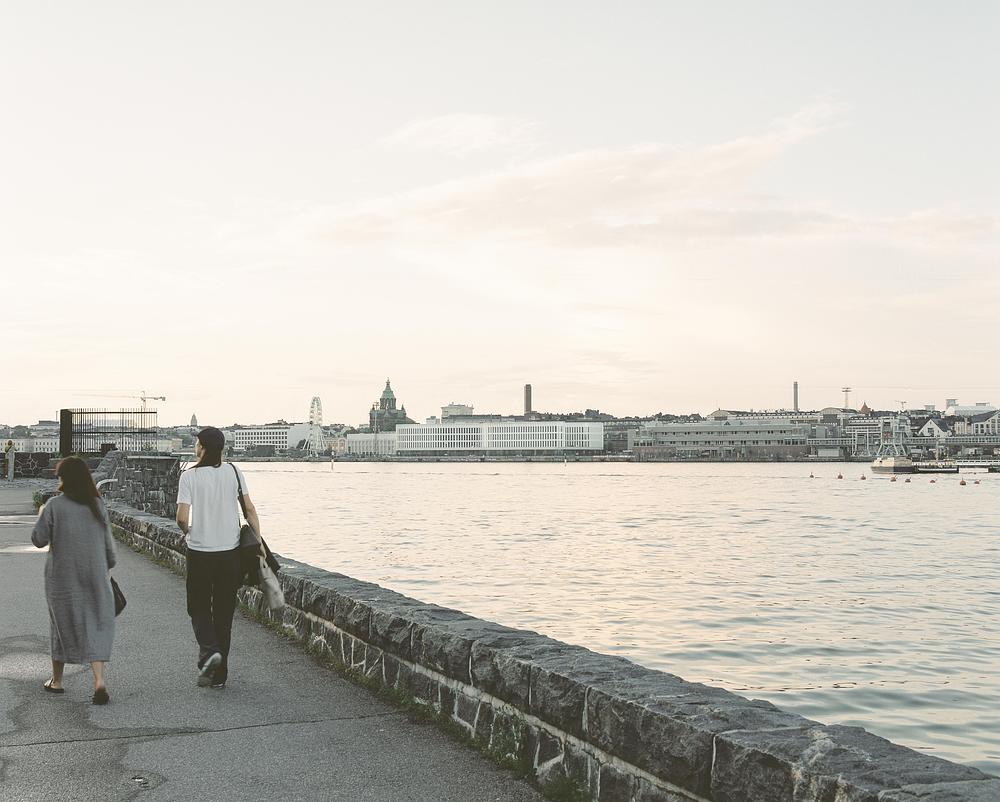
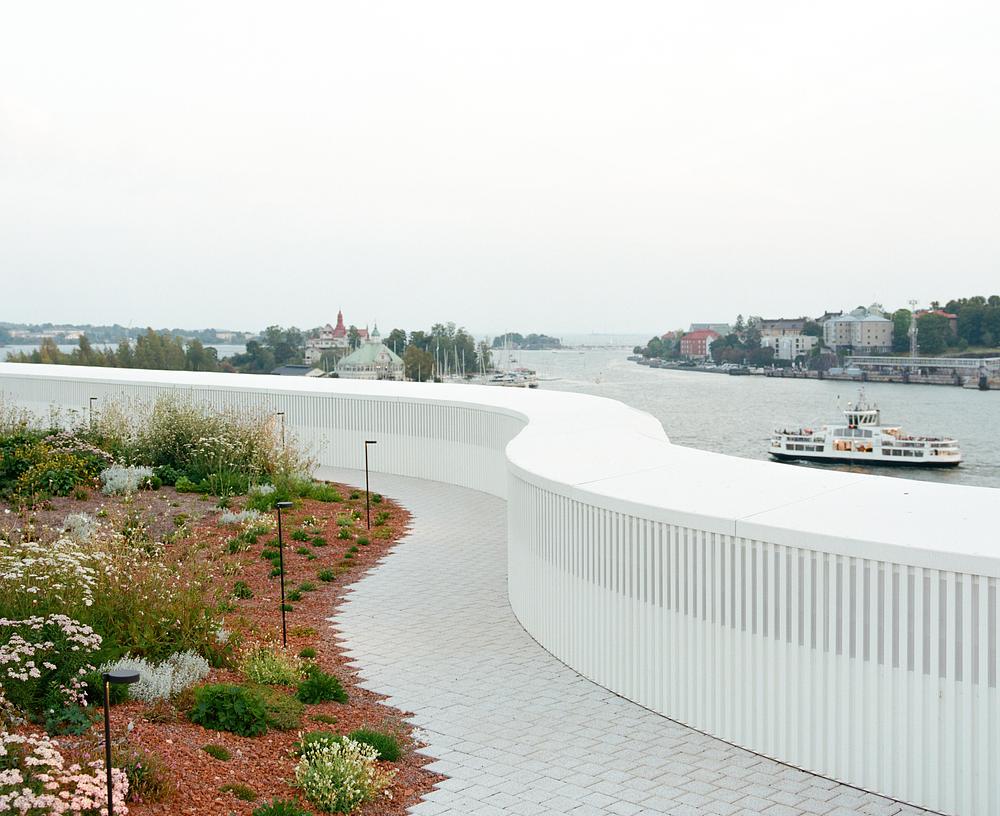

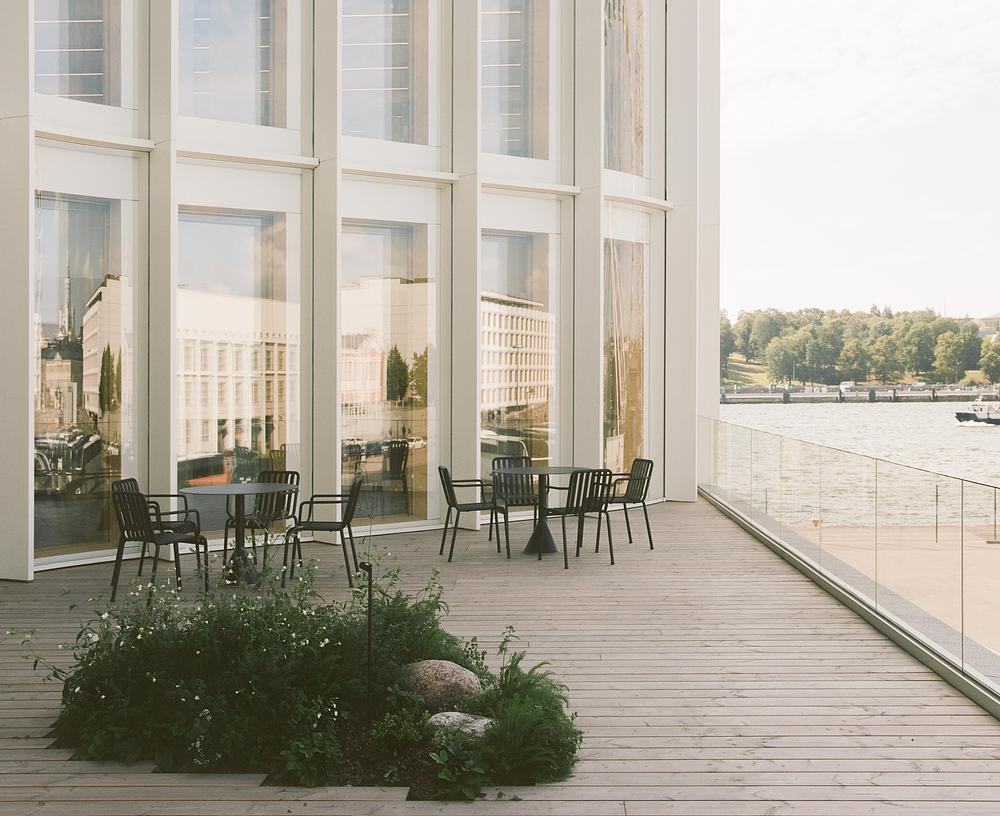



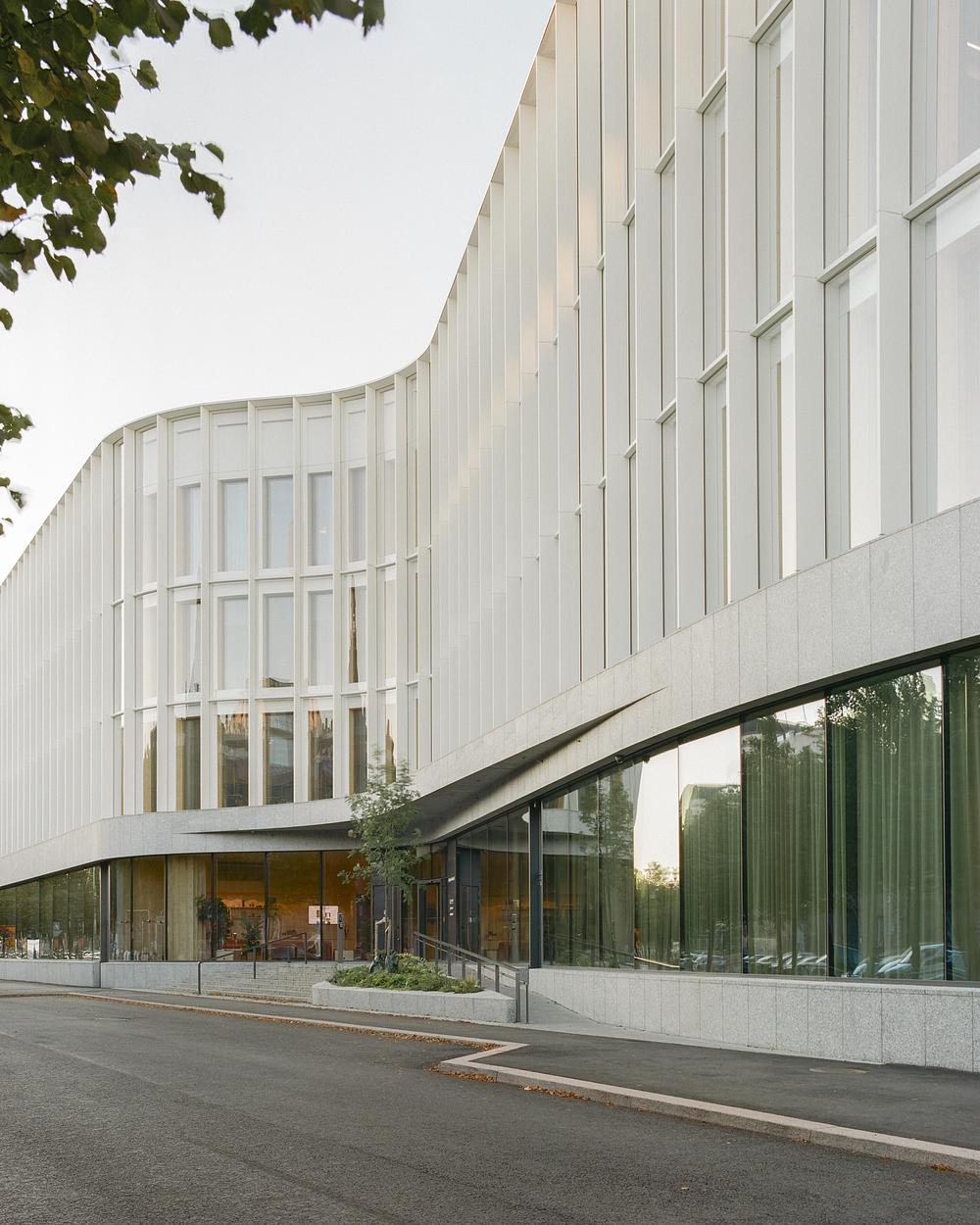
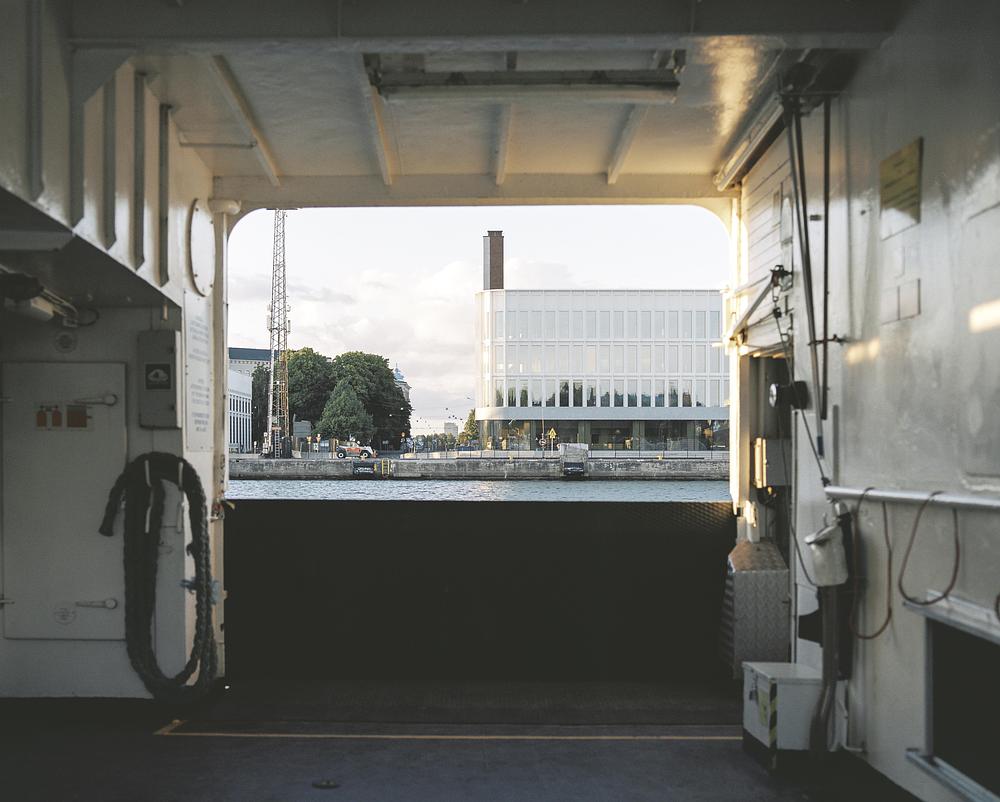

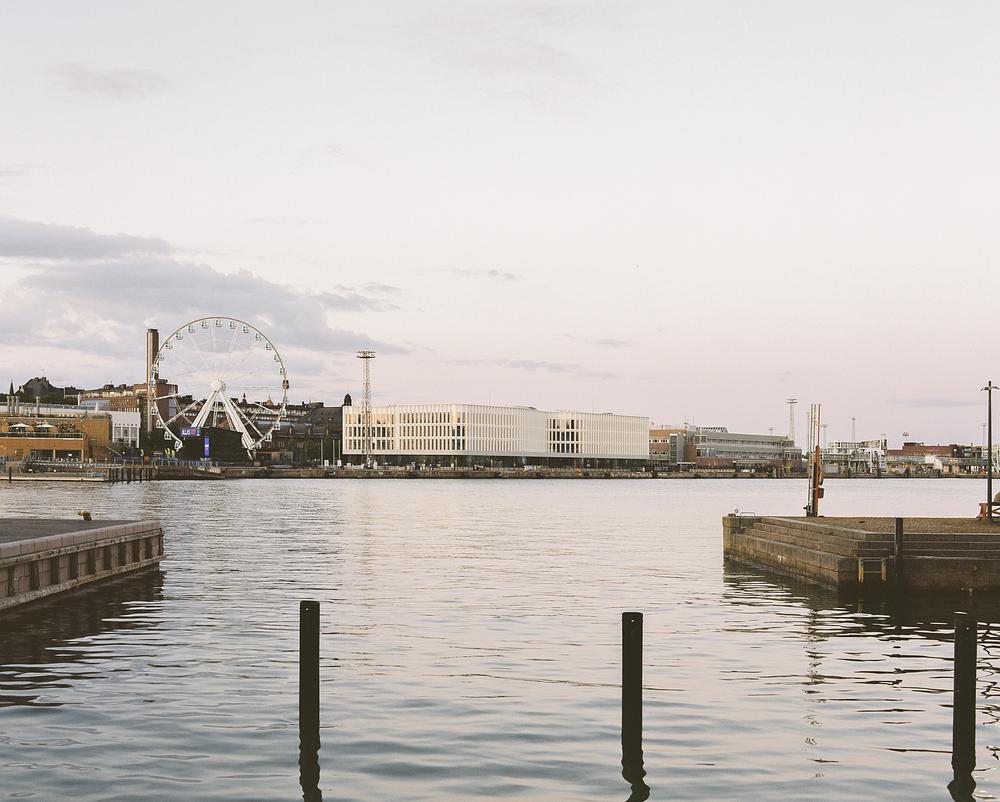

Katajanokan Laituri is an office and hotel building by Anttinen Oiva Architects, located on the former industrial waterfront of the Katajanokka peninsula in Helsinki. The project combines engineered timber with glass, aluminium, and granite, materials that respond to both the maritime climate and the character of the surrounding city. As the first new development on this section of the embankment, the building plays a role in the area’s transition towards a more publicly accessible waterfront.
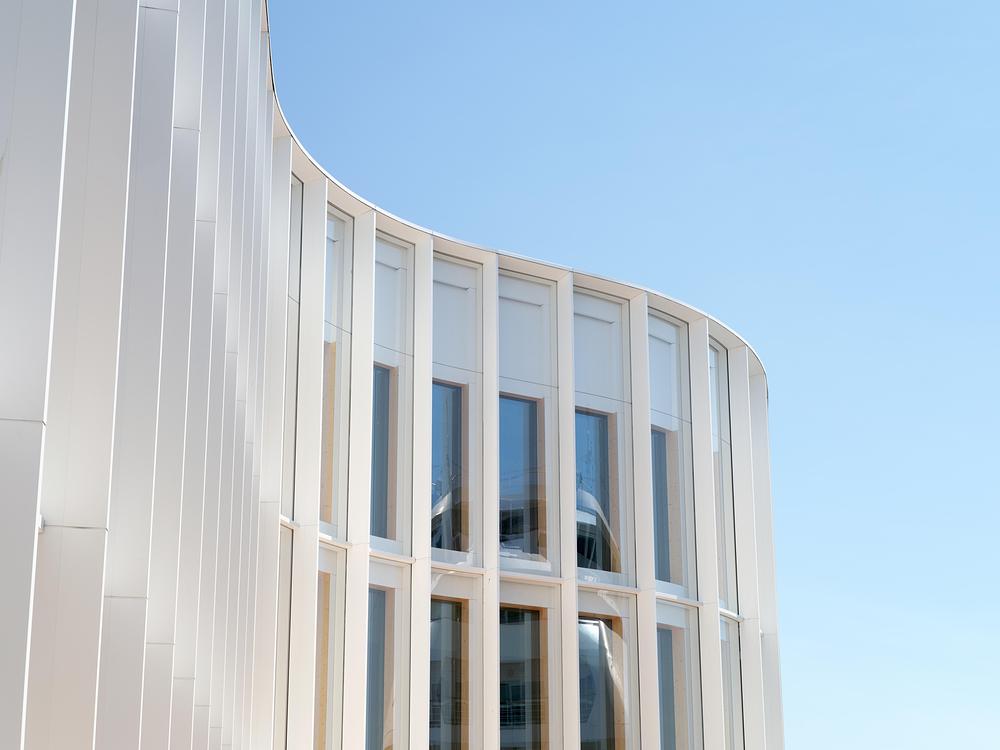
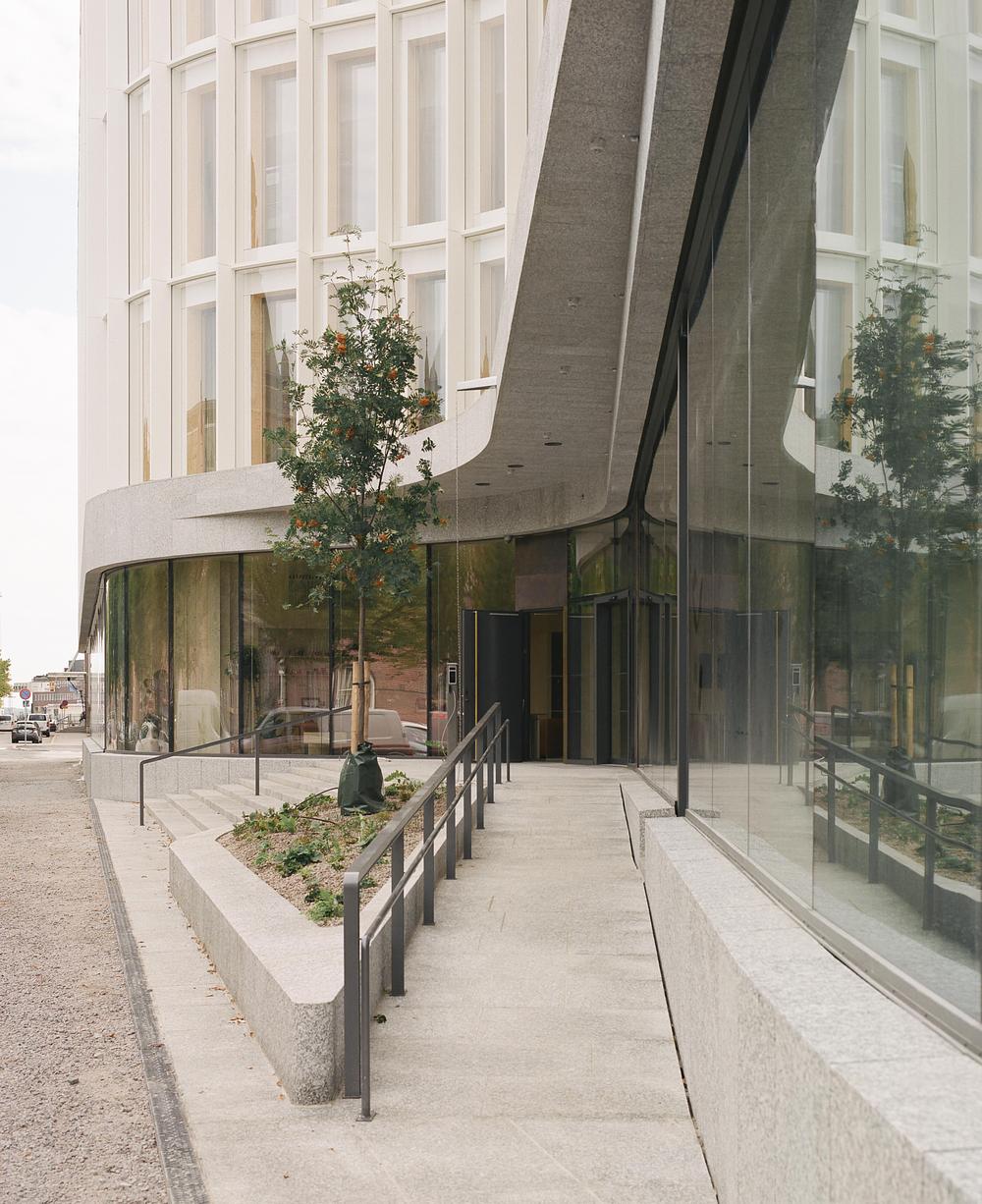
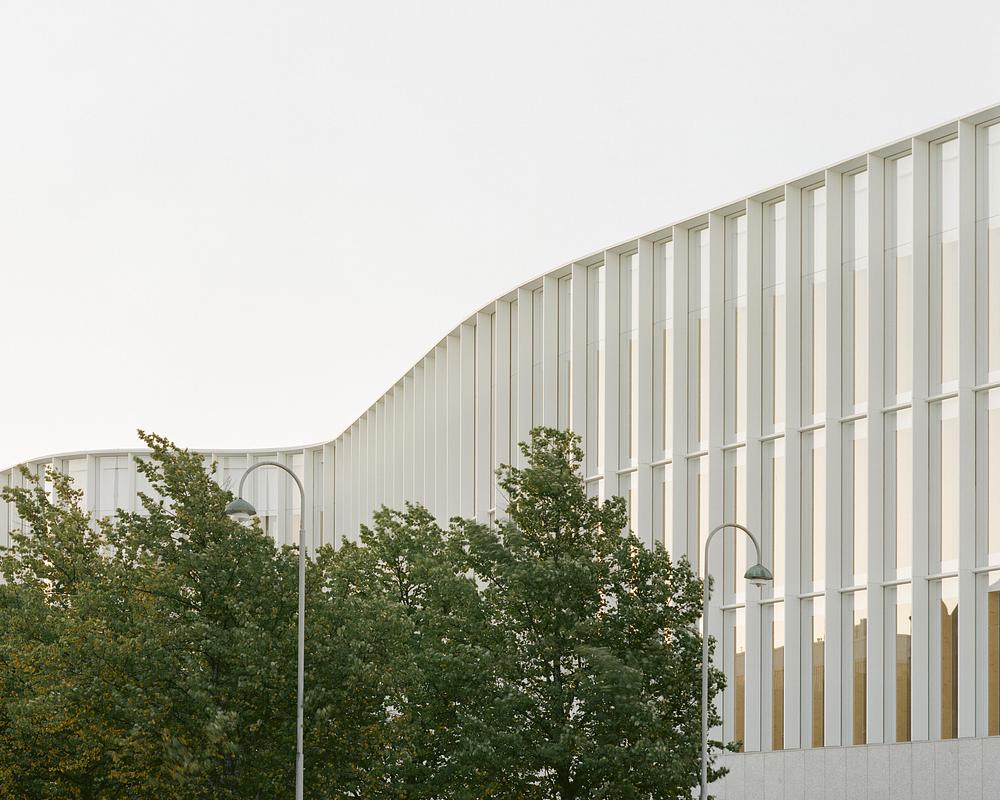
The volume follows the continuous, neo-classical outline of Helsinki’s southern shoreline. Variations in the façade reduce the perceived scale and relate to the diverse architecture of Katajanokka. A double façade system places exposed timber behind an outer layer of glass, aluminium, and granite. This construction protects the wood from coastal weather while maintaining visual continuity with the cityscape.
Programme And Spatial Organisation
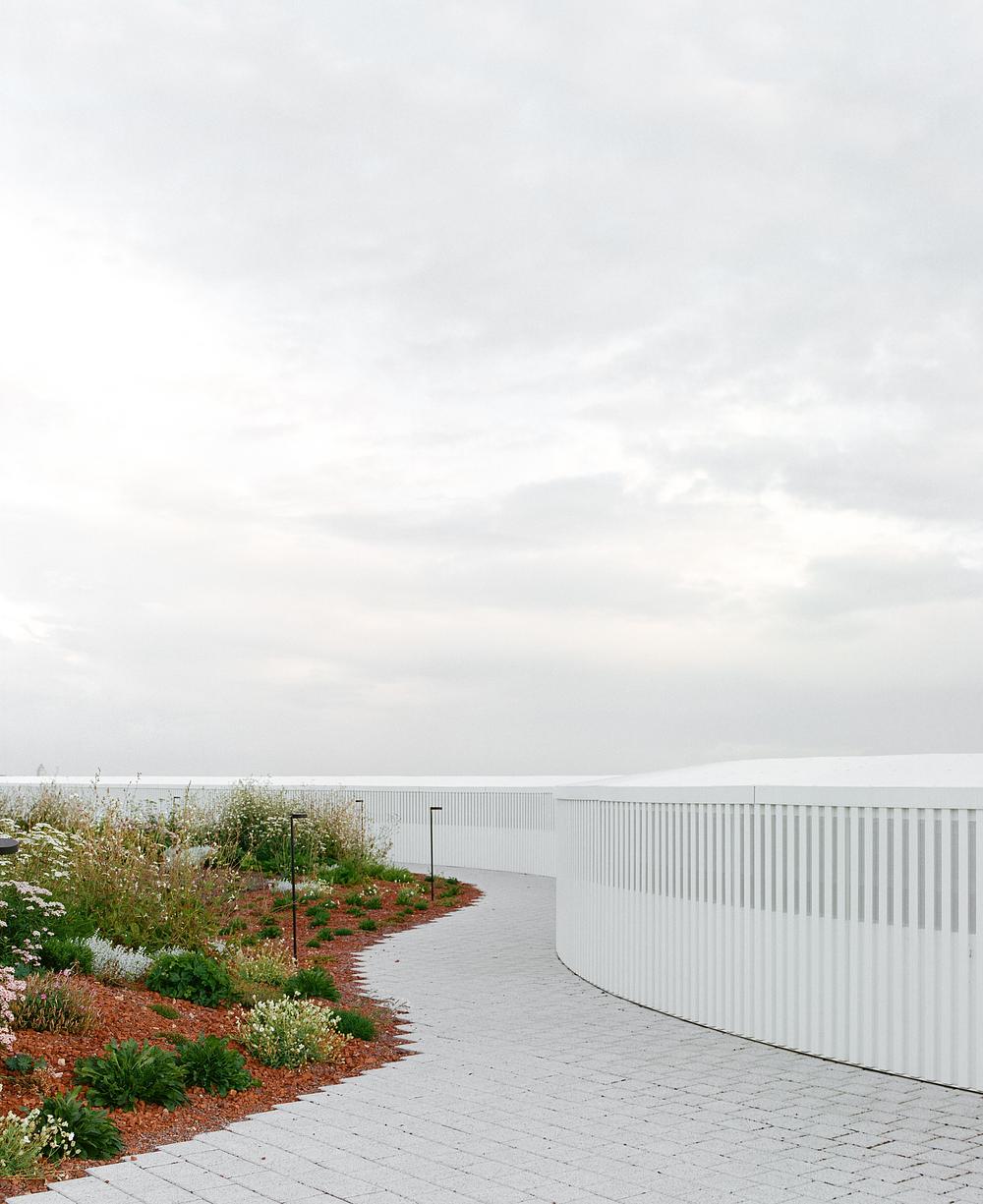
The building combines office and hospitality functions. It was developed as the new headquarters of Stora Enso, while a hotel occupies roughly half of the floor area. The four-storey structure includes a publicly accessible green rooftop terrace. A basement contains technical installations and parking facilities.
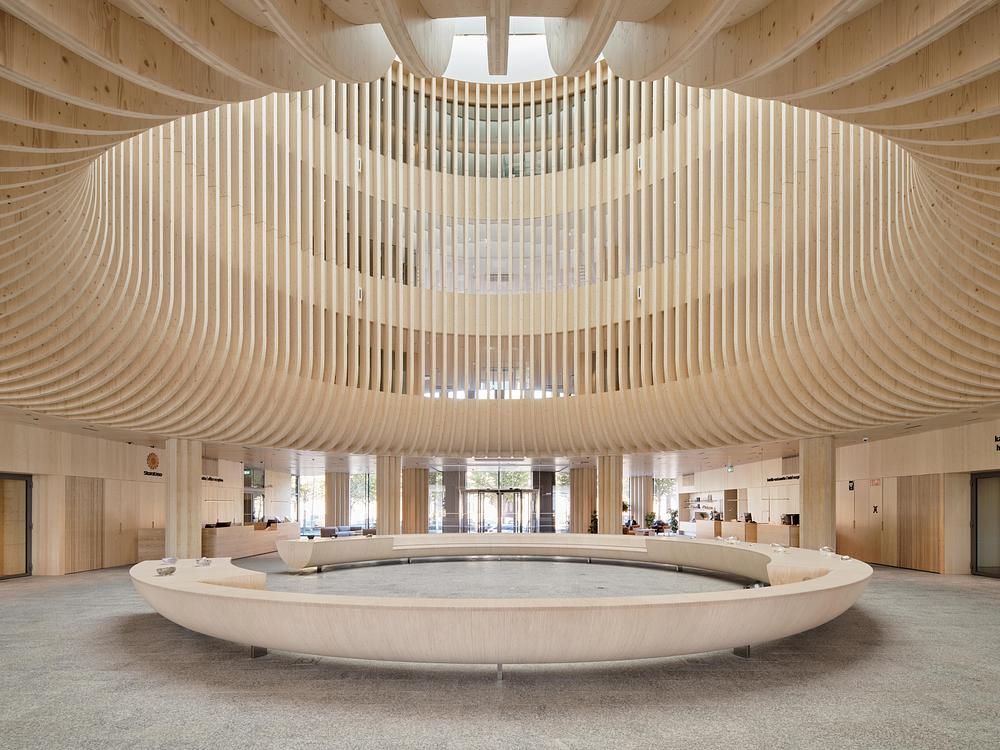
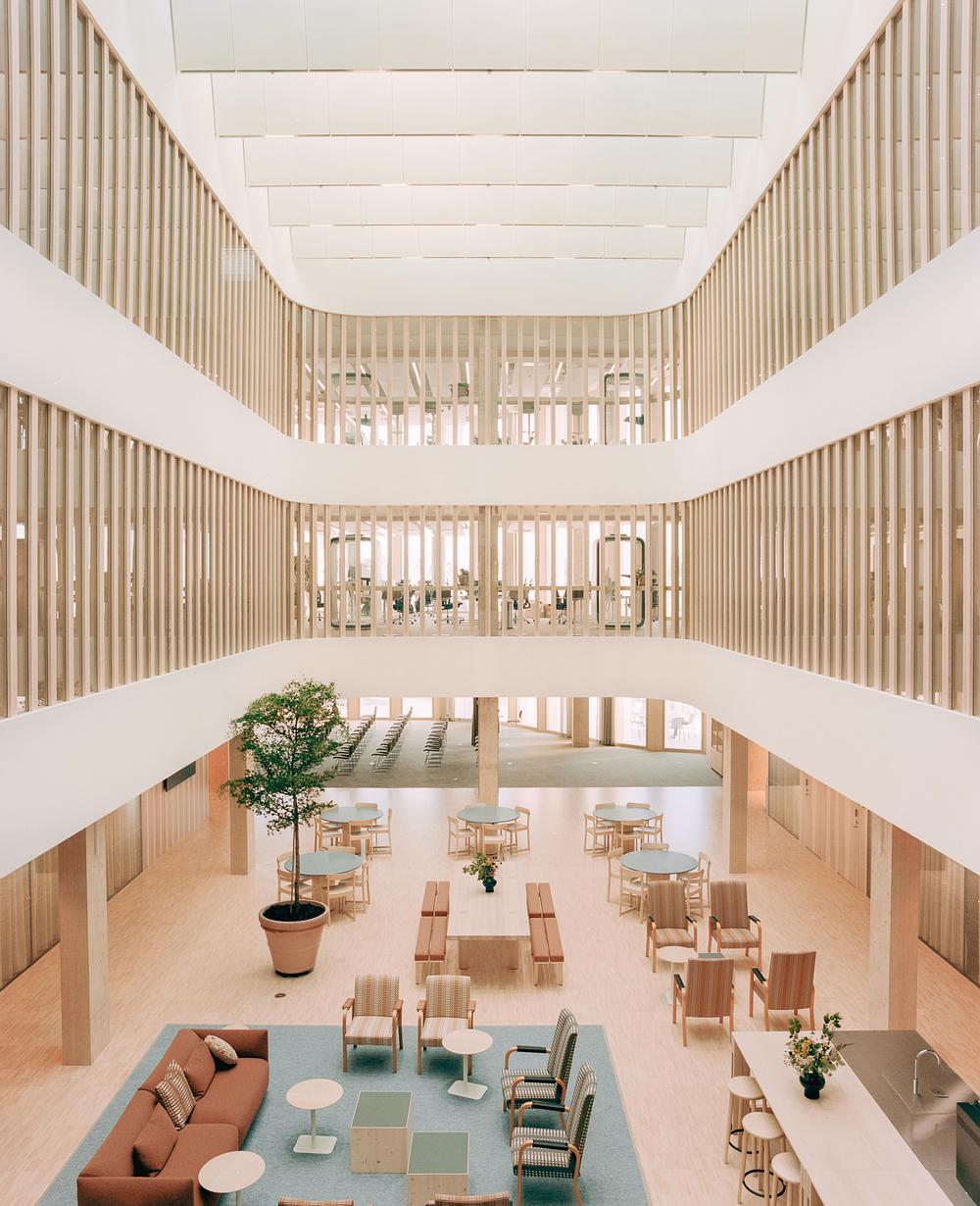
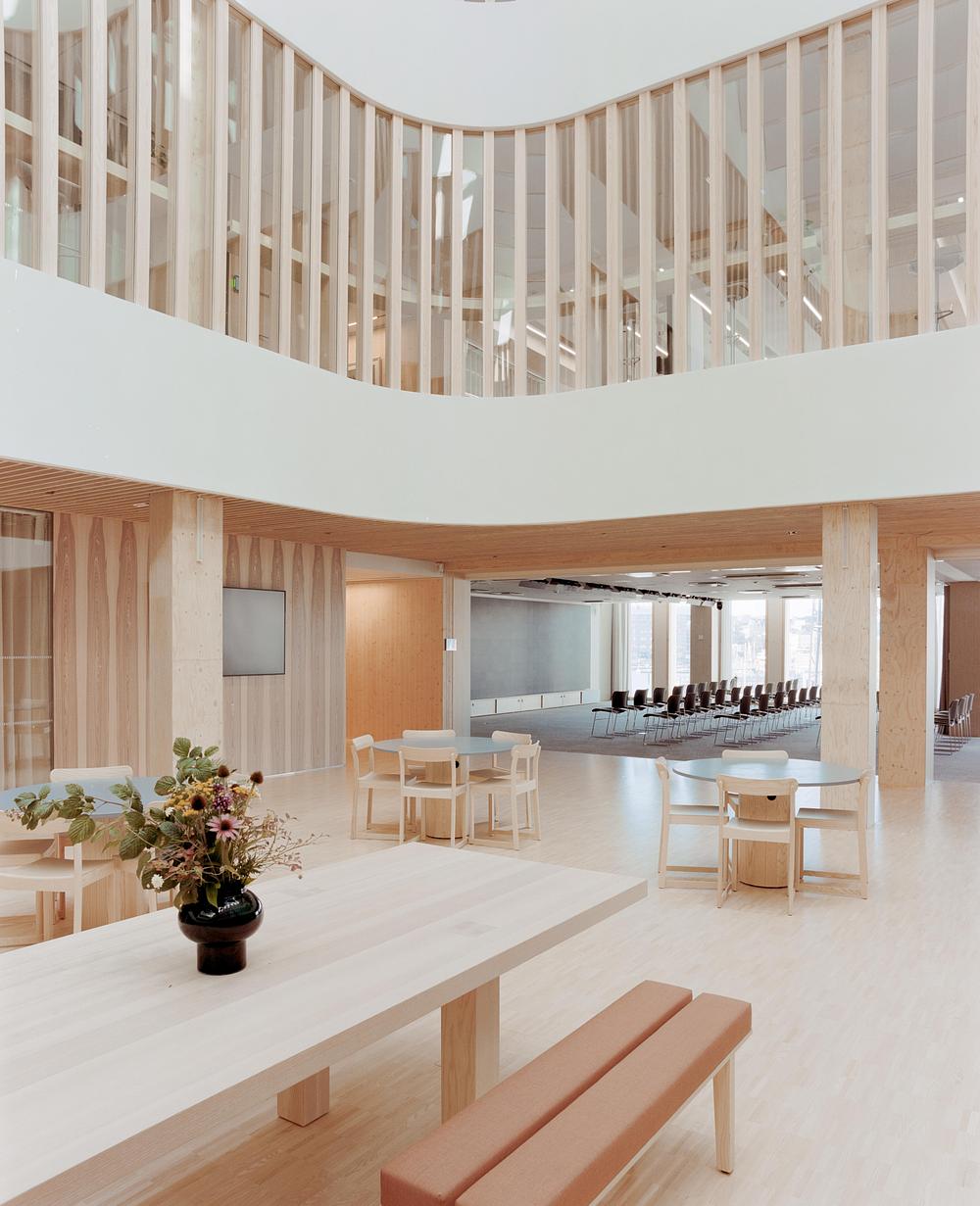
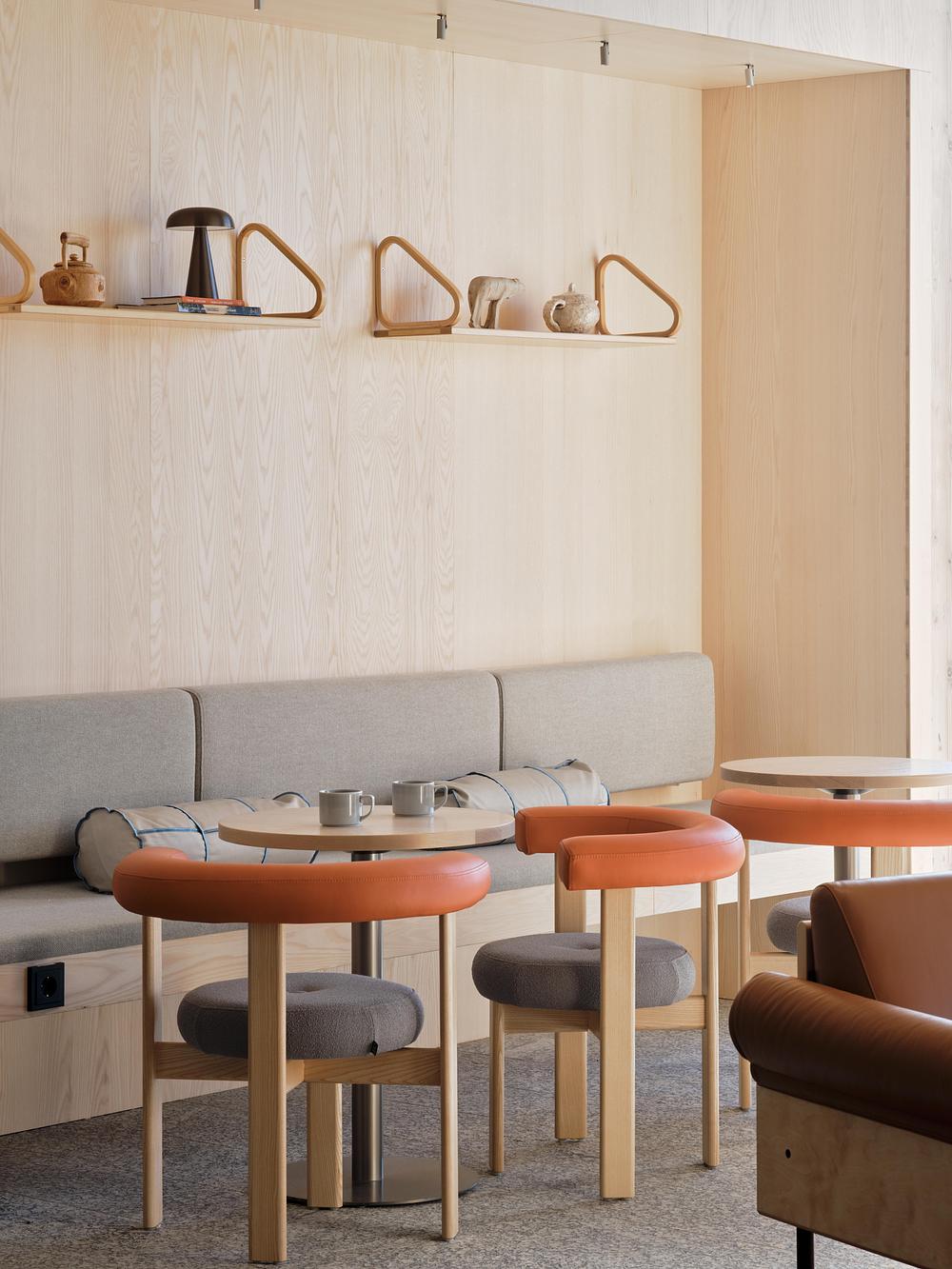
Public functions sit at street level. These include a shared foyer, café, restaurant, and conference spaces. Their placement strengthens the connection between the building, the surrounding streets, and the waterfront. The interior layout supports long-term flexibility, allowing spaces to adapt to changing uses over time.
Engineered Wood As Primary Structural Material
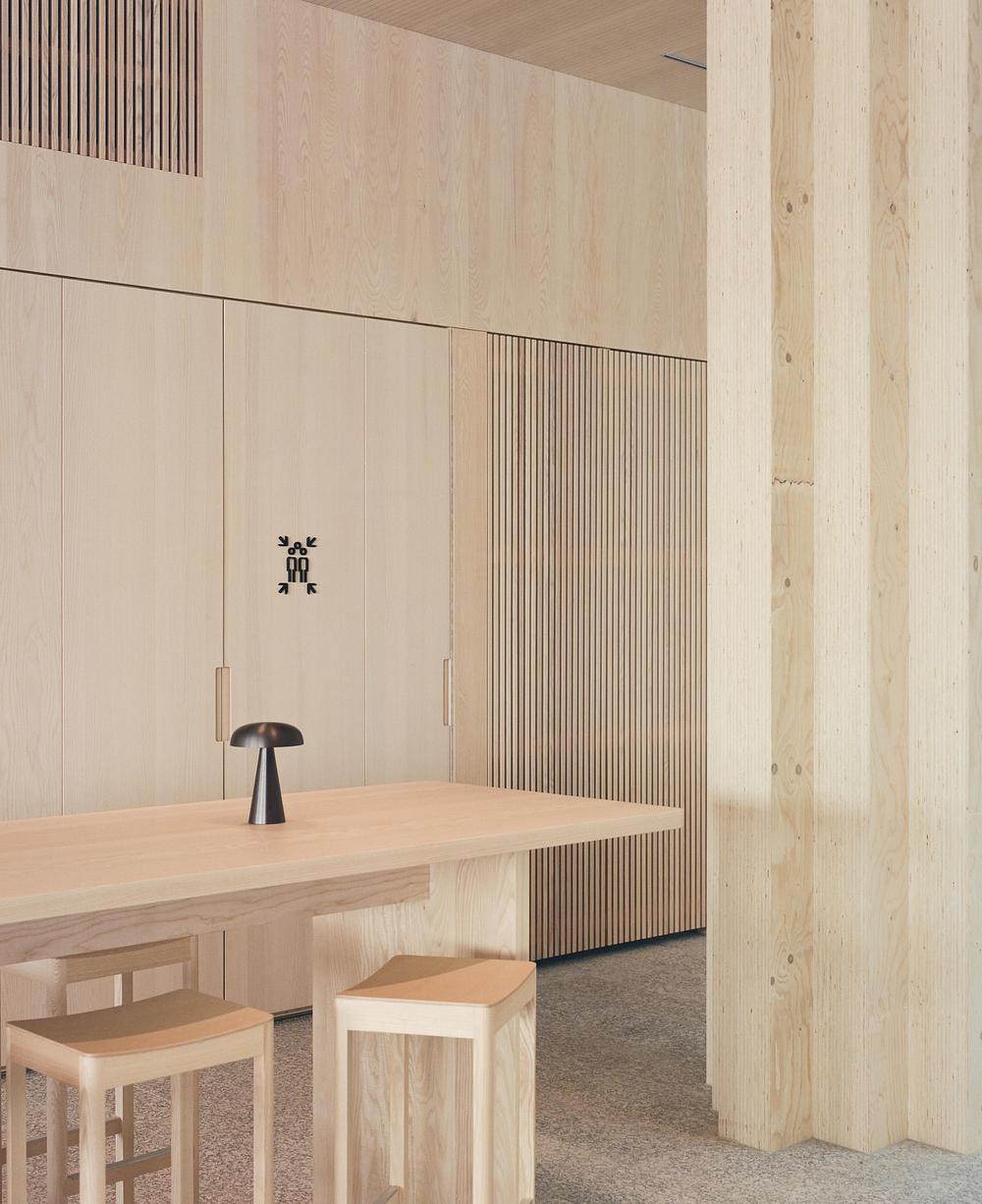
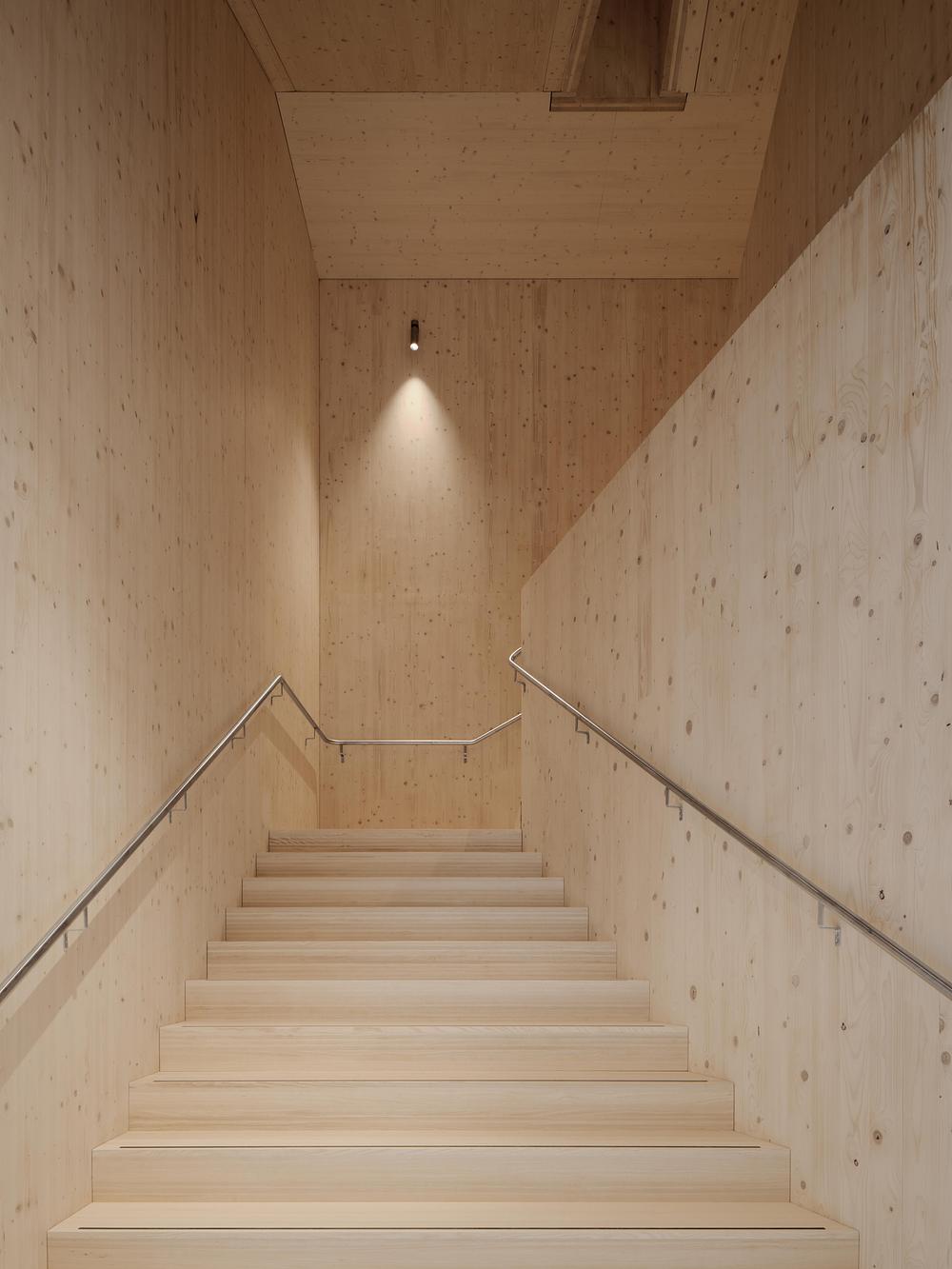
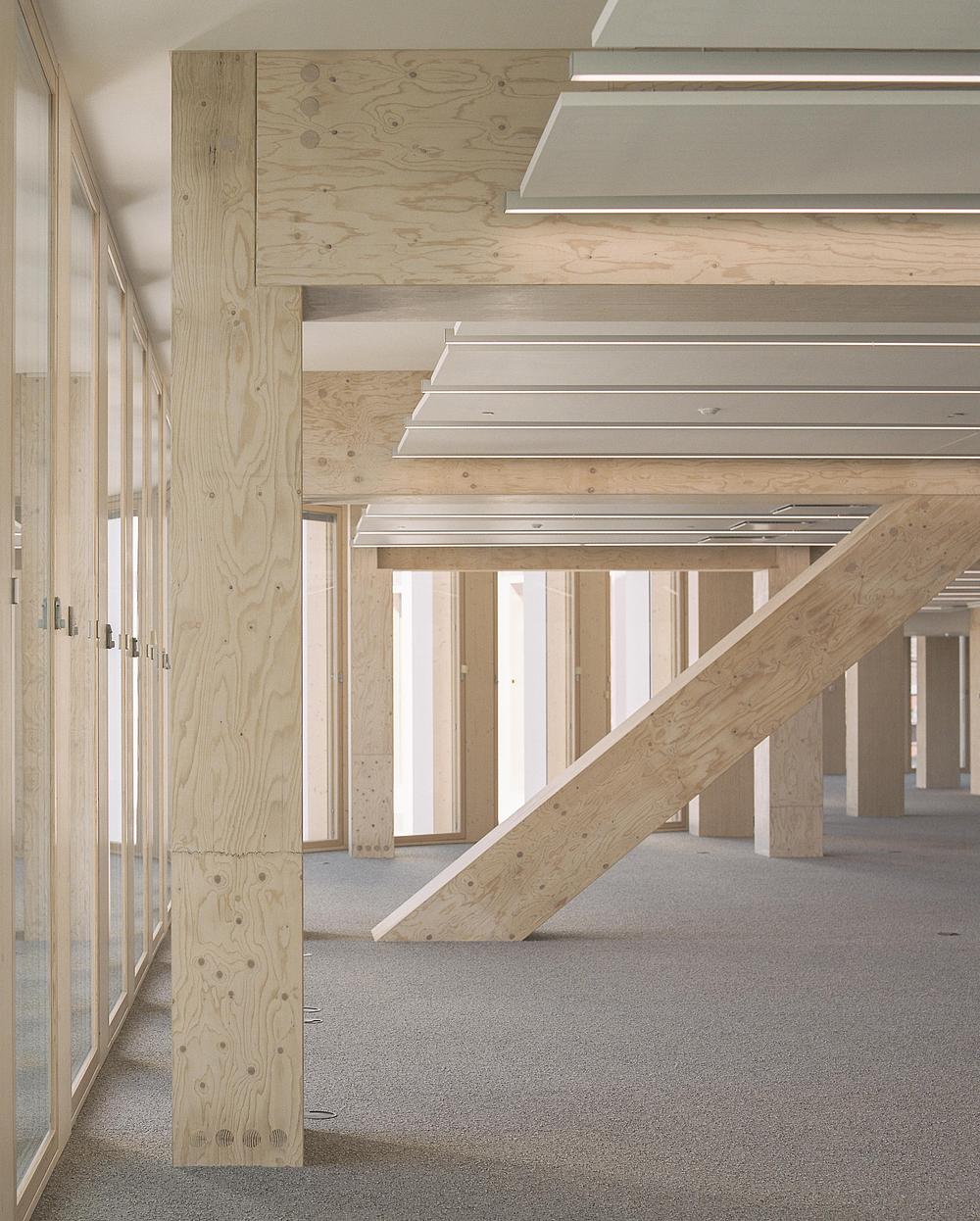
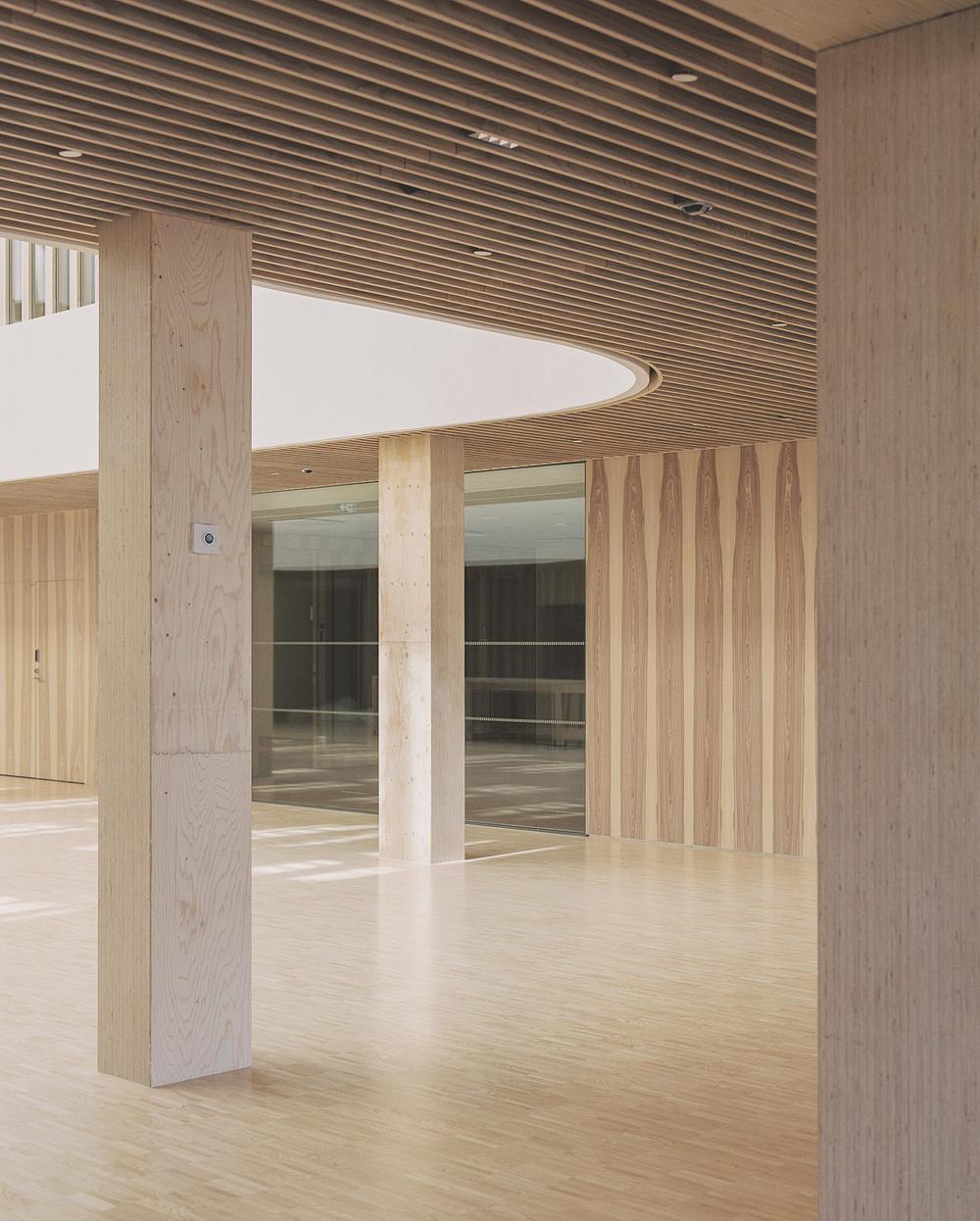
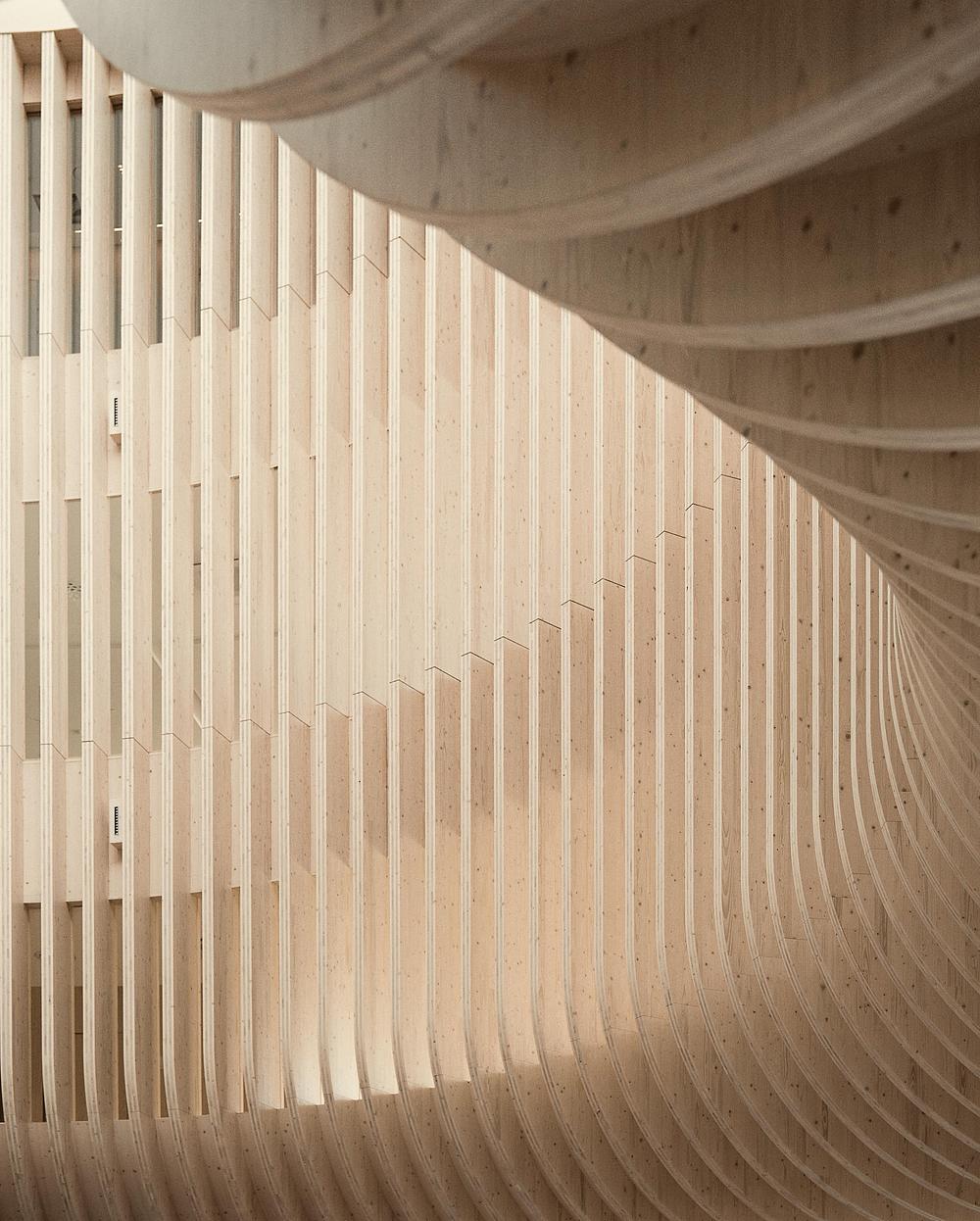
The project uses prefabricated mass timber as its main structural system. Laminated Veneer Lumber (LVL) forms the post-and-beam structure and façade framework. Cross Laminated Timber (CLT) is used for floors, roofs, and stabilising elements such as lift and staircase cores.
Manufacturers produced the timber elements using industrial processes. LVL components were made in Varkaus, Finland, while CLT elements came from Gruvön, Sweden. The above-ground structure contains approximately 7,600 m³ of spruce, divided into around 2,500 individual elements. The project demonstrates how engineered wood can be applied in large-scale commercial buildings.
Material Selection And Environmental Considerations
Material choices focus on durability and long-term performance. The interior features exposed spruce structures, combined with spruce and ash detailing. Granite appears on façades, interior surfaces, and the surrounding public space. This creates a material link between the building and its urban context.
The landscape design refers to northern ecosystems. A birch grove sits in the courtyard, while meadow planting covers the rooftop terrace. Due to the building’s location near the sea, the project includes flood protection measures. As the first redevelopment along this stretch of waterfront, Katajanokan Laituri also contributes to reinforcing and raising the embankment. This approach supports future adaptation to changing environmental conditions.
Source: Anttinen Oiva Architects via v2com
Photos: Kalle Kouhia / Tuomas Uusheimo

Comments