Kibu: 3D Printed, Recyclable Headphones Children Can Build Themselves
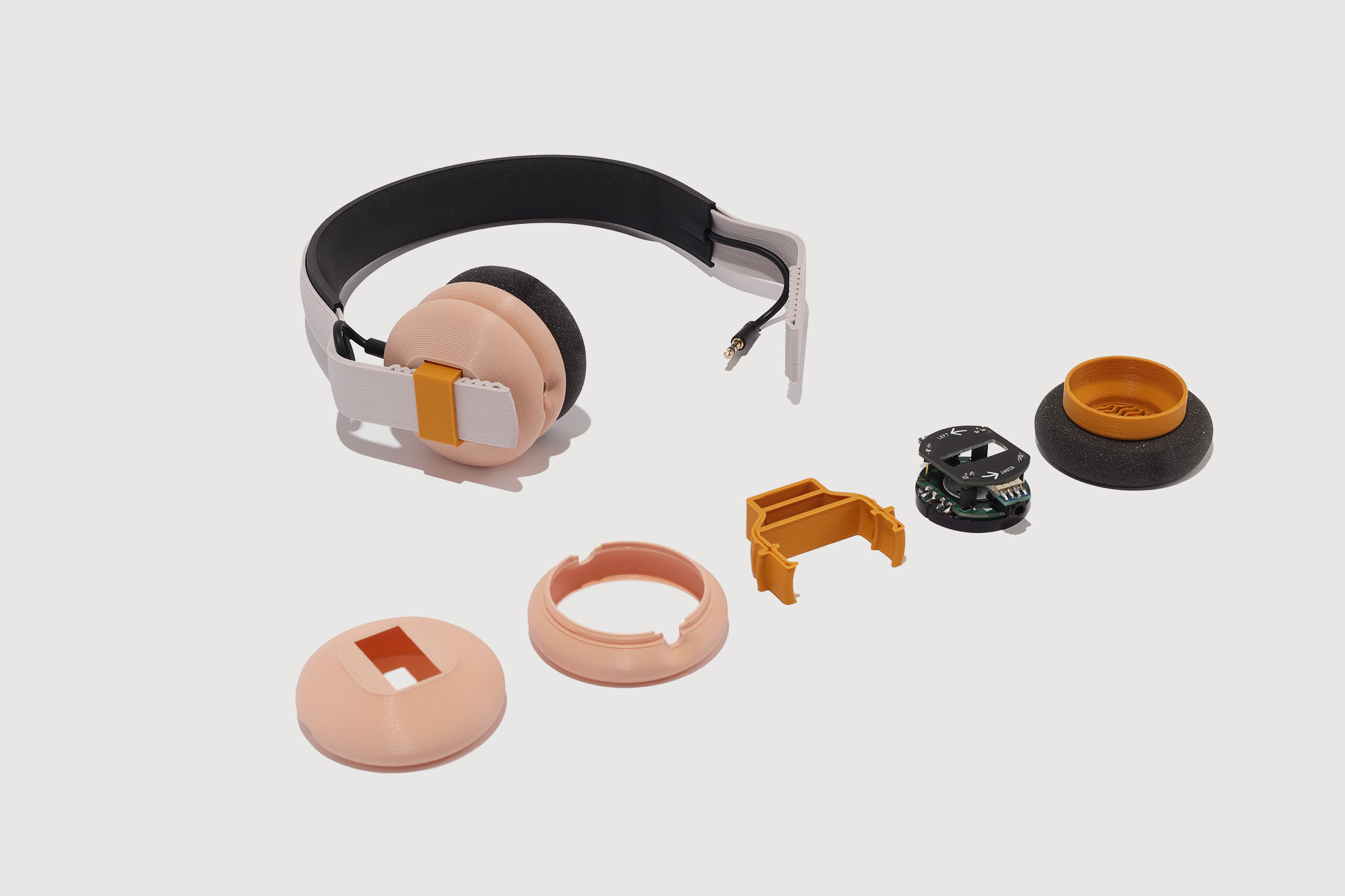



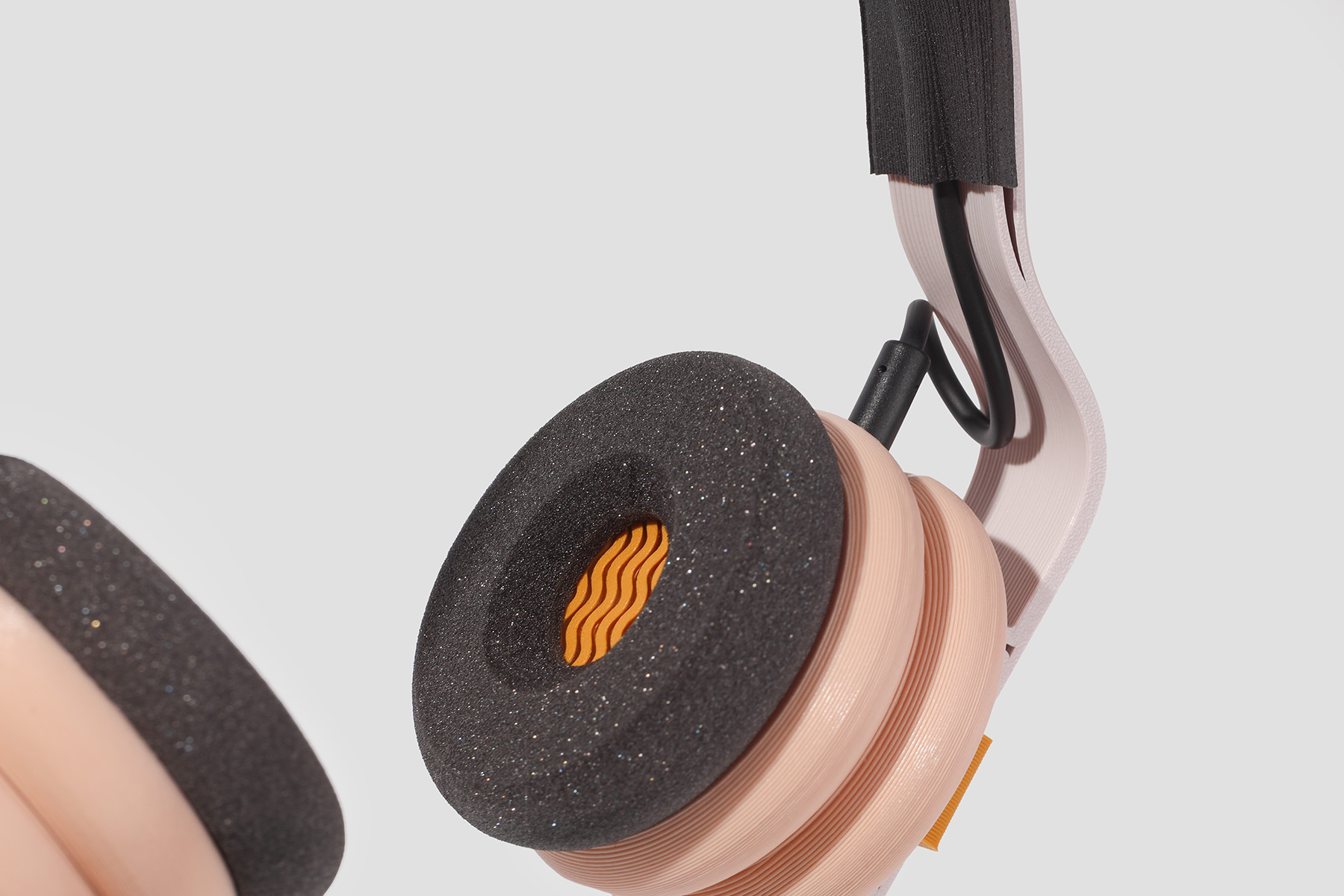


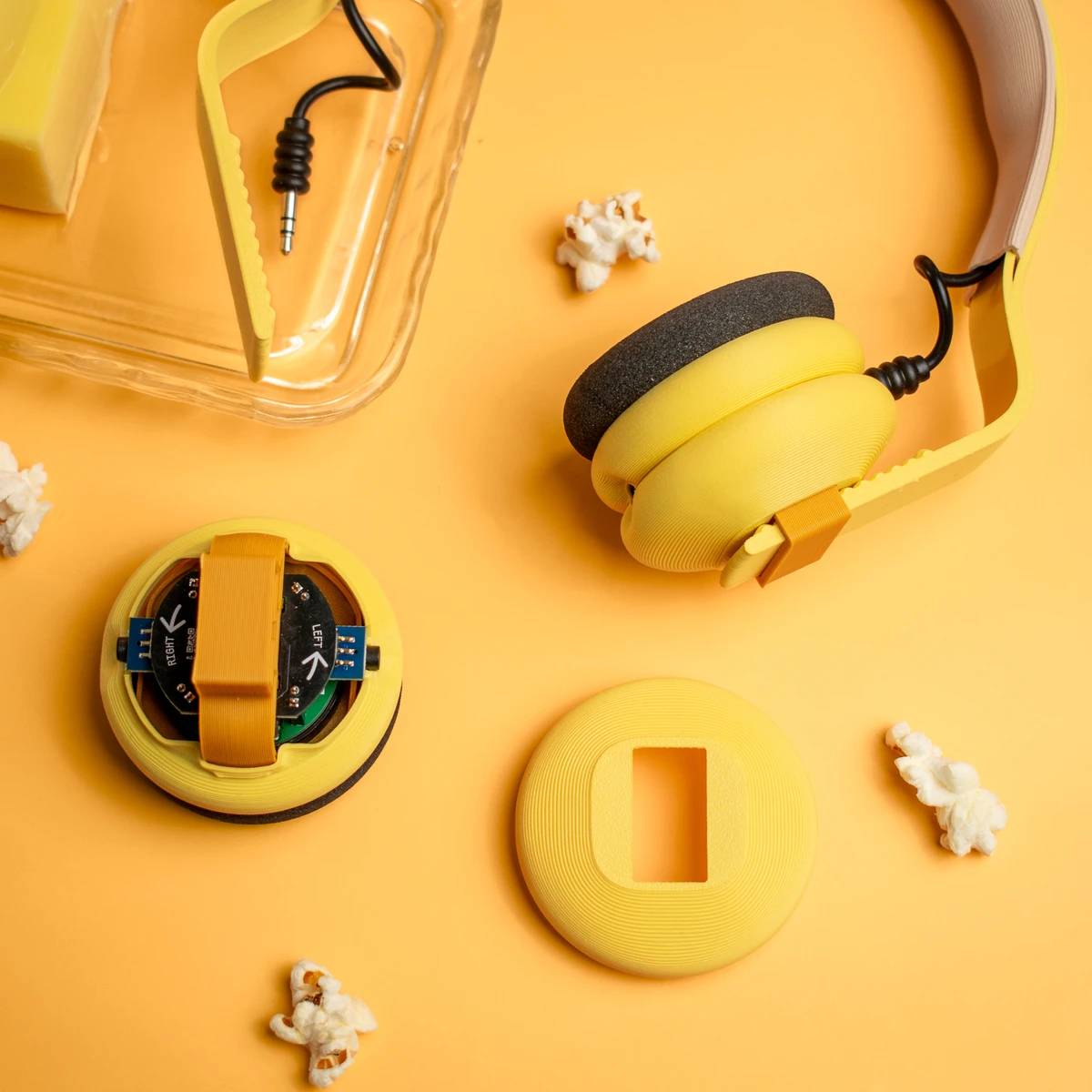
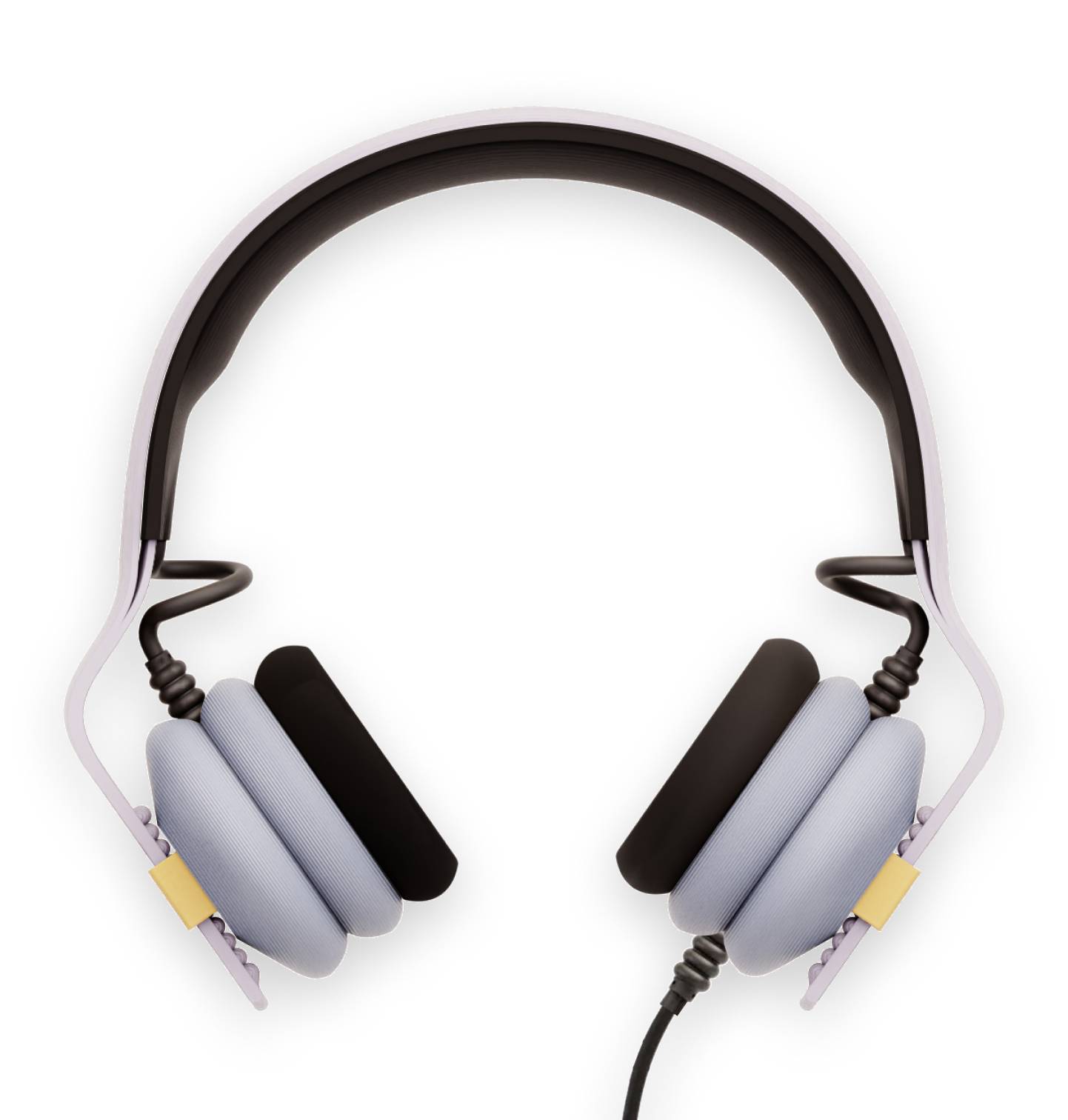

Design agency Morrama and London-based 3D manufacturing studio Batch.Works have created Kibu, a pair of children’s headphones that turn hands-on making into part of the listening experience. Designed for five- to eleven-year-olds, the headphones aim to spark creativity, teach practical skills and introduce young users to responsible product design.
Modular Design That Supports Repair
Kibu arrives as a set of colourful components that children can assemble without tools, screws or glue. Each element snaps together, making the building process simple and engaging. This modular layout also makes repair easy. If a part breaks or wears out, it can be replaced without discarding the entire product, which extends its lifespan and reduces waste.
The outer parts are 3D printed from recycled PLA created from packaging waste from the agricultural industry. Softer elements, including the headband cushion, use thermoplastic polyurethane (TPU) for comfort and flexibility.
Local and On-demand Production
Batch.Works produces every pair of headphones on demand in its Hackney factory. Using fused deposition modelling (FDM), the team prints each part layer by layer. This approach avoids overproduction, keeps transport emissions low and shows how local manufacturing can support more sustainable product cycles.
The studio is also developing invisible material identifiers inside the components. These markers will help track batches and material streams, supporting future “data-driven recycling” and clearer closed-loop systems.
A Creative Tool for Young Makers
Kibu encourages children to explore design through play. Building the headphones helps them understand how everyday objects work and gives them confidence to repair and customise their belongings. A choice of colour combinations makes each pair personal, and the adjustable design adapts to growing head sizes.
For designers, Kibu offers a strong example of how materials, modular construction and additive manufacturing can work together in consumer electronics. It also shows the value of designing products that invite users—especially younger ones—to interact with materials and assembly rather than treat tech as disposable.
Source: Dezeen / Kibu
Photos: Kibu / Morrama

Comments