Kiri-Origami Unlocks High-Performance Stretchable Electronics
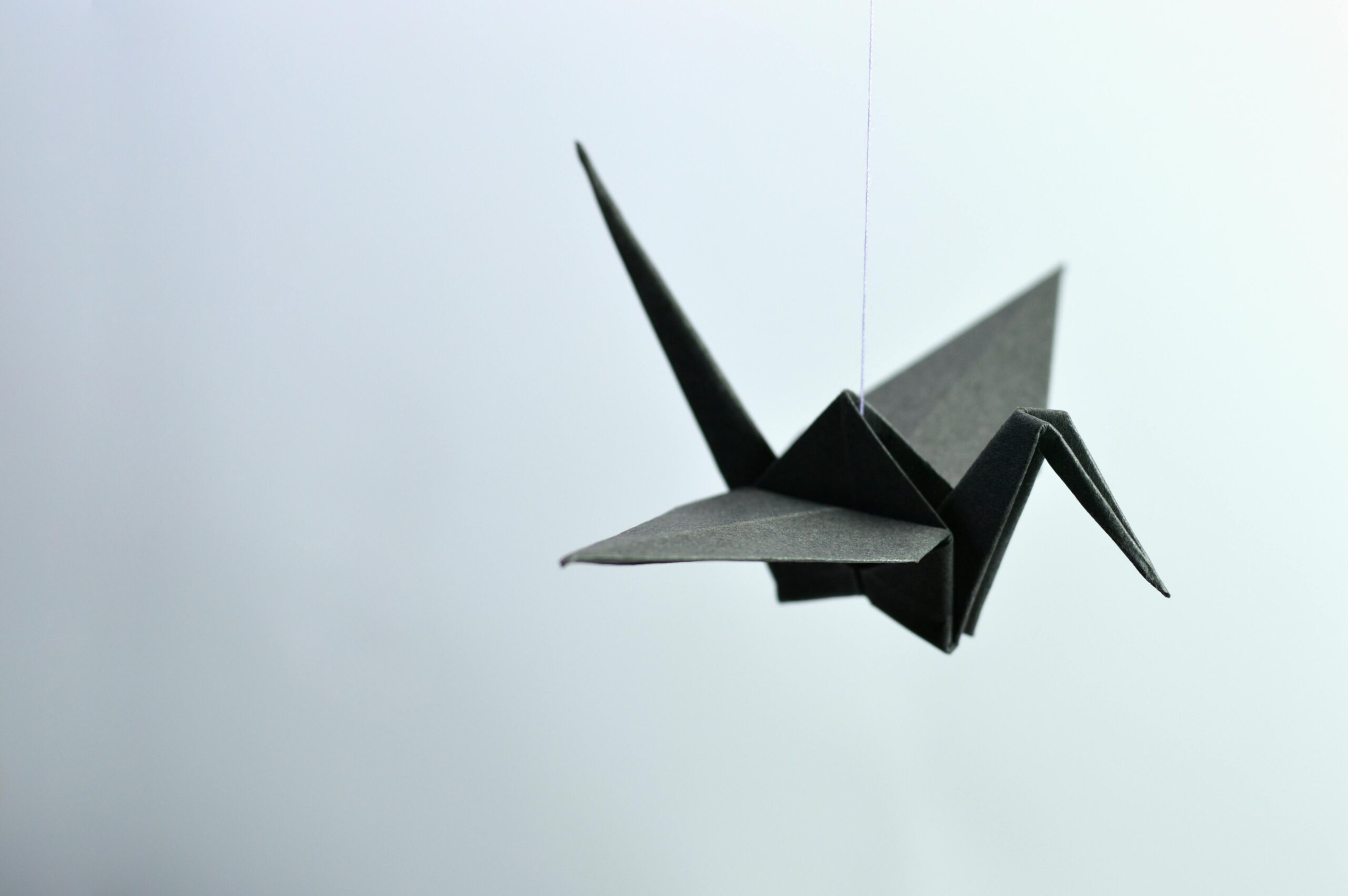
Stretchable electronics are creating new opportunities for designers. They are used in wearable sensors, curved displays and adaptive surfaces for cars and interiors. Flexible materials such as elastomers allow stretching, but their performance is far lower than rigid materials like metals or semiconductors. Researchers at Waseda University in Japan have now developed a novel solution inspired by Japanese paper arts.
Folding and Cutting for Flexibility
The research team, led by Professor Eiji Iwase and Nagi Nakamura, combined origami and kirigami into one approach. Origami uses folding lines, while kirigami relies on cutting. On their own, both methods have limitations. Origami can handle rigid parts, but does not scale well. Kirigami makes large structures flexible, but struggles to include stiff components. The new “kiri-origami” method merges both, offering flexibility without a loss of performance.
From Concept to Demonstration
To demonstrate the design, the team built a stretchable display with more than 500 hinges and 145 LEDs. The display could fold, stretch and adapt to new shapes while keeping the same performance. A crucial part of this success was the use of buffer structures. These trapezoid-shaped elements act like springs. They spread tension evenly and help the structure behave in a stable way during stretching.
Relevance for Design
The technique has clear potential for many design fields. In fashion and product design, it could enable advanced wearables, responsive textiles and accessories that adapt to the body. In the automotive industry, it may lead to flexible lighting systems or dashboards that follow curved interiors. For architects and interior designers, kiri-origami offers inspiration for adaptive façades, kinetic installations and smart environments with integrated sensors.
Towards Sustainable Innovation
This method also supports more sustainable design. By allowing non-stretchable but durable materials to act flexibly, it reduces the need for weaker alternatives. High-value parts can be reused and devices can last longer. This supports circular design goals and reduces waste.
As wearables, healthcare devices and interactive spaces grow more important, kiri-origami provides a way to merge flexibility, function and form. It is a scalable tool that could shape the next generation of smart, sustainable materials.
Source: Waseda University
Photo: Miguel Á. Padriñán

Comments