KlimaKover: a modular, low-energy shelter tackling urban heat
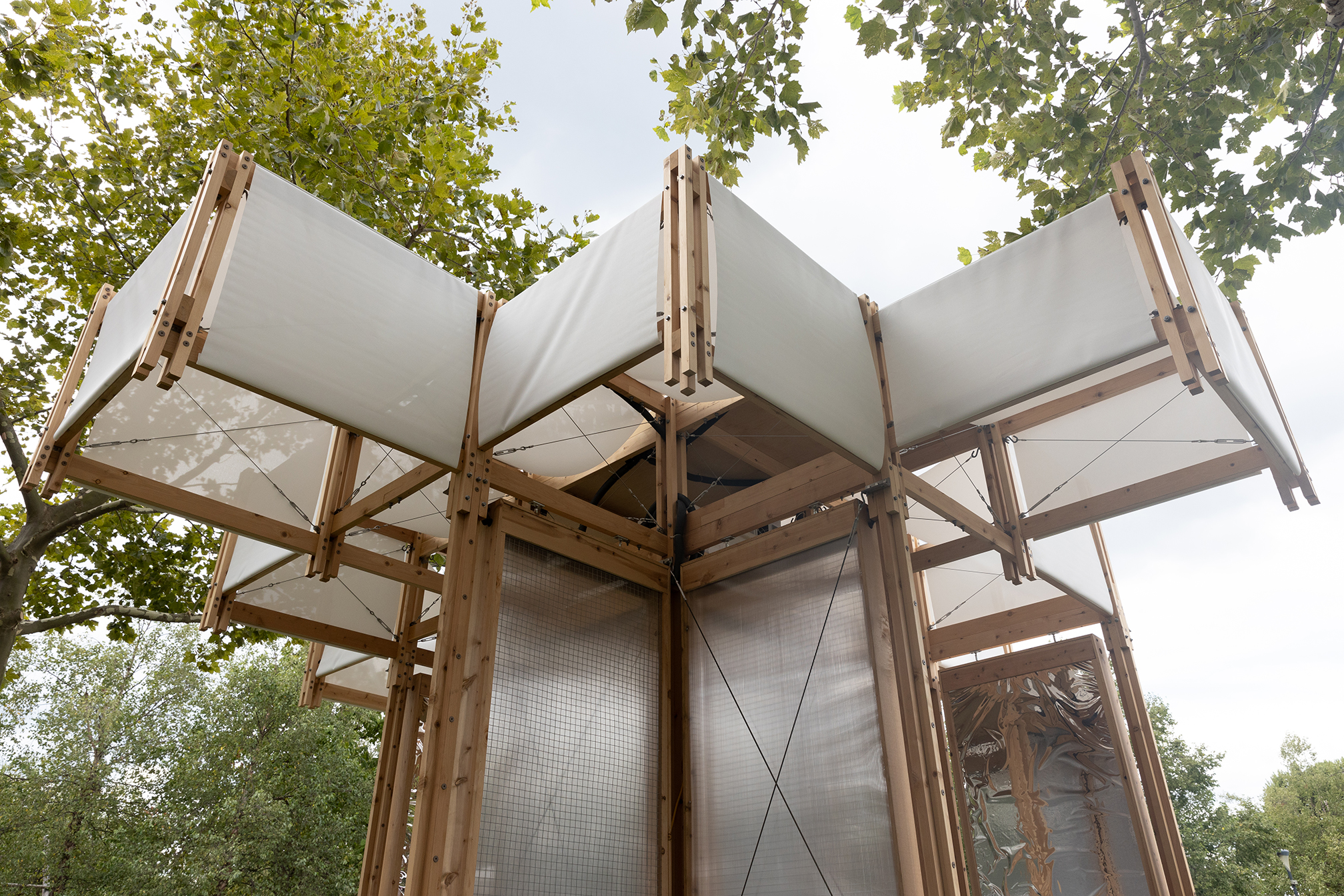


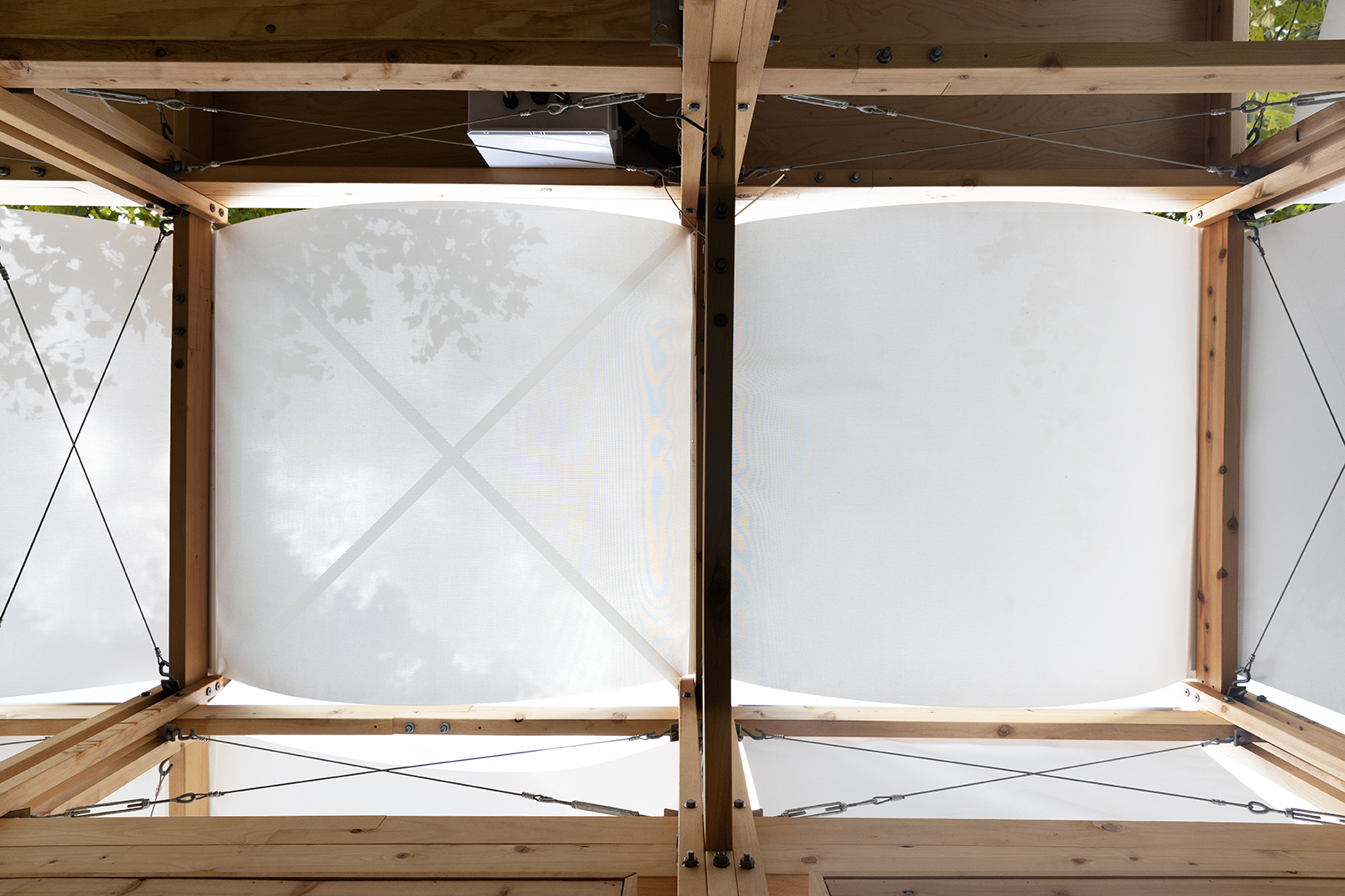

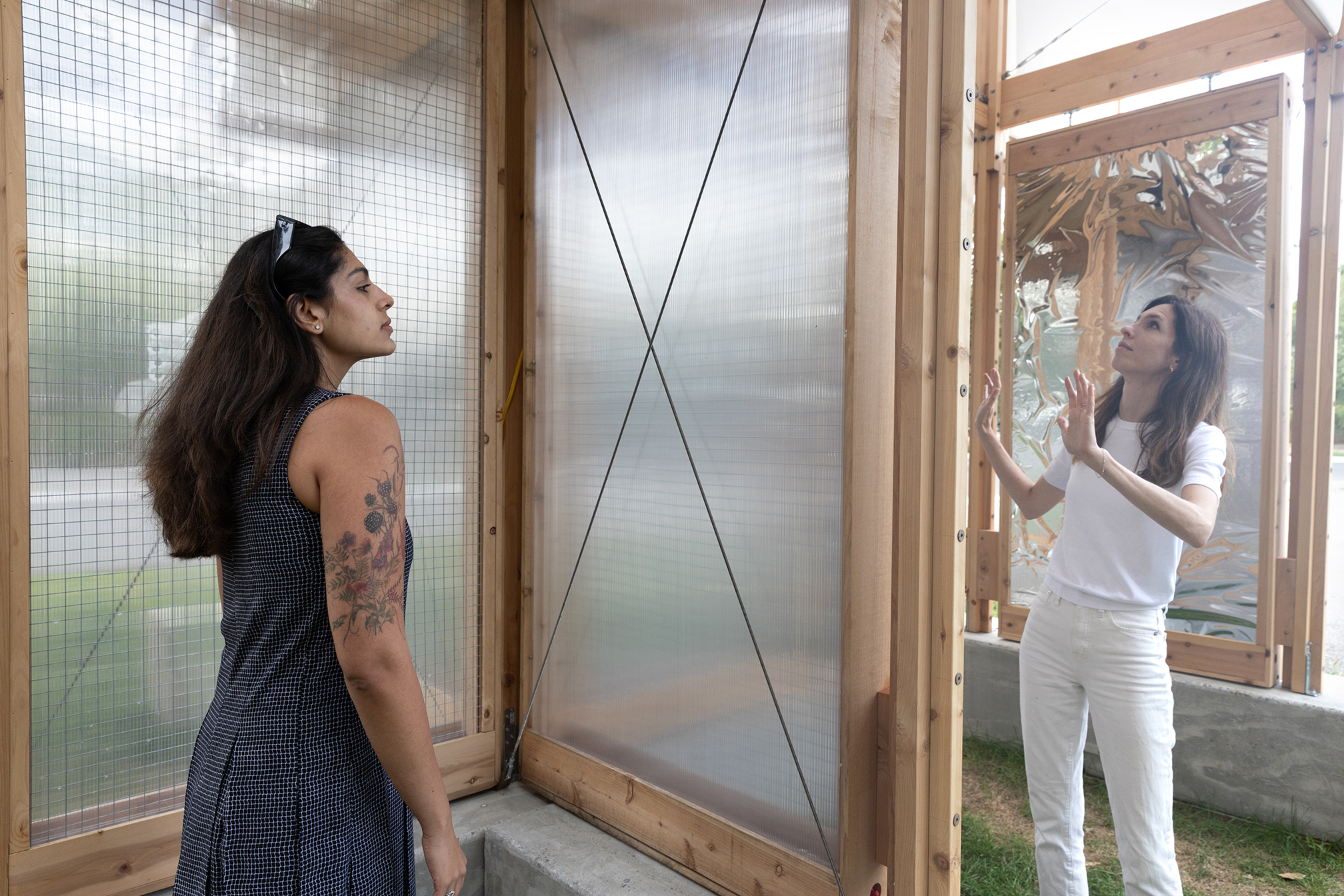
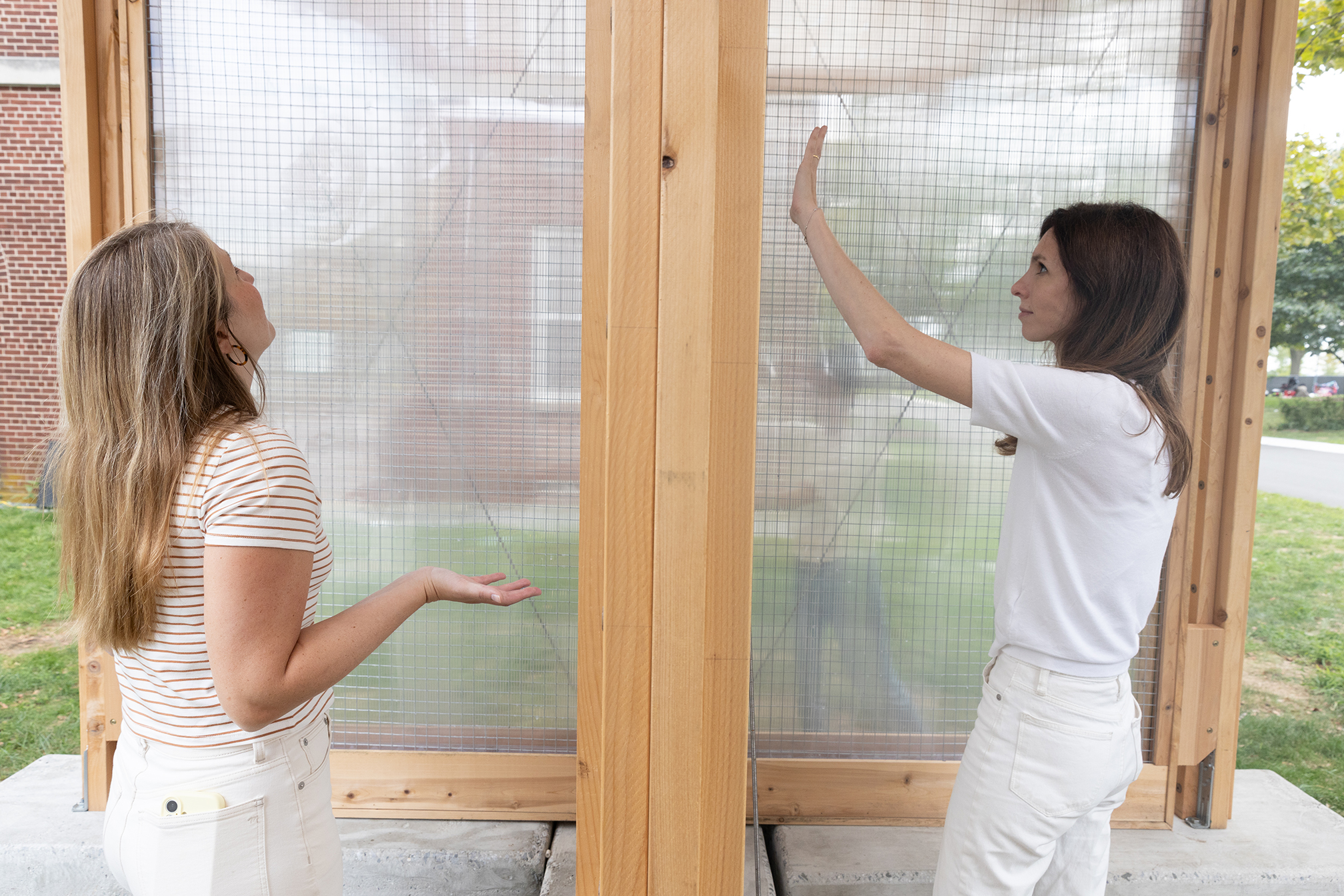
Cities are getting hotter, and public spaces need new ways to stay comfortable. Danish architecture practice Henning Larsen, together with the University of Pennsylvania and AIL Research, has created KlimaKover. This modular system reduces heat stress in outdoor spaces while using up to ten times less energy than conventional air conditioning.
Cooling public spaces with less energy
The first KlimaKover pavilion opened on Governors Island, New York, during Climate Week 2025. Built from modular panels, it can be scaled and adapted to many settings. Designers imagine it in schoolyards, bus stops, markets, or construction sites. Because of its flexibility, the system can cool a wide variety of outdoor spaces.
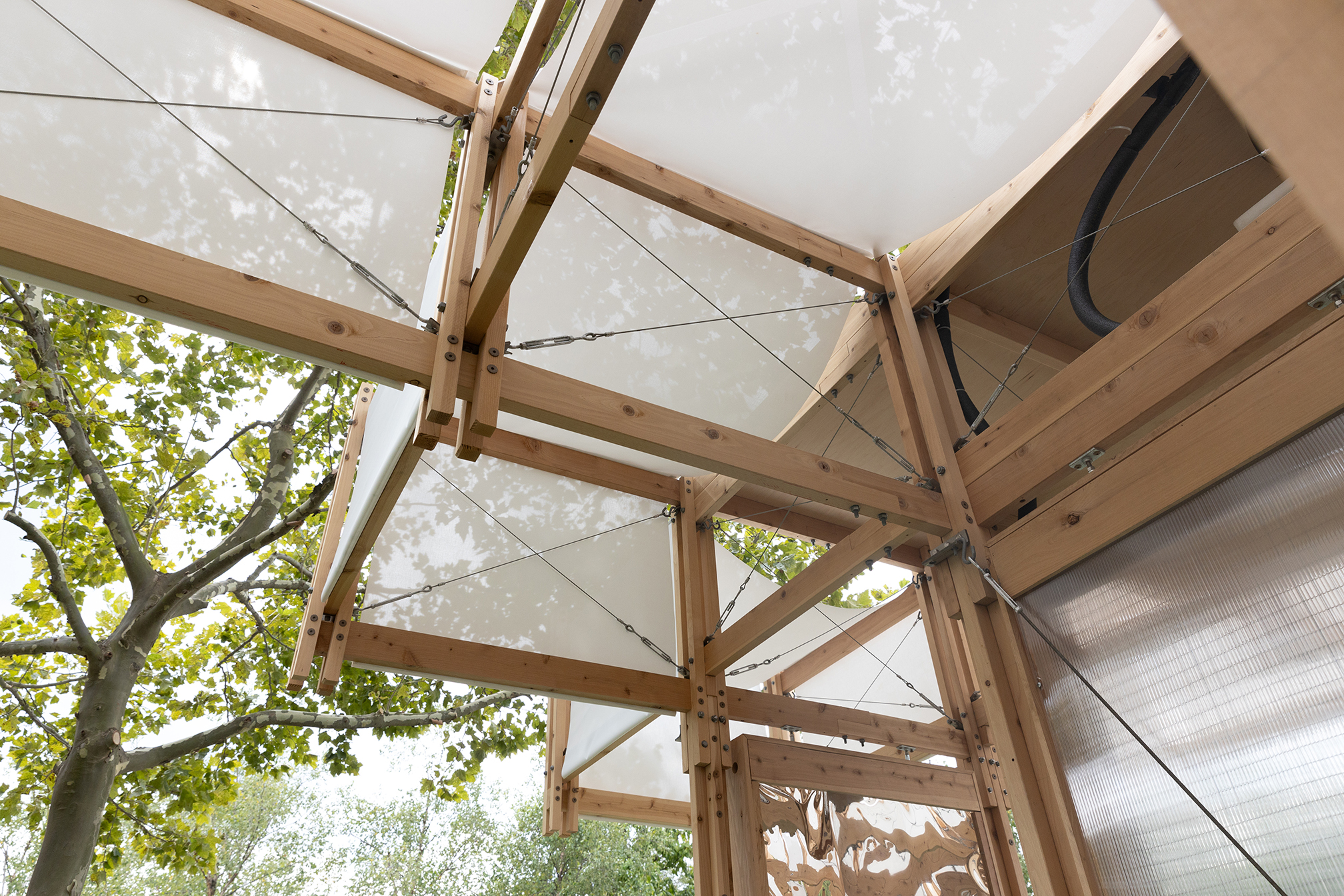
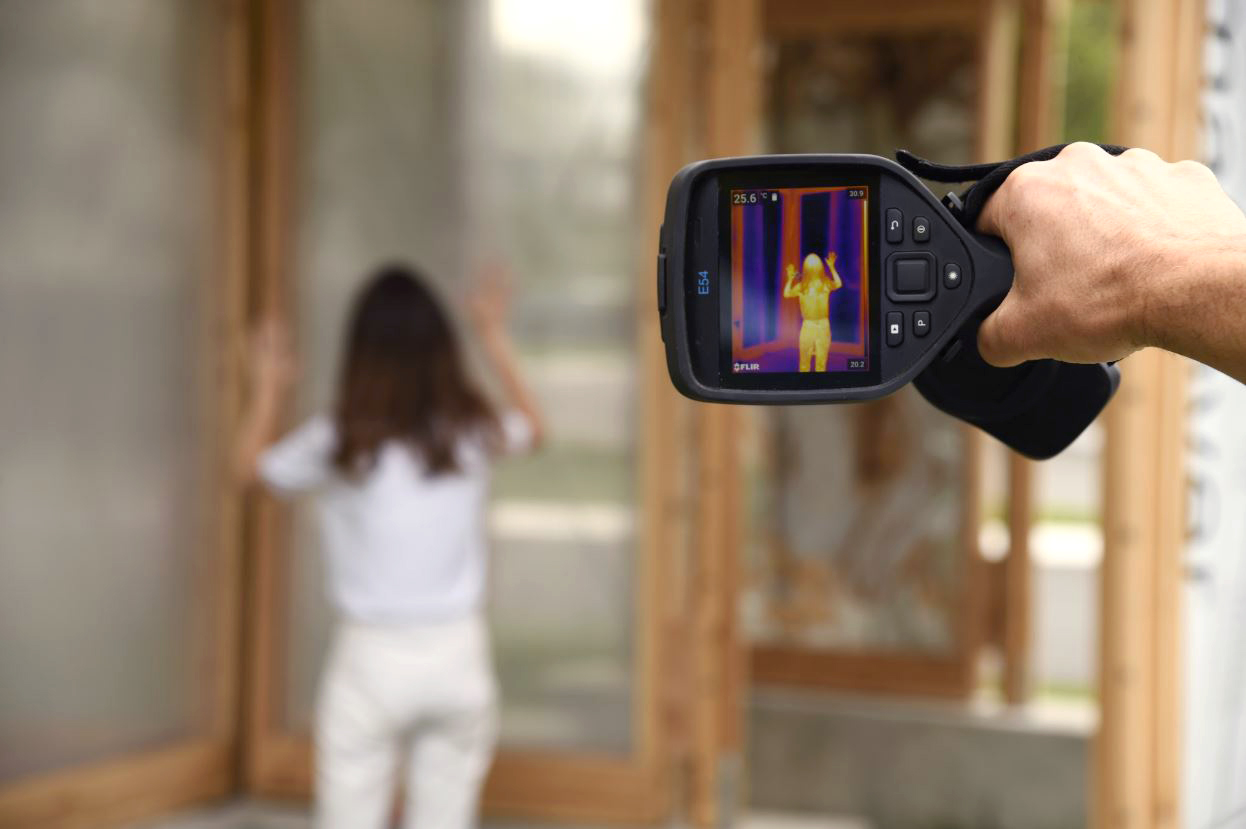
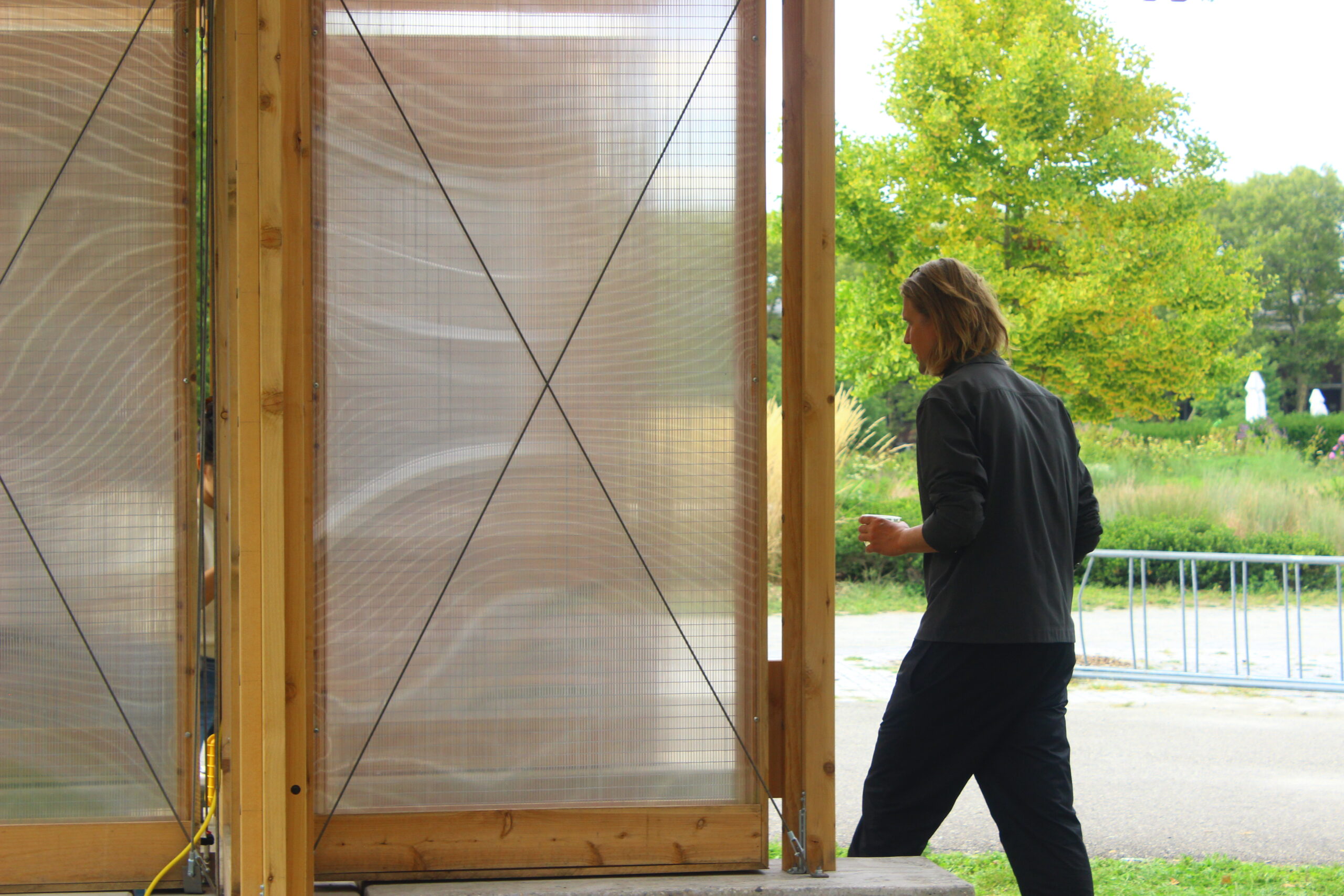
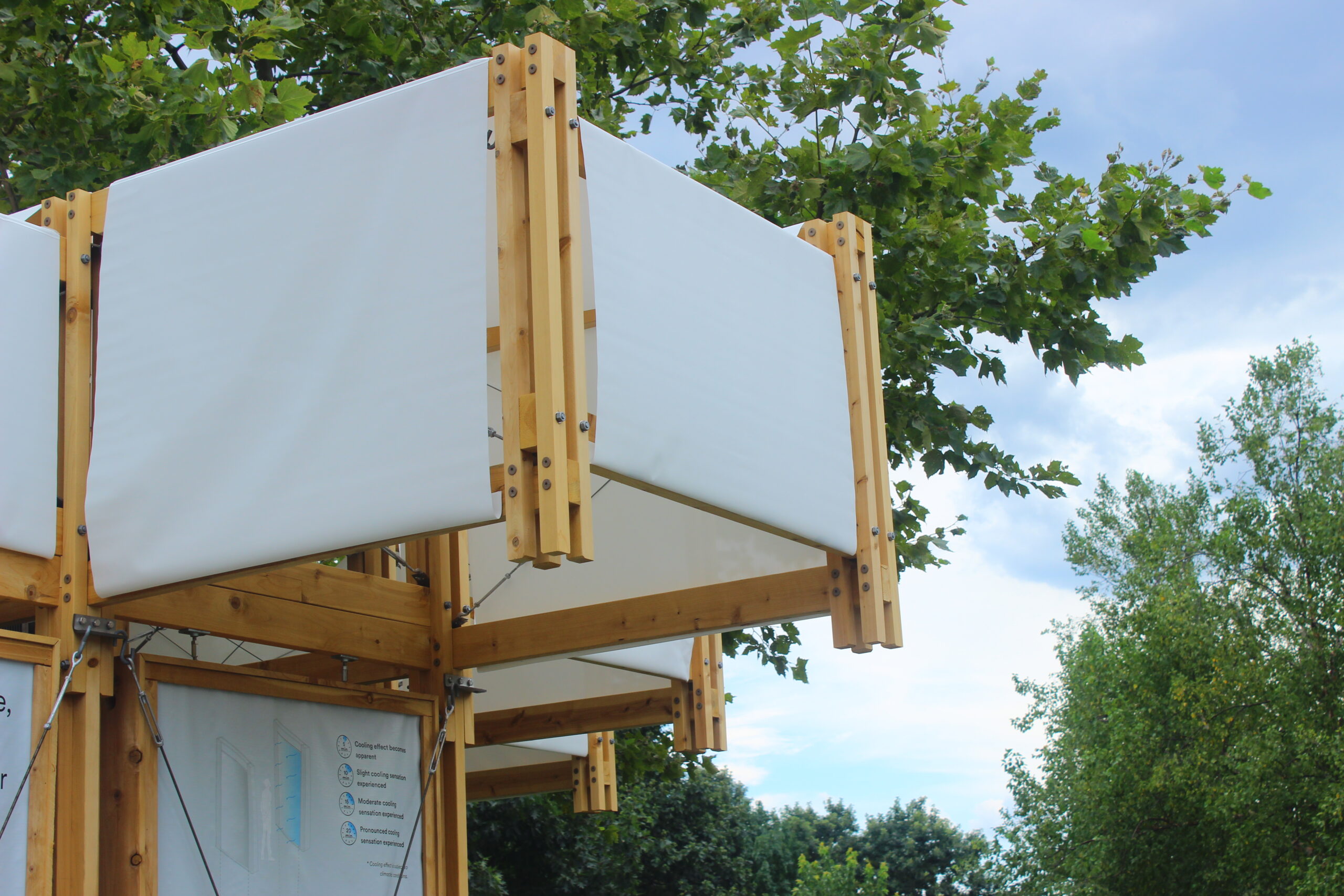
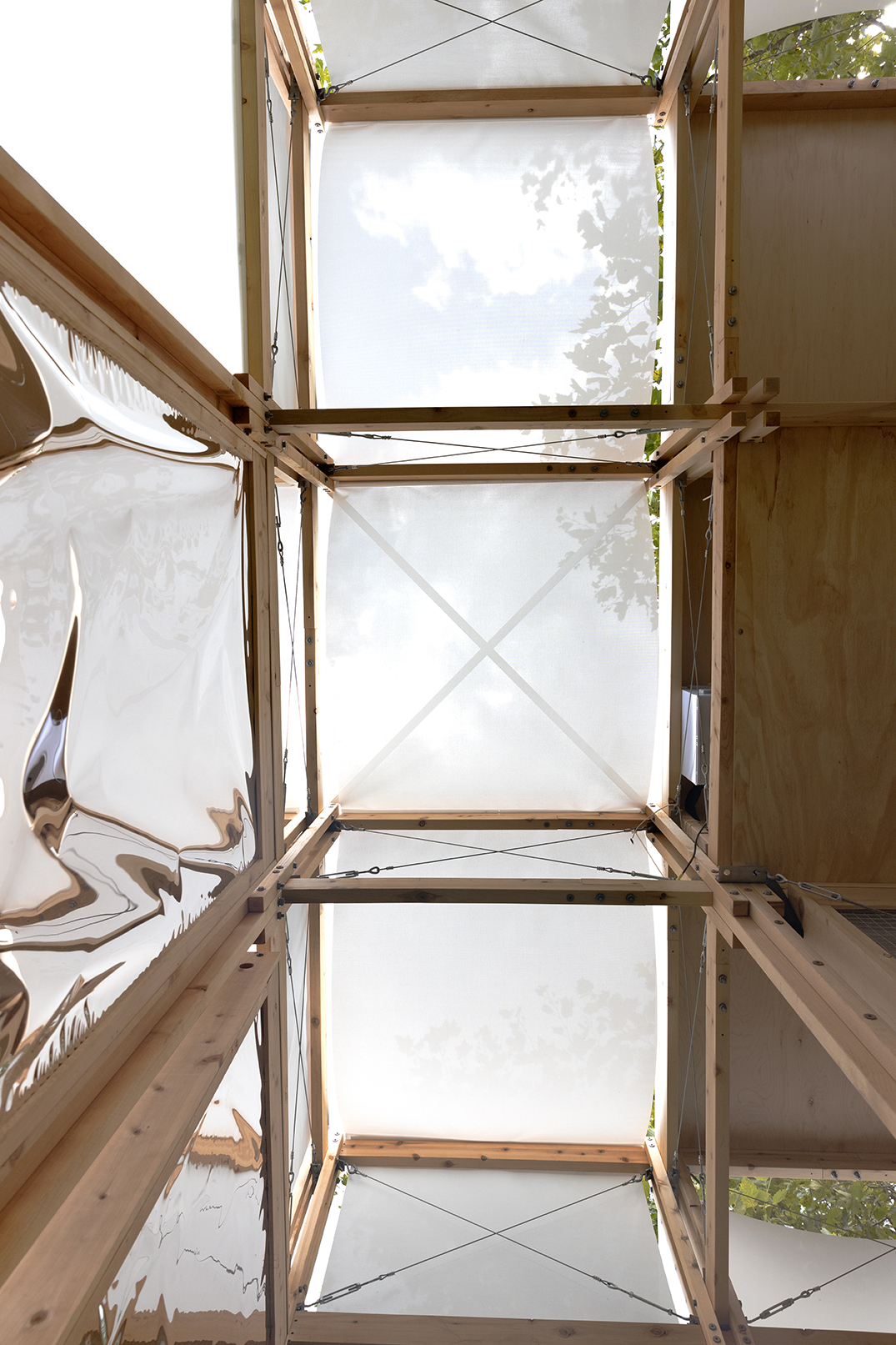
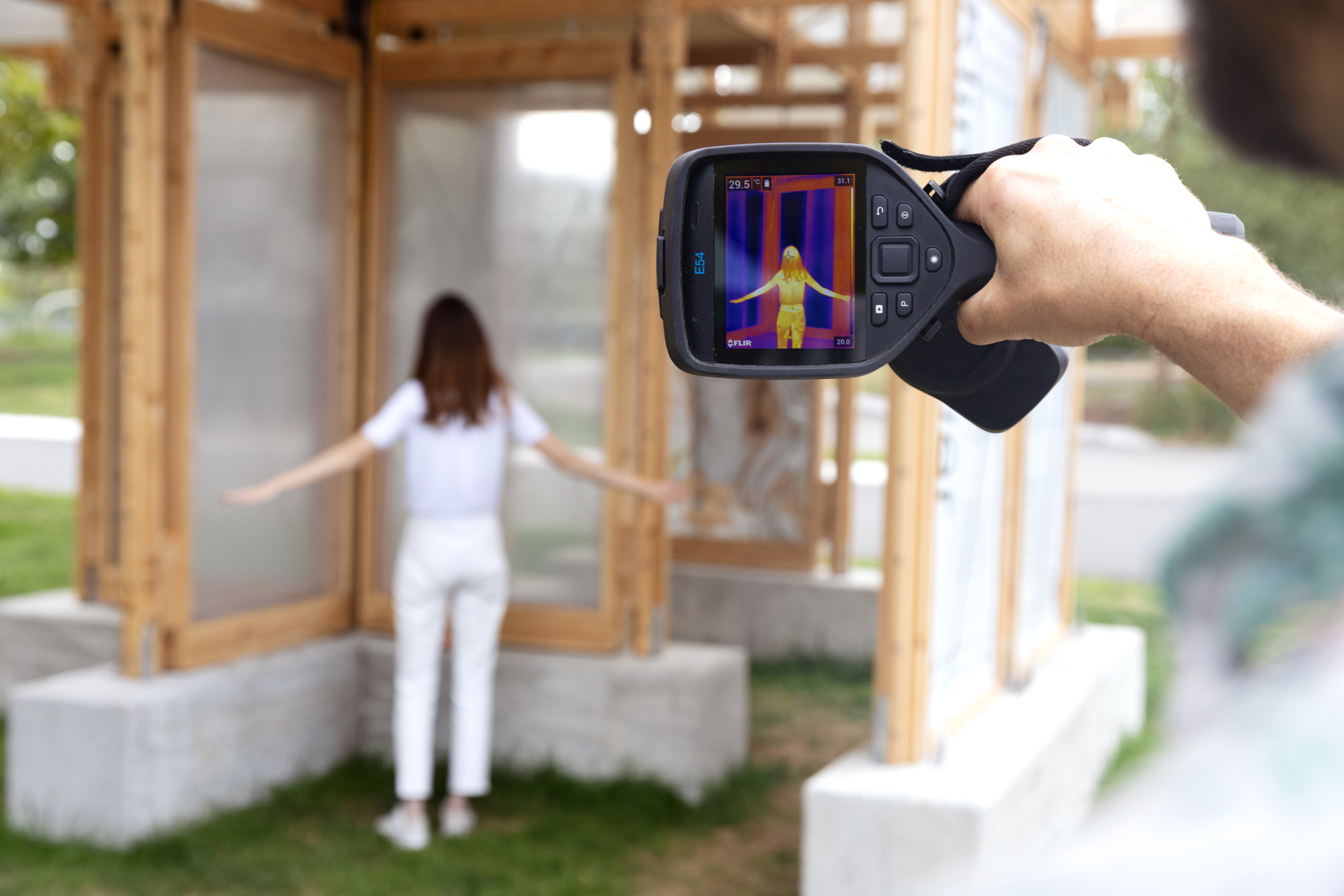
The pavilion works with radiant cooling panels. Water circulates through microtubes inside transparent panels, drawing heat directly from the human body. At the same time, fabric shading lowers heat exposure and lets natural breezes pass through. The system stays effective even in humid summer conditions, thanks to a thin membrane that prevents condensation.
Material innovation and circular design
KlimaKover also focuses on materials. The prototype uses Carbon Smart Wood, a silky cedar product made from upcycled waste streams. This wood was selected for its durability and for easy disassembly. In this way, the system fits into a circular design approach, as it can be dismantled, reused, or relocated in new environments.
Tackling the risks of urban heat
Traditional air conditioning is energy-intensive. It accounts for nearly 10% of global electricity use and produces close to a billion tons of CO₂ emissions each year. Urban heat also threatens human health, especially for vulnerable groups and outdoor workers. With its low-energy, solar-powered system, KlimaKover offers a sustainable alternative.
From prototype to future adoption
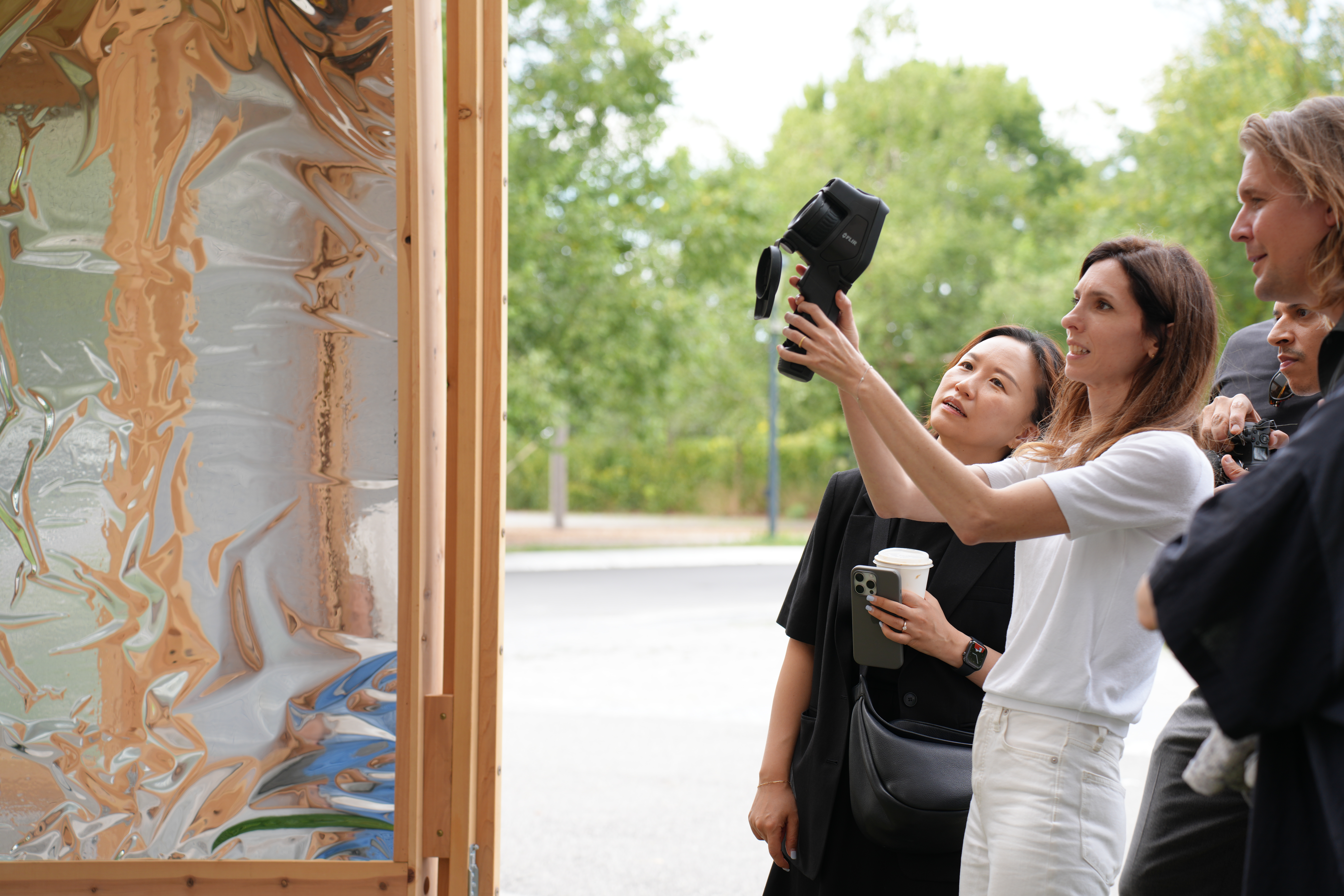
Tests show that the panels begin cooling the body in 5–7 minutes, reaching full effect after 20 minutes. The system requires no external water, runs entirely on solar power, and costs about $75 per square foot. Because it is affordable and easy to build, the design has strong potential for global use.
After New York, the pavilion will travel to other cities in 2026. These tests will show how KlimaKover performs in different climates, paving the way for broader adoption of sustainable cooling design.
Source: Henning Larsen
Photos: Chris Perez / Kabir Sahni

Comments