Large-Scale 3D Printed Wall Covering Incorporating Recycled Eggshells
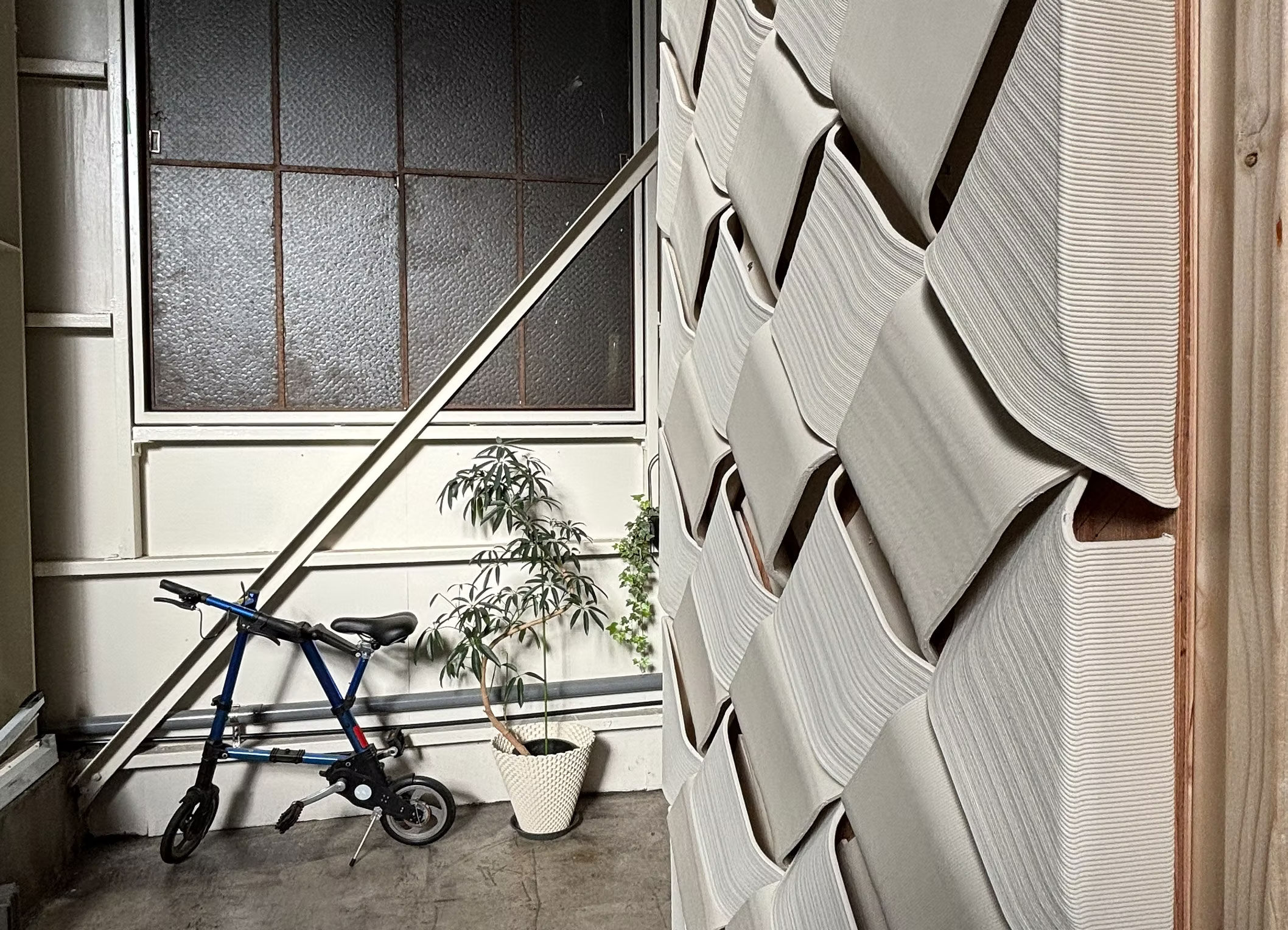
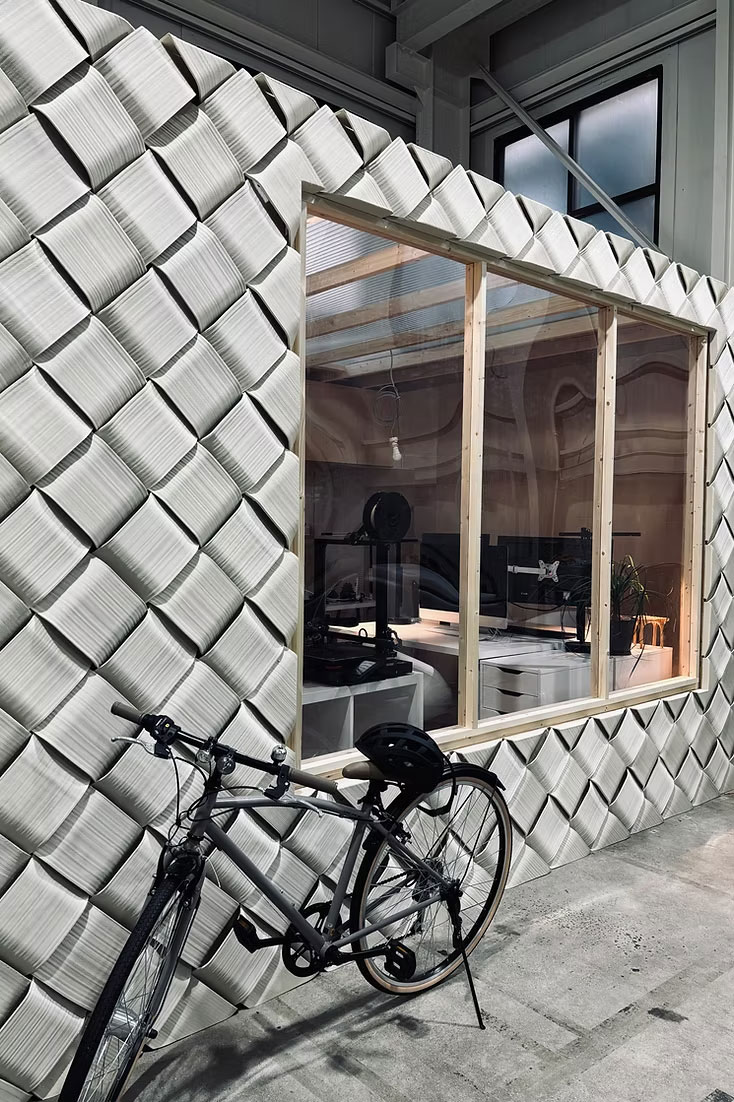
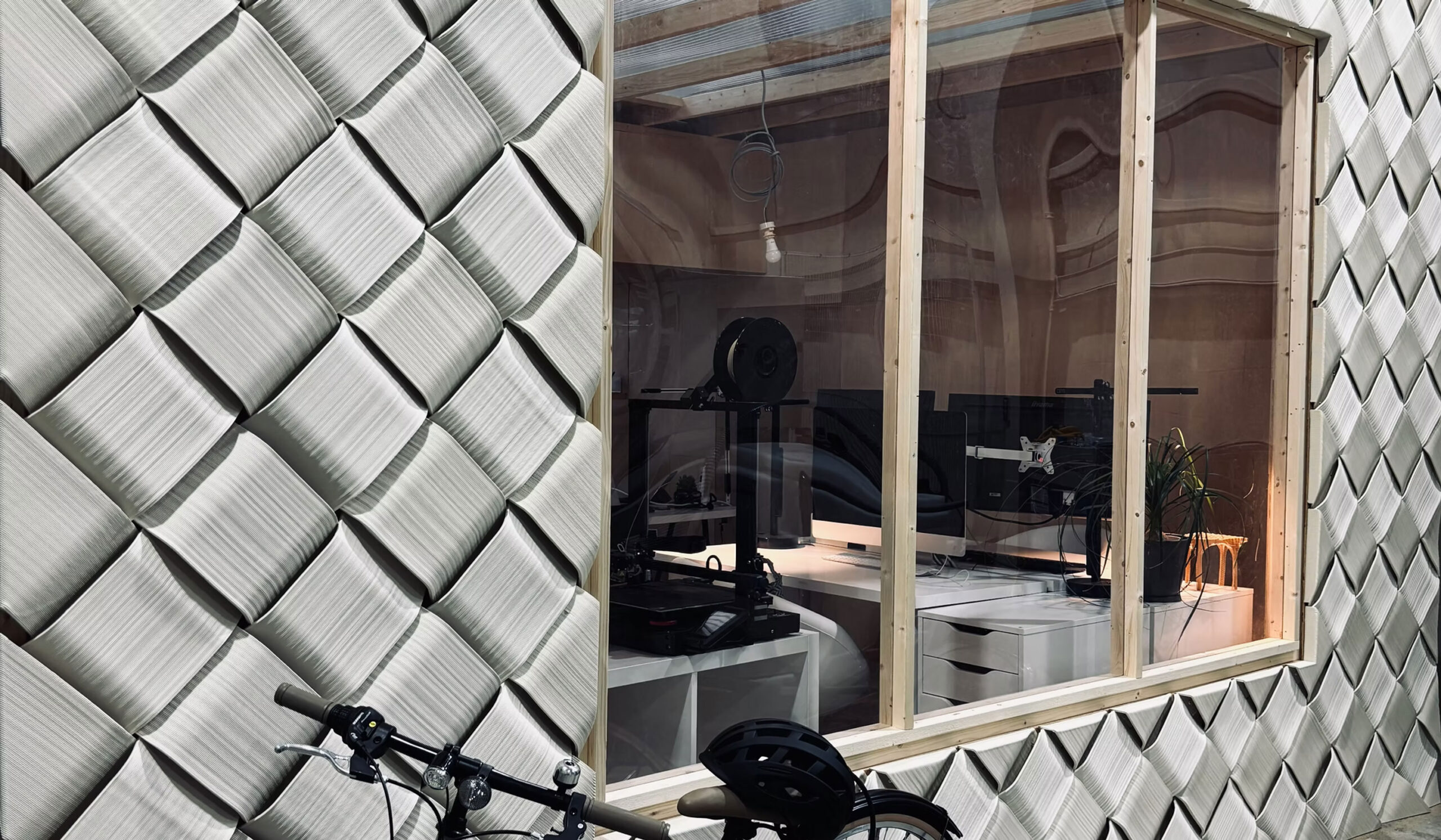
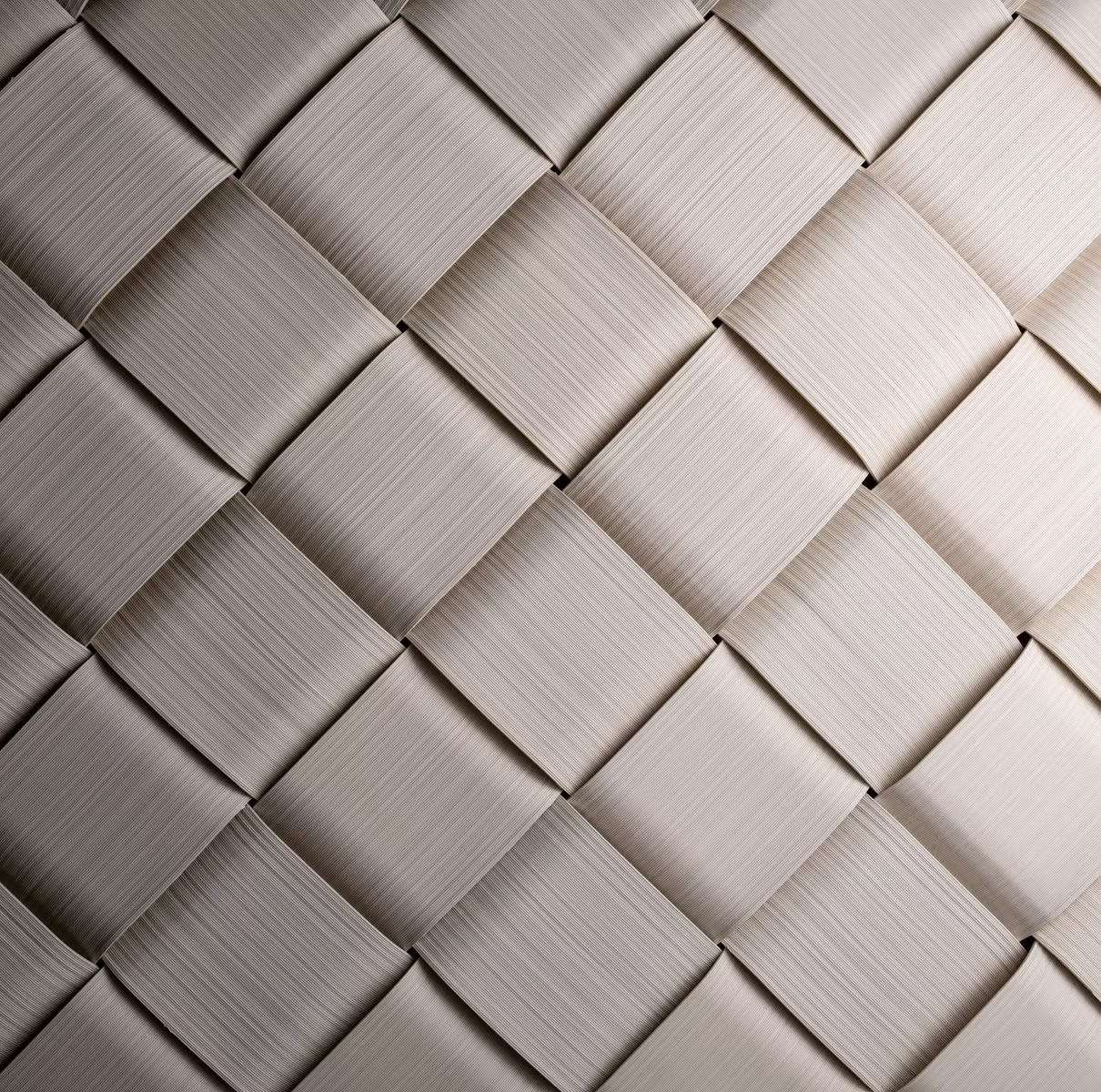
CIRCULUS, an atelier founded under Yuko Oka Architectural Design in Tokyo, has developed KNIT, a fabric-like exterior wall finish created with a robotic-arm large-scale 3D printer. The team prints the system from a synthetic resin blended with recycled eggshells sourced from food manufacturing waste. By introducing this secondary mineral stream into an architectural product, the studio reduces the share of virgin raw materials. At the same time, the project supports a broader ambition: shifting architecture from demolition and disposal towards reuse and material recovery.
From Demolition Waste to Recyclable Architecture
Although many buildings are designed for long lifespans, owners often demolish them earlier due to changing social demands or functional obsolescence. As a result, usable materials frequently become waste. CIRCULUS therefore asks whether architects can take greater responsibility for what happens after a building’s first use phase.
To address this issue, the studio develops interior finishes, facade elements, fixtures and furniture from reusable synthetic resins. After use, the team collects these components, crushes them mechanically and processes them into new raw material. In this way, walls and fittings become part of an ongoing material cycle rather than fixed, end-of-life products.
Fabric-Like Geometry Through Additive Manufacturing
The KNIT facade demonstrates the spatial potential of large-scale additive manufacturing. The surface begins with a deep undulating form and gradually transitions into a flatter plane. As light moves across the layered geometry, it creates shadows that resemble woven textile.
Because the printer works directly from 3D data, each element can vary in cross-section and detailing. Unlike mould-based production, this method allows individual, multi-product manufacturing without additional tooling. Consequently, architects and interior designers can customise wall layouts, edge conditions or stacking patterns to suit specific projects. The studio integrates parametric design tools and BIM workflows to connect digital fabrication with architectural planning.
Recycled Composite and Closed-Loop Production
Eggshells consist largely of calcium carbonate, which functions as a mineral filler within the resin composite. This approach reduces reliance on virgin plastic while valorising food industry waste. Moreover, the team crushes production offcuts and surplus print material and reintroduces them into the manufacturing process.
CIRCULUS also aims to establish a return system that enables users to send back used products for remanufacturing. Through this combination of additive manufacturing, recycled content and take-back logistics, the project explores how plastic-based architectural components can circulate more responsibly within the built environment.
Source & photos: CIRCULUS

Comments