Large-Scale LVL Modular Housing Demonstrates Timber Construction Potential
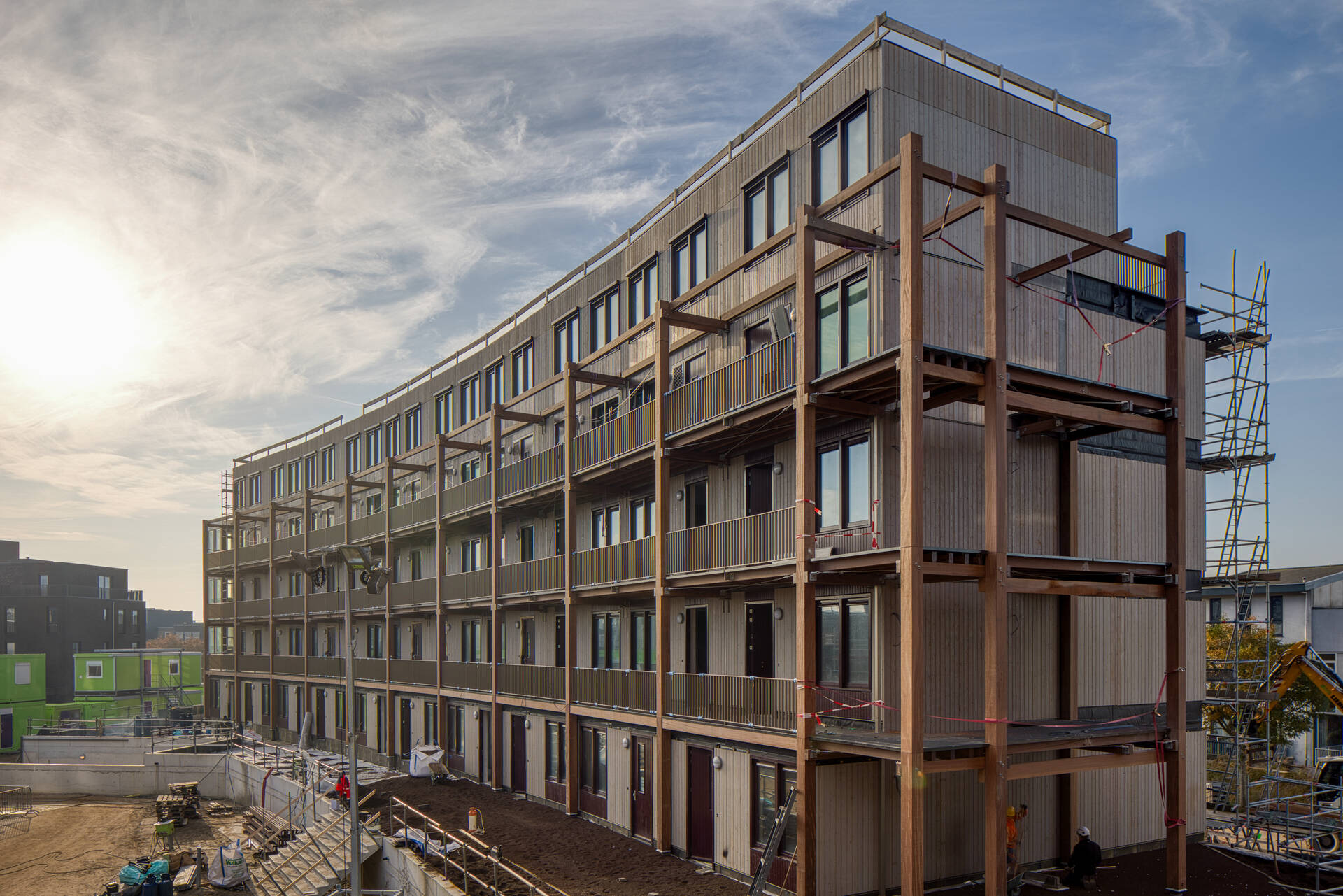
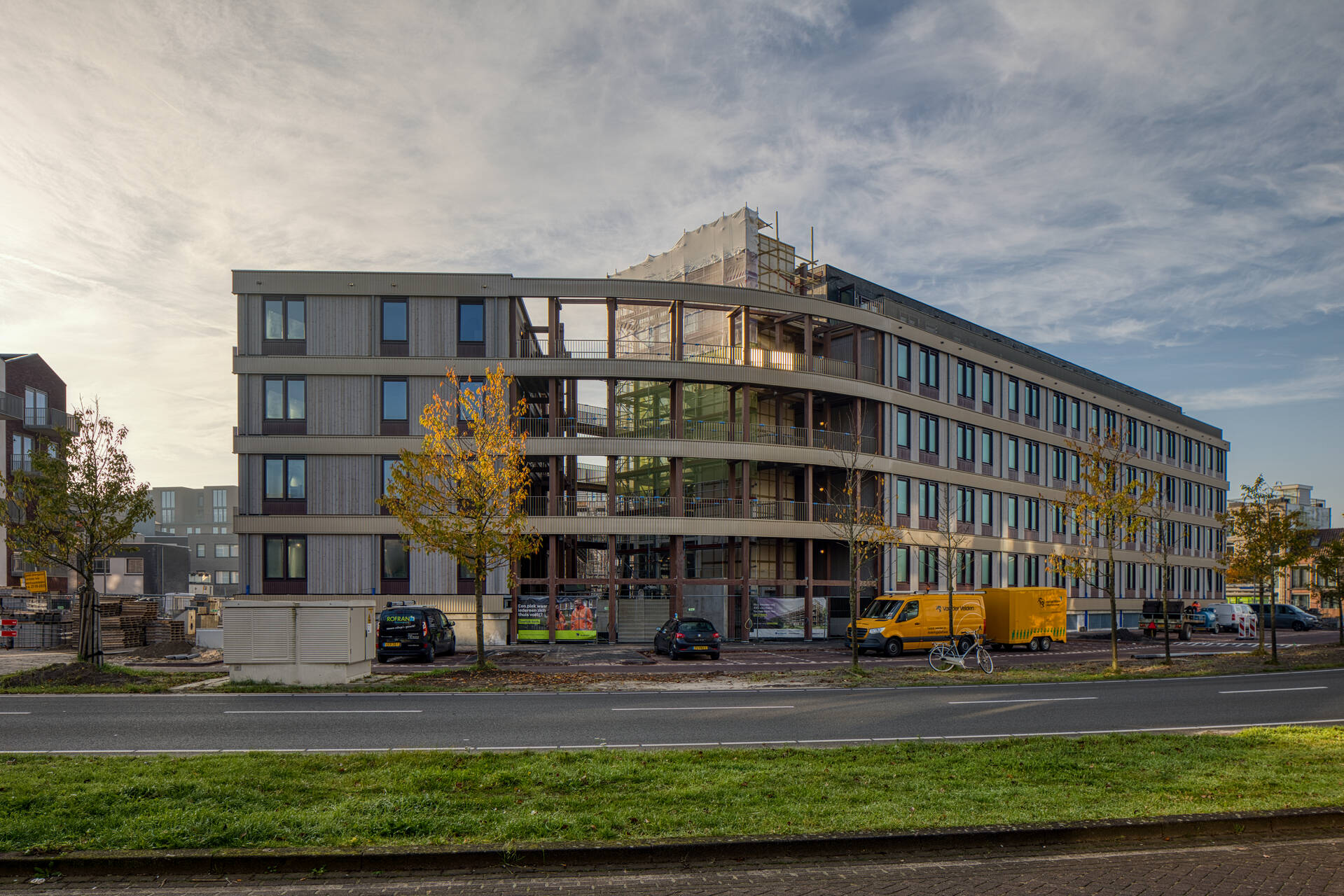
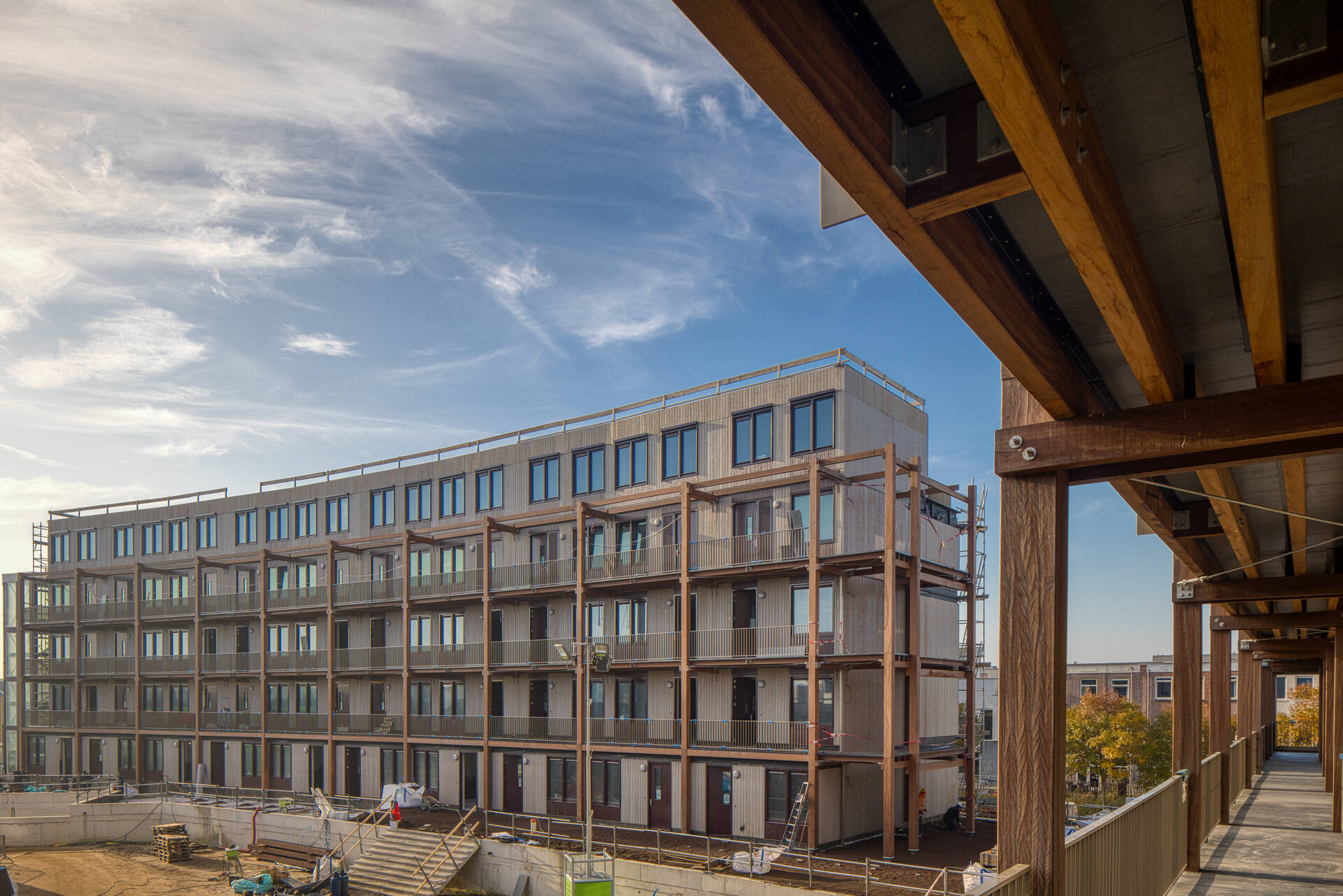
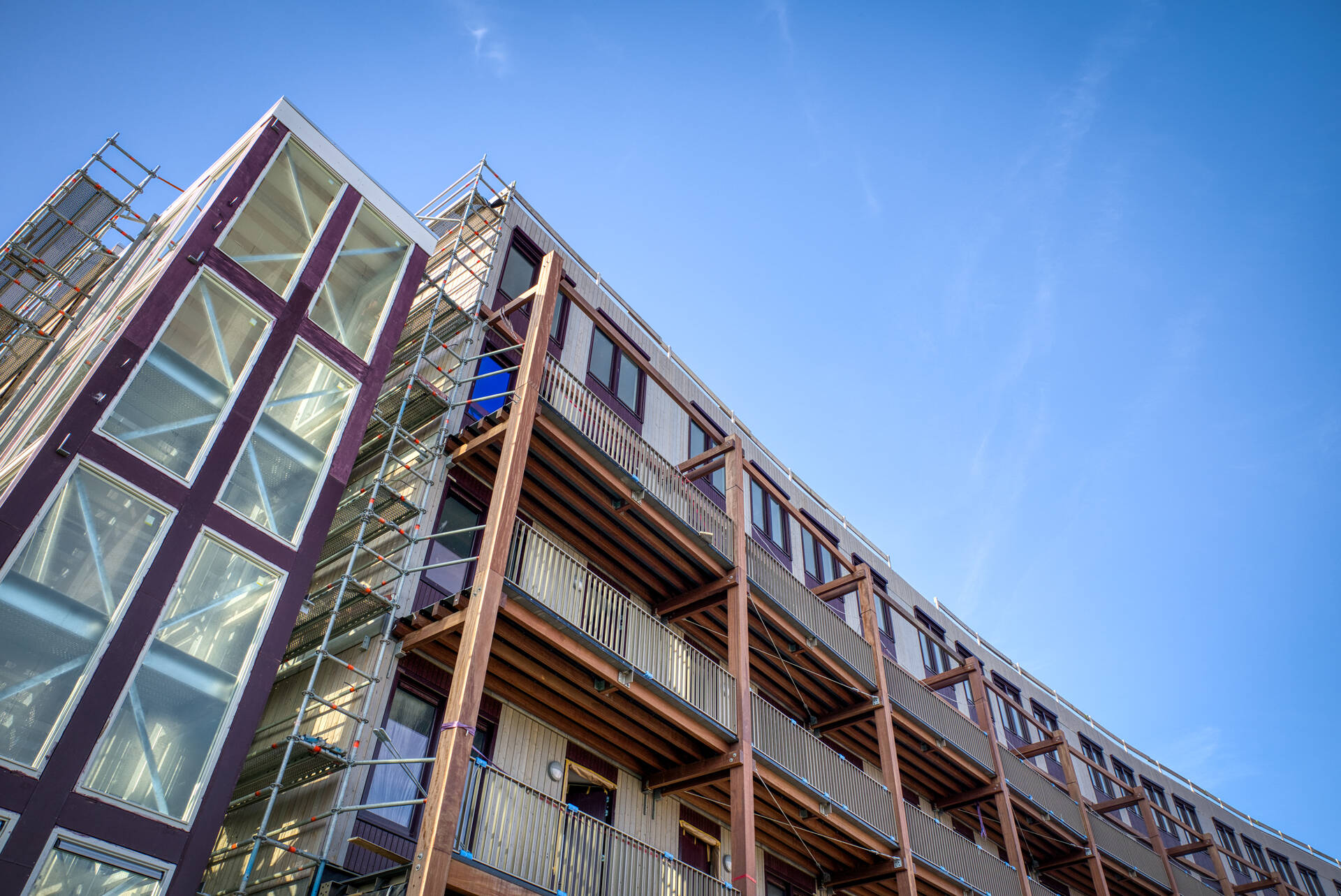
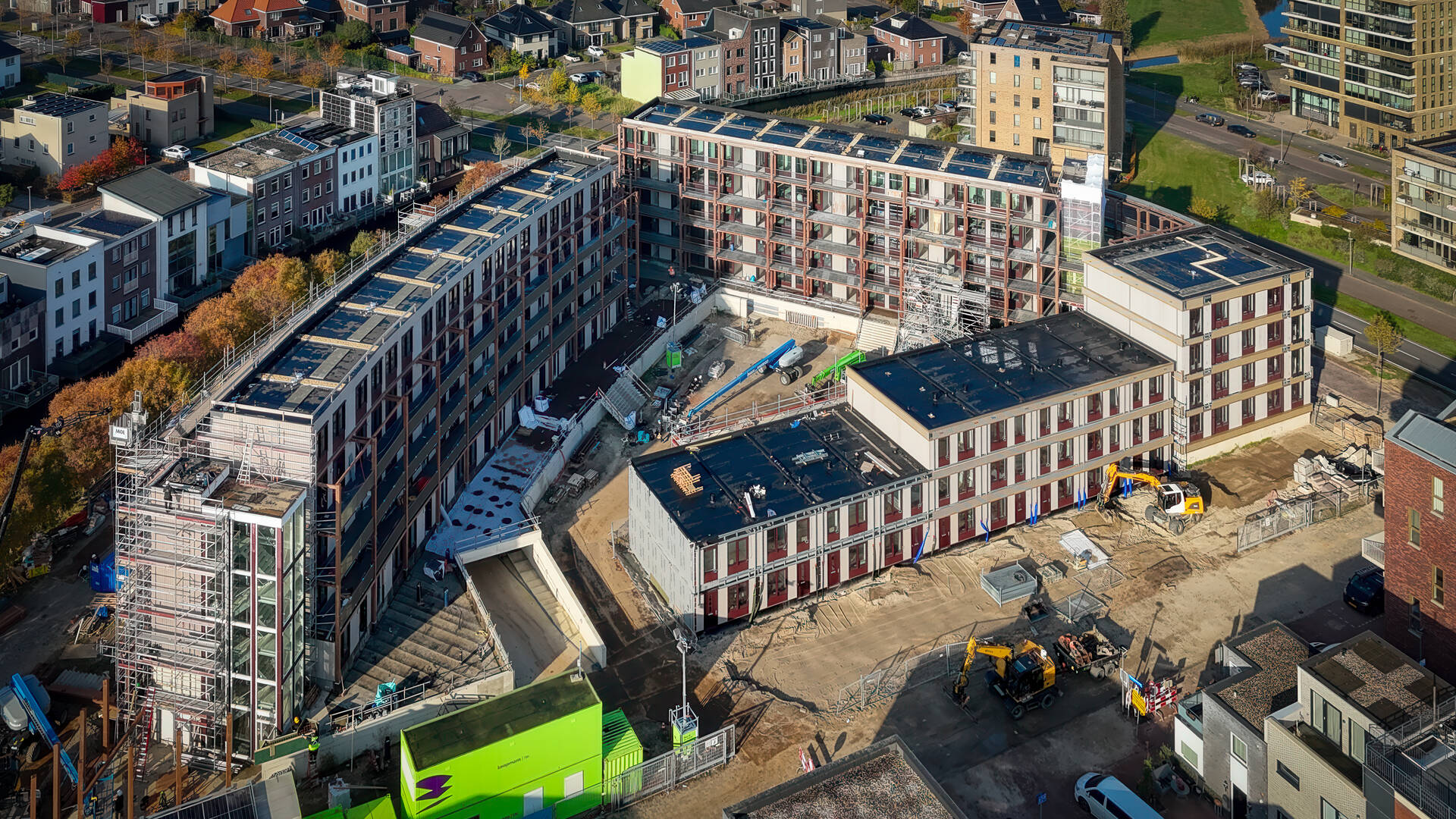
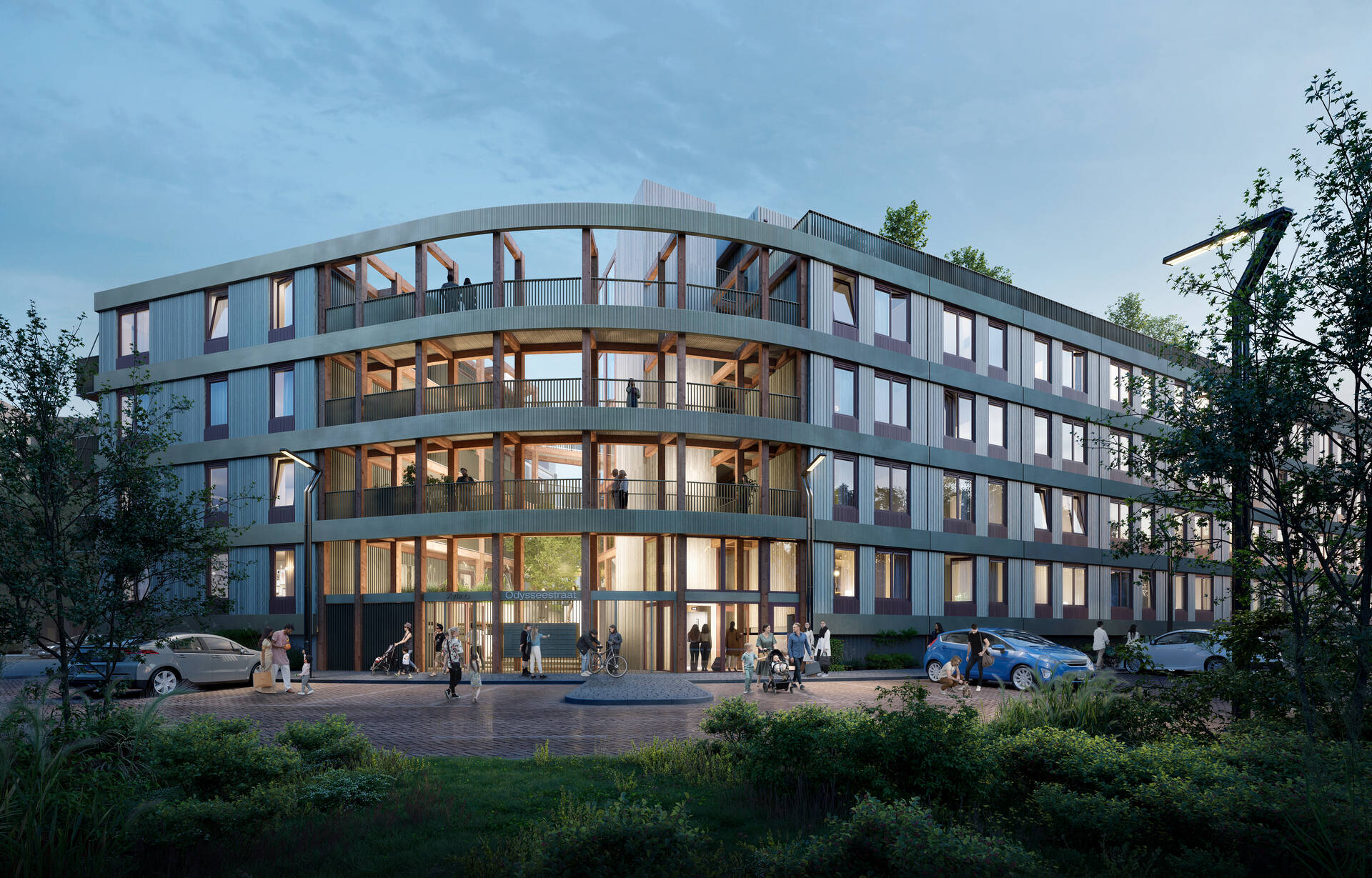
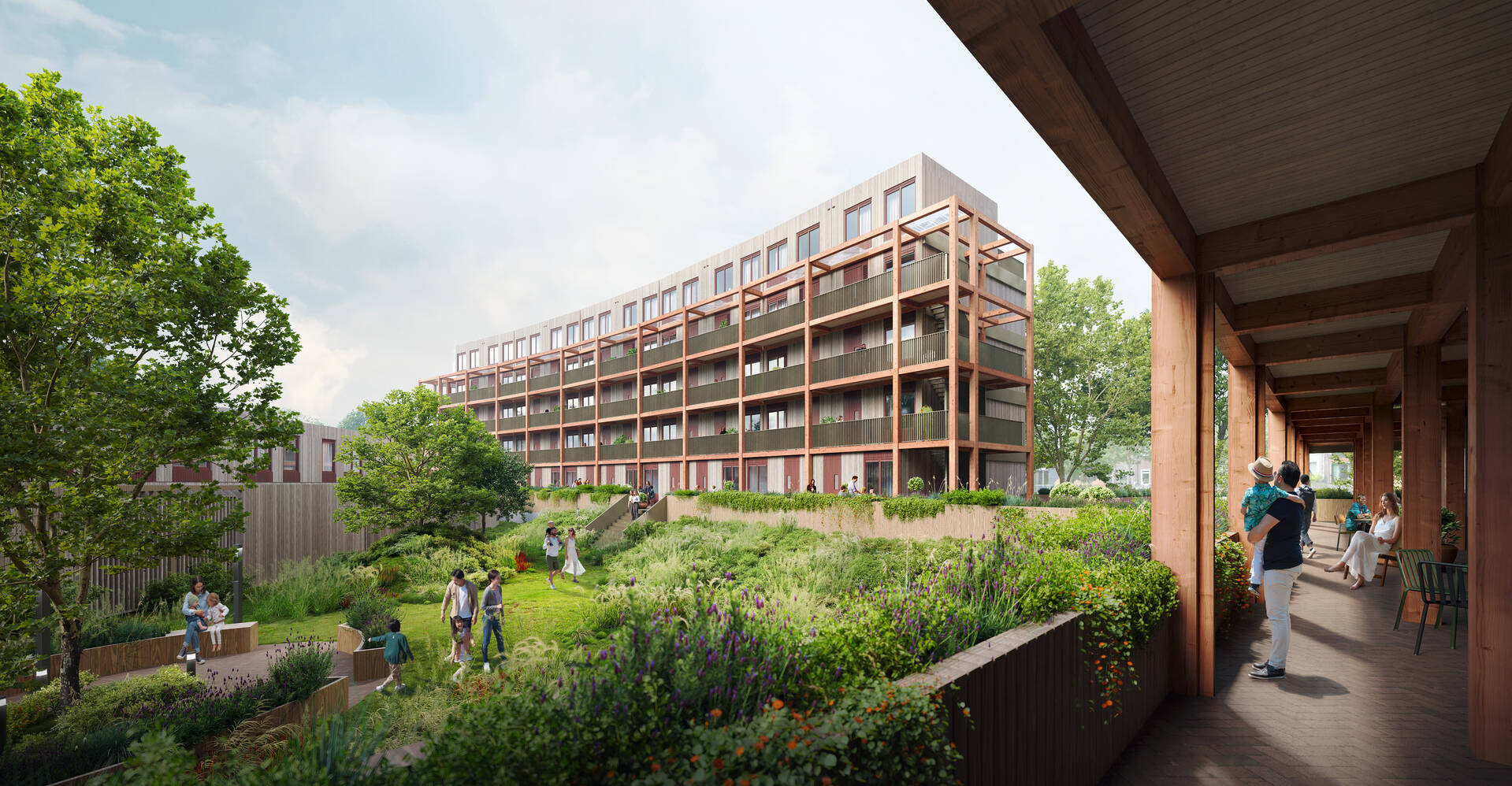
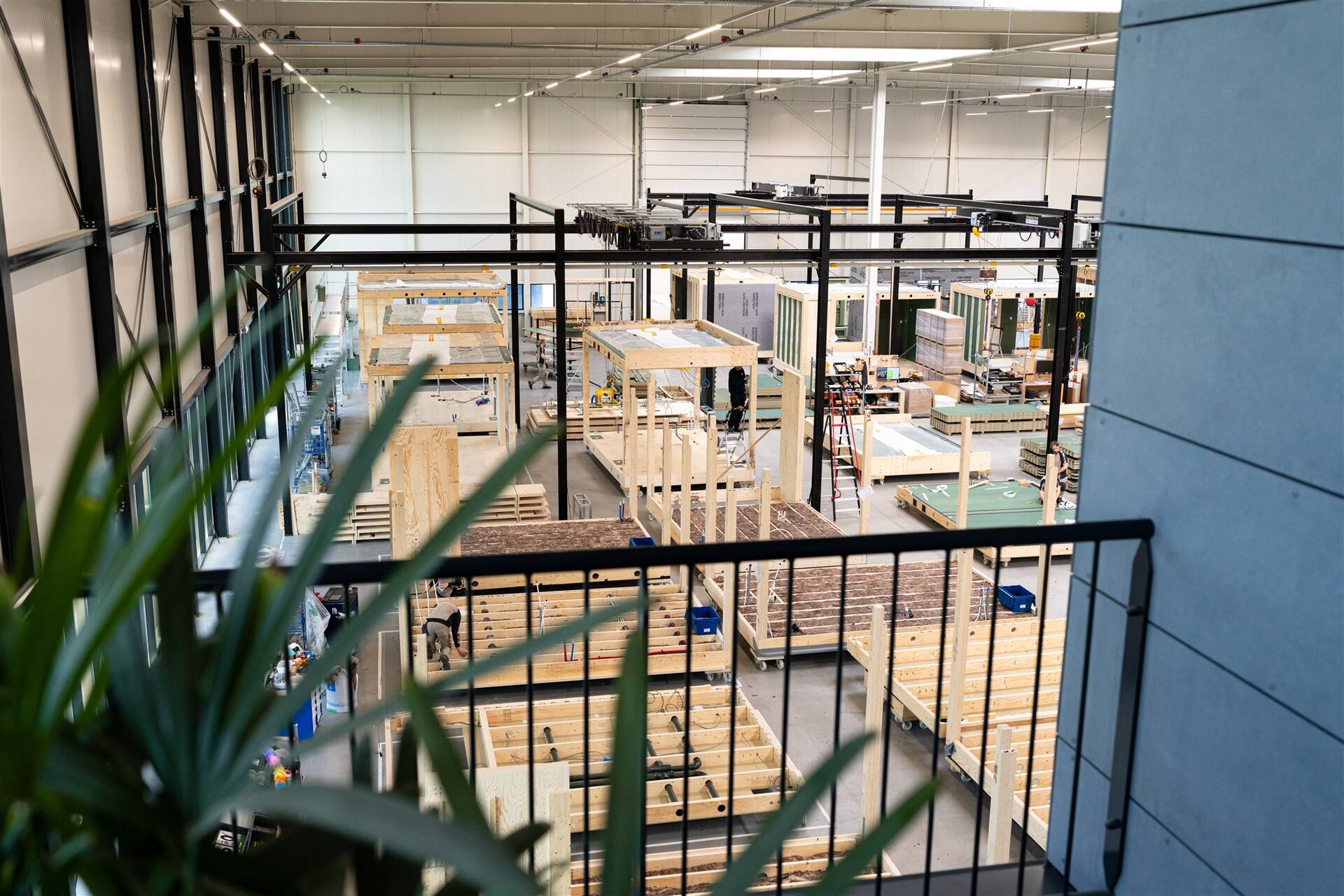
A new residential project in Almere shows how engineered timber and modular construction can speed up housing delivery while lowering environmental impact. The five-storey development, called Xylino, provides 103 homes using a modular building system made entirely from laminated veneer lumber (LVL) load-bearing structures.
Housing corporation De Alliantie and constructor Koopmans Bouwgroep developed the project to address several challenges in the construction sector. These include labour shortages, long construction timelines and the urgent need to reduce carbon emissions. The project uses Kerto LVL, a high-performance engineered wood product from Metsä Wood.
Industrialised Construction With Digital Integration
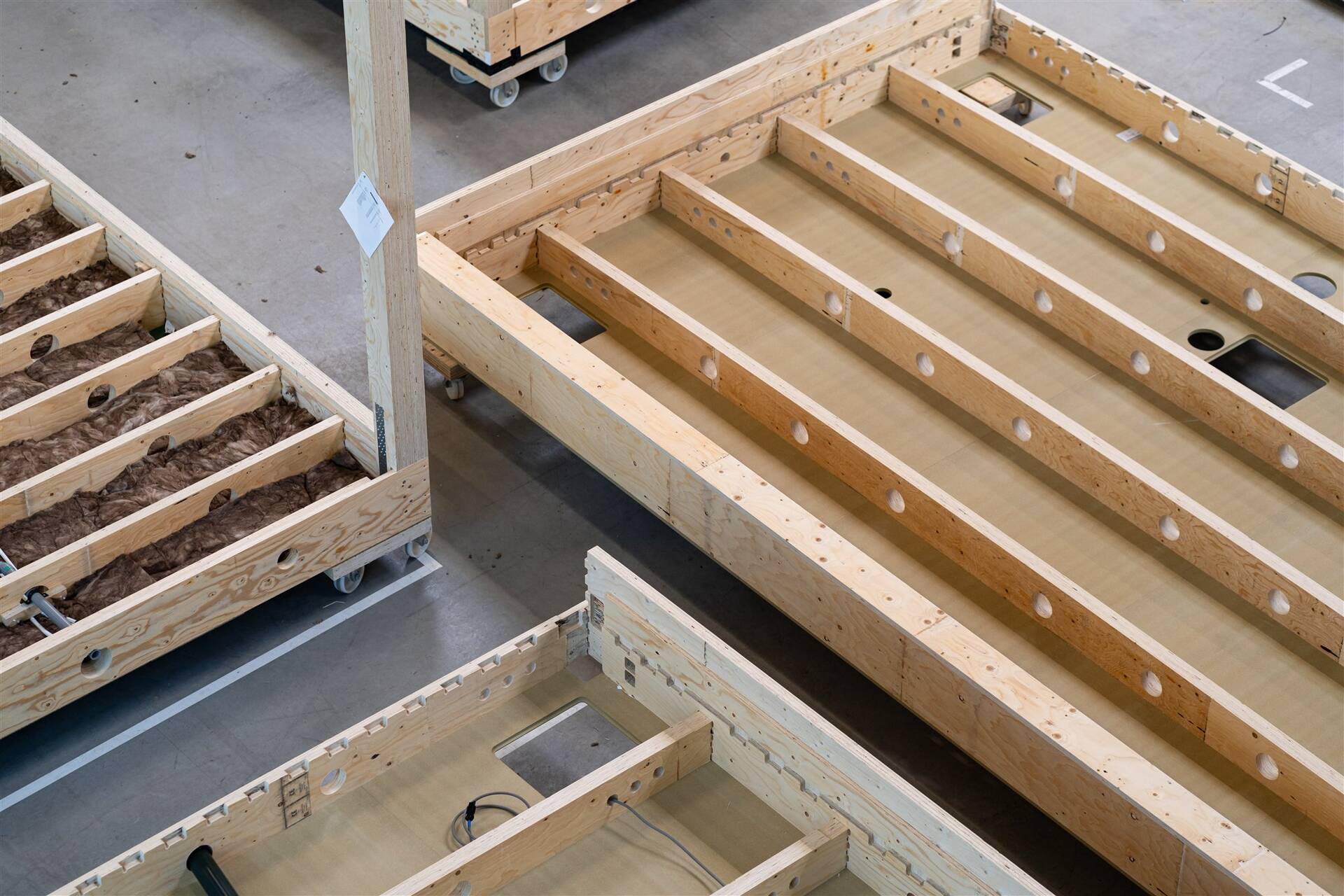
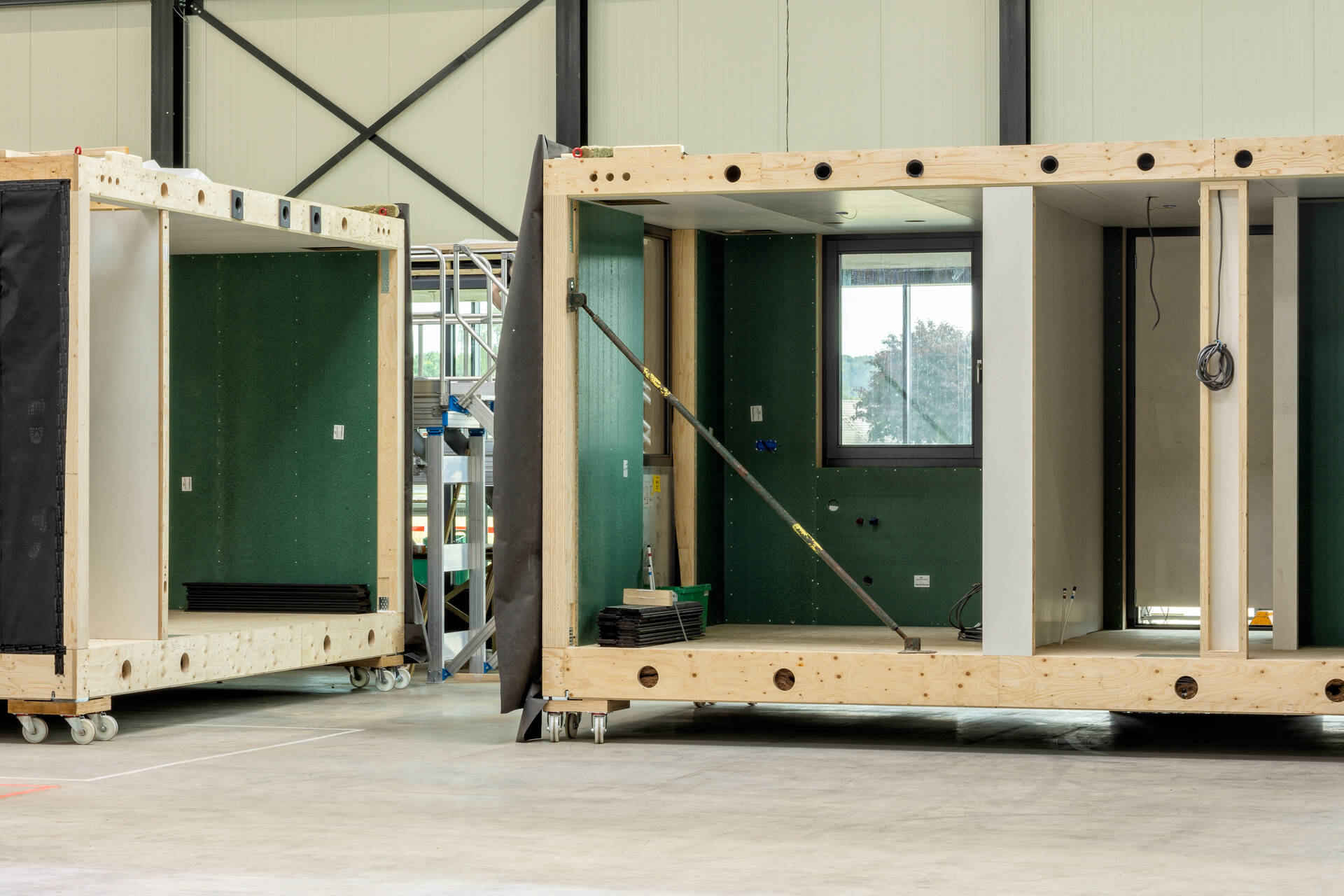
The building consists of 436 prefabricated timber modules, produced off-site by Dutch timber builder geWOONhout. Each module arrives on site with integrated technical systems already installed.
Construction teams can place eight to twelve modules per day. This speed allows builders to complete several apartments at the same time. A full residential block can reach completion in about four weeks.
Digital tools support the production and construction process. Each component has a digital twin that designers and builders can access through a QR code. This system helps maintain manufacturing accuracy while allowing flexible layouts and different housing types.
Resource-Efficient Engineered Timber
The project team selected LVL for its high strength-to-weight ratio and dimensional stability. These properties make the material well suited to modular construction.
LVL can be up to 50% more resource-efficient than some comparable mass timber products while delivering similar structural performance. The lighter weight also reduces transport emissions and simplifies on-site handling.
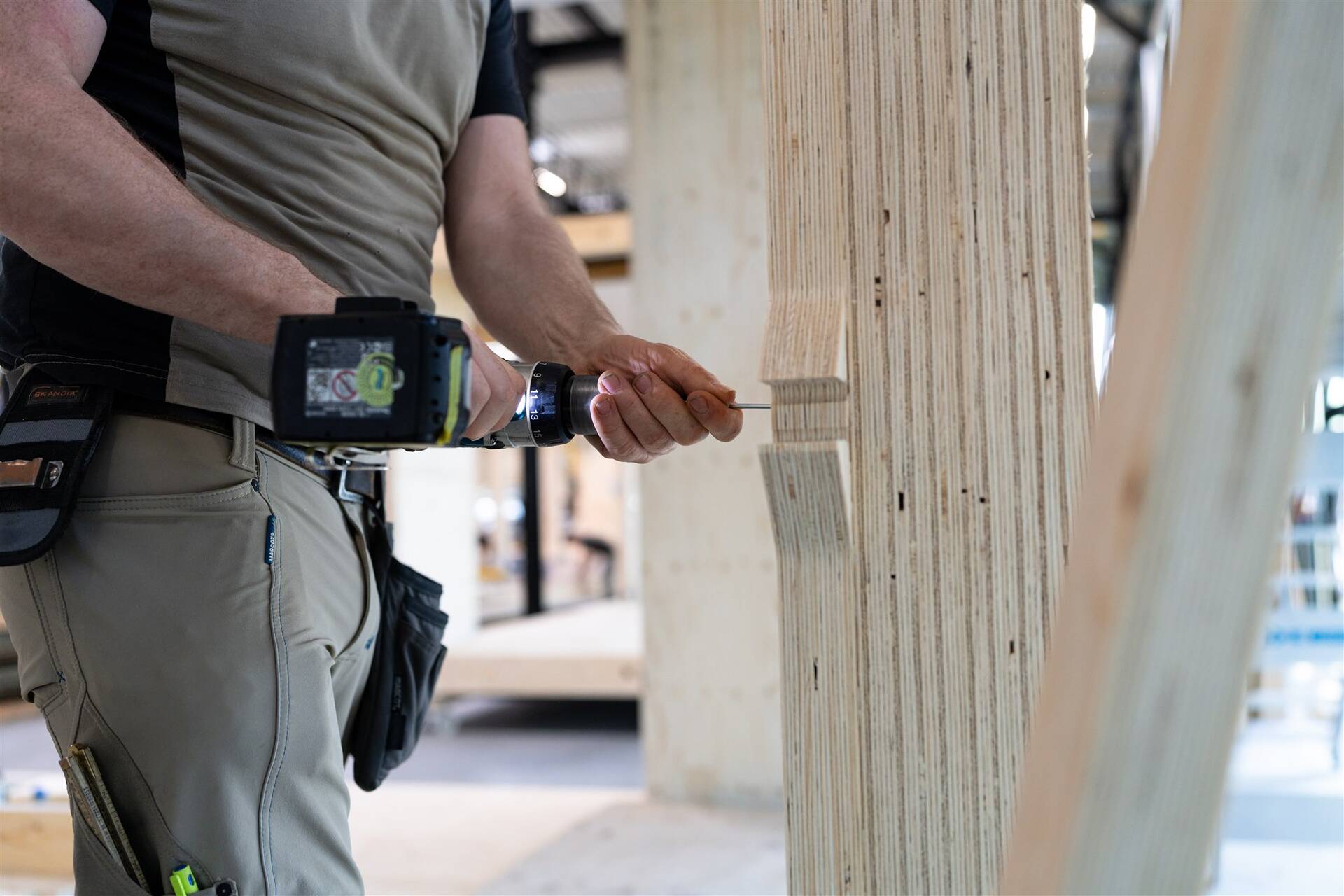
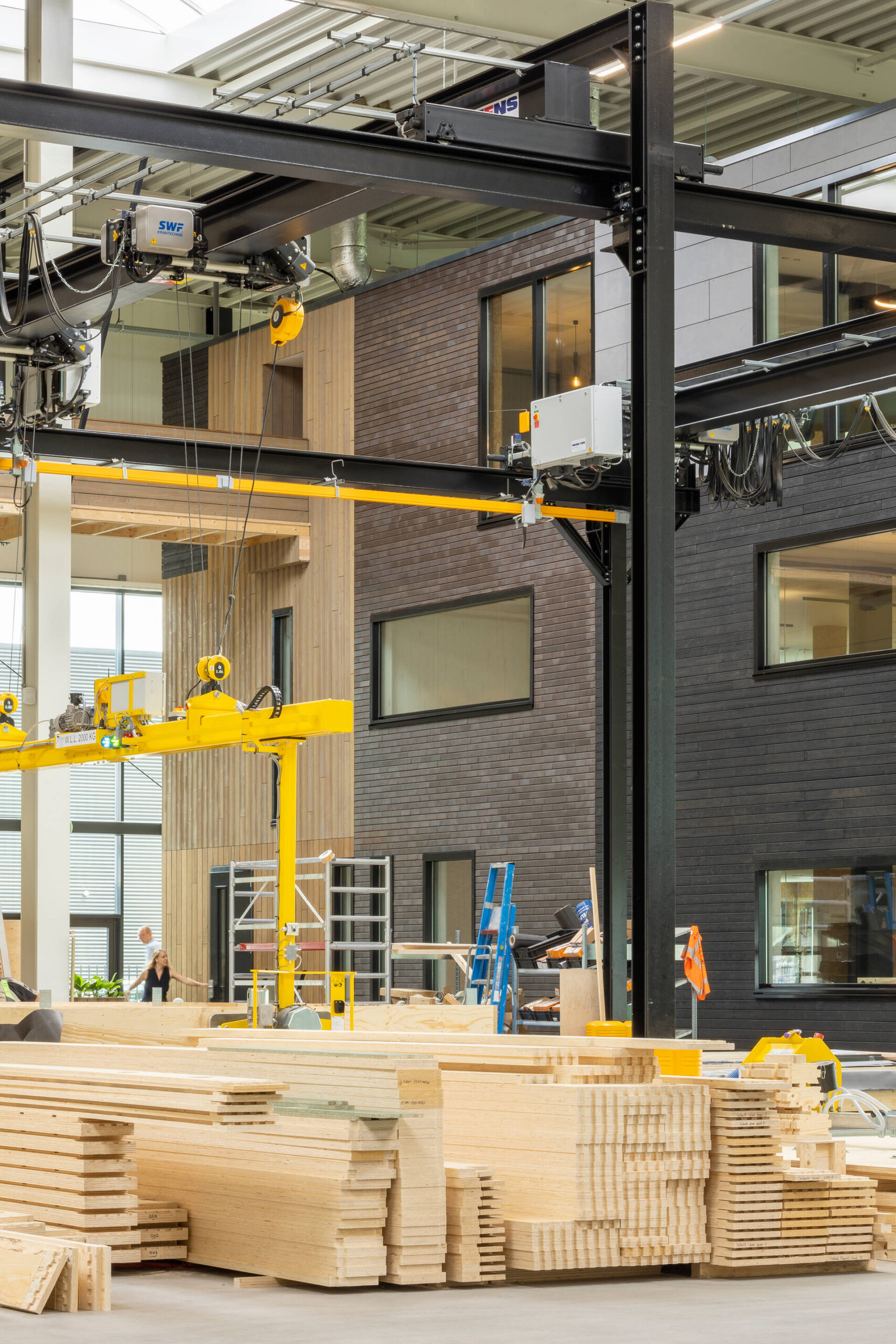
Different LVL elements serve specific structural functions in the project. Kerto LVL S-beams support floors and roofs, while shorter beams form studs and rim beams. Kerto LVL Q-panels create floor surfaces and load-bearing walls.
Manufacturers produce these elements using CNC machining with tolerances of just 0.5 millimetres. This level of precision ensures accurate assembly and helps minimise material waste.
Comfort, Safety and Circular Design
The development meets strict requirements for acoustic comfort, durability and fire safety. The building achieves R120 fire classification, providing up to 120 minutes of fire resistance.
Designers improved acoustic comfort by separating modules and adding mass to the floors. These measures help meet residential sound insulation standards.
The project also addresses sustainability across the building lifecycle. The lightweight timber structure reduces foundation requirements and transport impacts. Designers also created the modules for future disassembly and material recovery, which supports circular construction.
The finished buildings include solar panels, high-performance insulation and rainwater harvesting systems. Builders used low-carbon concrete only where structural conditions required it.
A Scalable Timber Housing System
The Xylino project shows that industrialised timber construction can deliver high-quality housing at scale. At the same time, the buildings maintain a conventional architectural appearance.
This approach demonstrates that modular construction and architectural freedom can work together. As demand grows for low-carbon housing, modular LVL systems may offer architects and developers a practical path toward faster and more sustainable residential construction.
Source: Metsä Wood / Metsä Group
Photos: geWOONhout / Robert Aar

Comments