Lemon Peel Waste Turned Into Bio-Based Textile Filaments
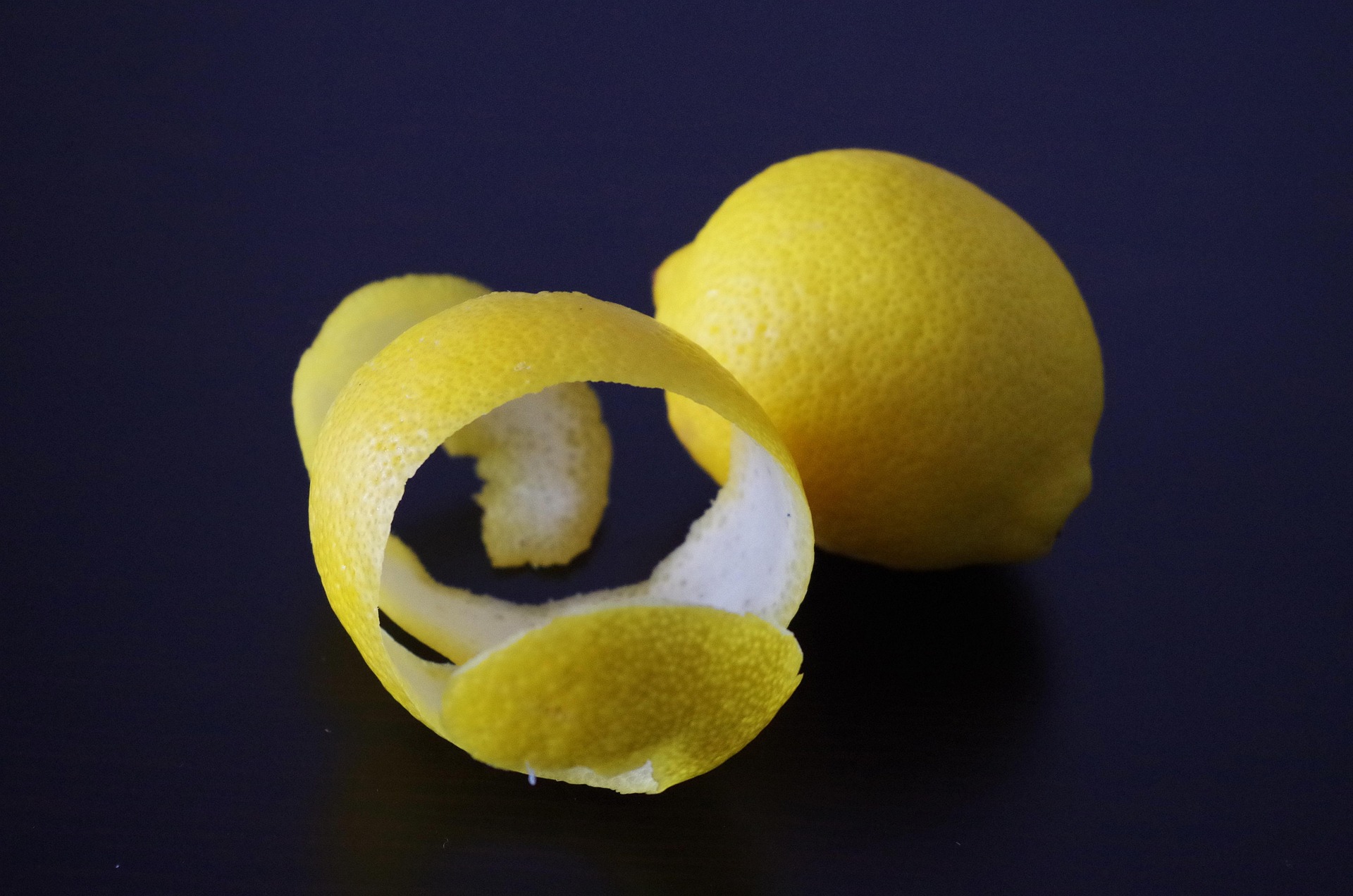
Researchers have developed a circular method that transforms lemon peel waste from juice production into biobased textile filaments. The study shows how food industry by-products can become valuable raw materials for design applications, particularly in fashion, product design, interiors, and packaging.
Citrus processing generates large volumes of waste. Lemon peels alone can make up around 50% of the fruit’s weight. When left untreated, this waste can cause environmental issues. The research team proposes a solution that uses the entire peel, creating new materials instead of discarding it.
A Dual Material Strategy
The process starts with a mild hot-water treatment of crushed lemon peels. This step extracts sugars and nutrients. The researchers then use this liquid to grow the fungus Rhizopus delemar. The fungal cell walls naturally contain chitin and chitosan, biopolymers known for their antibacterial and biodegradable properties.
After harvesting, the fungal biomass undergoes a gentle alkali treatment. This step isolates the chitosan-rich cell wall material, which forms a hydrogel when mixed with lactic acid. The hydrogel then becomes the basis for spinning fungal monofilaments.
At the same time, the remaining solid lemon peel residues are processed to extract cellulose. Mechanical fibrillation turns this cellulose into a micro- and nanocellulose suspension, without chemical modification. This suspension serves as a second spinning material.
Solvent-Free Fibre Production
Both material streams are converted into continuous filaments using dry gel spinning. This technique avoids solvents and chemical coagulation baths, making the process more environmentally friendly than many conventional fibre-spinning methods.
The resulting cellulose monofilaments achieve a tensile strength of nearly 300 MPa, which places them in the range of natural fibres and certain bio-based plastics. The fungal chitosan filaments show lower strength but remain comparable to wool and some PLA fibres. Previous studies suggest that post-processing steps could further improve their performance.
A Circular Model For Material Innovation
The research shows how combining biotechnology and fibre engineering can unlock new value from agricultural waste. By using both the nutrients and the structural components of lemon peels, the process maximises material recovery and reduces waste. Future work will need to address scaling, consistency, and full life cycle assessment, but the concept offers a promising direction for circular material innovation.
Source: Nature.com
Photo: Ajale

Comments