Lightweight 3D Printed Interiors For Electric Vans
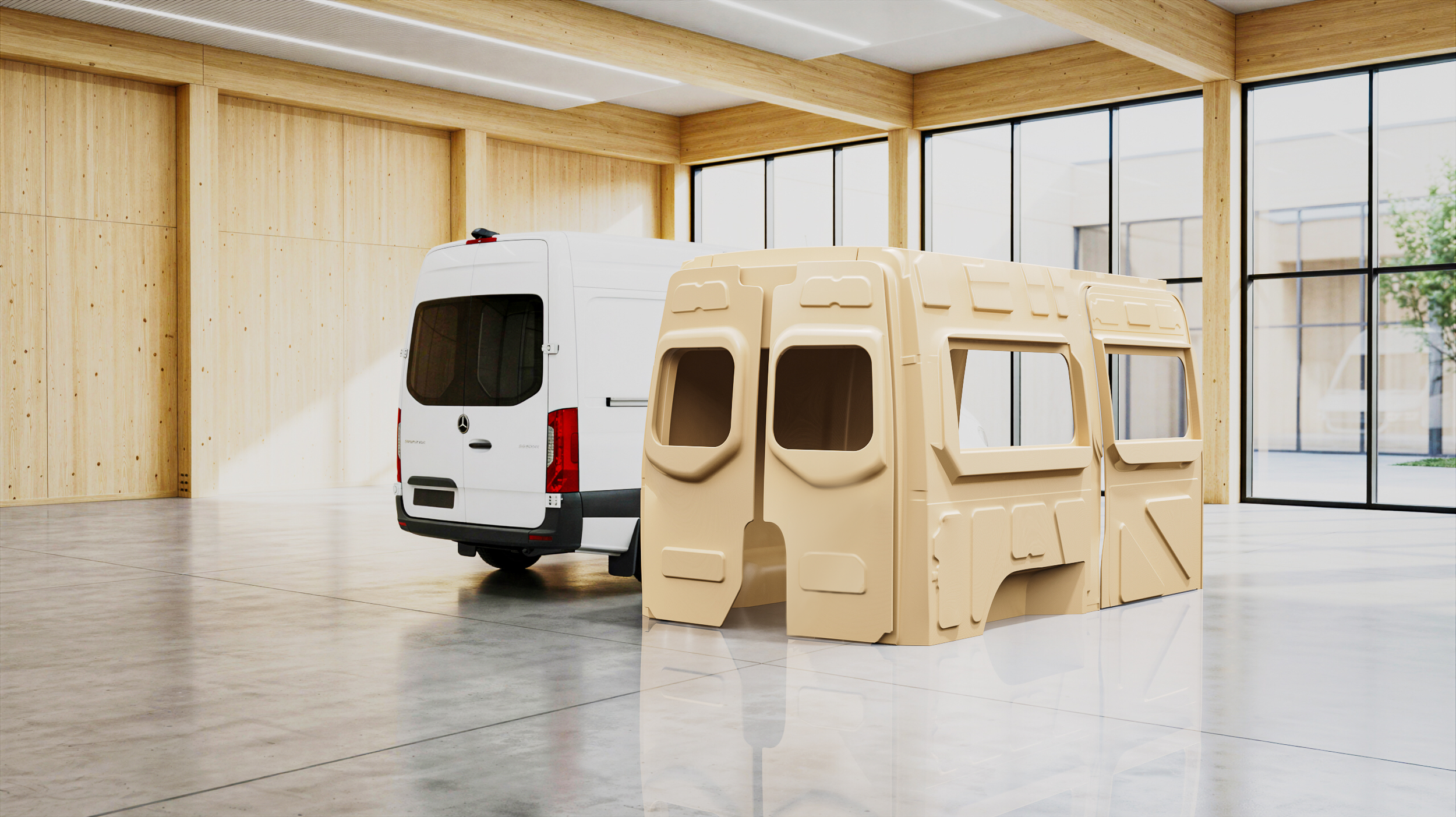
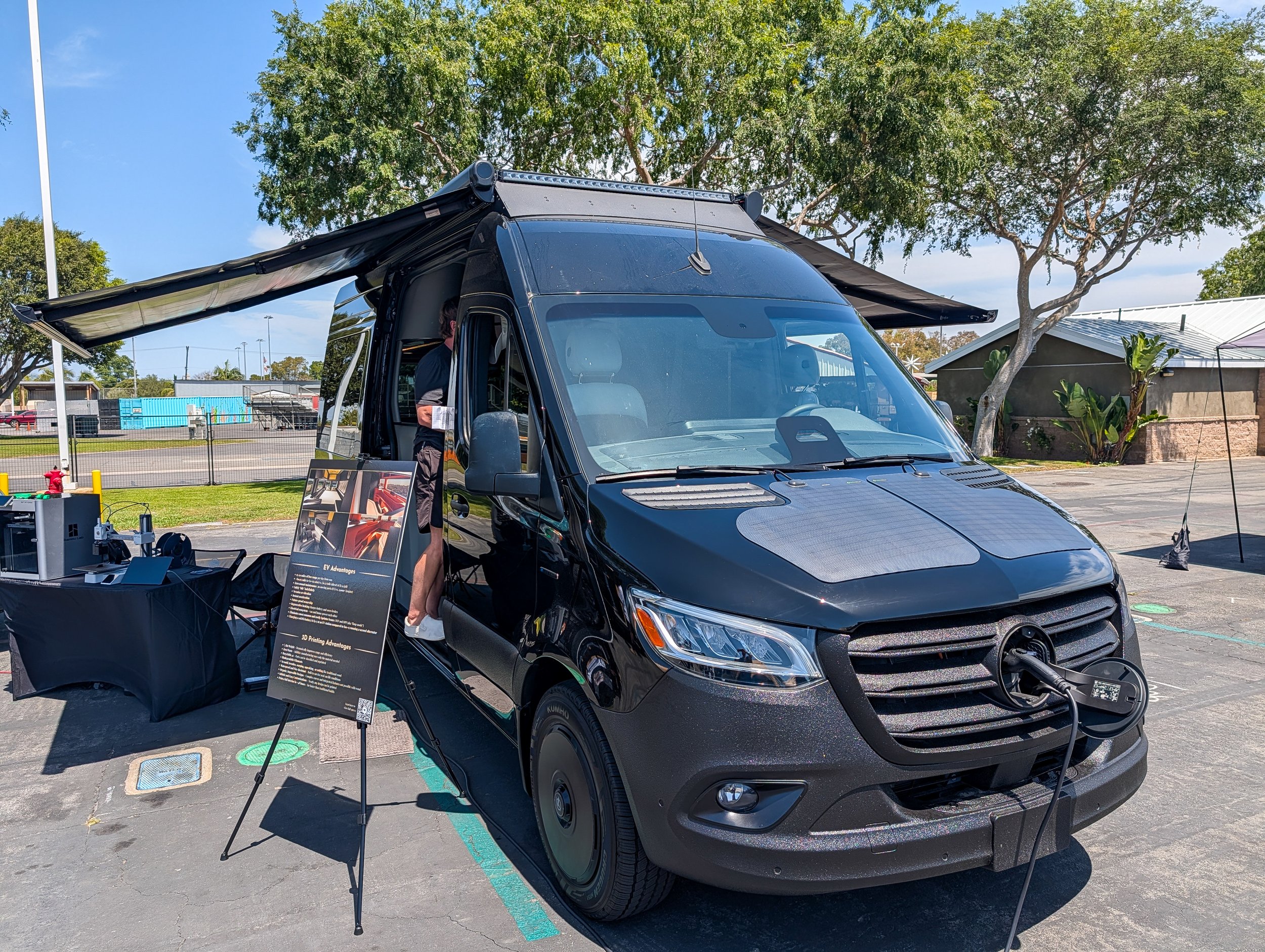
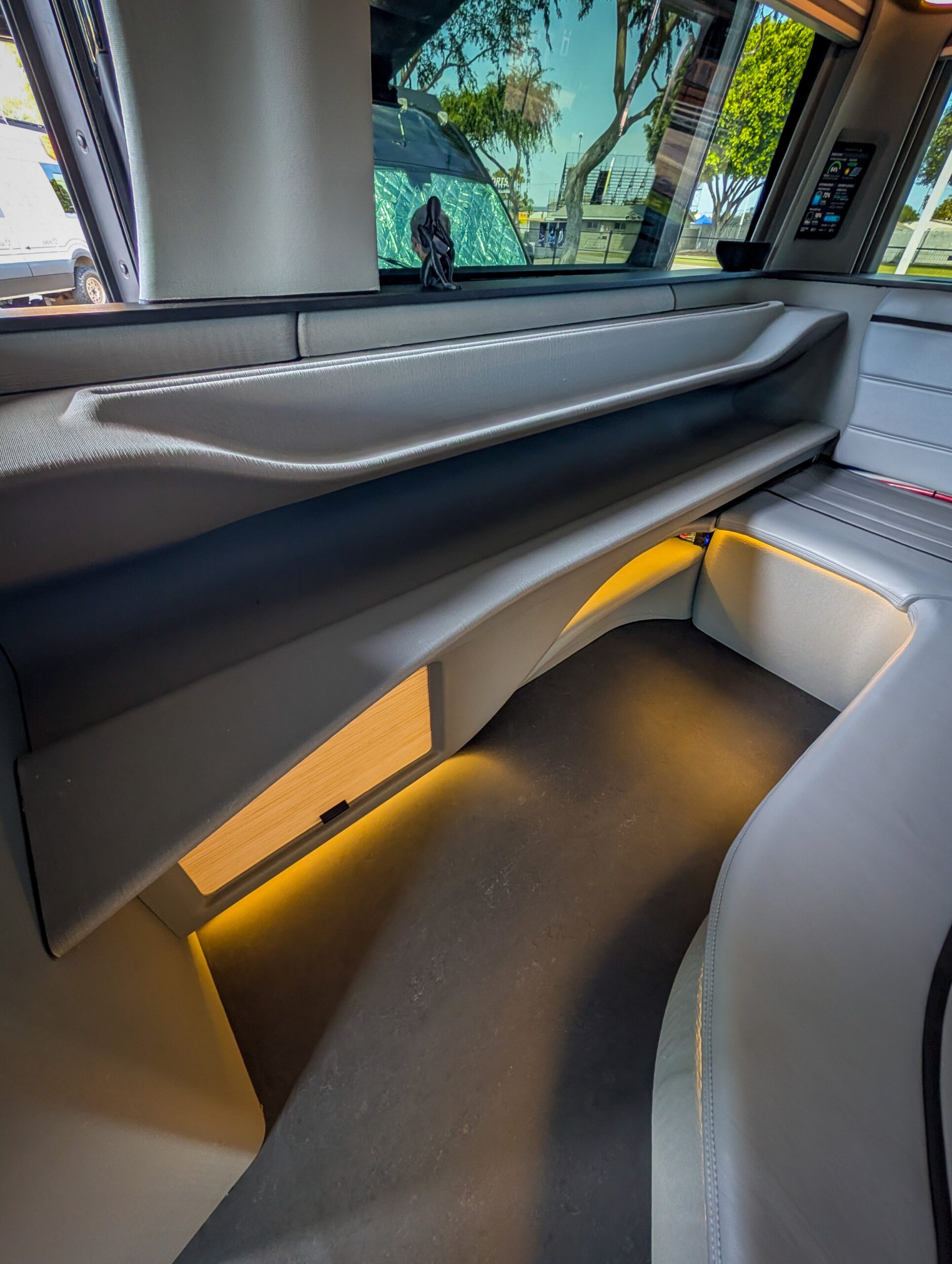

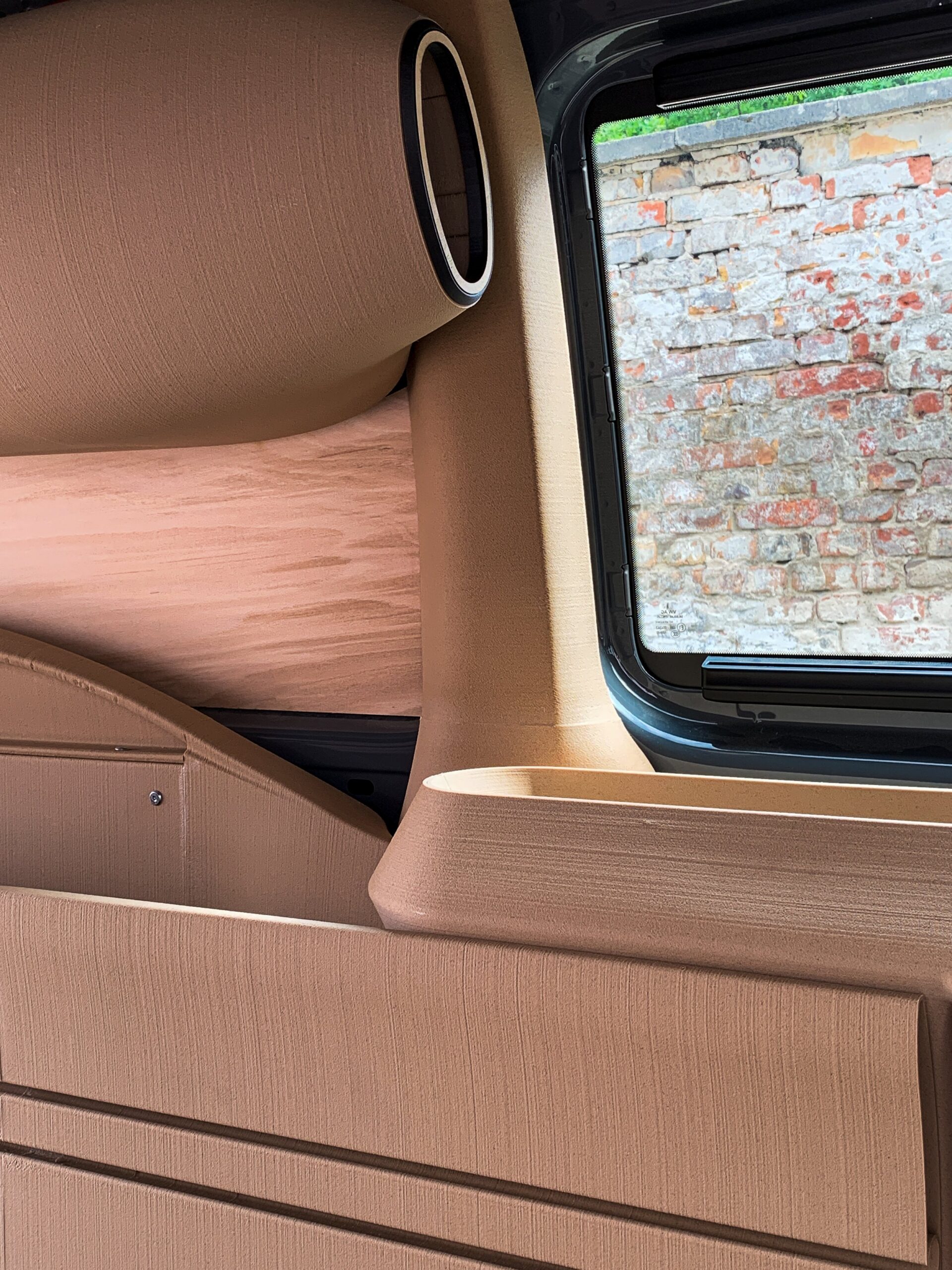
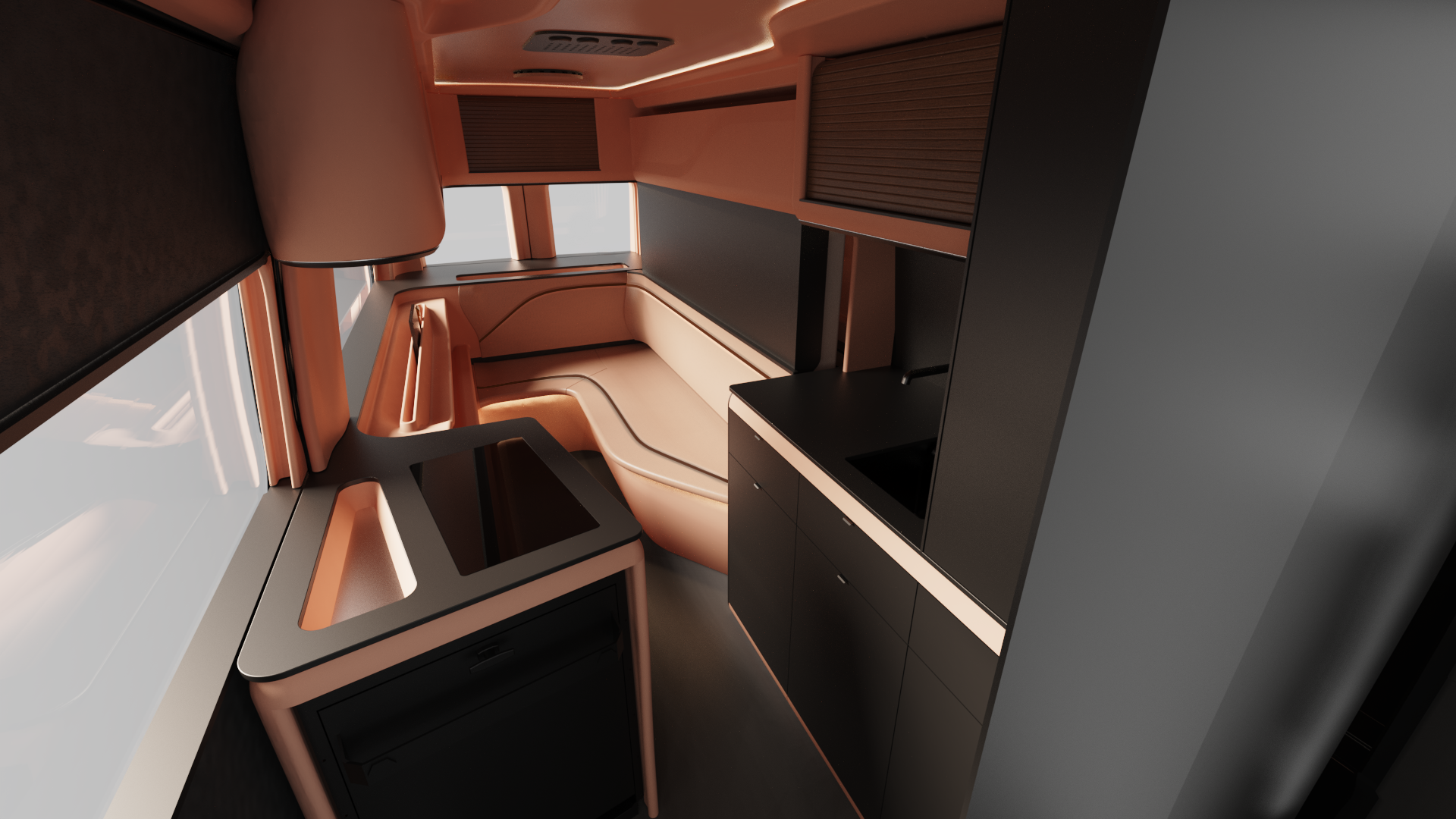
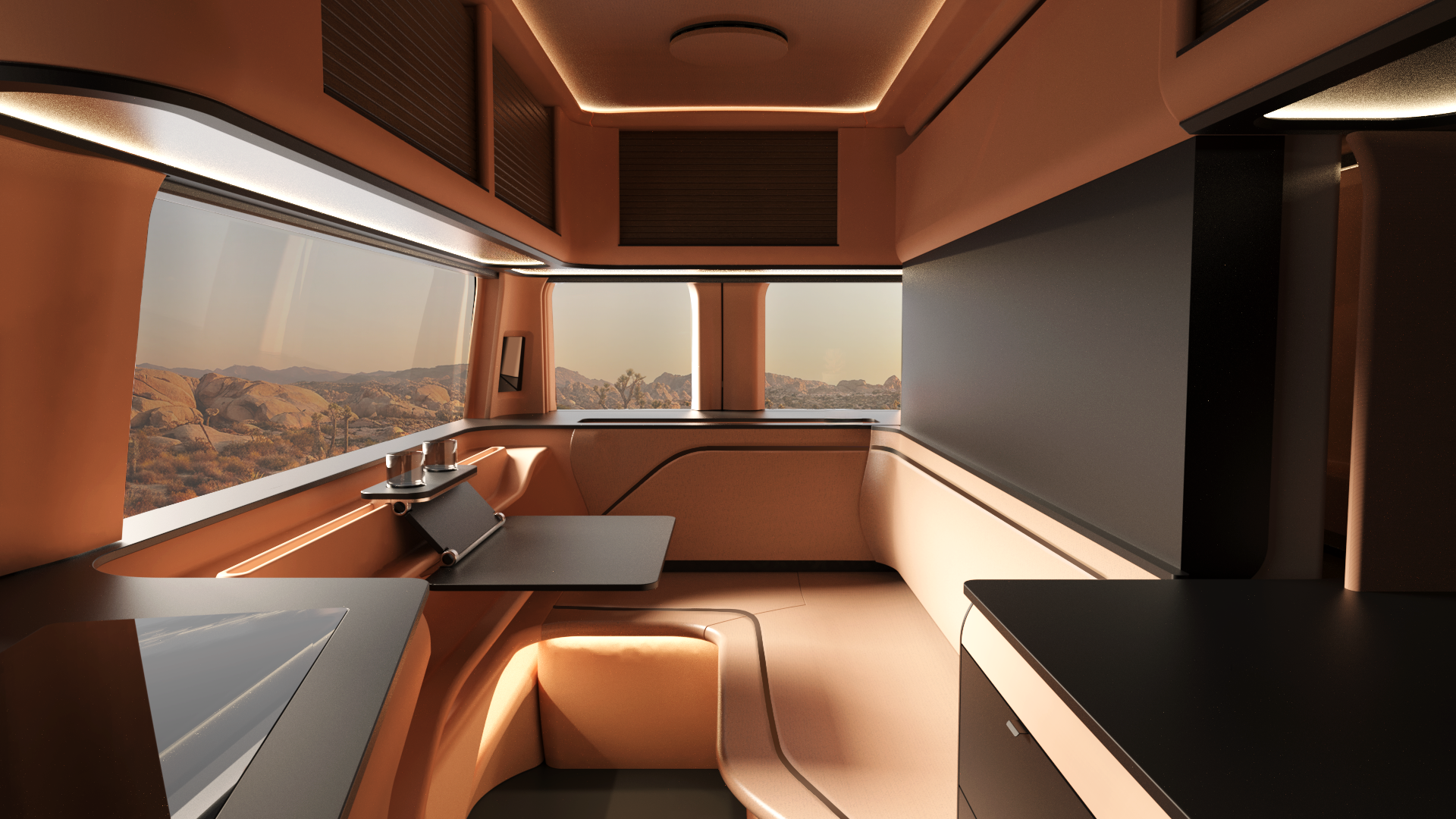
Gas-powered recreational vehicles are increasingly out of step with today’s sustainability ambitions. Addressing this shift, Materialogic has developed a fully electric van interior system that combines lightweight design with circular material thinking and rapid production methods. Designed specifically for the Mercedes eSprinter platform, the concept introduces a new approach to mobile living that may also resonate with product, transport and interior designers exploring modular and low-impact solutions.
Additive Manufacturing For Rapid, Low-Waste Production
At the core of the system is large-scale 3D printing, enabling complete interiors to be produced in as little as four days. The interiors consist of just six primary components, significantly reducing complexity compared to conventional camper conversions. This streamlined approach not only accelerates manufacturing but also minimises material waste, a key advantage of additive processes.
By printing on demand, Materialogic avoids overproduction and excess inventory, aligning with circular economy principles. The process also allows for consistent precision, ensuring that each interior fits seamlessly within the vehicle shell without the need for extensive manual adjustments.
Lightweight Design Improves Efficiency
Weighing approximately 200 kilograms, the interior system is considerably lighter than traditional RV fittings. This reduced weight directly contributes to improved energy efficiency and extended driving range for electric vehicles—an important consideration in the transition to zero-emission mobility.
For designers, the project highlights how material reduction and structural optimisation can play a crucial role in sustainable transport design. Lightweight construction is not only beneficial for performance but also reduces the overall material footprint of the product.
Modular And Serviceable Interiors
The interiors are designed for quick installation, requiring one day or less to assemble. This modularity makes the system particularly relevant for small- to medium-scale van builders producing between 10 and 360 units annually. The plug-and-play nature of the components allows for easy customisation and adaptation to different layouts.
Equally important is the focus on serviceability. Integrated appliances and accessible components make maintenance straightforward, extending the lifespan of the interior and supporting repair-based use cycles rather than replacement. This approach reflects a growing emphasis on design for disassembly within circular product development.
Towards Recyclable Vehicle Interiors
Materialogic also emphasises material safety and recyclability, although specific material compositions are not detailed. The combination of mono-material strategies and simplified component systems suggests a future pathway towards easier end-of-life processing and material recovery.
While developed for electric vans, the principles demonstrated—additive manufacturing, lightweight construction, modular design and circular thinking—are broadly applicable across product design, automotive interiors and even compact architectural systems.
As mobility, living and product design increasingly converge, projects like this illustrate how material innovation can redefine not only how things are made, but how they are used, maintained and ultimately reintegrated into material cycles.
Source & photos: Materialogic

Comments