Living Algae Biocells Offer An Alternative To Disposable Batteries




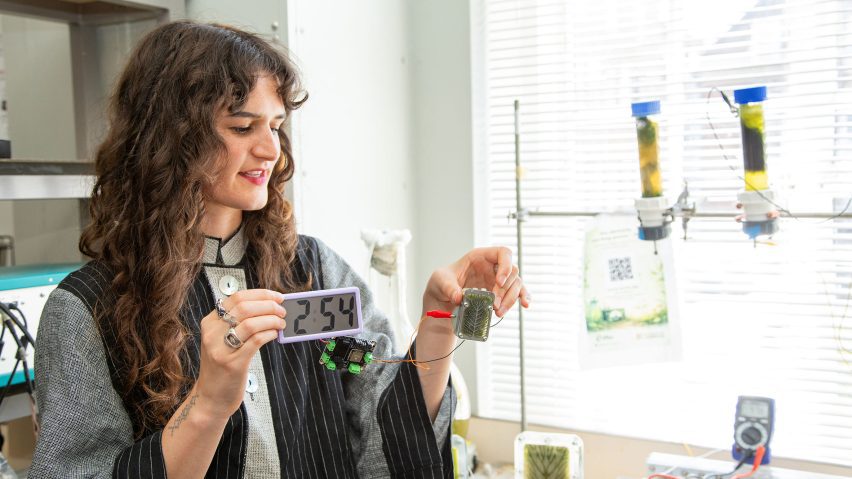
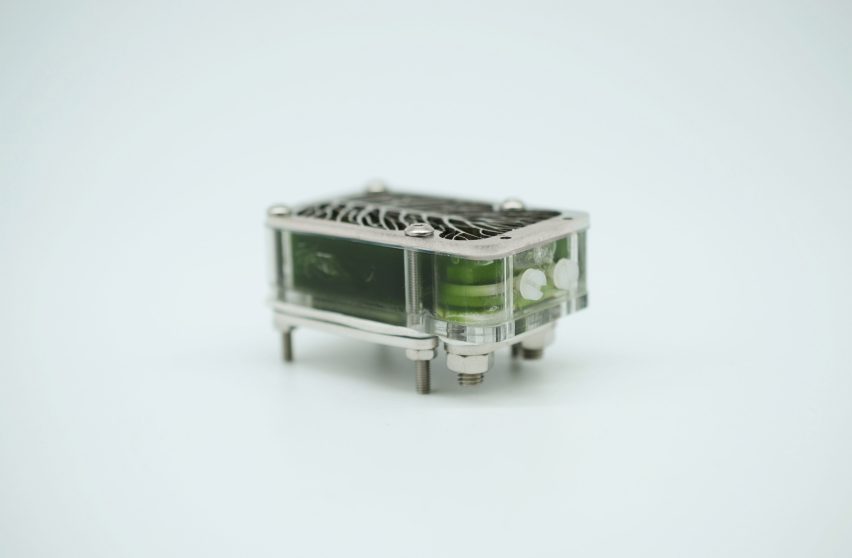
Researchers at the University of Cambridge have developed a living ‘biocell’ that uses photosynthetic microorganisms to generate electricity continuously. The technology could provide a lower-impact alternative to disposable batteries for low-power devices, sensors and off-grid applications.
Electricity From Photosynthesis
The system contains photosynthetic cyanobacteria, ancient aquatic microorganisms that use sunlight and absorb carbon dioxide to support their growth. Photosynthesis creates a continuous flow of electrons. The researchers capture a small proportion of these electrons to power electronic devices.
The cyanobacteria live inside a sealed casing made from common, inexpensive and largely recyclable materials. Although photosynthesis drives the process, the biocell continues to produce a low electrical current in darkness. Moreover, the living system can keep operating as long as the microorganisms remain healthy. One experimental cell has generated electricity for more than six years.
Since the project began in 2006, the team has increased the biocell’s power output more than twentyfold. However, the output remains too low for energy-intensive equipment.
Replacing Small Disposable Batteries
The researchers therefore focus on applications that usually rely on small disposable batteries, such as remote controls, smoke alarms and environmental sensors. Replacing these batteries could reduce demand for mined materials such as lithium. Their extraction requires substantial amounts of energy and can produce greenhouse gas emissions, habitat loss and local ecological damage.
Biocells may be particularly useful for remote monitoring systems. Water-quality sensors, for example, often operate in locations where regularly replacing batteries is difficult. A self-sustaining power source could support reliable, long-term data collection with less human intervention.
The technology may also offer opportunities in rural and off-grid regions. If future systems produce enough electricity to charge mobile phones, they could improve access to communication, information and digital services in areas with limited charging infrastructure.
Designing Living Energy Products
Funding from the University’s BBSRC Impact Acceleration Account has helped the team explore commercial applications. Biodesigner Lucia Giron and electrical engineer Lifu Tan joined the researchers to translate the scientific concept into practical products.
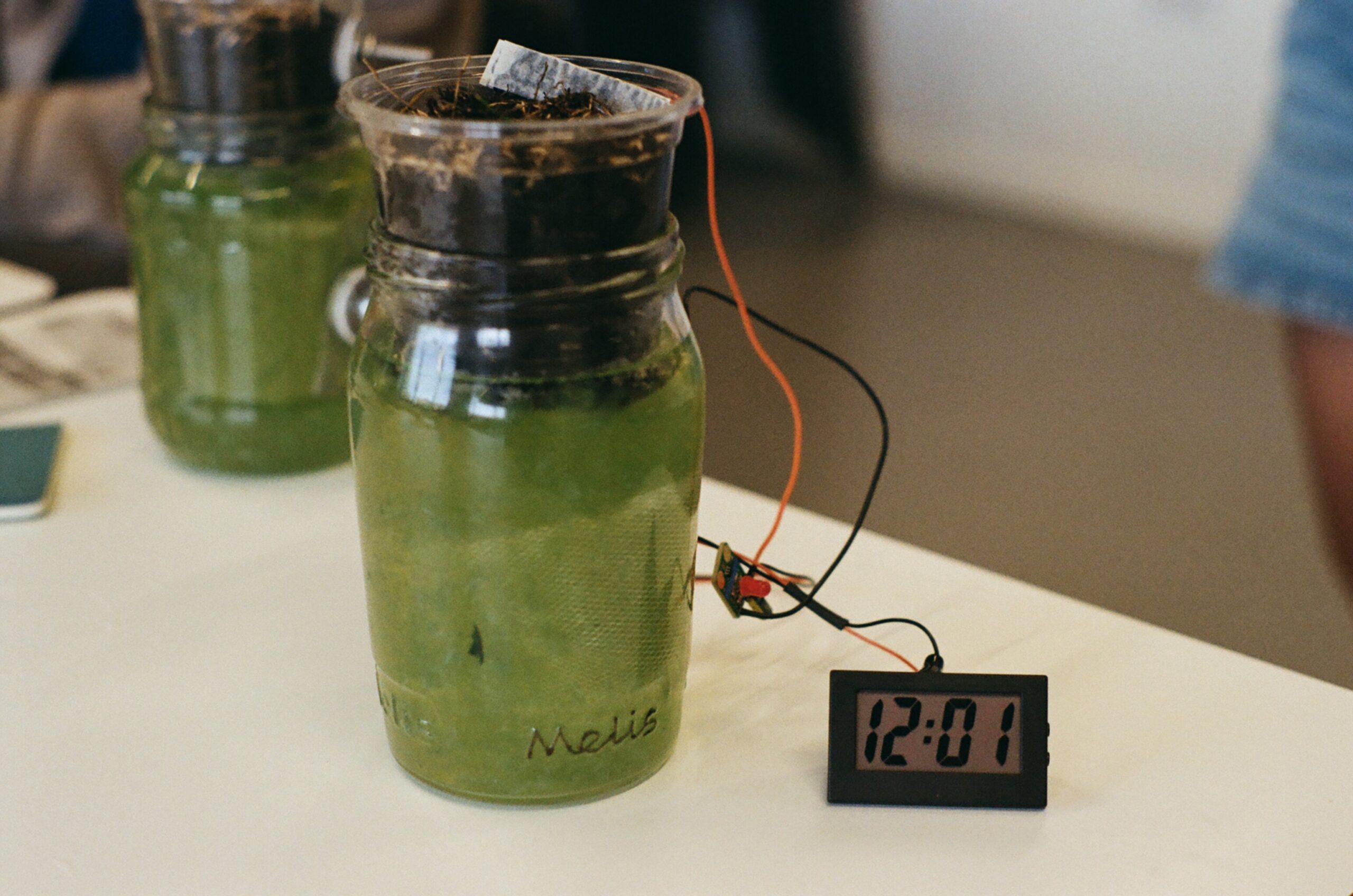
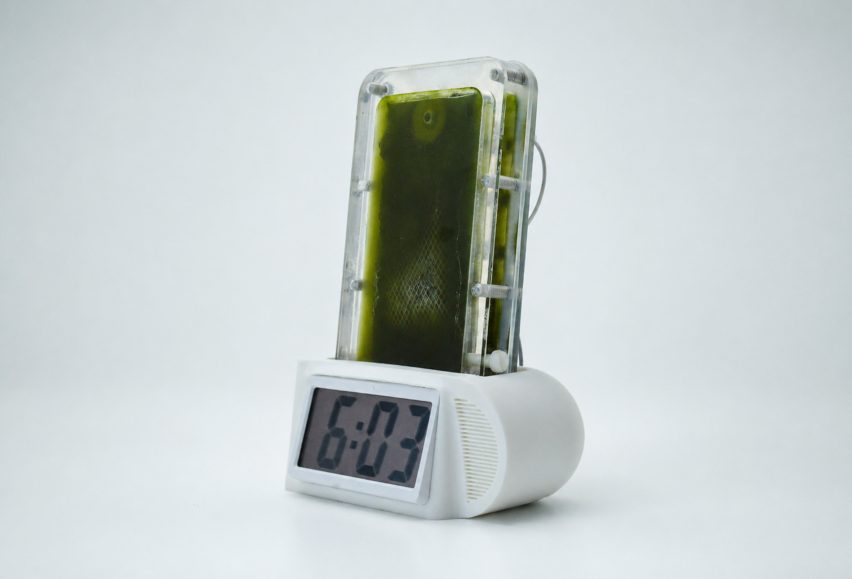
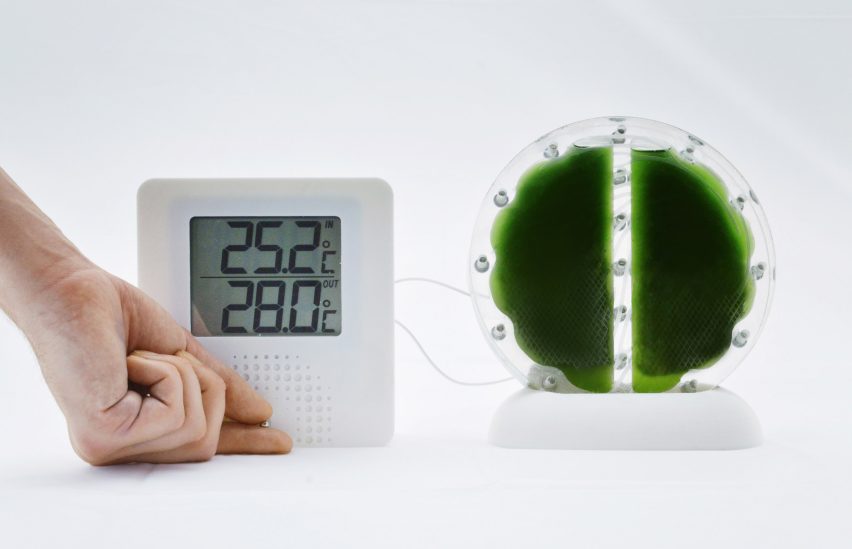
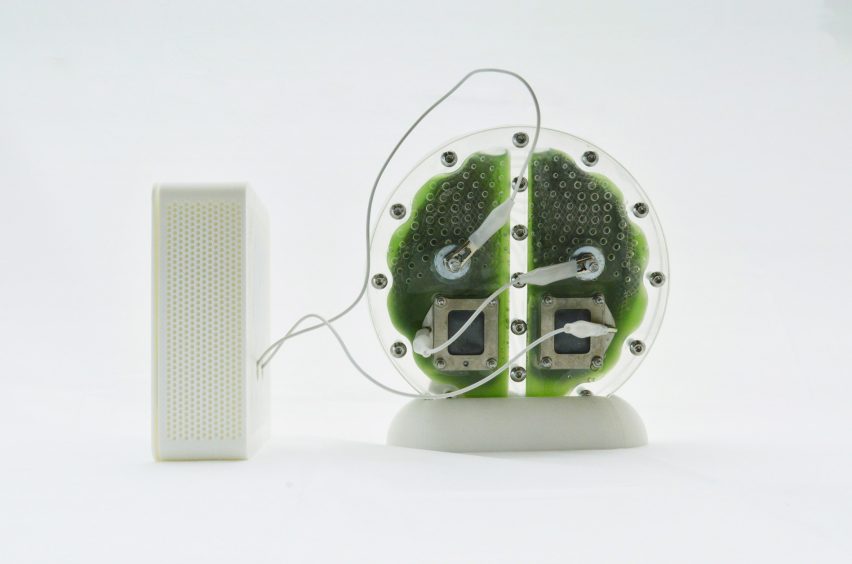
Giron designed an algae-powered digital clock, a temperature-sensor interface and a demonstrator cell. The team has also created a system that powers sensors measuring light, air temperature and soil moisture around a potted plant. Users can view the data through a connected mobile application.
Through its start-up e-Pho, the team is discussing potential applications with prospective clients. It has also developed a classroom toolkit that enables pupils to grow algae, assemble biocells and investigate how different materials affect performance. The project combines biology, electronics and design while demonstrating how living materials could contribute to more sustainable, low-energy products.
Source: University of Cambridge
Photos: University of Cambridge / Lucia Giron / e-Pho

Comments