Living, Rainbow-Coloured Textiles Grown by Bacteria
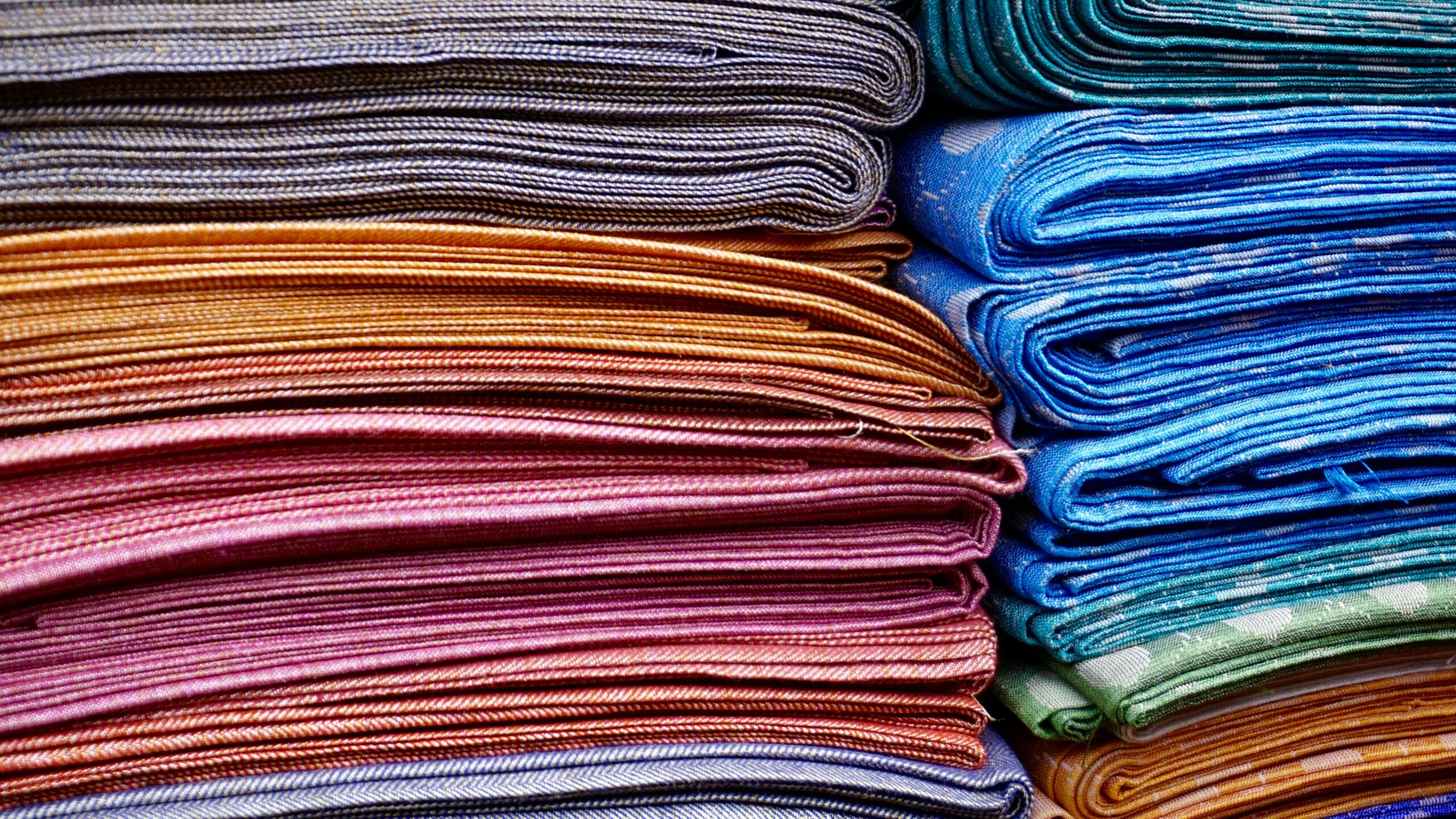
Researchers at the Korea Advanced Institute of Science and Technology (KAIST) have created a new way to grow and colour textiles using living microbes. Their method offers a cleaner alternative to the textile industry’s petrochemical fibres and synthetic dyes, which place a heavy burden on water, soil, and air quality.
A Biobased Alternative to Synthetic Fibres
The KAIST team uses bacterial cellulose, a naturally produced material made by fermenting microorganisms such as Komagataeibacter xylinus. This cellulose is strong, flexible, and fully biobased, making it a promising replacement for polyester and nylon.
The researchers take this a step further. While the cellulose grows, they introduce colour-producing bacteria. The material forms and colours itself at the same time, eliminating the need for chemical dyes or water-intensive finishing processes. This approach aims to reduce the use of heavy metals, carcinogenic additives, and other harmful dyeing chemicals.
Microbes That Produce Colour
Two families of natural pigments create the full spectrum of colours. Violaceins generate cool tones such as green, blue, and purple, while carotenoids produce warm red, orange, and yellow shades.
Growing the cellulose and colour microbes together proved difficult at first. The species disrupted each other, which either weakened the cellulose or prevented colour formation. To solve this, the team developed two methods. For cool shades, they let the cellulose grow first and added the colour microbes later. For warm shades, they produced the cellulose sheet and then soaked it in a separate pigment culture. These approaches produced stable colours ranging from deep purple to bright red.
Strong Performance and New Design Possibilities
The team tested the coloured cellulose by washing it, bleaching it, heating it, and exposing it to acids and alkalis. Most colours stayed vibrant. The violacein pigments even outperformed some synthetic dyes during washing tests.
For designers, this technique opens new opportunities for sustainable textiles in fashion, accessories, and possibly interiors. Bacterial cellulose can grow into specific shapes and thicknesses, which allows for material-efficient production and custom forms. The colour grows with the material, which may reduce waste and avoid additional processing steps.
Pathway to Future Production
The researchers believe commercial production will take at least five years. Scaling up the microbial cultures and lowering production costs remain major challenges. Competing with the low price of petroleum-based textiles also demands a shift in consumer behaviour.
Even so, this work points to a new direction for the textile sector: fibres and colours grown by biology rather than made by extractive, chemical-heavy processes.
Source: Interesting Engineering
Photo: Digital Buggu

Comments