Loop Lab: Turning Campus Waste into Creative Resources
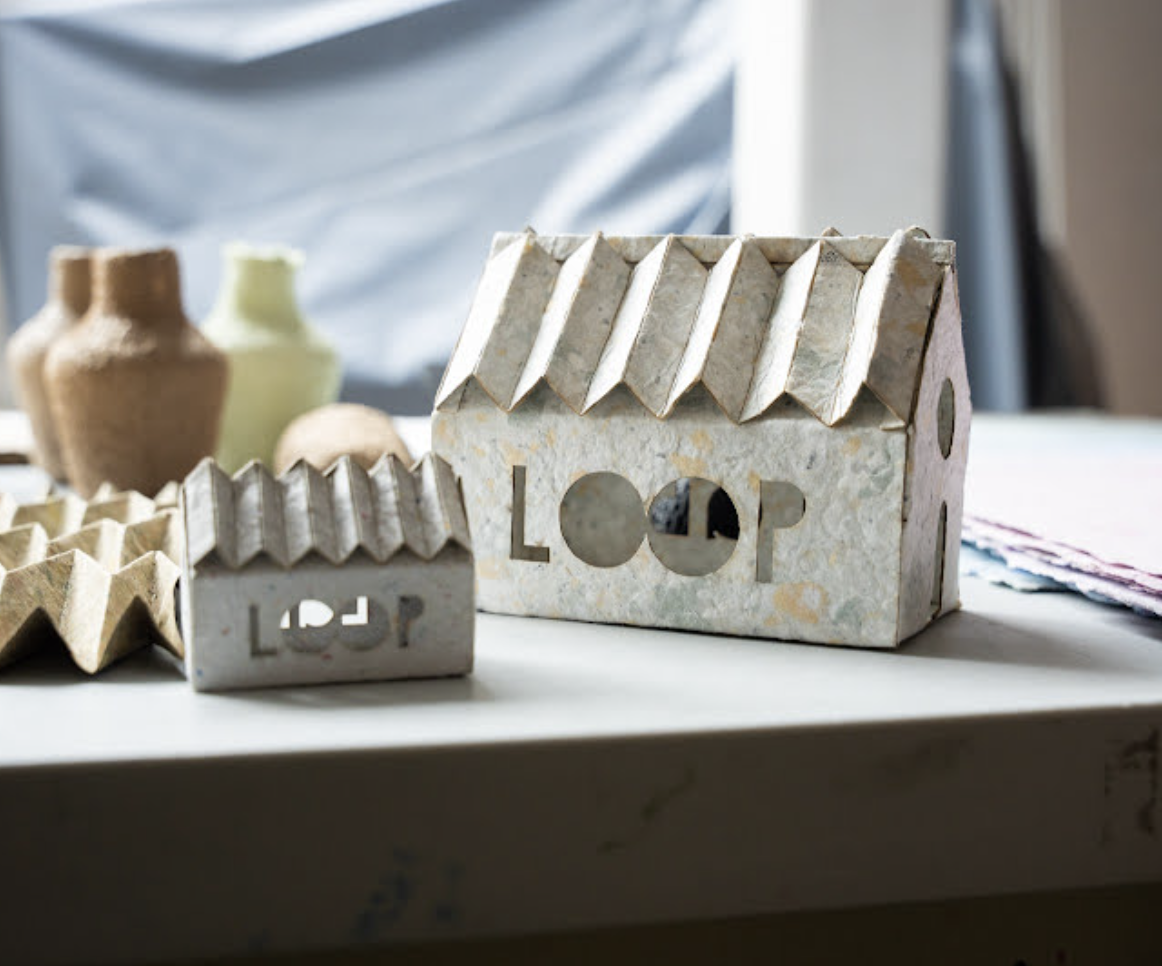
At the Rhode Island School of Design (RISD), a new pilot project called Loop Lab is rethinking how designers use materials. Supported by a $100,000 grant from the Maxwell/Hanrahan Foundation, the initiative turns campus waste into valuable resources for design and making.
From Waste to Design Innovation
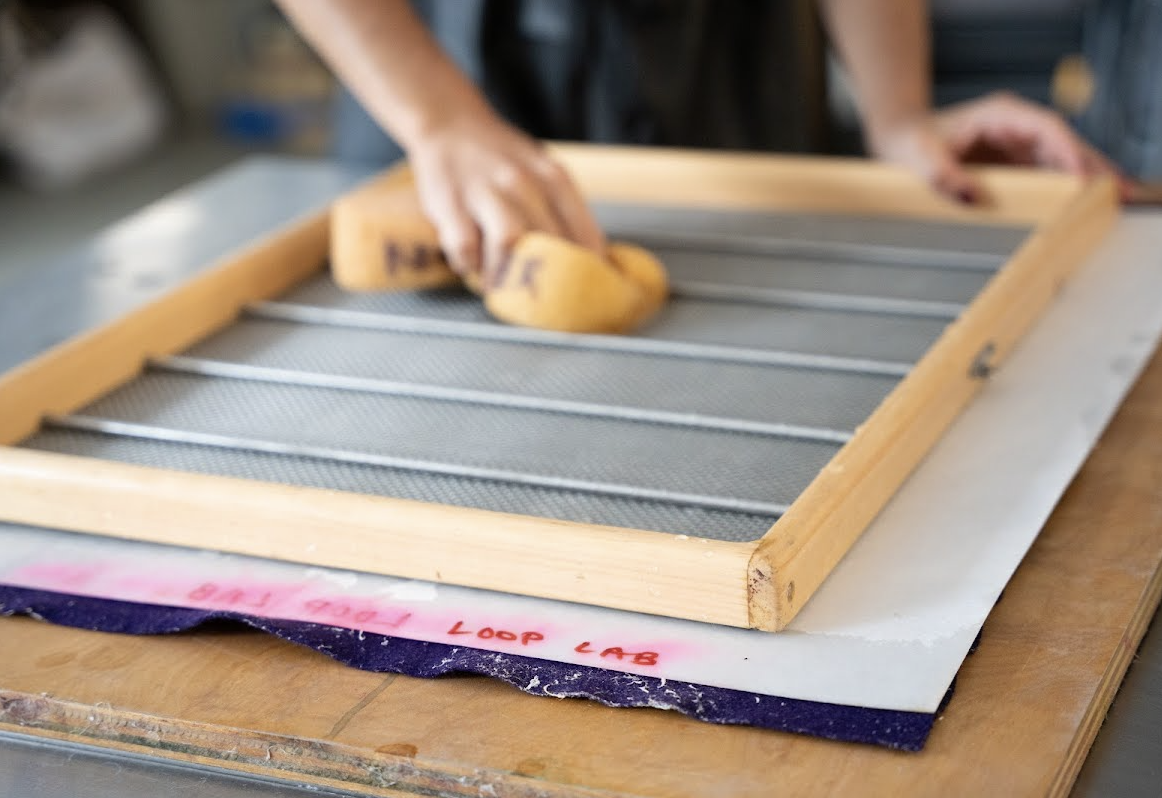
Loop Lab collects leftover paper, cardboard, and muslin fabric from departments such as Apparel Design and Graphic Design. The team processes these materials into new resources, including recycled paper sheets, slurries, pulp bricks, and clay-like composites.
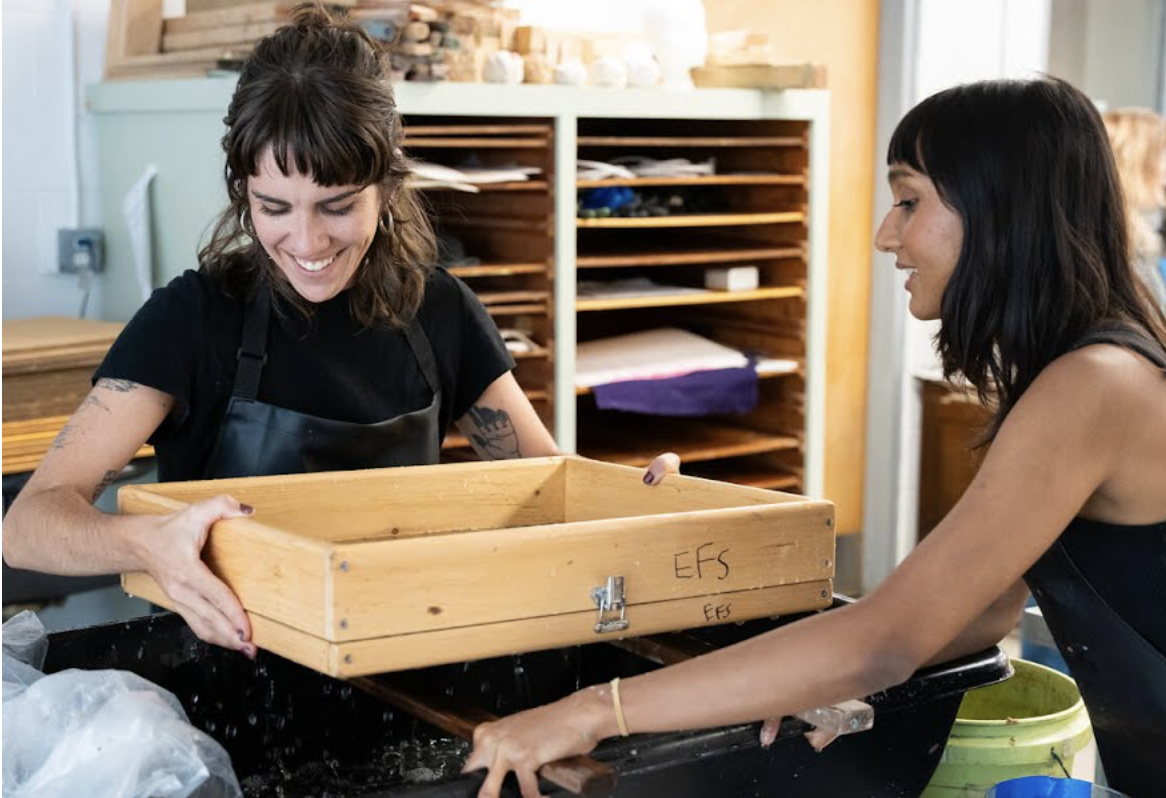
Students and staff can use these materials in both traditional and digital fabrication, such as 3D printing, laser cutting, and casting. The Nature Lab leads the project with support from RISD’s Printmaking department and the Second Life Exchange, which redistributes the materials across campus. Together, they show how design education can close the loop between waste and creation.
Learning Through Circular Design
Loop Lab encourages everyone on campus to experiment and share results. Workshops and online tutorials teach how to work with the new materials using vacuum forming, sheet forming, and liquid paper extrusion. As a result, participants learn that circular design starts with curiosity and hands-on exploration.
Through this approach, students discover that material innovation is not only about new technologies but also about reimagining what already exists. Each experiment reveals new ways to reduce waste and extend the life of everyday materials.
A Model for a Circular Future
Loop Lab demonstrates what a low-waste, self-sufficient campus can achieve. Every batch of recycled material proves that waste can hold new creative value. For designers, the project offers inspiration for local sourcing, sustainable production, and circular material systems—key themes in architecture, interior, product, fashion, and packaging design.
Designers who want to take part can order materials through the Second Life Exchange, join workshops, or donate unused resources. By doing so, they help build a culture of sustainable making and circular thinking.
Source & photos: Rhode Island School of Design

Comments