Luminous Re-weave: Upcycled Textiles Become Modular, Architectural Light
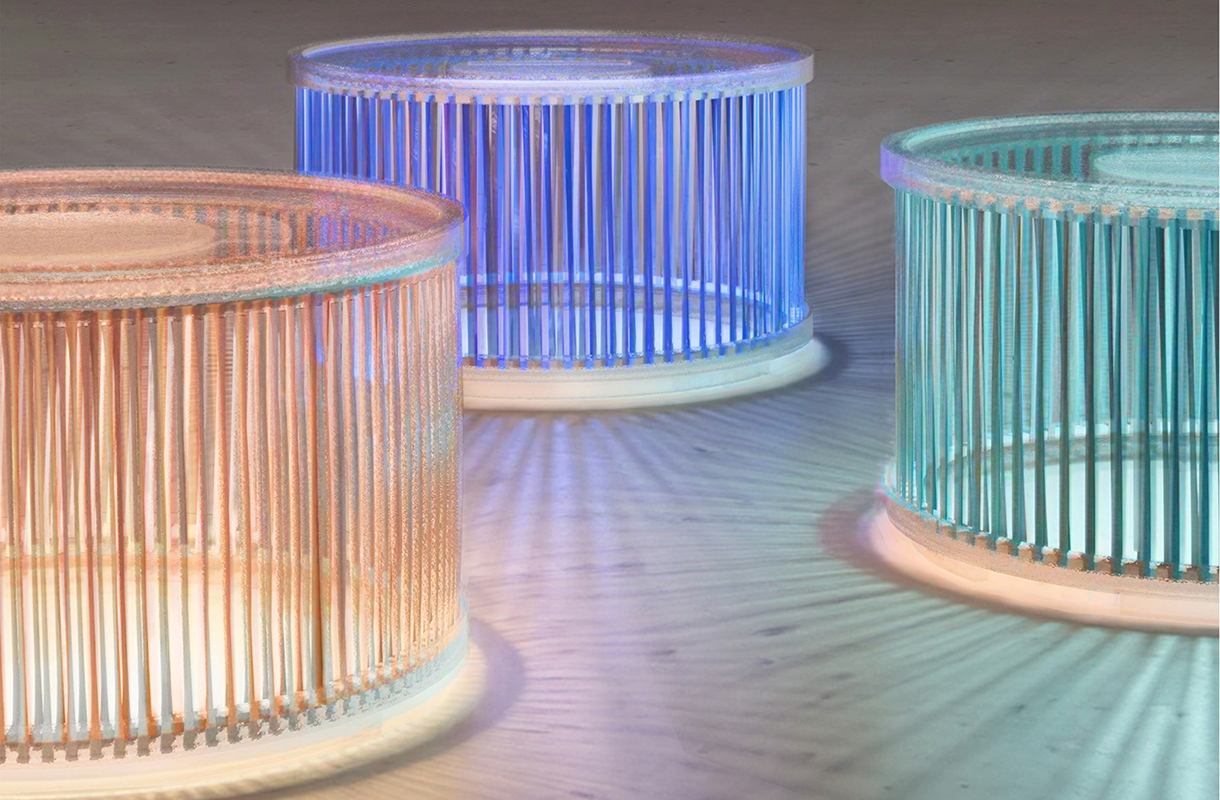
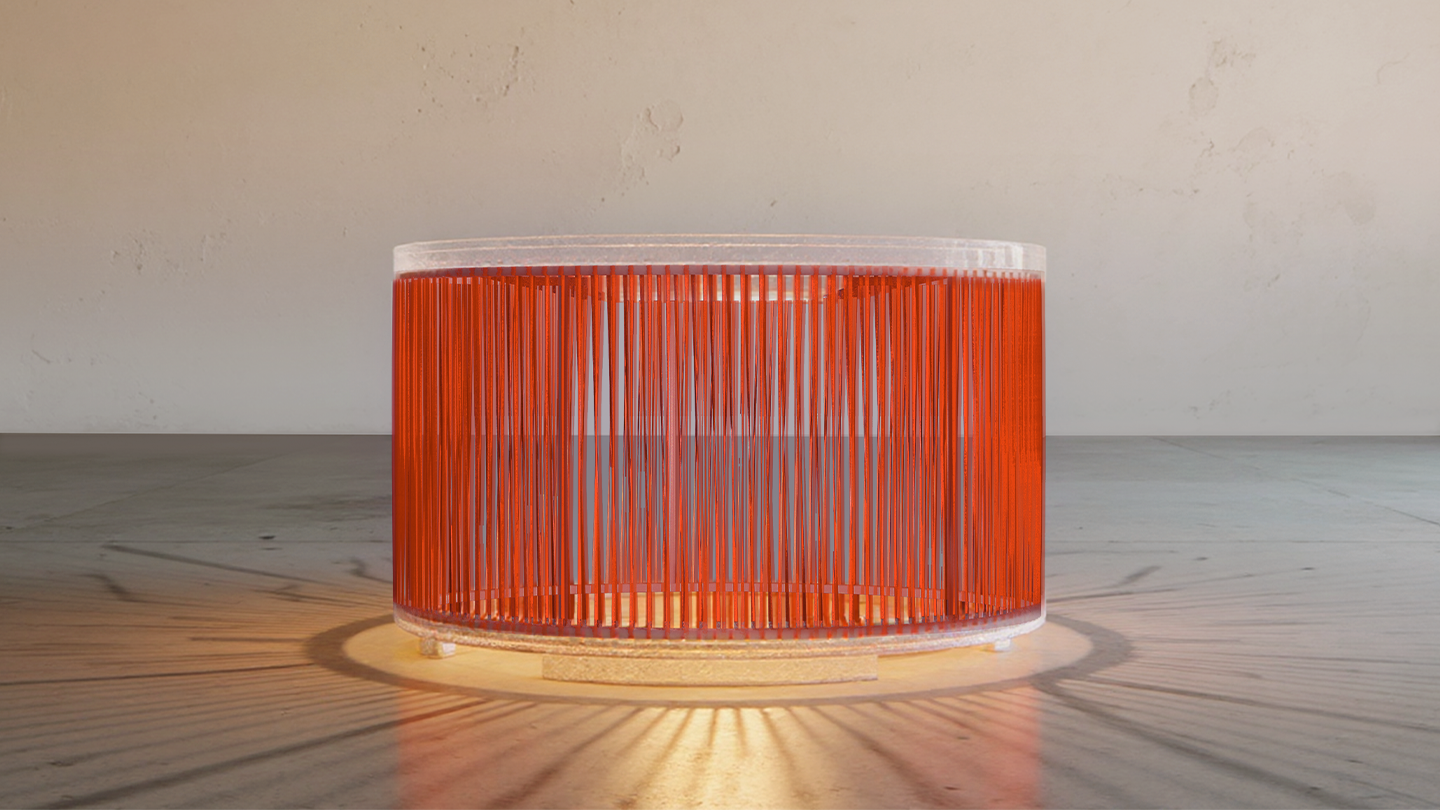
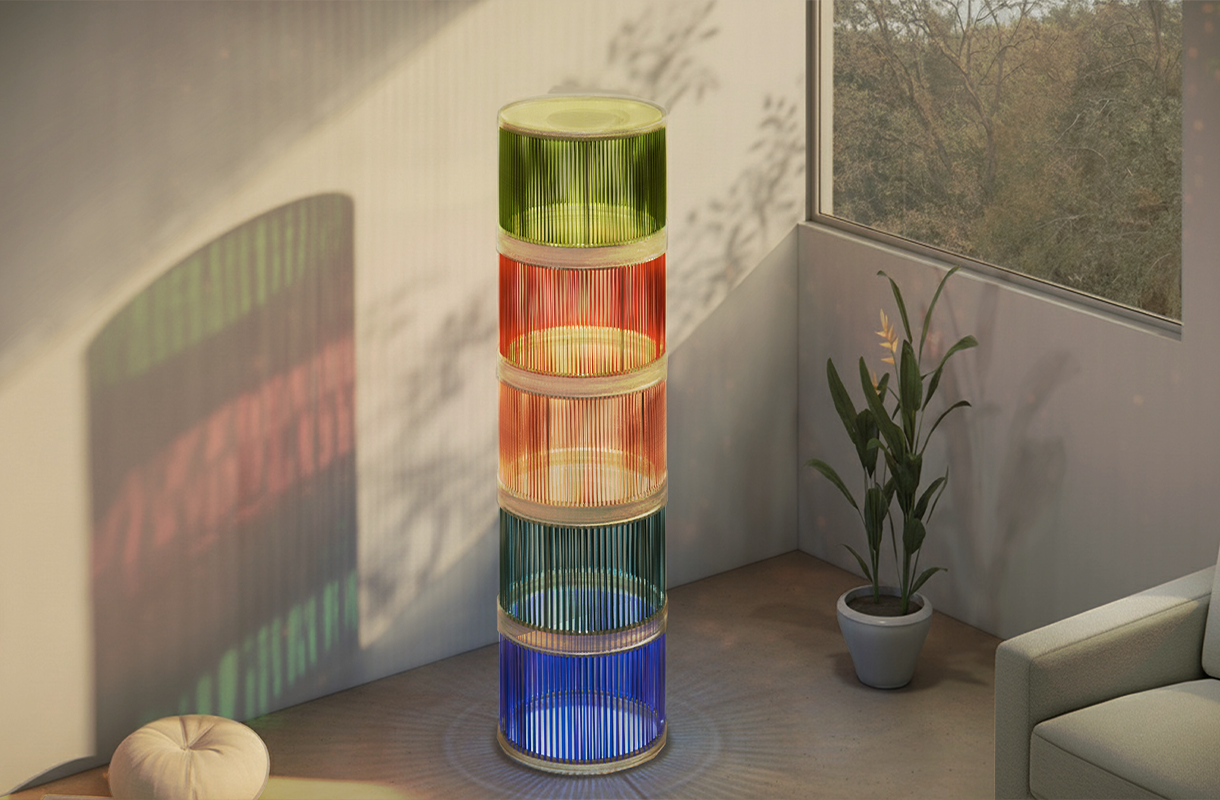
Luminous Re-weave is a lighting installation by Ling Sha and Yucheng Tang that brings together craft, technology, and circular design. It shows how discarded textiles can take on a new life as modular, stackable light elements. The project offers fresh inspiration for architects, interior designers, product designers, and lighting designers who are exploring sustainable materials.
Weaving Light from Waste
The installation, which was shown during Dutch Design Week 2025, is built from a series of metal frames combined with 3D printed covers. Each frame is hand-wrapped with reclaimed materials such as cotton T-shirts, denim, or plastic bags. This wrapping technique creates a soft, semi-transparent skin that diffuses light and adds texture.
Because the textiles come from everyday waste streams, each module carries a sense of history. Designers can see how simple textile strips can become a functional and decorative surface. The approach also makes repair and replacement easy, which supports a circular use of materials.
A Modular System for Flexible Design
Each module assembles in minutes and does not require tools. The units stack into tall columns or compact lamp-sized pieces, so designers can create both small and large installations. Thanks to the interchangeable textile skins, one set of frames can shift from a display object to a luminaire or a wayfinding feature.
This separation of structure, skin, and function encourages long-term use. When a textile covering wears out, it can be replaced without discarding the whole piece. As a result, the system supports reuse and reduces waste. It also offers designers a quick way to prototype ideas for exhibitions, interiors, pop-ups, and public spaces.
Craft Meets Digital Fabrication
Luminous Re-weave combines traditional weaving with digital production. The weaving and knotting give each module a tactile and personal character. At the same time, the 3D printed parts provide accuracy and make the system easy to assemble and repeat.
This blend of craft and digital tools offers useful insights for anyone working with material innovation. It shows how low-tech and high-tech methods can strengthen each other and lead to new circular design strategies.
A Continuous Material Journey
The project highlights the value of transformation. Textiles move from waste to woven surface and may later be replaced again as the design evolves. Nothing stays fixed. Instead, the modules invite ongoing adaptation and reuse.
Through this open-ended approach, Luminous Re-weave encourages designers to view materials not as single-use, but as part of a continuous cycle.
Source & photos: Dutch Design Week / Luminous Re-Weave

Comments