MaterialDistrict Utrecht 2026 Brings Material Innovation to the Building Industry

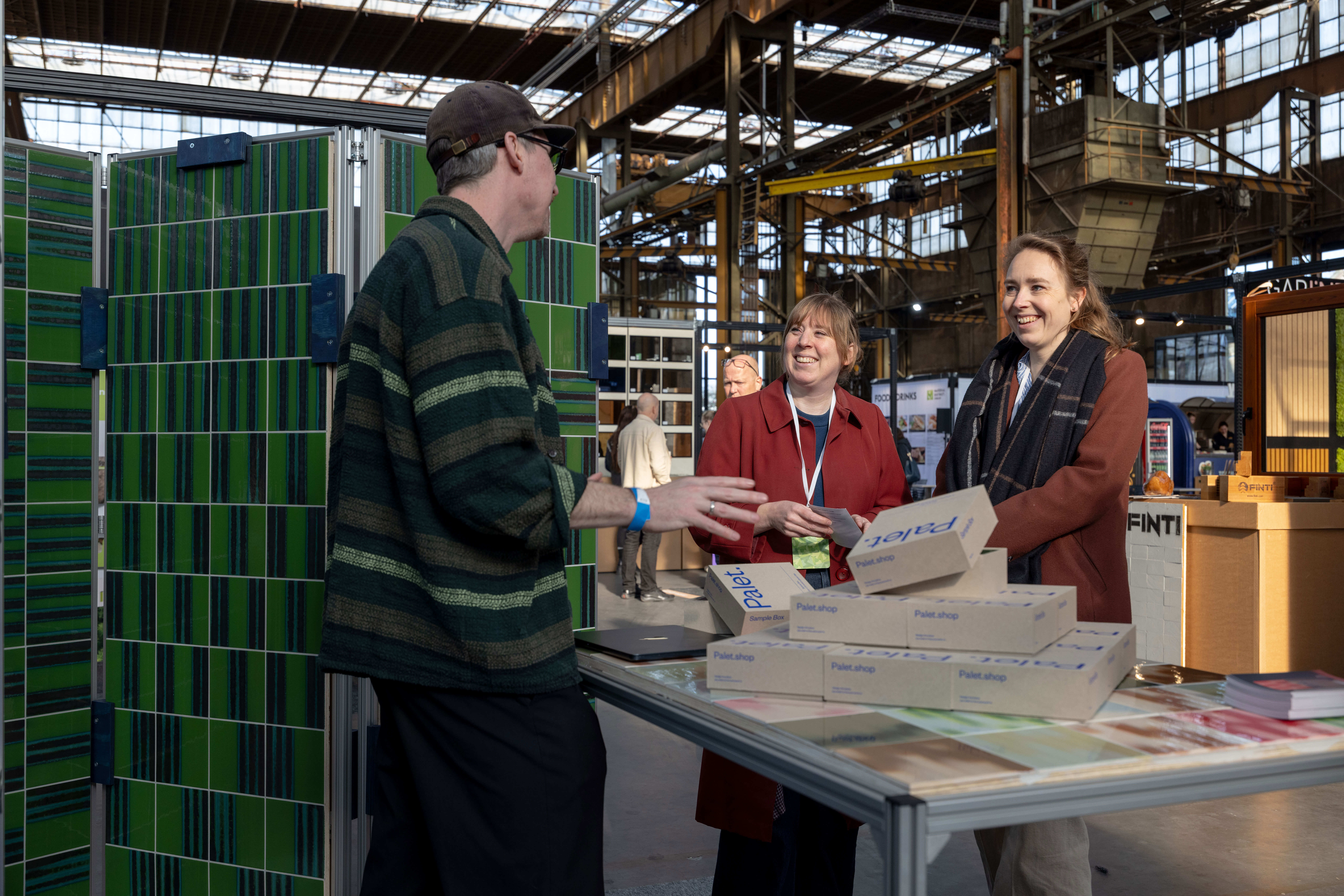
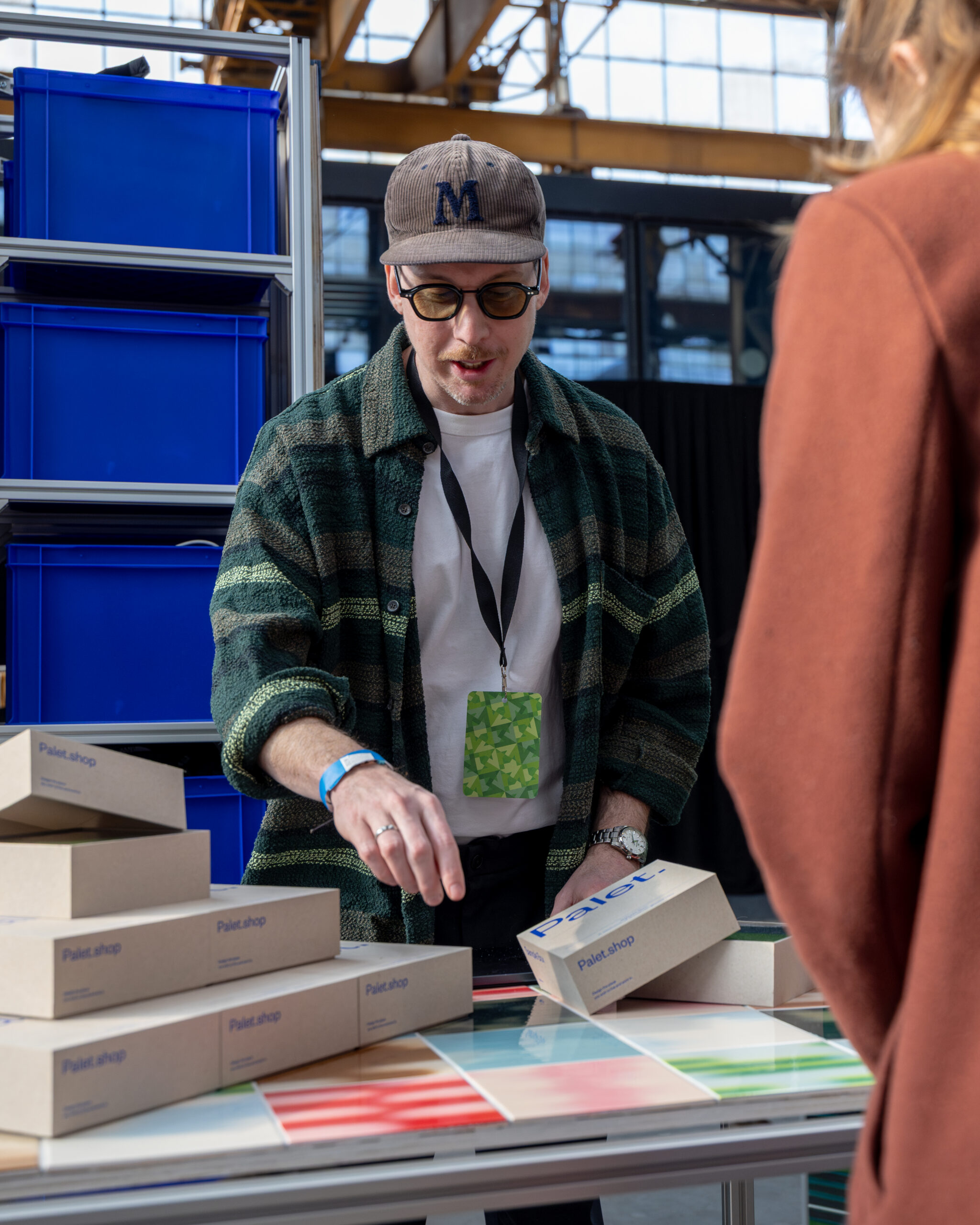
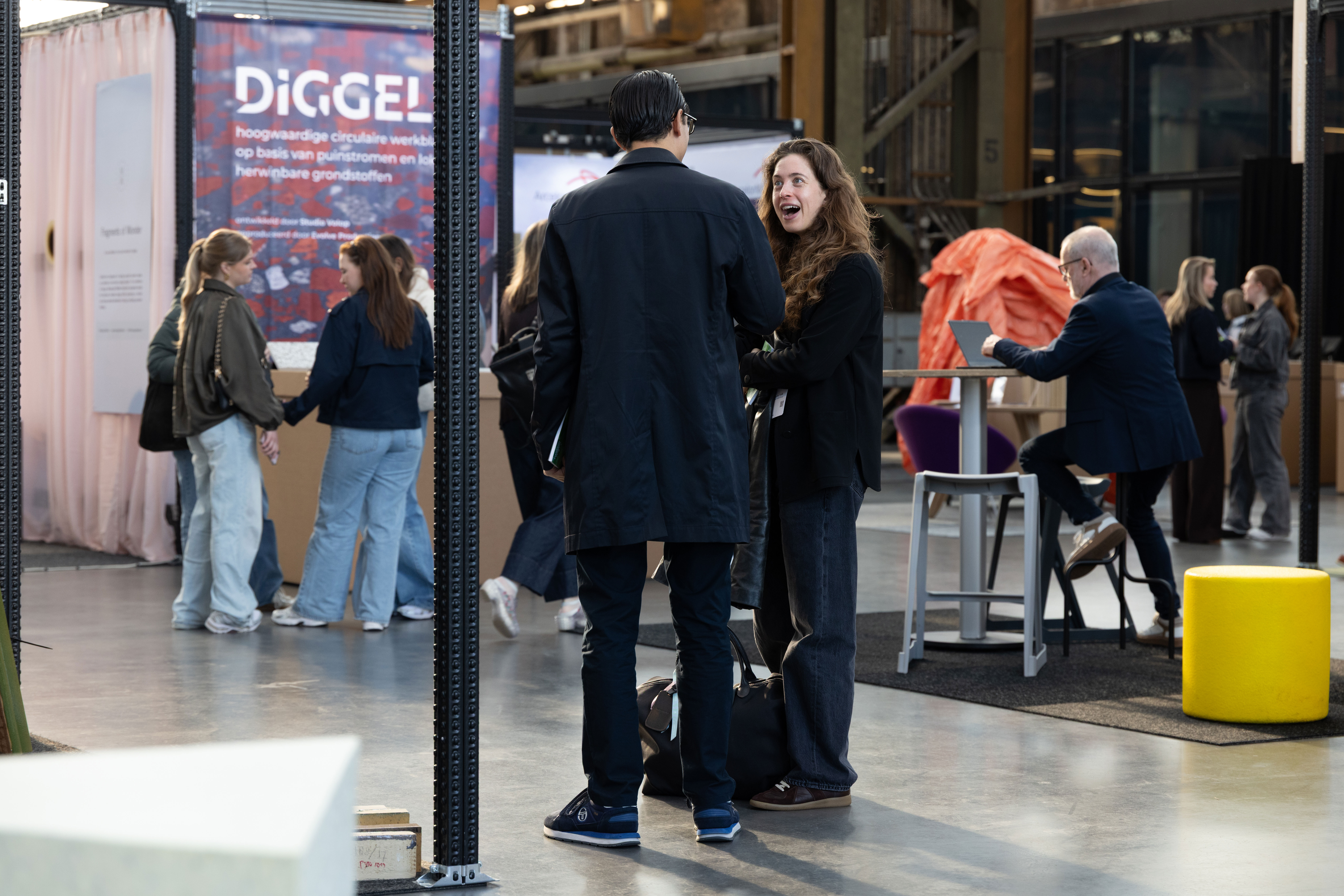
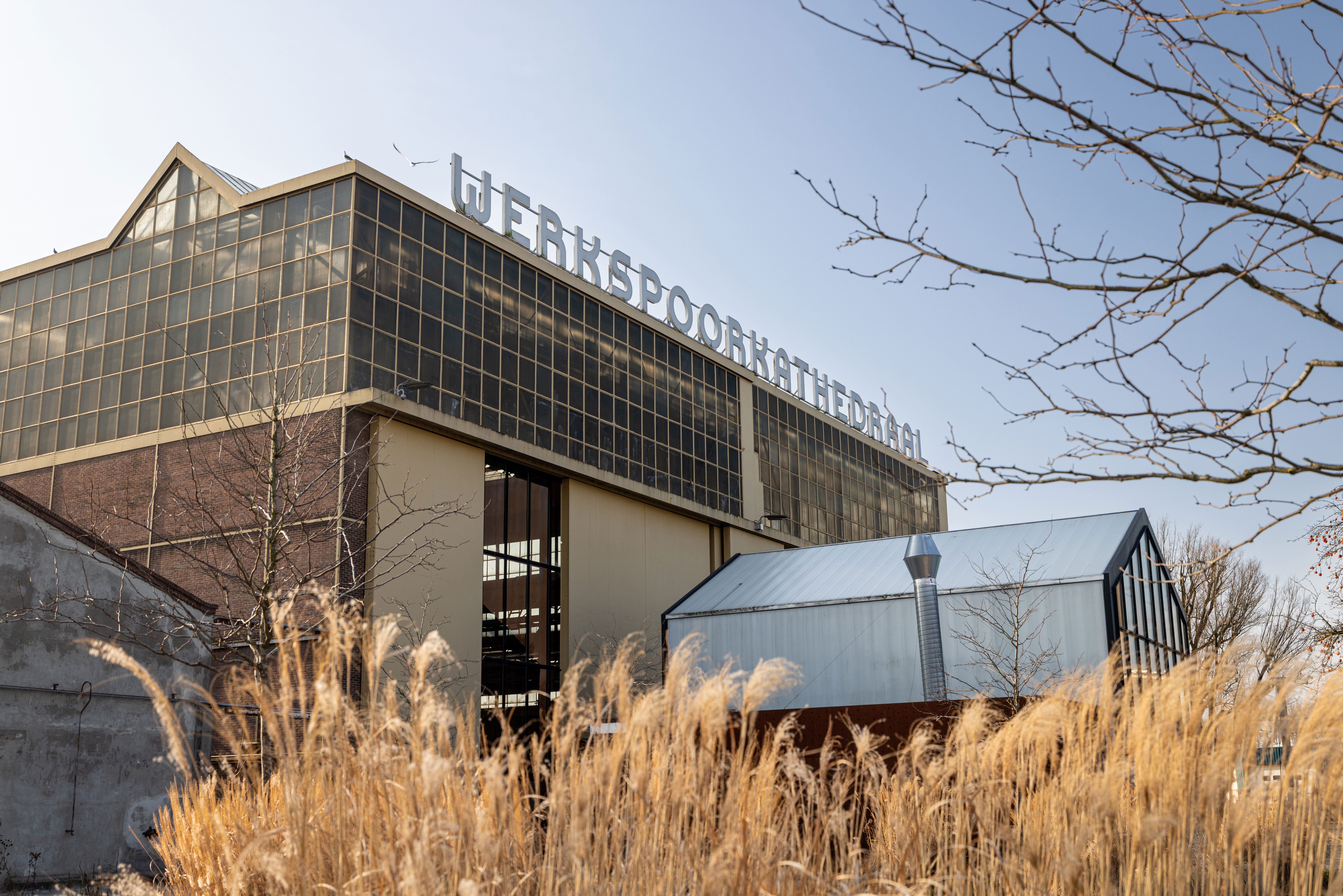
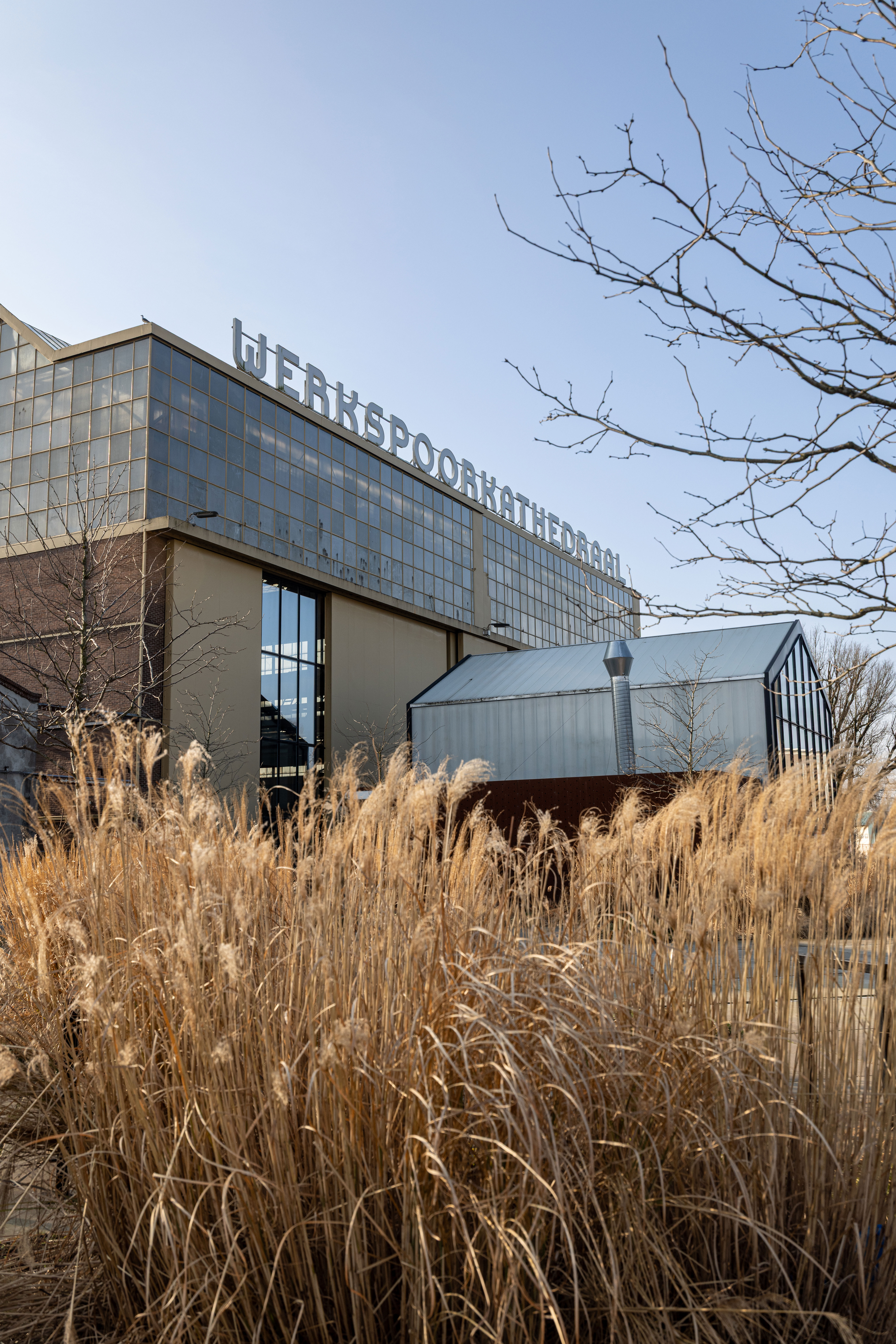
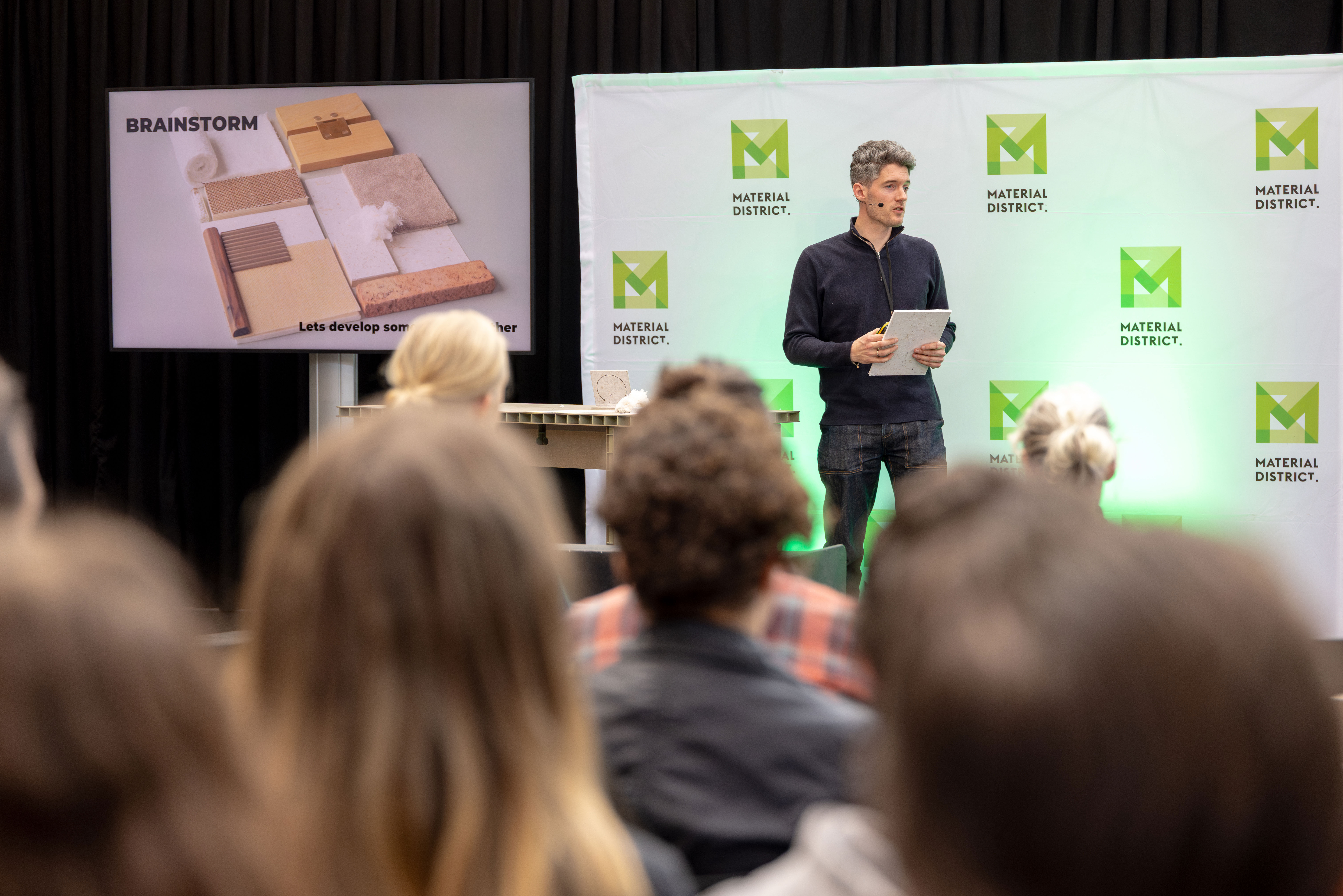
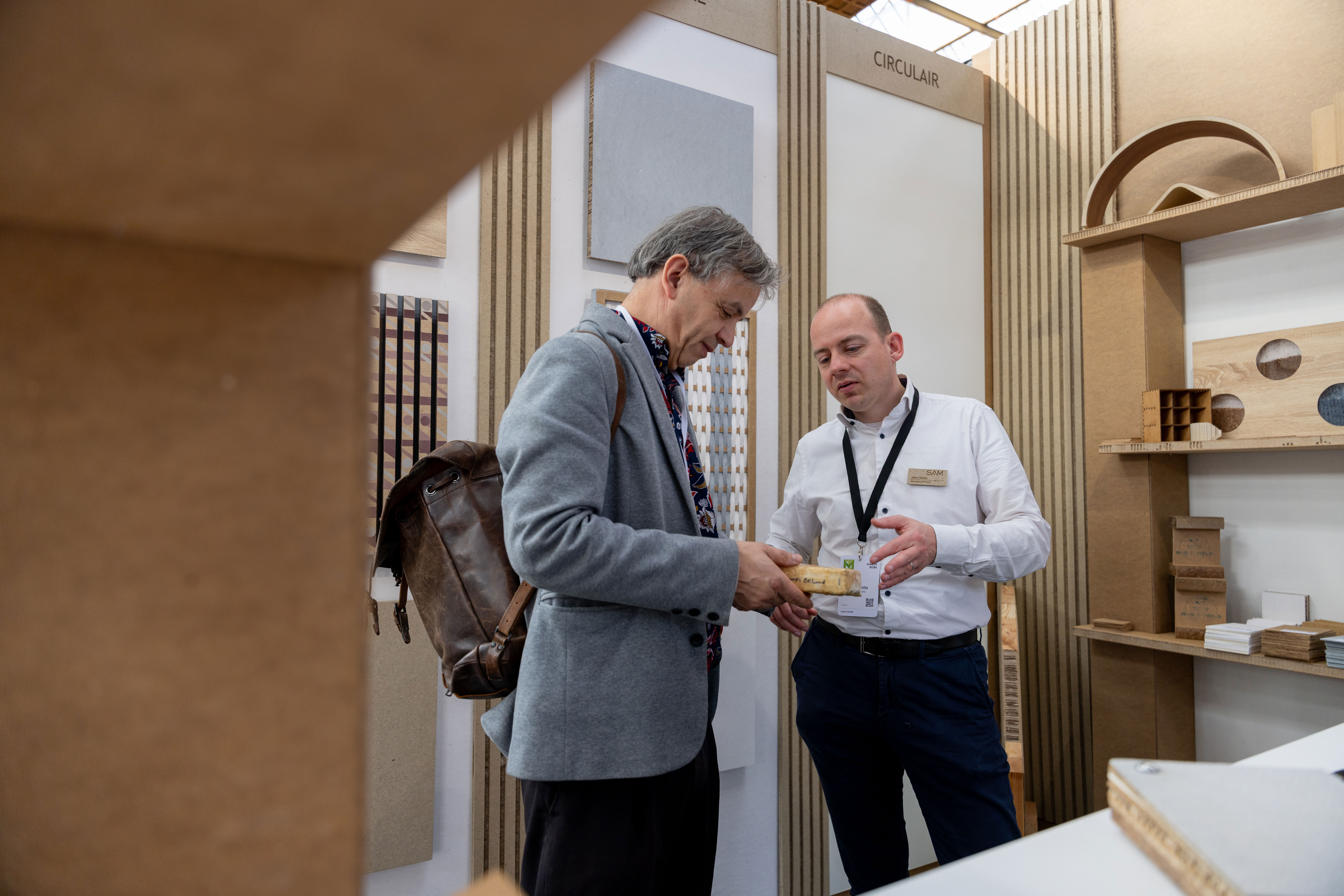
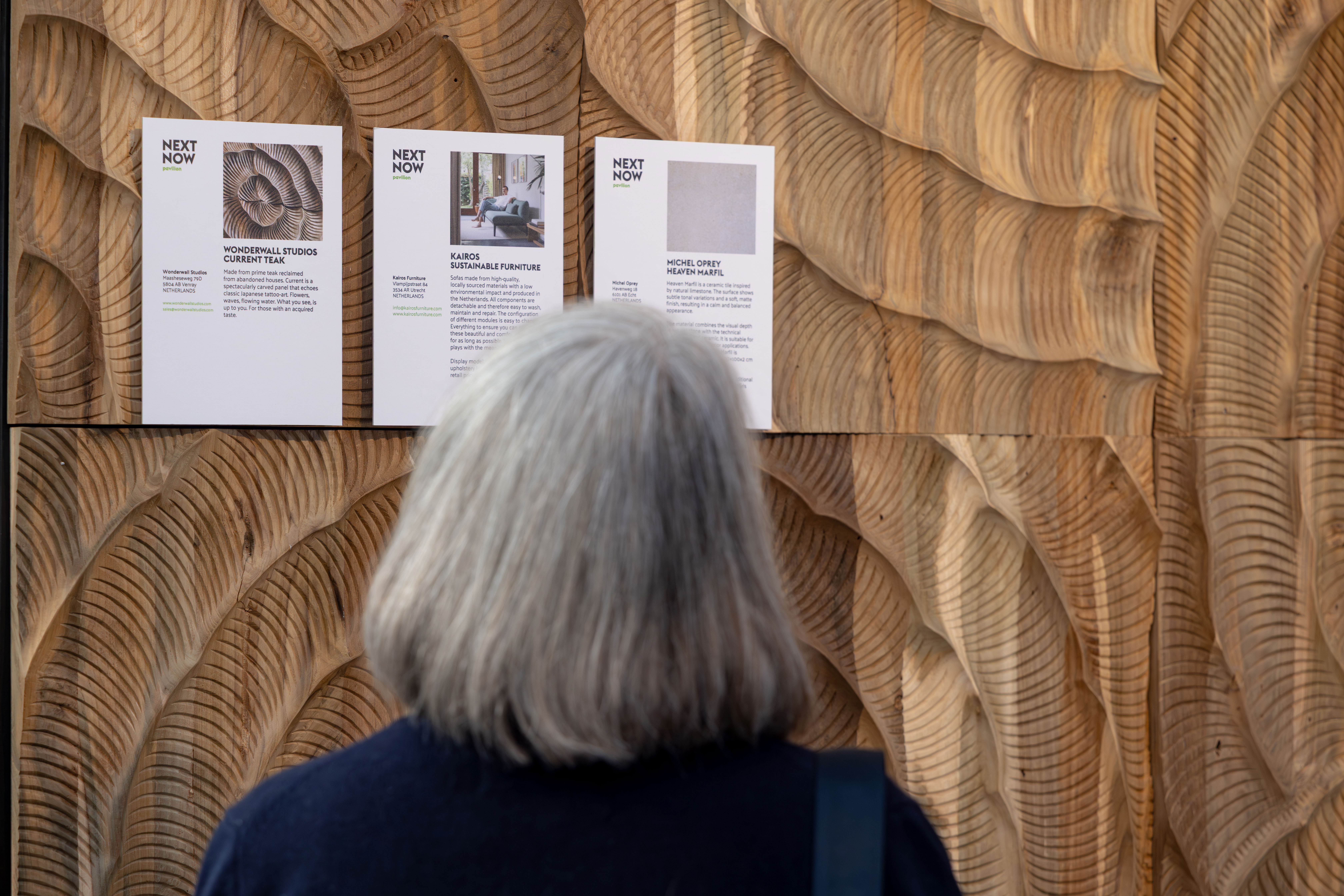
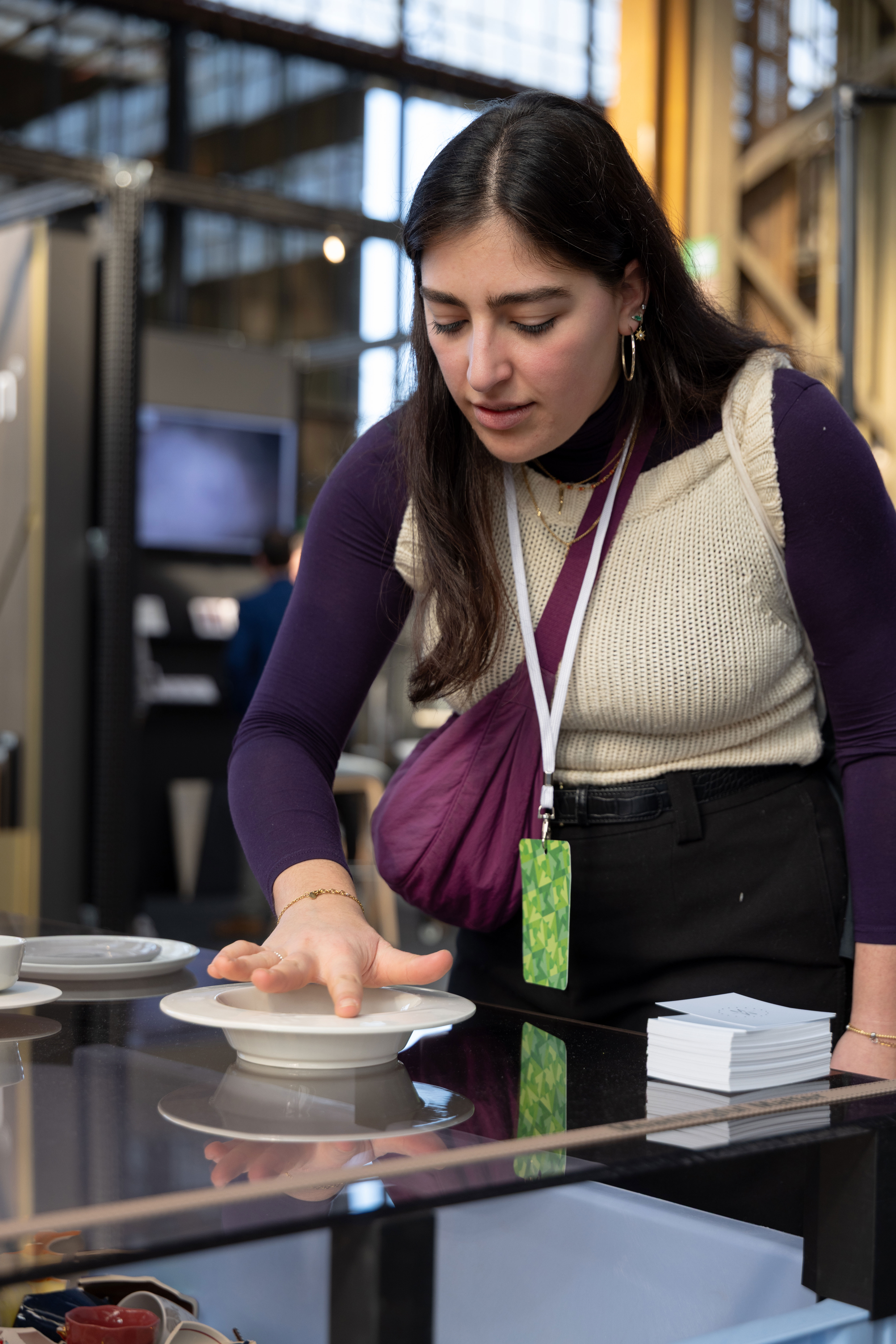
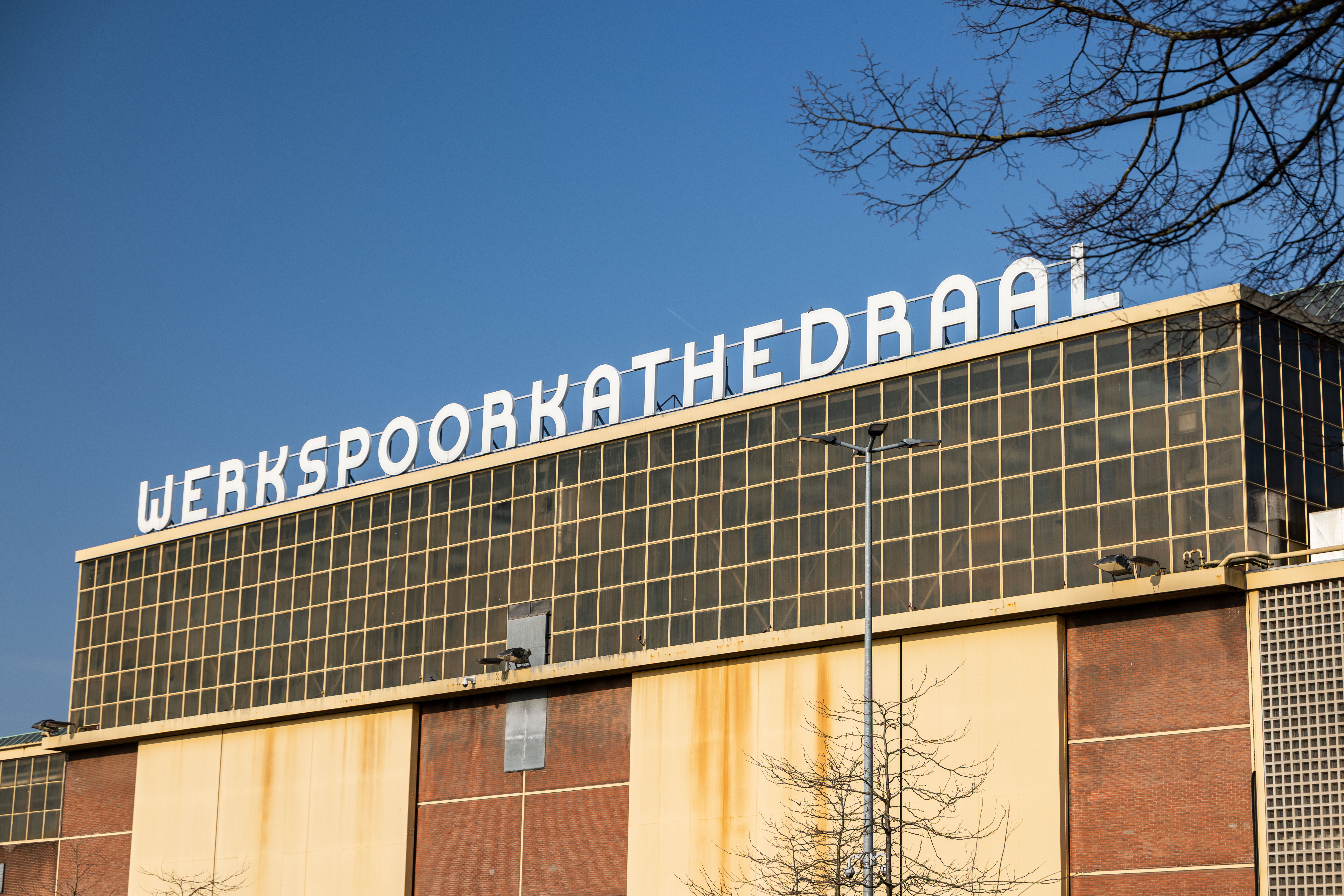
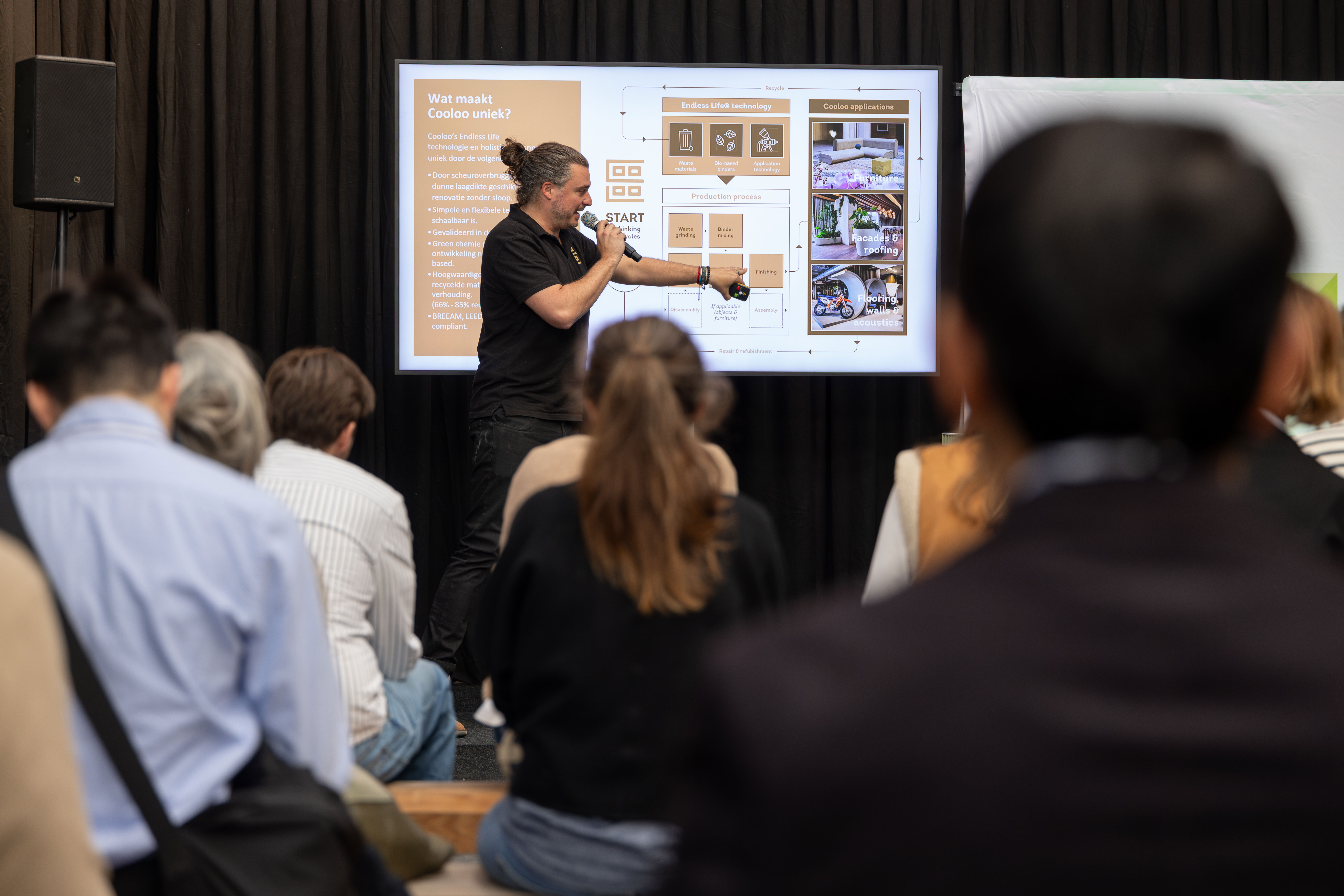
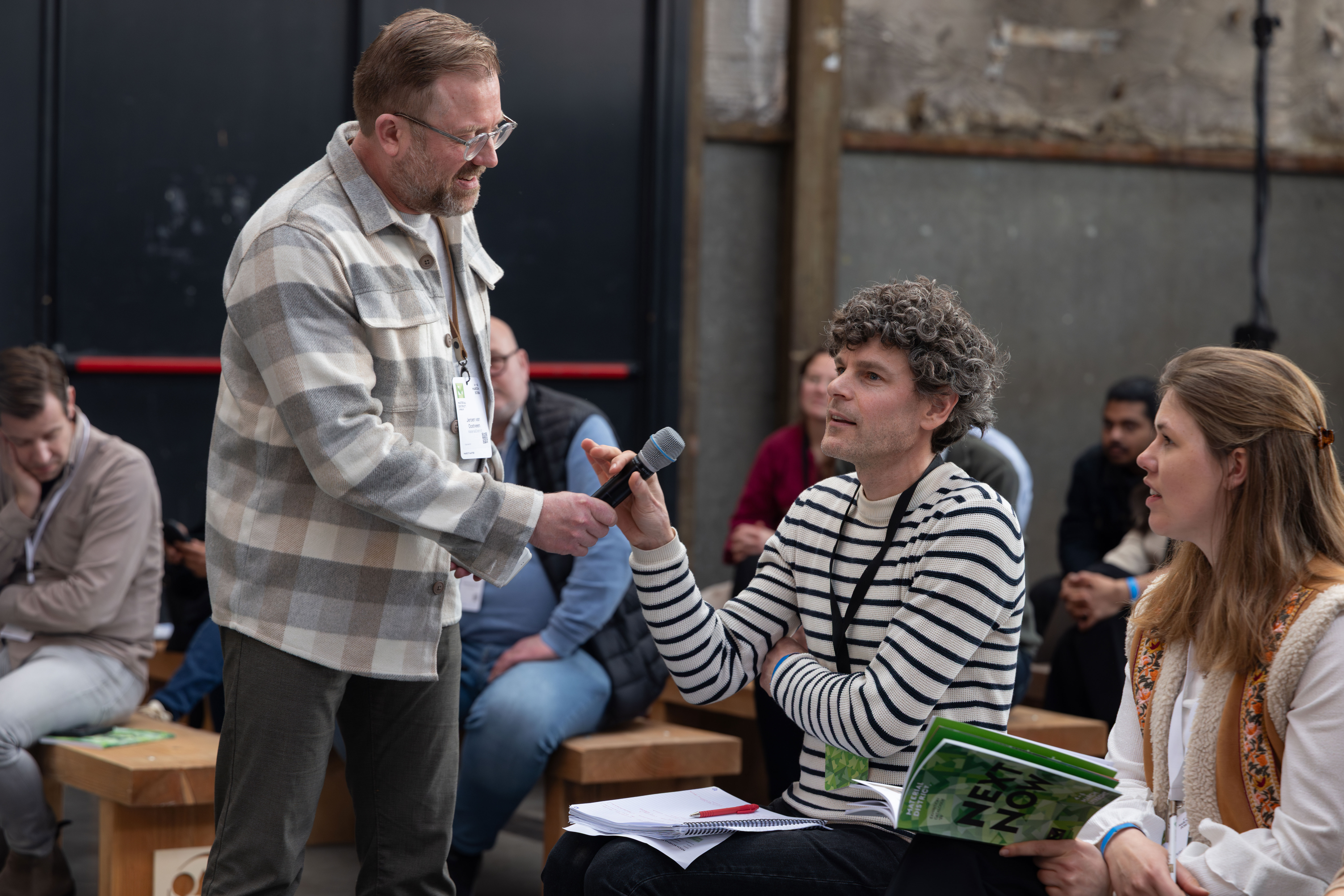
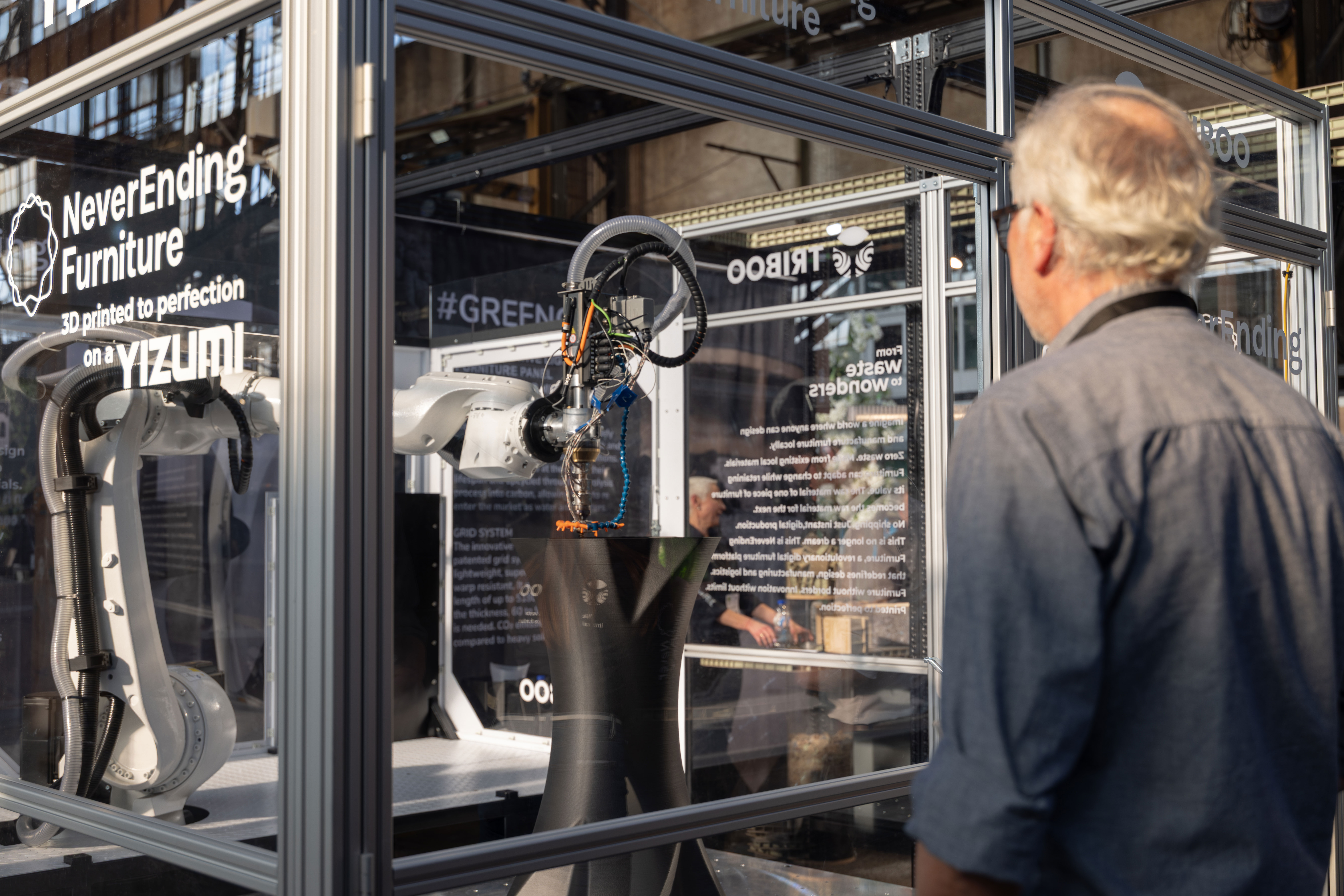
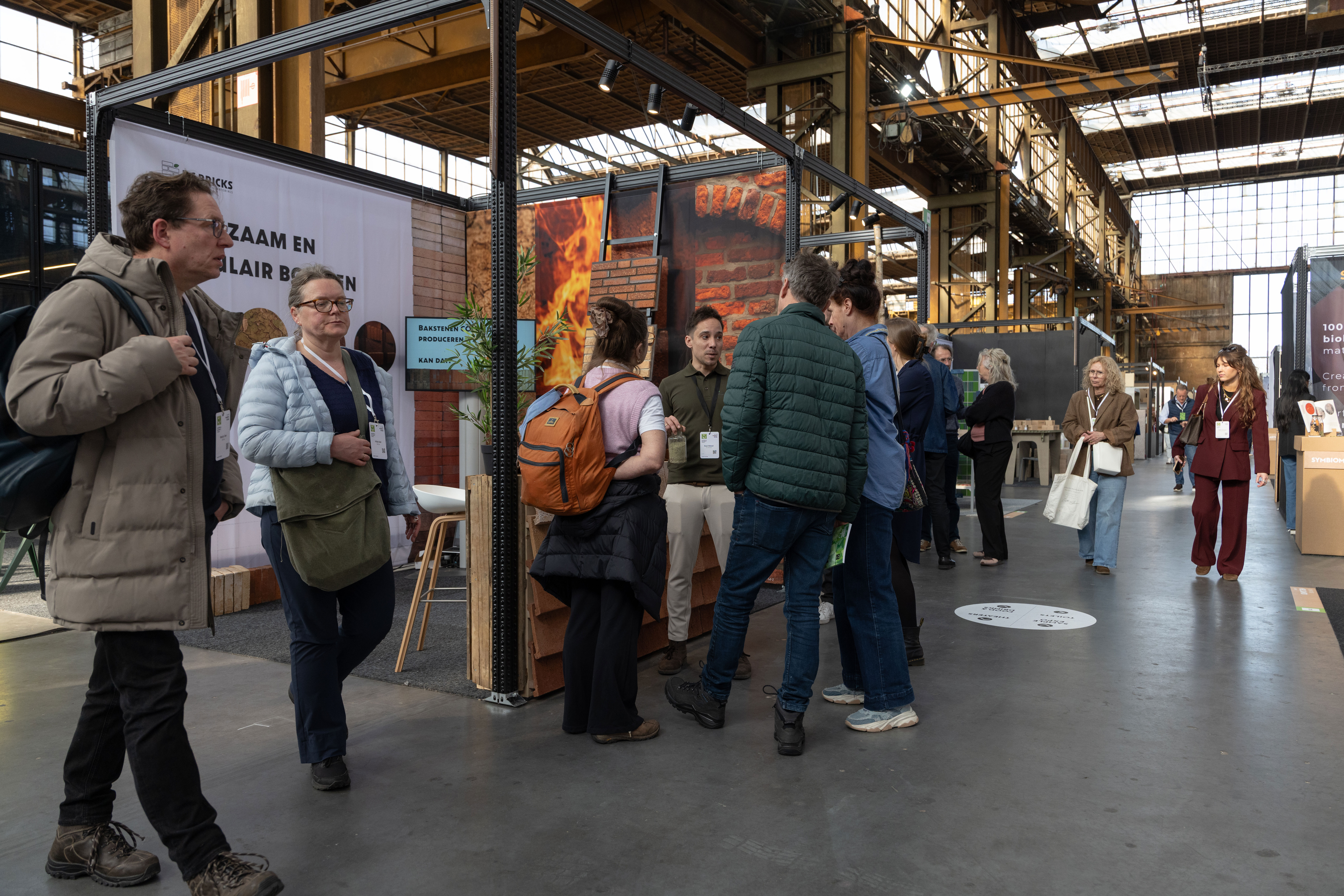
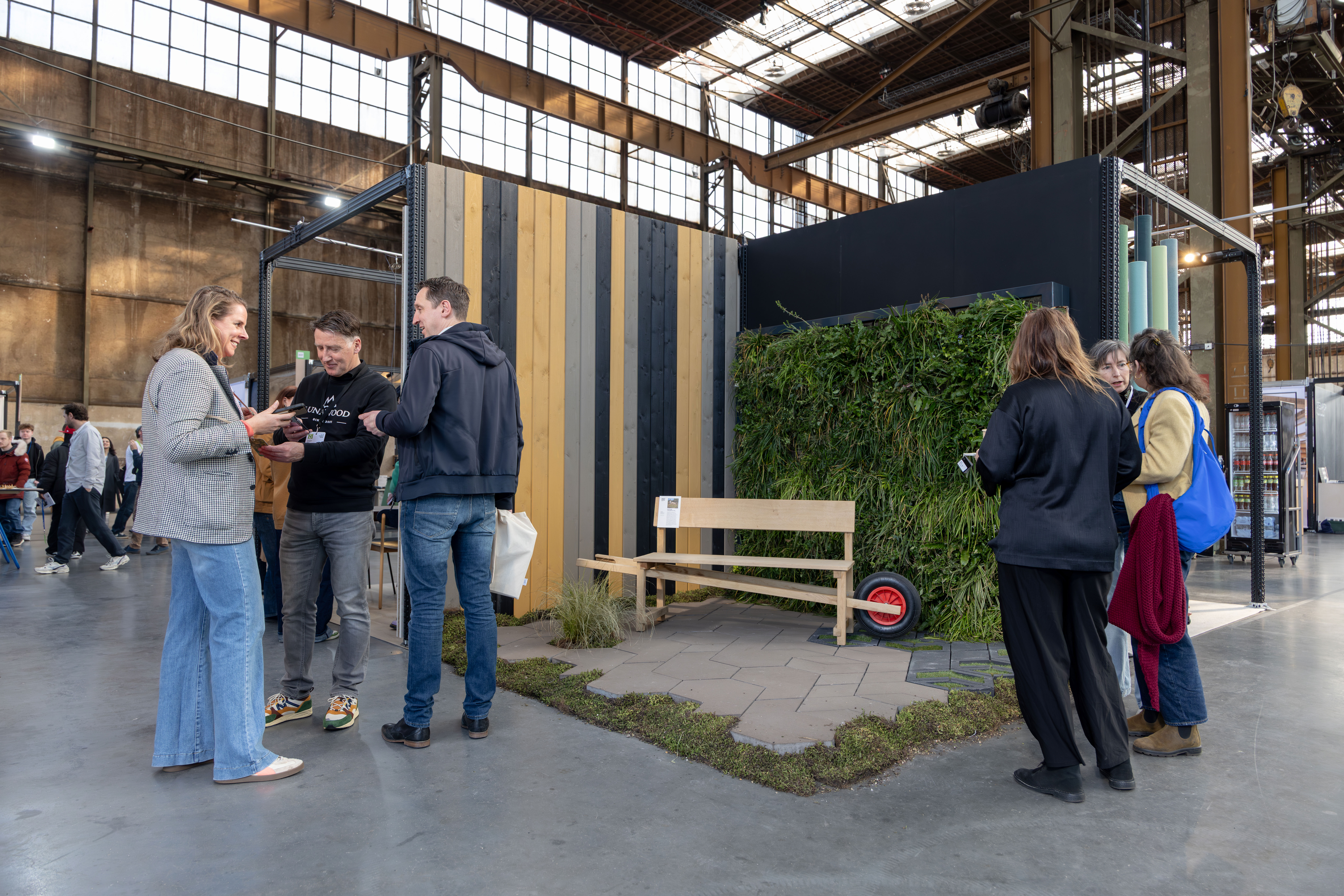
A tile that grows with the help of bacteria, façades made from residual streams of locally sourced willow wood, and acoustic panels made from mycelium, seaweed or collagen. With these and many more innovative materials, MaterialDistrict Utrecht once again took place in the characterful Werkspoorkathedraal. For three days (from 4 to 6 March), the venue transformed into a dynamic meeting place for professionals from the architecture and interior design sectors.
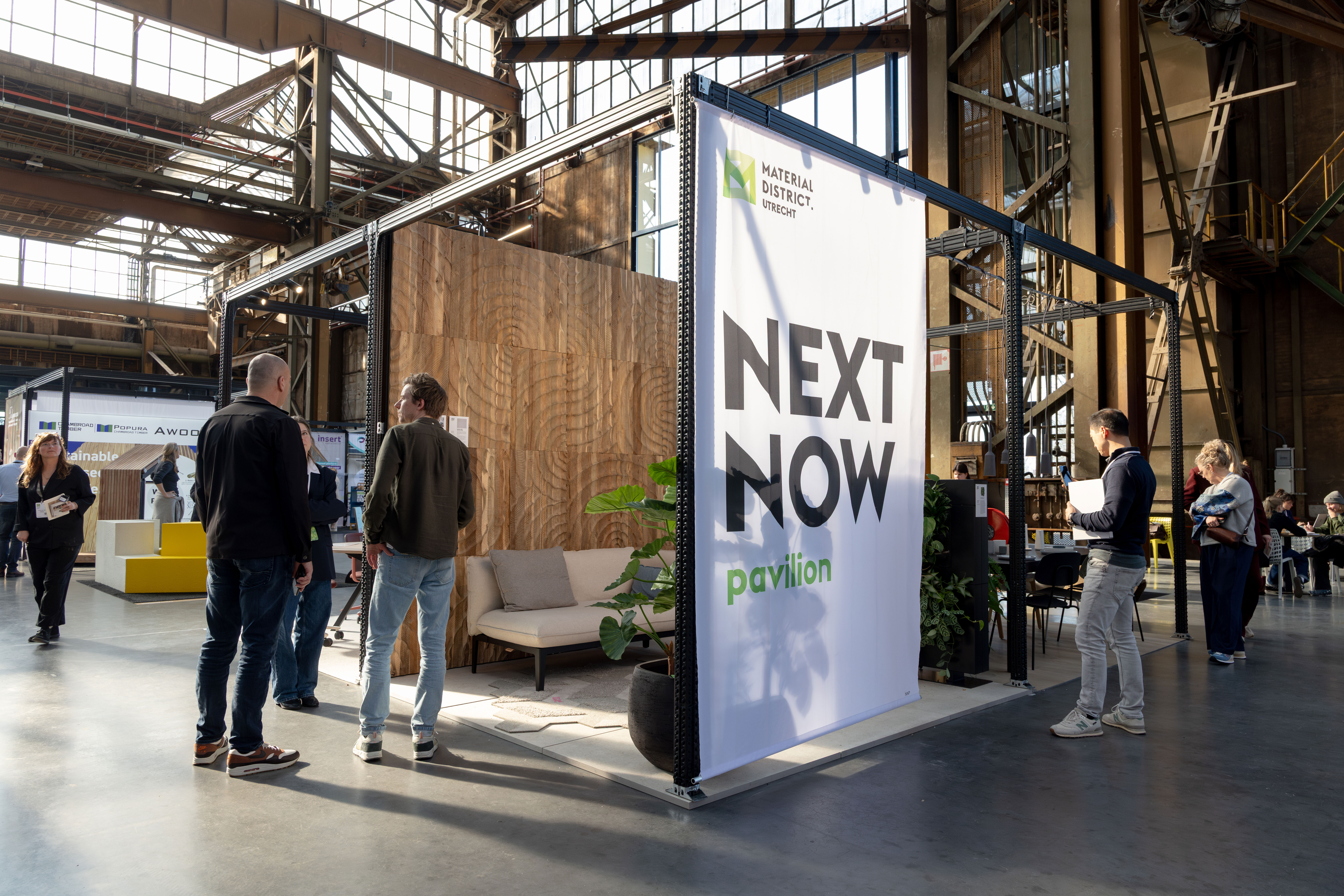
MaterialDistrict Utrecht, now one of Europe’s leading events in the field of material innovation for architecture and design, continues to evolve. While the event was for many years primarily a source of inspiration for designers and material scouts, the focus is increasingly shifting towards practical applications. New initiatives such as the NextNow pavilion, the Tomorrow’s Timber Talks and the collaboration with construction company TBI demonstrate how material innovations are increasingly finding their way into the building industry.
A Meeting Place for the Materials Community
It is precisely this combination of inspiration, knowledge exchange and new collaborations that makes MaterialDistrict Utrecht a regular meeting place for the international materials community. Established manufacturers, start-ups, designers, researchers and students present their innovations to architects, interior designers and other professionals from the design and construction sectors.
According to director Jeroen van Oostveen, the strength of the event lies in this unique mix of participants. “Nowhere else do you see such a broad combination of companies, start-ups, designers, researchers and students gathered together,” he says. “Here they meet, exchange knowledge and new collaborations emerge.”
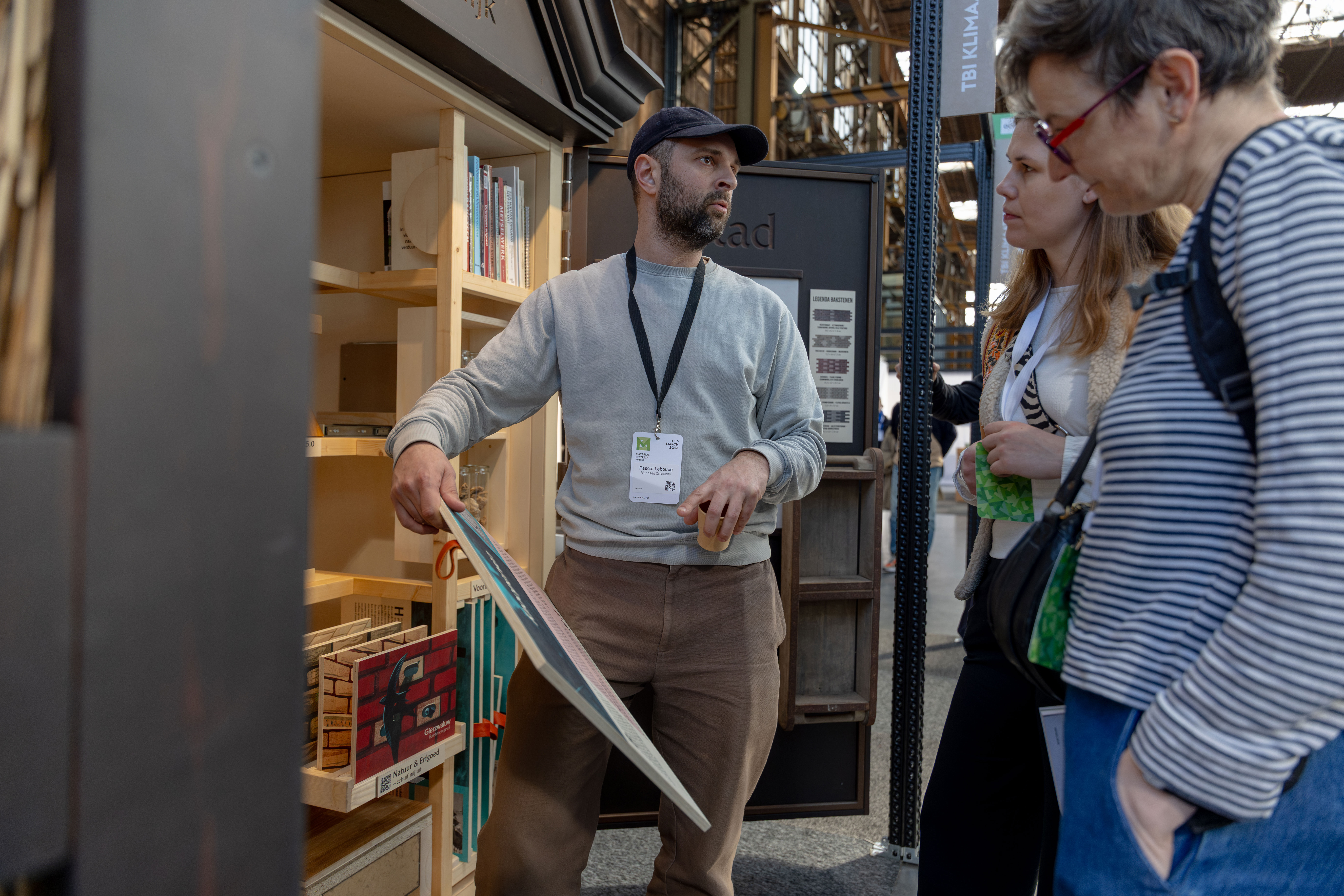
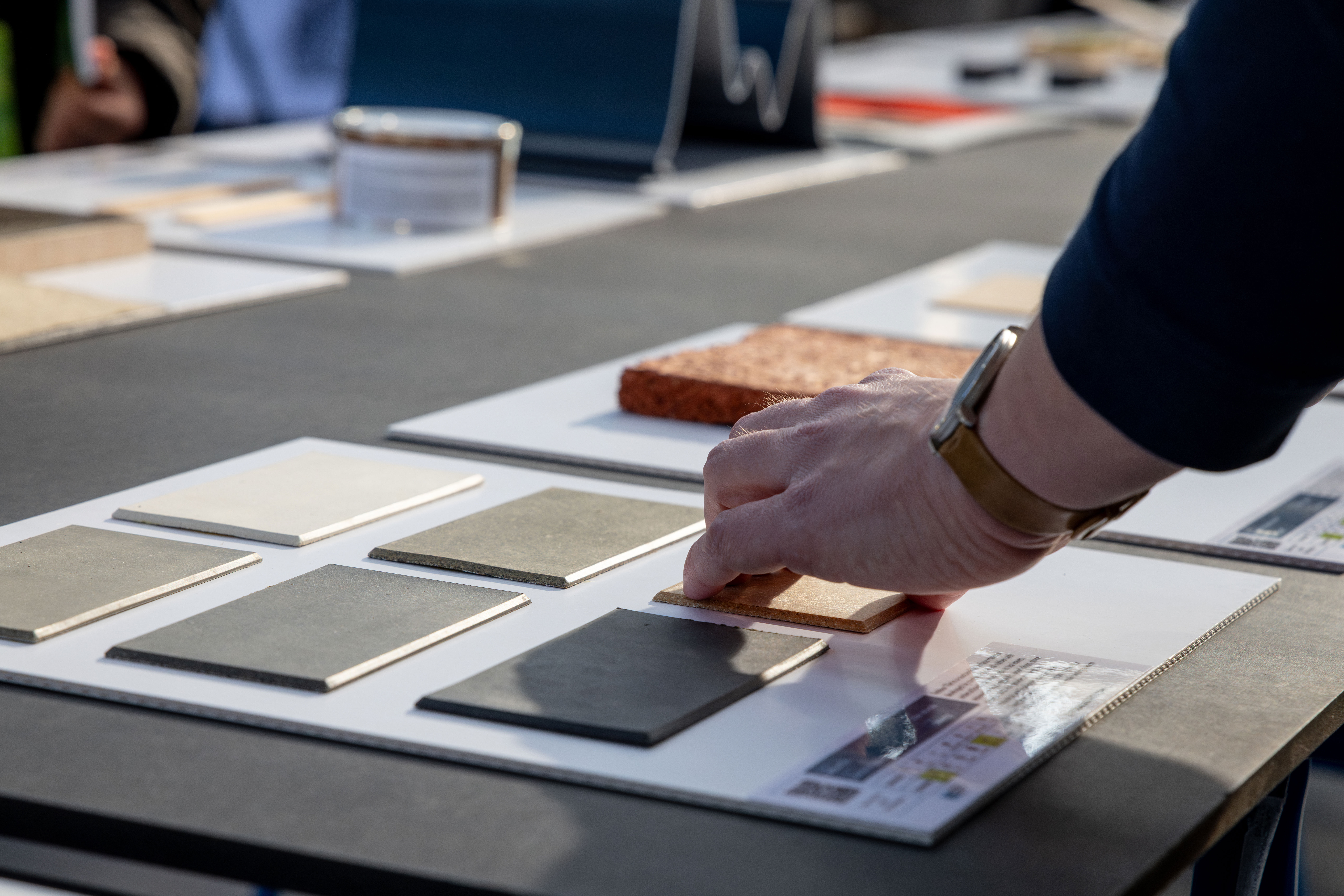
For many visitors, the event is also an opportunity to gain an overview of new material developments in a short period of time. The physical aspect plays an important role here. Materials can not only be viewed, but also touched and compared – an essential part of the design process.
For architect Jacques Dupuis, who has been attending the event for years, MaterialDistrict remains an important source of inspiration. He describes the fair as “a creatively bubbling innovation lab that generates lasting contacts and new collaborations.”
NextNow: Solutions That Already Exist Today
The central theme of this edition is NextNow. With this theme, MaterialDistrict aims to emphasise that many solutions for more sustainable construction already exist. “With the theme NextNow, we emphasise that the solutions for the future already exist. Building in a more sustainable, fair and healthy way is not something for later. The future starts now, not in five or ten years’ time,” explains Van Oostveen.
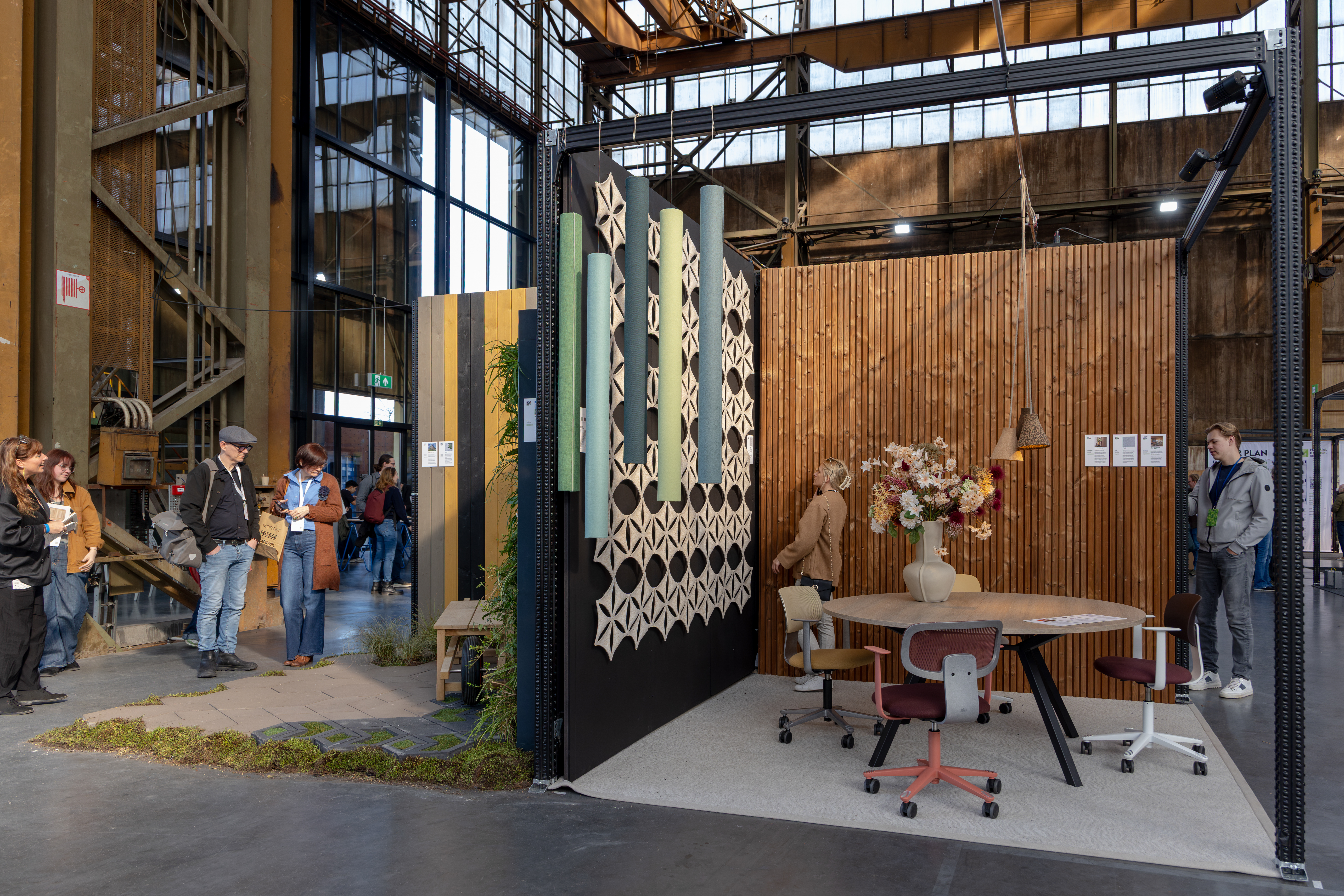
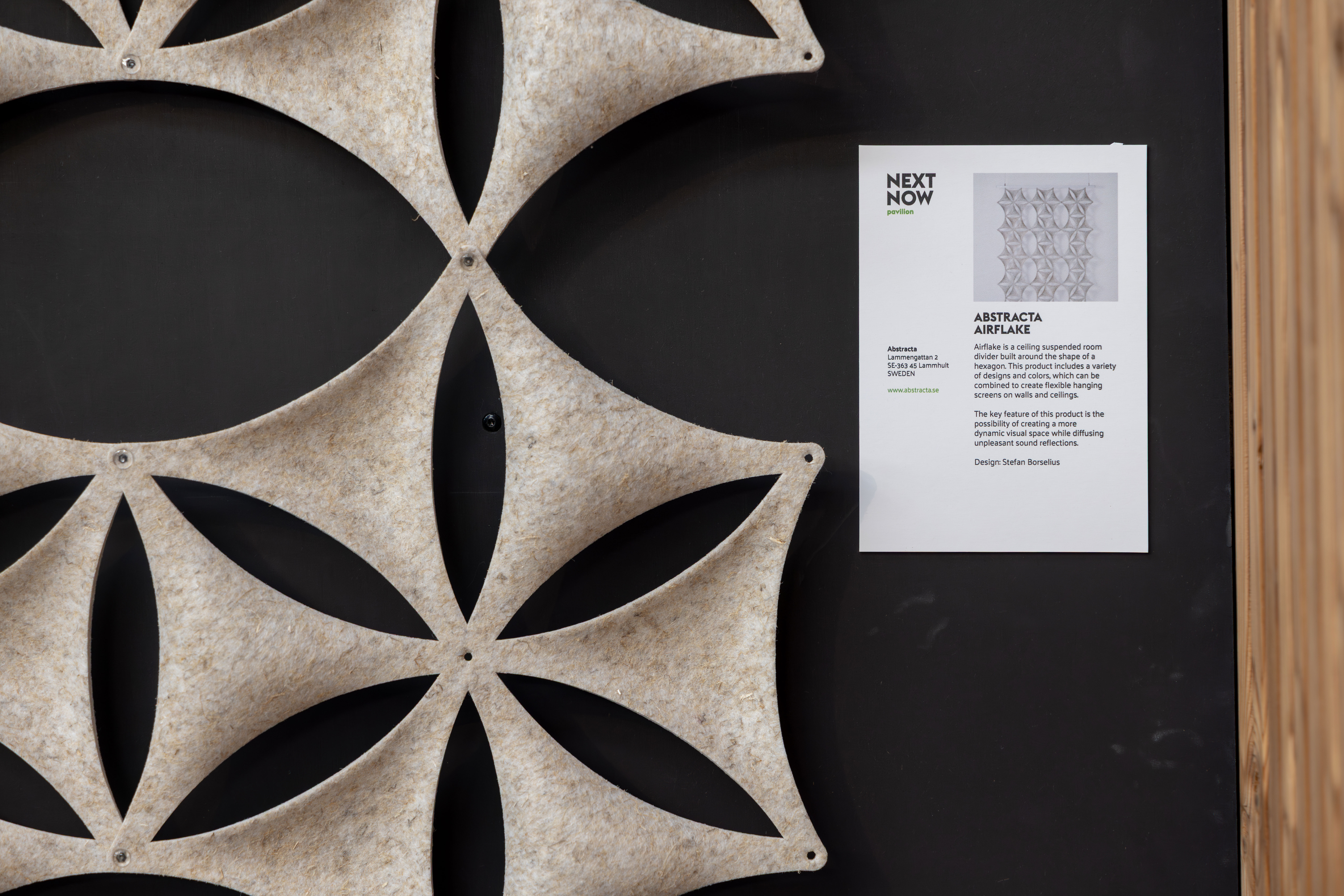
To make this idea tangible, the NextNow pavilion was introduced this year. Here, innovative materials were not only presented as samples, but also applied in recognisable interior and outdoor spaces, such as a living room and kitchen. By showing materials in a spatial context, it became clear how biobased and circular solutions can become part of everyday living and working environments.
Smart Innovations on the Exhibition Floor
The exhibition demonstrated how broadly material innovation has developed in recent years – from biobased construction materials to new applications of residual streams.
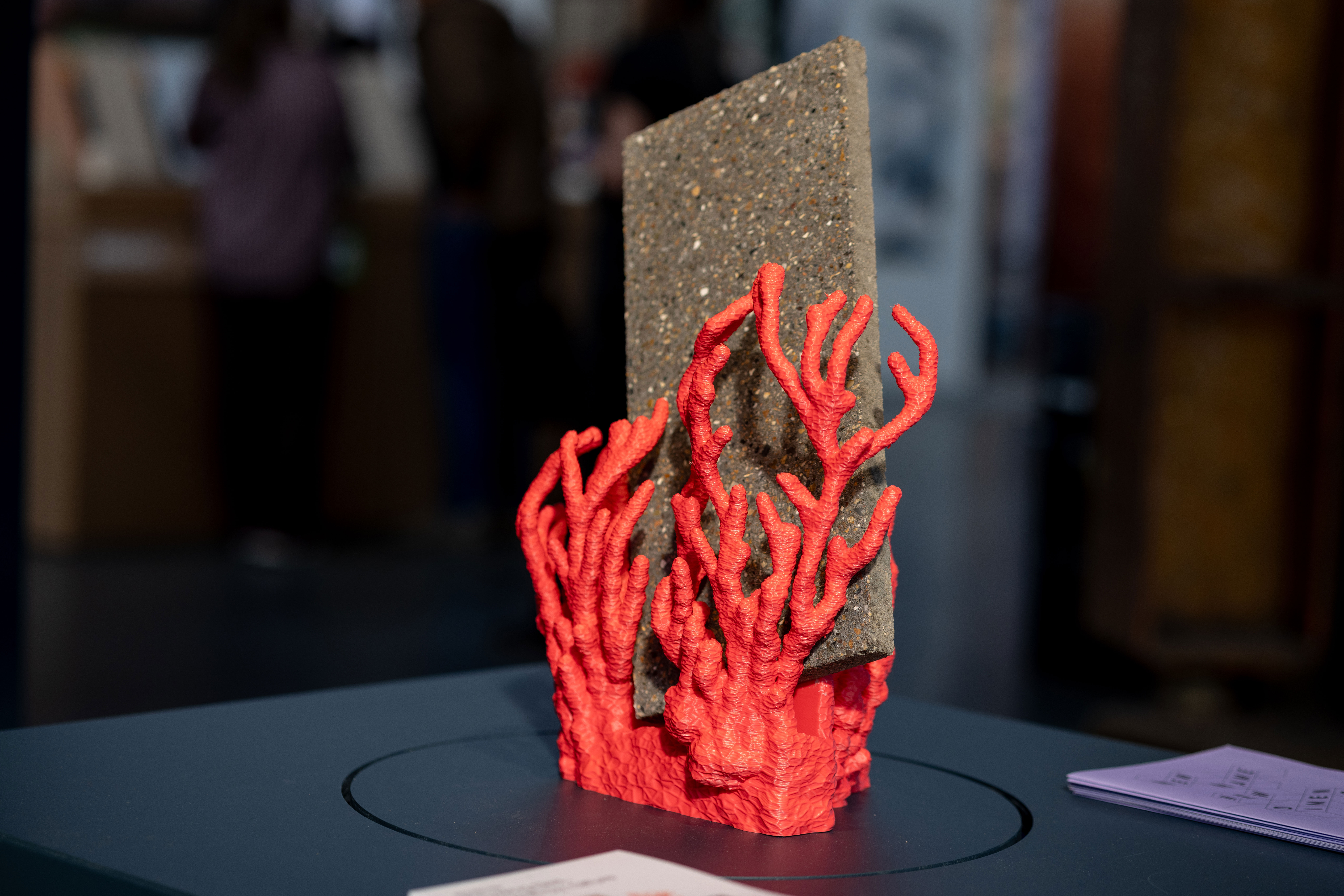
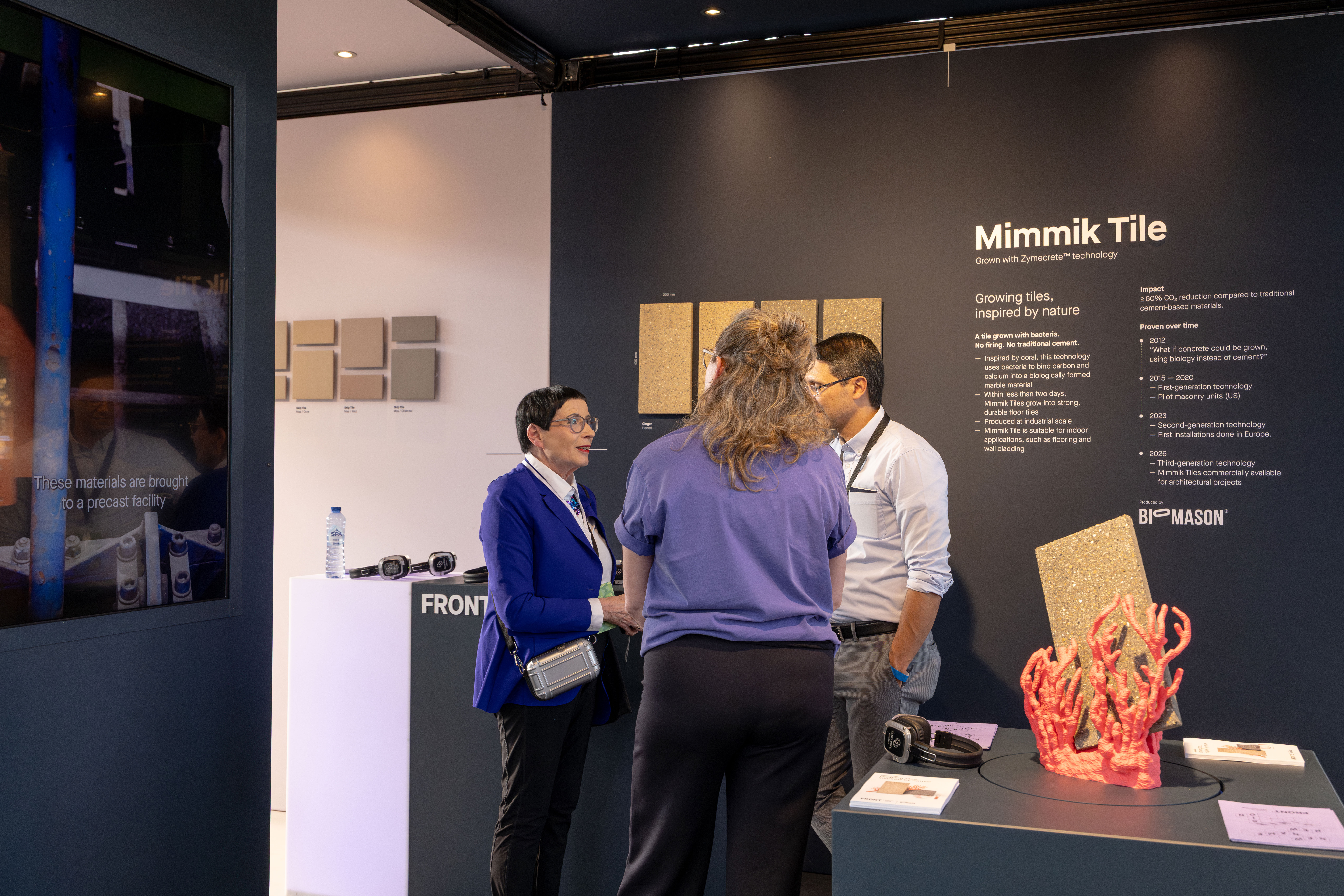
For example, Front Materials presented the Mimmik Tile, developed in collaboration with Biomason. Inspired by the way coral grows in marine ecosystems, this tile can be produced on an industrial scale with the help of bacteria. “The technology offers a solution to drastically reduce your CO₂ footprint in the production of building materials,” says Ward Massa of Front.
John Smits of SAM Panels, who followed up more than 250 new leads after the successful previous edition of MaterialDistrict Utrecht, also presented an impactful innovation this year. The company developed a structural I-beam made from local residual fibres as an alternative to traditional wooden beams and is currently working on large-scale applications in construction.
Other examples show how residual streams are increasingly being transformed into high-quality materials. DC Bricks, for instance, developed a brick made from dredged material from the IJ in collaboration with the Municipality of Amsterdam, while HempWood Nederland produces floors, panels and beams from hemp.
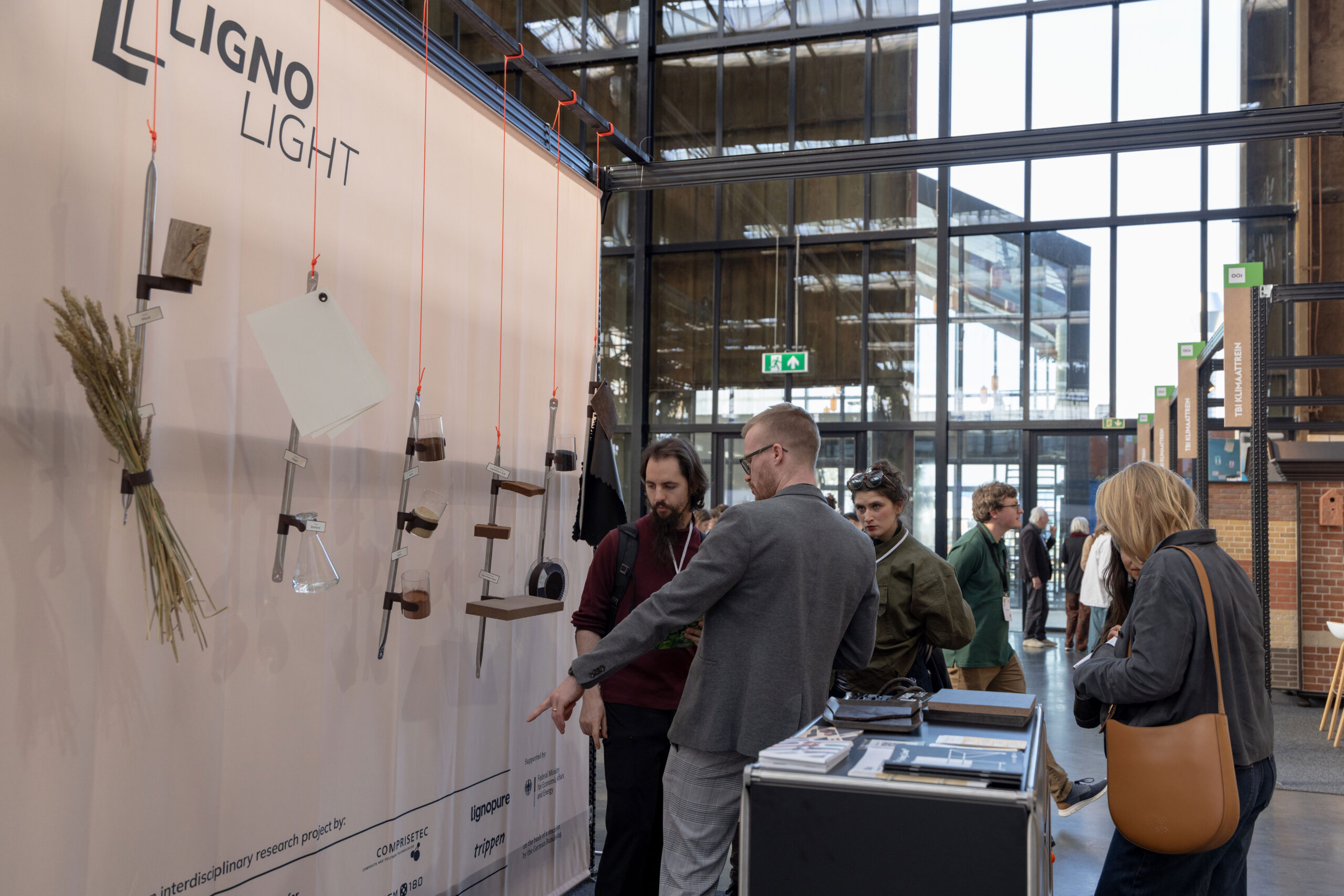
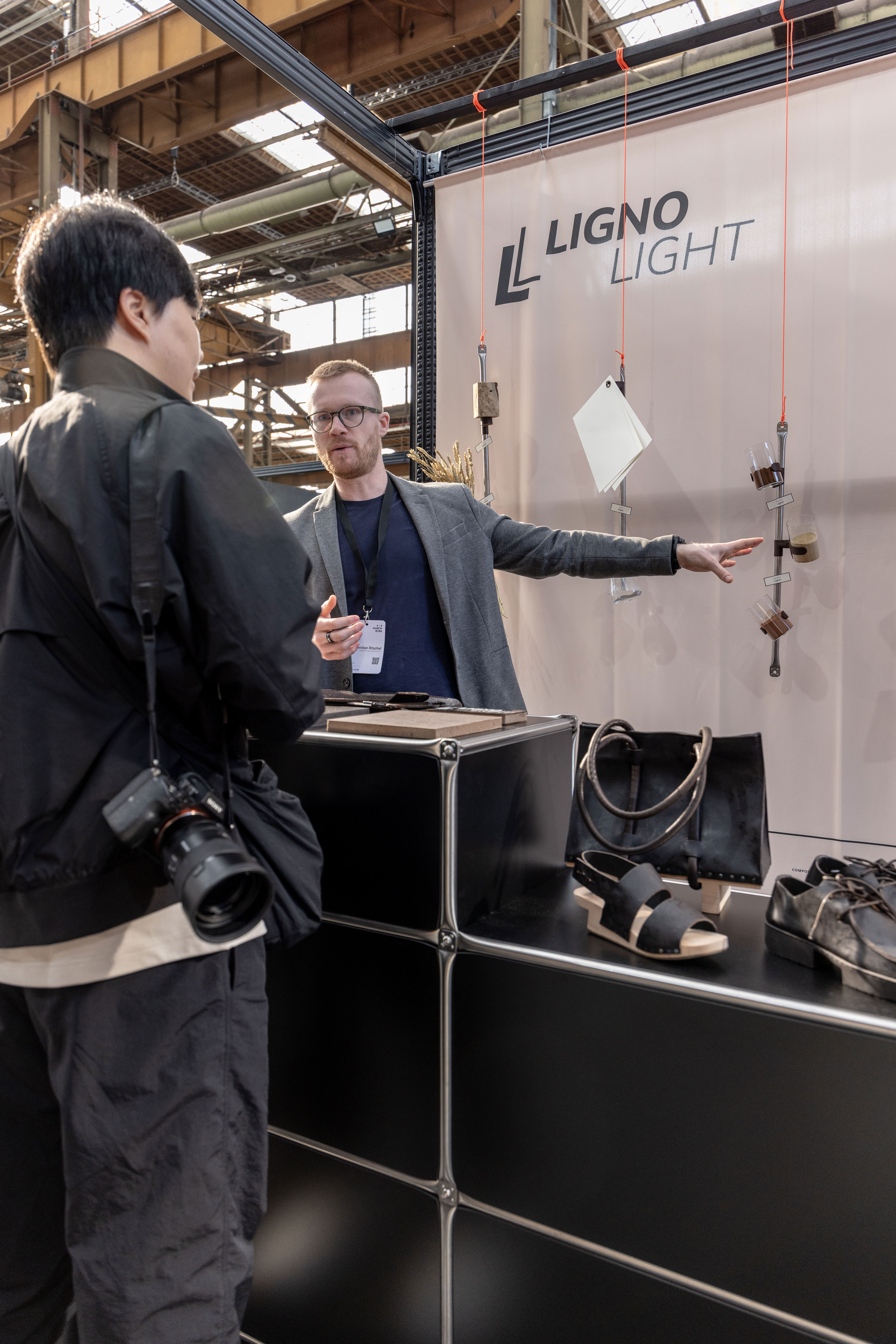
Research projects also demonstrate new possibilities for circular materials. The German interdisciplinary research and development project LignoLight, for example, explores how lignin – a by-product from the paper and cellulose industry – can be used for modular lightweight furniture and footwear, among other applications.
Another innovation came from Roofclix, a plastic click system for flat roofs that is resistant to UV radiation. According to developer Ton van Ulden, this allows the material to last up to one hundred years while also contributing to reducing heat stress on rooftops.
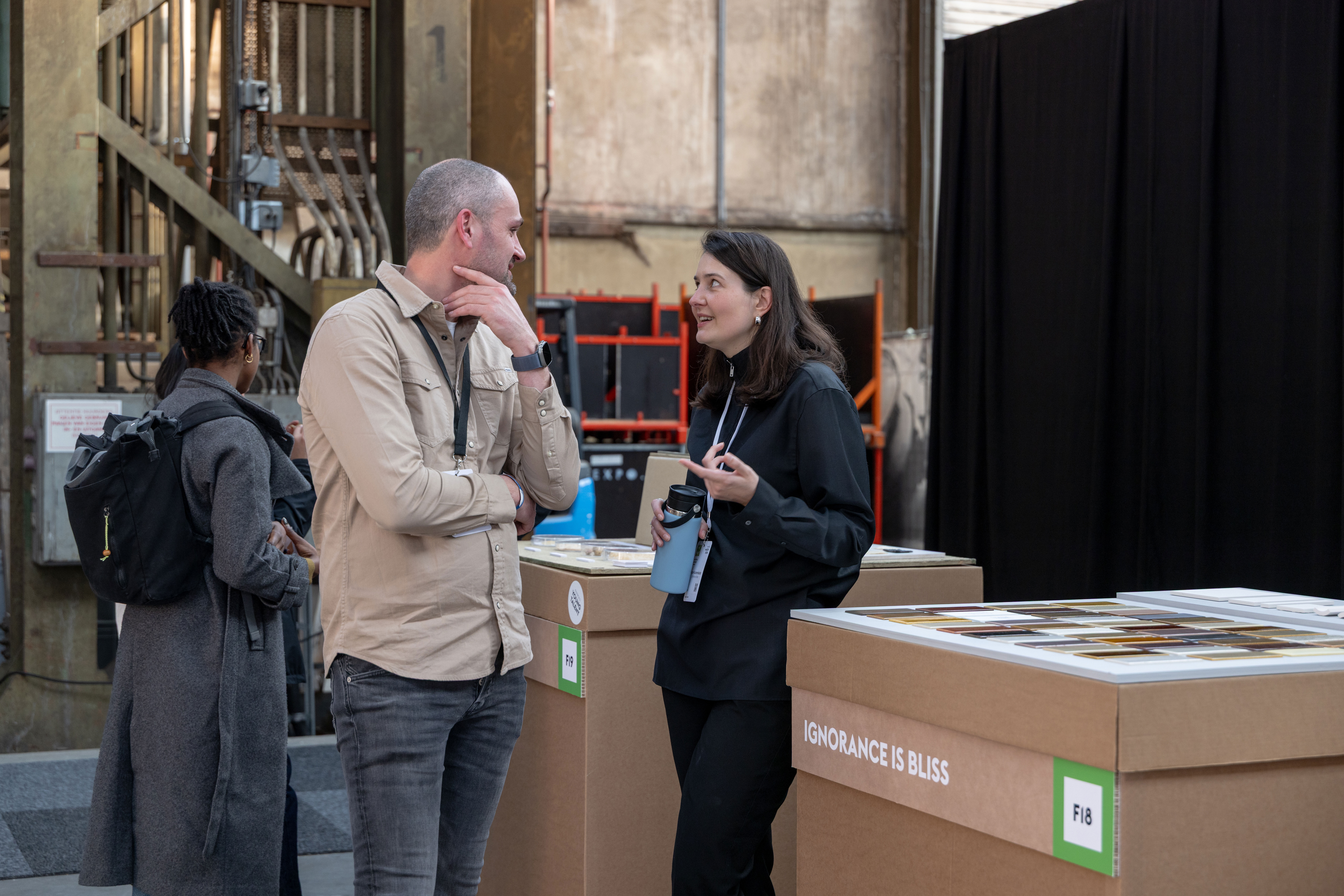
Designer Agne Kucerenkaite, who presented her tile collection Ignorance Is Bliss featuring glazes made from pigments derived from metal waste, also describes MaterialDistrict as a unique fair:
“It is the only B2B fair I participate in. It is dynamic and I meet international designers, press and sustainability consultants here.”
From Material Innovation to Construction Practice
An important step towards practical application this year was the collaboration with TBI, one of the Netherlands’ largest construction and engineering companies. Through the TBI Klimaattrein community, an initiative was launched together with MaterialDistrict to accelerate the development and implementation of sustainable and circular material innovations in building projects.
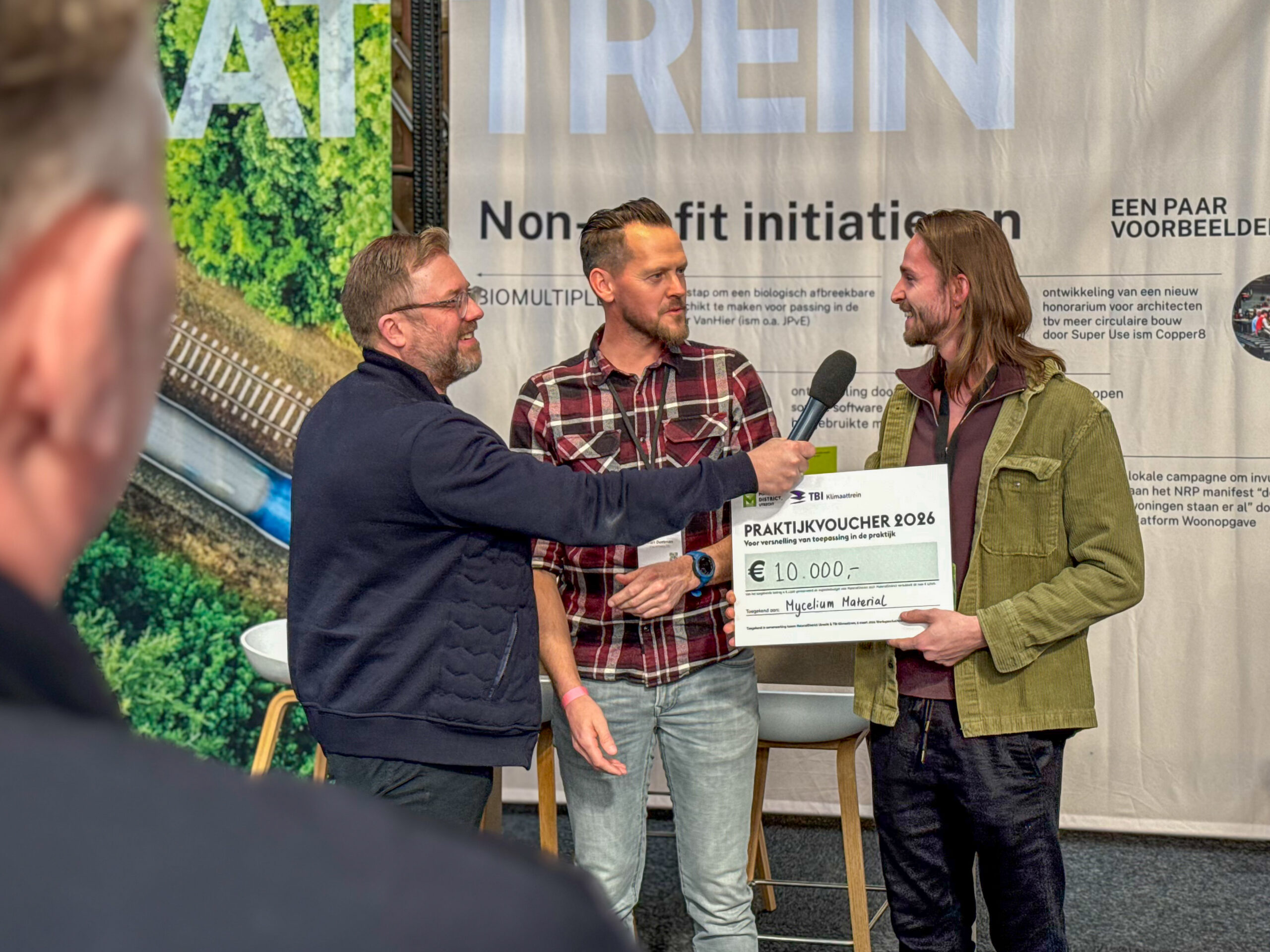
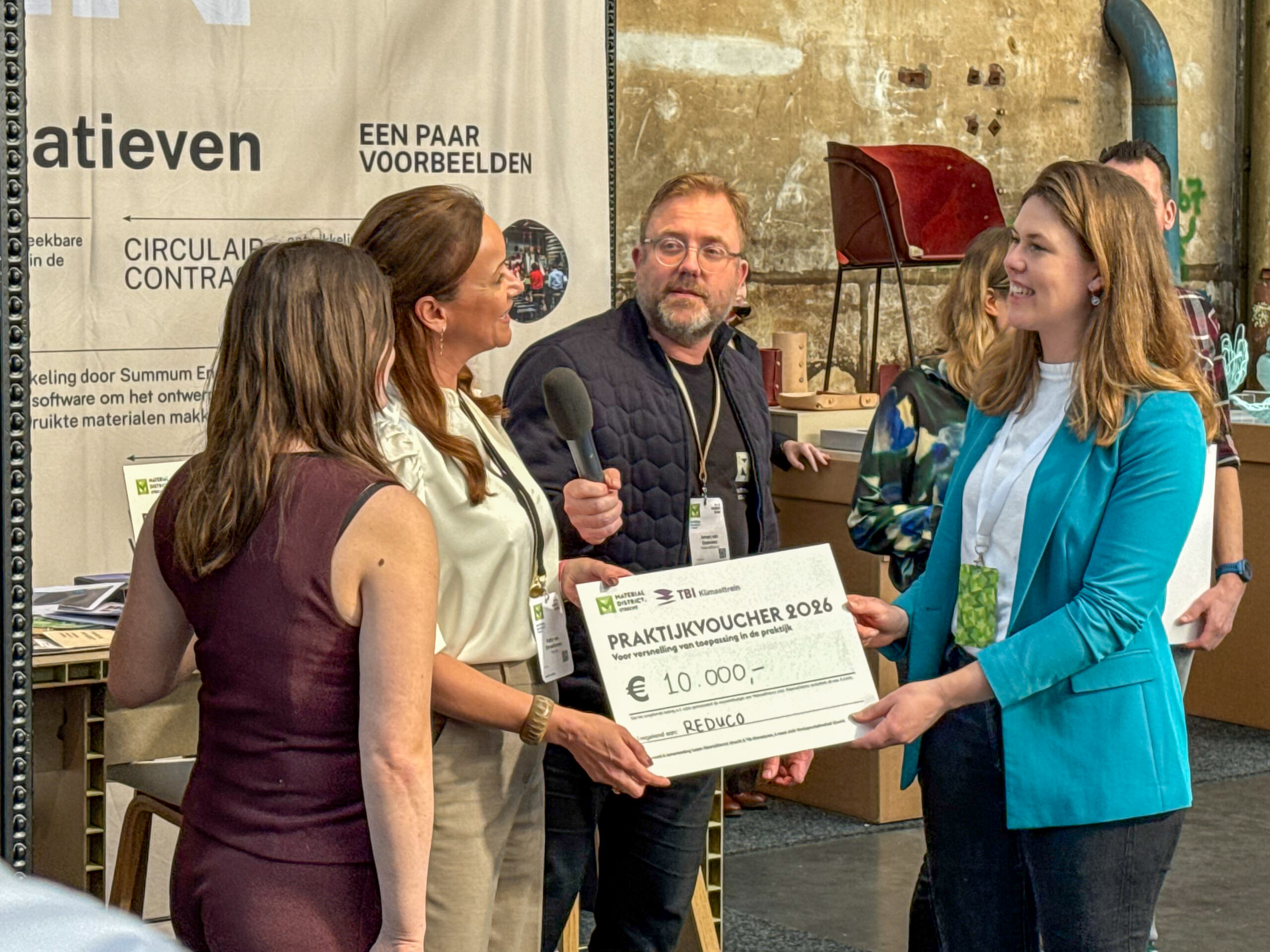
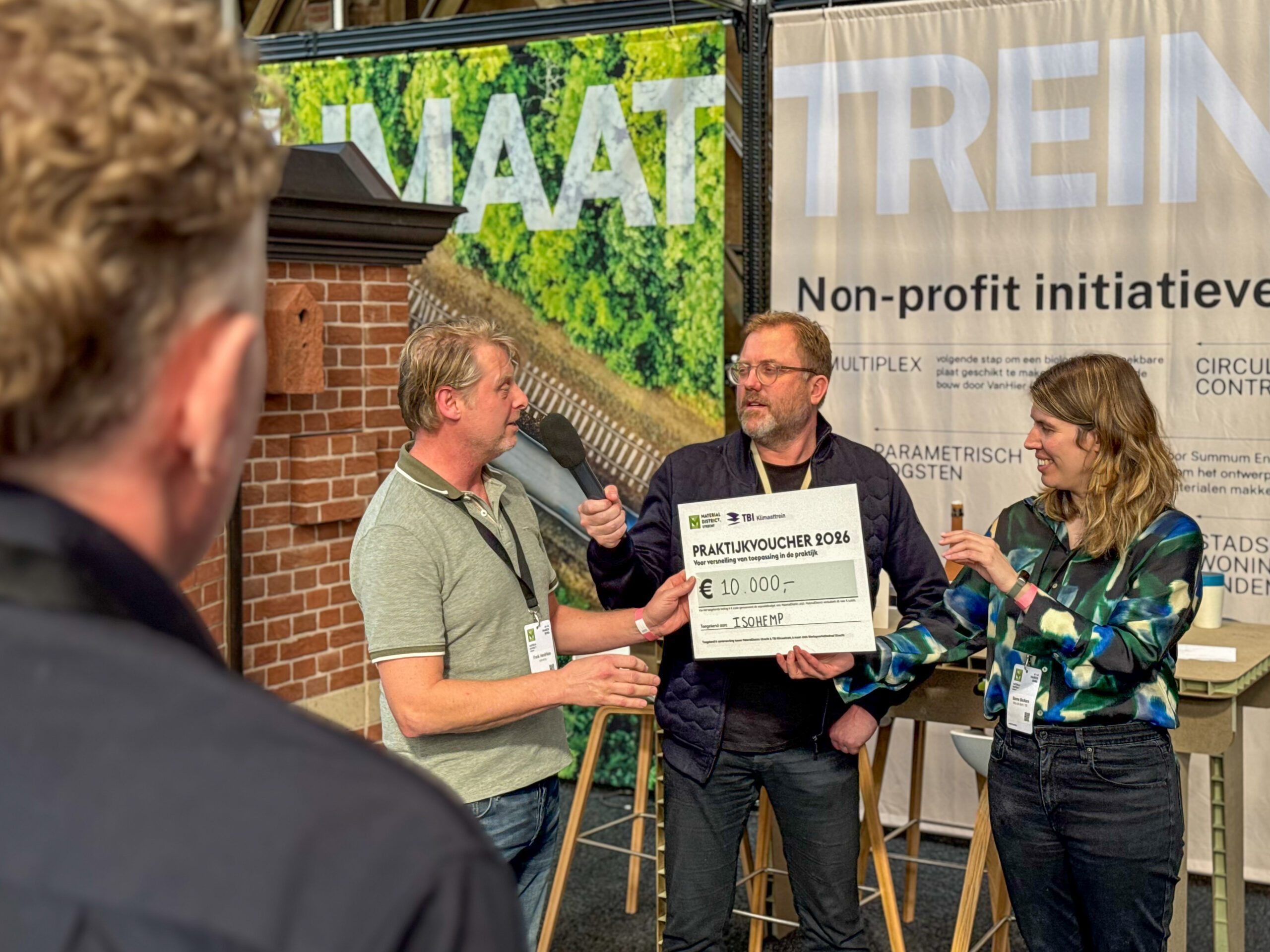
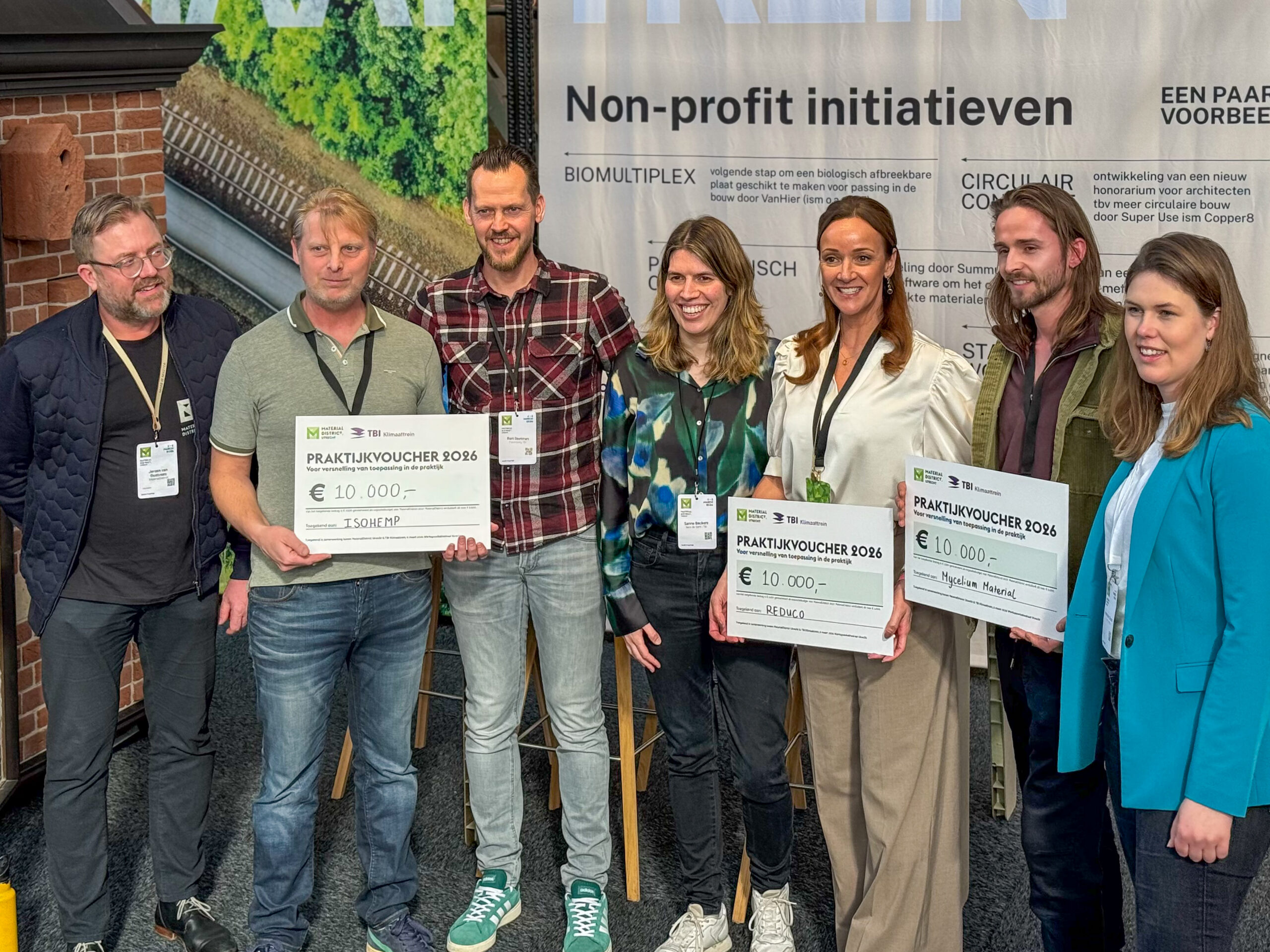
Twenty exhibitors were given the opportunity to pitch their innovation to a jury from TBI. Three of them received a practice voucher worth €10,000 each, enabling them to work together with TBI companies on further development, scaling up or a first practical application of their innovation.
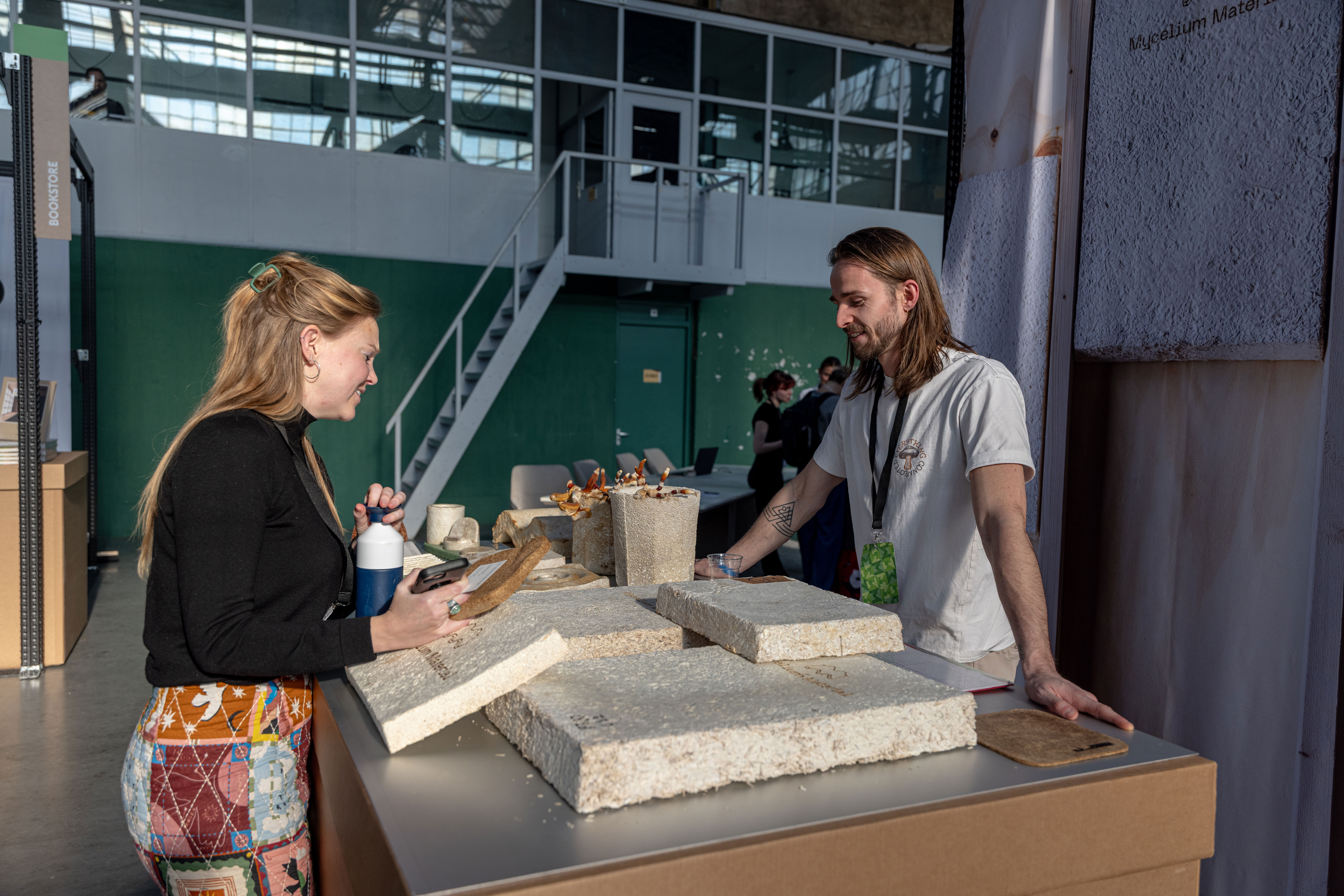
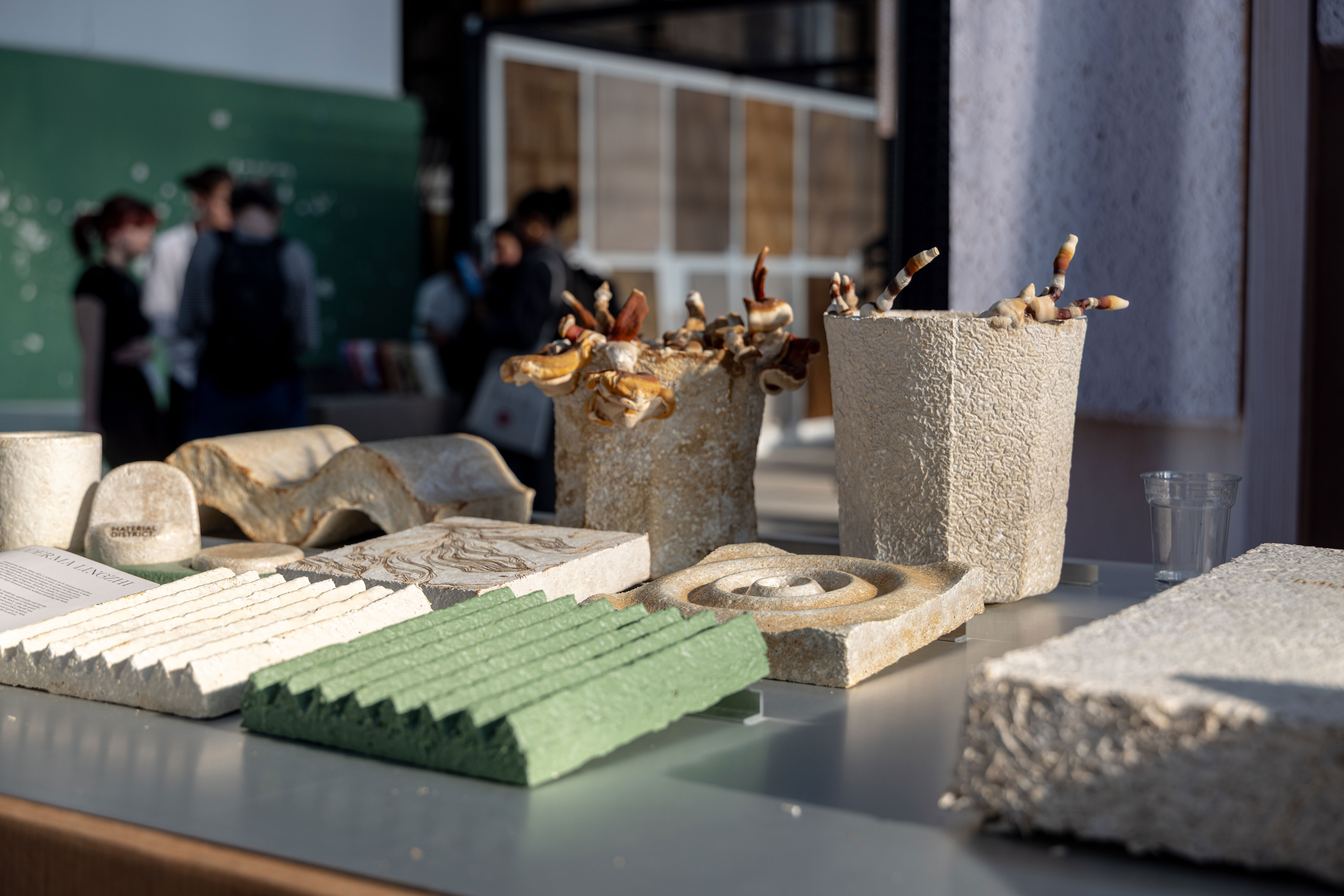
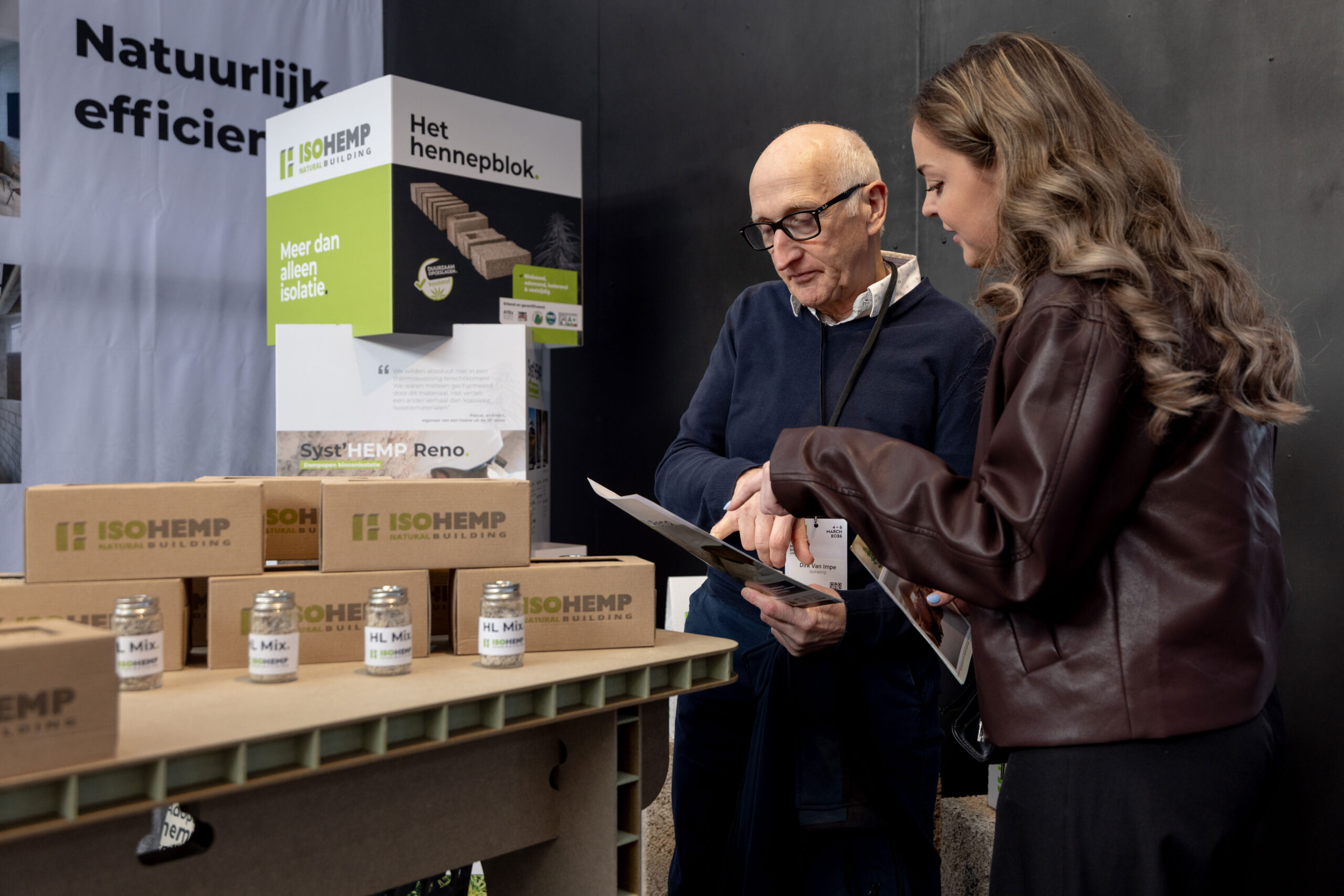

The vouchers were awarded to Reduco, producer of biobased façade panels made from Dutch willow wood, Mycelium Material, which develops materials based on mycelium, and Isohemp, producer of fully natural hemp blocks for insulation and construction.
“We see many passionate and promising material pioneers who need technical expertise and a network to further develop their ideas,” says Annemarie Steutel of TBI. “To make the construction sector and our projects more sustainable, we need new solutions. Innovations like these can make an important contribution.”
Discovering New Materials
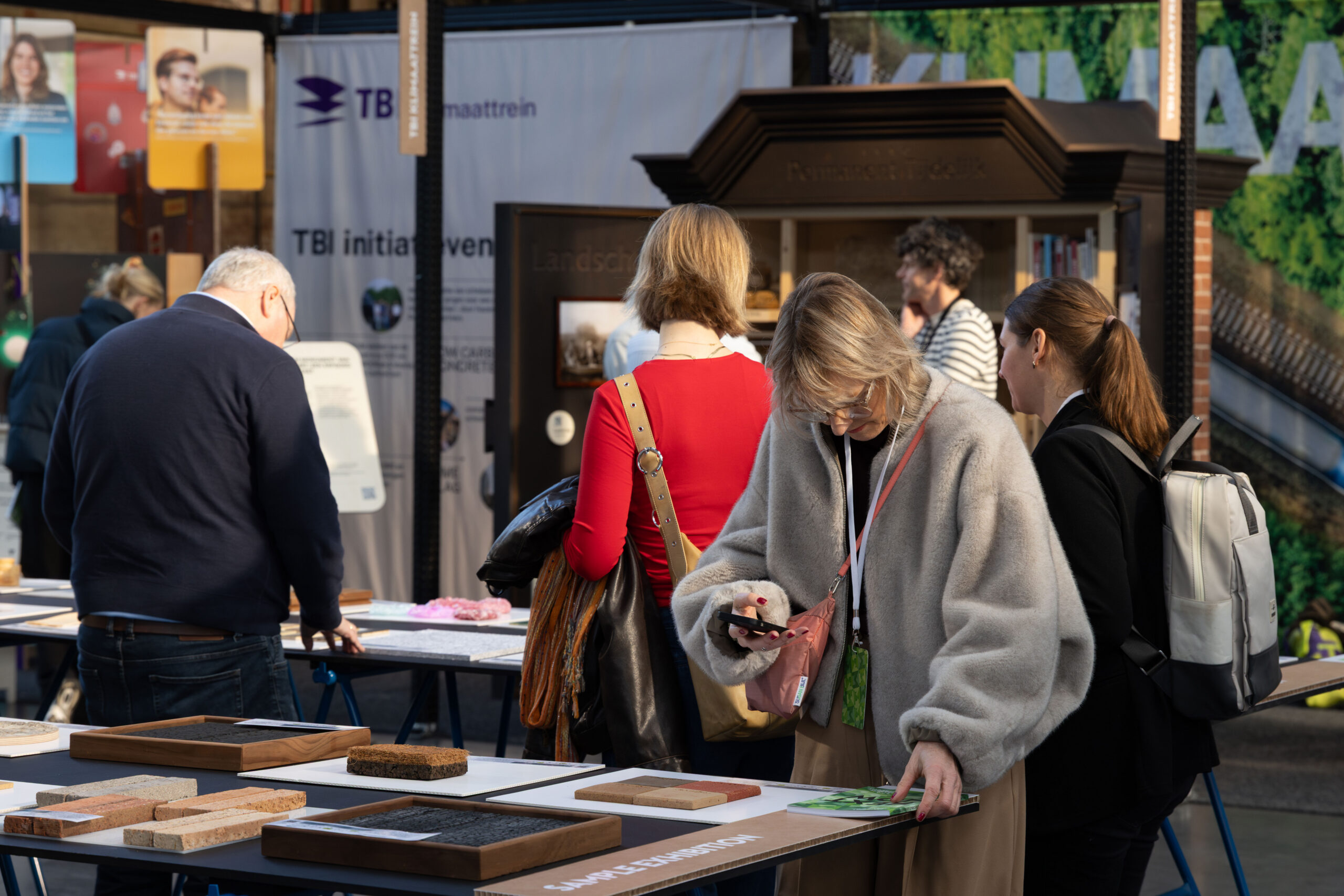
A key element of MaterialDistrict Utrecht is the Materials Exhibition, curated each year by editor-in-chief Sigrid Lussenburg. The MaterialDistrict team scouts new material developments worldwide throughout the year.
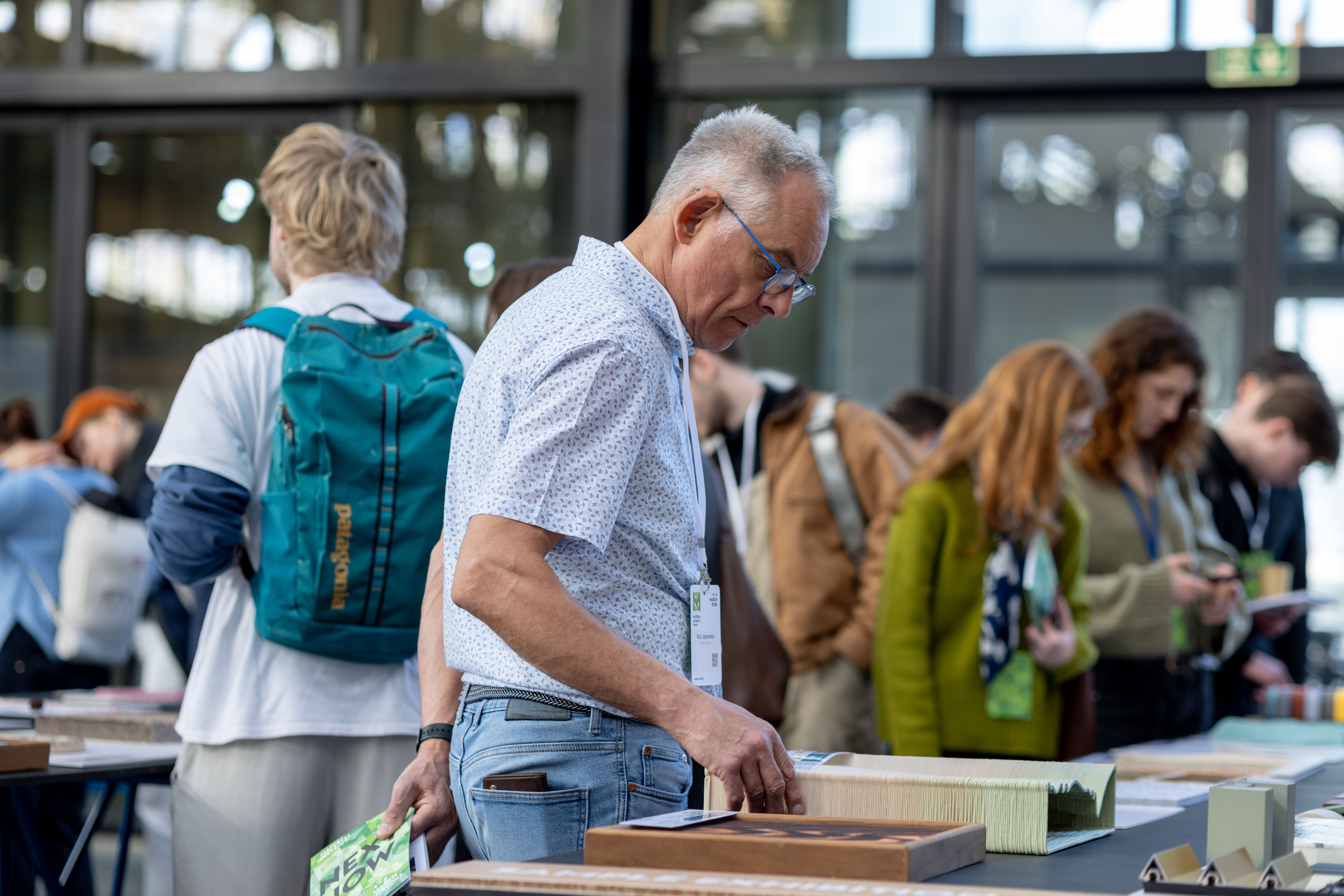
This year, more than 200 new material samples were on display – ranging from biobased composites and innovative construction materials to new applications of residual streams. For many visitors, this curated selection is a major reason to attend the event: in one place, designers and architects gain an overview of materials that can be directly applied in their projects. As material researcher and design specialist Ivanka Ivanova and her colleague Lavan Highan from the British furniture company Pineapple Furniture put it: “So many interesting innovative materials in one place – here we discover things we have not seen anywhere else.”
Expanding Towards Architecture and Timber Construction
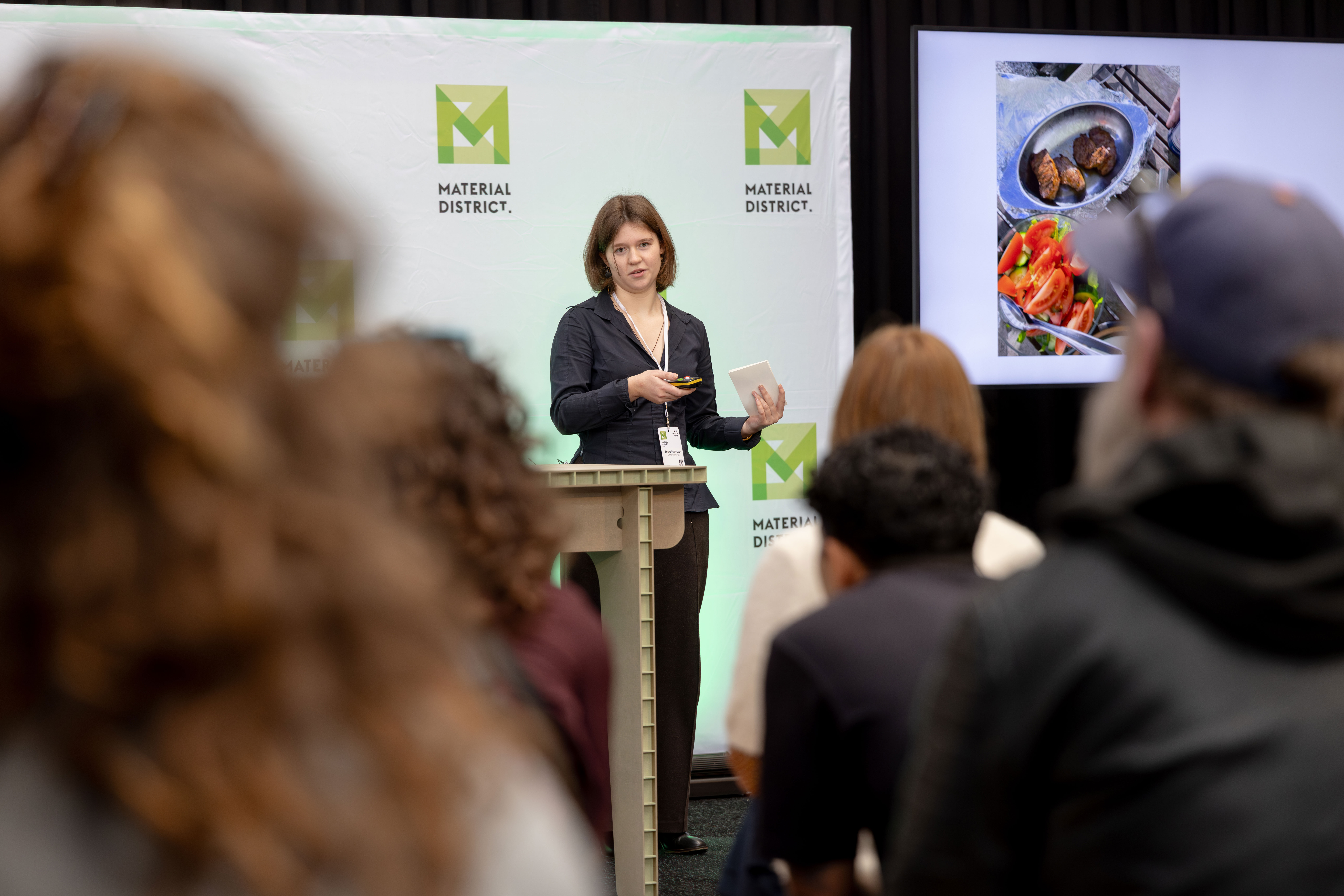
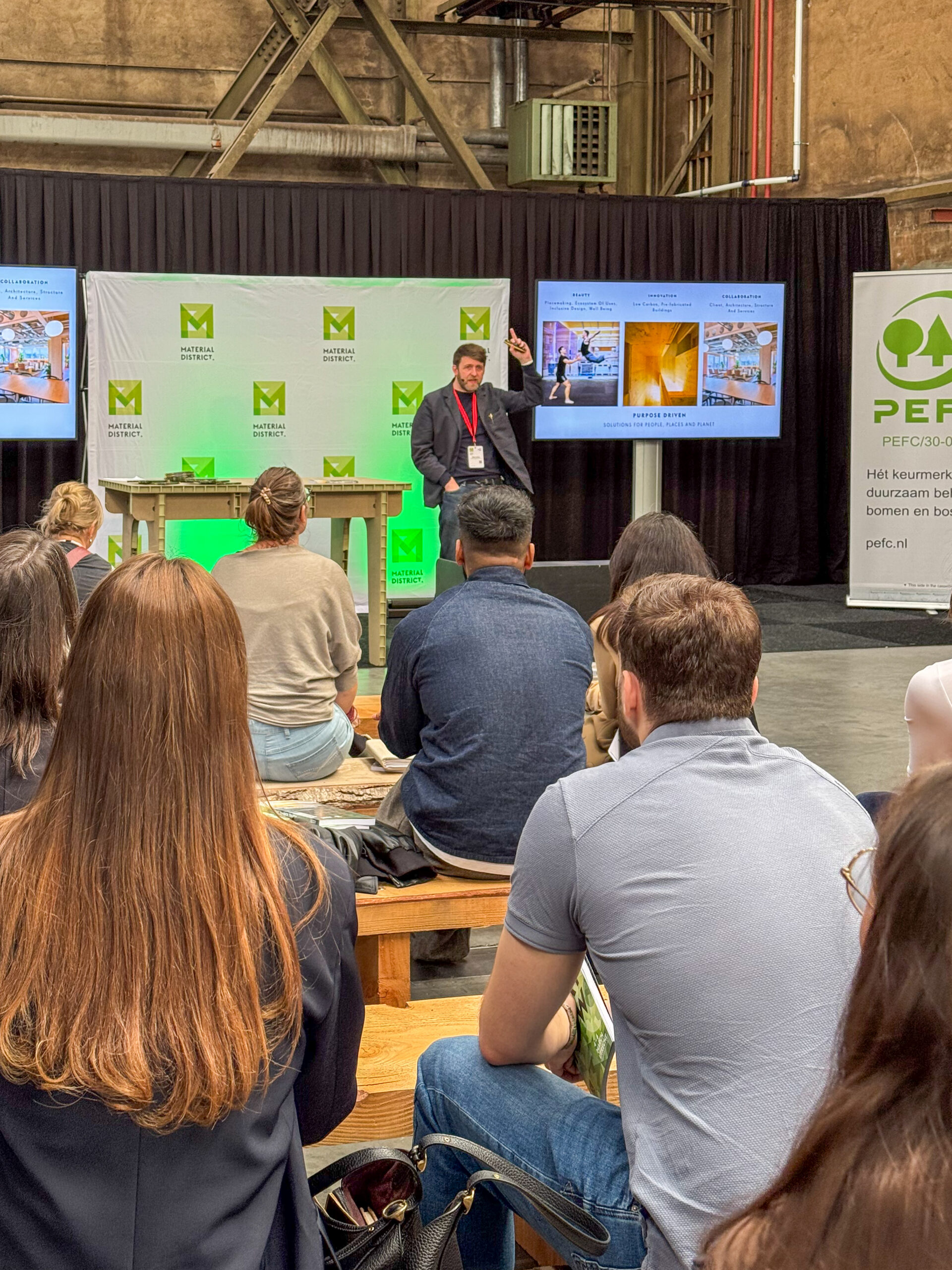
In addition to the exhibition, the content programme also continued to develop. In collaboration with PEFC Netherlands, MaterialDistrict organised the Tomorrow’s Timber Talks, a full-day lecture programme about timber construction and biobased materials in architecture. Notably, these lectures were registered with the Architects Register as official continuing professional education. In doing so, MaterialDistrict increasingly positions itself as a knowledge platform for professionals in the built environment.
Among the international speakers was Dave Lomax of Waugh Thistleton Architects, a firm internationally recognised as a pioneer in large-scale timber construction.
Young Talent and New Generations of Designers
The Young Talents Programme, curated by Leonne Cuppen, also remained an important part of the event. Young designers and recent graduates presented their experiments and research, offering surprising perspectives on material development, circularity challenges related to biobased materials and residual streams, and regenerative design principles.
Towards the Twentieth Edition
With a wide range of exhibitors, new collaborations and an increasingly strong relationship with the construction sector, MaterialDistrict Utrecht once again demonstrated why the event has held a firm place within the design and materials world for many years.
From 10 to 12 March 2027, MaterialDistrict Utrecht will return to the Werkspoorkathedraal for a special milestone: the twentieth edition of the event.
Text: Viveka van de Vliet
Photos: Viorica Cernica / MaterialDistrict

Comments