Mercedes-Benz Tomorrow XX Explores Circular Material Strategies in Automotive Design
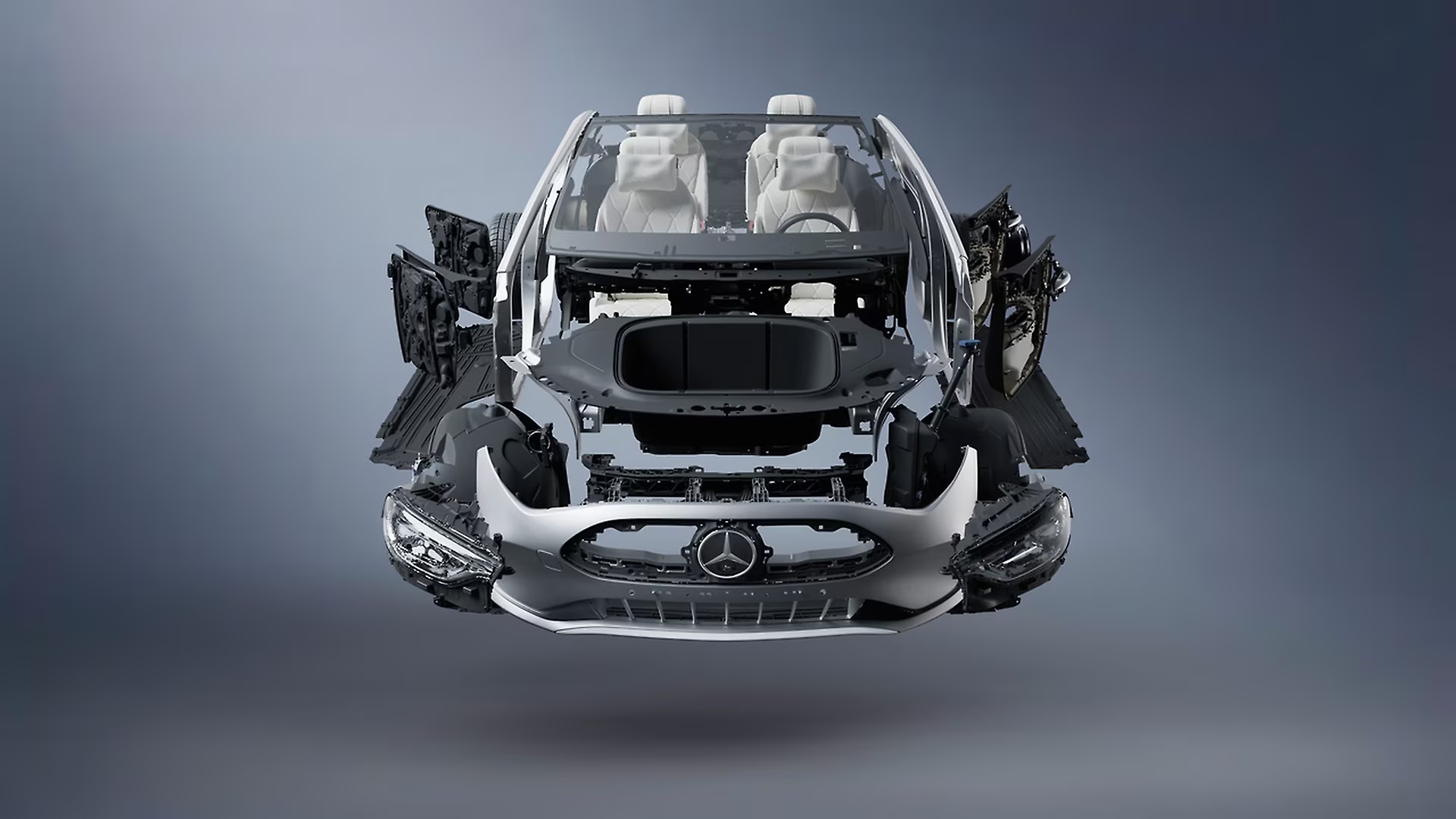
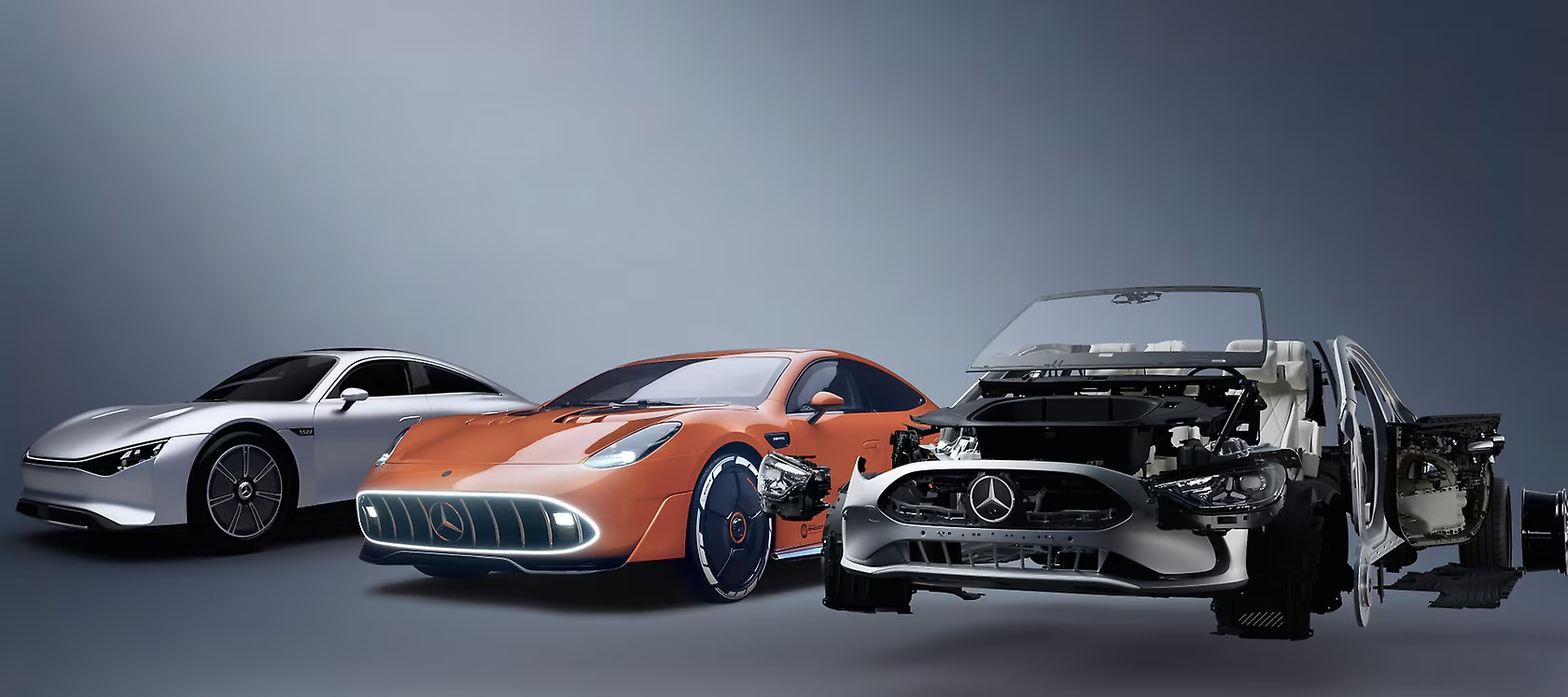

With the Tomorrow XX technology programme, Mercedes-Benz outlines a long-term research and development framework focused on reducing the environmental impact of vehicle components and materials. Unlike earlier XX initiatives that addressed specific performance goals, Tomorrow XX spans the company’s entire product portfolio and considers the full material lifecycle, from early design decisions to end-of-life recovery.
The programme applies principles such as Design for Environment and Design for Circularity, aiming to reduce carbon emissions, lower the use of primary raw materials and increase recyclability. Working with suppliers, research institutions and start-ups, Mercedes-Benz has identified more than forty material and component innovations within two years. These range from early-stage concepts to solutions close to series production.
Designing Components for Disassembly and Reuse
A key focus within Tomorrow XX is redesigning complex components to make them easier to repair, dismantle and recycle. One example is a newly developed headlight concept in which parts are screwed together rather than glued. This allows individual elements, such as lenses or housings, to be replaced without discarding the entire unit. The mono-material construction of the components also improves sorting and recycling efficiency.
Similar principles are applied to interior components such as door panels. New joining techniques make it easier to separate materials without damage, supporting both repair and material recovery. These approaches reflect broader circular design strategies that are increasingly relevant beyond the automotive sector, including furniture, interiors and product design.
Increasing Recycled and Mono-Material Plastics
Plastics account for a significant proportion of a modern vehicle’s material composition. Many components traditionally rely on mixed plastics, which limits recycling potential. Tomorrow XX prioritises mono-material solutions and the replacement of virgin plastics with recyclates.
An example is a door pocket made entirely from recycled PET, using a lightweight sandwich structure with a foam core. The component reduces weight by more than 40 percent while maintaining performance, and significantly lowers its carbon footprint. Mercedes-Benz is also expanding the use of recycled PET in seat fabrics, wheel-arch liners, carpets and floor mats.
In addition, end-of-life tyres are being reused through chemical and mechanical recycling processes. These materials are applied in new plastic components, acoustic insulation and a leather-like interior material made by combining recycled polymers with bio-based proteins. The result is a durable, lightweight and recyclable alternative with a lower carbon footprint than conventional leather.
Metals, Urban Mining and Closed Material Loops
Tomorrow XX also addresses the high environmental impact of metals such as aluminium and steel. The use of renewable energy in aluminium production, combined with high proportions of recycled content, significantly reduces emissions. Aluminium components containing up to 86 percent post-consumer scrap demonstrate how secondary materials can match the performance and finish of primary materials.
At the same time, Mercedes-Benz is developing urban mining strategies, treating end-of-life vehicles as a source of valuable raw materials. Pilot projects aim to recover plastics, metals and battery materials for reuse in new vehicles, closing internal material loops.
Broader Relevance for Designers
While Tomorrow XX is rooted in automotive development, its emphasis on mono-materials, disassembly, recyclates and lifecycle thinking resonates with challenges faced by designers across disciplines. The programme illustrates how material choices and construction methods can support circularity at a systemic level, offering insights applicable to product, interior and architectural design.
Source & images: Mercedes-Benz Group

Comments