- This article is part of the following channel(s)
- Recycling
Modular Circular Noise Barrier Brings New Opportunities For Urban Design
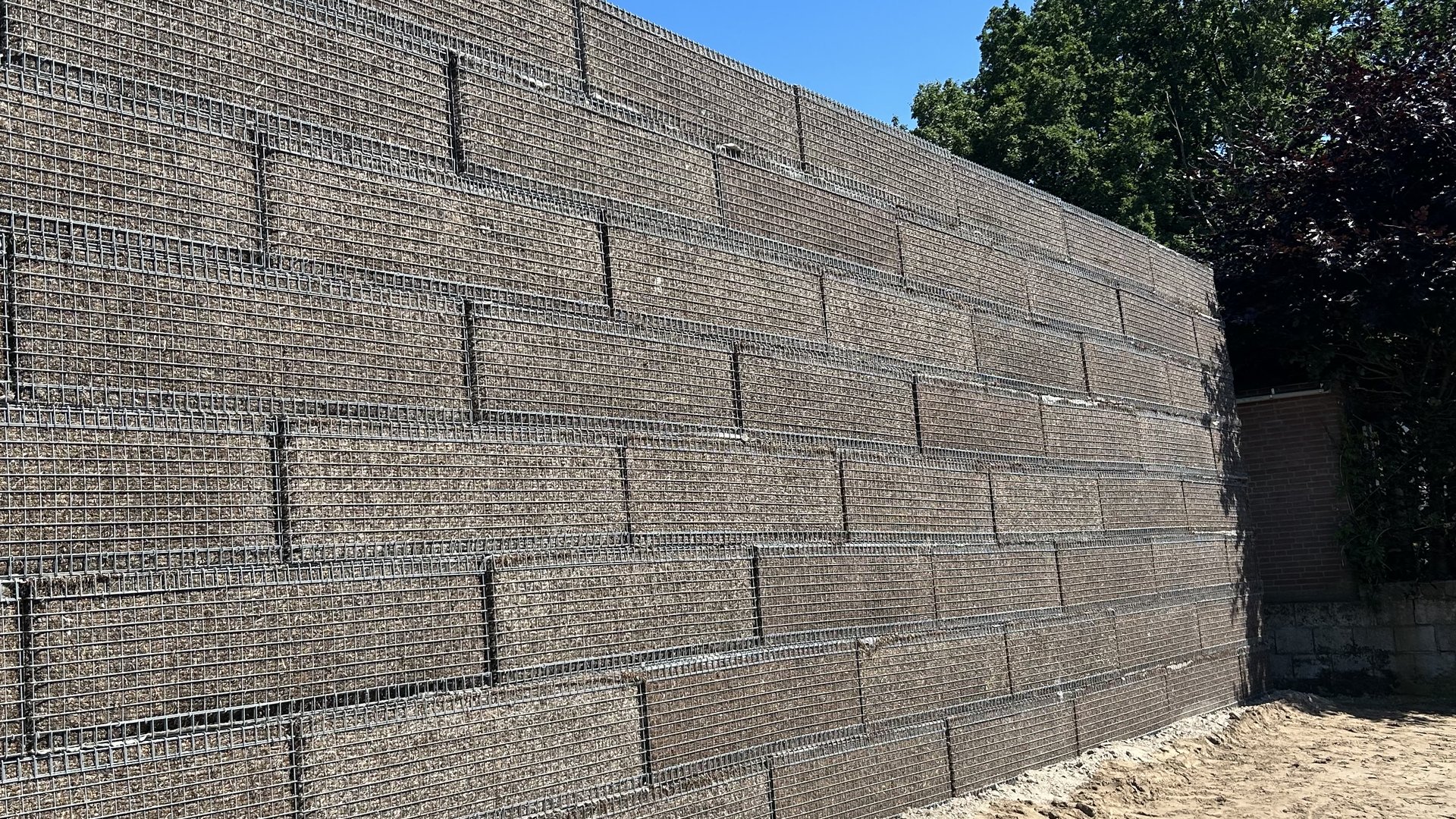
A new infrastructure project in Nijmegen, the Netherlands, shows how material innovation can reshape urban environments. Dutch construction company Heijmans has introduced the DuBLOK Ecowall, the Netherlands’ first modular and nearly fully circular noise barrier. The design combines acoustic performance with environmental and spatial benefits.
Circular Materials And Modular System
The Ecowall uses a stackable gabion system called DuBLOK with a circularity rate of 99.9%. The modules are filled with locally sourced residual materials, such as stone from demolition projects. This approach reduces the use of new raw materials. The structure includes an integrated steel frame made from secondary steel. This further lowers the environmental impact.
The modular design allows for easy assembly and disassembly. Users can relocate or reuse the system when needed. This flexibility makes the wall suitable for changing urban conditions and long-term circular use.
Multifunctional And Space-Efficient Design
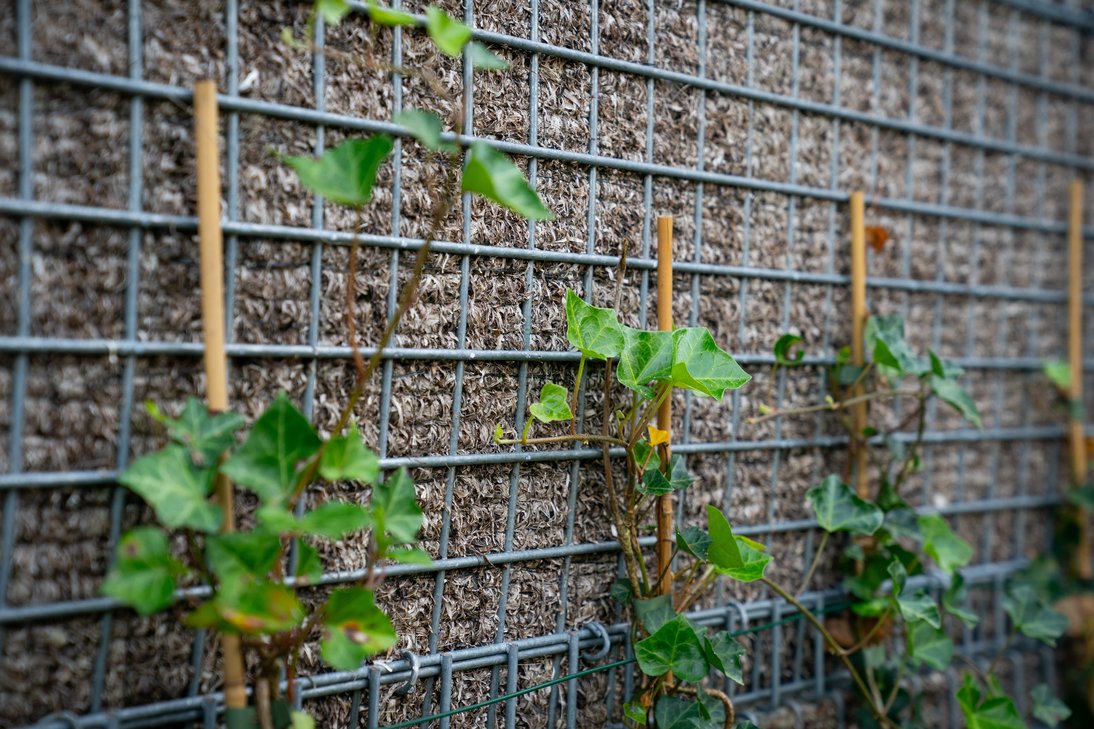
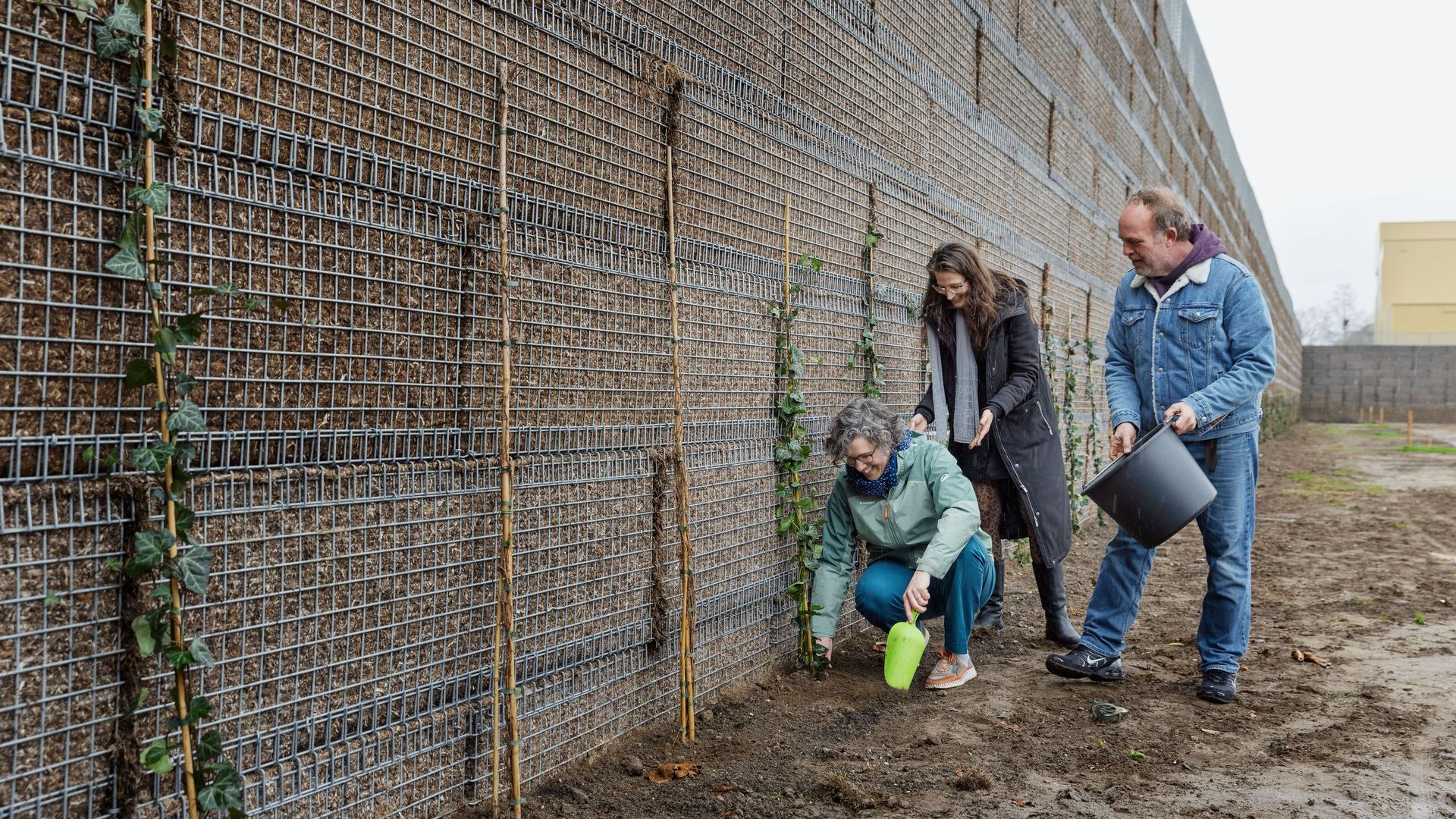
The Ecowall is about six metres high and 183 metres long. It forms part of the Winkelsteeg area development in Nijmegen. The wall reduces noise and captures fine particulate matter, improving local air quality. Its semi-open structure allows plants to grow in and around the modules. This supports biodiversity without affecting acoustic performance.
The design also responds to local needs. The wall acts as a ball barrier for a nearby football club. By combining multiple functions, it uses space more efficiently in a dense urban area.
Lower Environmental Impact
The environmental performance of the system is significantly improved compared to conventional solutions. The Environmental Cost Indicator (MKI) is around two-thirds lower than that of a standard noise barrier.
The use of local waste streams and reusable components reduces both emissions and material consumption. It also supports regional circular economies.
Towards Circular Urban Infrastructure
The DuBLOK Ecowall shows how infrastructure can go beyond a single function. It combines circular construction, ecological value and adaptability in one system. For architects and landscape designers, this project highlights new ways to integrate infrastructure into sustainable urban design. It demonstrates how materials, modularity and biodiversity can work together to improve the quality of cities.
As urban areas become denser, such multifunctional solutions will play an important role in future developments.
Source & photos: Heijmans

Comments