Moono Sliding Pendant Light Explores Kinetic Lighting In Solid Timber
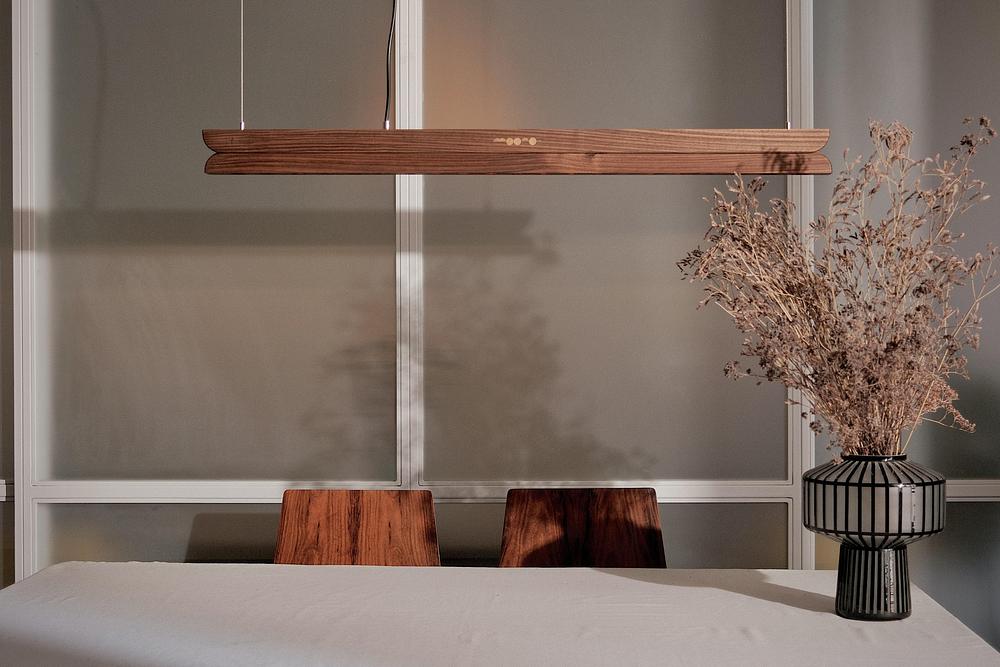
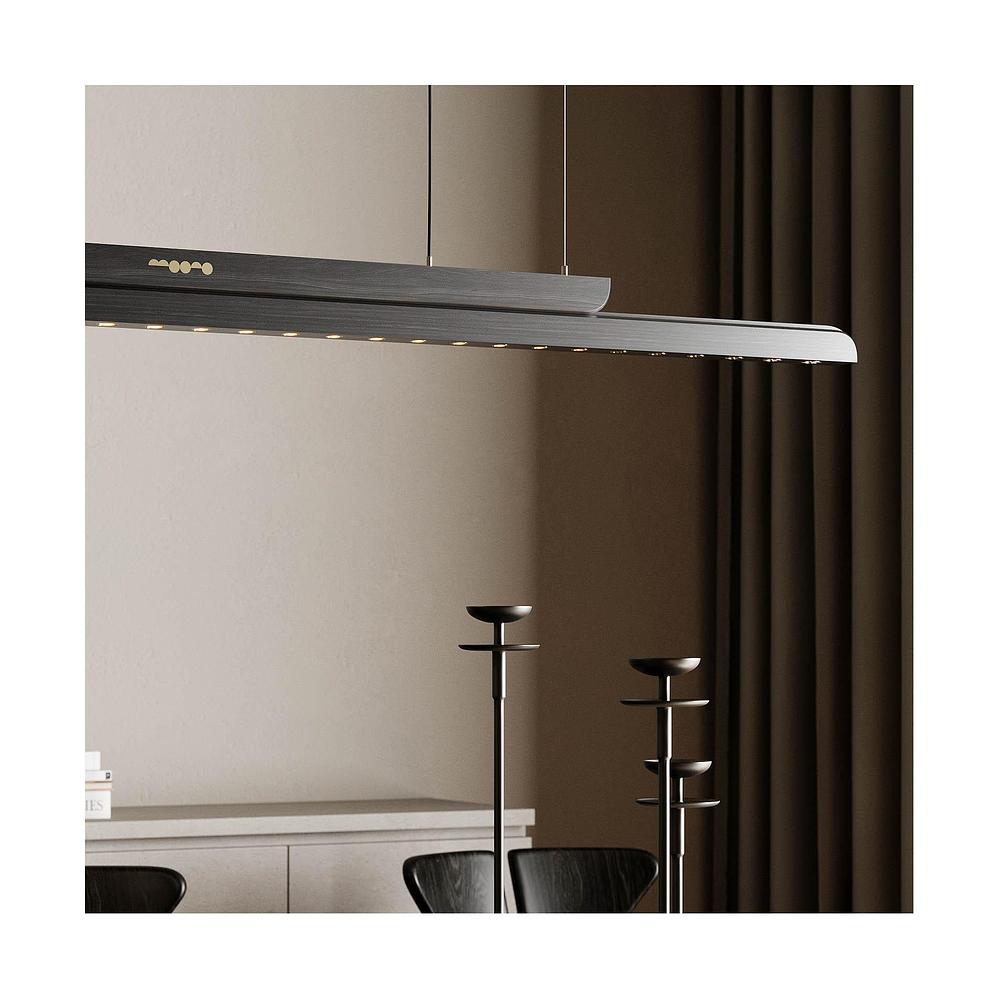
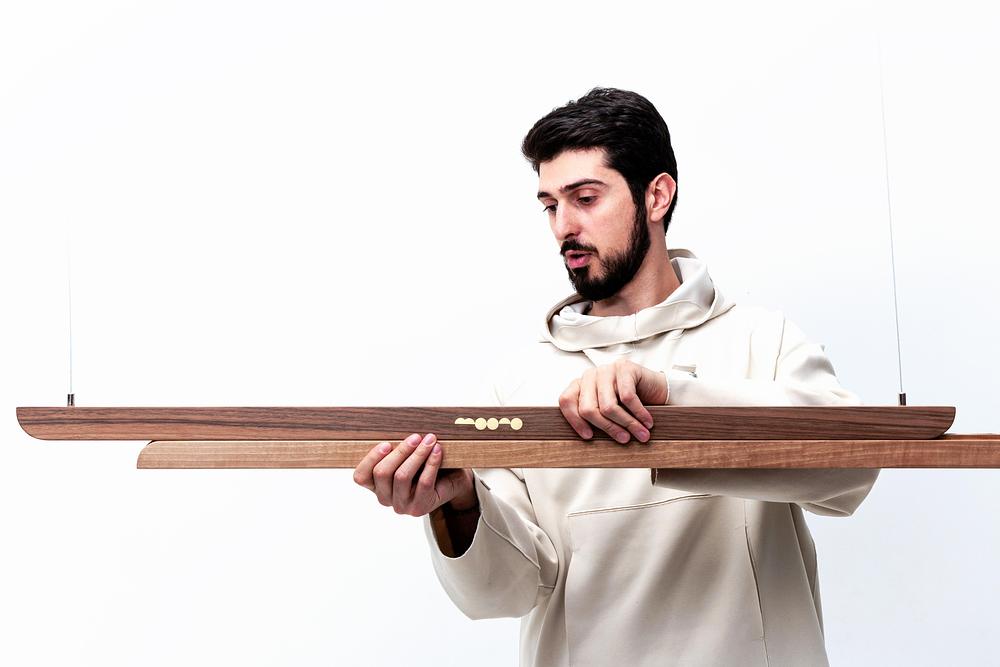
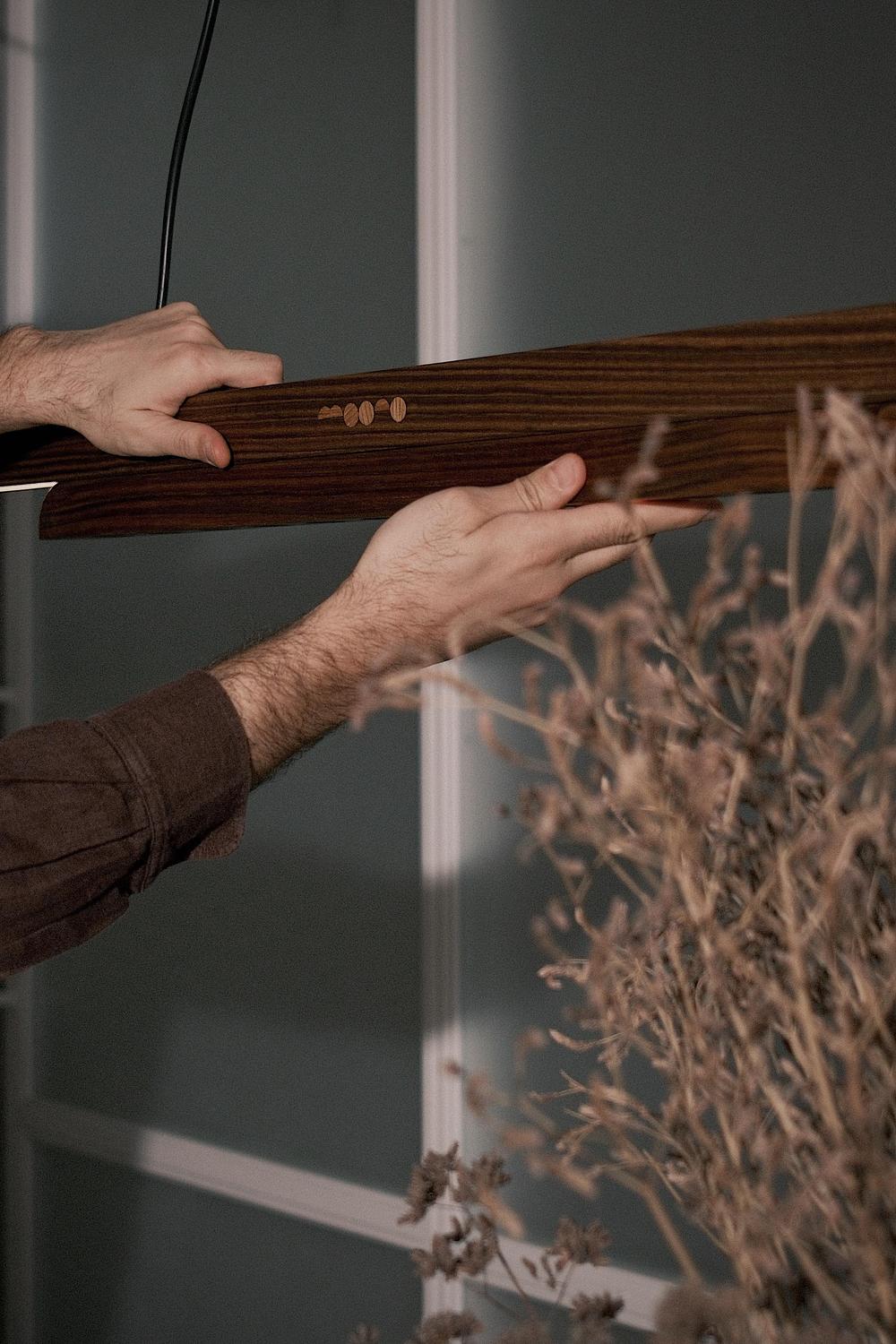
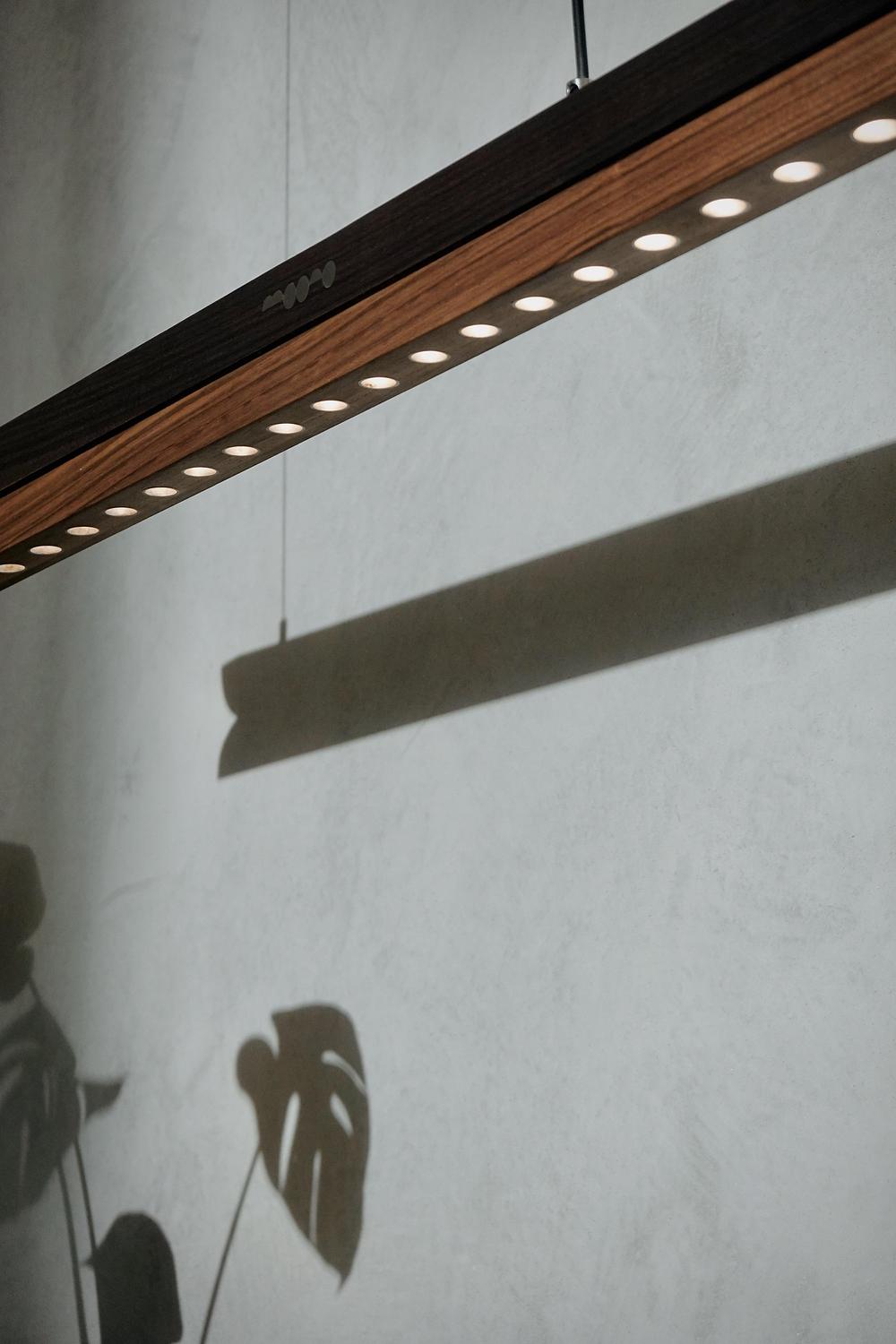
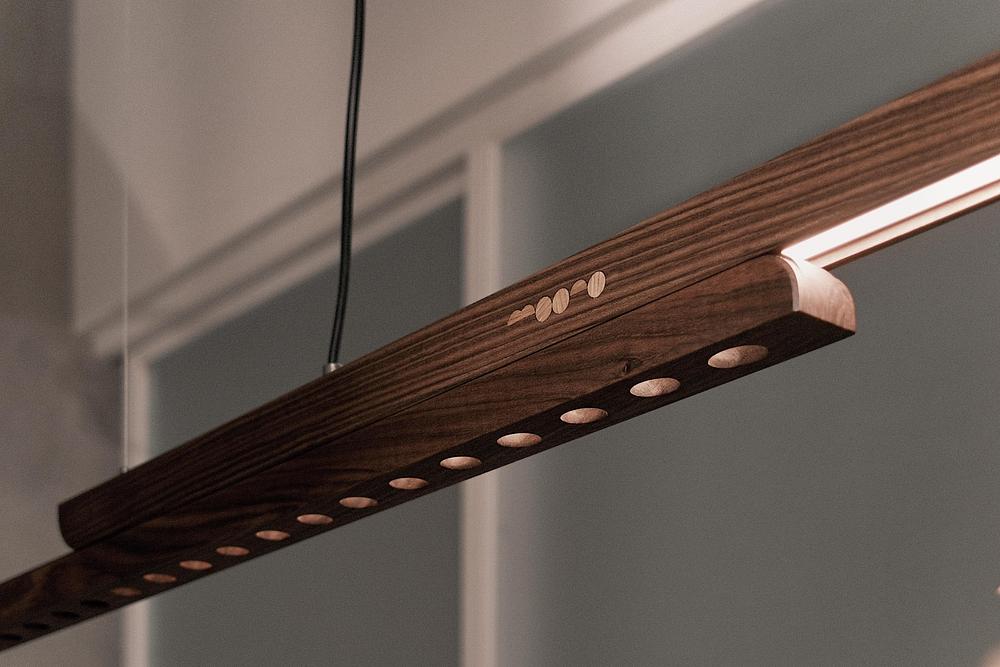
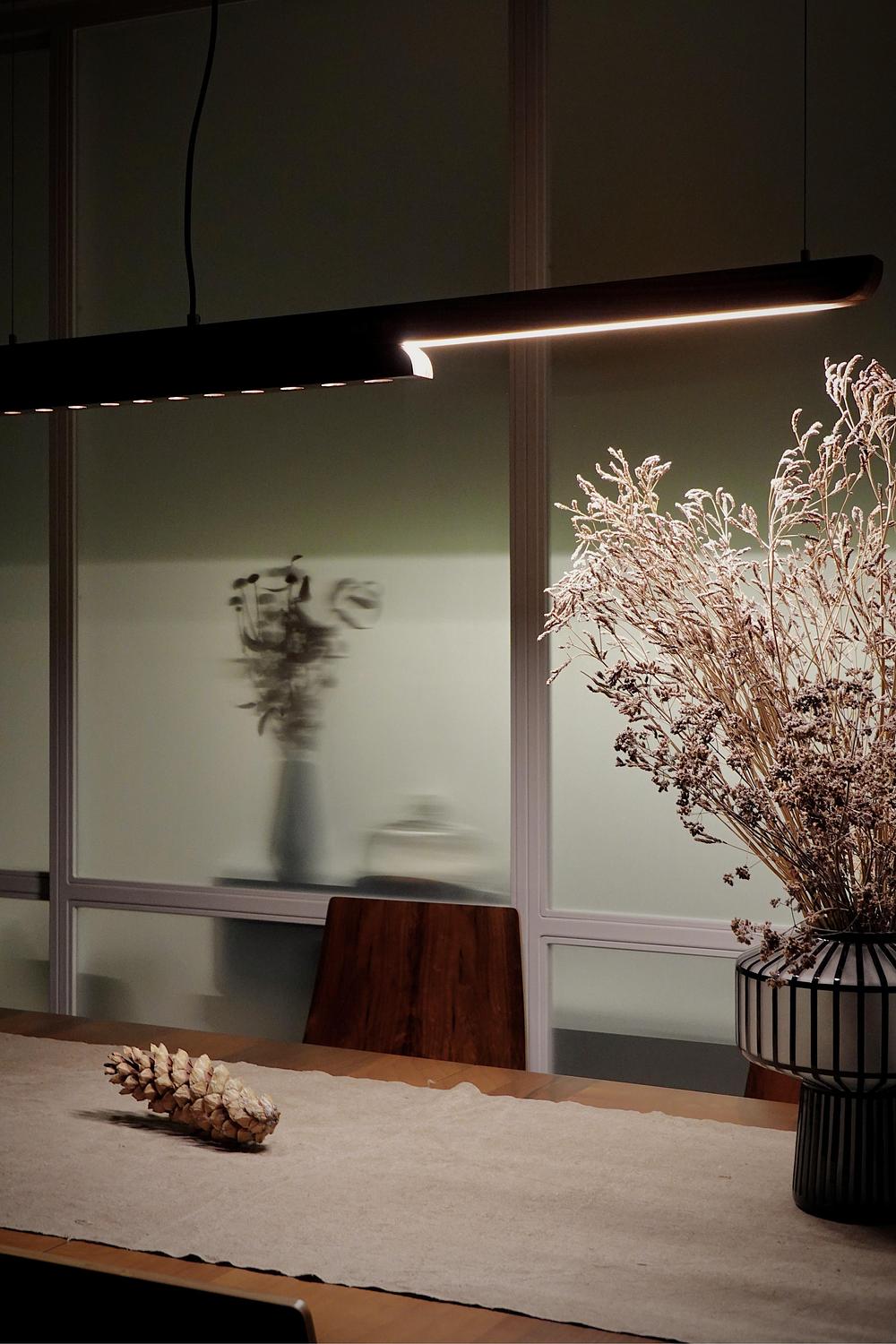
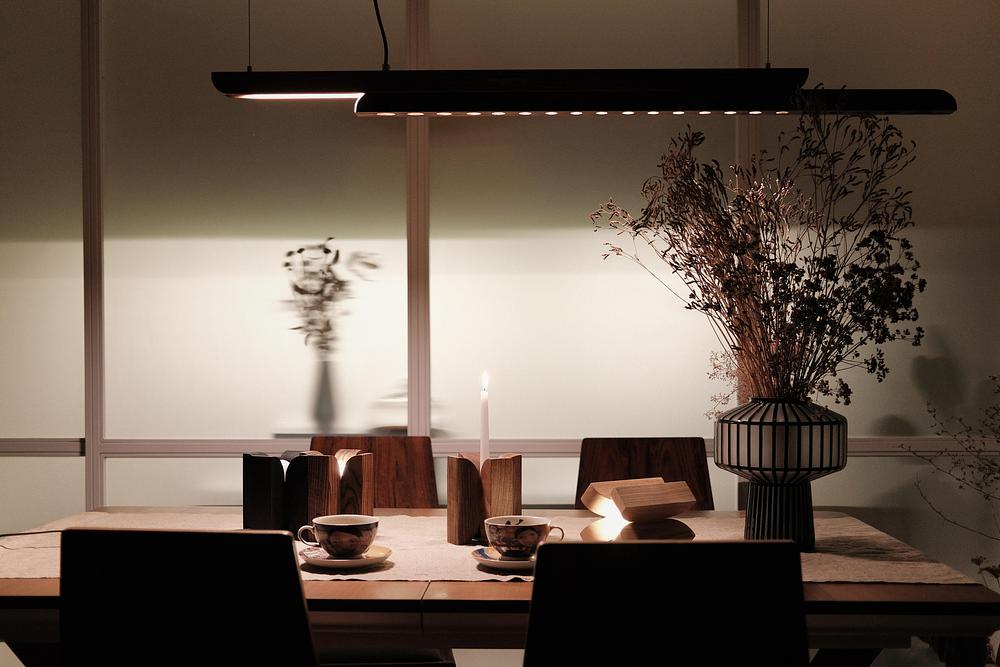
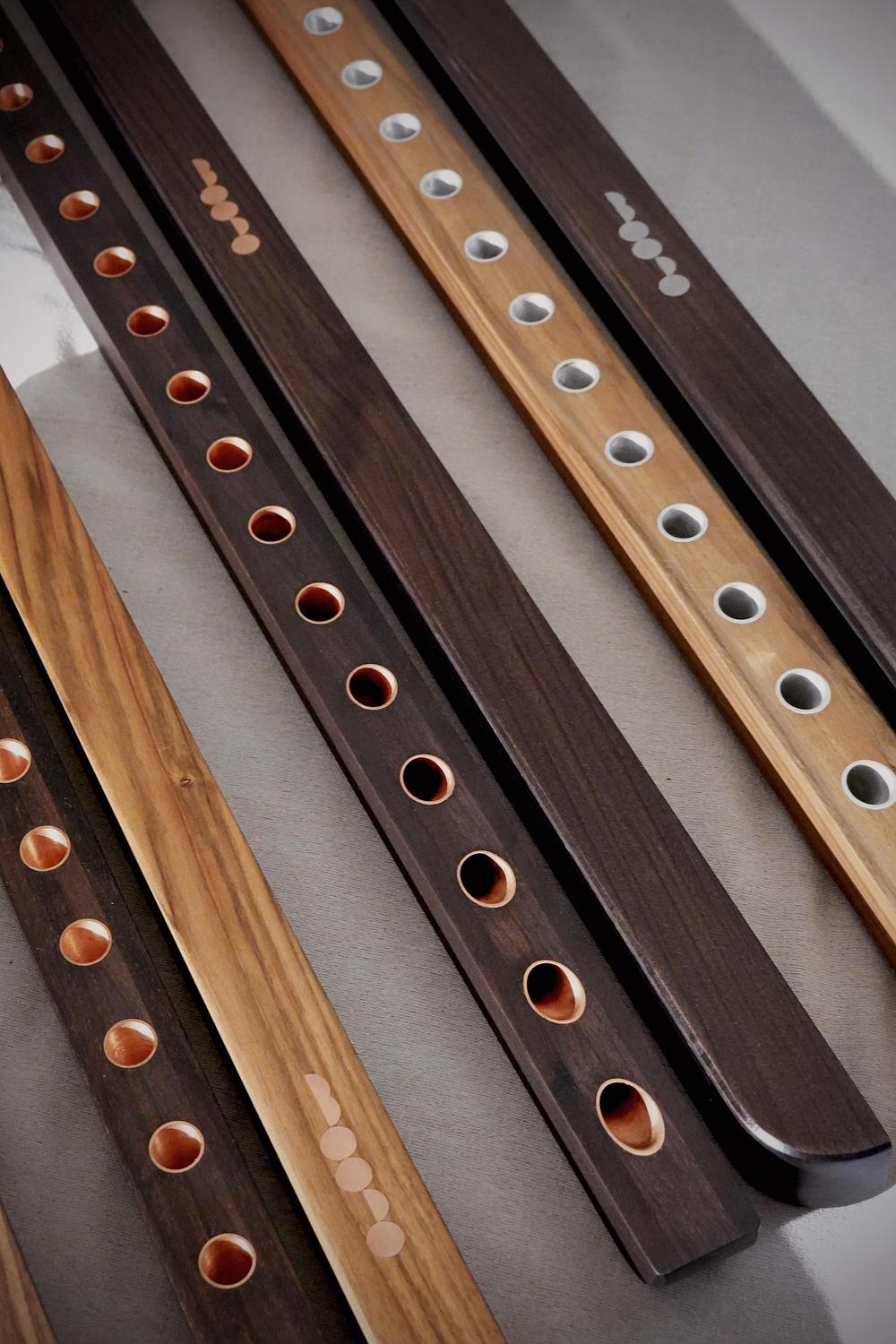
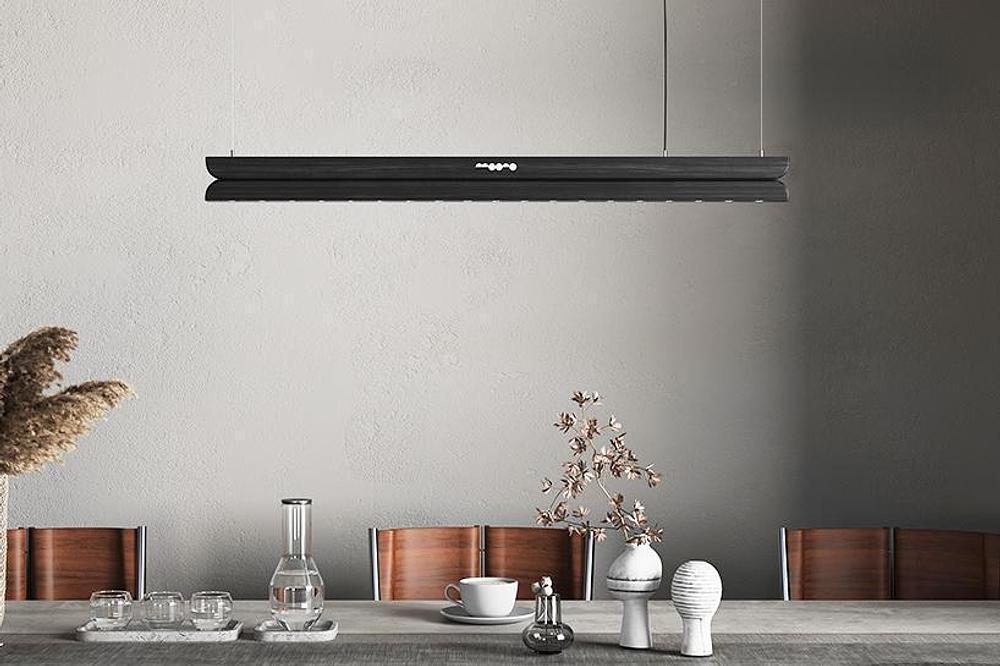
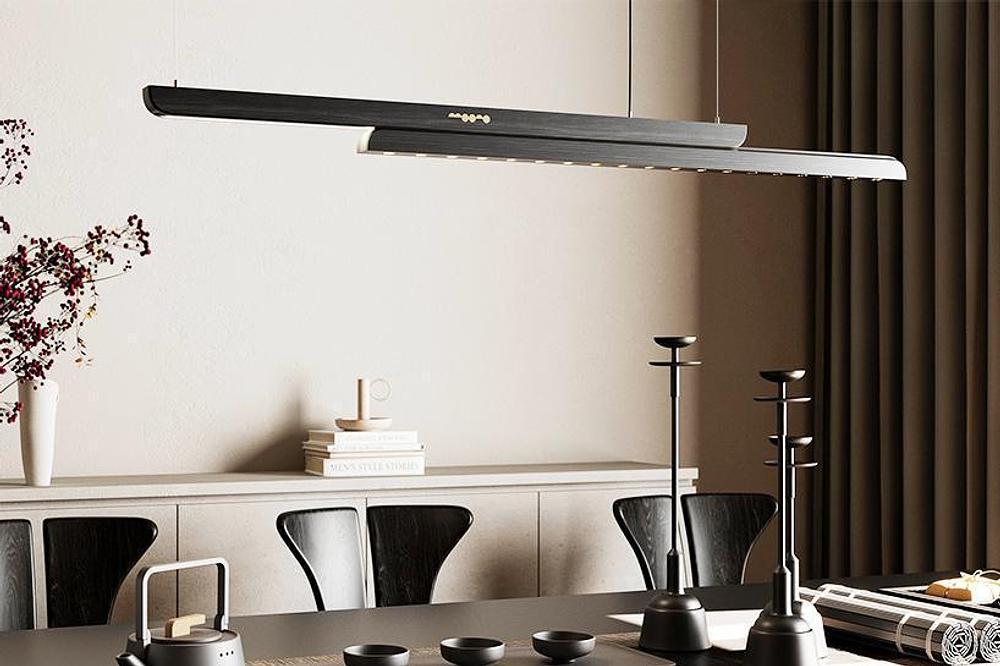
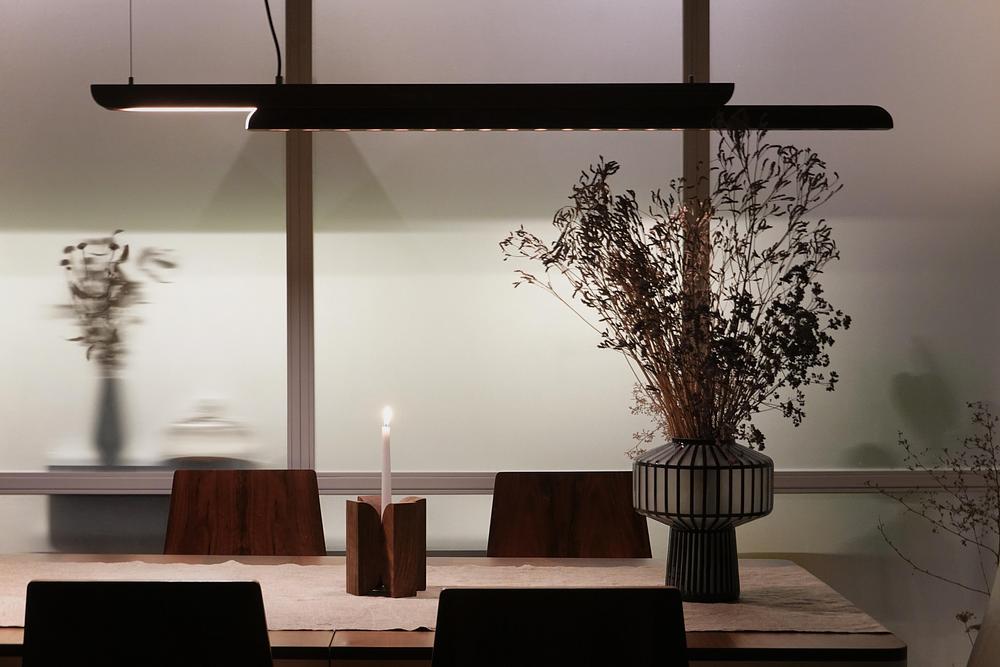
Moono is a sliding pendant light developed by Tbilisi-based Shre Studio. The project centres on the use of solid oak or walnut not only as a visible finish, but as the primary structural and mechanical component of the luminaire. Rather than concealing technology within synthetic housings, the design integrates movement, structure and light within a single timber body.
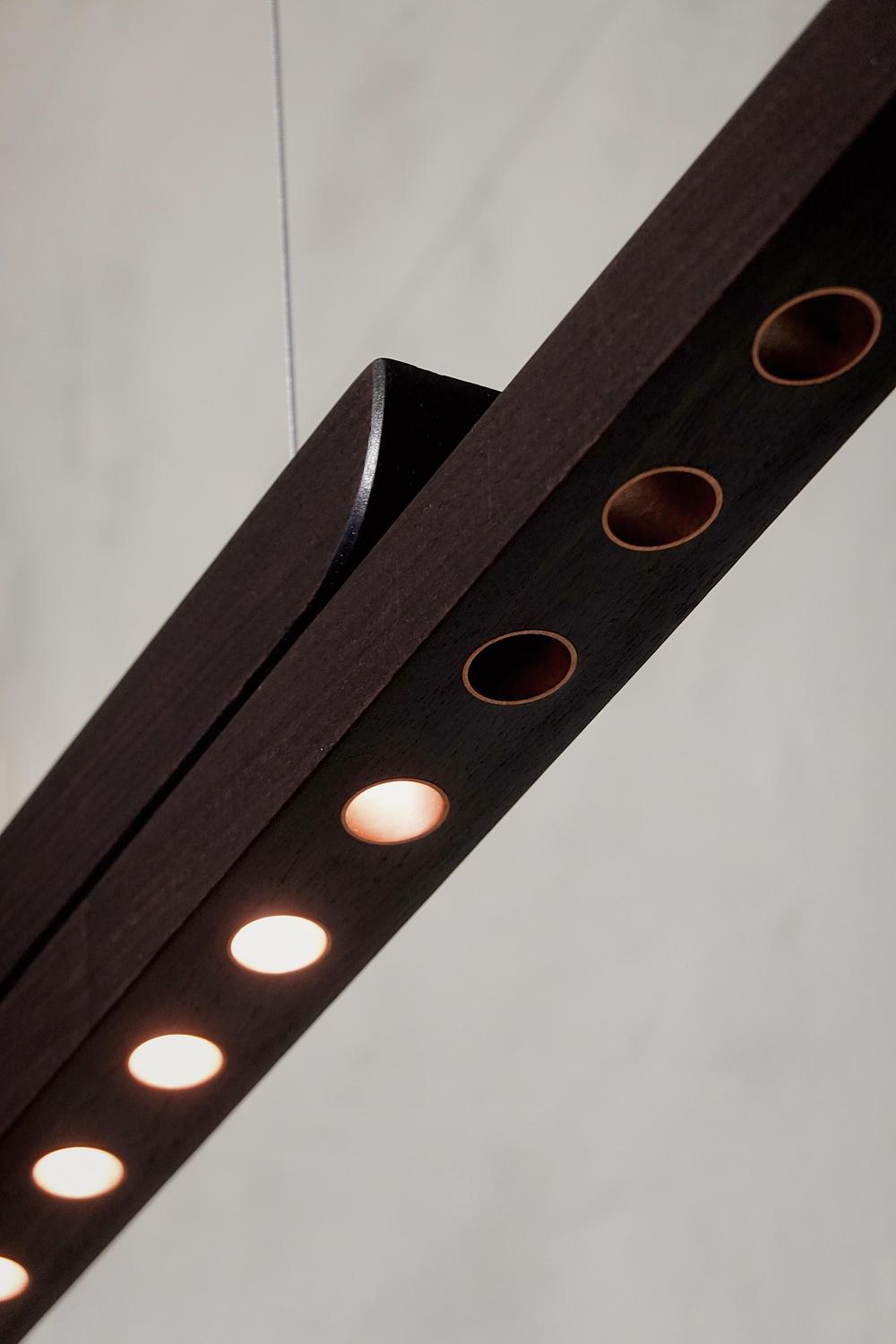
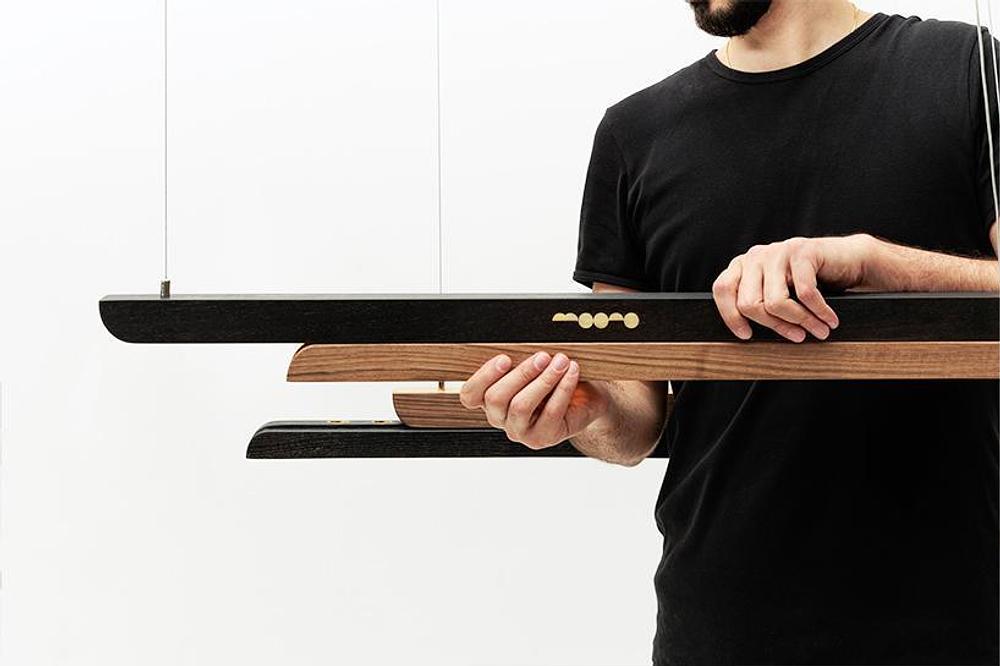
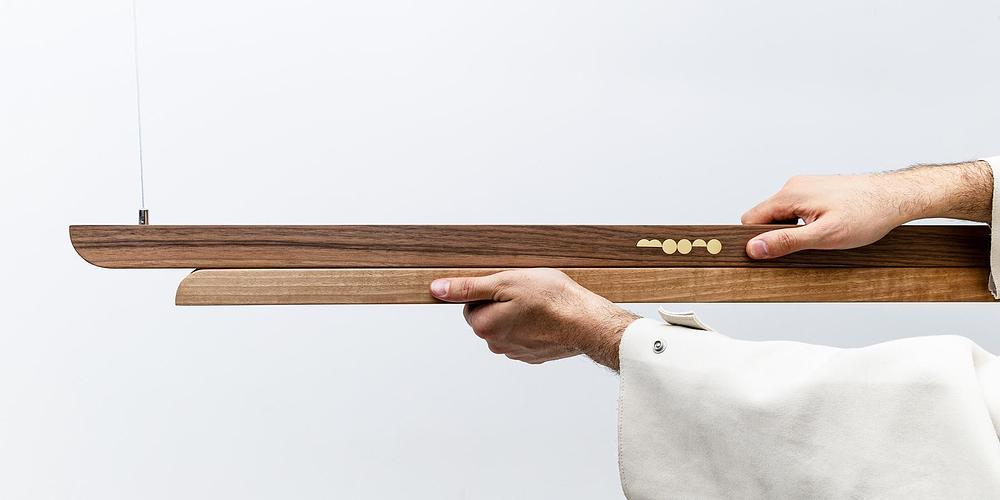
The lamp consists of a fixed wooden base and a movable wooden panel that houses the integrated LED light source. By sliding the panel along a concealed track embedded within the solid wood, users can adjust the light’s direction and intensity. The physical movement alters the spatial presence of the luminaire, shifting from a flat, linear element to a more projecting architectural feature.
Concealed Mechanical System Without Electronic Controls
A defining aspect of Moono is its fully hidden sliding mechanism, engineered directly into the timber structure. The system relies on precision joinery and calibrated resistance rather than electronic sensors or motorised components. This approach places emphasis on craftsmanship, mechanical accuracy and the inherent strength of hardwood.
Brass, aluminium and copper elements are incorporated where structural reinforcement or conductivity is required. The luminaire is finished with an eco-friendly protective lacquer to enhance durability. The integrated LED module is designed to dissipate heat effectively, supporting the long-term stability of the timber housing.
Moono is available in two lengths — 111 cm and 88 cm — delivering up to 2430 lumens depending on size. Light colour temperatures of 3000K, 4000K and 6500K allow adaptation to residential, hospitality and commercial interiors.
Material-Driven Lighting Design
By embedding a kinetic mechanism within solid wood, the project demonstrates how natural materials can perform both structurally and mechanically in lighting design. Reducing reliance on electronic interaction systems may also support longevity and repairability.
For architects and interior designers, Moono illustrates how lighting can be conceived as a material-driven architectural element, where timber, metal detailing and light are integrated into a cohesive system.
Source: Shre Studio via v2com Newswire
Photos: Giorgi Parkaia / Salome Chirgvaia / Shre Studio

Comments