Mucuri Cobogó Uses Marble Waste In A Modular Architectural Element
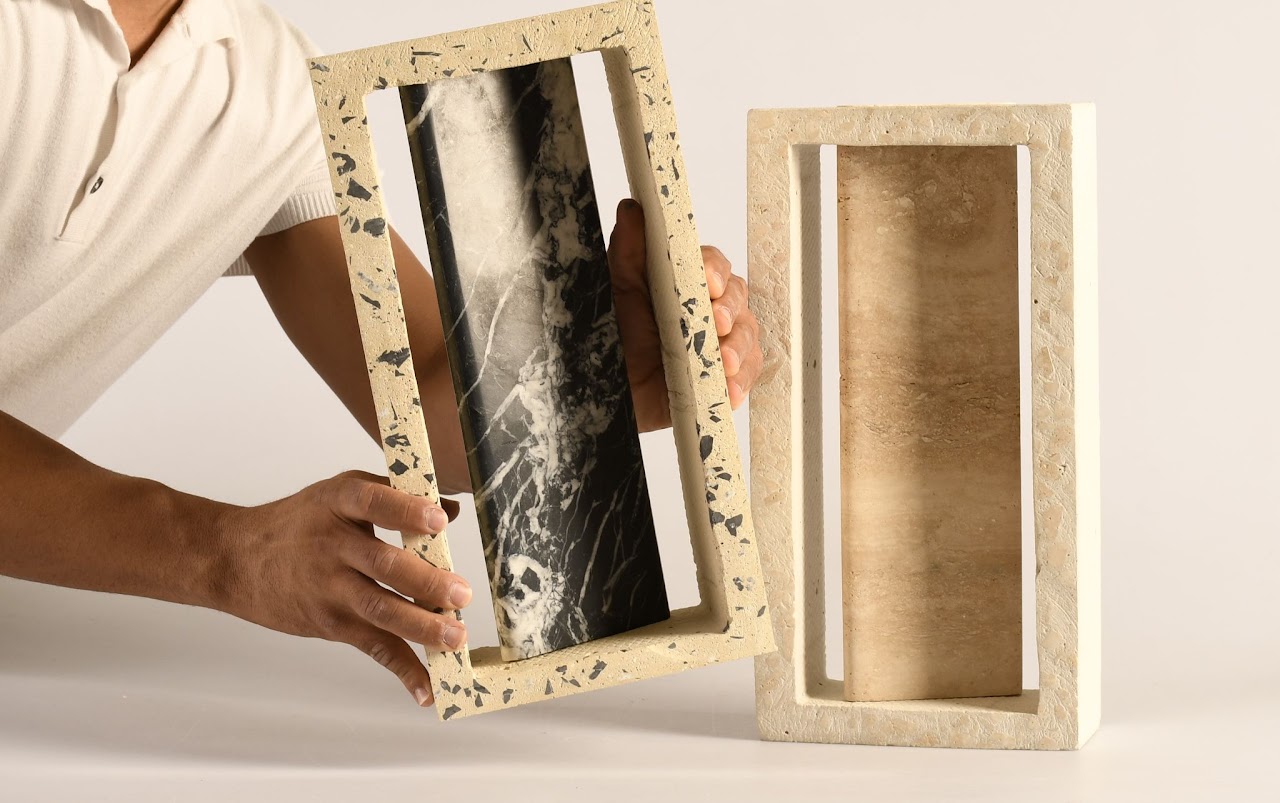


Designer Adônis Evangelista developed the Mucuri Cobogó in partnership with TCC Whitestone / MAAMI Home. The design explores how the stone industry can reuse marble waste in new building elements.
Marble processing generates large amounts of powder, slurry and stone fragments. Instead of discarding these by-products, the Mucuri Cobogó uses them as the main raw material for a modular architectural element.
Turning Stone Waste Into A Building Component
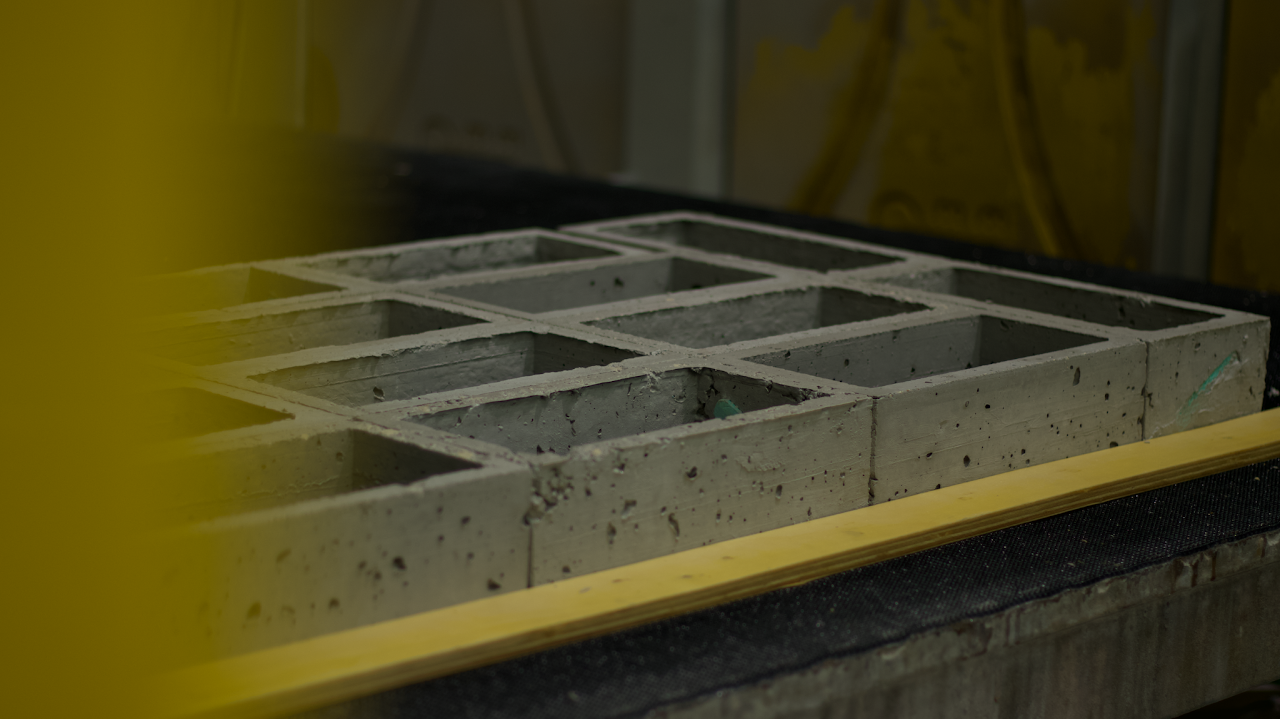
The element, developed during the Master’s in Industrial and Product Design at the University of Porto, contains around 70% marble residue. The team shapes the material through a manual moulding process and avoids firing. As a result, the production process requires less energy than many traditional ceramic products. At the same time, the project reduces the demand for new raw materials.
By reusing local stone waste, the design supports circular material flows. It keeps resources in use for longer and gives industrial by-products a second life. Therefore, it offers architects, interior designers and landscape architects a recycled mineral option for screens, partitions and façade elements.
A Perforated Element For Light And Ventilation
The design draws on the cobogó, a perforated building element used in Brazilian modernist architecture. Traditionally, cobogós filter daylight and allow air to circulate. The Mucuri Cobogó follows the same principle.
The rectangular module features a geometric central opening. This opening lets light and air pass through the structure. Consequently, designers can use the element to create visual privacy while maintaining airflow. For example, it can form façade screens, interior dividers or garden walls.
Linking Material, Place And Design
The name “Mucuri” comes from Tupi language roots and can mean “hole” or “passage”. The name reflects the opening at the centre of the design. Moreover, the material links the element directly to the Portuguese stone industry, where the marble waste originates.
Overall, the Mucuri Cobogó shows how designers can convert mineral waste into functional architectural components. It combines recycled content, local production and passive design potential in a single modular system.
Source & photos: Adônis Evangelista

Comments