Mycelium And Cellulose Nanofibrils Form Plastic-Free Food Packaging
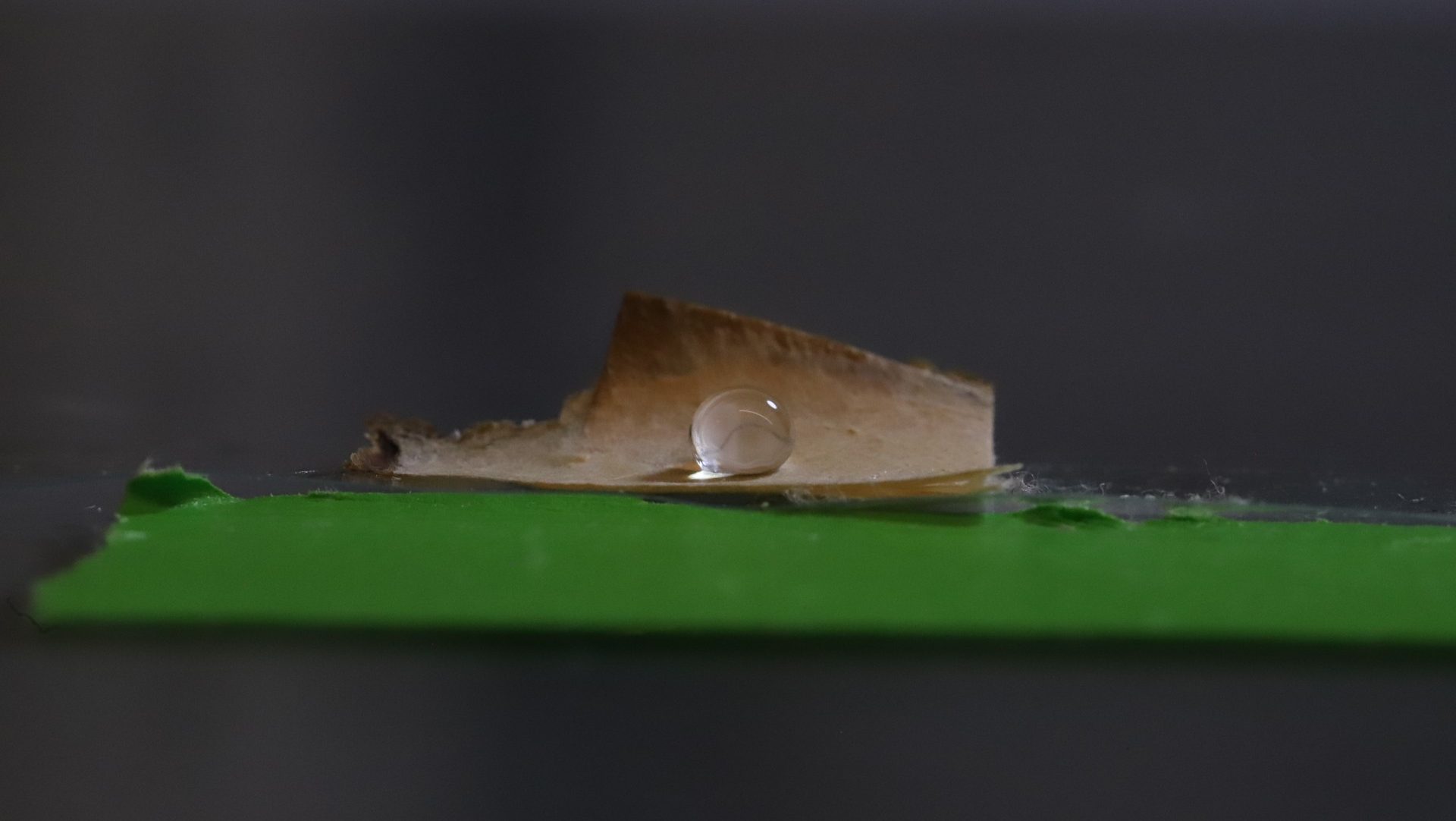
Researchers at the University of Maine have developed a fully bio-based food packaging material made from mycelium and cellulose nanofibrils (CNFs). The material offers a plastic-free alternative for food applications. It responds to growing concerns about the health and environmental impact of plastics.
Recent studies show that more than a quarter of the 16,000 chemicals used in plastics may pose risks to human health. At the same time, the United Nations estimates that 19–23 million tonnes of plastic enter rivers, lakes and oceans each year. Designers and manufacturers are therefore looking for safer, circular alternatives that maintain performance and convenience.
Combining Natural Water And Oil Resistance
The researchers combined two natural materials with complementary properties. Mycelium, the root-like network of fungi, naturally repels water. Cellulose nanofibrils, derived from wood, provide strong oil and grease resistance. CNFs are known for their strength, barrier performance and biodegradability.
Together, they form a thin coating that protects against both moisture and oils. Once dried, the mycelium layer measures only 20–25 microns thick. That is about a quarter of the thickness of a human hair. The resulting film feels smooth and plastic-like on one side, while the other side has a slightly fibrous texture.
Designers can apply the coating to paper and other substrates. Alternatively, manufacturers can produce standalone films made entirely from CNFs and mycelium. This flexibility makes the material suitable for food wrappers, pouches and coated paper packaging.
Faster Production And Industrial Scaling
Traditional mycelium materials often require weeks to grow. The research team reduced the growth time to just three days. They achieved this by optimising nutrients and blending pre-grown fungal cultures with CNFs.
The team selected Trametes versicolor, also known as turkey tail mushroom. This fungus naturally grows on decaying wood. As a result, it interacts efficiently with wood-based cellulose.
The researchers are now adapting the process for roll-to-roll manufacturing systems. This method is common in the packaging industry and enables continuous production. Scaling up could increase output from laboratory scale to square metres per hour, while keeping costs low.
Expanding Circular Design Opportunities
Although the focus lies on food packaging, the material system may also suit interior applications and product components that require biodegradable barrier layers. Instead of growing thick mycelium structures, the team uses fungi as a functional surface layer. This approach opens new directions for bio-fabrication and circular material design.
As the pressure to reduce plastic waste increases, biobased innovations such as this demonstrate that renewable materials can deliver both performance and environmental benefits.
Source & photo: University of Maine

Comments