Mycelium-Based Pavers Bring Biobased Materials to Copenhagen’s Fælledby
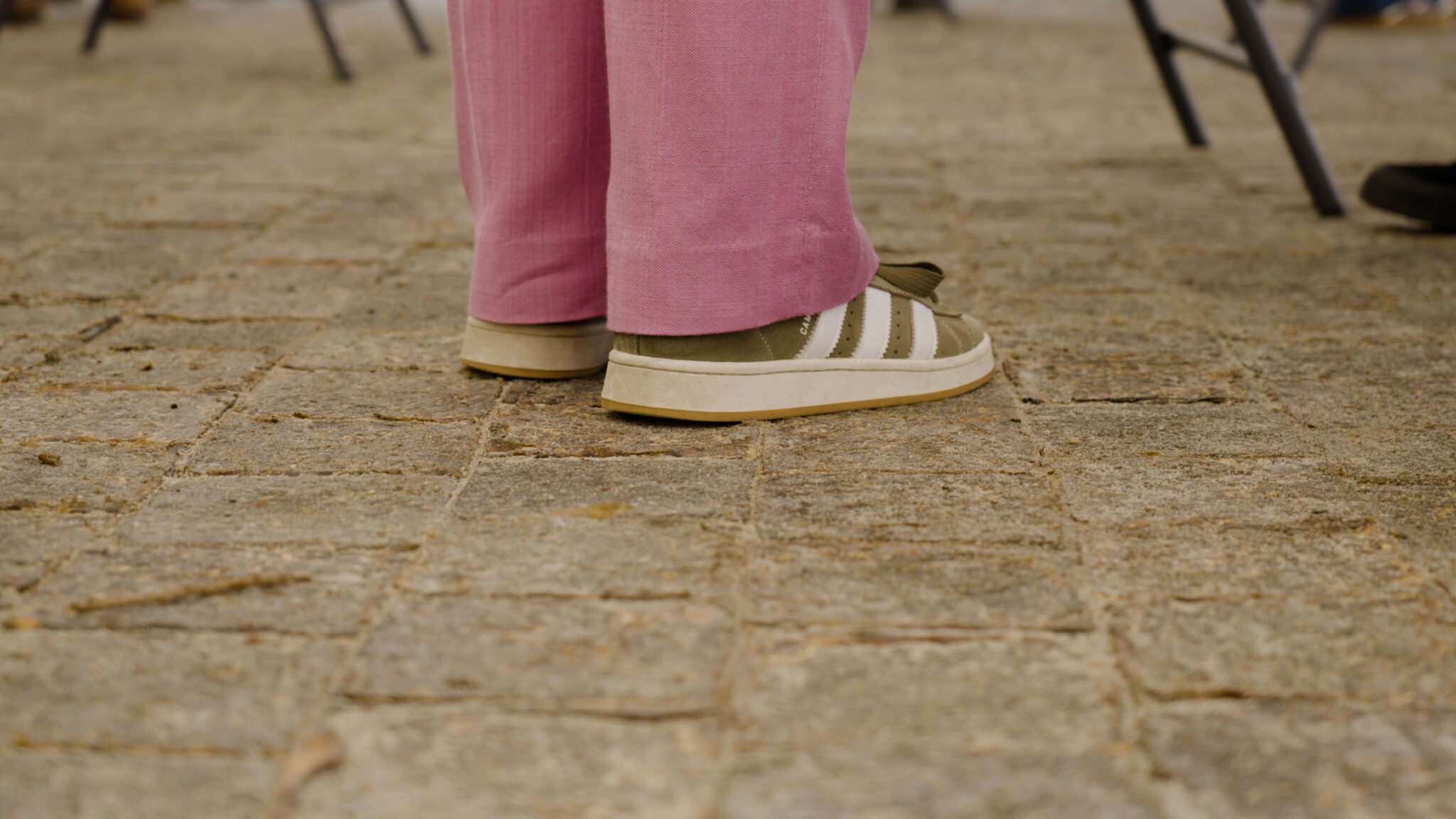
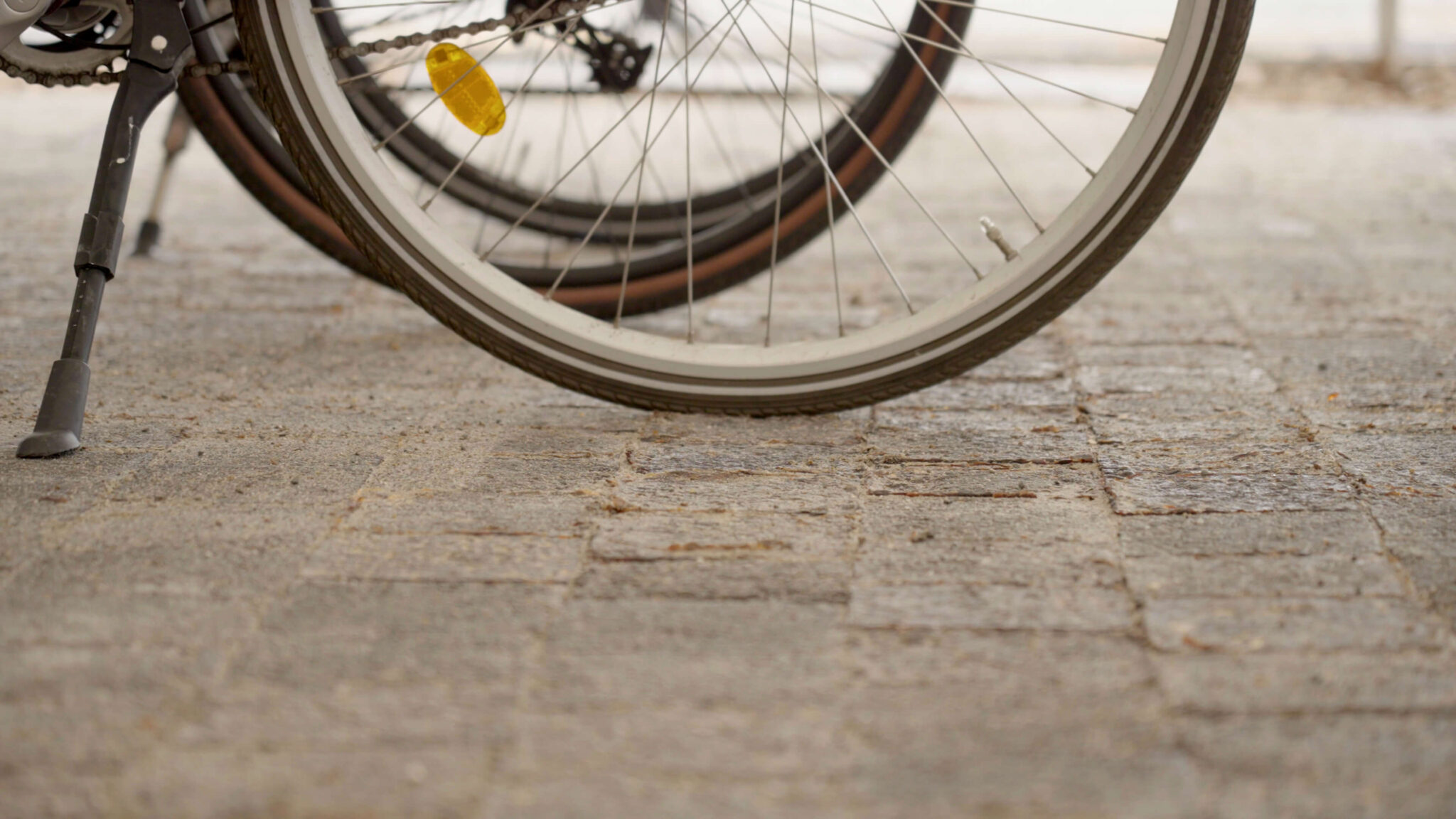
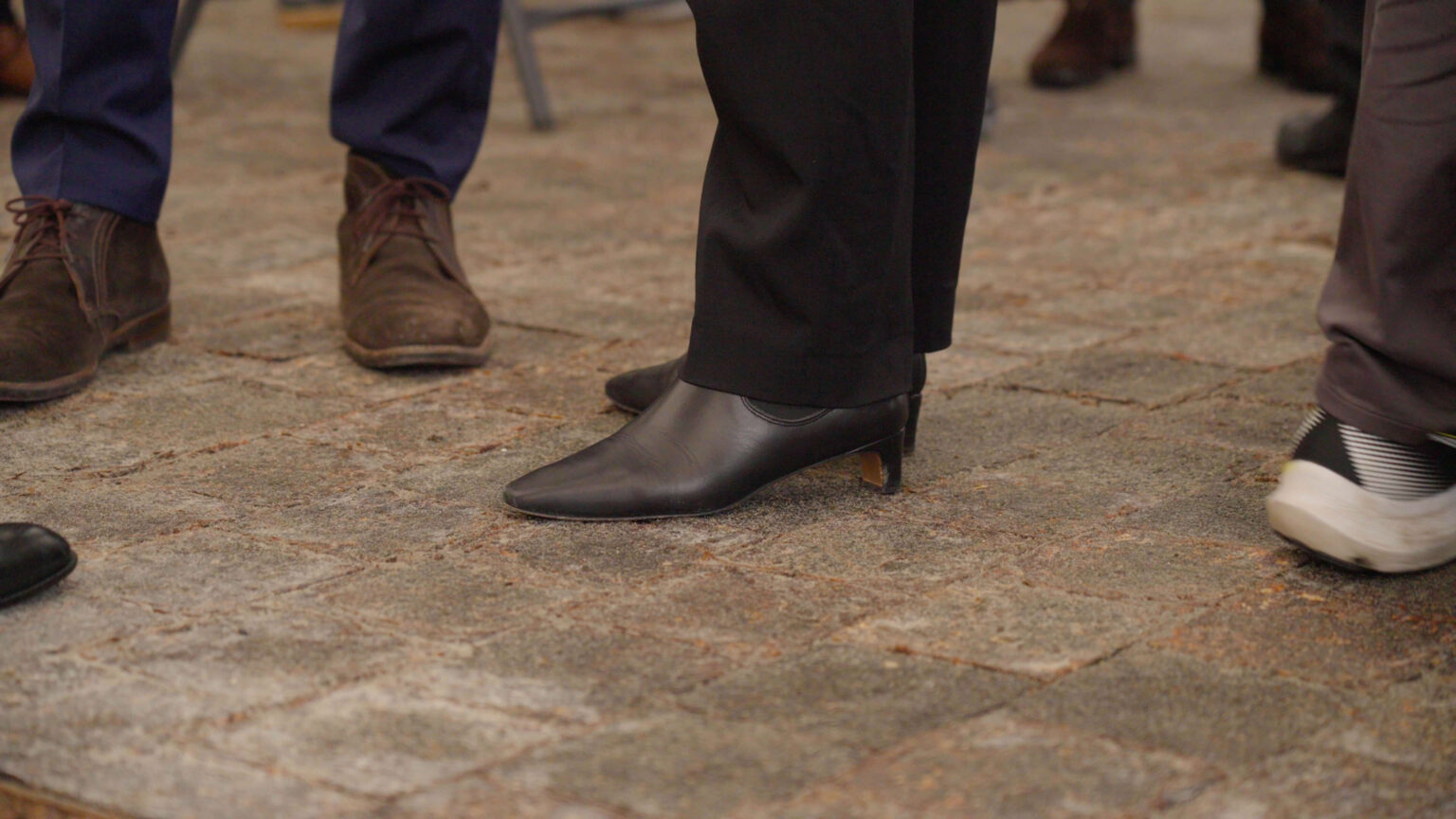
Danish company Visibuilt has installed its mycelium-based paving system, visiPAVER, in the mobility centre of Fælledby, a new residential district in Copenhagen. The neighbourhood sits on the edge of the Amager Fælled nature reserve and aims to combine urban living with the surrounding landscape. The project shows how biobased materials can support lower-impact public infrastructure while contributing to contemporary urban design.
Visibuilt developed the installation together with Fælledby, a collaboration between By & Havn and PensionDanmark. The mobility centre primarily serves cyclists and reflects the neighbourhood’s focus on accessibility, aesthetics and climate-conscious construction.
Agricultural Waste Meets Mycelium Technology
Visibuilt developed visiBINDER, a binder made from mycelium, the root-like network of fungi. The company describes it as a 100% biobased alternative to conventional fossil-based binders used in paving materials.
The company combines underutilised agricultural waste streams with mineral aggregates and bonds them using visiBINDER. According to Visibuilt, this production method reduces energy consumption and CO₂ emissions compared with conventional paving materials. The company continues to optimise the material for everyday outdoor traffic.
Flexible Design with a Distinctive Appearance
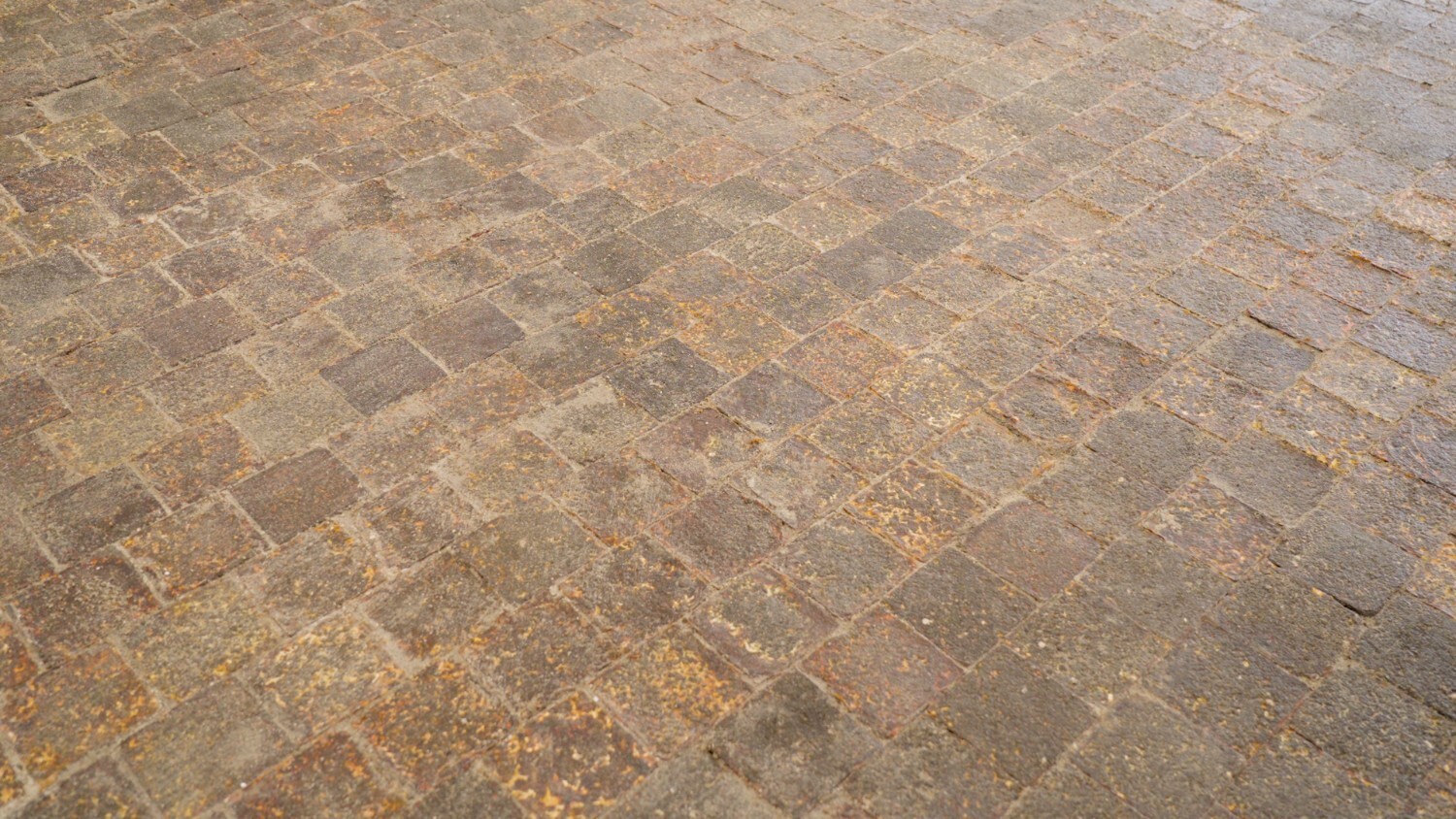
visiPAVER translates this technology into a practical product for outdoor spaces. Designers can use the modular pavers in different patterns for cycle facilities, pedestrian zones, parking areas and other paved surfaces. A protective coating supports outdoor durability and gives the surface its bronze-like appearance.
The surface preserves the natural texture created during the mycelium growth process. A protective coating enhances this texture with a warm, bronze-like appearance while improving durability. Instead of hiding the biological origin of the material, the design highlights it, giving every paver its own subtle surface pattern.
Towards More Natural Urban Infrastructure
Visibuilt sees visiBINDER as the basis for a broader range of paving solutions, including pedestrian areas, cycle routes, parking spaces and driveways. By replacing conventional binders with a cultivated fungal alternative and using agricultural residues as feedstock, the company aims to reduce the environmental impact of paved surfaces.
The Fælledby project demonstrates how biobased materials can move beyond experimental applications and into real urban developments. It also illustrates how designers can combine functionality, material innovation and environmental performance in public spaces.
Source & photos: Visibuilt

Comments