New Grain: Plastic-Free Leather Alternative Made From Brewers’ Spent Grain
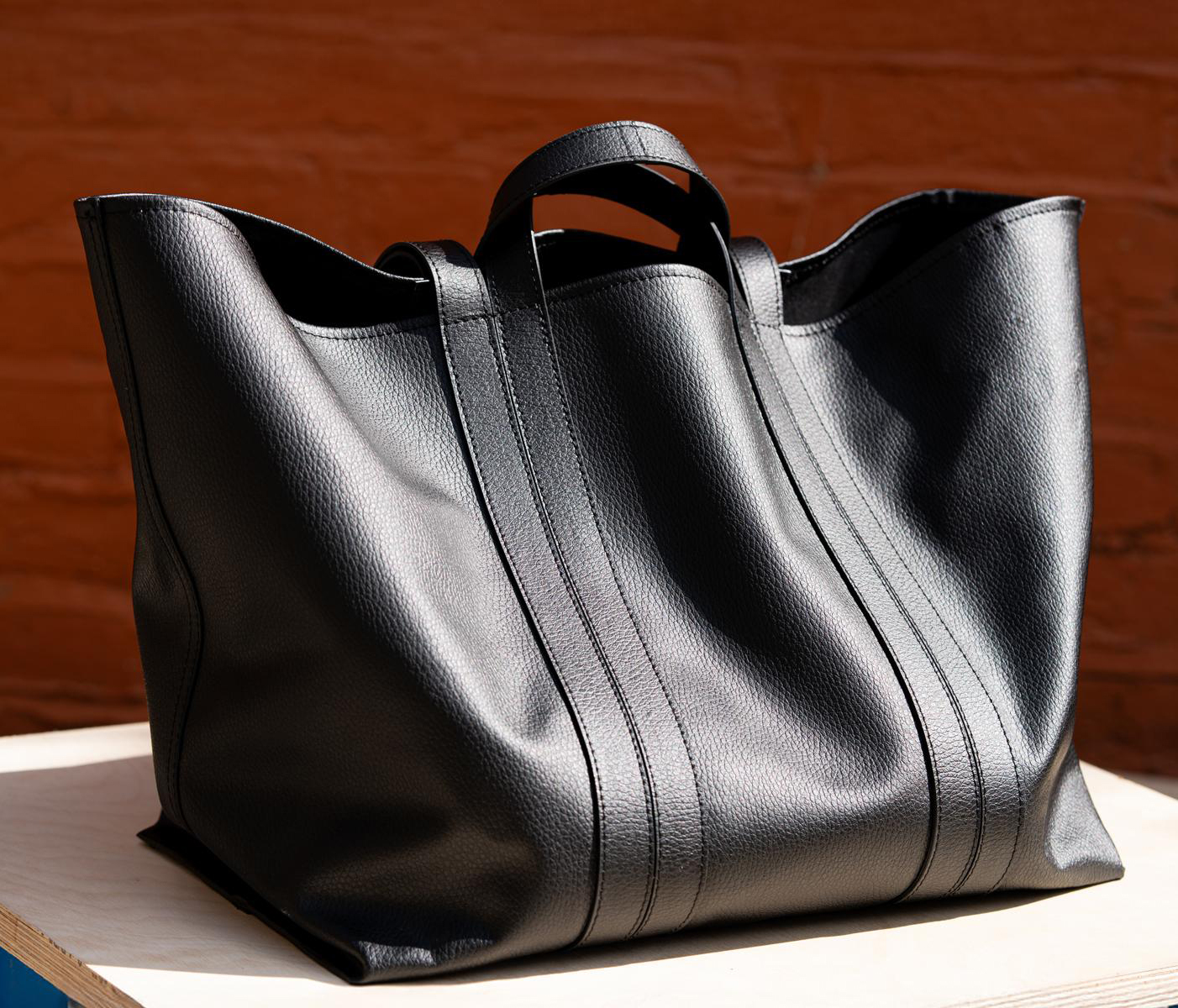
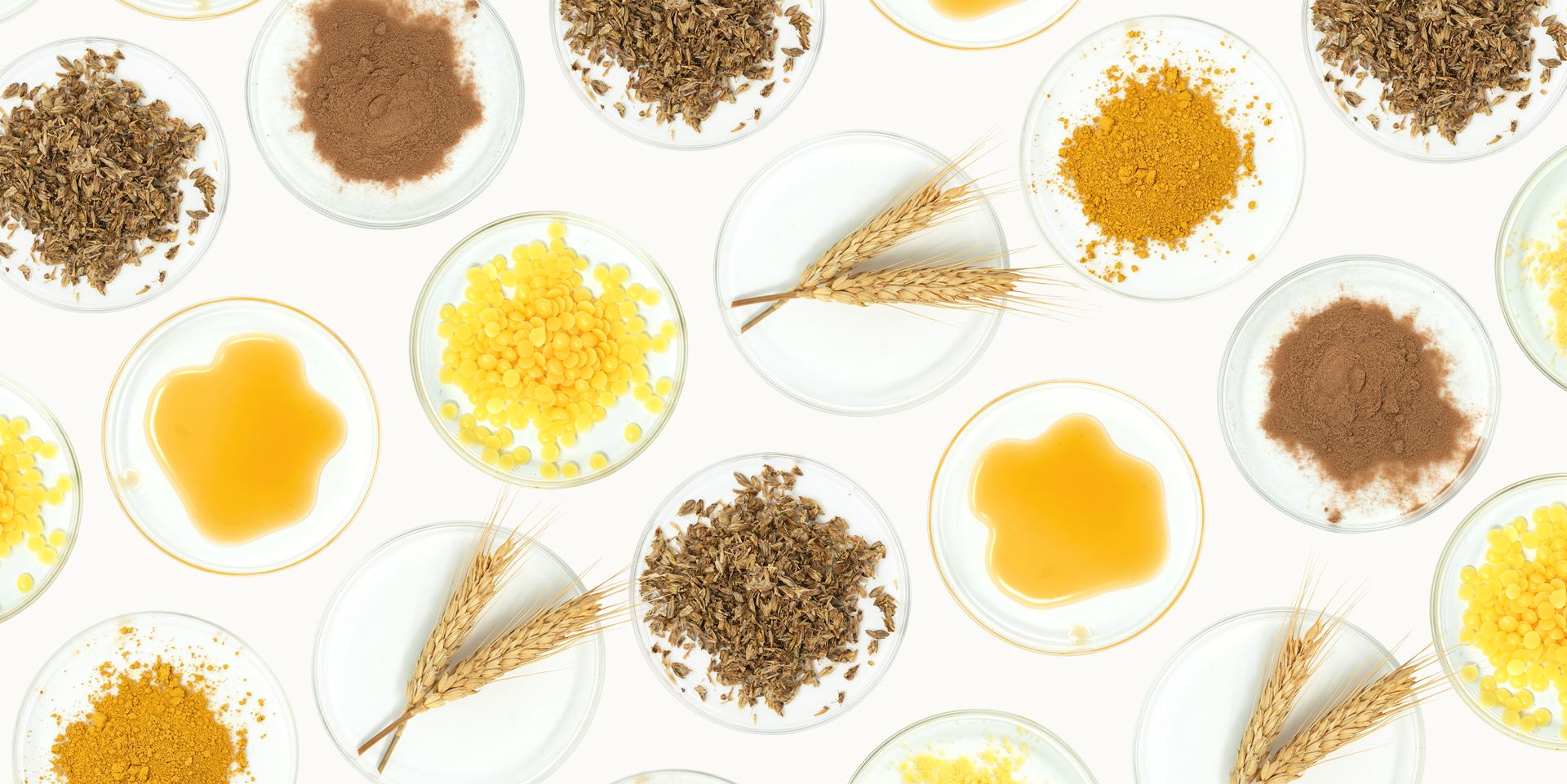
Brewers and whisky distillers extract sugars from barley during fermentation. After this process, a protein-rich by-product remains: brewers’ spent grain (BSG), also known as draff in whisky production. In most cases, producers use this biomass as animal feed, convert it into biogas, or dispose of it. As a result, much of its material value remains underused.
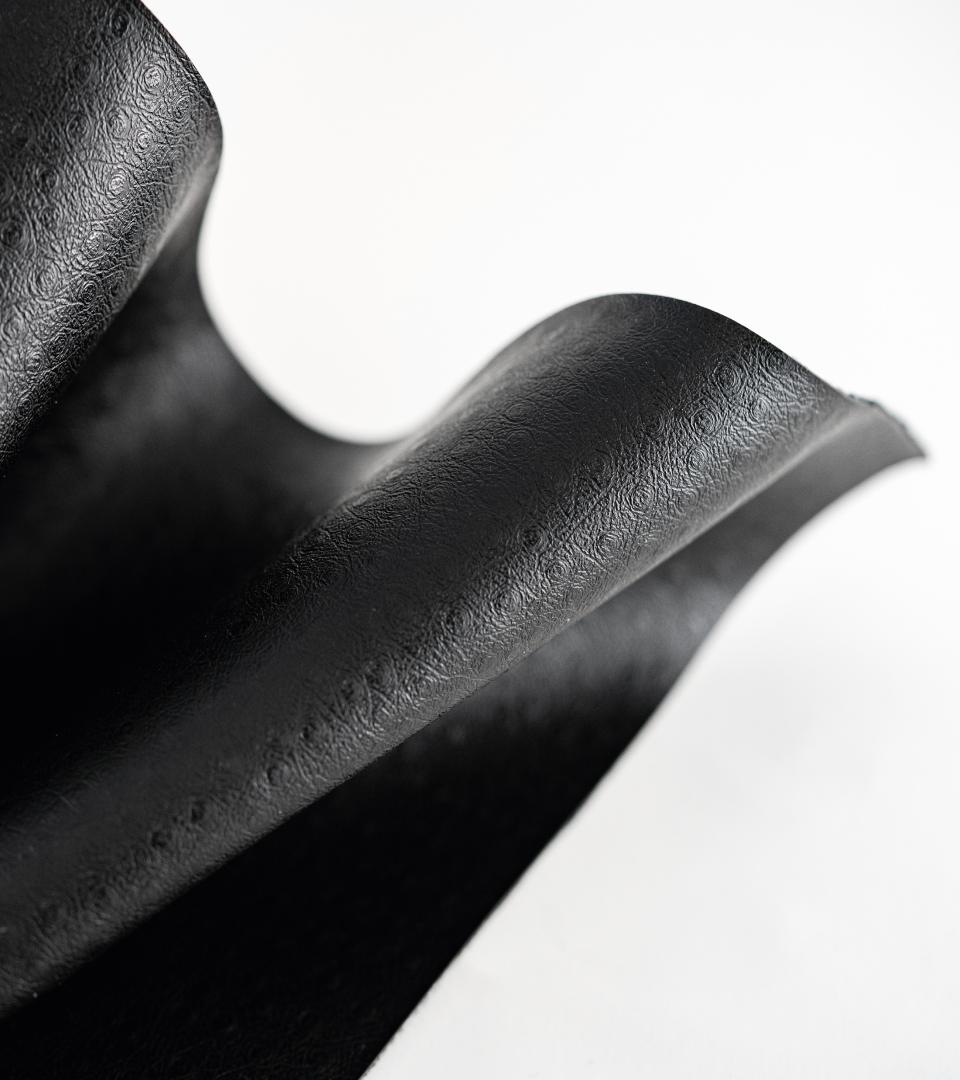
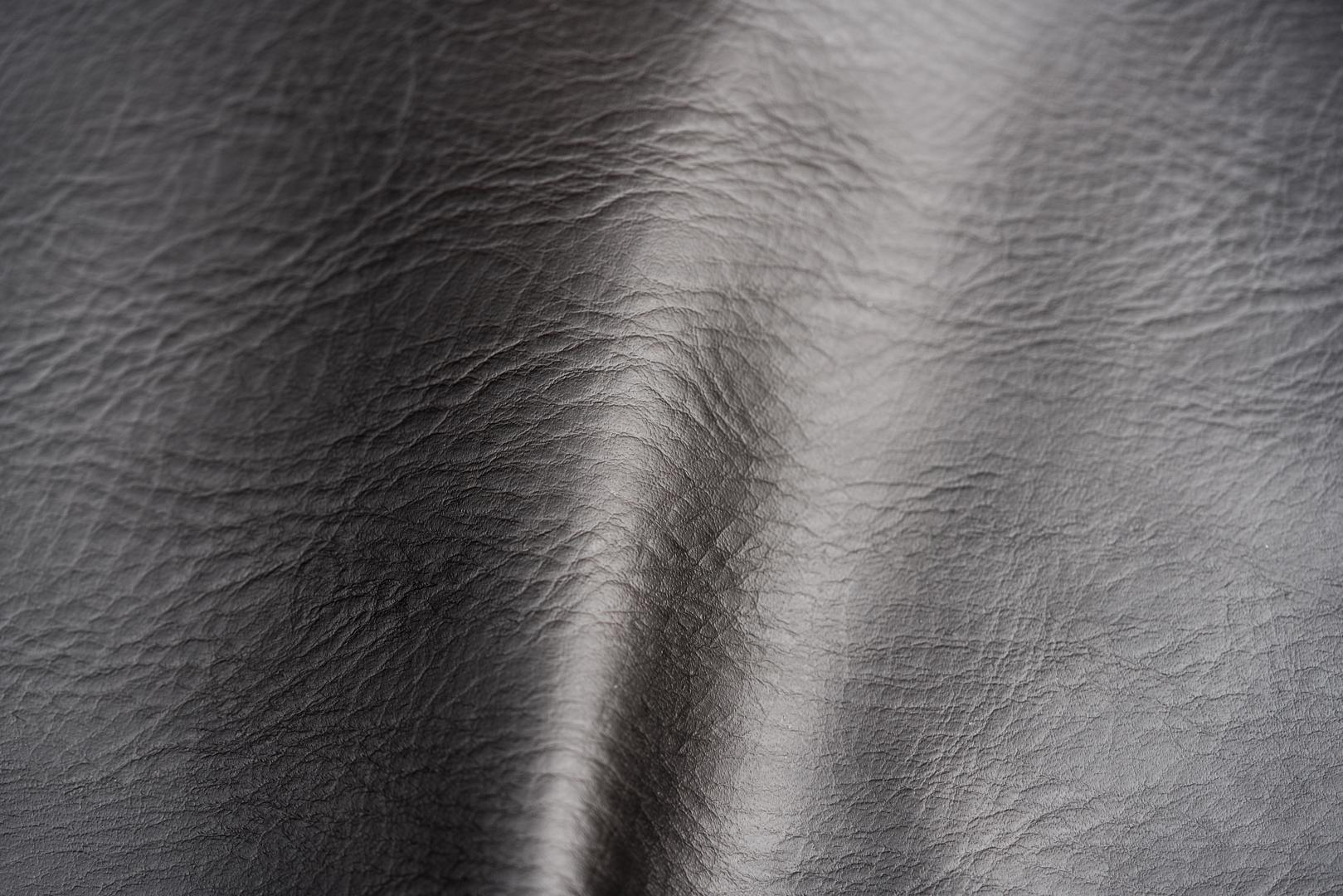
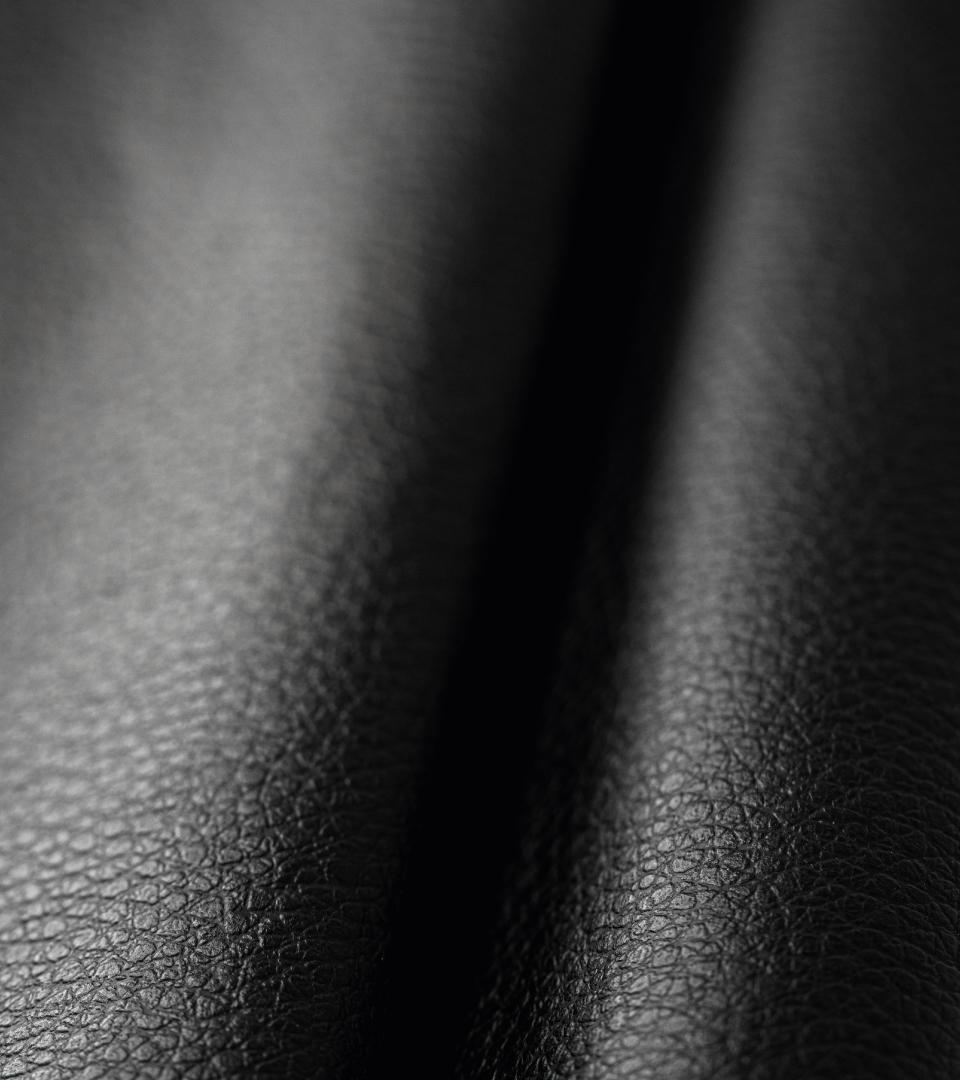
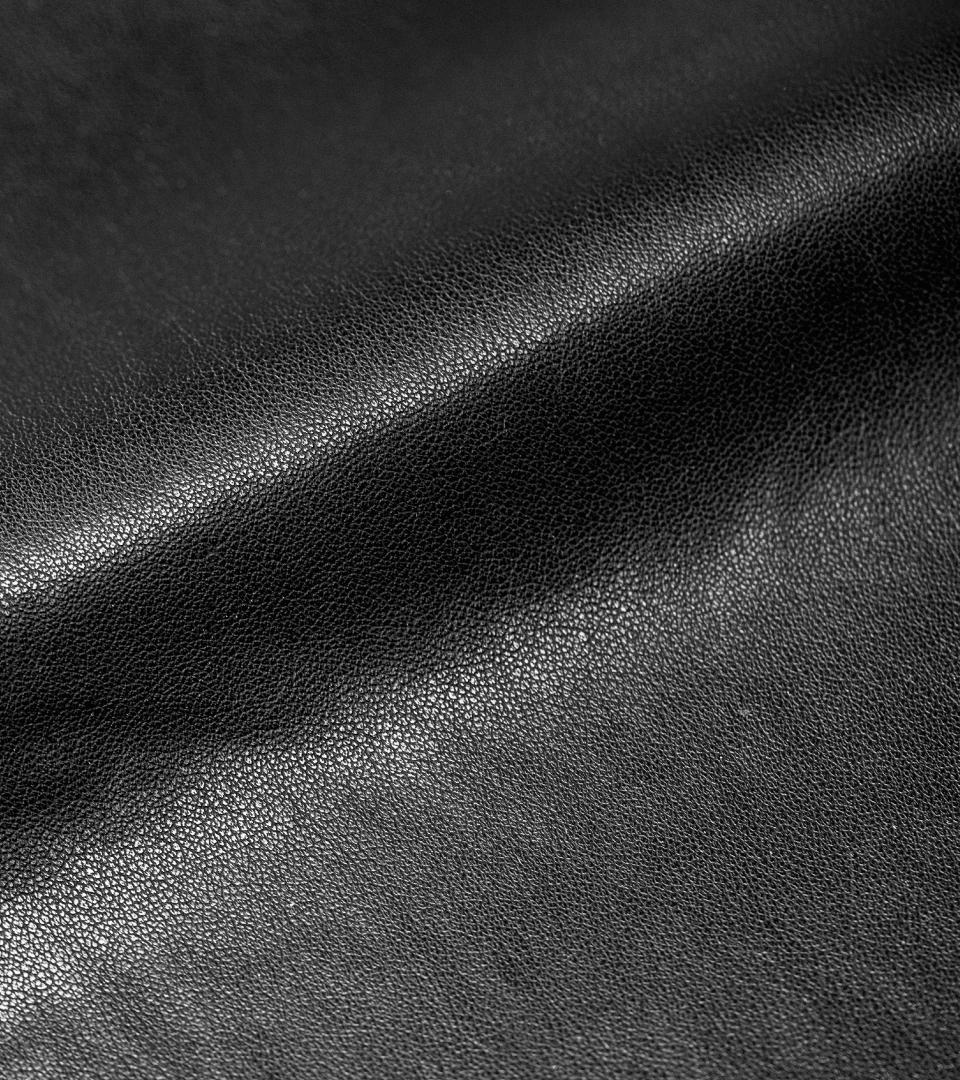
London-based Arda Biomaterials takes a different approach. The company transforms spent grain into biobased materials for design applications. Its first development, New Grain, is a leather-like alternative made without animal inputs or fossil-based plastics.
By upgrading a large-scale food industry side stream, the material supports circular design strategies. Instead of downcycling waste, it keeps resources in use at a higher functional level.
Plant Proteins Instead Of Plastics
Many leather alternatives rely on polyurethane (PU) coatings or synthetic binders. These plastics provide flexibility, durability and surface protection. However, they also reduce recyclability and increase fossil dependency.
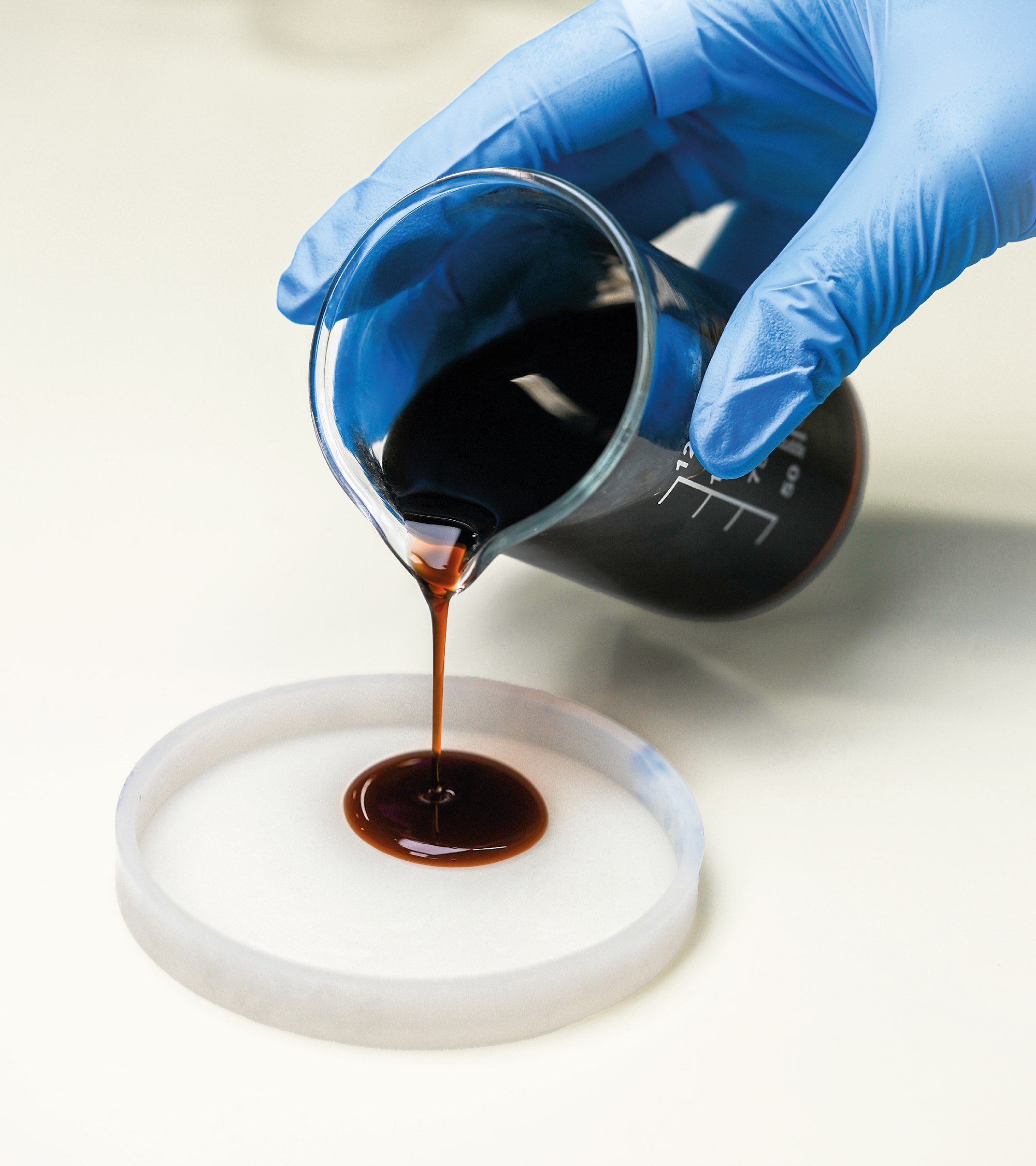
New Grain uses plant proteins extracted from spent grain as its structural base. Through proprietary green chemistry, Arda restructures these proteins to create a fibrous network. This structure aims to replicate key performance qualities associated with leather.
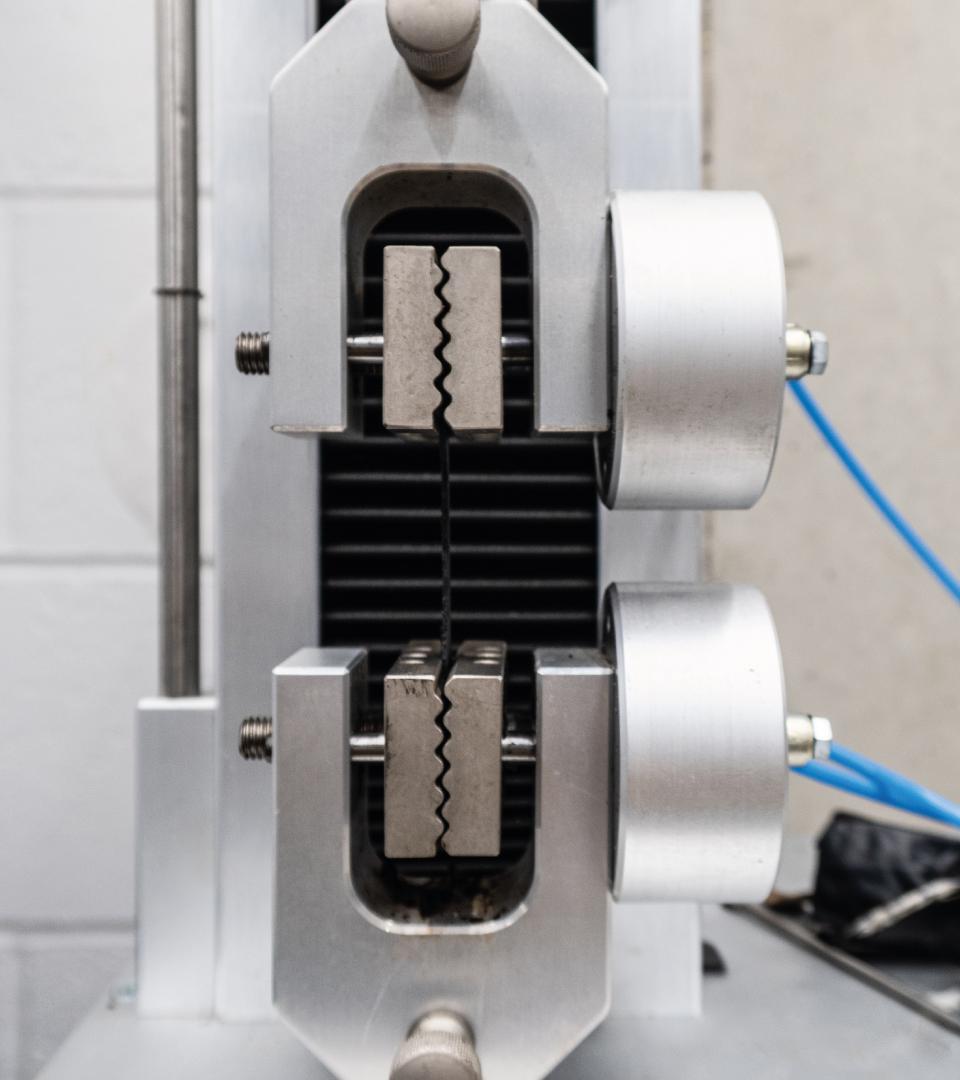
The development team tests the material for tensile strength, tear resistance and flexibility. In addition, they evaluate elongation, drape, abrasion resistance and surface finish. These properties are essential for fashion, upholstery and automotive interiors.
Importantly, the material works with roll-to-roll manufacturing systems. Therefore, it can integrate into existing production lines and scale more easily.
Applications In Fashion, Interiors And Automotive Design
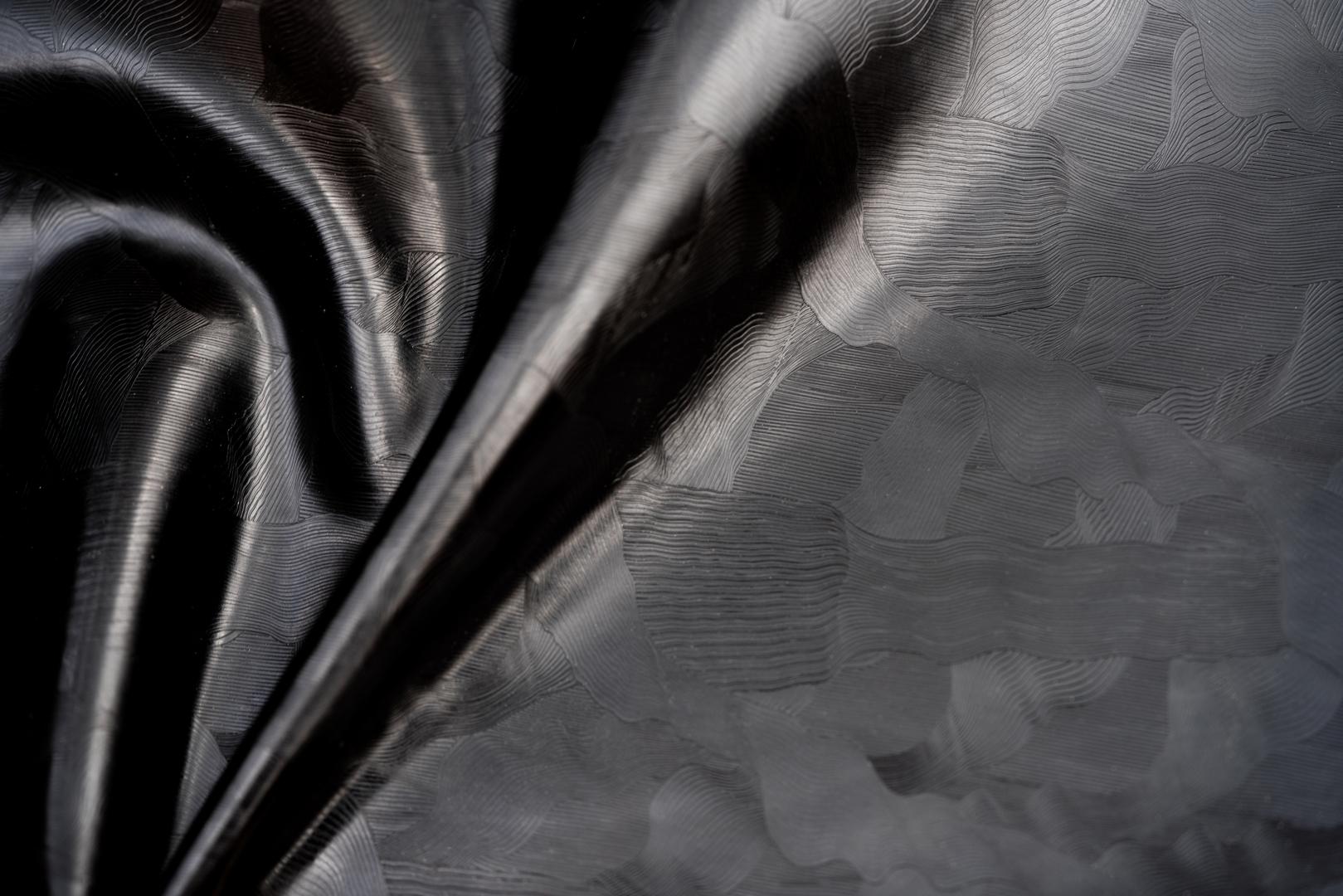
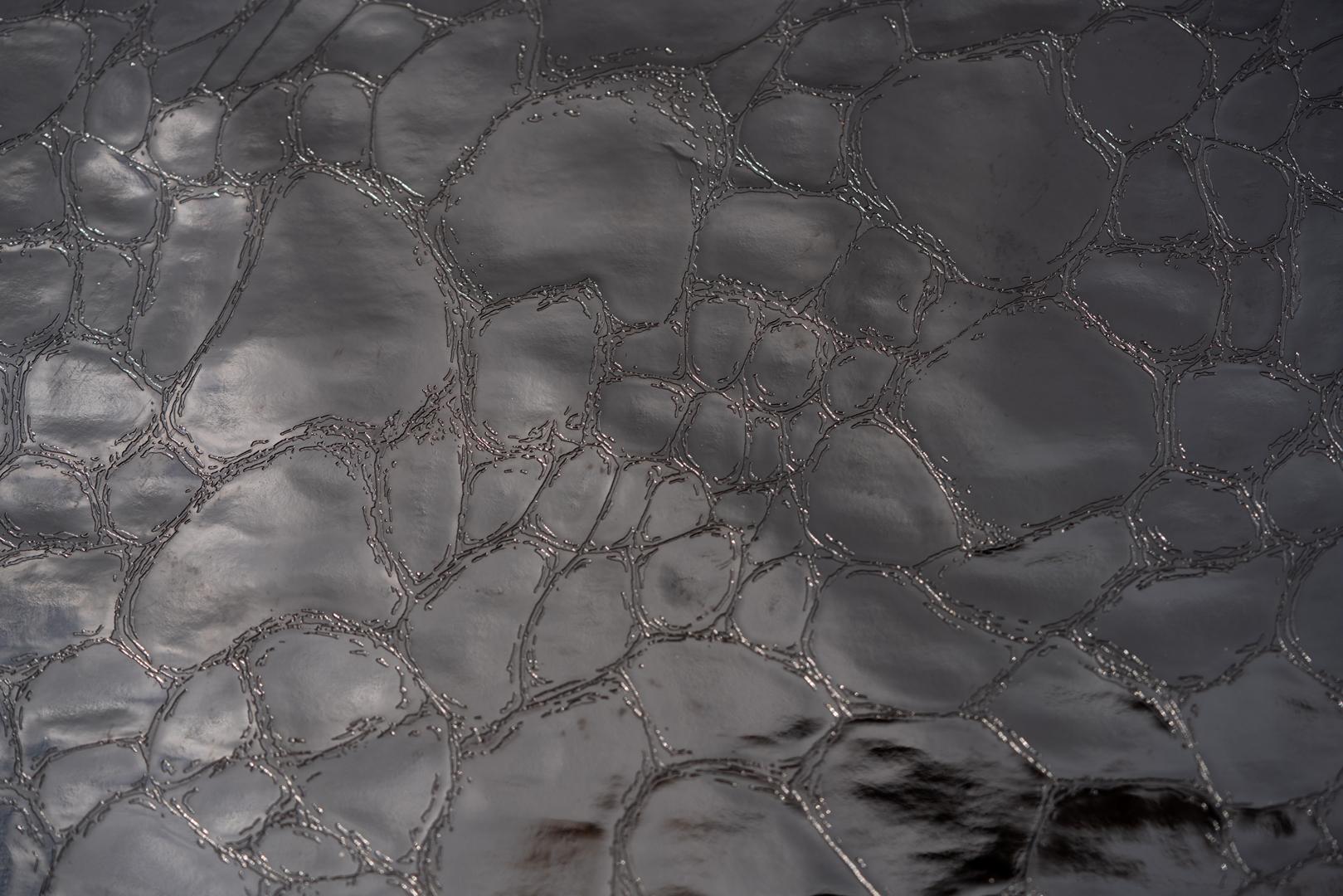
New Grain targets applications in accessories, furniture upholstery and vehicle interiors. Designers can customise colour, texture and surface finish to meet aesthetic and technical requirements.
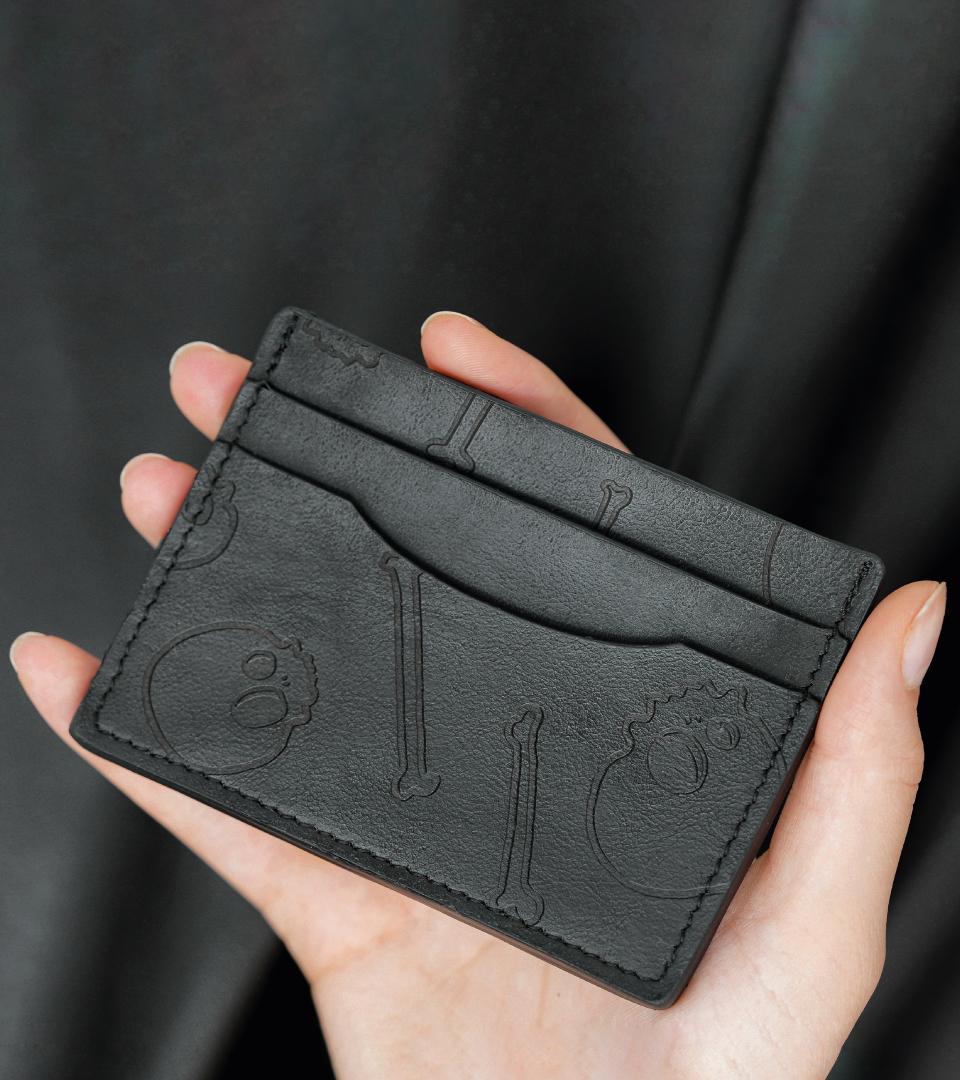
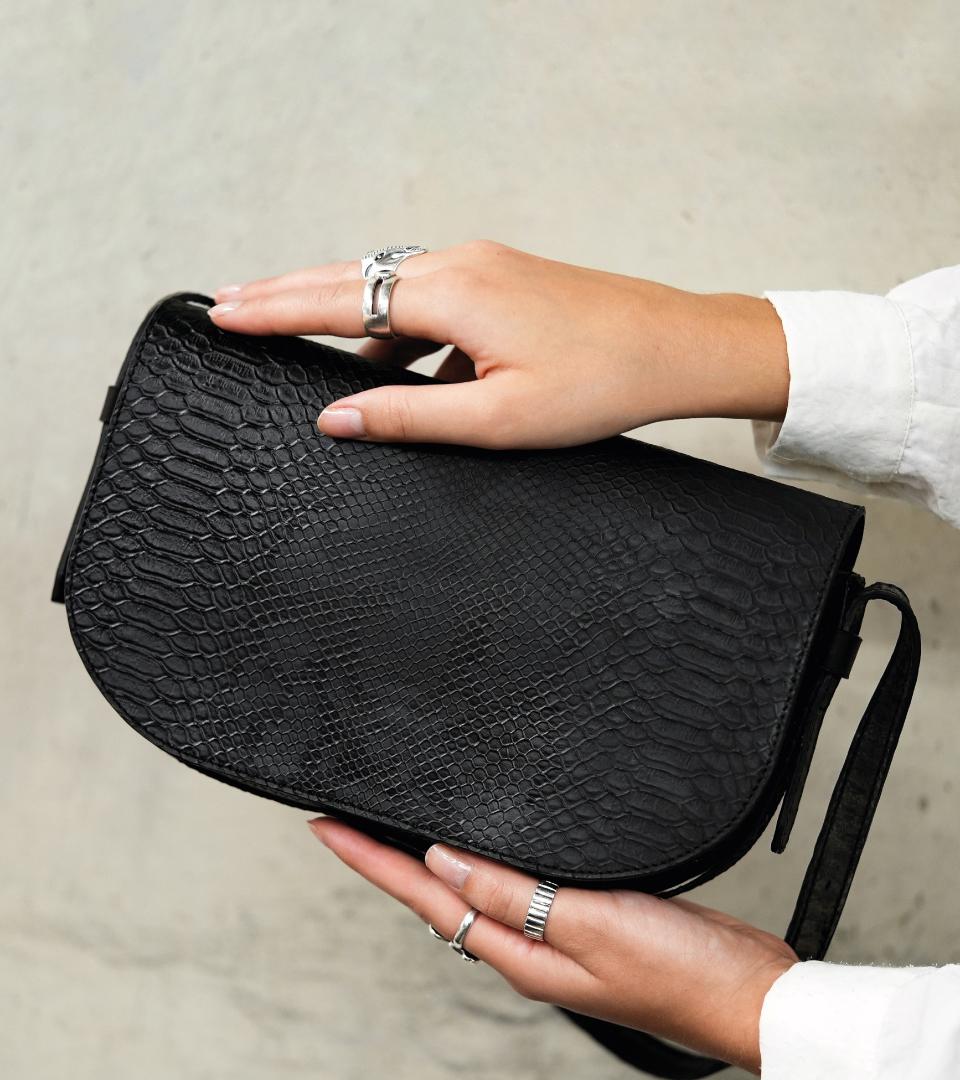
For example, in 2024 Arda collaborated with BEEN London. Together, they developed a snake-textured version of the material for use in bags. In another project, Arda worked with London brewery Beavertown. The team converted the brewery’s own spent grain into branded cardholders. This project demonstrated how local waste streams can feed directly into product development.
Such collaborations highlight the potential for regional circular partnerships between beverage producers, brands and designers.
Commercial availability is expected in late 2026. Meanwhile, Arda continues to develop the material with partners in the fashion and beverage sectors.
Biobased Materials From Food Industry Side Streams
As designers look for alternatives to animal leather and plastic-based synthetics, interest in biobased materials continues to grow. Agricultural by-products offer one promising route. They are abundant, renewable and often locally available.
Materials like New Grain show how protein-rich waste streams can move into higher-value design applications. For fashion, interior and automotive designers, this approach offers both a sustainability narrative and a technical alternative to conventional materials.
For those exploring circular and biobased material innovation, brewers’ spent grain may become an increasingly relevant resource.
Source & photos: Arda Biomaterials

Comments