Next-Generation Biodegradable Performance Textiles by Lenzing and OceanSafe
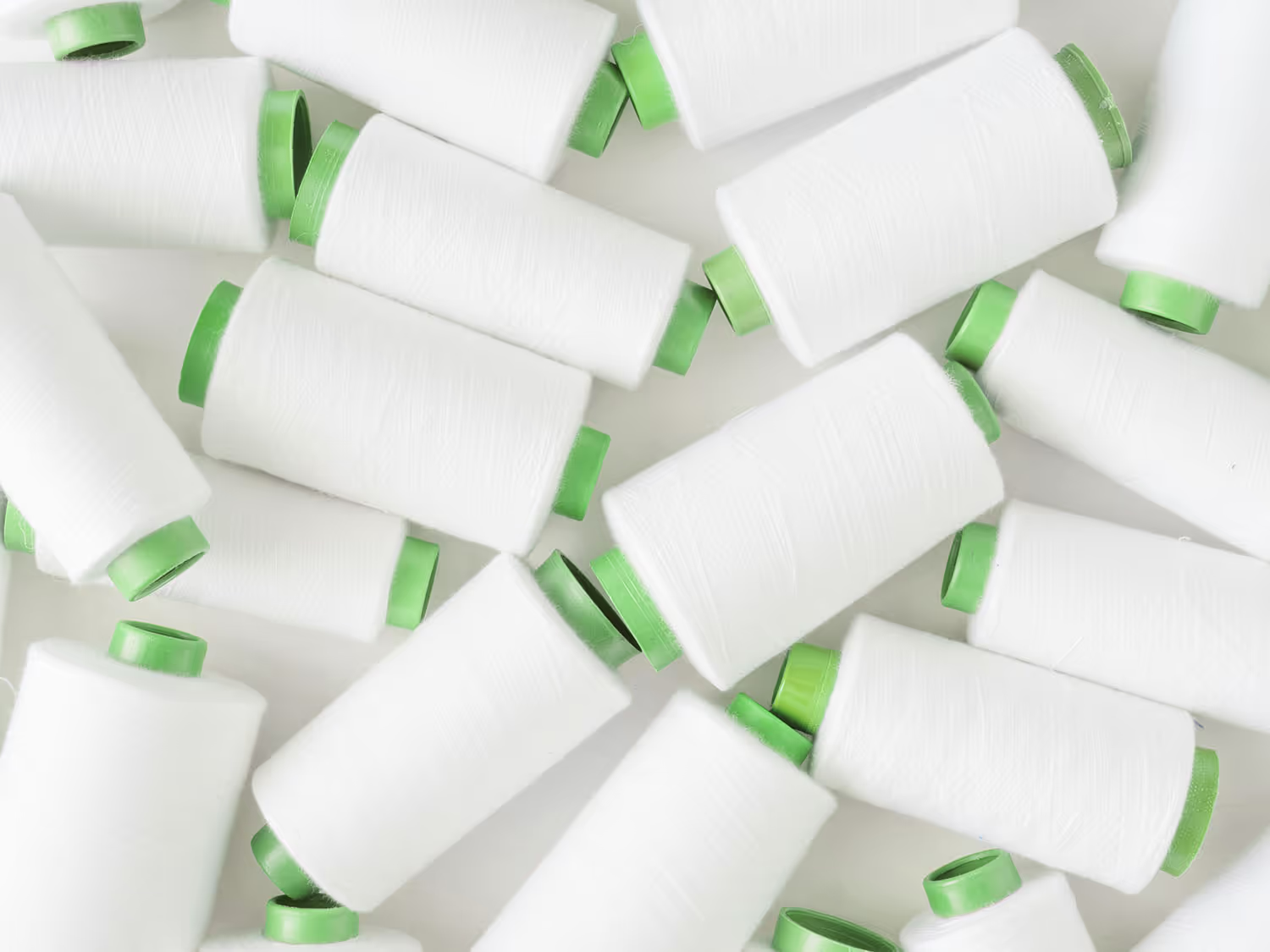
Austrian fibre producer Lenzing Group and Swiss textile innovator OceanSafe have developed a new generation of sustainable, high-performance yarns. The partnership combines Lenzing’s Tencel Lyocell A100 fibres, made from responsibly sourced wood pulp, with OceanSafe’s naNea co-polyester, a biodegradable and ocean-safe polymer. Together, these materials offer a functional and environmentally responsible alternative to conventional synthetic fibres.
Sustainable Performance with Advanced Functionality
The new yarn blends the softness, moisture control, and odour resistance of Tencel Lyocell with the strength, durability, and quick-drying properties of naNea. Unlike traditional polyester, naNea can safely biodegrade in marine environments, helping to reduce microplastic pollution.
This development gives manufacturers a practical way to switch to circular and biodegradable textiles without losing technical performance. It represents a step towards a more sustainable textile industry, where innovation and responsibility go hand in hand.
From Sportswear to Technical Design
To showcase the yarn’s potential, Lenzing and OceanSafe created a capsule collection featuring yoga wear, athleisure T-shirts, and fleece jackets. The pieces highlight how the material combines comfort, function, and style.
The companies also see opportunities beyond fashion. The yarn could be used in footwear, home textiles, bags, and technical products, offering designers a new option for durable and circular materials.
Collaboration Across the Industry
The yarn’s development involved several partners across the textile value chain. Yarn specialist Tearfil, knitwear producer Impetus, fleece manufacturer Kingwhale, and insulation expert G-LOFT contributed their skills in product design and material engineering. This collaboration shows how working together can speed up the adoption of new, sustainable technologies.
Designing for Circularity
For designers, this innovation makes it easier to integrate biobased and biodegradable fibres into high-performance products. By balancing comfort, function, and environmental care, the yarn supports a shift toward circular design. It allows products to be both durable in use and degradable at the end of life, helping to reduce textile waste and environmental impact.
Source: Just Style / OceanSafe
Photo: OceanSafe

Comments