Precrete: Sustainable Concrete from Oyster Shells
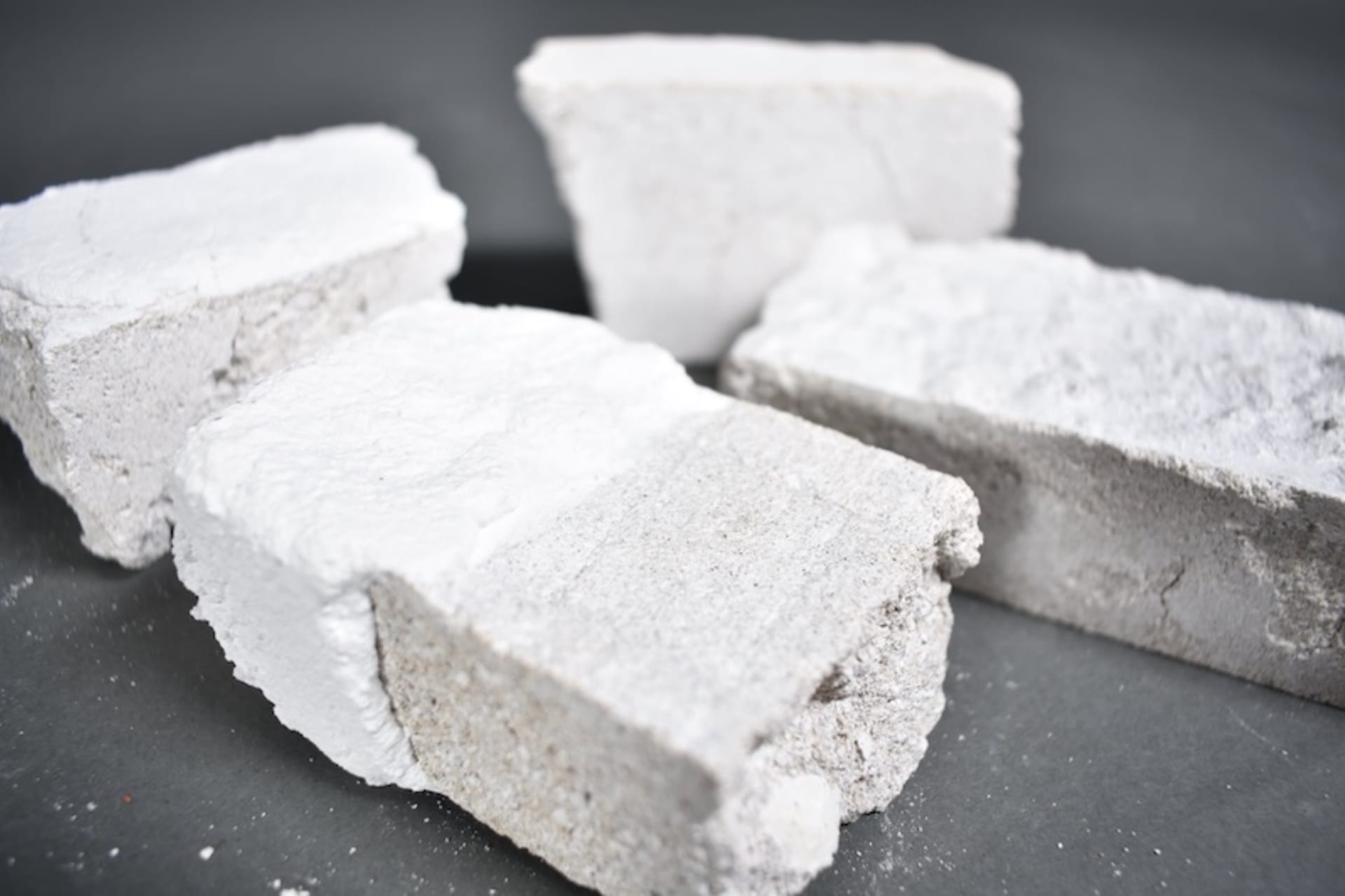
All rivers in England are now rated in “bad” ecological condition. In Kent, heavy sewage discharges have damaged local shellfish waters. Designer Jacob Tucker responds to this crisis with Precrete, a new material made from oyster shells.
Reviving Tabby Concrete
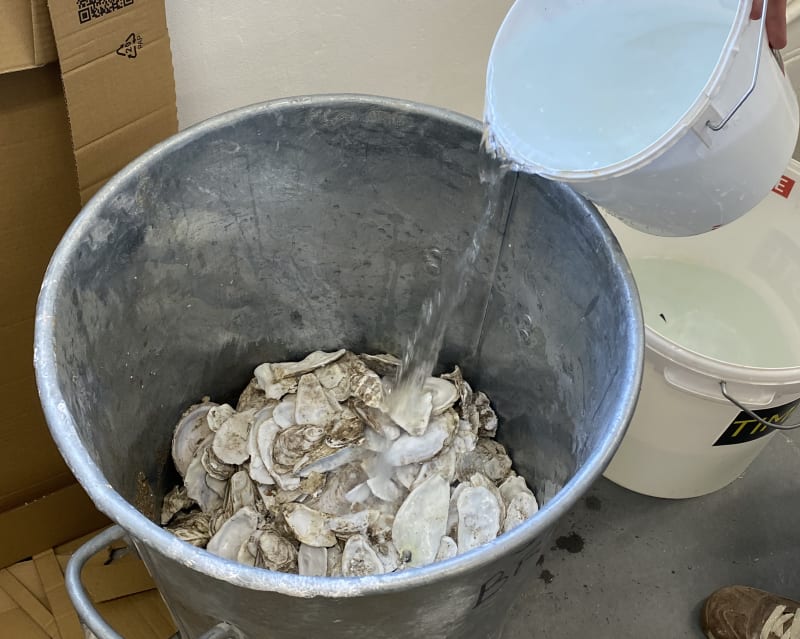
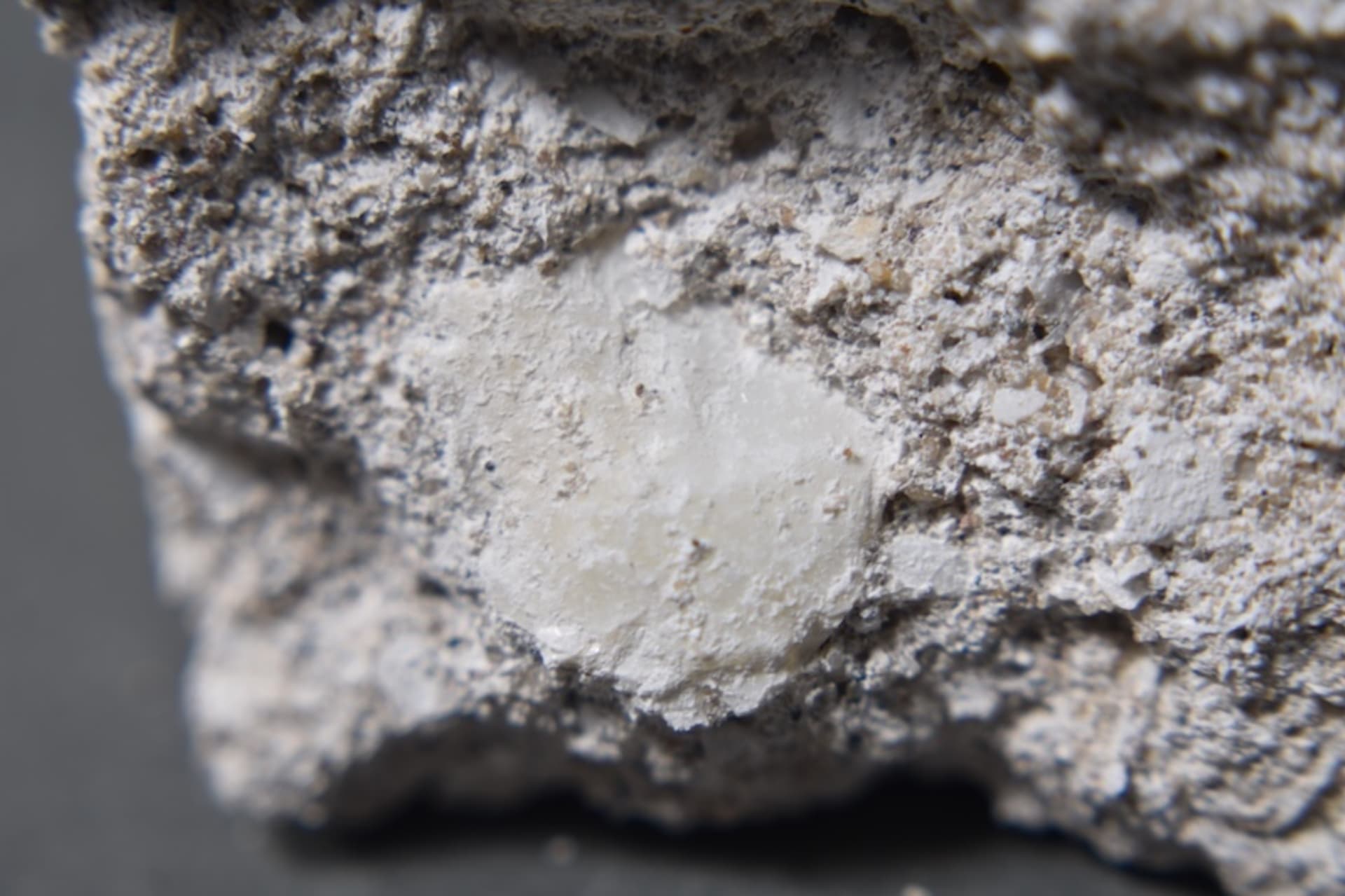
The project builds on an ancient method called tabby concrete, once used in coastal regions. Instead of sending oyster shells to waste, Tucker fires them at more than 900°C. After slaking, they form a lime-like binder that holds the concrete together.
Unlike modern cement, tabby concrete has a highly alkaline quality. This feature once limited its use, but in Precrete it becomes an advantage. The alkalinity helps neutralise acidic polluted water, turning a waste stream into a tool for environmental repair.
From Waste to Design
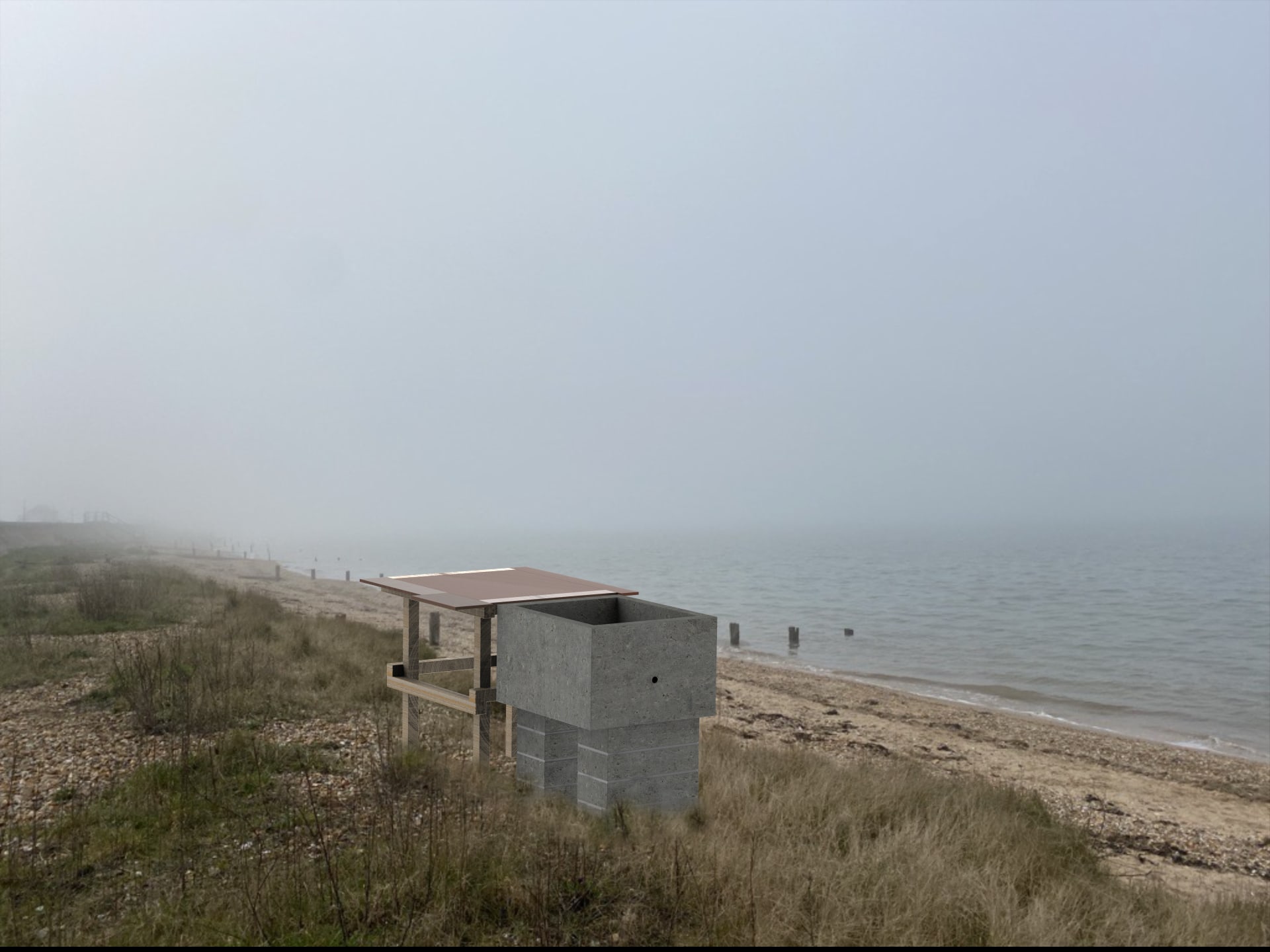
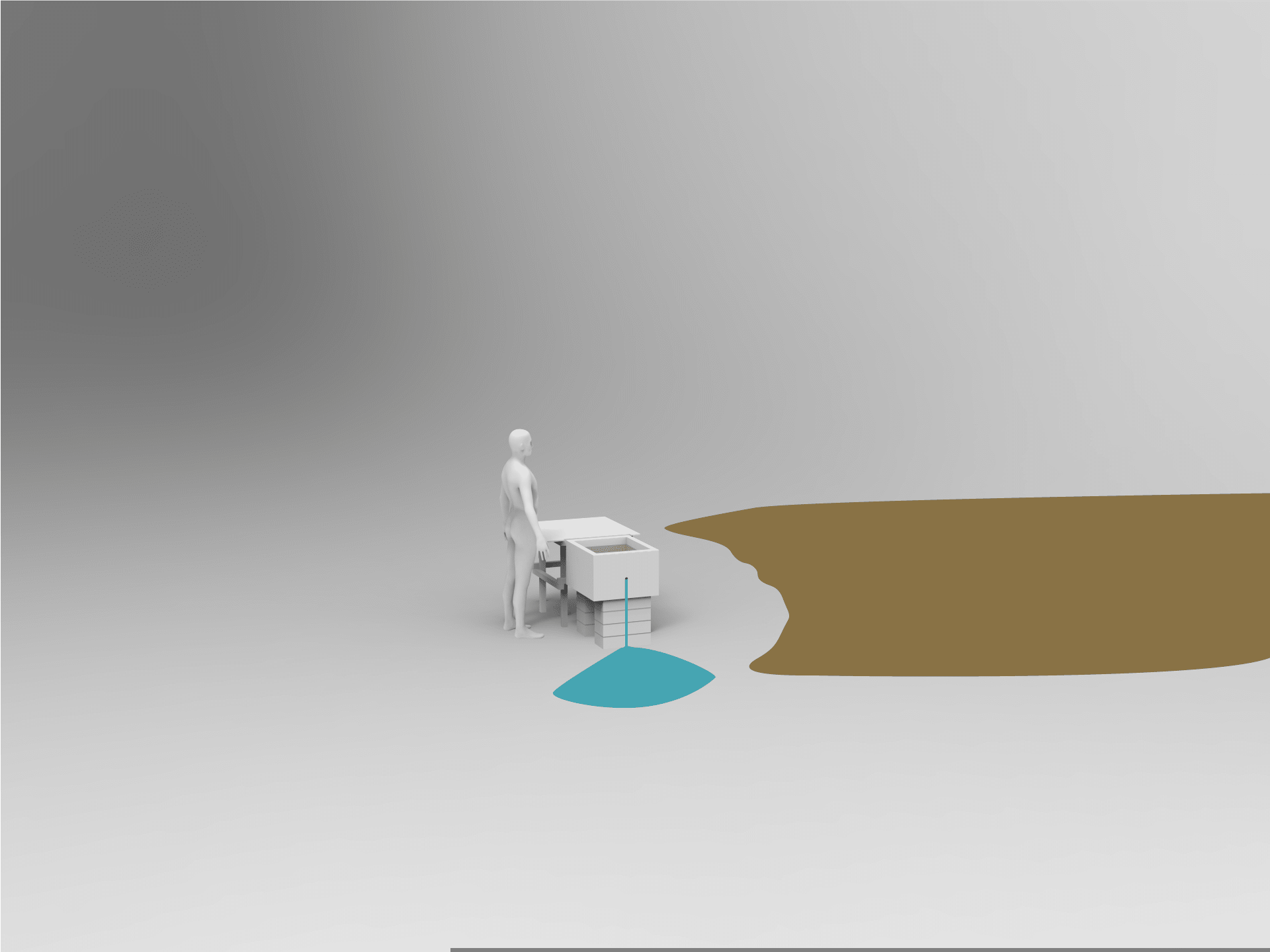
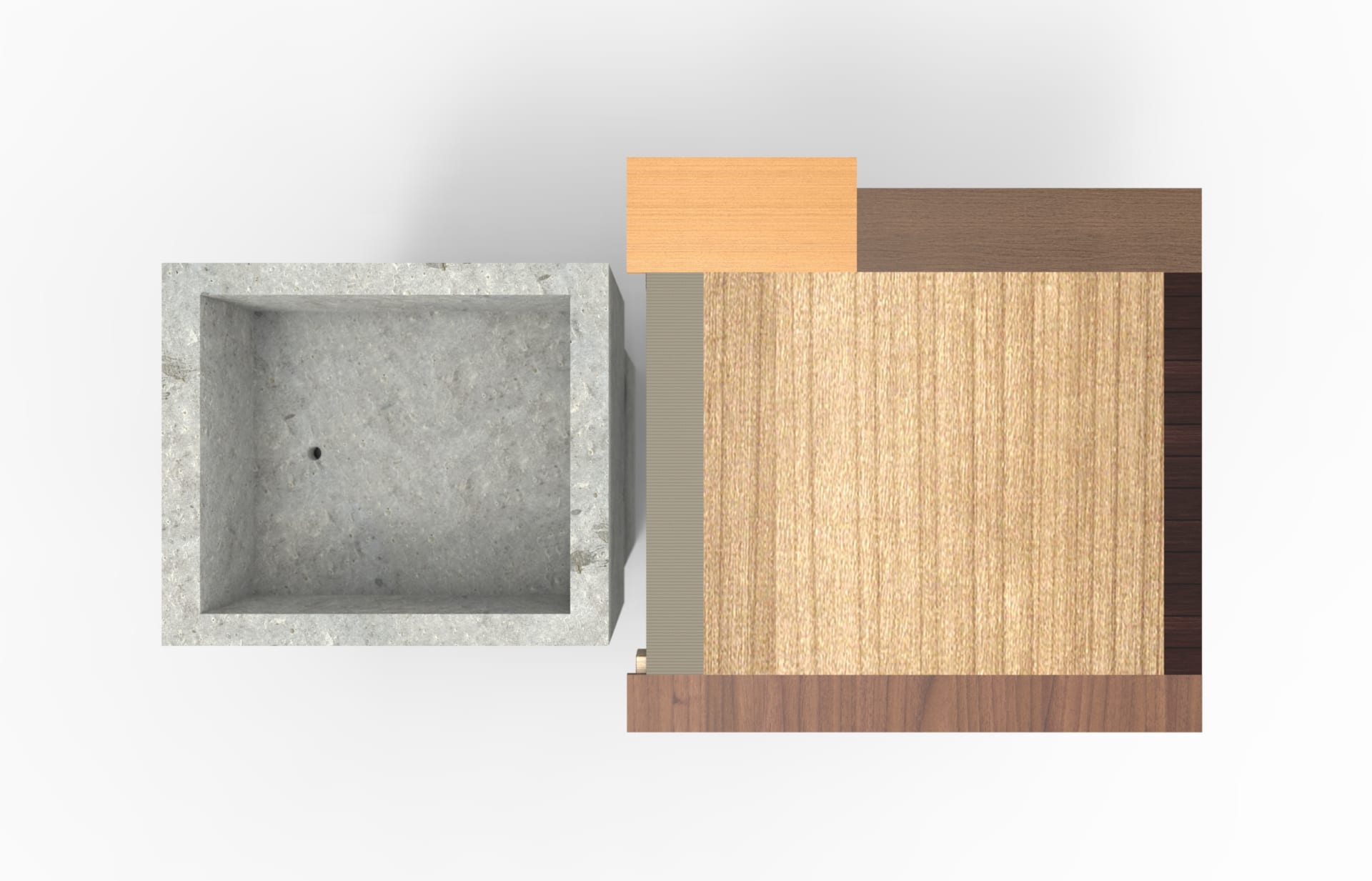
The final prototype takes the shape of a concrete sink. Polluted water enters at the top, flows through the alkaline surface, and leaves cleaner. In this way, the sink works both as a design object and as a symbol of restoration. To complete the set, Tucker also built a “mess table” from scrap wood used in the sink’s mould. Both pieces show how leftover materials can gain new life.
Opportunities for Designers
For architects, interior designers, and product designers, Precrete opens new possibilities. It shows how marine by-products can become part of the circular economy. In addition, the material offers both functional performance and visual texture. Designers could use it in furniture, interiors, or even small-scale landscape projects. By linking history with innovation, Tucker demonstrates how design can answer today’s ecological challenges.
Source & photos: UAL / Chelsea College of Arts / Jacob Tucker

Comments