Pujiang Platform: A Timber Pavilion That Merges Architecture, Landscape and Sustainability
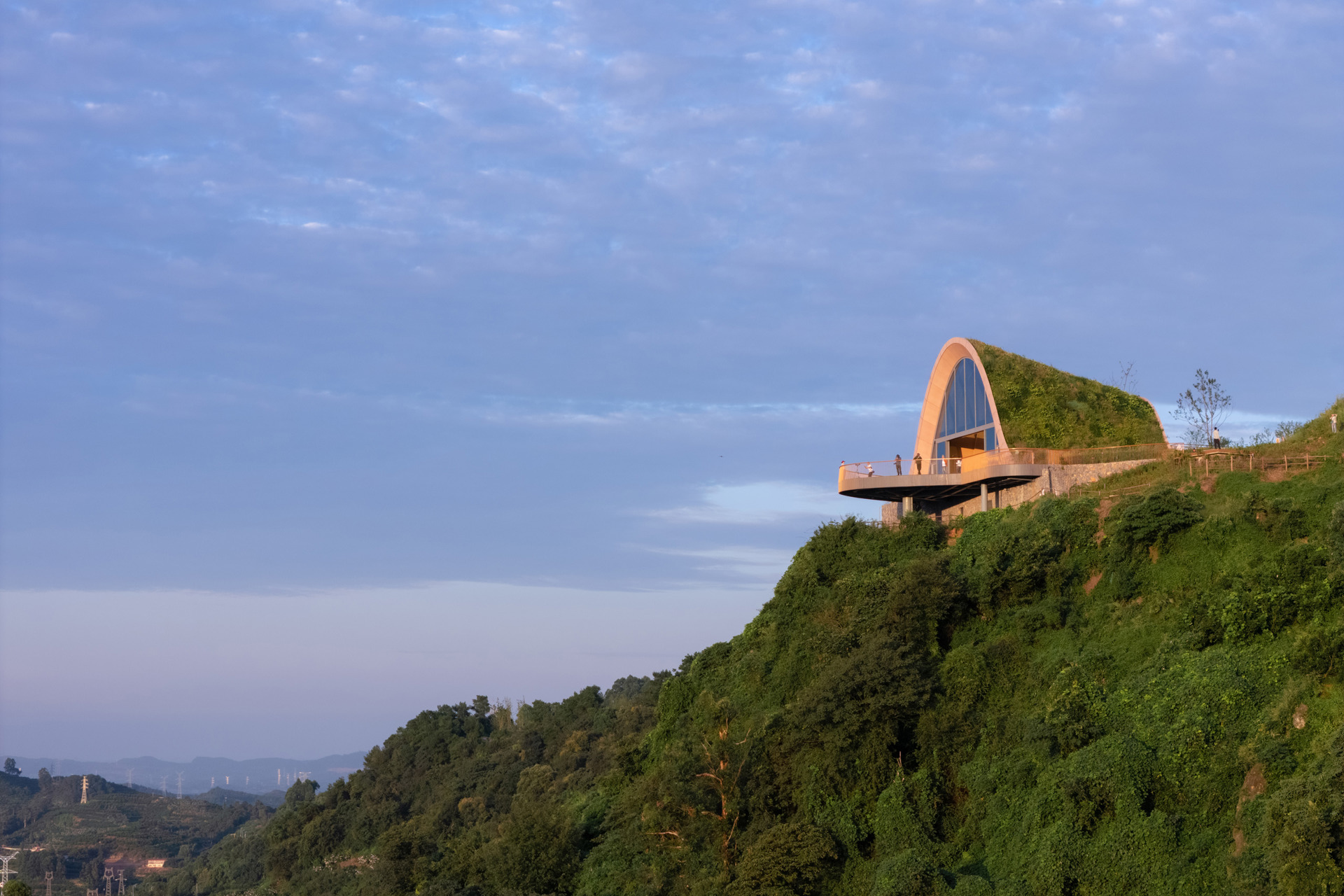
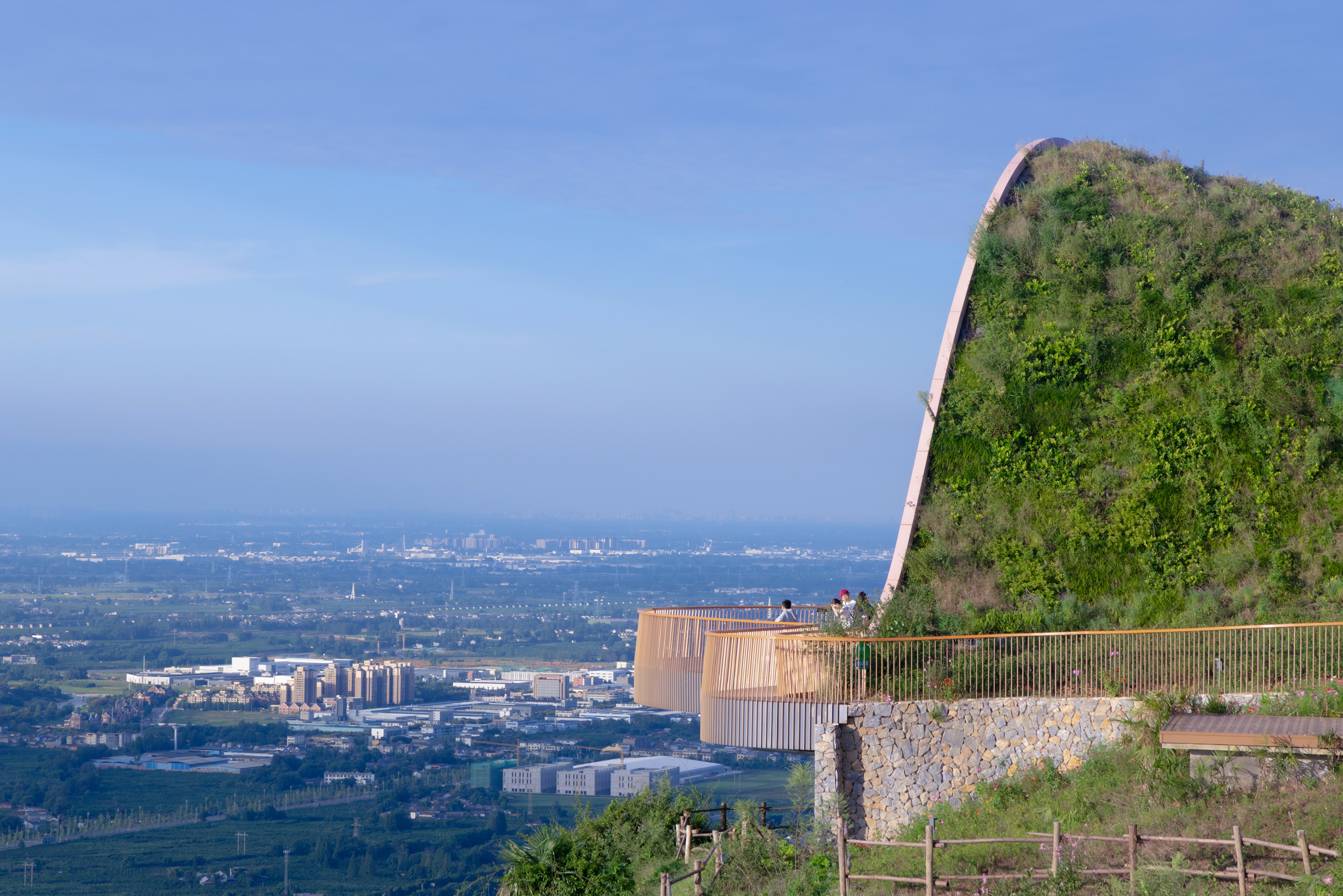
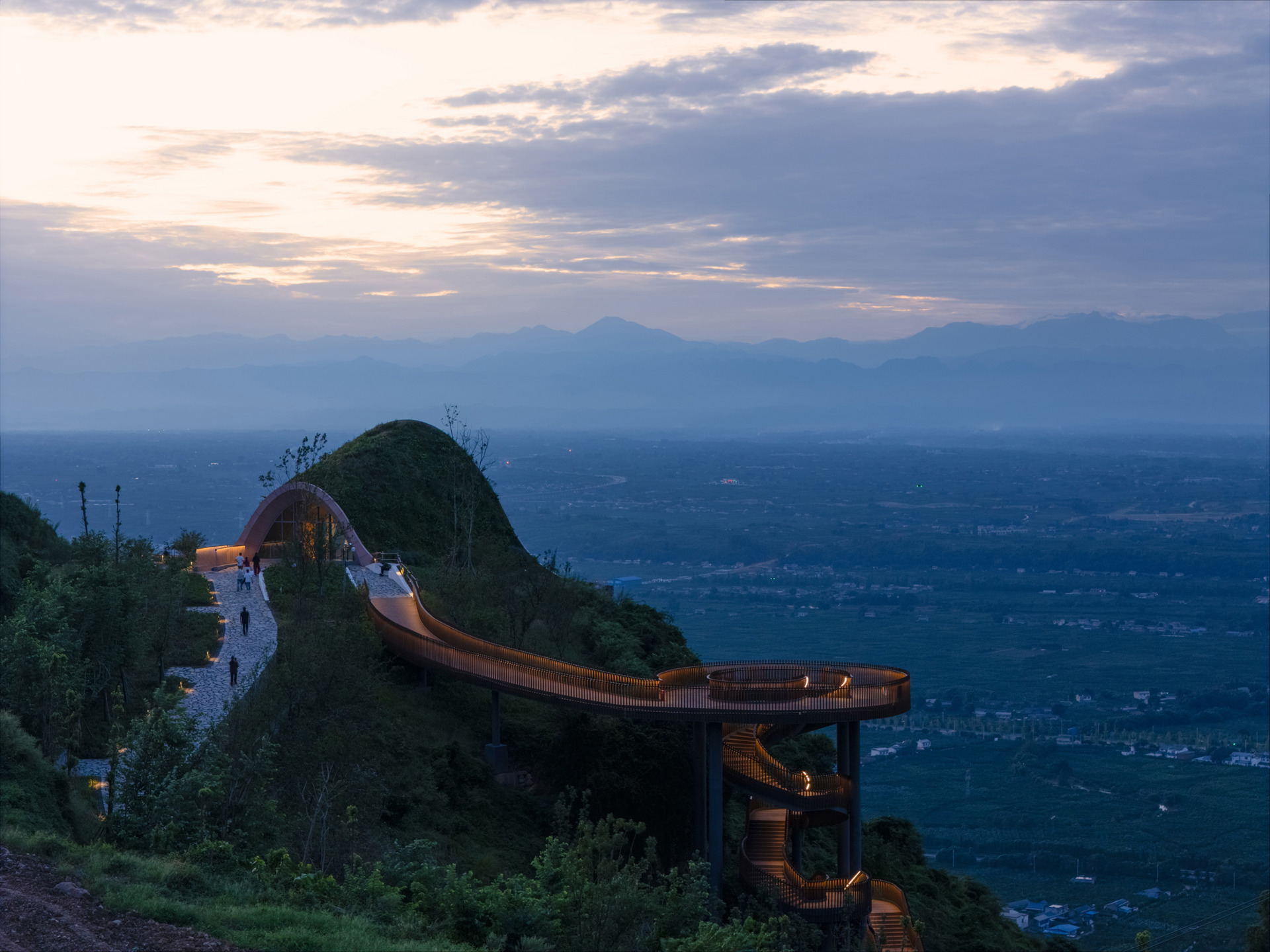
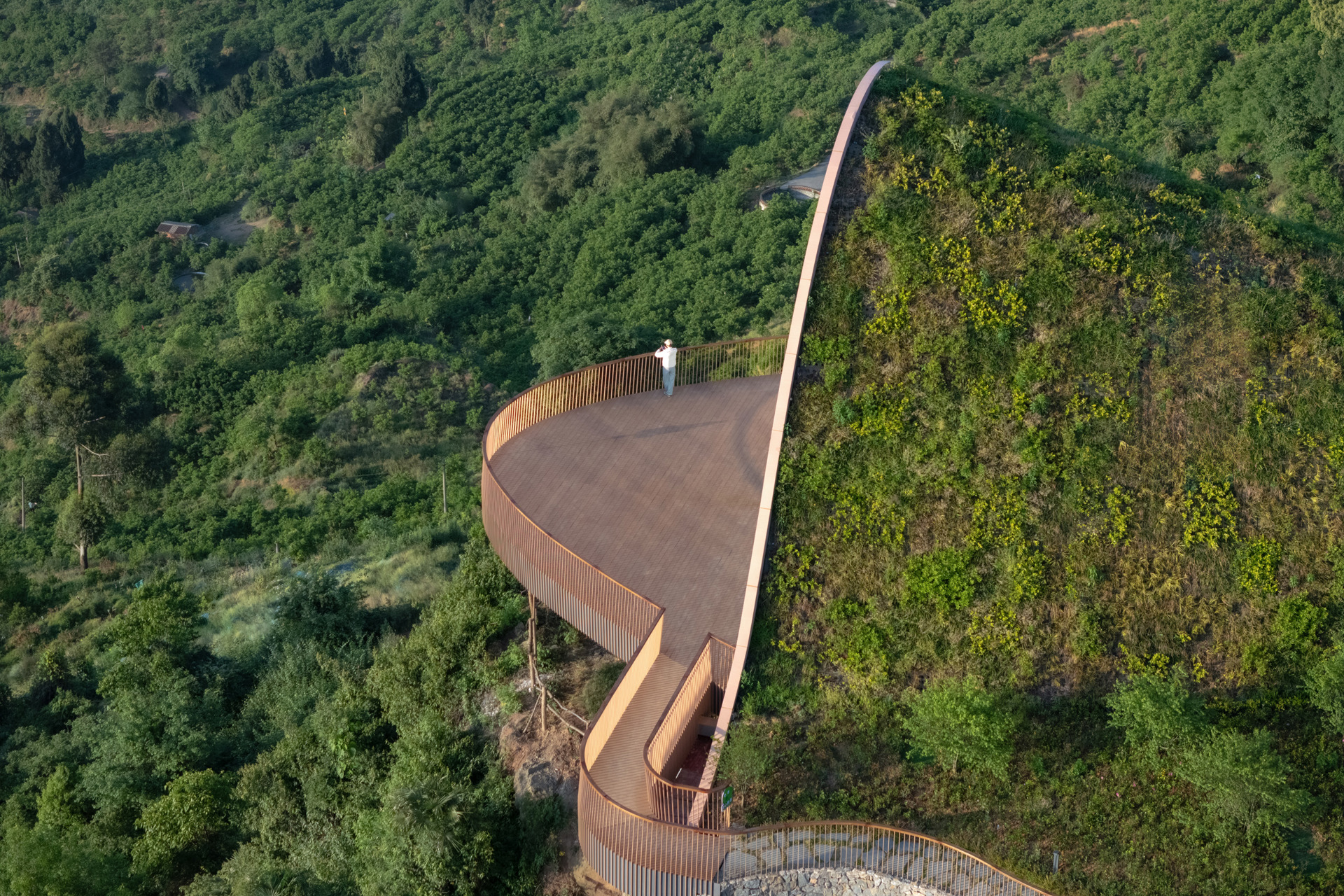
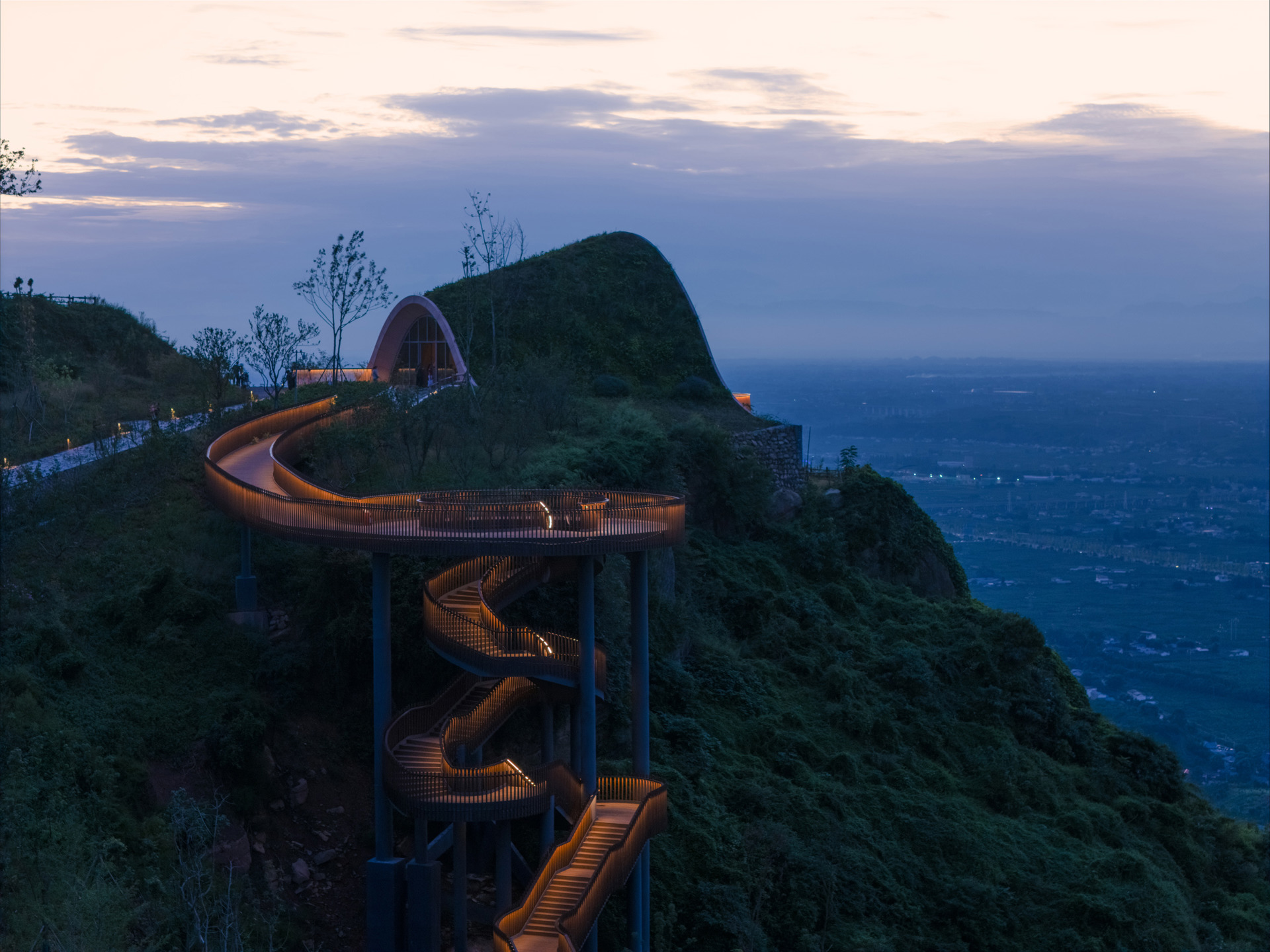
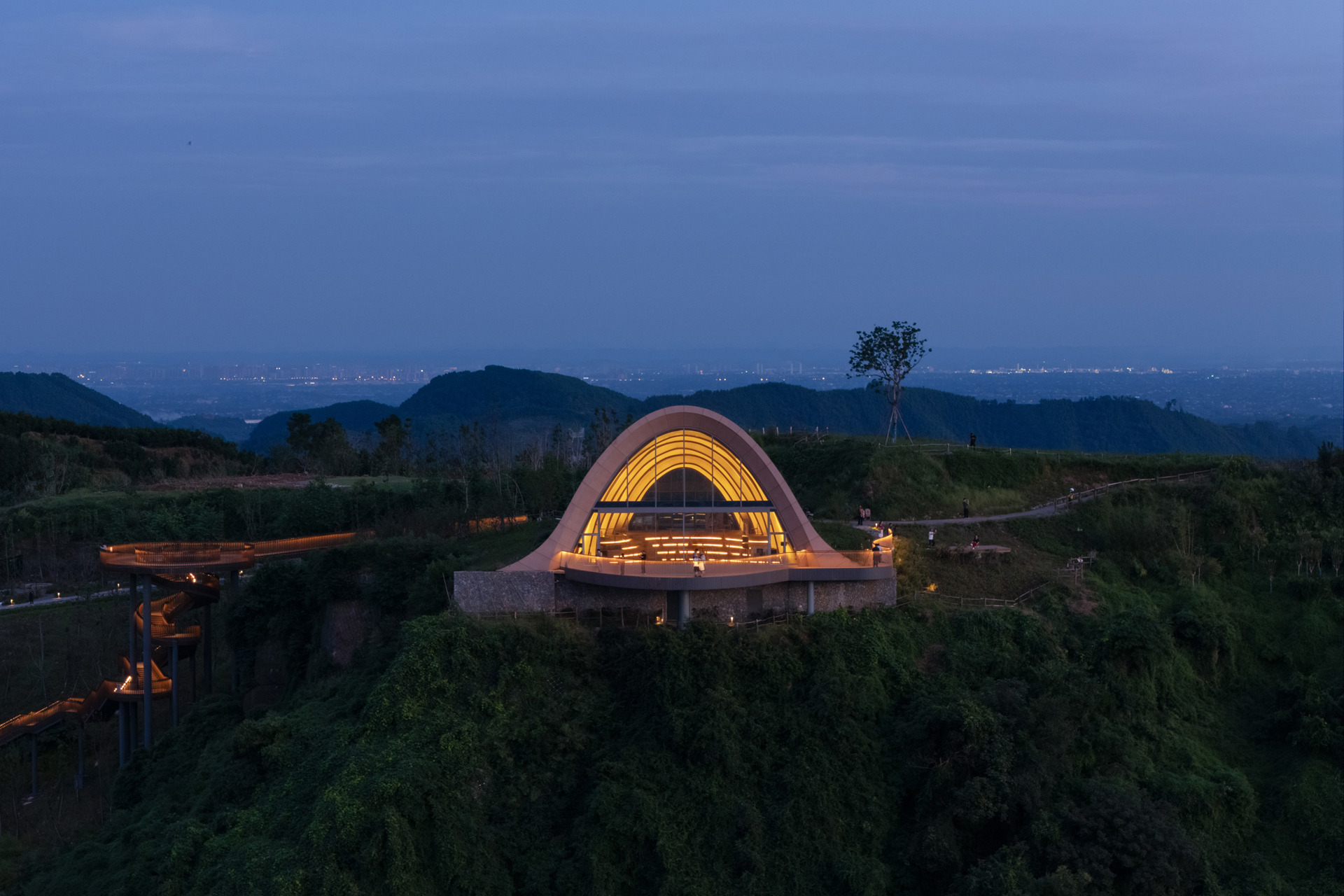
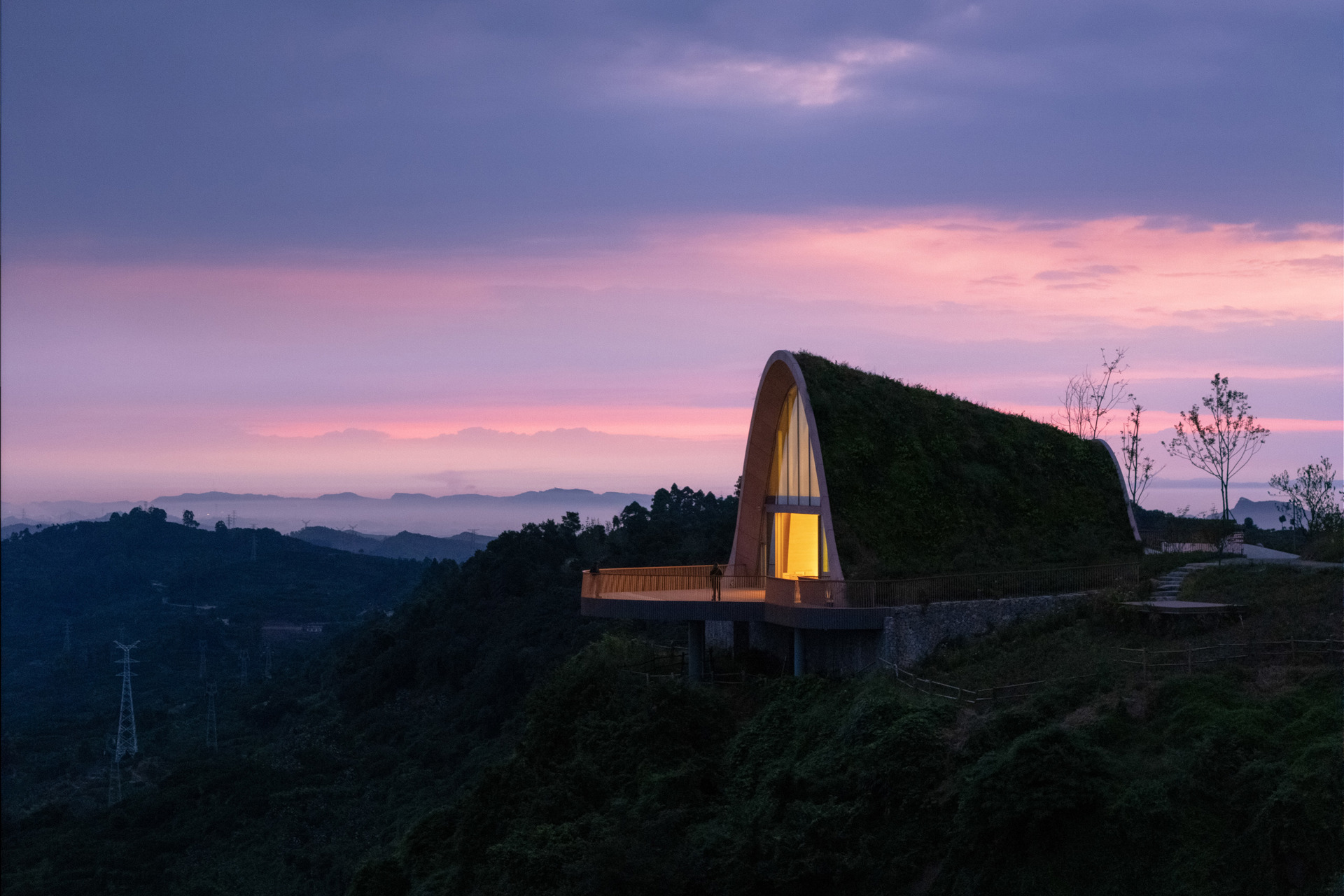
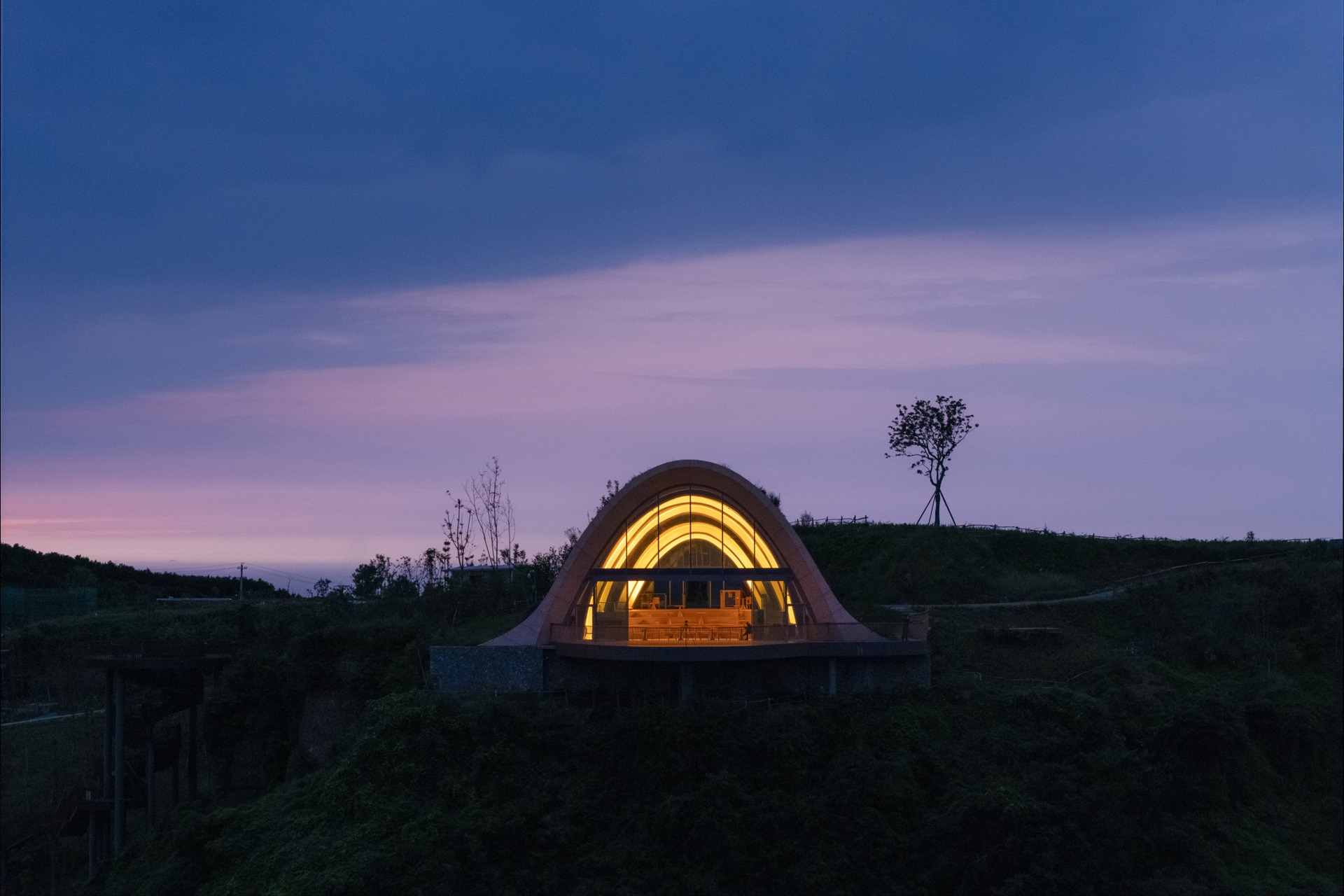
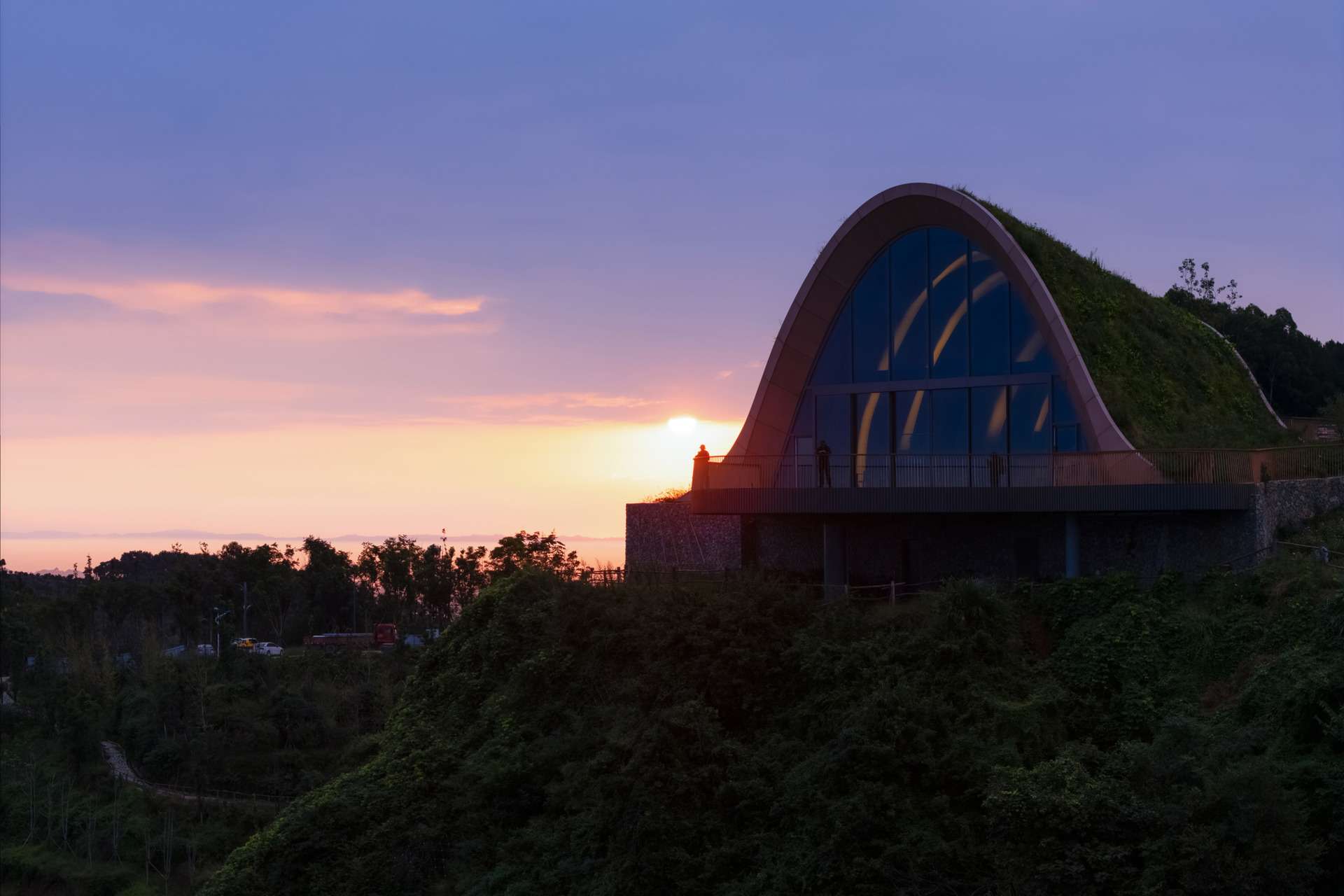
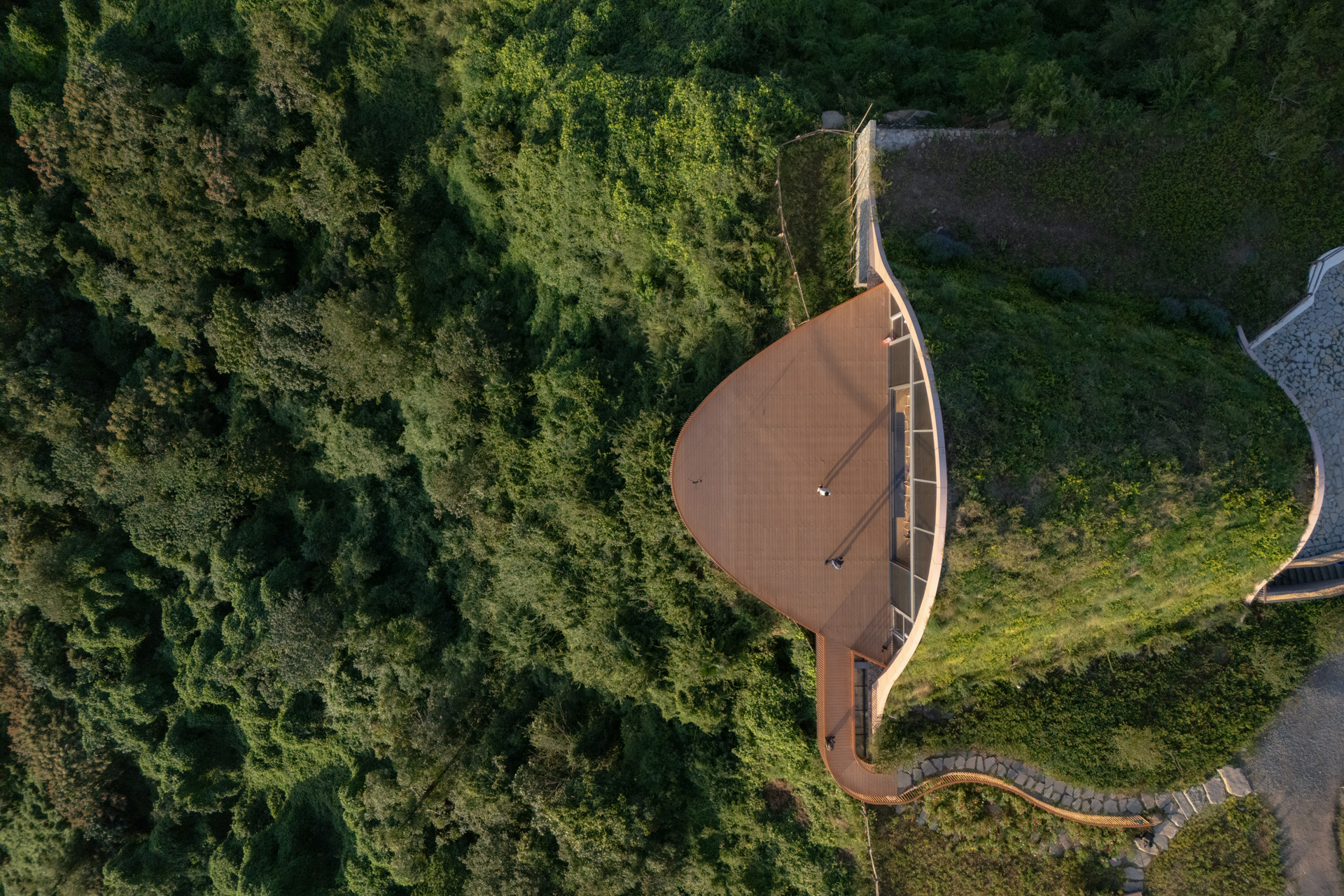
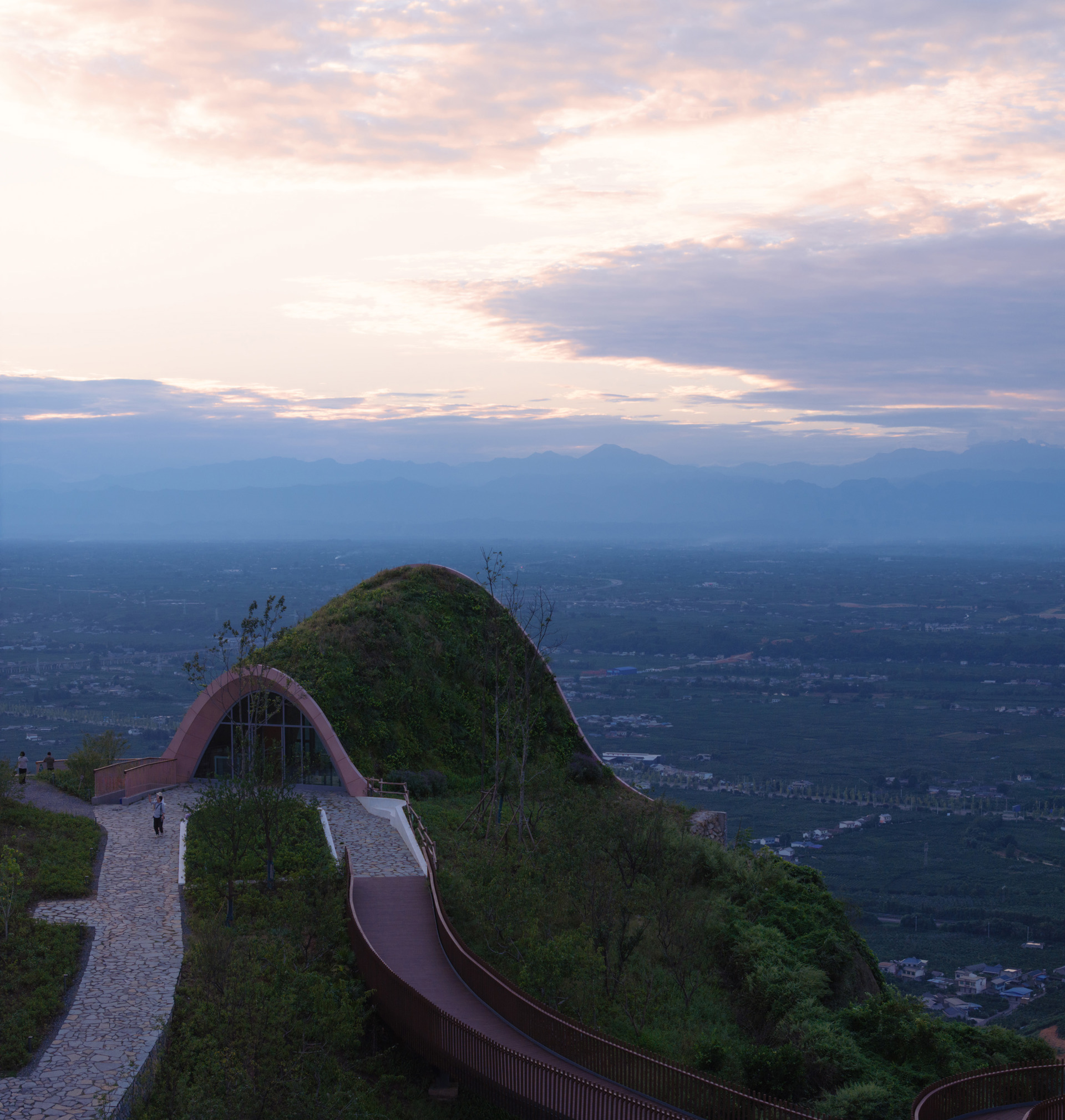
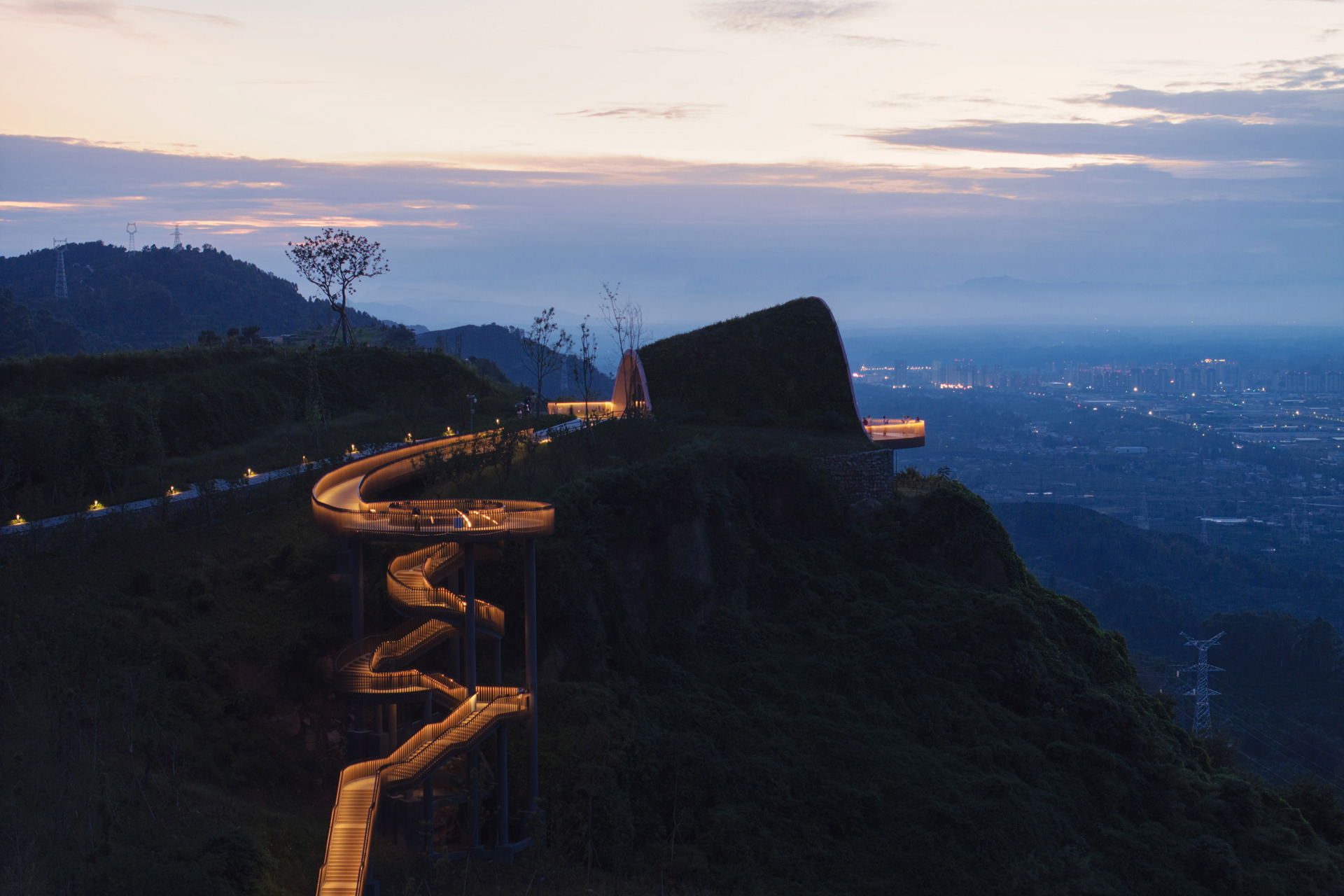
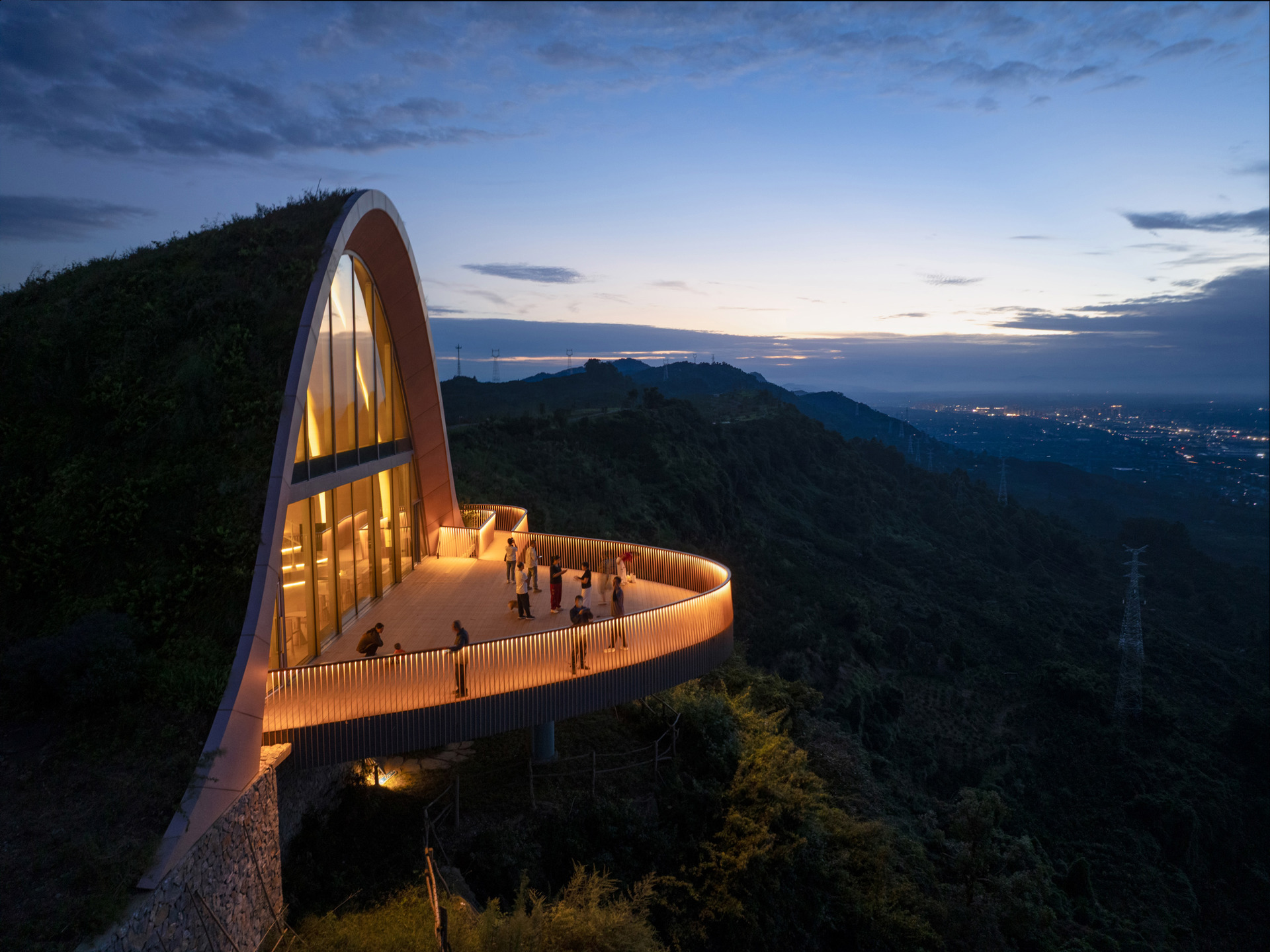
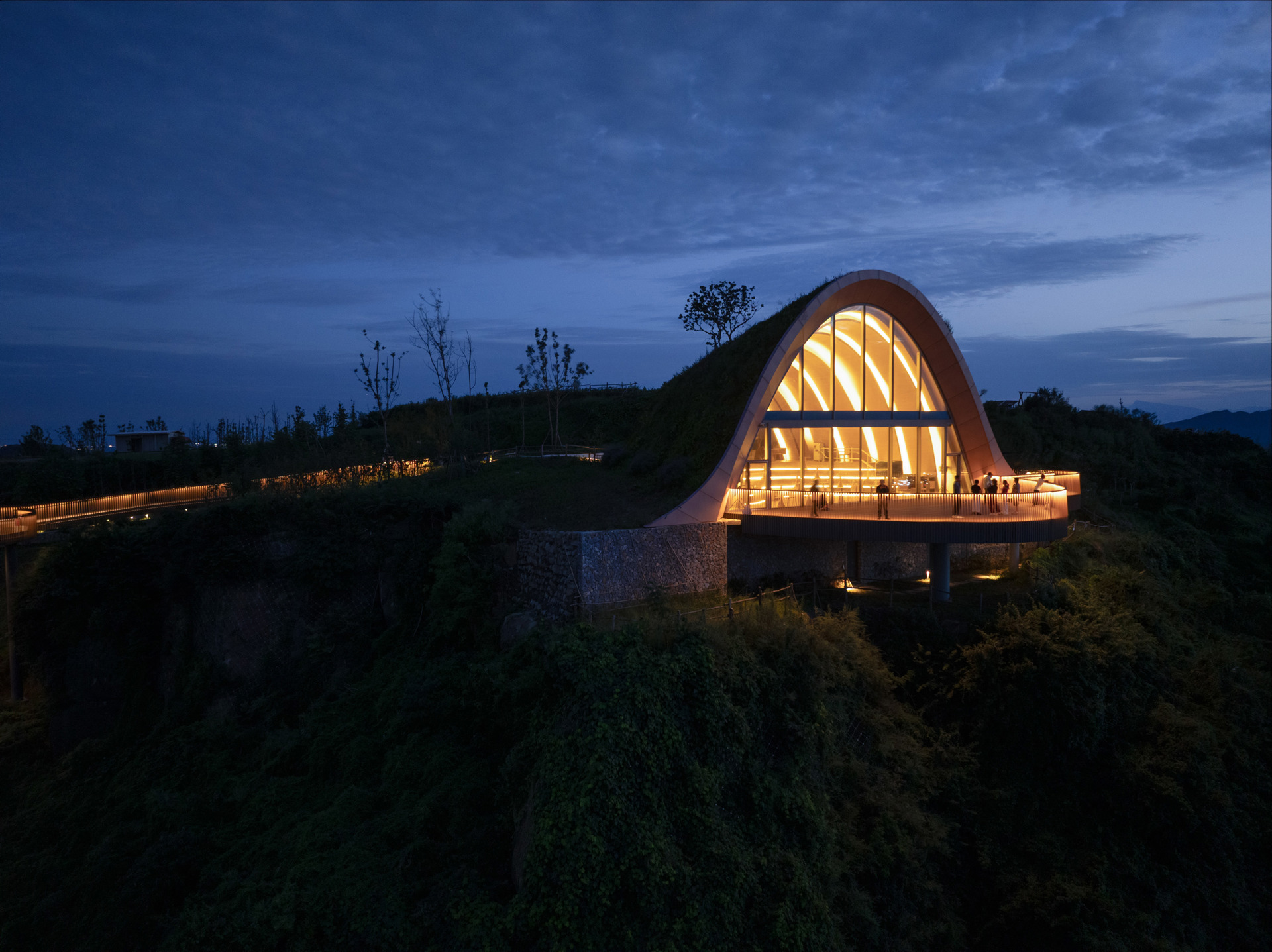
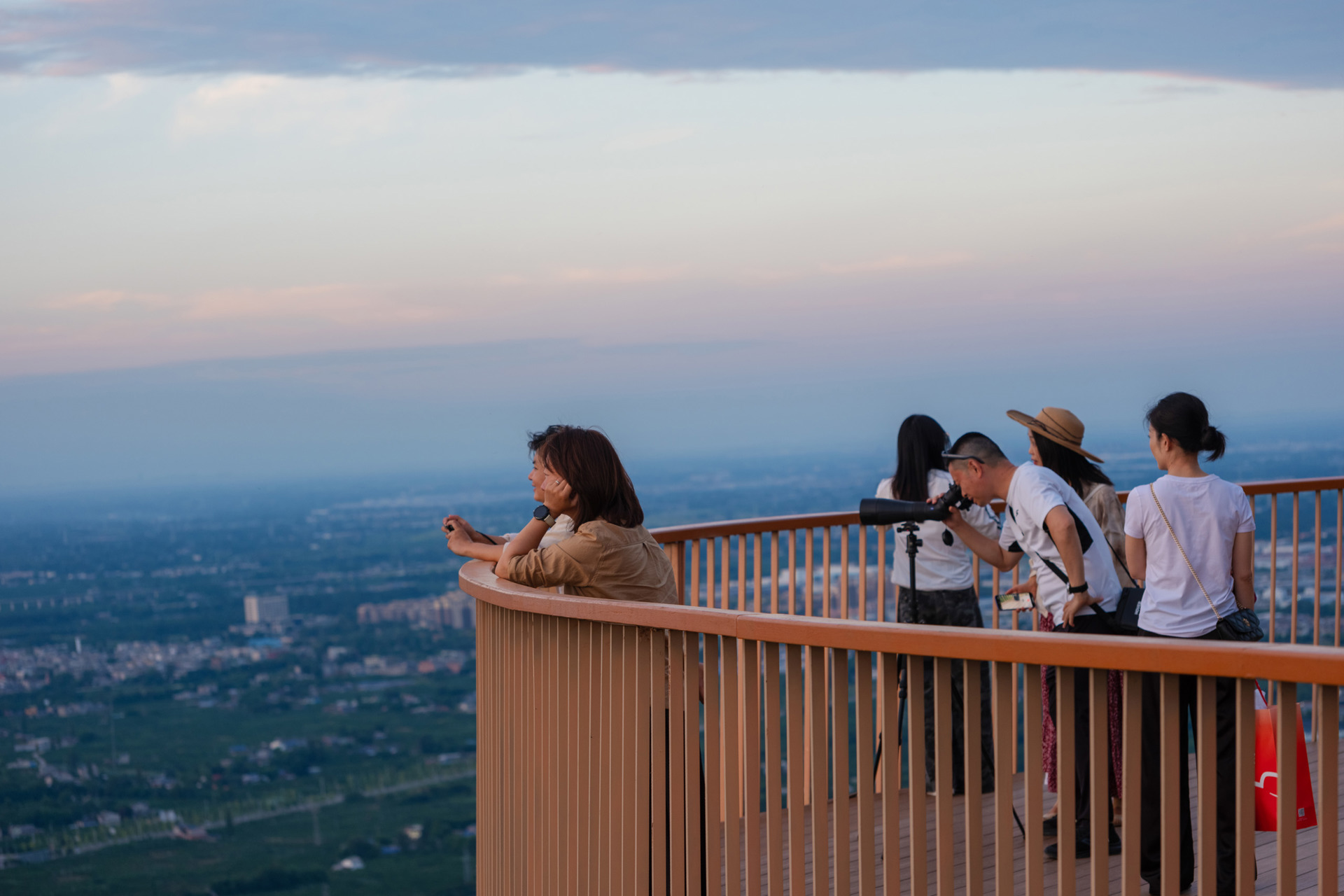
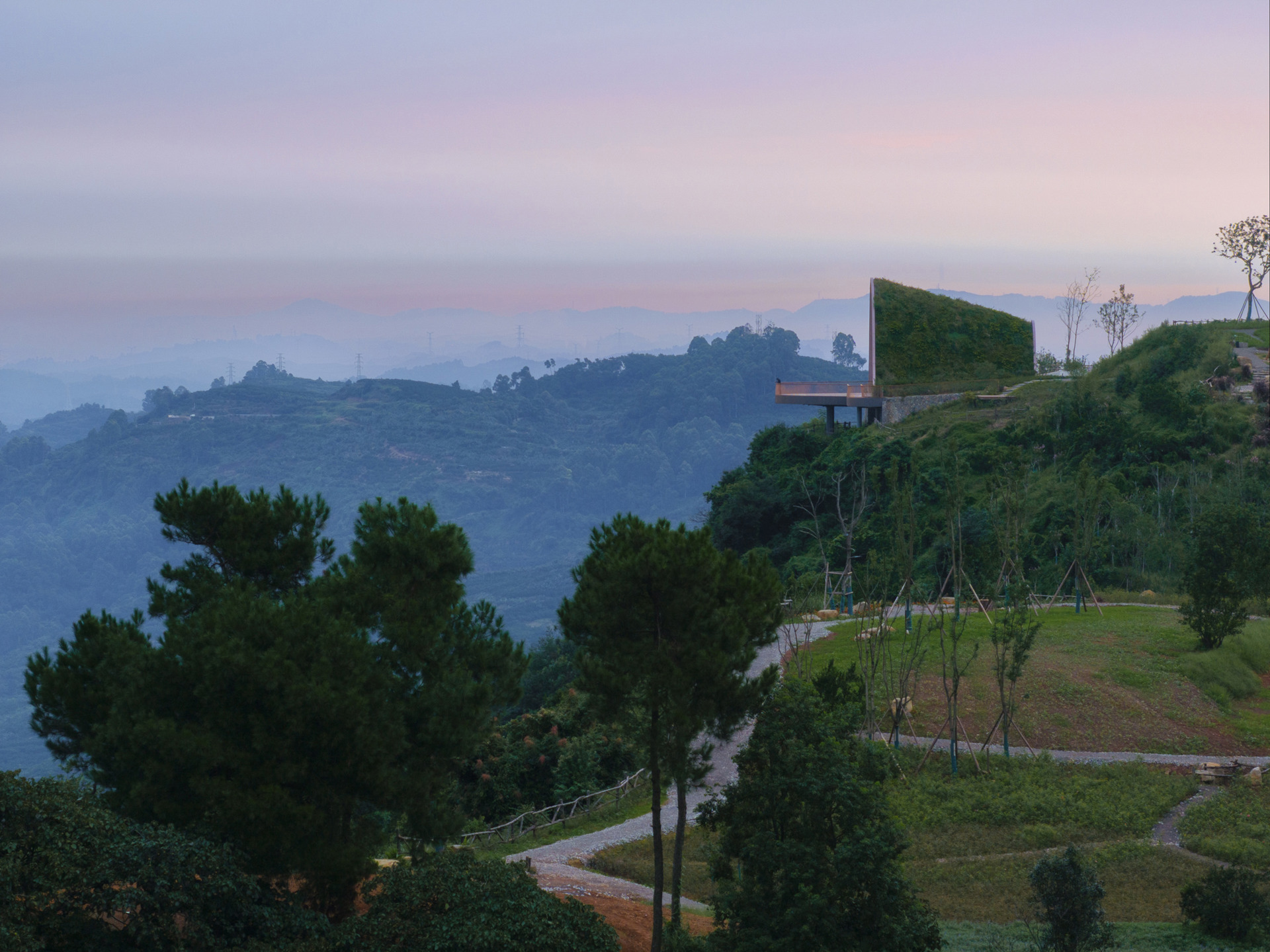
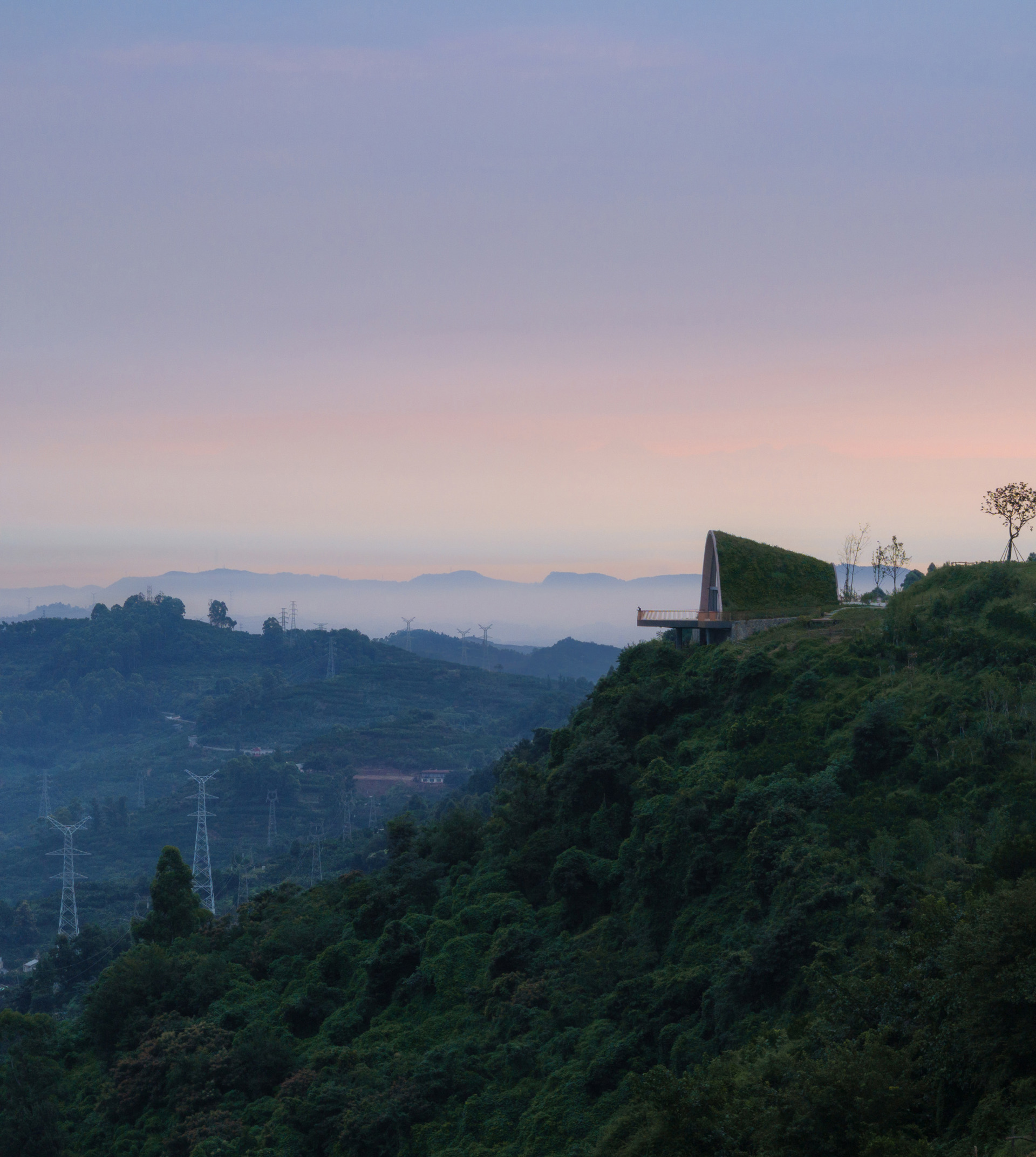
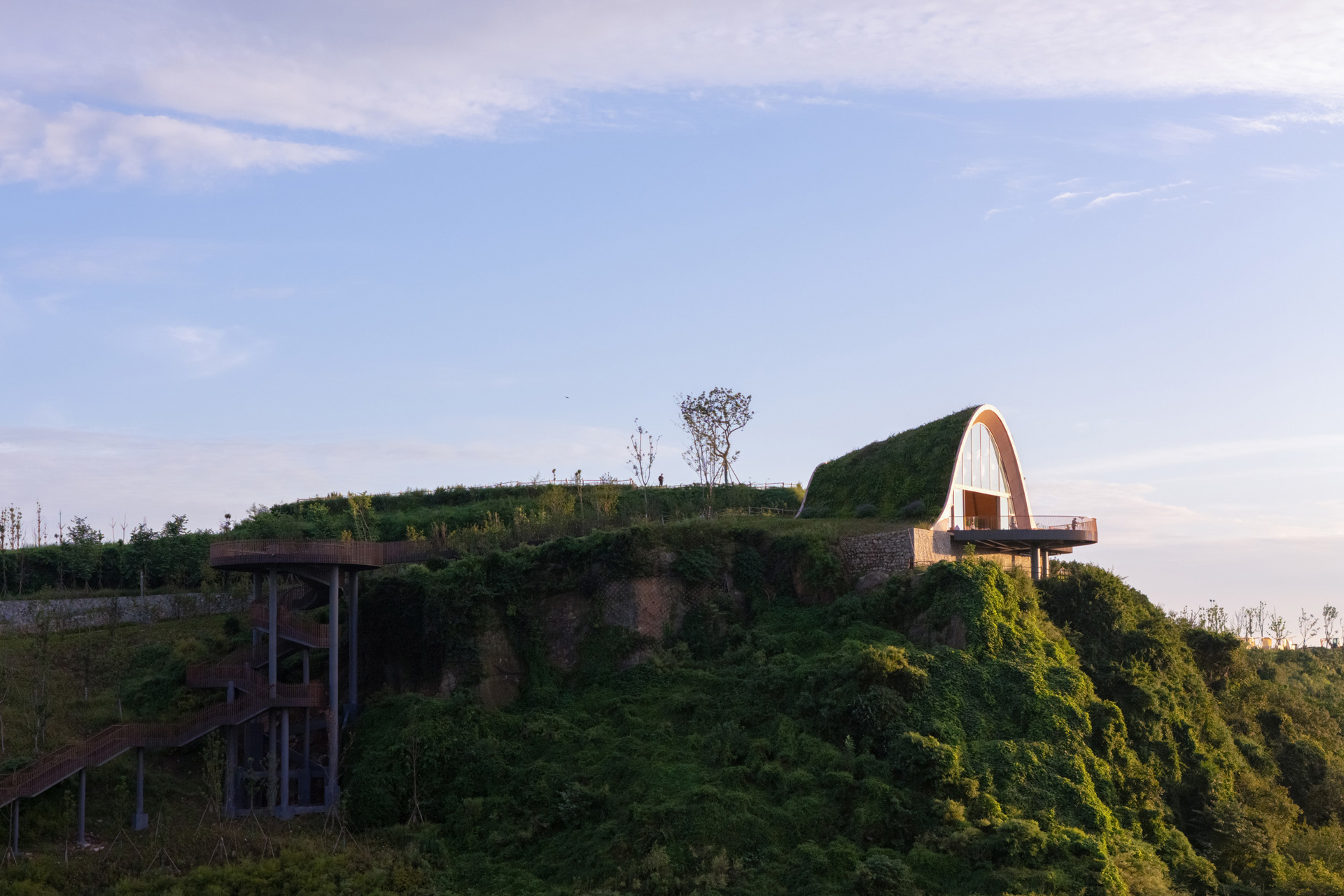
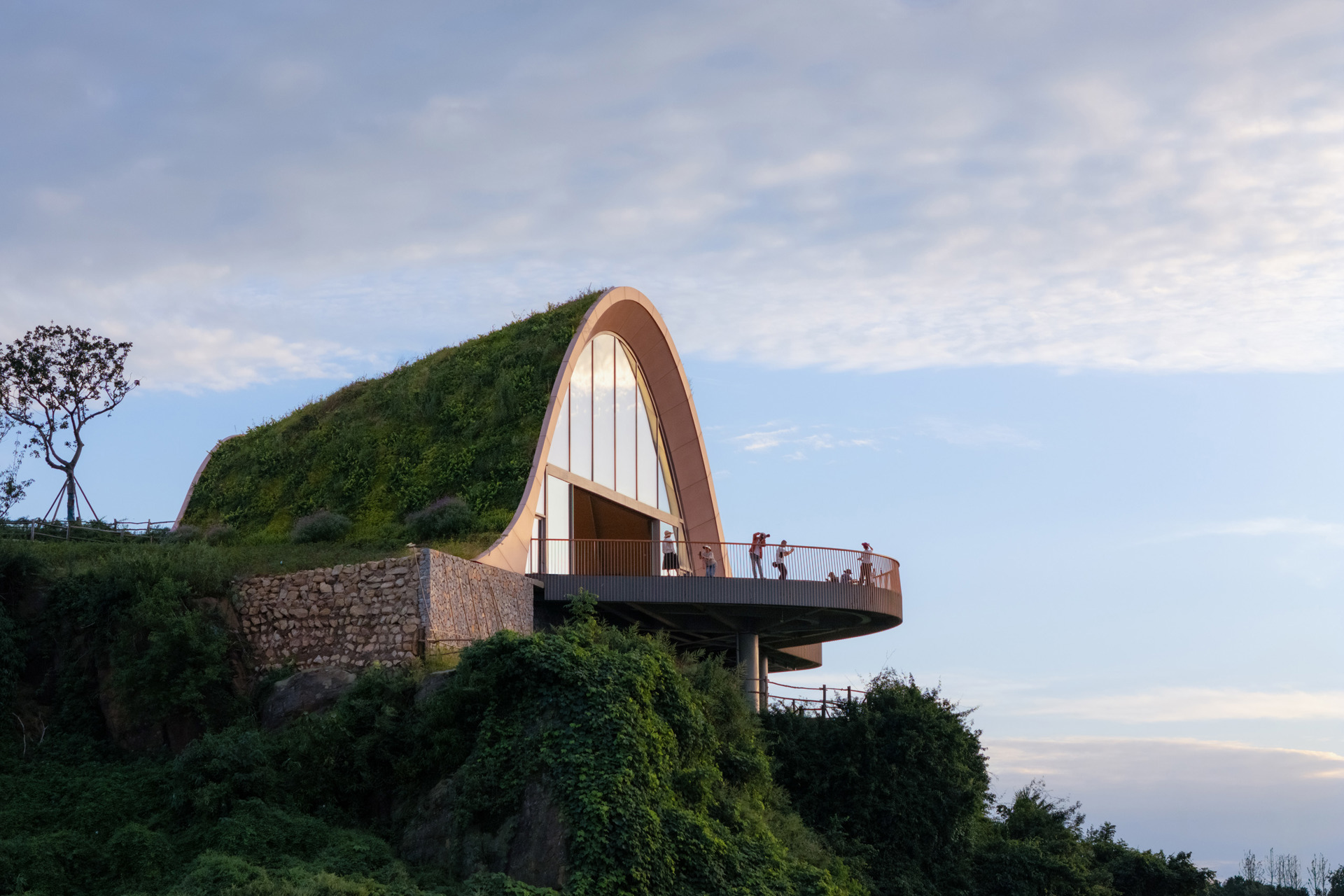
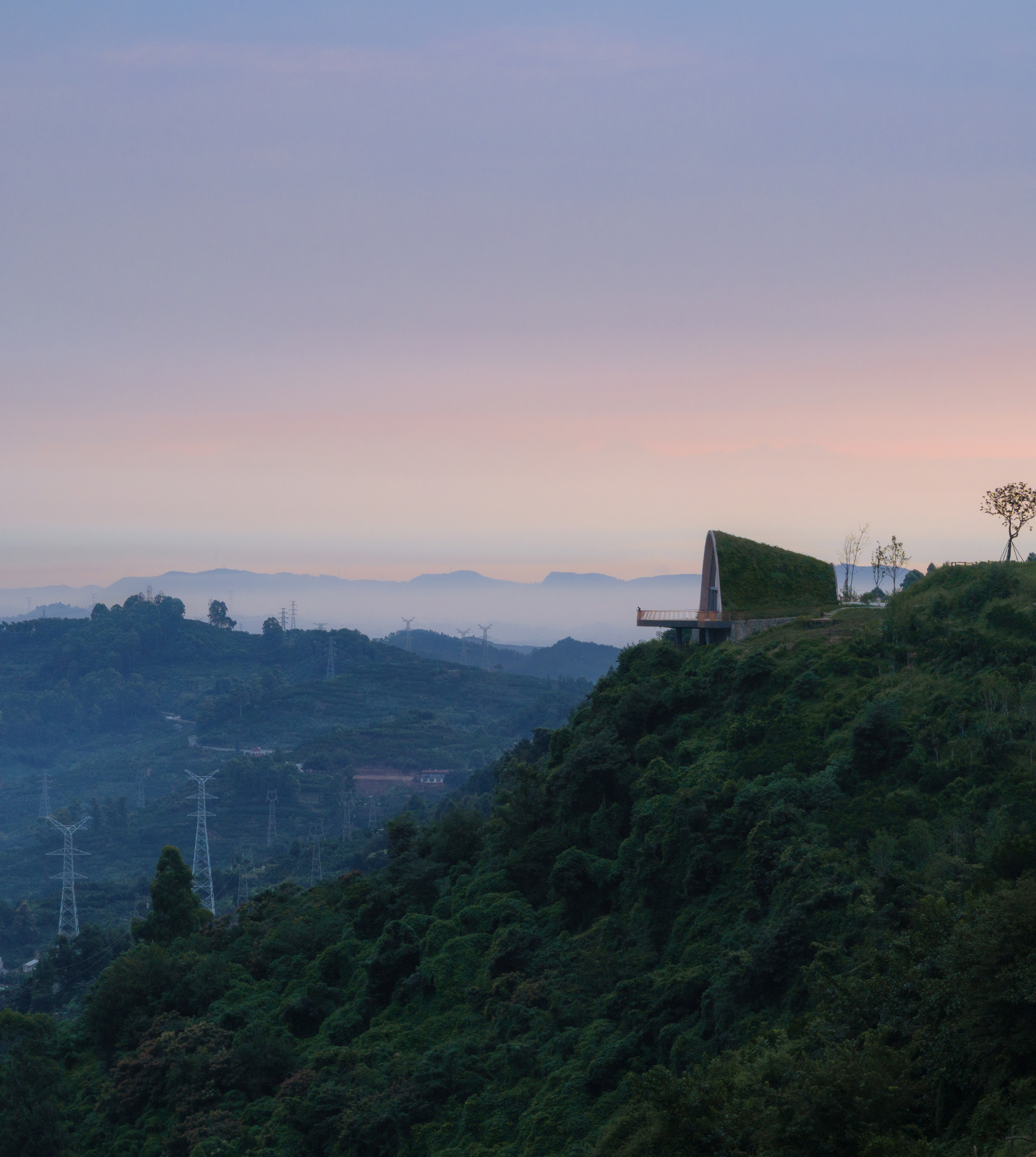
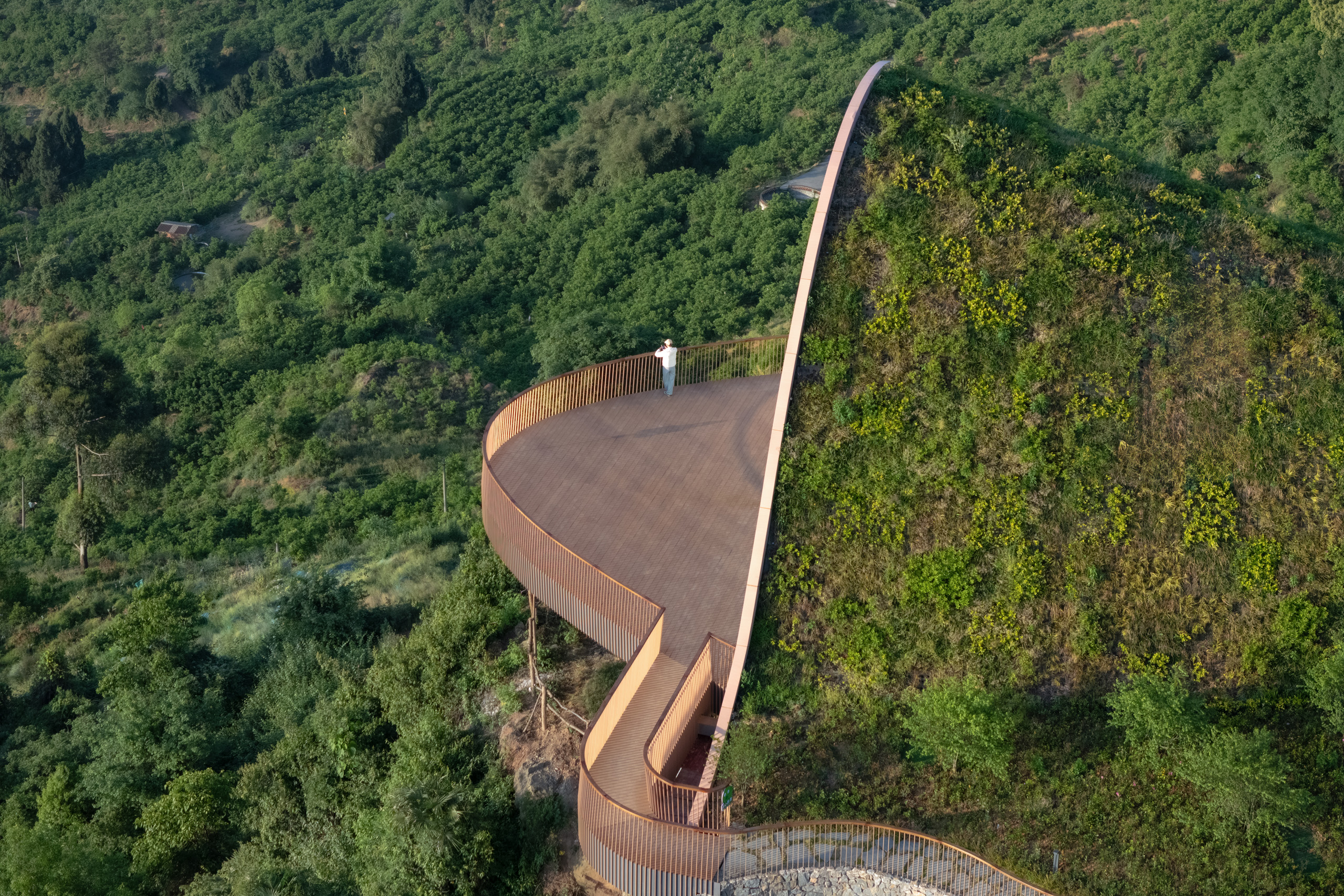
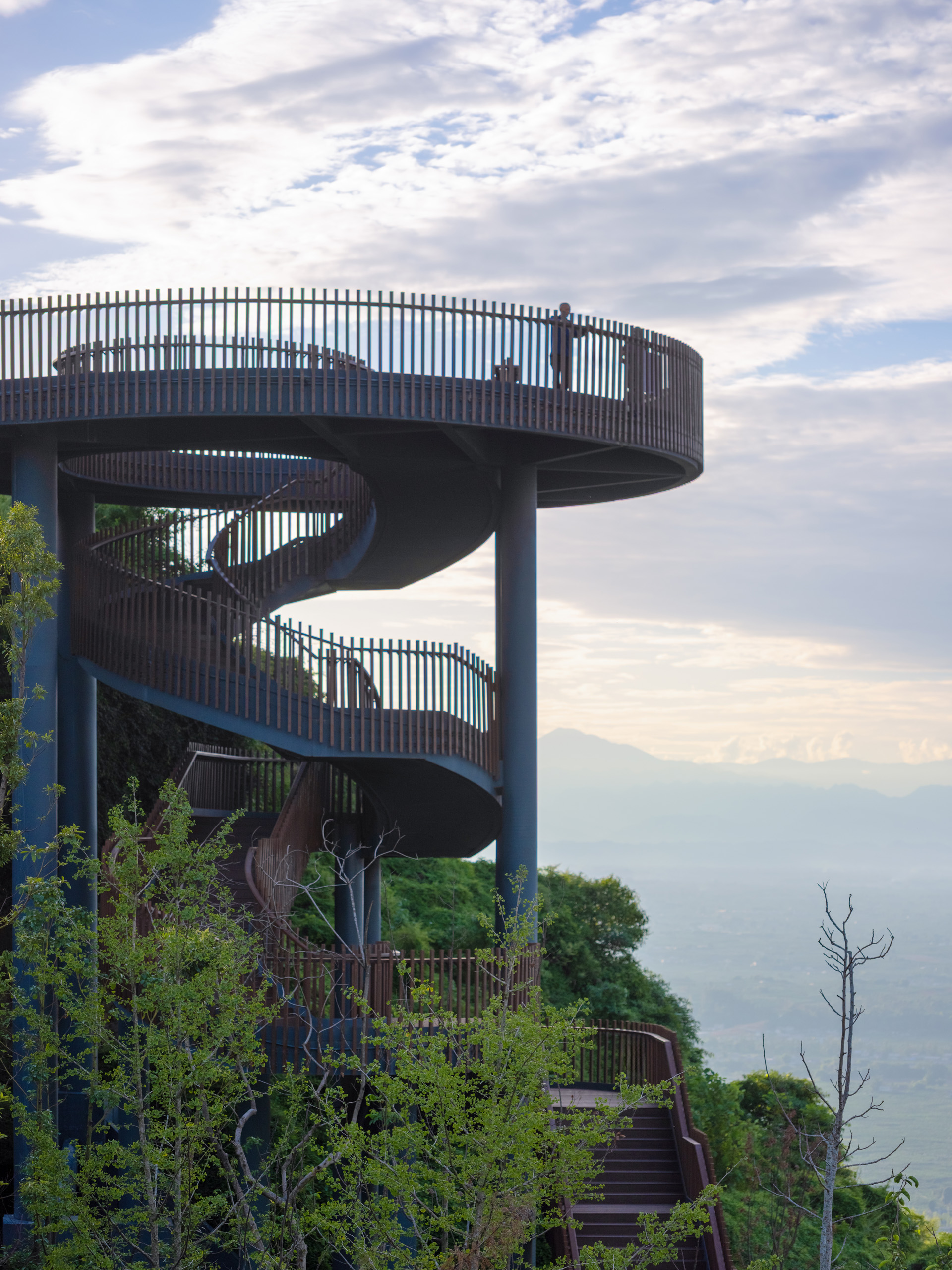
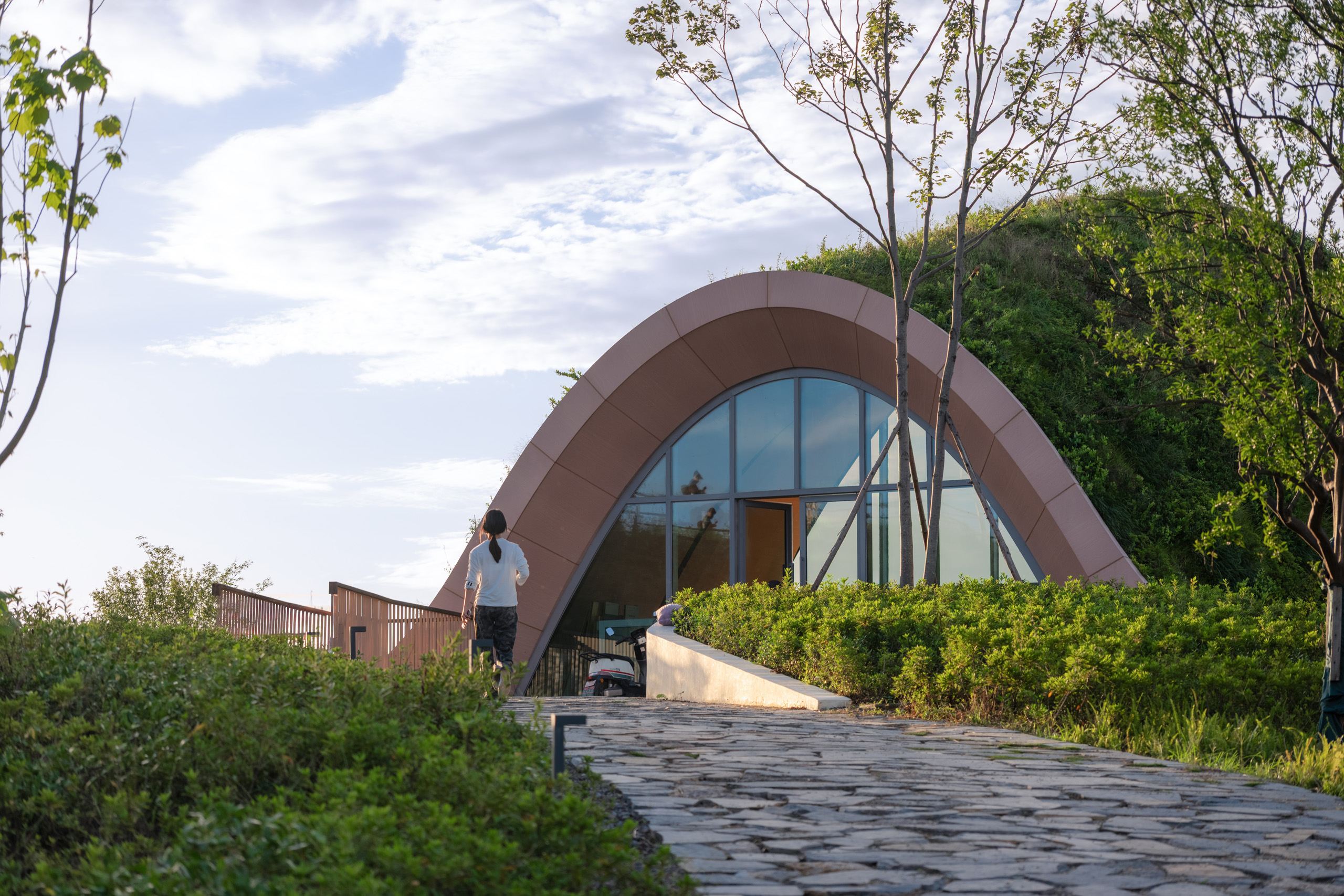
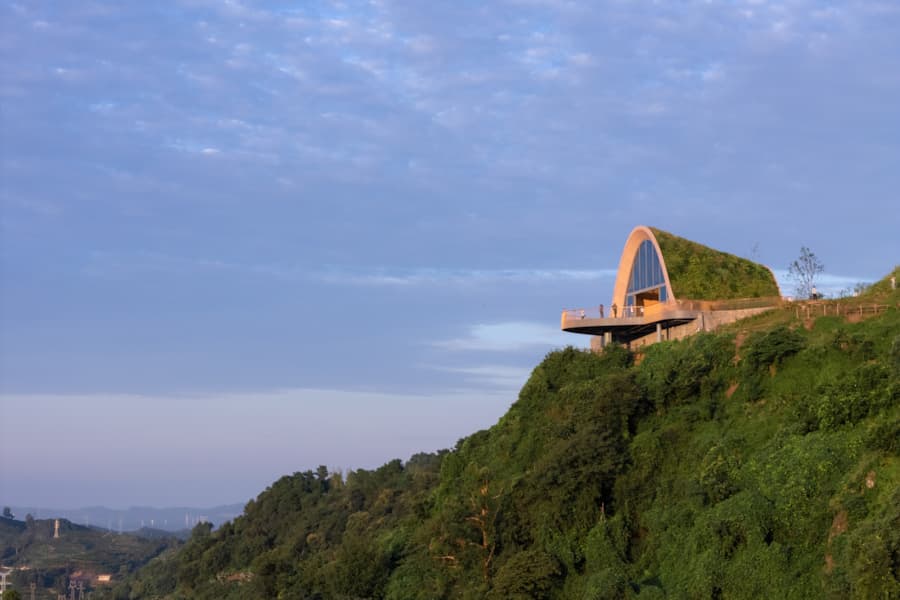
Designed by MVRDV, the Pujiang Platform is a timber pavilion and public viewpoint in the hills east of Pujiang, near Chengdu in central China. The project combines architecture, landscape and sustainability in a compact public building. It functions both as a visitor destination and as an event space for gatherings and ceremonies.
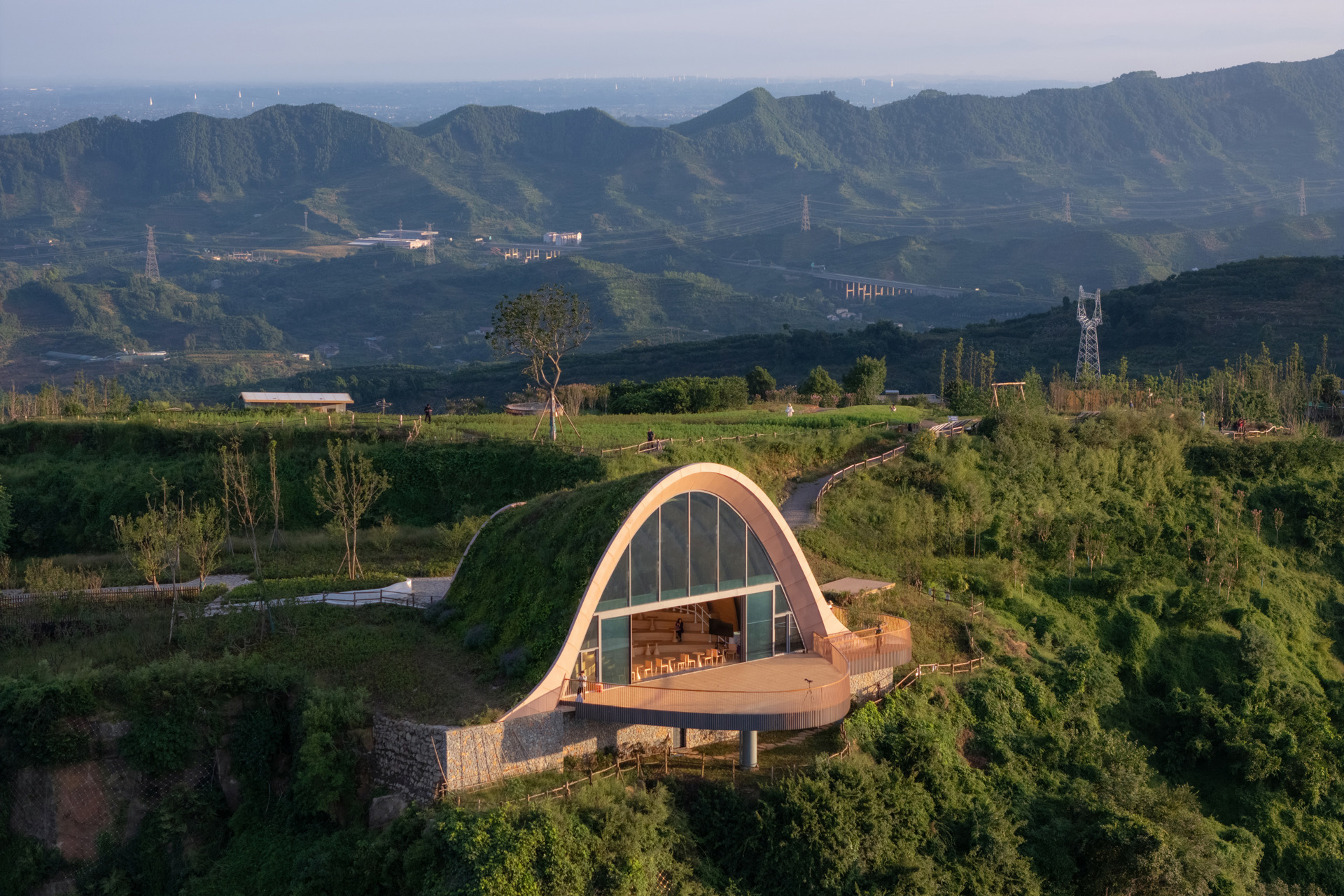
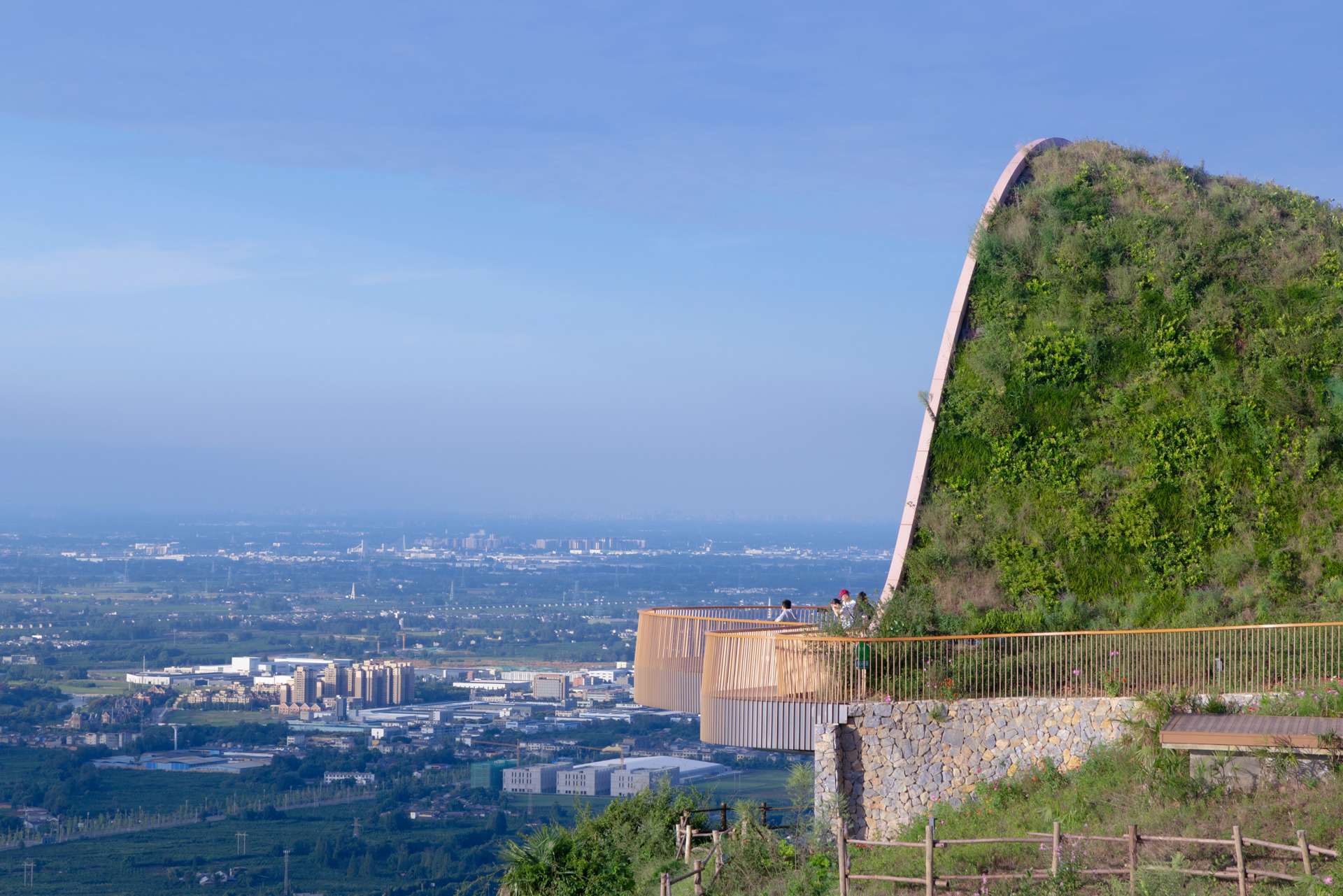
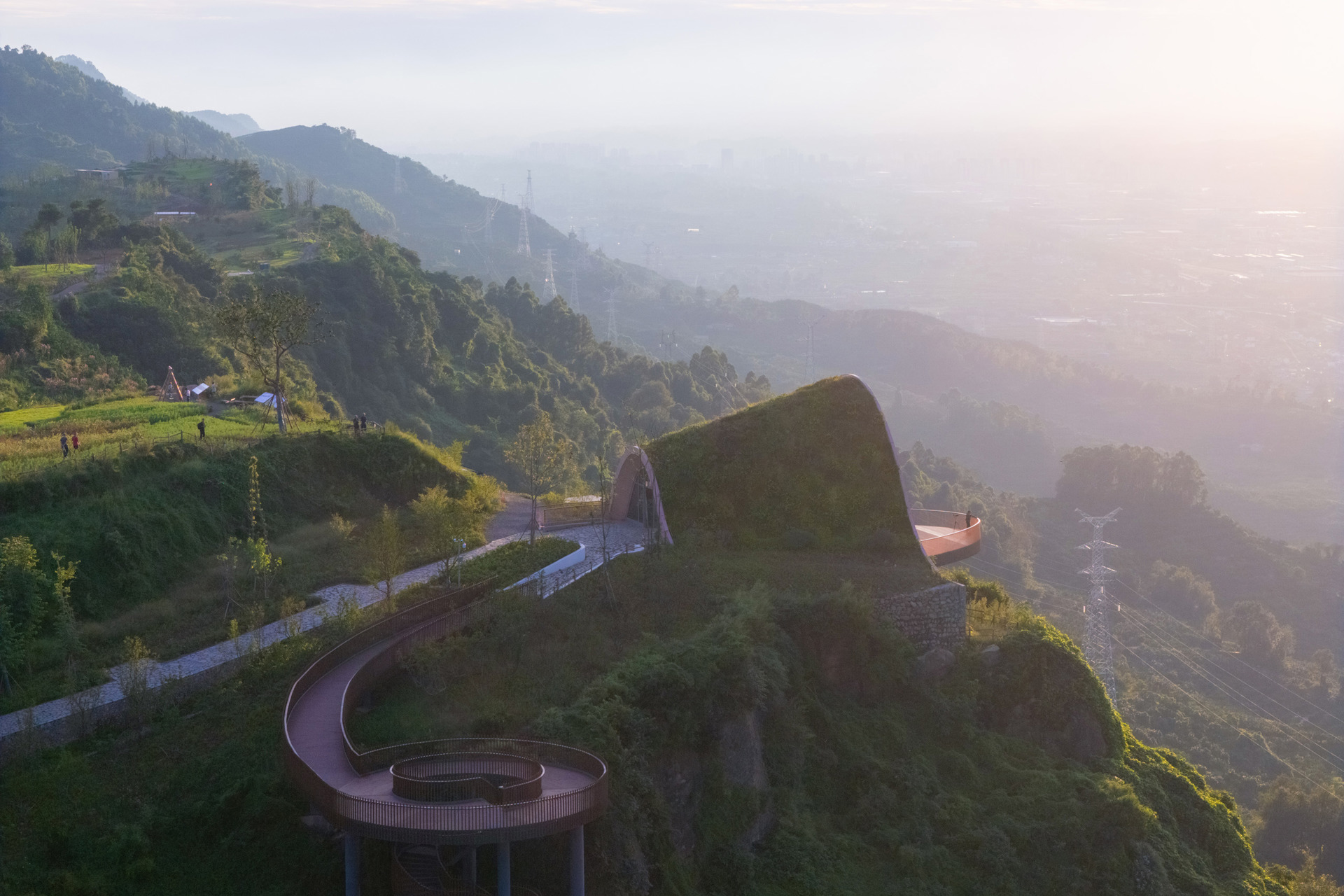
The pavilion forms part of a new town development that aims to offer a high-quality and sustainable living environment. It replaces an earlier viewing platform that significantly altered the natural terrain. Instead of adding another object to the site, the design restores the original shape of the hill and integrates the building into the landscape.
Reconstructing the Landscape Through Architecture
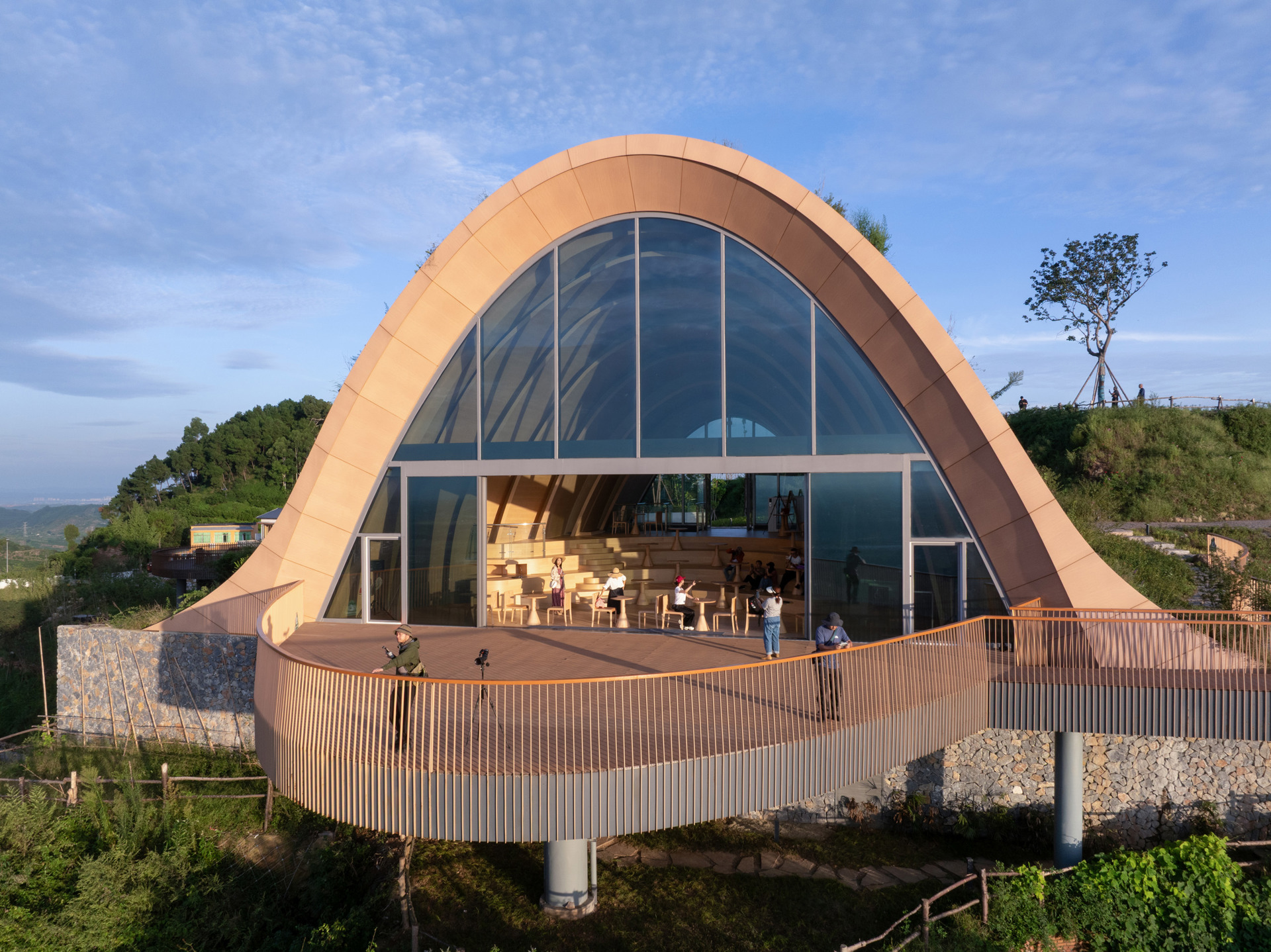
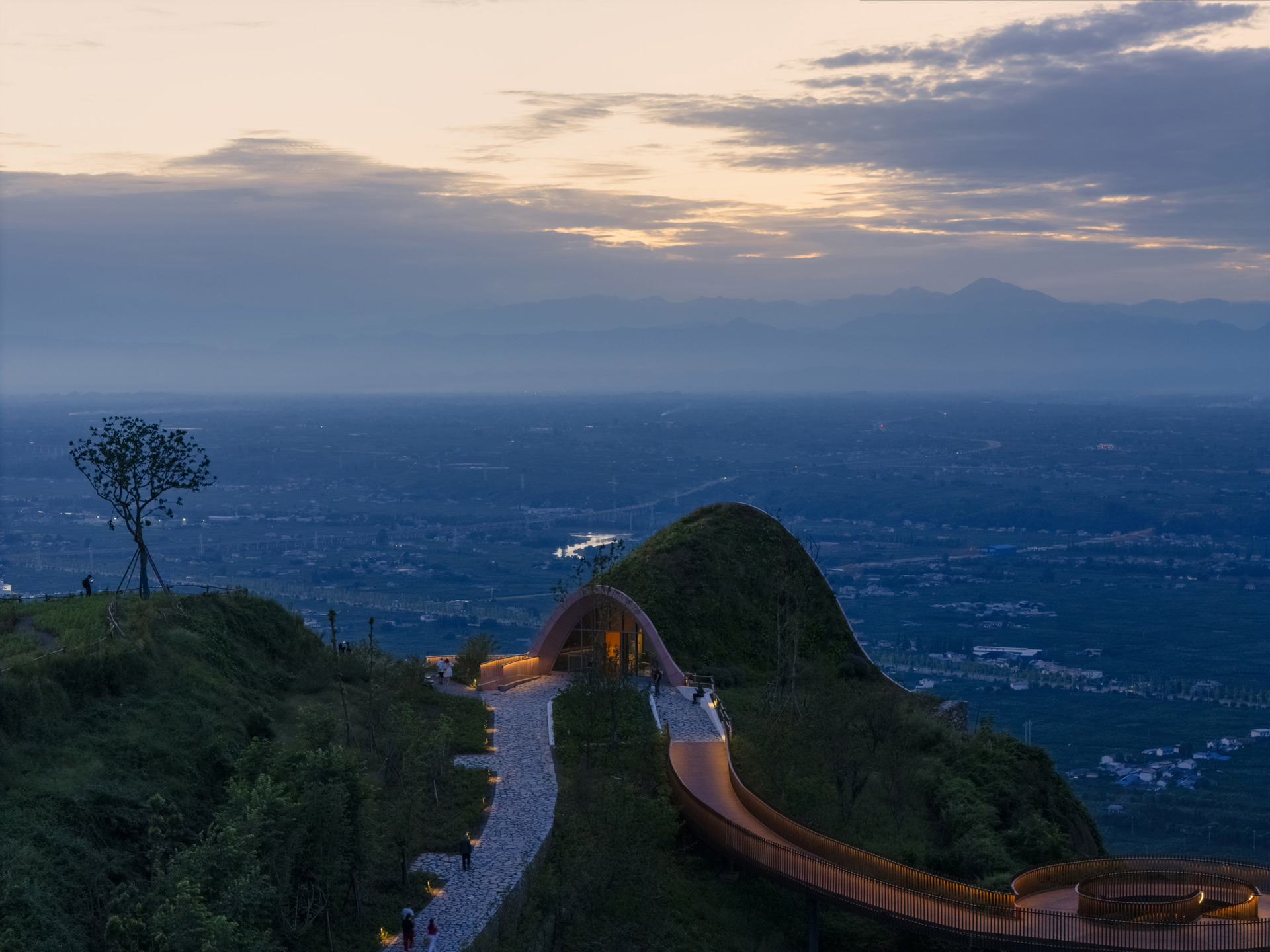
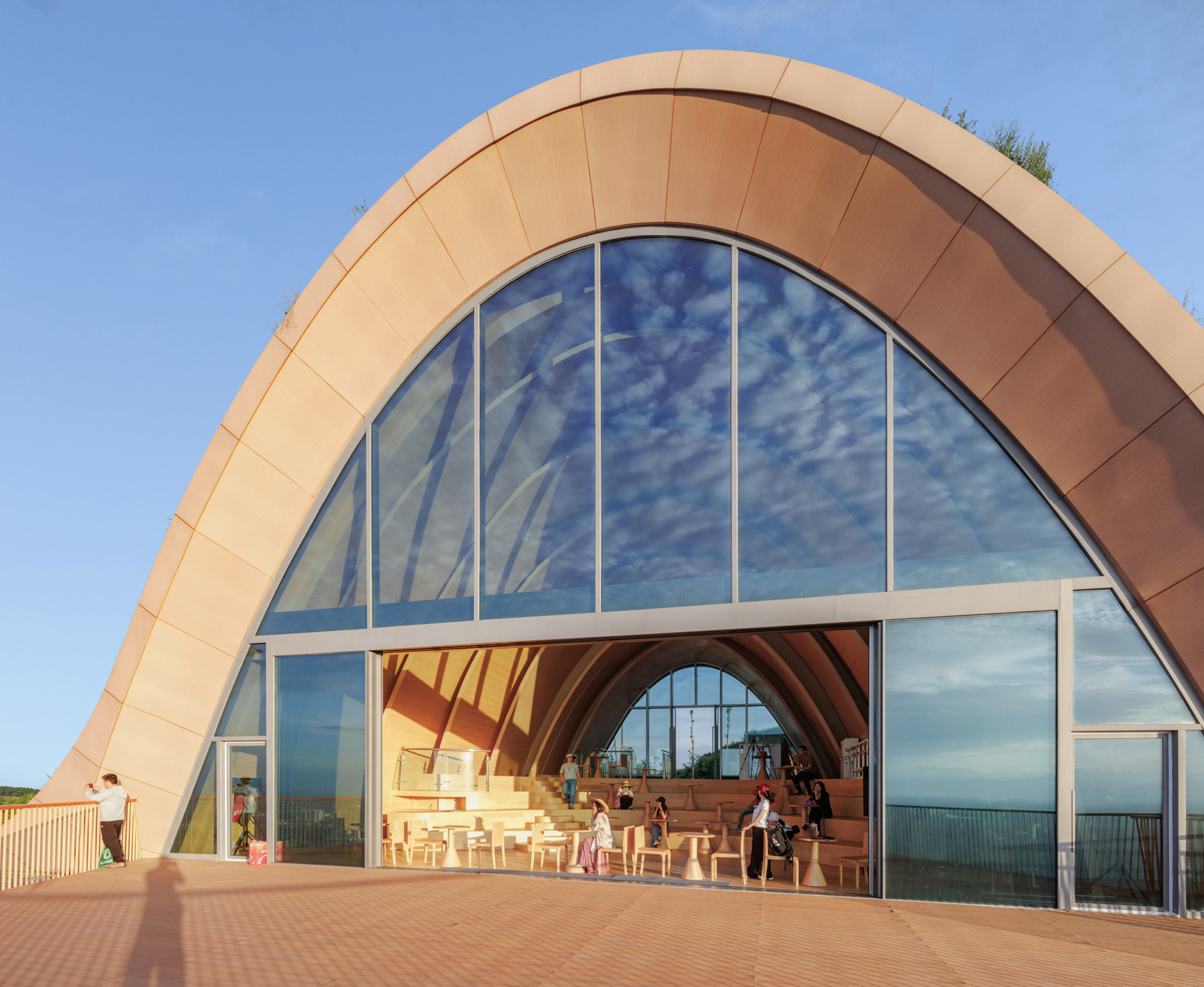
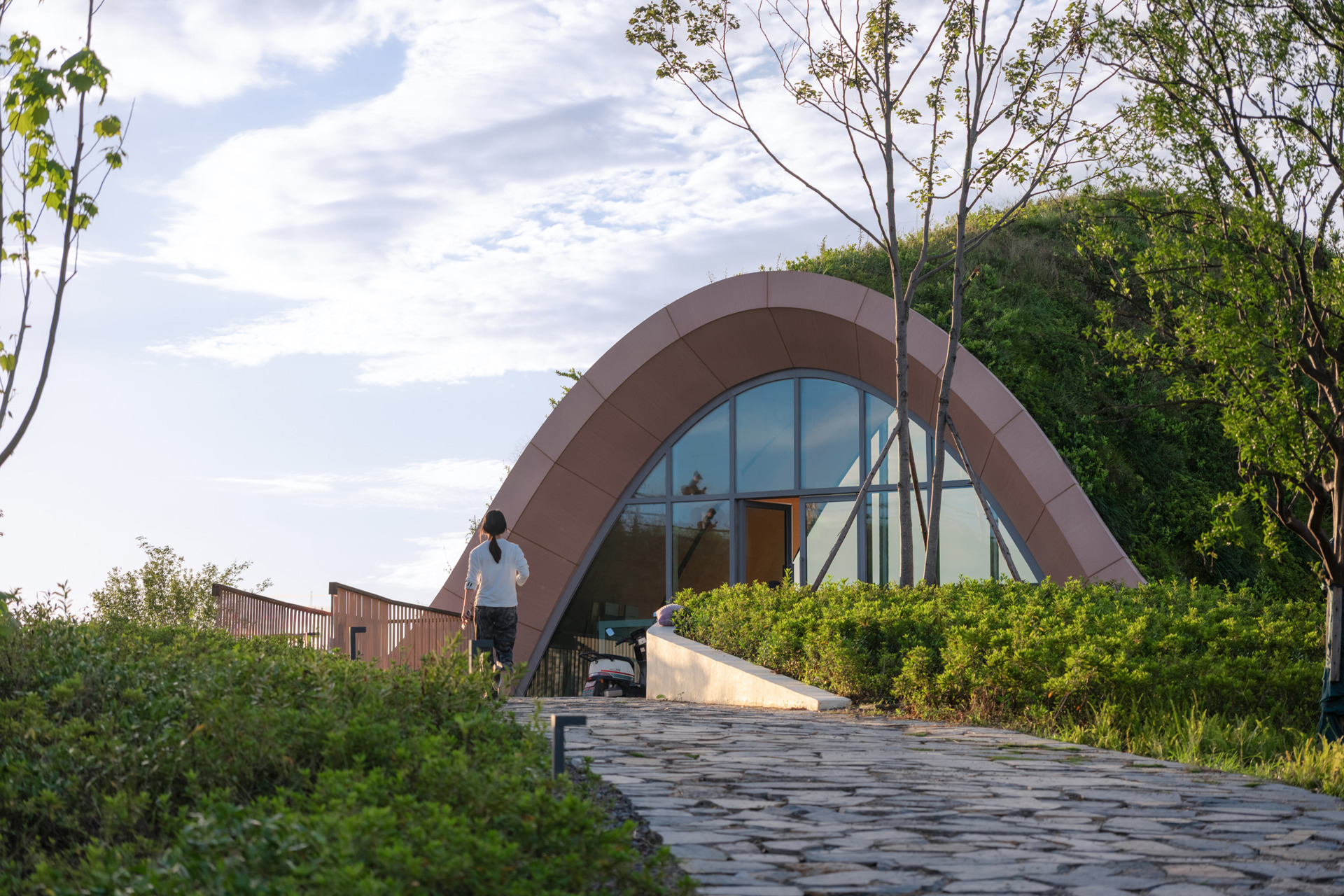
MVRDV shaped the pavilion as a series of arched timber structures covered with an earth berm. This approach allows the building to blend into its surroundings when seen from a distance. At night, the large glazed opening turns the pavilion into a visible landmark in the hills.
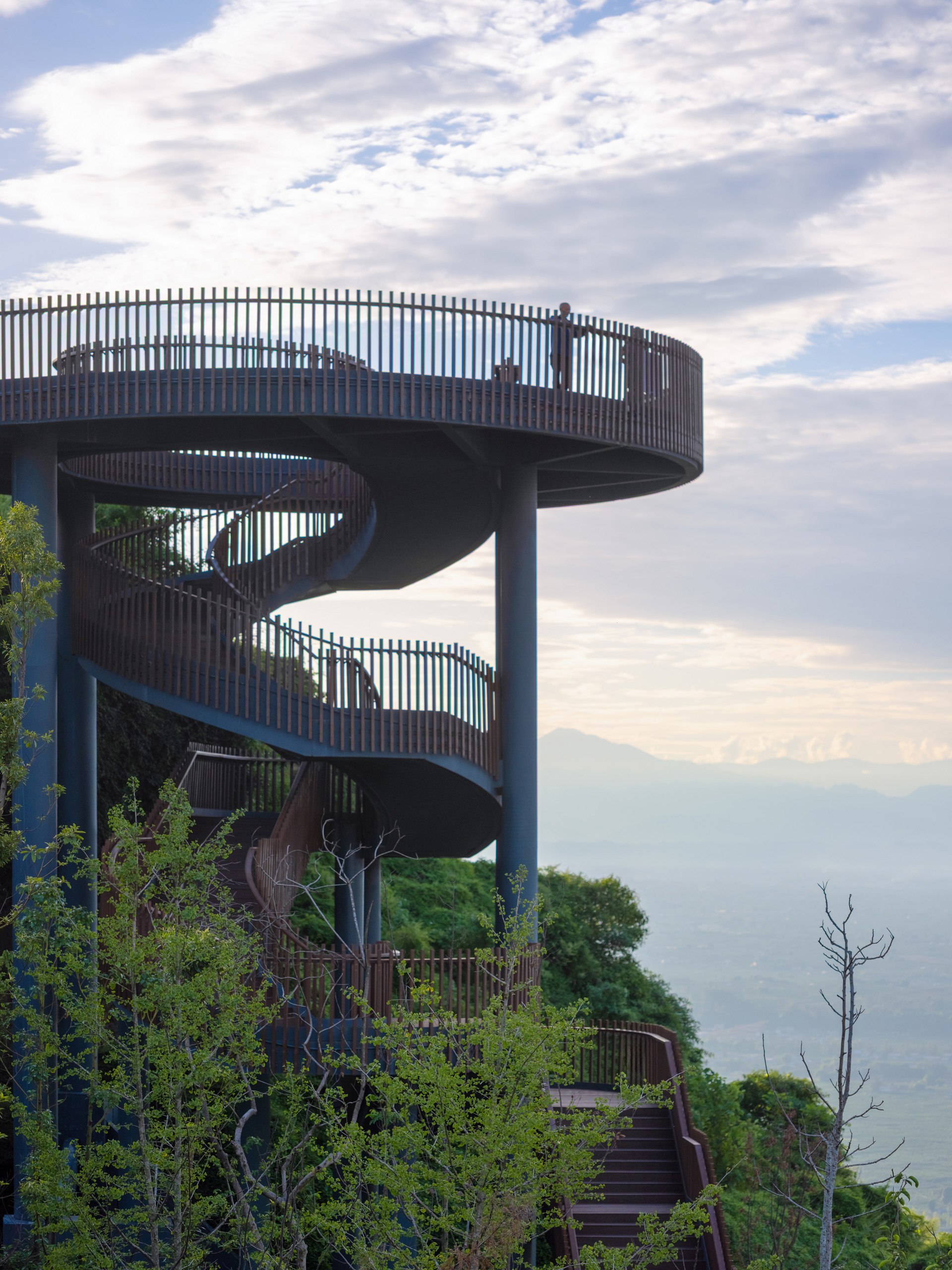
The earth-covered roof recreates the hill that once existed on the site. As a result, the visual impact on the landscape remains minimal. The project also improves the existing path network. New routes lead visitors to the viewpoint, including a sculptural staircase that connects to a circular secondary platform with panoramic views.
Timber as a Low-Carbon Structural Choice
The pavilion uses timber as its primary structural material. The designers selected wood for its renewable nature and its lower embodied carbon compared to concrete or steel. In China, timber still plays a limited role in large-scale construction. This project therefore acts as a built example of how wood can be used in public architecture.
By applying timber in a permanent and visible structure, the pavilion promotes wider acceptance of bio-based materials. It also highlights timber’s potential within more circular construction models.
Interior Space Shaped by Topography
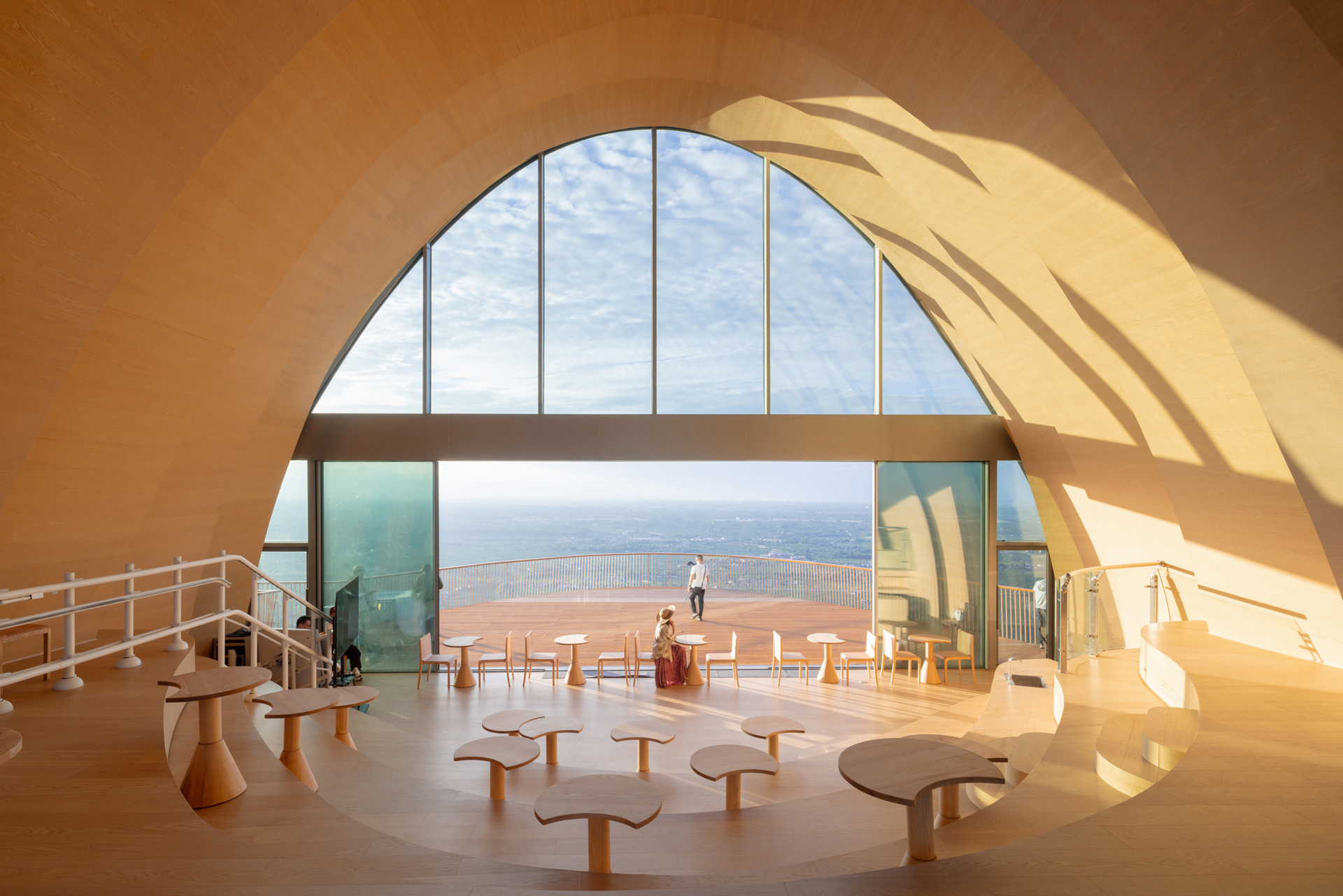
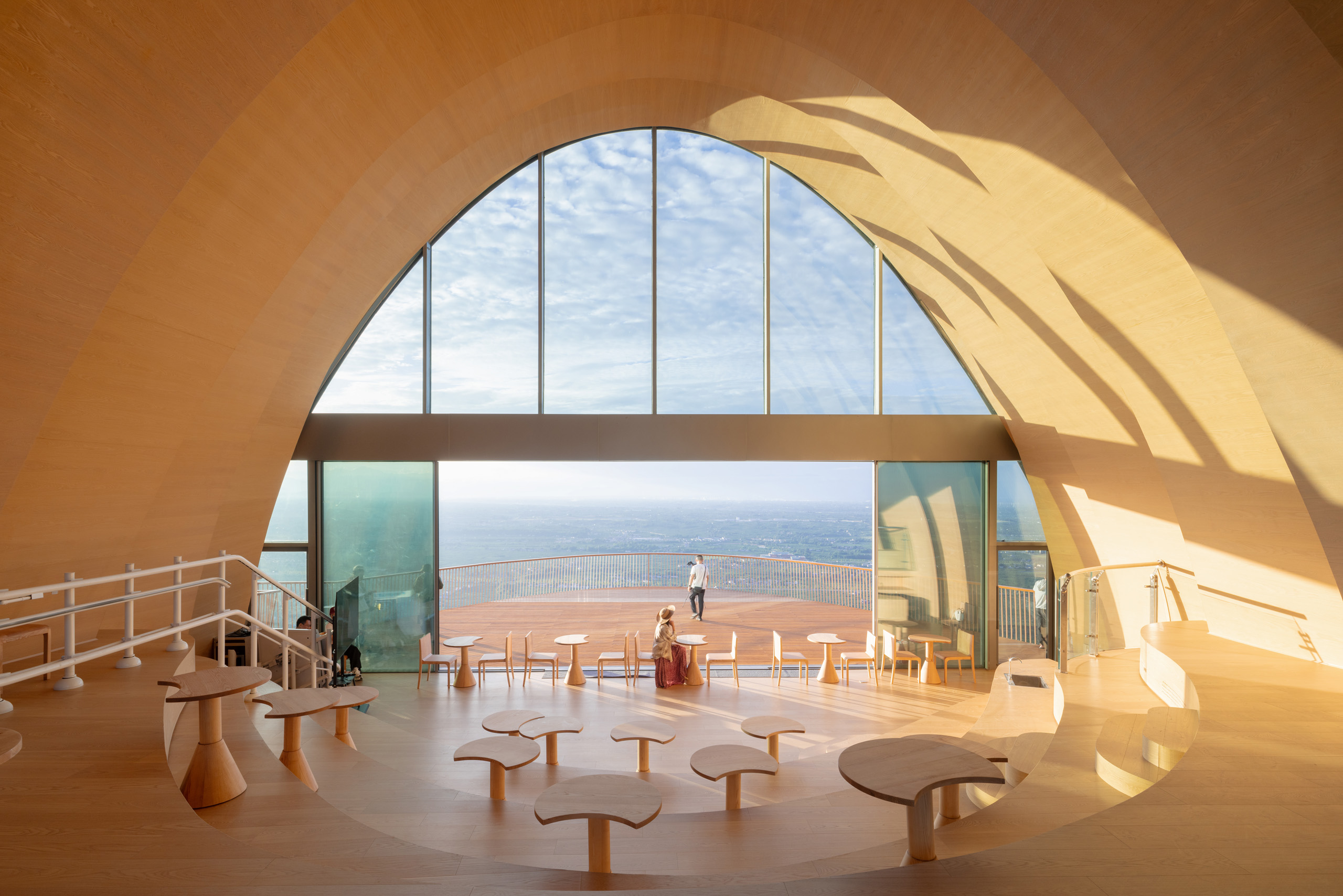
Inside, the pavilion follows the natural slope of the hill. The floor gradually descends, while the roof rises towards the landscape. This creates a stepped tribune that supports different uses, from presentations to informal seating.
A 10-metre-high glass façade frames views of the surrounding hills. Large sliding doors open the interior directly onto the viewing balcony. Timber, glass and earth define the interior, creating a calm and natural atmosphere with a limited material palette.
Passive Strategies and Landscape Integration
The design combines material choice with passive climate strategies. The earth berm and planted roof provide insulation and thermal mass. This helps stabilise indoor temperatures throughout the year. The layered ceiling supports natural ventilation, reducing the need for mechanical cooling.
The building’s orientation limits direct solar gain, while roof overhangs and trees provide additional shading. A geothermal heat pump supplies part of the energy demand. Existing waterways collect rainwater for irrigation, and native planting supports local biodiversity, including on the roof.
Together, these strategies show how architecture, materials and landscape can form a single, sustainable system.
Source: MVRDV
Photos: Arch-Exist

Comments