Pumpkin Peel Waste Forms Active Biodegradable Food Packaging
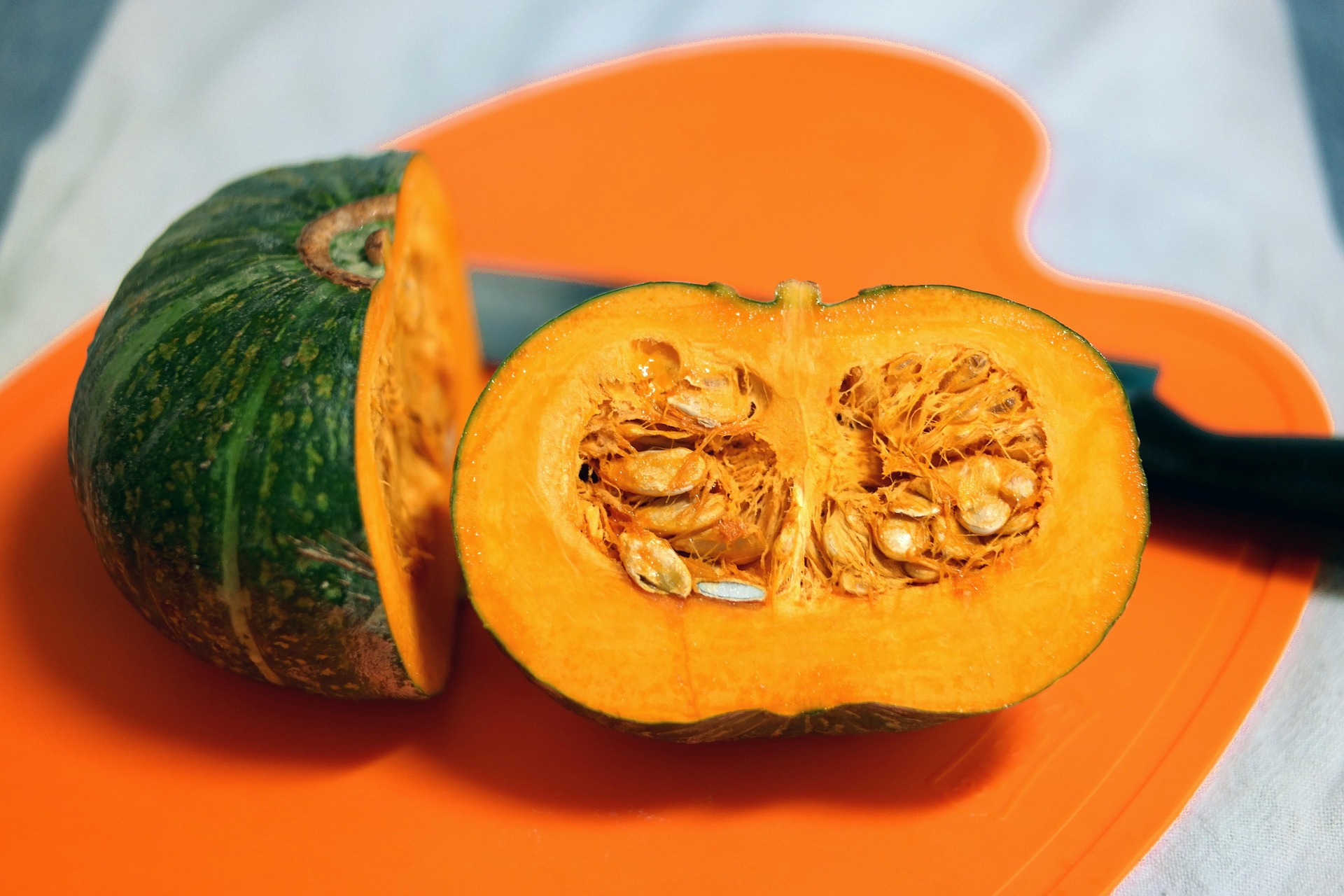
Researchers at Kyushu University in Japan have developed a biodegradable packaging material made partly from discarded pumpkin peel. The composite film could help preserve fresh produce, reduce transport damage and provide an alternative to conventional plastic packaging. The researchers published their findings in Food Research International.
Carbon Dots From Agricultural Waste
Pumpkin peel accounts for around 10% of the fruit’s weight and often becomes an agricultural by-product. The research team processed the peel using heat and high pressure. They then cooled and freeze-dried the material to produce carbon quantum dots (CQDs). These particles measure approximately 10 nanometres in diameter.
The resulting CQDs have antimicrobial and UV-blocking properties. Therefore, they can help protect food against microbial growth, surface browning and deterioration caused by excessive light exposure. Unlike antimicrobial packaging based on metal nanoparticles such as silver or zinc oxide, the CQDs come from organic waste. According to the researchers, they also demonstrate good biocompatibility at effective concentrations.
Stronger And More Moisture-Resistant Film
The team combined the carbon quantum dots with carboxymethyl cellulose and gelatin to create a composite packaging film. Adding 3% CQDs increased the material’s tensile strength by 147%. It also reduced water vapour permeability.
These properties may help the film withstand vibration and impact during transport. Meanwhile, its moisture barrier can slow water loss from fresh produce. This is relevant because an estimated 40–50% of harvested fruit and vegetables never reach consumers due to losses between farms and markets.
During a 20-day storage trial, the researchers used the material to package cherry tomatoes. Films containing CQDs limited microbial growth and slowed weight loss and softening. As a result, they preserved the tomatoes more effectively than leaving them unpackaged or wrapping them in conventional plastic.
Flexible Application Options
The material can function as a packaging film or as a coating sprayed directly onto produce. A spray application could cover only vulnerable areas, reducing material consumption and packaging costs.
Cell viability tests found that the material was non-toxic below a concentration of 2 mg/ml. The coating uses a much lower concentration and measures roughly 0.01 millimetres thick. However, further testing and regulatory assessment would remain necessary before commercial use as a food-contact material.
The researchers plan to explore natural antifungal additives, including essential oils, to improve protection against mould. Because the coating preserves food at ambient temperature, it may also support regions with limited cold-chain infrastructure. In addition, the CQDs fluoresce under UV light. Future developments could potentially use this effect to add illuminated text or graphics to packaging.
Source: Kyushu University
Photo: TapisRouge

Comments