Republica: A Circular Urban Village For Sustainable Collective Living
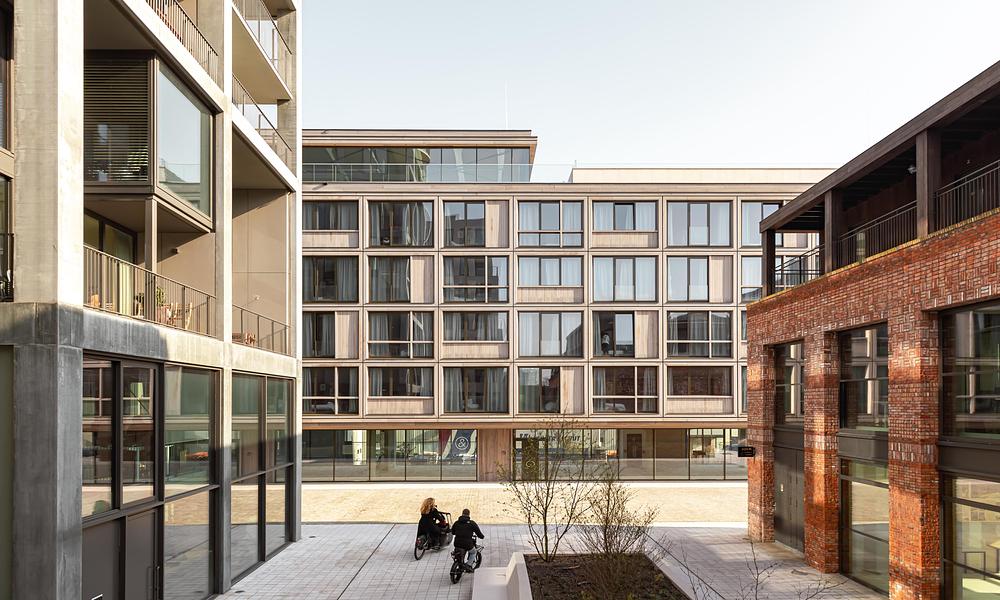



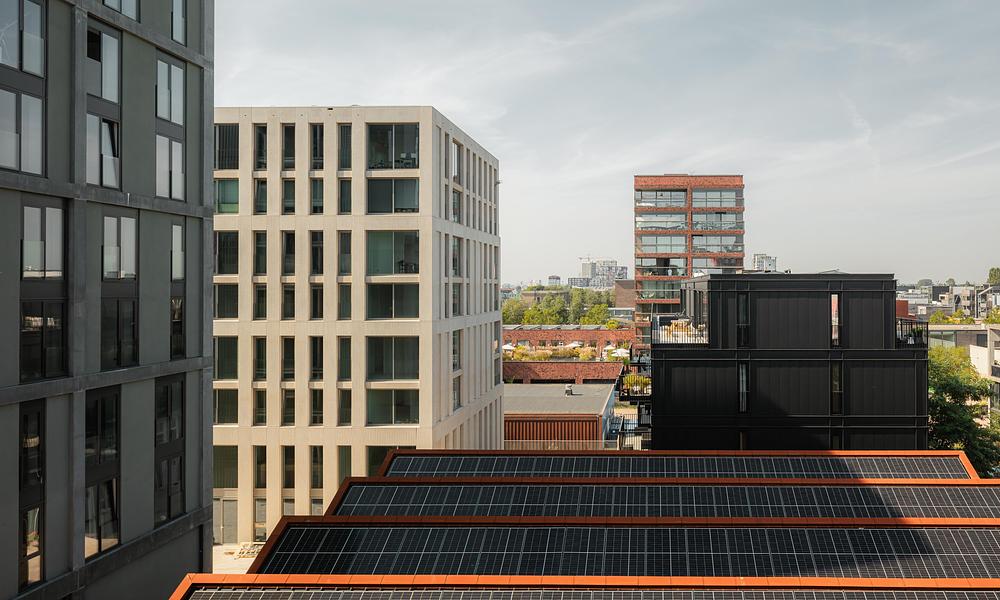
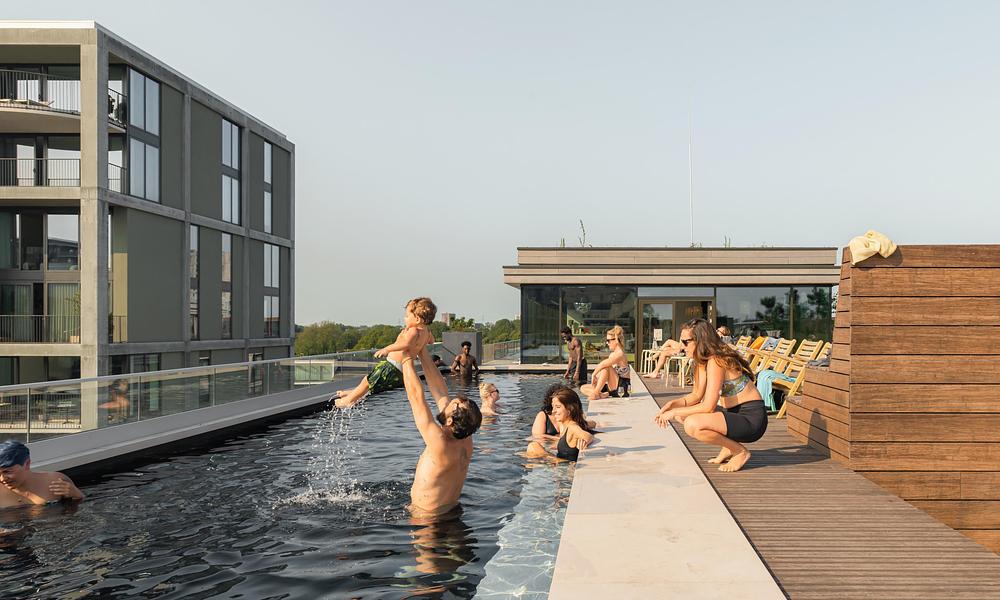

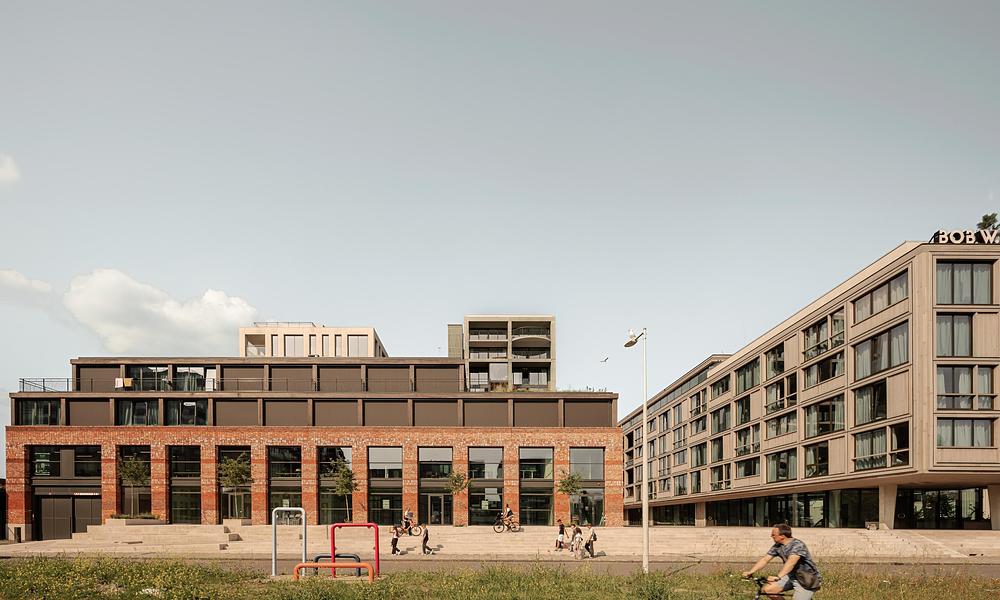
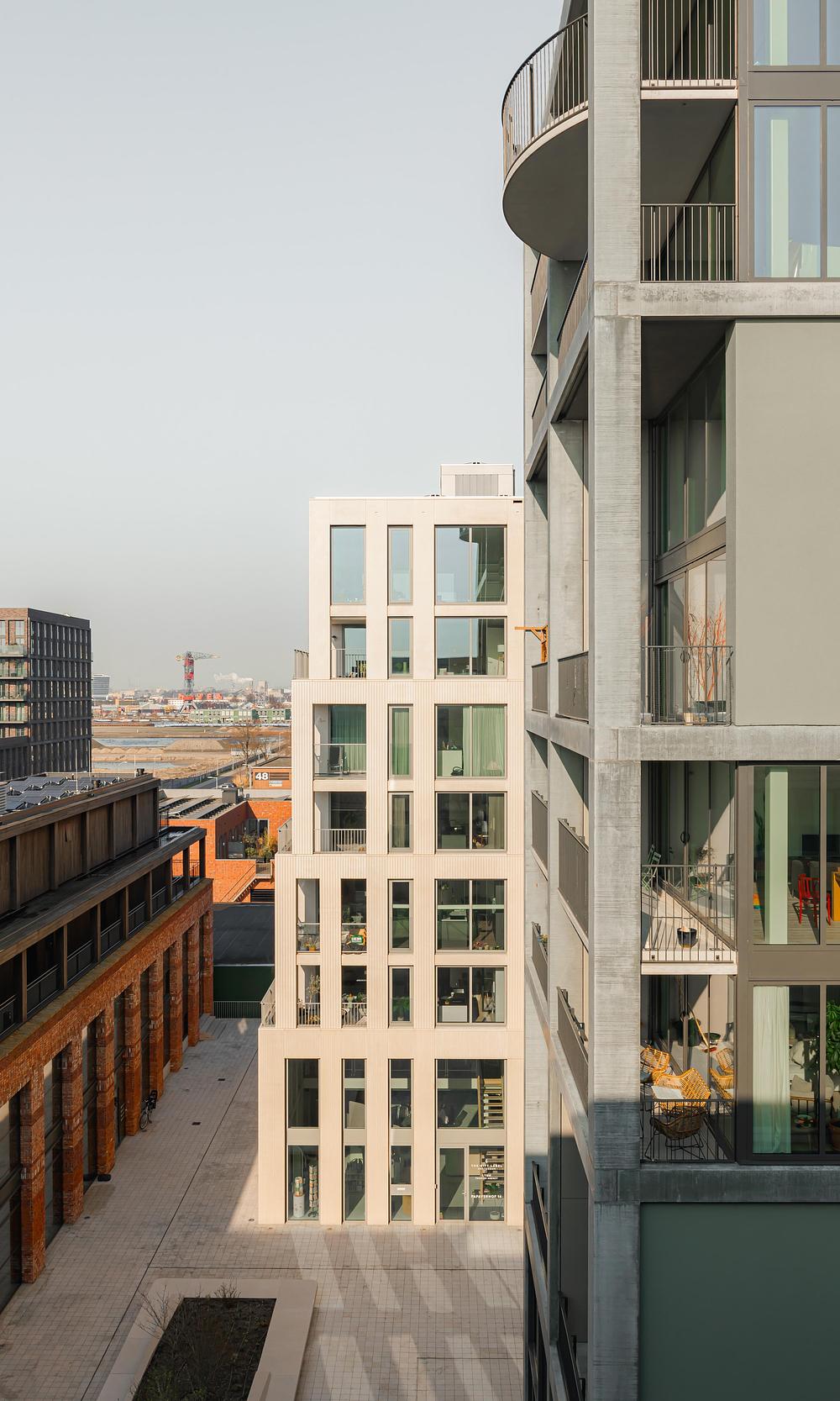
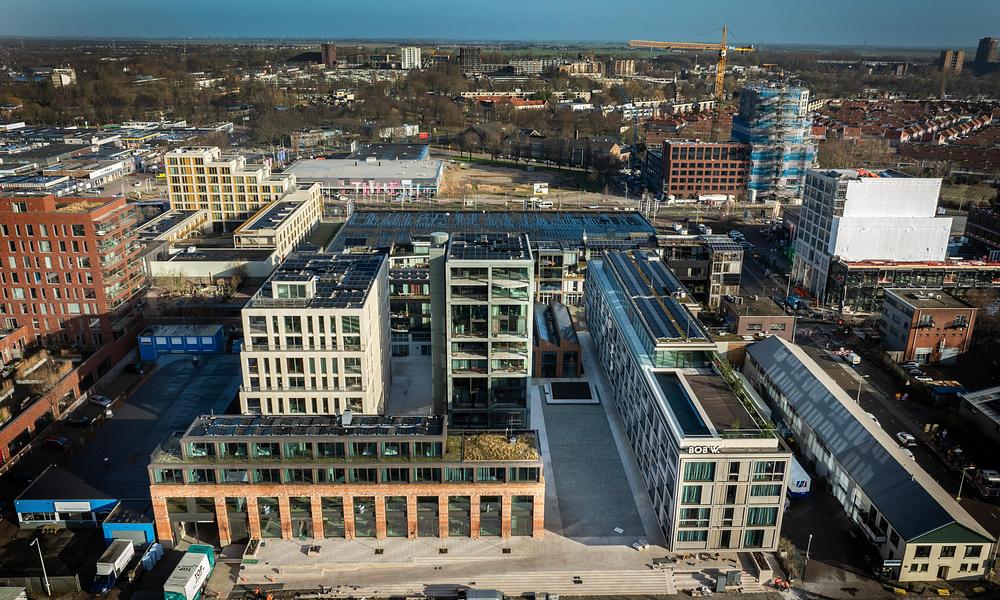
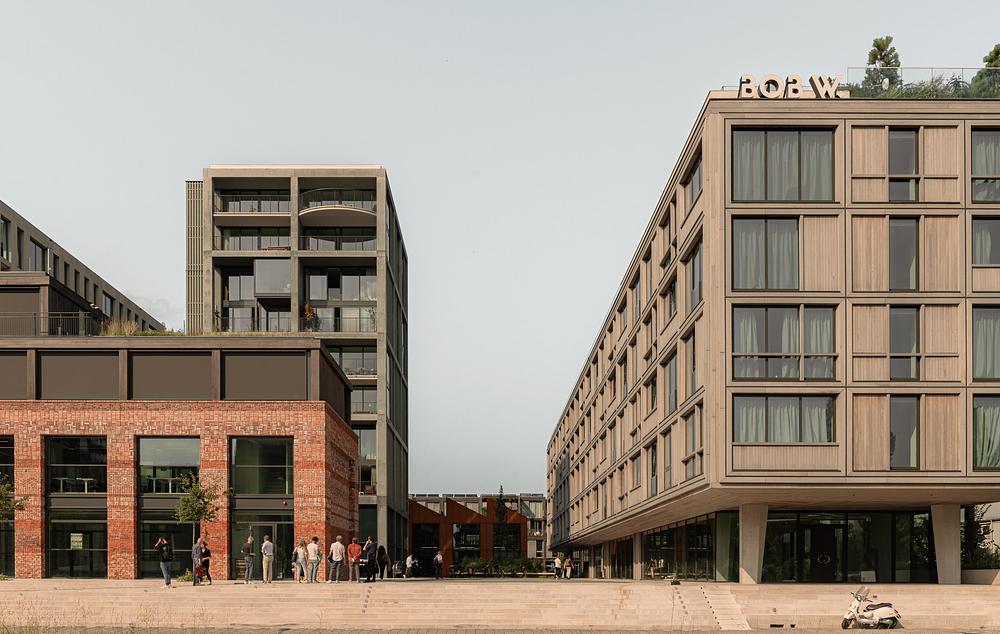

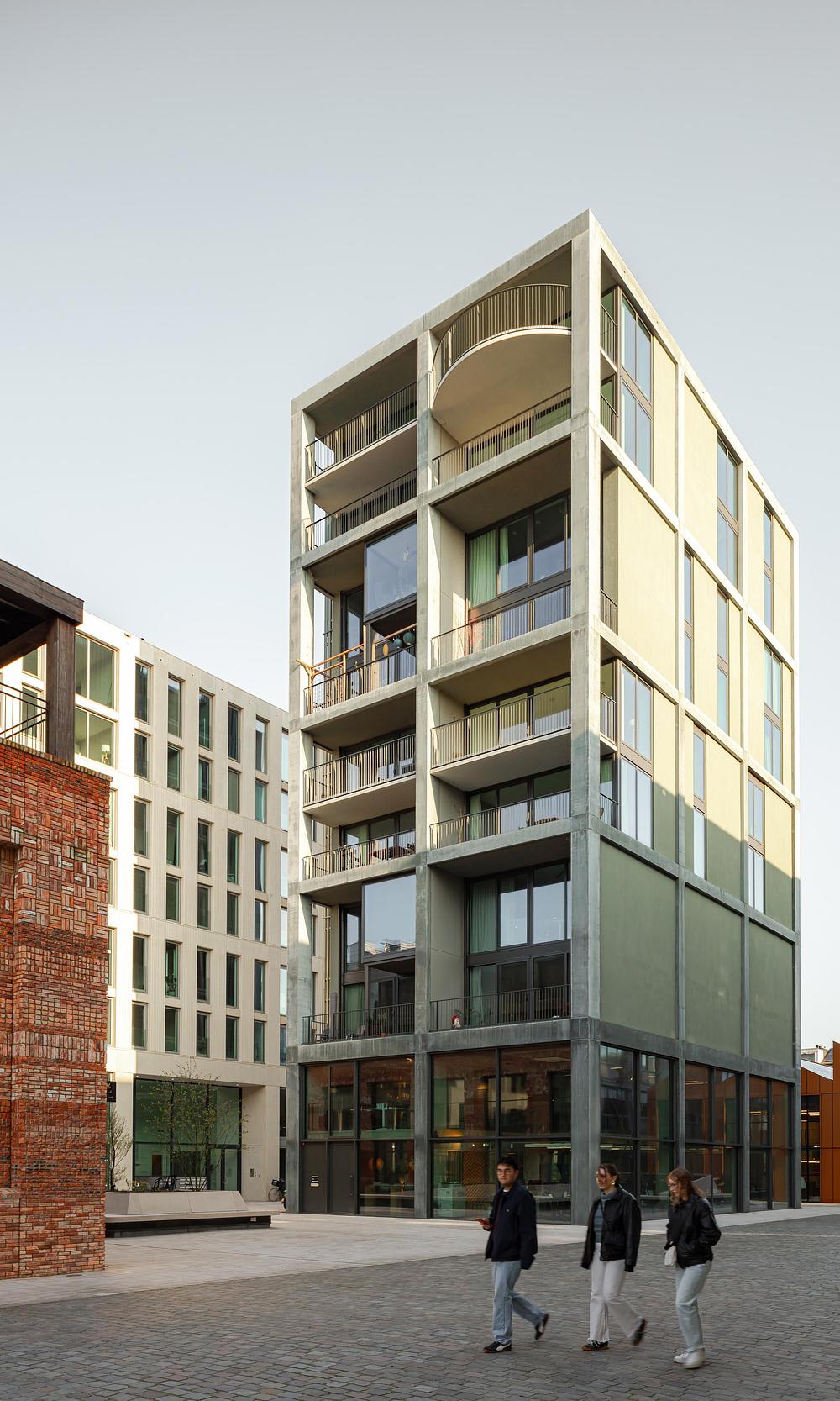
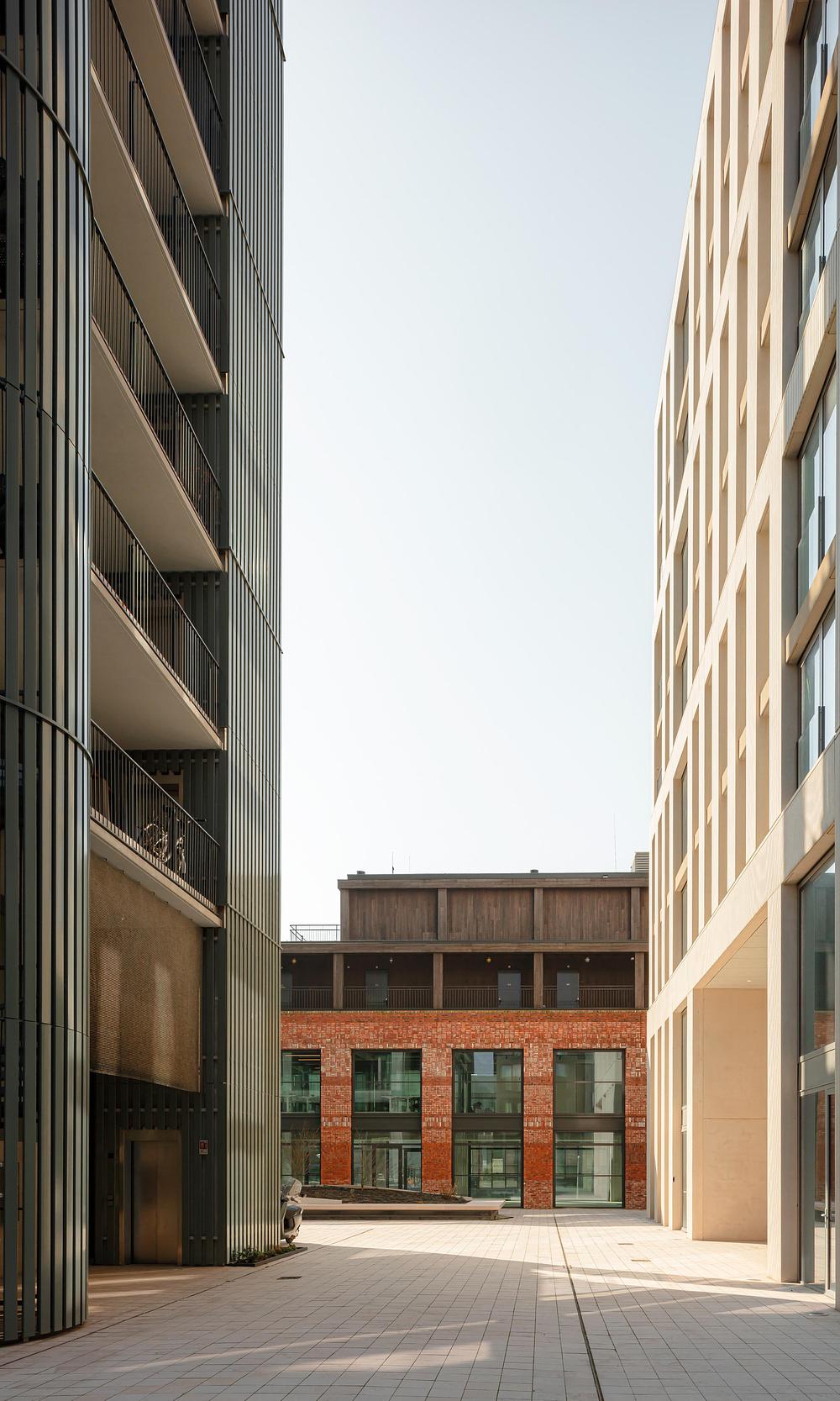
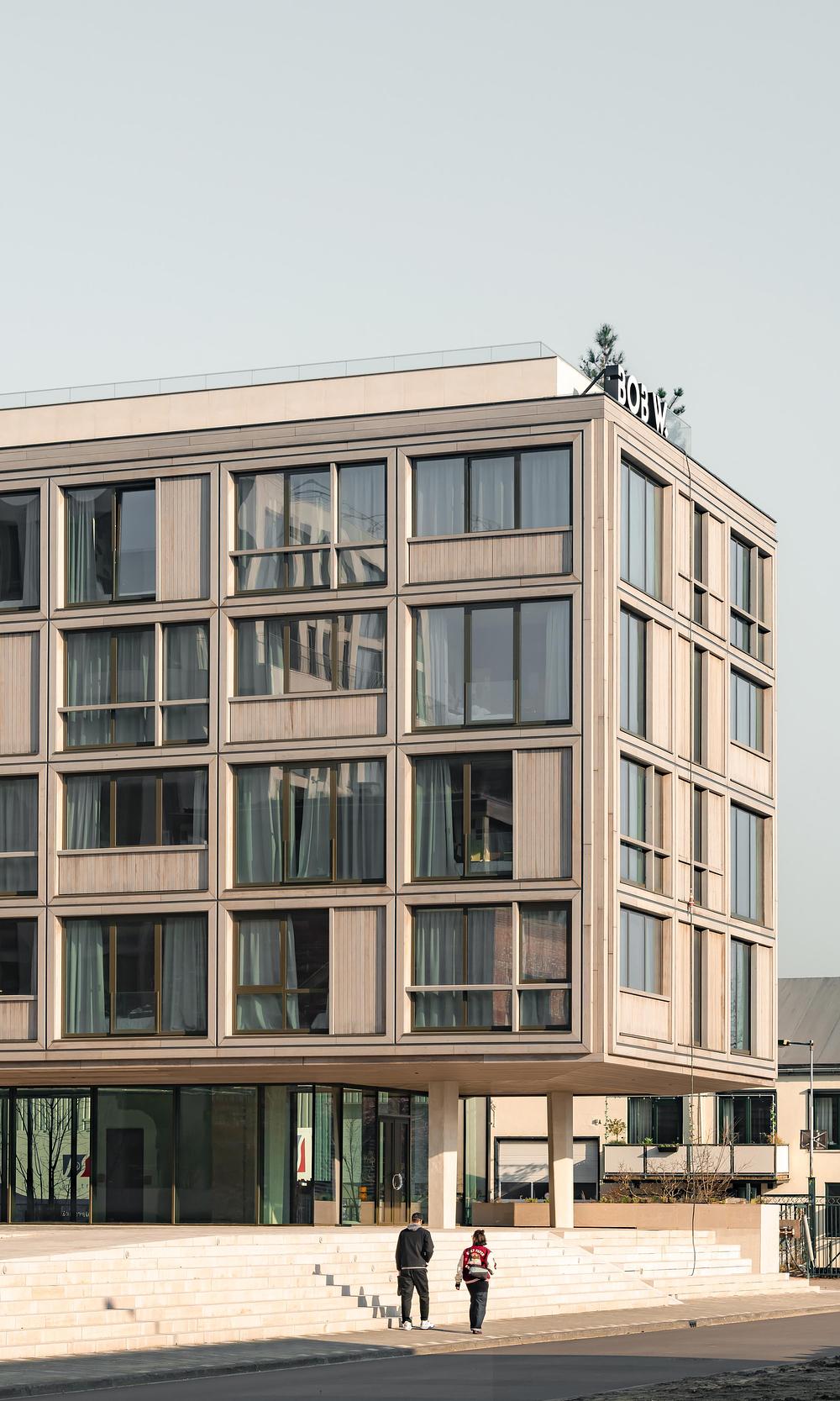
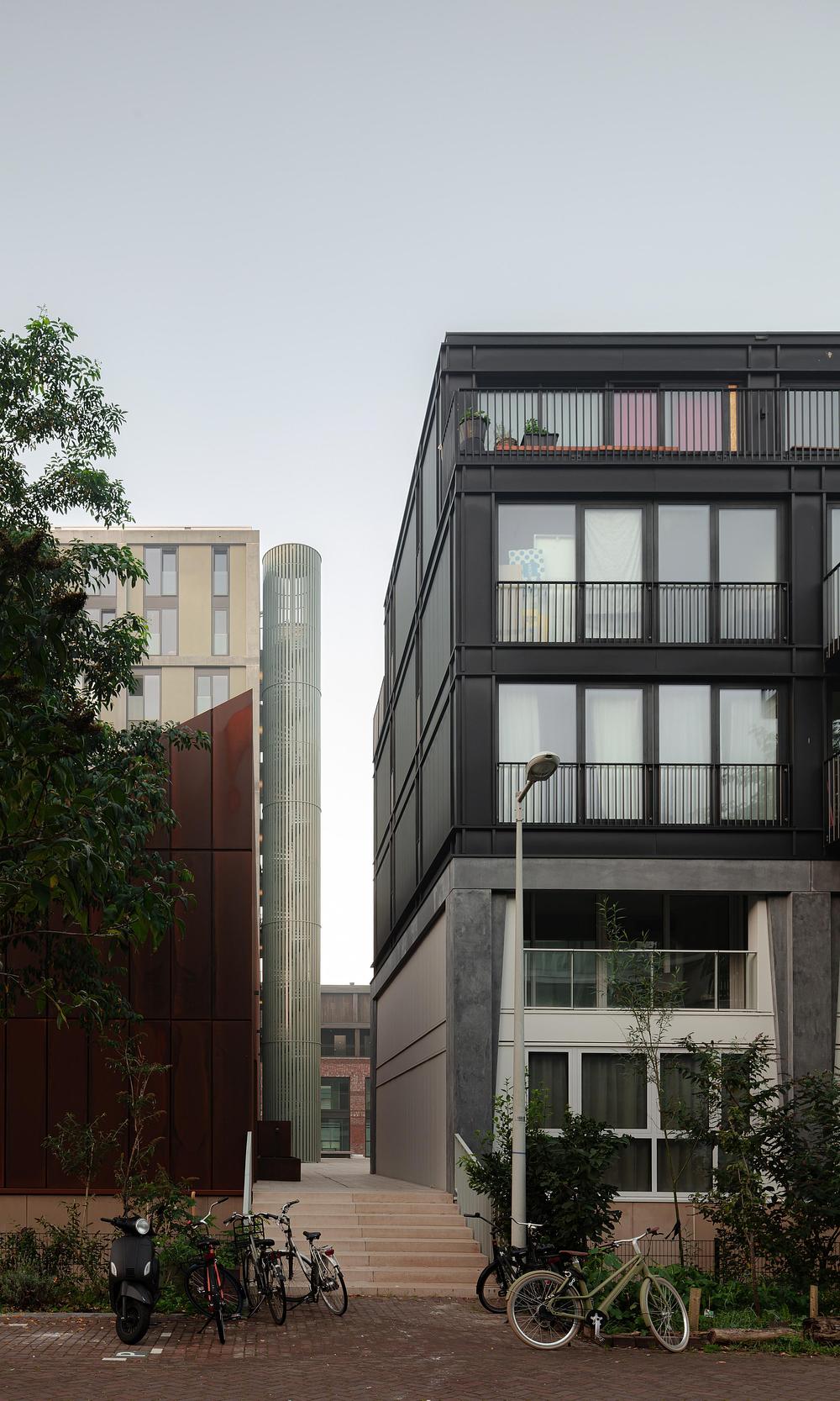
Republica is a mixed-use development by Marc Koehler Architects in Buiksloterham, Amsterdam North. The project is located in a former industrial area that is being redeveloped as a circular urban district. Within this context, Republica explores how material selection, construction methods and adaptability can support dense urban living.
The development combines housing, offices, hospitality, leisure spaces and shared mobility within a compact footprint, with a Floor Space Index of 3.3. At the same time, the design uses a clear material strategy to differentiate functions and enable long-term flexibility. Recycled, renewable and durable materials play a key role in shaping both the architecture and the public realm.
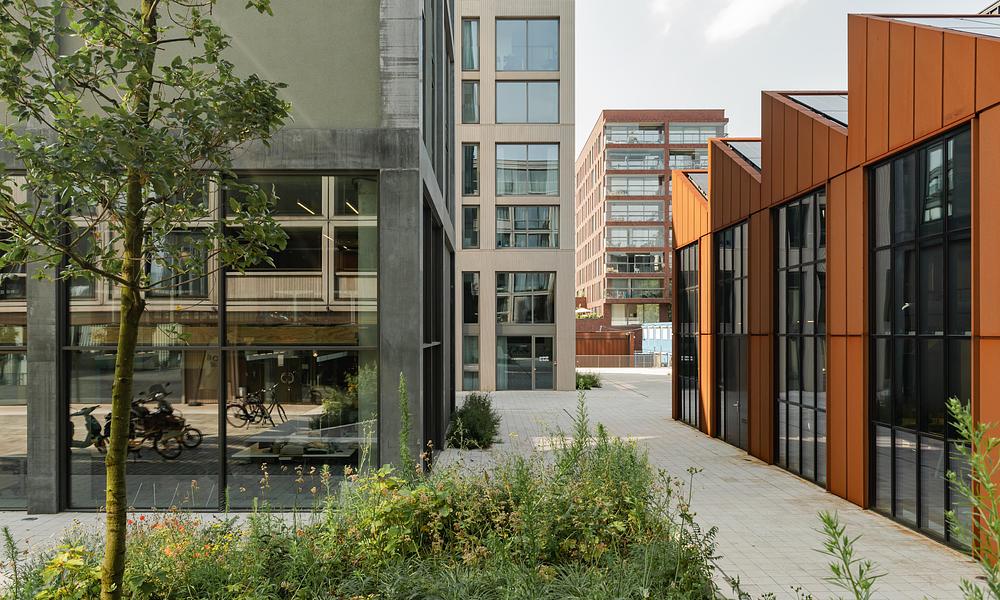
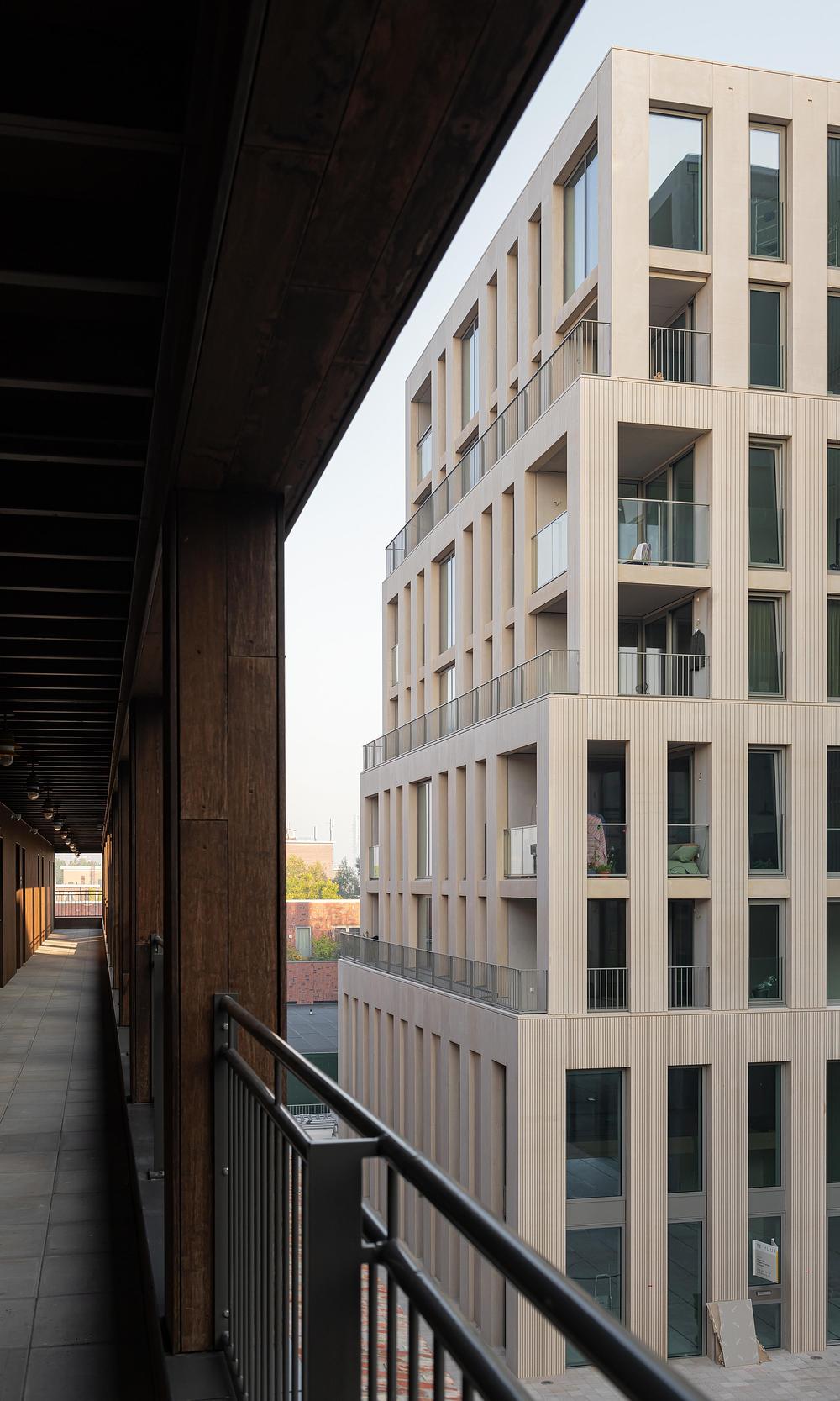
Public routes, bridges and staircases connect the site to the surrounding neighbourhood. Meanwhile, smaller squares, terraces and alleys organise the outdoor spaces and support everyday use at ground level.
Architectural Expression And Material Choices
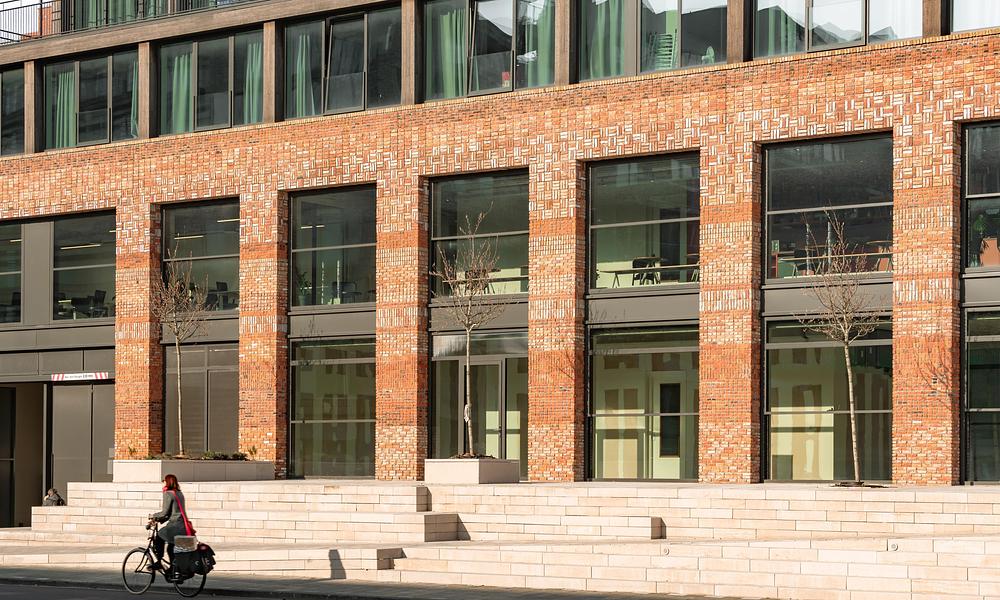
The architectural language refers to the area’s industrial past. Large windows, high ceilings and wide spans define the interior spaces. At ground level, natural stone, brick and concrete shape the public areas and façades.
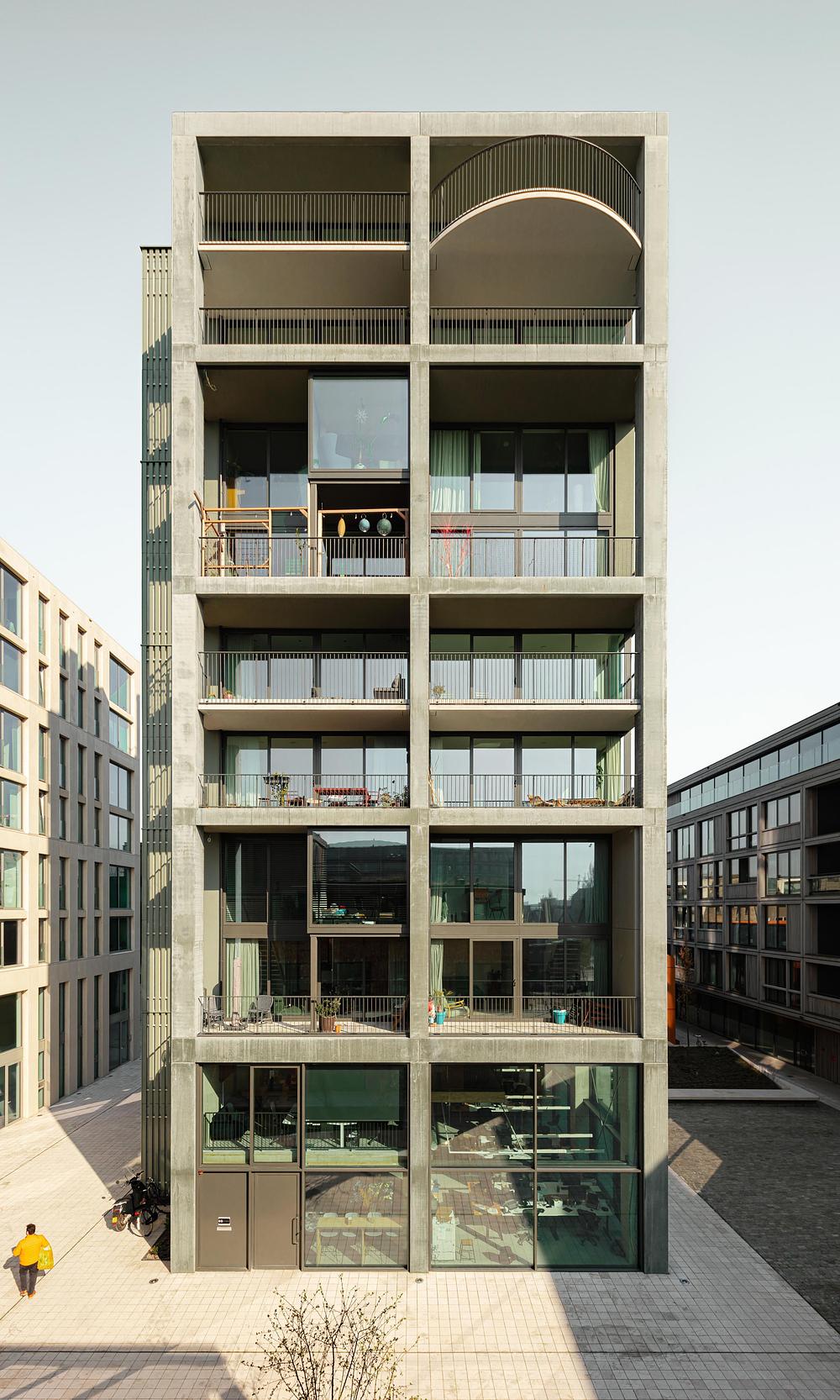
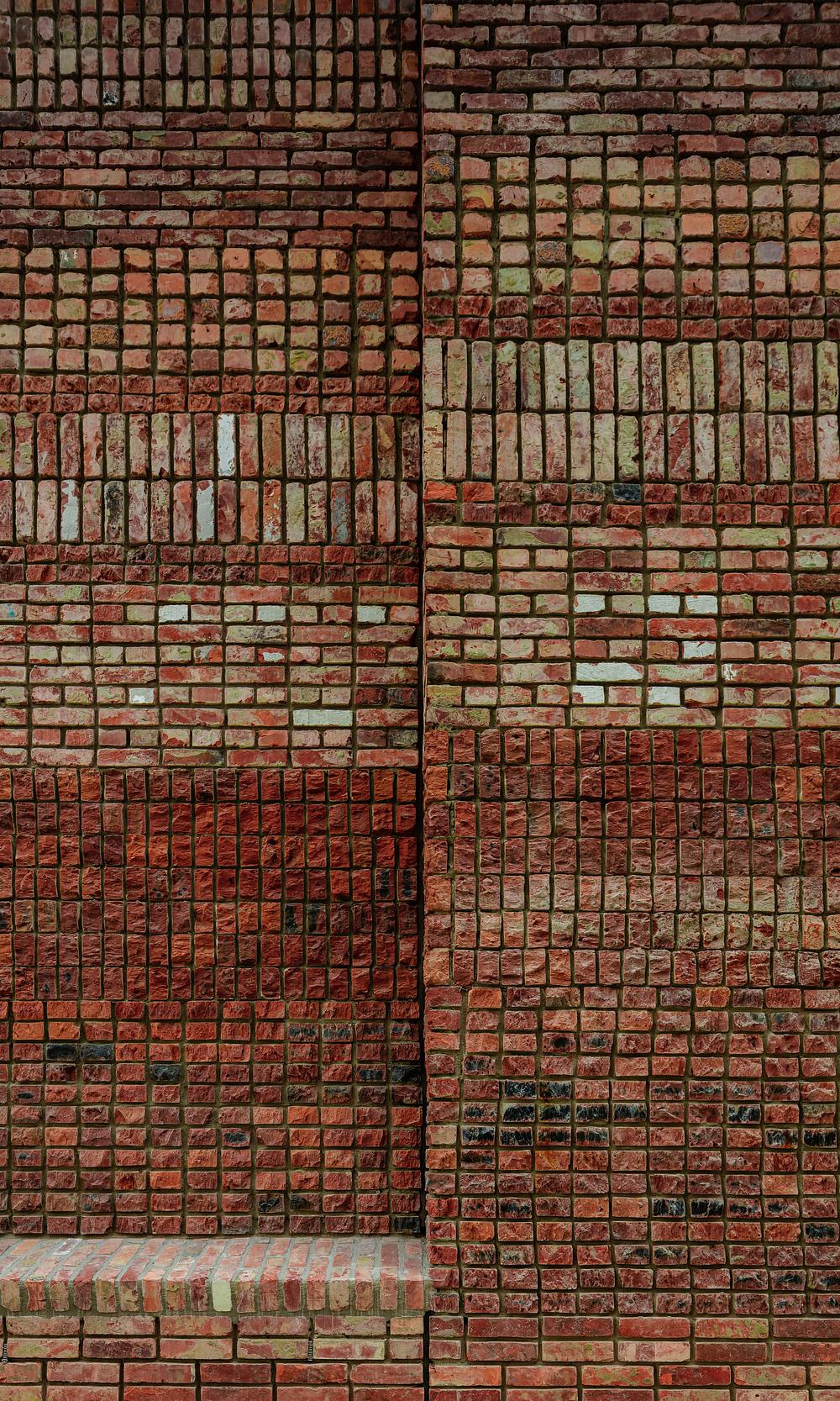
Each building uses materials that match its function and construction method. For example, the café and co-working building uses recycled bricks, arranged in varied textures and masonry patterns. Residential buildings include specially profiled concrete elements with recycled content, chosen for durability and long-term use. Meanwhile, the apartment-hotel features a timber façade sourced from renewable materials. In addition, a warehouse-style office building uses Corten steel, which offers durability and recyclability and allows future changes in use.
Open Building And Long-Term Adaptability
Republica applies open building principles throughout the project. A residential tower with Superlofts uses a flexible core and shell structure. As a result, residents can adapt interior layouts over time.
This approach extends across the entire development. Structural systems remain separate from interior fit-out layers. Moreover, large spans, generous ceiling heights and demountable materials make changes possible without major structural work. Therefore, buildings can respond to new needs while limiting demolition and material waste. The design approach follows the ideas of the Open Building movement developed by John Habraken.
Energy Systems And Technical Organisation
As part of the circular Buiksloterham programme, Republica operates as an energy-positive development. Solar panels and a geothermal system generate renewable energy. Together, they produce more energy than the project consumes on an annual basis. An energy cooperative manages a local microgrid that enables residents and users to generate, store and exchange energy.
Meanwhile, the design places parking, bicycle storage, waste separation and technical installations in a semi-submerged garage. This solution keeps the ground level open and accessible. Consequently, the façades remain active and visually connected to the surrounding streets.
Material Strategies At Neighbourhood Scale
Republica shows how material selection, adaptable construction systems and decentralised energy solutions can work together at neighbourhood scale. For architects, landscape architects and interior designers, the project provides insight into circular material use and long-term flexibility within dense urban developments.
Source: Marc Koehler Associates
Photos: Sebastian van Damme

Comments