Safer Thermal Paper Made From Wood-Based Materials
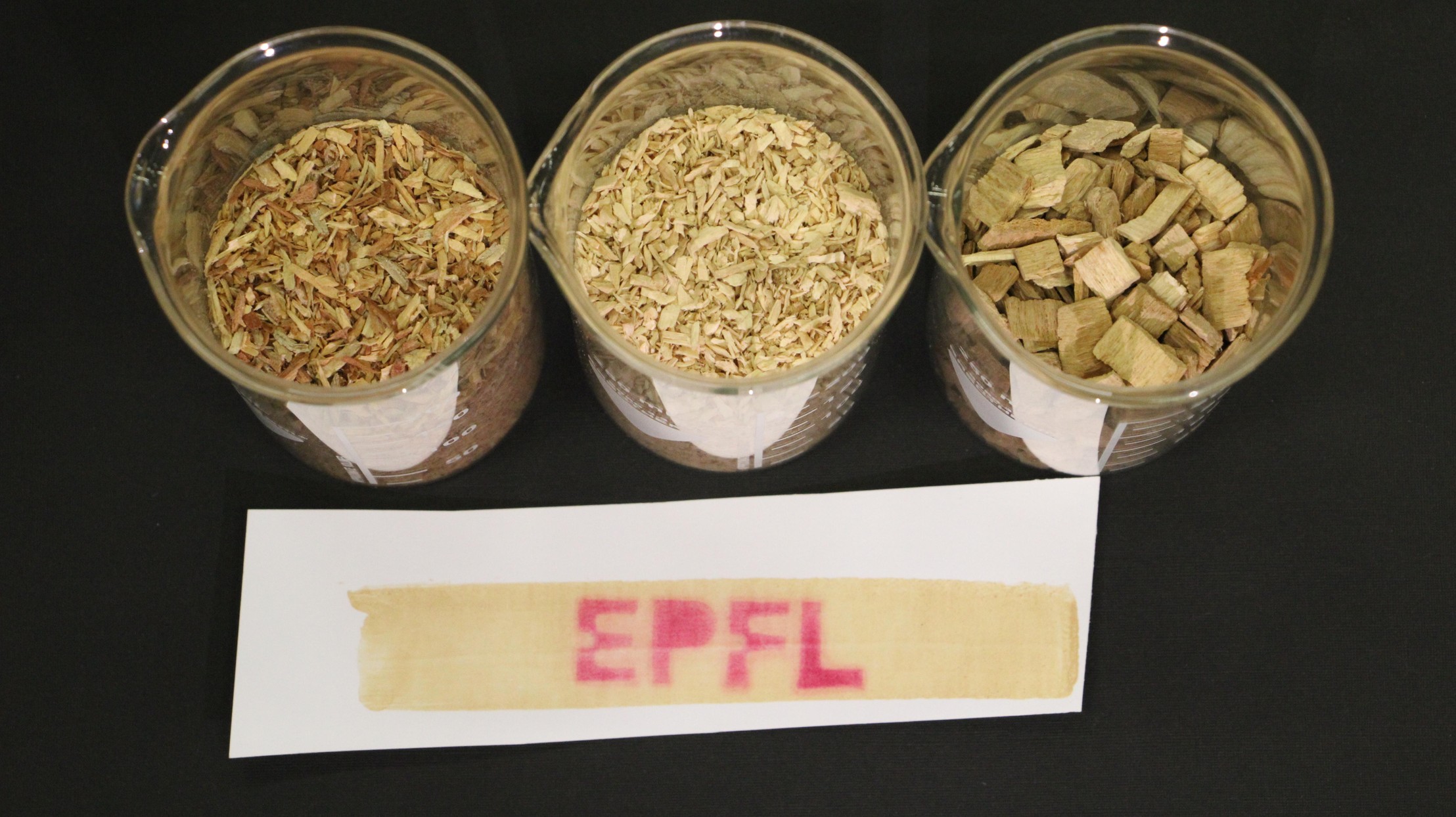
Researchers at EPFL (École polytechnique fédérale de Lausanne) have developed a safer thermal paper coating made from wood-based materials. The new formulation replaces commonly used bisphenols with lignin and plant-derived sugars, significantly reducing health and environmental risks while maintaining print performance.
Thermal paper is widely used in receipts, shipping labels, tickets and medical records. It relies on heat-sensitive coatings to reveal text, but most current solutions still depend on bisphenol A (BPA) or bisphenol S (BPS). These chemicals disrupt hormone systems and spread easily through recycling streams, water and soil.
The EPFL research shows that non-edible biomass and industrial by-products can deliver a viable alternative. By using lignin from wood and a sensitiser derived from plant sugars, the researchers demonstrate how everyday paper products can become safer without sacrificing functionality.
Turning Wood Waste Into Functional Paper Coatings
The researchers at EPFL developed a new type of thermal paper coating based on wood-derived materials. The team focused on lignin, a natural polymer found in wood and produced in large volumes as a by-product of the paper and biofuel industries.
Lignin already contains chemical groups that can trigger colour formation in thermal printing. However, untreated lignin is dark and chemically irregular, which limits its use in printing applications. To solve this, the researchers used a controlled extraction method that produces a lighter and more uniform form of lignin. This process improves colour clarity and ensures consistent performance during printing.
Plant Sugars Replace Fossil-Based Additives
To activate the coating at standard printing temperatures, the team added a sensitiser derived from plant sugars rather than petroleum. This compound melts when heated and allows the dye and lignin to react efficiently.
The researchers applied the biobased coating as a thin layer onto paper and tested it using commercial thermal printers. The results showed clear printed images with contrast levels comparable to existing BPA-based thermal paper. The coatings also remained stable during long-term storage, without unwanted background darkening.
Improved Safety With Comparable Performance
Safety testing revealed a major advantage. The lignin-based developer showed estrogenic activity that was hundreds to thousands of times lower than BPA. The sugar-based sensitiser showed no detectable toxicity under test conditions.
Although print contrast still leaves room for optimisation, the overall performance already matches that of many commercial thermal papers on the market. This makes the material promising for large-scale applications.
Why This Matters For Packaging And Product Designers
For packaging and product designers, this innovation demonstrates how biobased and circular materials can replace problematic chemicals in high-volume products. Thermal paper often enters recycling streams, making chemical safety a crucial design consideration.
By using non-edible biomass and industrial by-products, the EPFL research points to safer material cycles for labels, receipts and logistics applications. With further development, wood-based thermal paper could support healthier material flows without compromising functionality.
Source: EPFL
Image: EPFL / J. Luterbacher

Comments