Scaling Up Fibre-Based Bio-Materials for the Built Environment

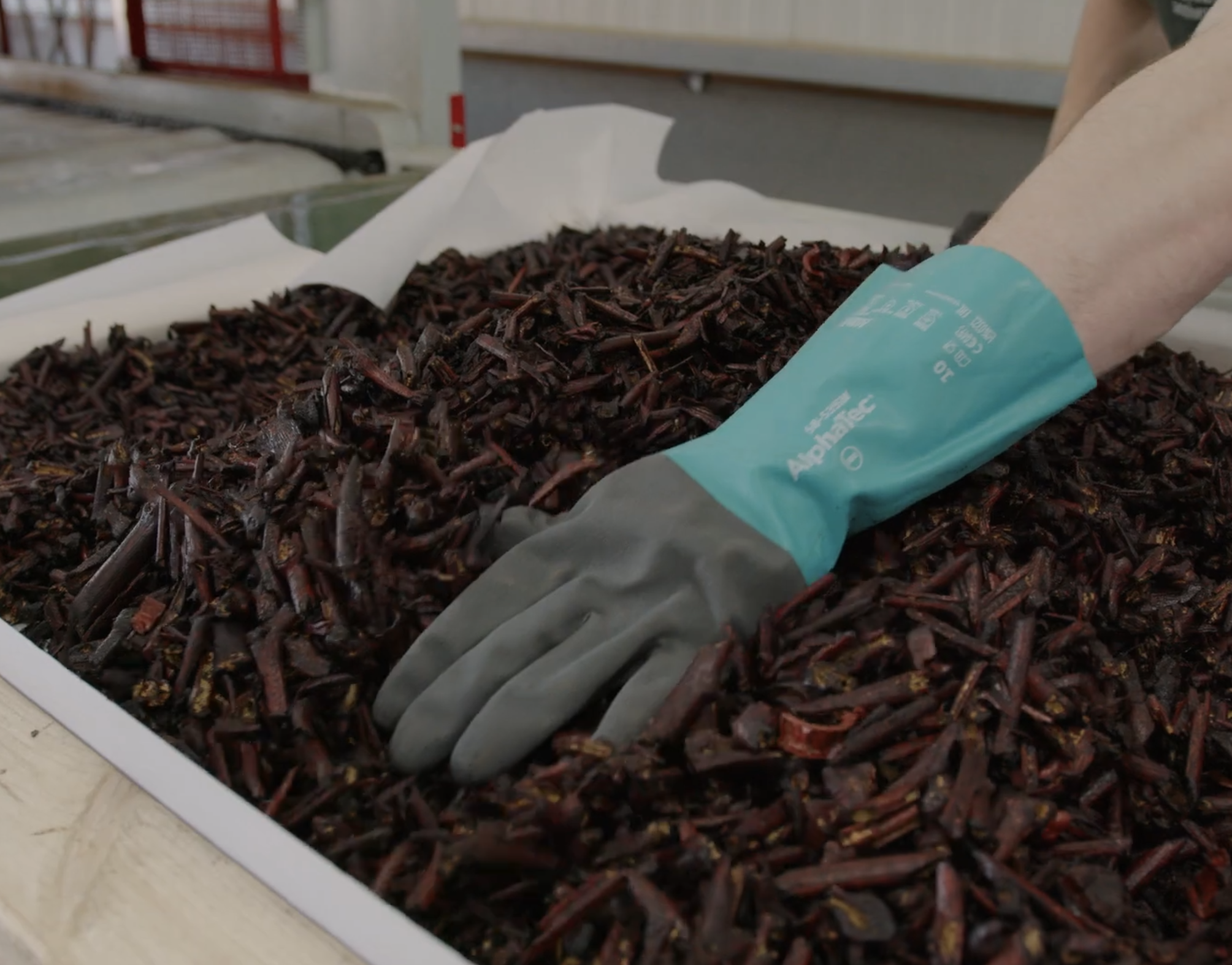
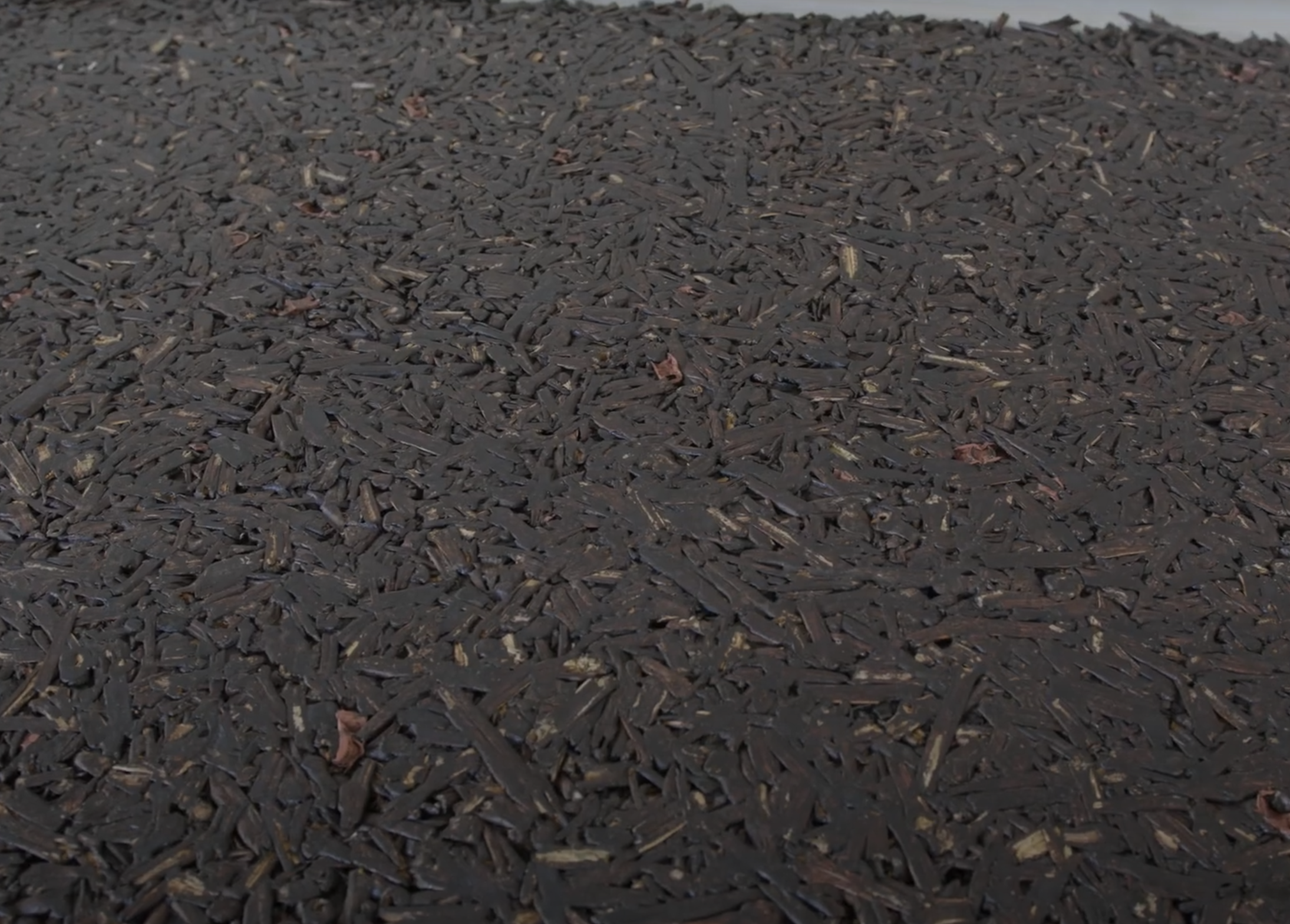
Achieving carbon-neutral construction by 2050 will require a major shift in the materials architects and designers specify. While timber is currently the most familiar biobased option, many other renewable fibre sources are emerging as viable alternatives for insulation, boards and structural panels. At TNO BioBuilt in the Netherlands, researchers and industry partners are working together to turn agricultural residues—such as fibres from bell pepper and tomato plants—into scalable, high-performing building materials.
The Untapped Potential of Agricultural Fibres
The built environment accounts for 38% of Dutch CO₂ emissions, including 11% linked directly to material production. Replacing fossil-based materials with biobased alternatives offers immediate carbon benefits through lower production emissions, alongside the long-term storage of biogenic carbon within bio-materials.
The Netherlands generates around 50,000 tonnes of tomato and bell pepper plant residues annually—a largely untapped biomass stream. According to TNO scientist Joost Vette, these fibres could play a meaningful role in the transition to circular construction, offering new material feedstocks in a country with limited domestic timber resources but a strong agricultural sector. For farmers and horticultural businesses, supplying biomass for the construction industry could evolve into an additional revenue model.
From Fibre to Board: Binderless and Biobased Pressing
TNO is investigating multiple pathways to convert these crop residues into building materials, focusing particularly on board products and insulation. One promising direction is binderless pressing, a technique that uses the natural lignin contained within plant fibres. Under the right combination of heat and pressure, lignin can act as a natural adhesive, eliminating the need for synthetic binders and improving material circularity.
Pre-treatments such as steaming help open the fibres, improving cohesion during pressing. In parallel, TNO and partners are exploring biobased adhesives for applications where binderless pressing is insufficient. These innovations could result in biobased alternatives to mainstream board materials such as MDF, OSB and chipboard.
Closing the Gap Between Innovation and Market Adoption
While Dutch start-ups are actively developing biobased insulation and panel materials, many struggle to scale from laboratory innovation to industrial production. TNO BioBuilt aims to bridge this gap through its pilot-scale production facilities for fibre-based boards, insulation materials and cross-laminated timber (CLT), including hybrid CLT that incorporates agricultural fibres.
Companies like Dijkshoorn are collaborating with TNO to test, optimise and scale up new products—crucial steps for bringing materials to the construction market, where performance, certification and consistency are essential.
Towards Circular, Scalable Material Alternatives
The ambition is to develop high-quality, biobased fibreboard materials that match the performance of conventional wood-based panels while offering improved circularity and flexibility in feedstock. By integrating reclaimed timber, agricultural fibres and biobased binders, TNO BioBuilt is helping designers and manufacturers explore new sustainable material typologies suited for architecture, interior applications and product design.
With its combination of material science, certification expertise and industrial facilities, TNO BioBuilt is positioned to accelerate the transition from experimental prototypes to market-ready, low-carbon materials.
Source & photos: TNO

Comments