Sea-Urchin-Inspired Coating Enables Robot To Filter Oil From Water
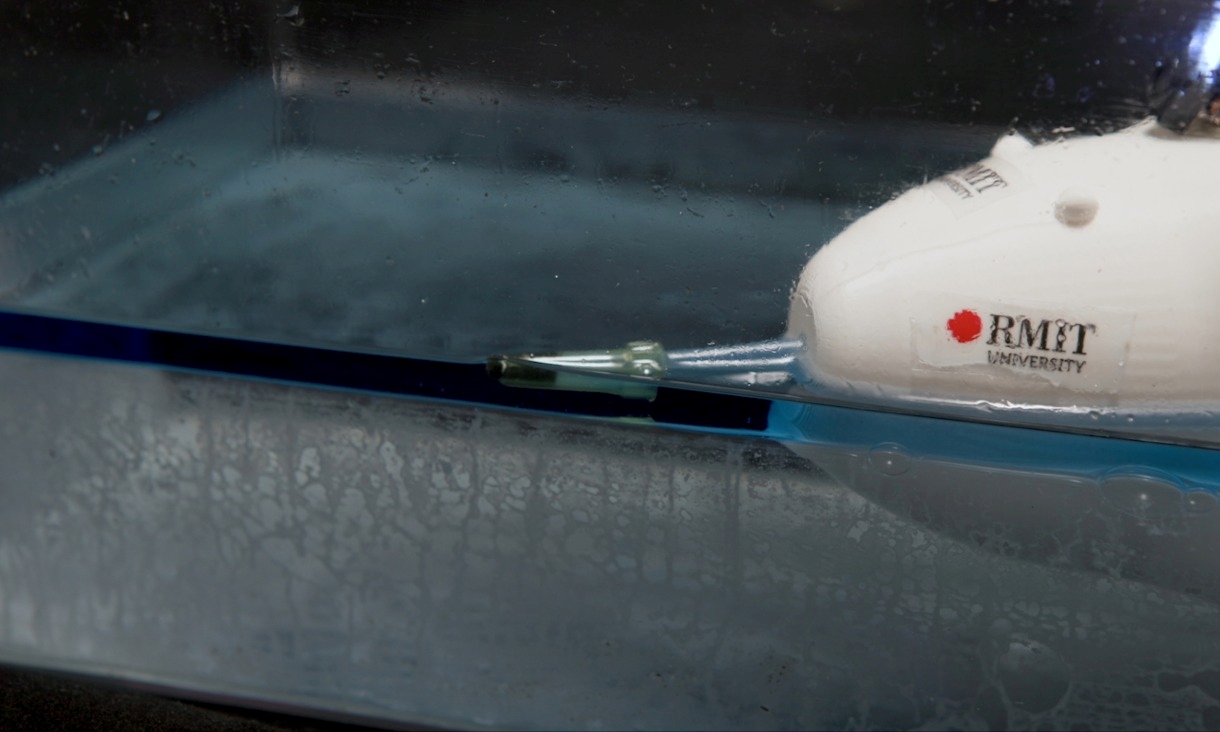
Researchers at RMIT University in Australia have developed a new oil-water filtration coating inspired by sea urchins. The material captures oil while repelling water. Engineers integrated the coating into a small robotic device that collects oil from the surface of water.
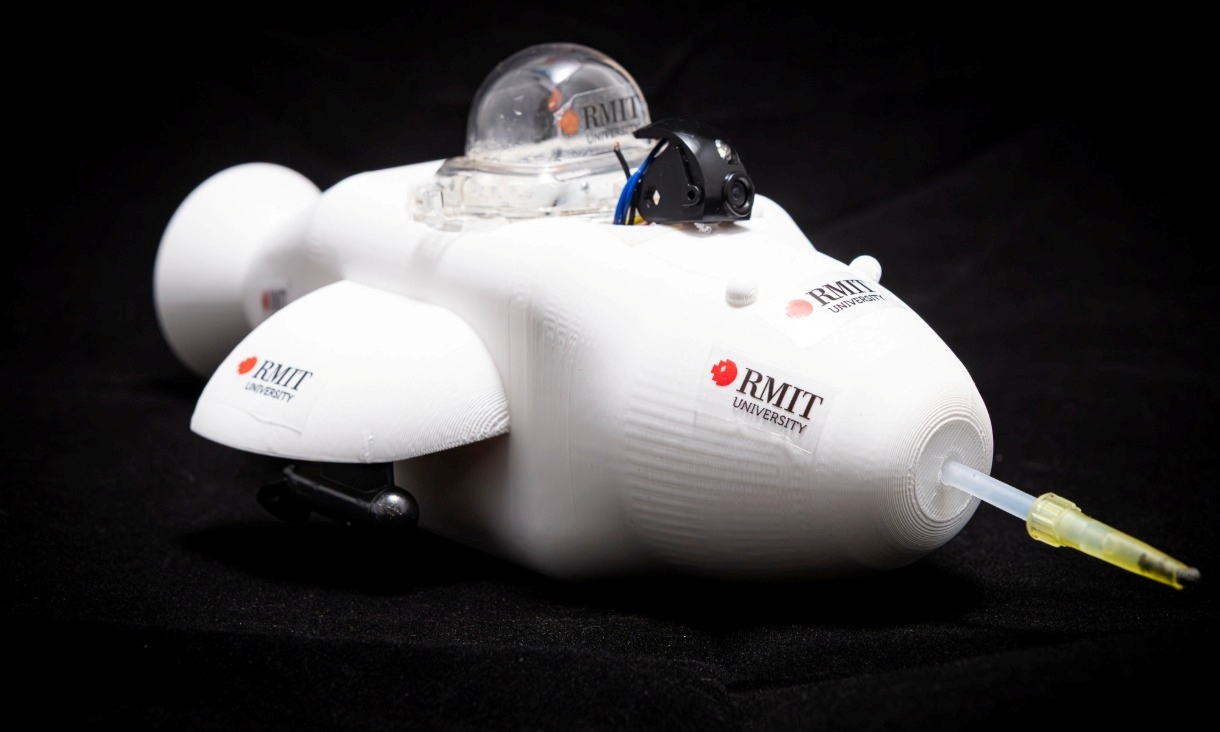
Oil spills continue to damage marine ecosystems worldwide. They harm wildlife, contaminate coastlines and require costly clean-up operations. The RMIT team created a proof-of-concept robot called the Electronic Dolphin to demonstrate how advanced materials can support faster spill response. The compact robot skims oil from the water surface using a specially designed filtration system.
Sea-Urchin-Inspired Surface Structure
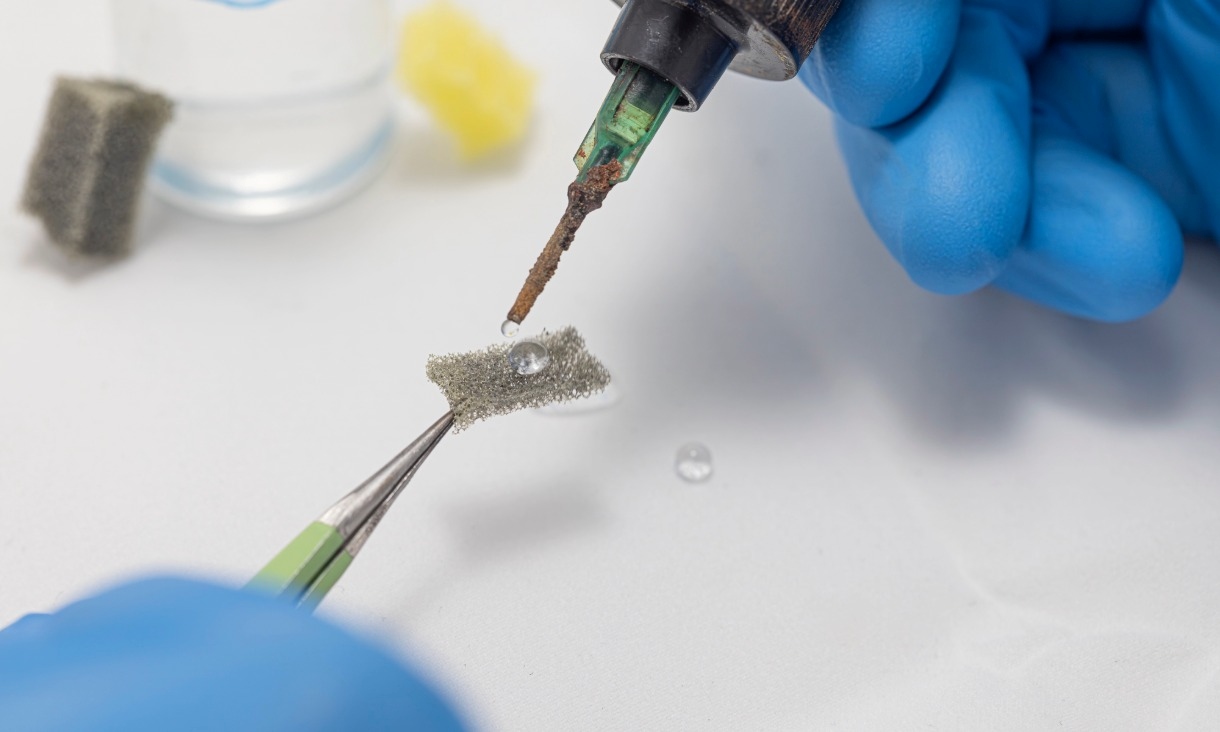
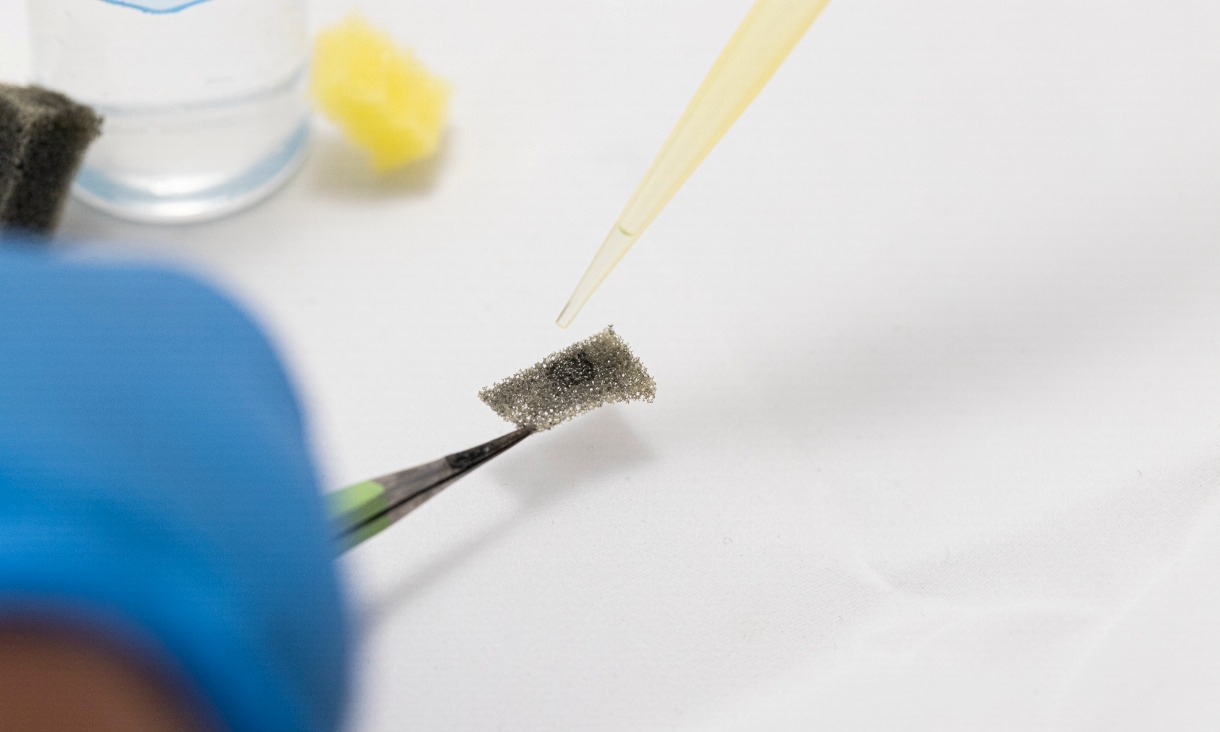
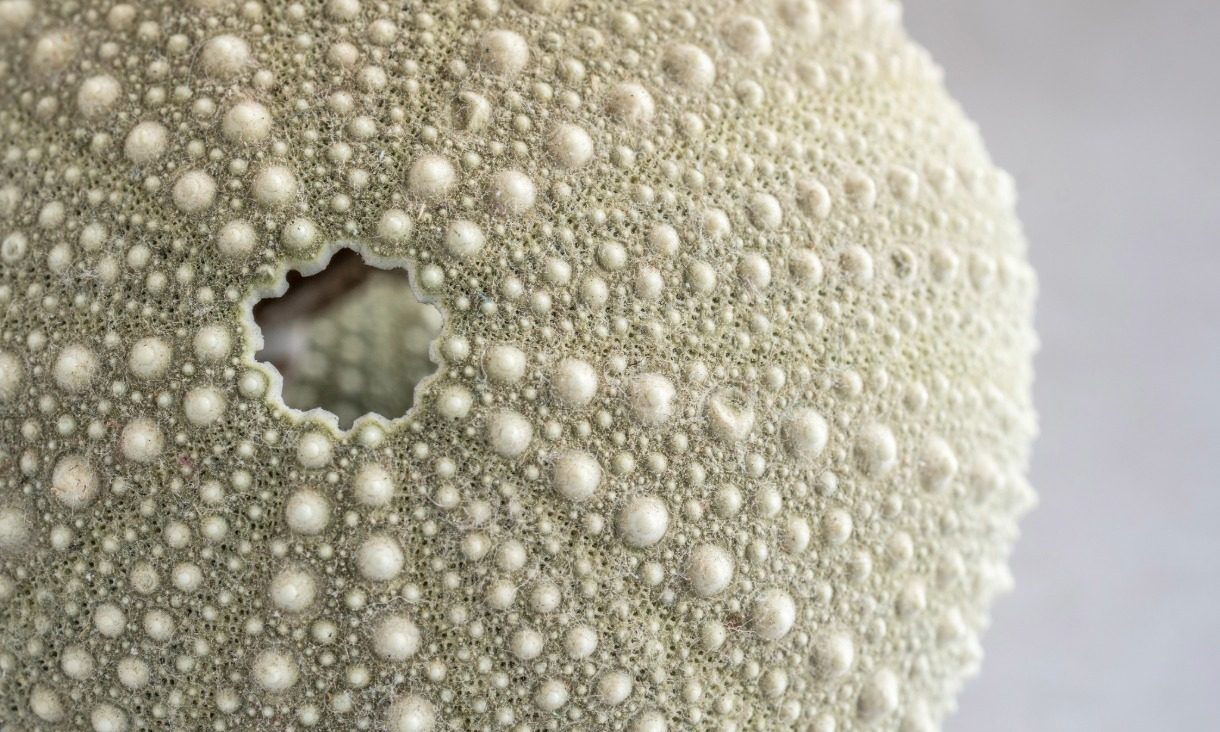
The goal of the resaearch was to create an efficient system that separates oil from water without using hazardous materials. The system relies on a coated filter with a biomimetic surface structure. The coating forms microscopic spikes similar to those found on sea urchin shells. These tiny structures trap air pockets on the surface. This structure creates a superhydrophobic interface. Water beads up and rolls off the surface, while oil adheres to it. As a result, the material absorbs oil quickly without soaking up water.
Unlike many traditional oil-cleanup materials, the filter does not rely on harsh chemicals. The lightweight material also allows repeated use, which improves its potential for real clean-up operations.
Robotic Oil Collection System
Engineers placed the coated filter at the front of the Electronic Dolphin robot. The robot measures roughly the size of a sneaker. Operators can control it remotely, which allows it to access polluted areas that may be dangerous for people. A small pump draws oil through the filter and stores it inside a collection chamber.
During controlled laboratory tests, the robot collected oil at a rate of around 2 millilitres per minute. The system achieved more than 95% oil purity, while the filter maintained its performance without becoming waterlogged.
Researchers now plan to scale up the system. Larger robots could carry bigger pumps and store more oil. Future versions may also operate autonomously. These robots could return to base stations, empty their tanks, recharge and redeploy.
Material Innovation For Environmental Design
The sea-urchin-inspired coating demonstrates how micro-structured materials can solve complex environmental problems. Designers and engineers increasingly explore biomimetic surfaces to control liquid behaviour. Such coatings may support future solutions in environmental remediation, marine infrastructure and industrial filtration systems.
The project shows how surface engineering and material design can contribute to cleaner oceans and more sustainable technologies. The research, titled “Multifunctional Superwetting Sea Urchin Mimetic Nanosheet Based Interface for Remote Oil–Water Separation,” appears in the journal Small.
Source: RMIT University
Photos: Peter Clarke / RMIT University

Comments