Self-Healing Composite Materials Could Redefine Long-Term Performance in Structural Design
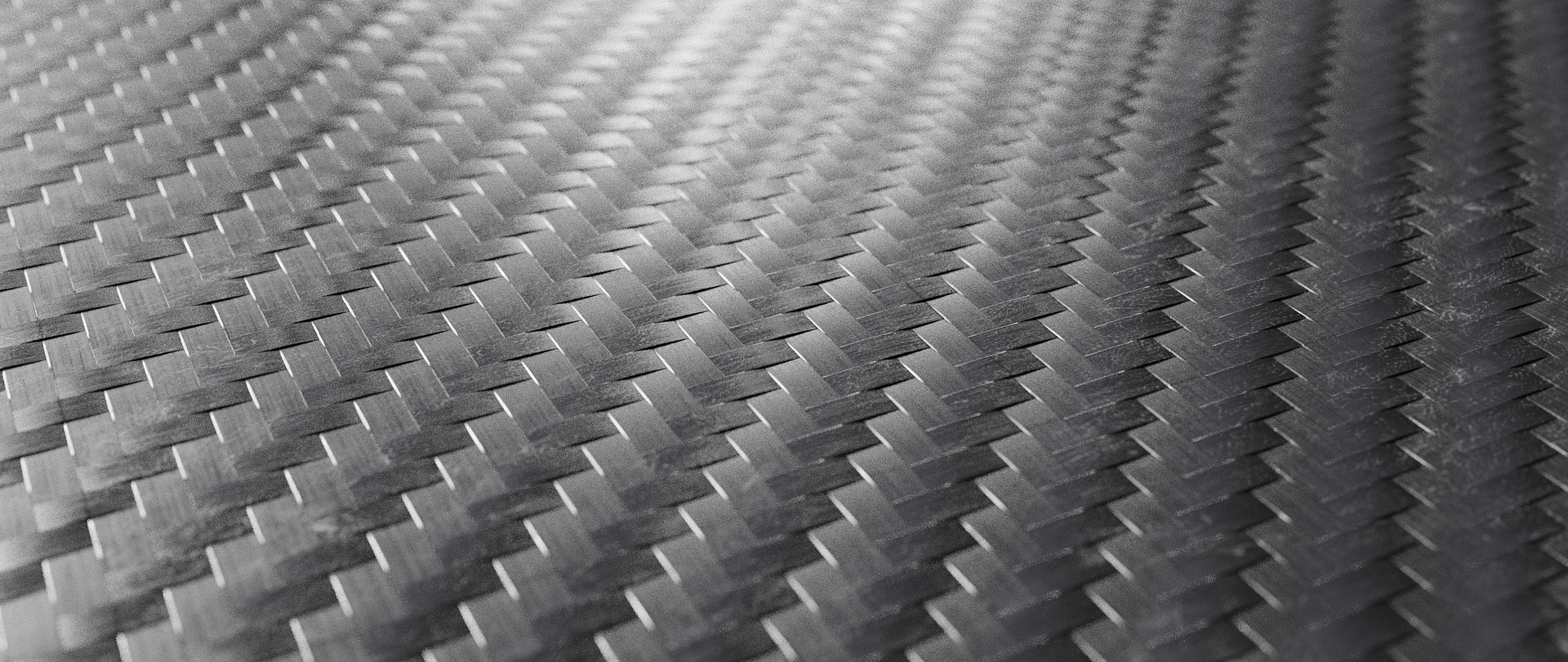
Researchers at North Carolina State University have developed a self-healing composite material that could radically extend the lifespan of high-performance structural components. The material is tougher than conventional fibre-reinforced polymers (FRPs) and can repair internal damage more than 1,000 times. According to the researchers, this approach could increase the service life of composite materials from a few decades to several centuries.
This innovation highlights how advanced materials can support long-term durability while reducing environmental impact. Longer-lasting materials lower the need for replacement, inspection and repair. This, in turn, reduces material consumption, waste and energy use over a building or product’s lifetime.
Solving a Long-Standing Weakness in Composites
FRP composites combine glass or carbon fibres with a polymer matrix, usually epoxy. Designers value these materials for their strength, light weight and flexibility. However, they suffer from a persistent weakness known as interlaminar delamination. This occurs when cracks form between fibre layers, leading to structural failure.
The NC State research team addressed this issue by redesigning the internal structure of the composite. They 3D print a thermoplastic healing agent directly onto the fibre reinforcement. This creates a patterned interlayer that already improves resistance to delamination. In testing, the modified laminate proved two to four times tougher than standard composites.
Heat-Activated Self-Healing
The composite also includes thin, carbon-based heating layers. When damage occurs, an electrical current activates these layers. The heat melts the thermoplastic healing agent, allowing it to flow into cracks and microfractures. Once cooled, the material bonds again and restores much of its original strength.
To test durability, the researchers repeatedly cracked and healed the same material sample over 1,000 cycles. The process ran continuously for 40 days. Even after extensive repetition, the composite maintained strong resistance to delamination. While healing efficiency slowly declined, modelling suggests the material could remain functional for centuries if activated periodically.
Opportunities for Sustainable Design
This development offers clear benefits for sustainable and circular design. Materials that repair themselves reduce the need for replacement components and lower embodied carbon over time. In architecture, such composites could support lightweight structural elements, façades or hybrid systems where maintenance access is limited. In product and mobility design, they open new possibilities for long-lasting, high-performance components.
The technology integrates with existing composite manufacturing methods and has already been patented. The researchers are now working with industry partners to explore real-world applications.
Source: NC State University
Photos: StruffelProductions

Comments