Smart Biobased Fabric Monitors Road Conditions in Real Time
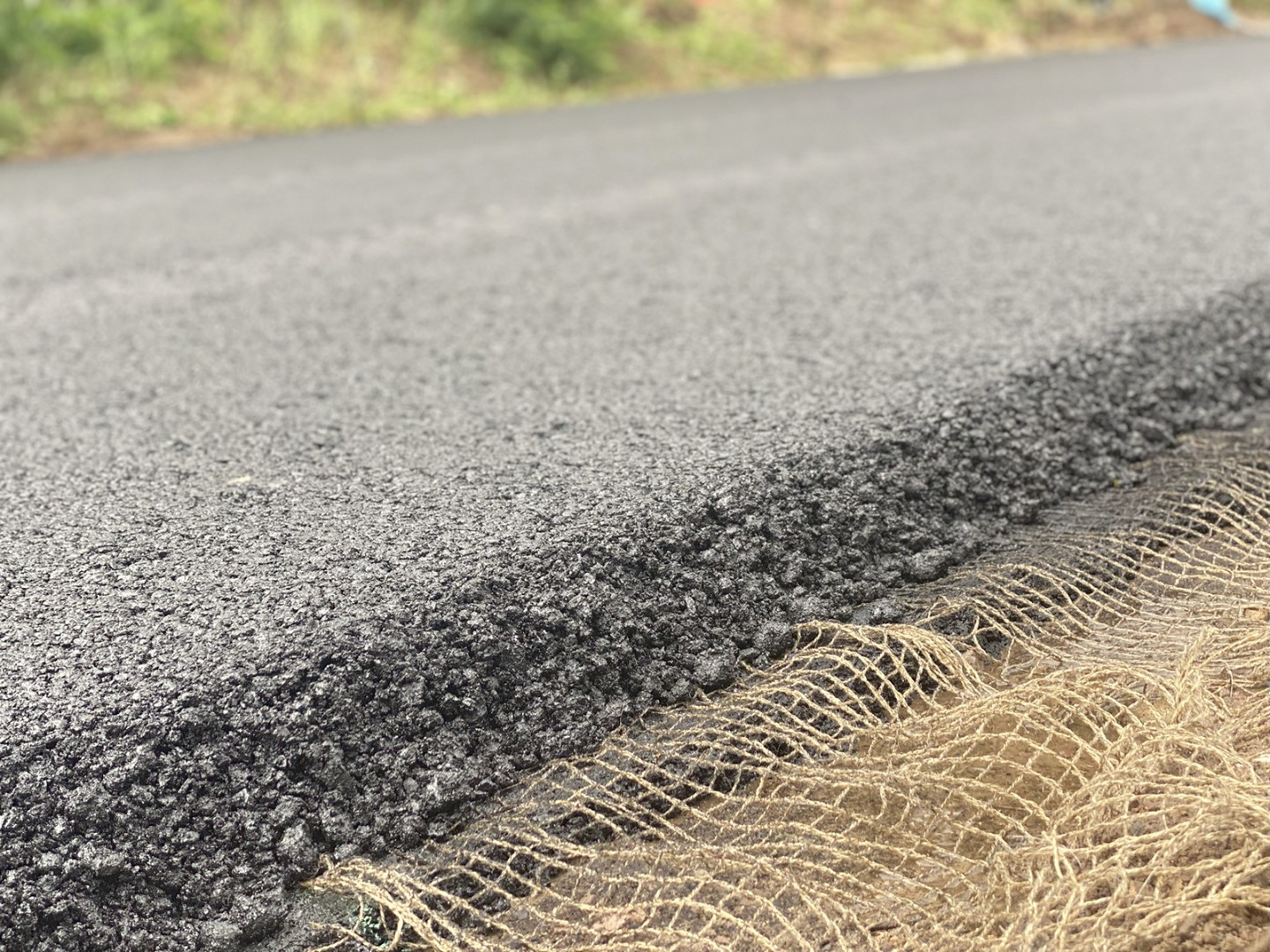
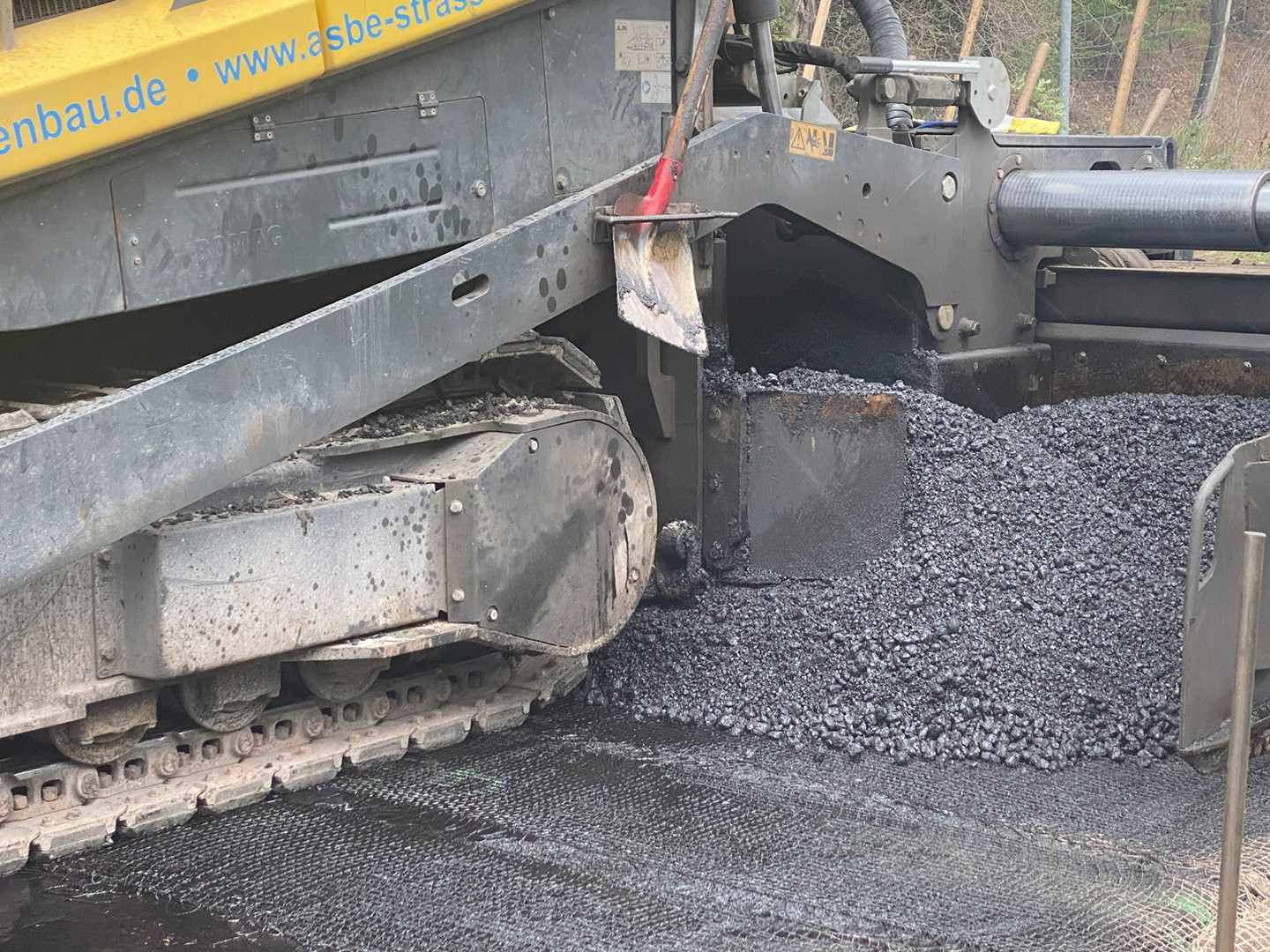
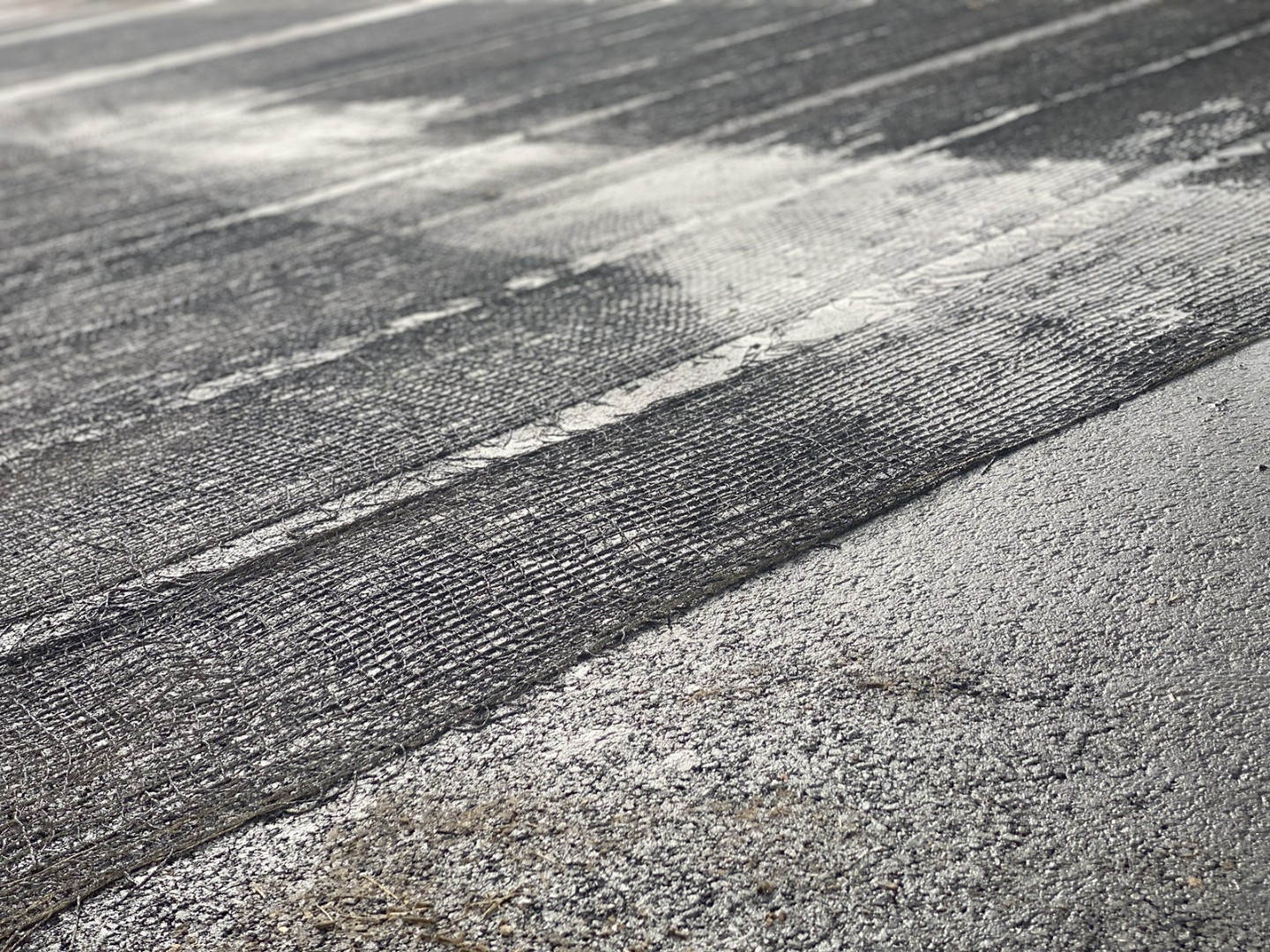
Researchers at the Fraunhofer Institute for Wood Research, Wilhelm-Klauditz-Institut (WKI) and their partners have created a biobased fabric that monitors asphalt roads in real time. The system makes road maintenance more sustainable, cost-effective, and less disruptive by detecting damage early—without drilling or destroying the surface.
A Sustainable Smart Material
The innovation is based on a woven fabric made from flax fibres, a renewable and biodegradable material. During weaving, thin conductive wires, less than one millimetre thick, are added to the fabric. As a result, the textile becomes a flexible sensor network that records changes in the road’s condition.
Because flax is both strong and sustainable, it offers an alternative to synthetic materials. Moreover, the fabric can handle heavy construction traffic without losing its structure. It is produced in wide rolls on a double rapier loom, which makes it easy to apply over large road sections.
How the System Works
Once embedded in asphalt, the fabric continuously measures electrical resistance changes caused by stress in the road layer. These signals travel to a roadside unit, where AI software analyses the data. Consequently, engineers can see how the road’s structure evolves over time and predict when repairs are needed.
Thanks to this smart combination of biobased material, digital sensors, and artificial intelligence, maintenance teams can act before visible cracks appear. This approach saves time, prevents waste, and reduces traffic delays.
Towards Smarter Infrastructure
The project forms part of SenAD², funded by the German Federal Ministry of Transport. Currently, the system is being tested on an industrial road section. A digital dashboard visualises the collected data, helping planners coordinate maintenance more efficiently.
Ultimately, by merging natural materials with smart technology, Fraunhofer WKI demonstrates how sustainable design can transform infrastructure. This cleaner, more circular, and more intelligent method could inspire architects, landscape designers, and urban planners to rethink future road systems and urban networks.
Source & photos: Frauenhofer WKI

Comments