Solar-Powered Refrigerator Uses Bacterial Cellulose Insulation
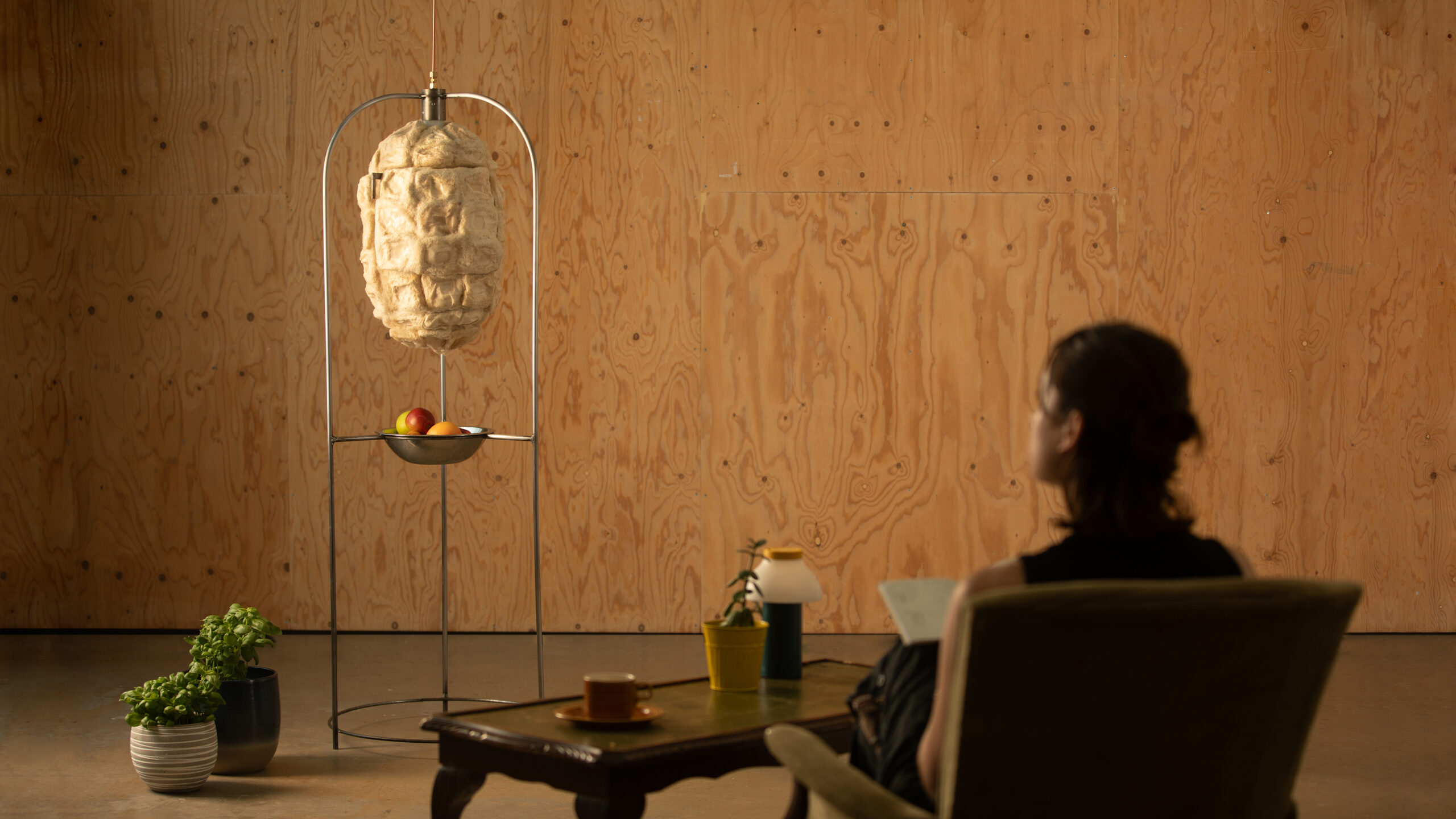
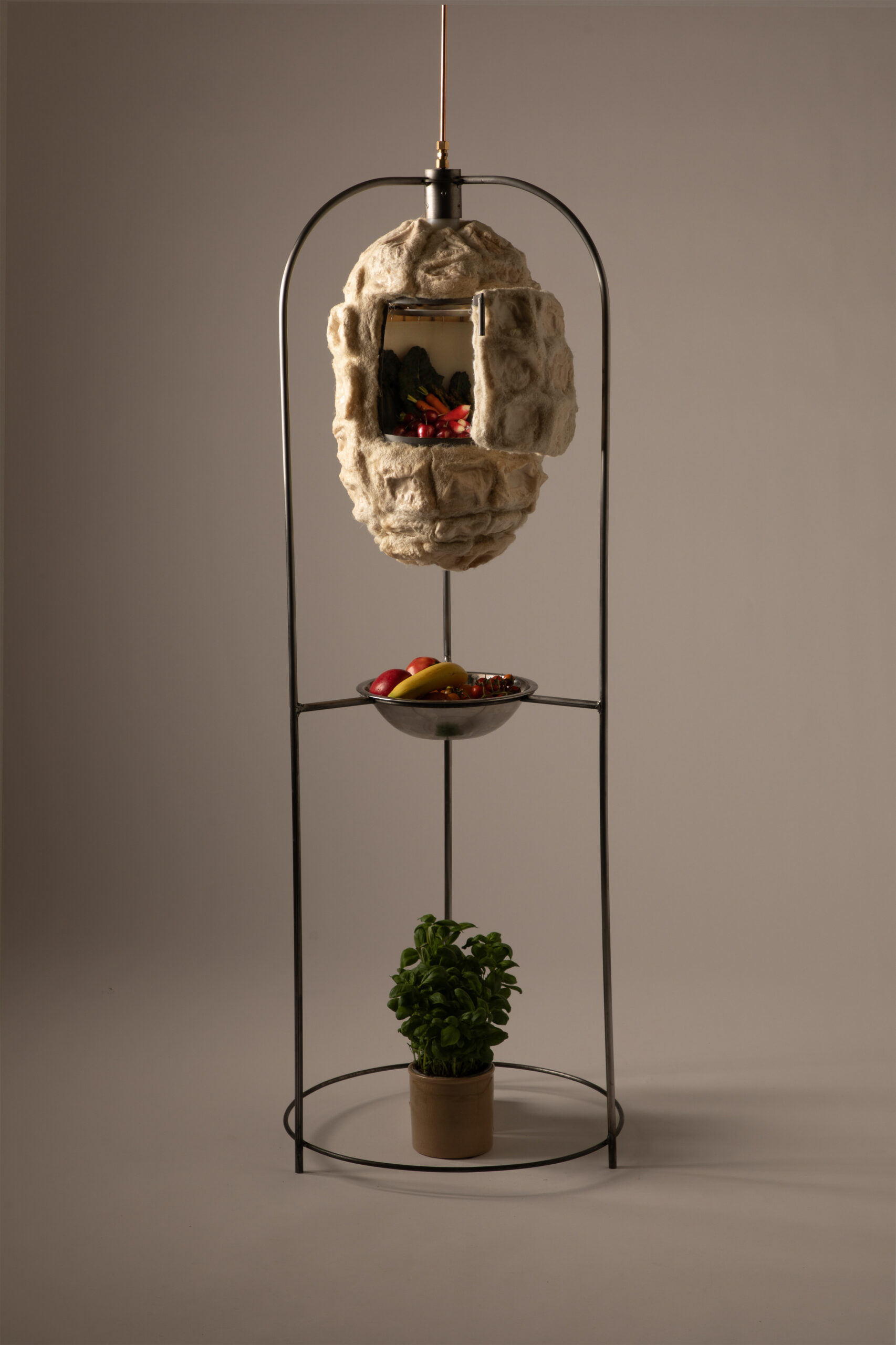
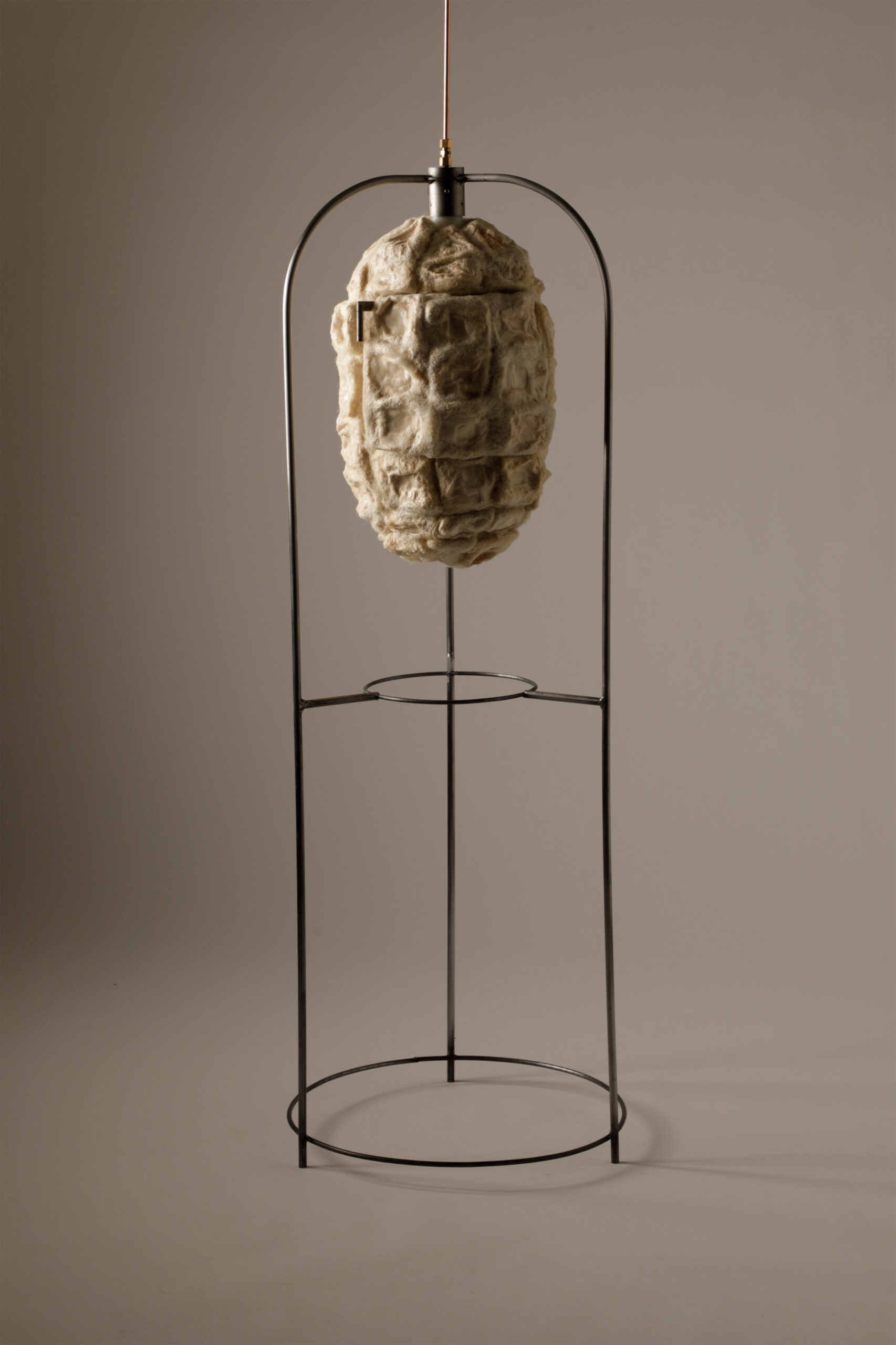
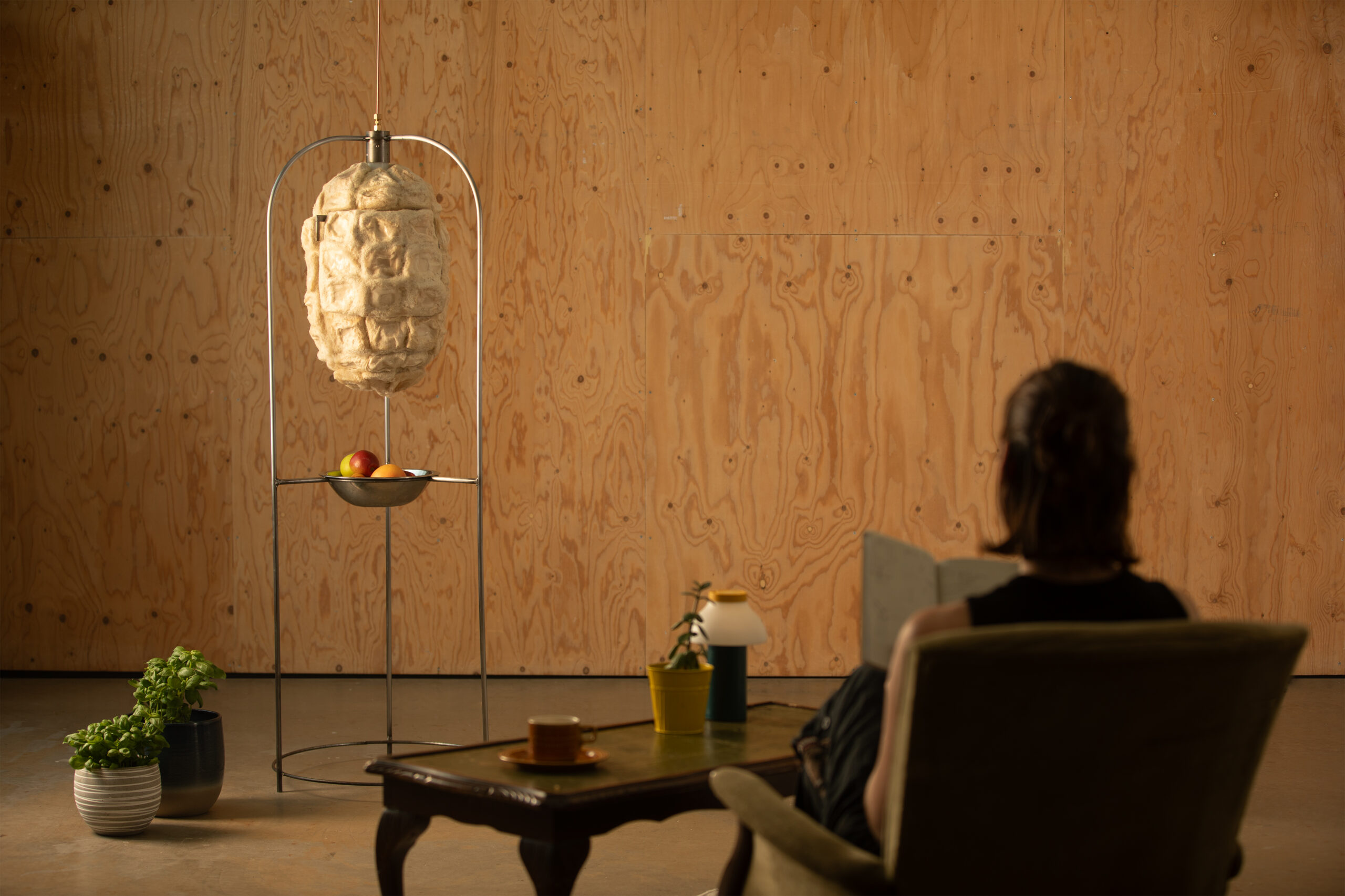
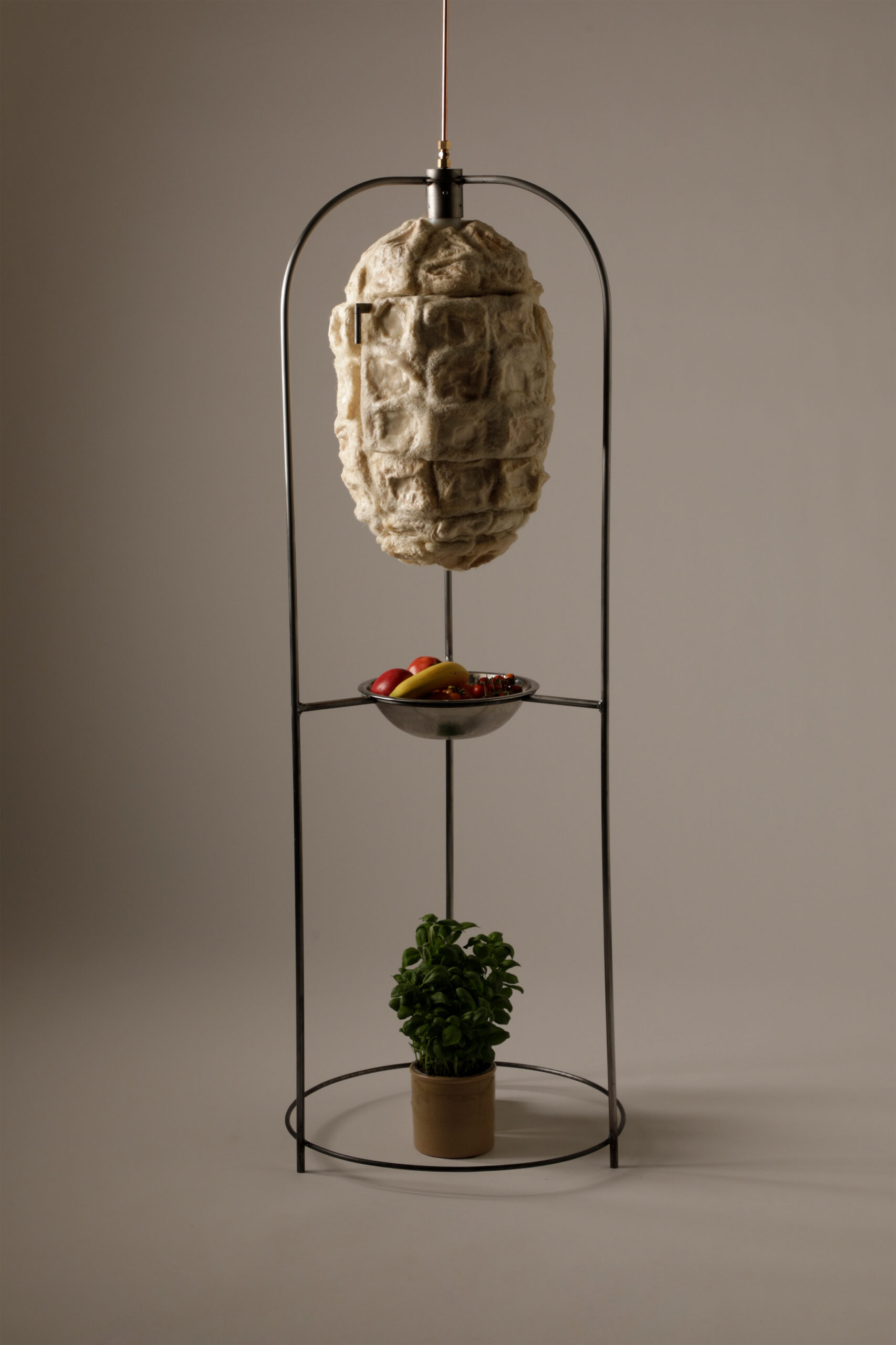
Xero Cool is an experimental refrigerator that combines solar-powered cooling with insulation made from bacterial cellulose xerogel. Developed by designer Audrey Levy during her MA Biodesign at Central Saint Martins, the project explores how lightweight, bio-derived materials could reduce the environmental impact of refrigeration.
Refrigeration accounts for an estimated 8% of global greenhouse gas emissions. These emissions come from energy use and from refrigerants with a high global warming potential. Domestic refrigerators also operate continuously and can represent between 10% and 15% of an average household’s energy bill.
Conventional refrigerators generally use metal, petrochemical plastics and expanded polymer foam. Some older appliances also contain fluorinated gases. Depending on the substance, these gases can trap between 140 and 2,400 times more heat in the atmosphere than carbon dioxide.
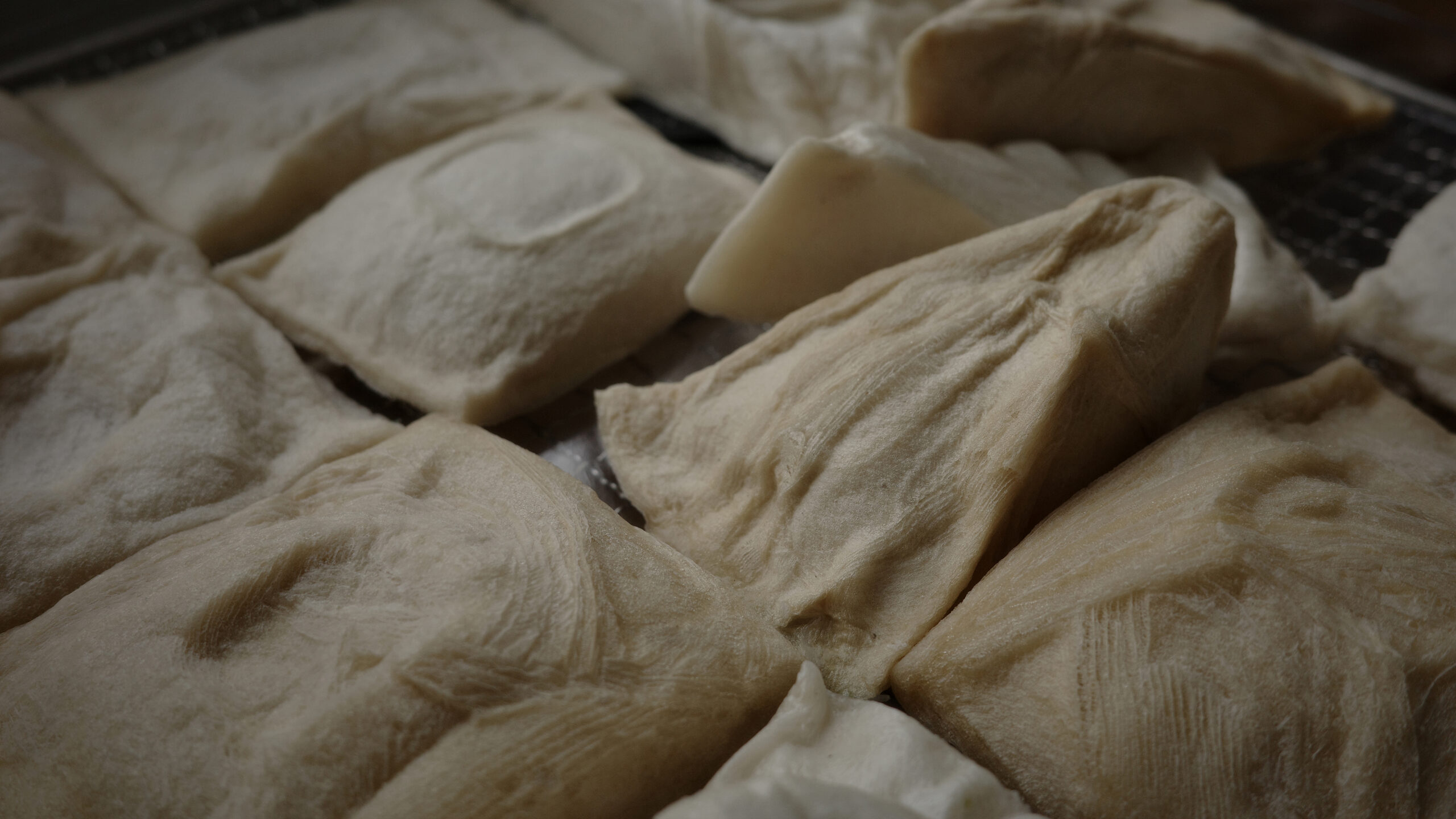
A Highly Porous Cellulose Xerogel
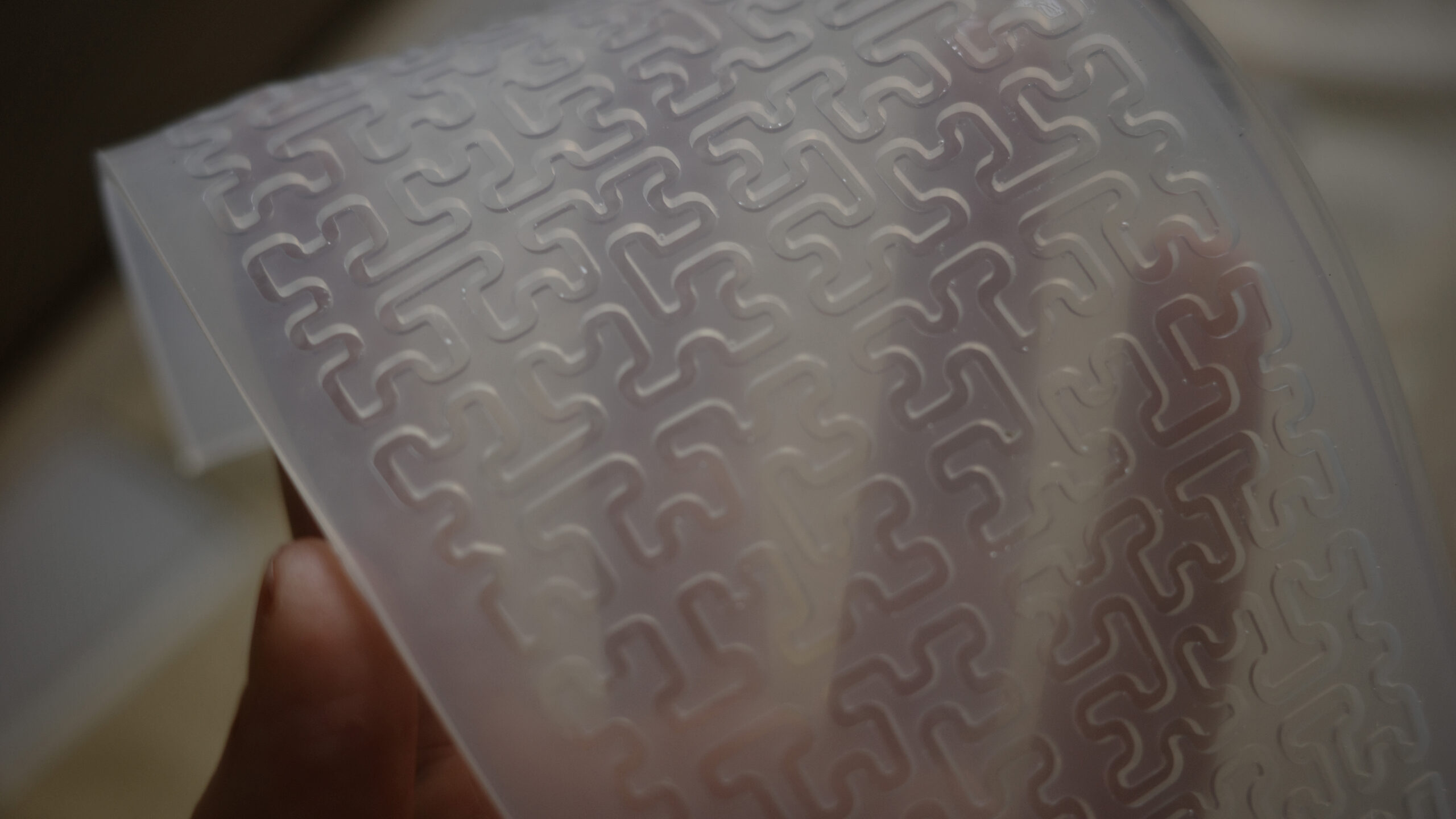
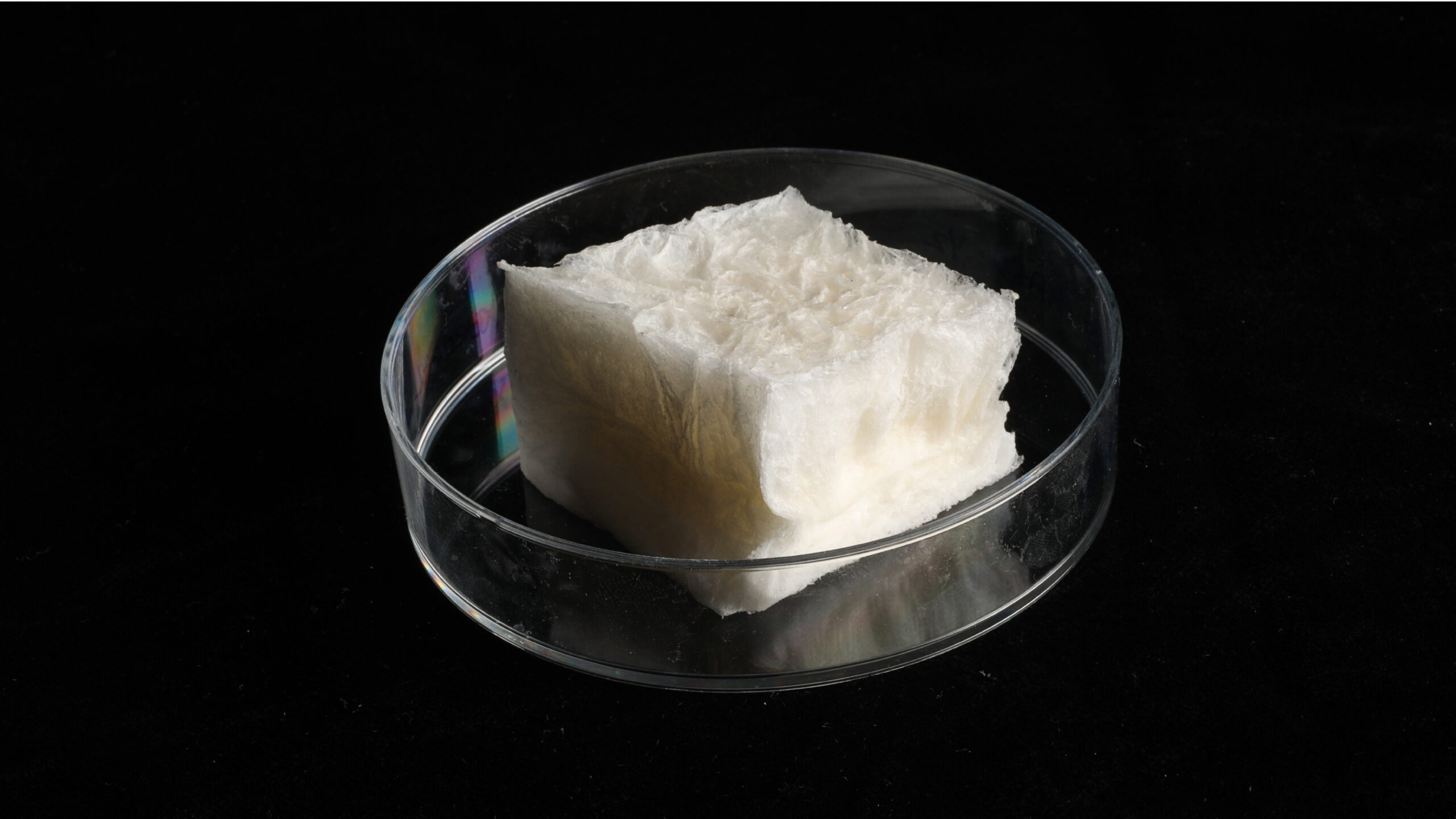
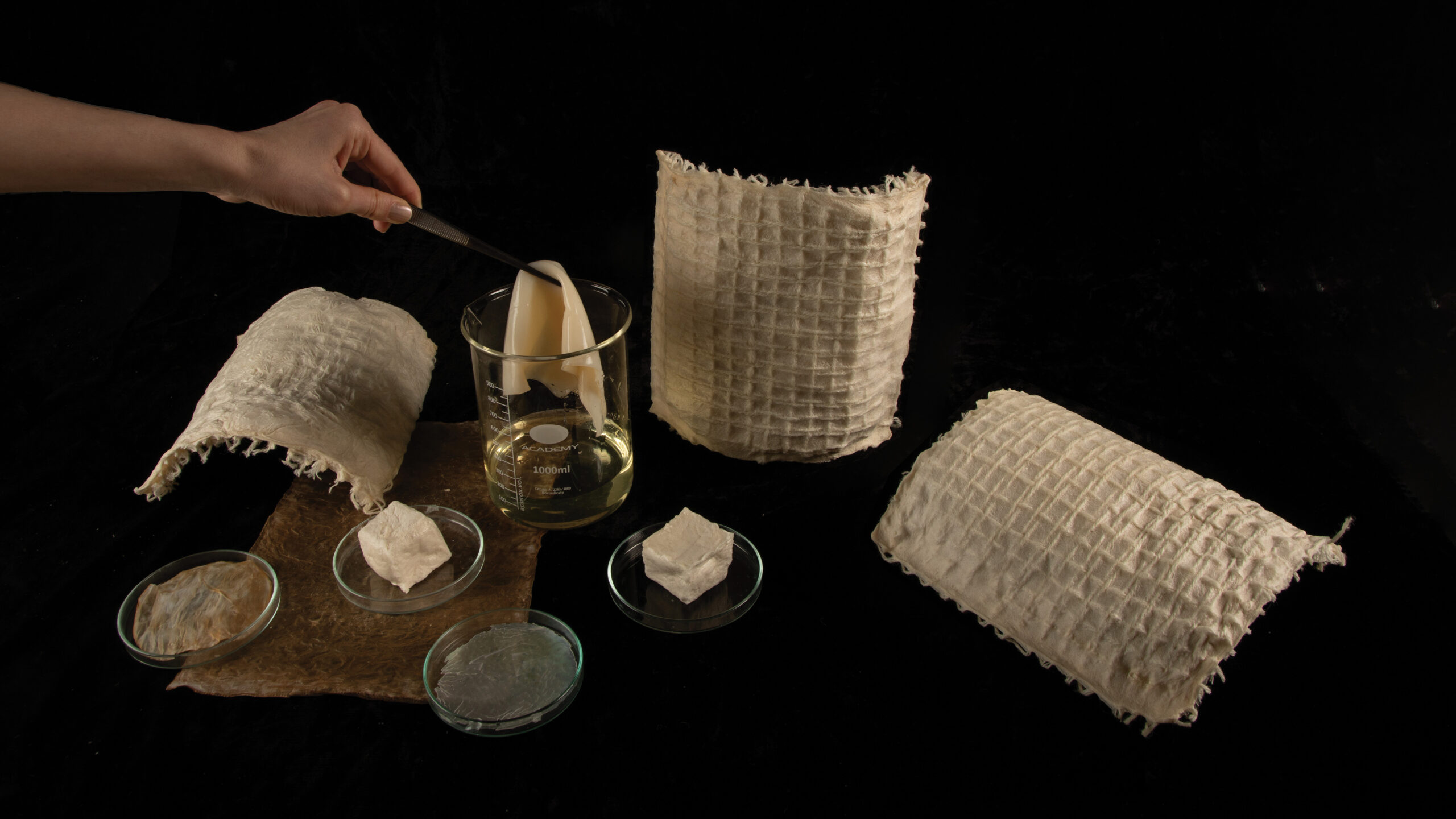
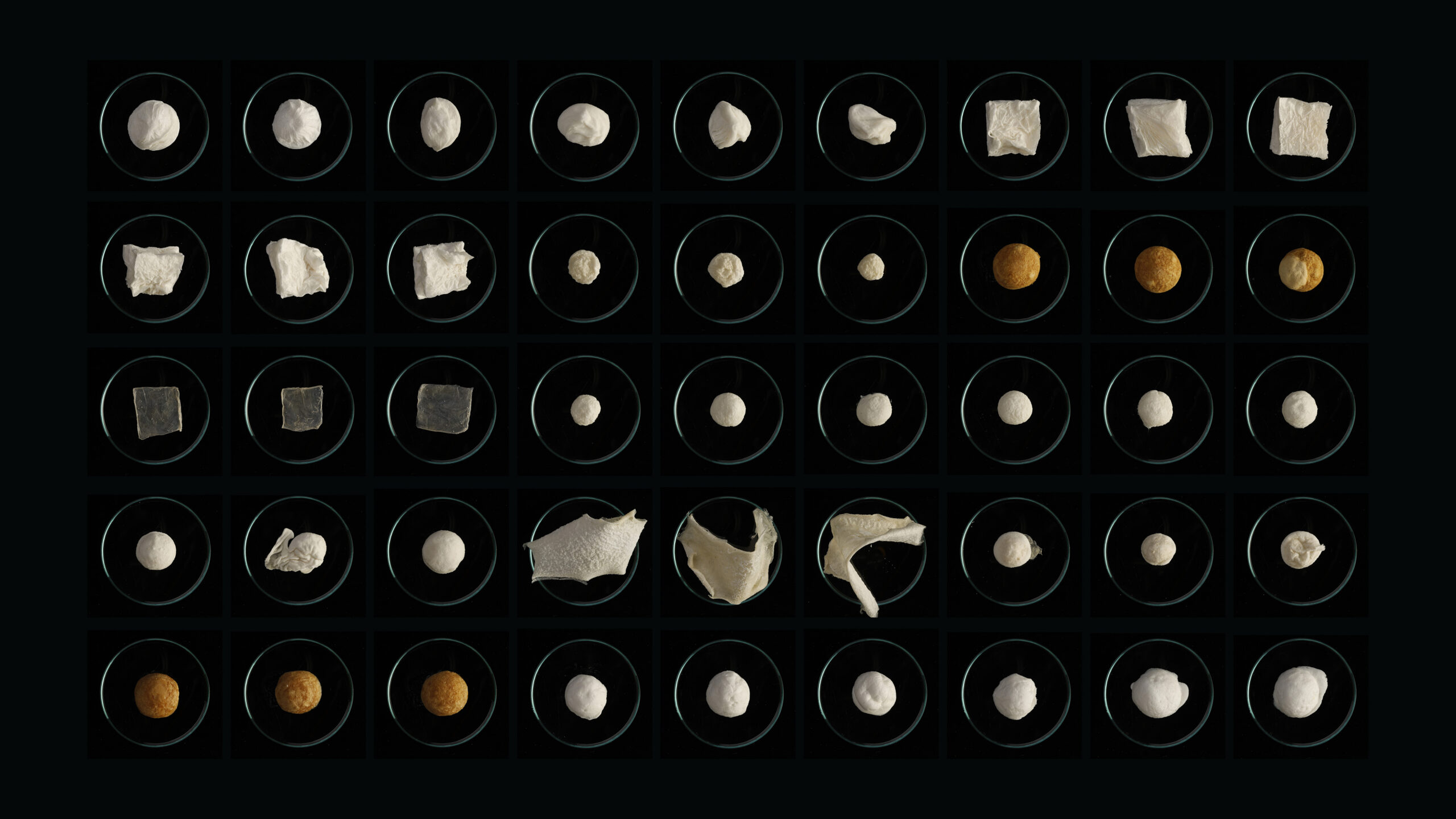
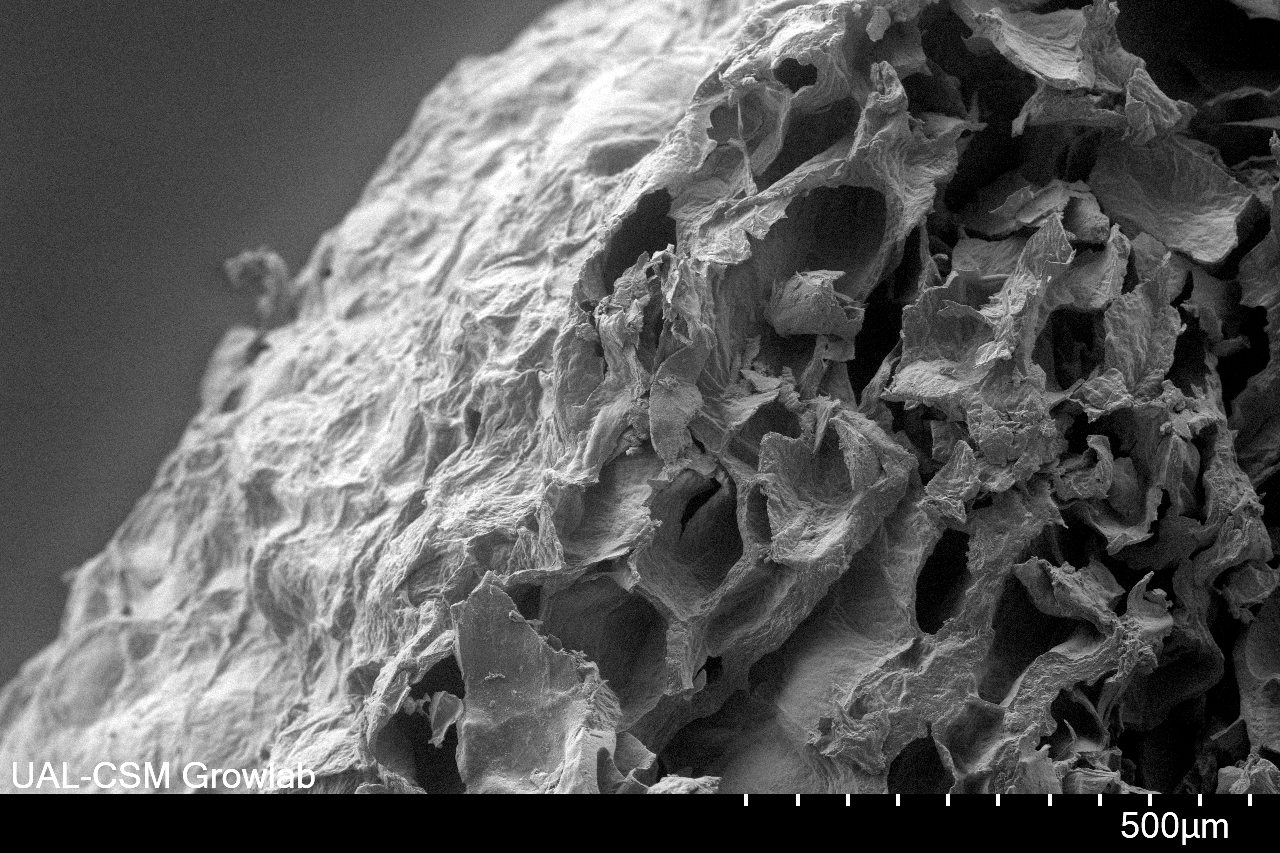
Xero Cool replaces conventional foam insulation with bacterial cellulose xerogel. Bacteria produce the cellulose, which researchers then process into a lightweight and highly porous solid. Scanning electron microscopy confirmed that the resulting material has a mesoporous structure. Numerous microscopic air pockets reduce heat transfer and give the material its insulating properties.
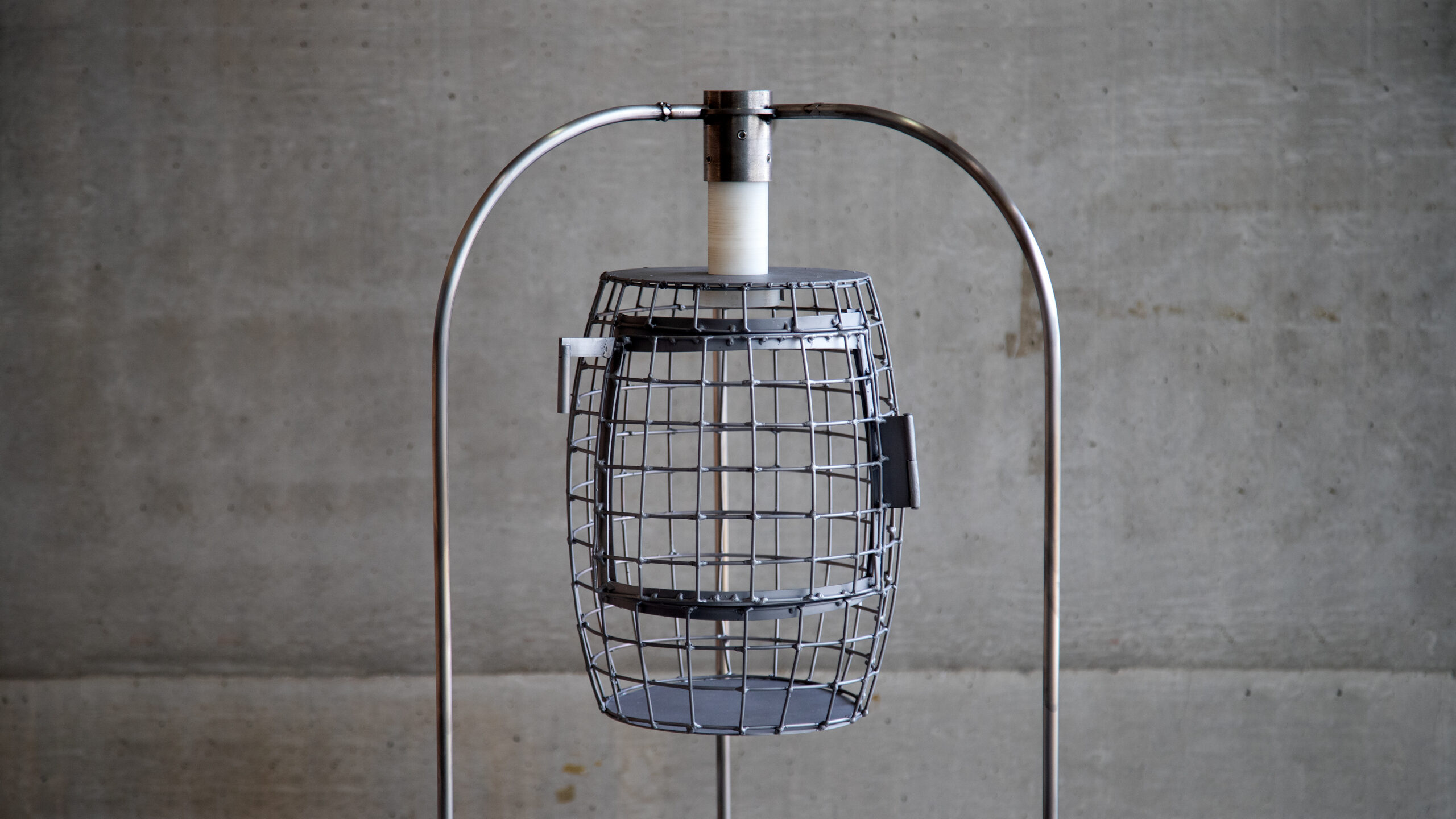
The refrigerator suspends this cellulose-based insulation within a metal frame. By making the appliance lighter and introducing a soft material language, Levy also questions the hard, sealed and clinical appearance commonly associated with domestic refrigeration.
The project connects recent developments in bio-based insulation with emerging heat-driven refrigeration systems. These technologies can use solar heat as an energy source and work with non-toxic refrigerants. As a result, they may offer an alternative to vapour-compression appliances that depend on electricity from centralised grids.
Exploring Local Material Production
Xero Cool remains a speculative design rather than a commercially available appliance. However, it demonstrates how biological production methods, porous structures and renewable energy could come together in future cooling systems.
The concept also considers the wider role of refrigeration in food supply chains. Locally grown insulation and decentralised solar cooling could potentially support communities with limited access to reliable electricity. In this context, the project presents material production as part of a broader discussion about local knowledge, food storage and infrastructure.
Xero Cool received support from the Francis Crick Institute and was developed in collaboration with its Making Lab. The project was nominated for the Maison/0 Green Trail and the Miss Sixty Future Denim Awards 2026.
Source & photos: University of the Arts London

Comments