Space-Derived Materials Applied In Apparel Design
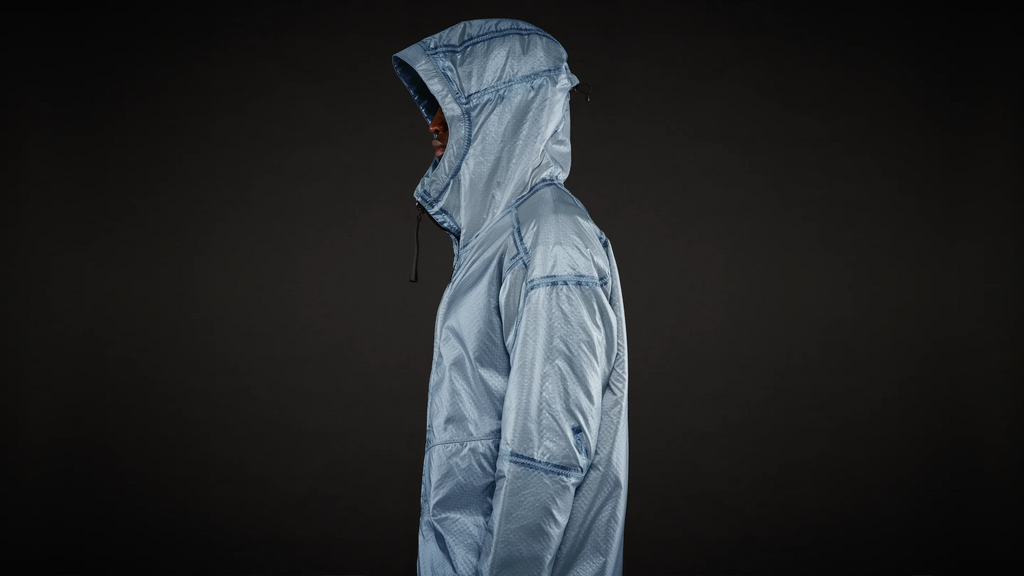
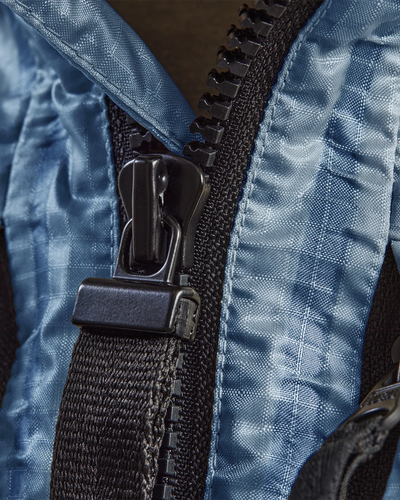


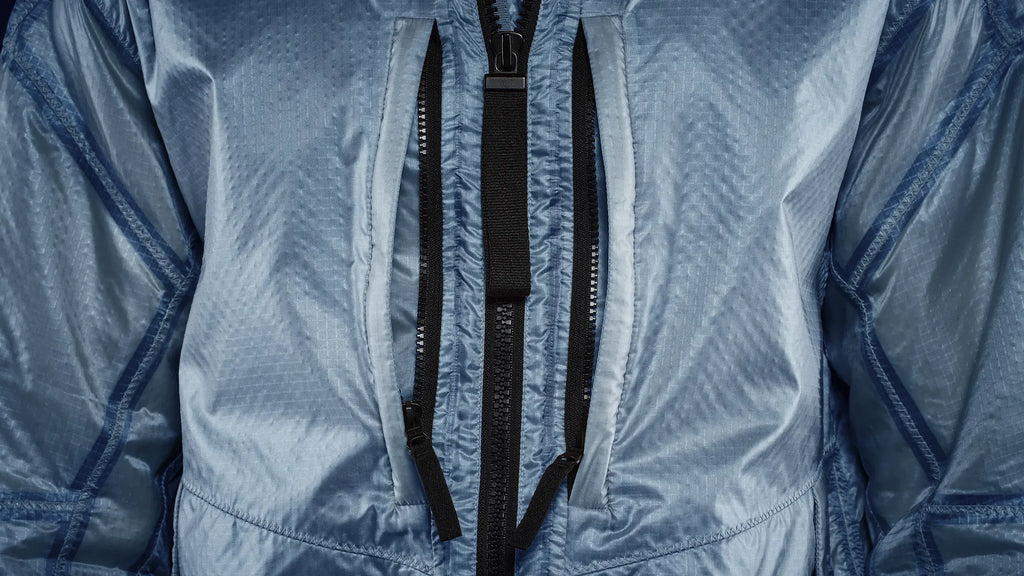
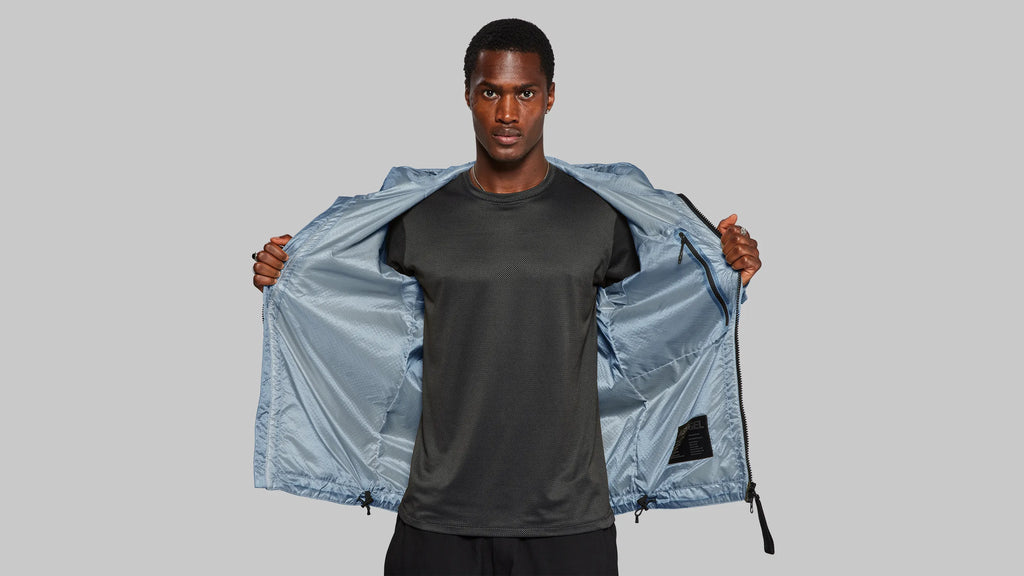
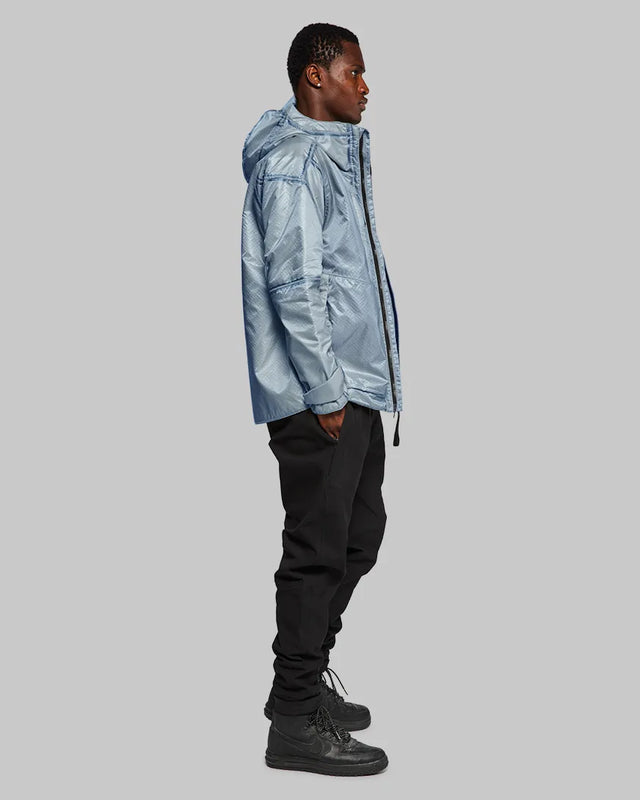
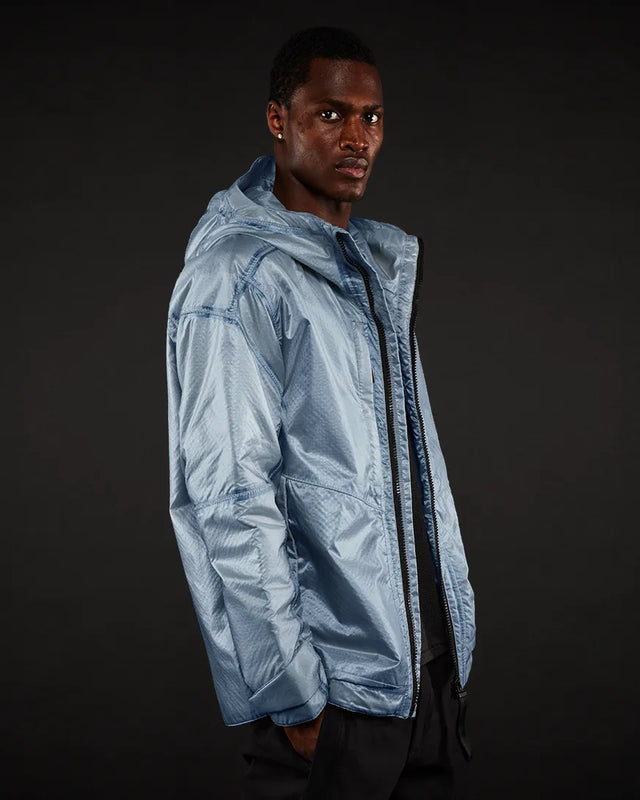
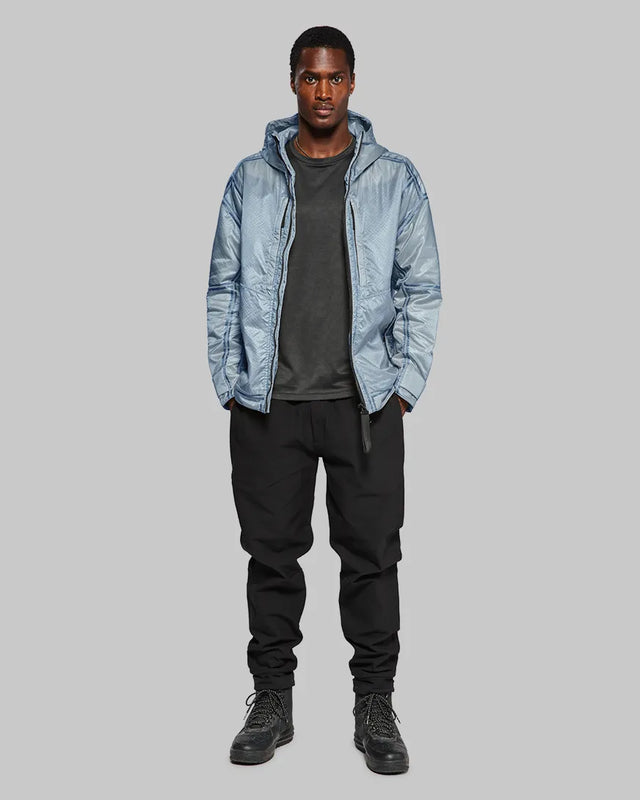
The Martian Aerogel Jacket by Vollebak shows how materials developed for space exploration can be applied in apparel design. The project focuses on material performance rather than fashion alone. As such, it offers relevant insights for fashion designers and product designers, while also providing inspiration for architects and interior designers working with advanced insulation and lightweight material systems.
The jacket combines two materials originally developed for aerospace use. Both materials highlight how research for extreme environments can inform new design applications on Earth.
Flexible Aerogel As High-Performance Insulation
At the core of the jacket is a flexible silica aerogel, produced by AlphaTek Materials in the United States. Aerogel is known for its extremely low weight and strong thermal insulation properties. It consists largely of air, which makes it one of the lightest solid materials available.
Until recently, aerogel remained brittle and difficult to use in everyday products. In this project, engineers redesigned the material to make it flexible, waterproof and more resistant to wear. This development allows aerogel to function as a practical insulation layer rather than a fragile laboratory material.
The aerogel insulation uses an ambient drying process, which requires less energy than traditional production methods. Laser-drilled micropores improve breathability while maintaining thermal performance. The insulation has been tested in temperatures down to –20°C. For designers, this points to future applications in thin insulation layers for products, interiors or building elements where space and weight matter.
Aerospace Textiles And Lightweight Construction
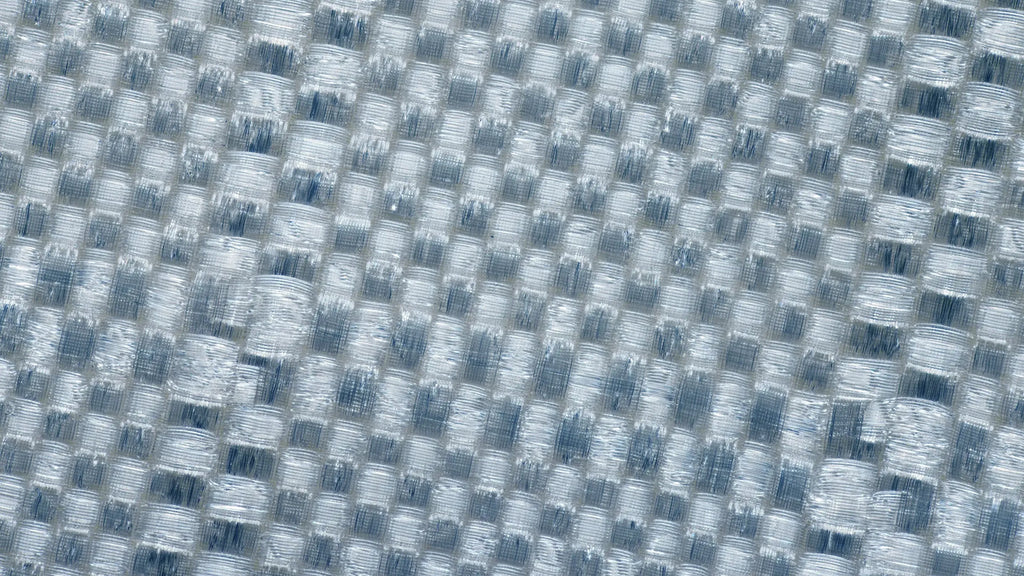
The outer shell of the jacket uses a high-strength polyamide fabric originally developed for parachutes used in space missions. The same type of material supported Mars rover landings and earlier space probes. Although newly produced, the fabric demonstrates how specialised aerospace textiles can gain a second life in long-term terrestrial use.
With a weight of only 67 g/m², the fabric combines low material use with high durability. The transparent finish allows the aerogel insulation to remain visible, making the material function clear to the user. The design references early space suits, but the focus remains on performance rather than aesthetics alone.
Relevance For Designers And Material Research
While presented as a jacket, now available in blue, the project functions primarily as a material research case study. It shows how aerospace innovation can contribute to more efficient insulation, reduced material thickness and lightweight construction. These themes align closely with current challenges in architecture, product design and sustainable material development.
The Martian Aerogel Jacket illustrates how experimental materials may gradually move from niche research environments towards broader design applications.
Source & photos: Vollebak

Comments