Tarkett Introduces The World’s First Carbon-Negative Linoleum Flooring


Tarkett has introduced what it describes as the world’s first carbon-negative linoleum flooring. The company positions the material as a step forward in low-impact and circular interior finishes. According to Tarkett, the linoleum stores more carbon dioxide over its full life cycle than it emits.
Carbon-Negative Across The Full Life Cycle
Several manufacturers have already reduced the carbon footprint of linoleum during production. Tarkett states that its linoleum goes further by achieving carbon negativity across the full life cycle. This includes raw material sourcing, manufacturing, use and end-of-life processing.
This approach focuses on embodied carbon, which plays an increasingly important role in sustainable building design. Architects and interior designers now pay closer attention to material choices, especially in low-carbon and renovation projects.
An independently verified Environmental Product Declaration supports the carbon claim. The declaration (EPD N° 4791835705.101.1) was issued by EPD programme operator UL. Based on a full life cycle assessment covering Modules A–D, Tarkett Lino 2.5 mm achieves a reported carbon footprint of –1.92 kg CO₂-equivalent per square metre.
Circular Design Through Take-Back And Recycling
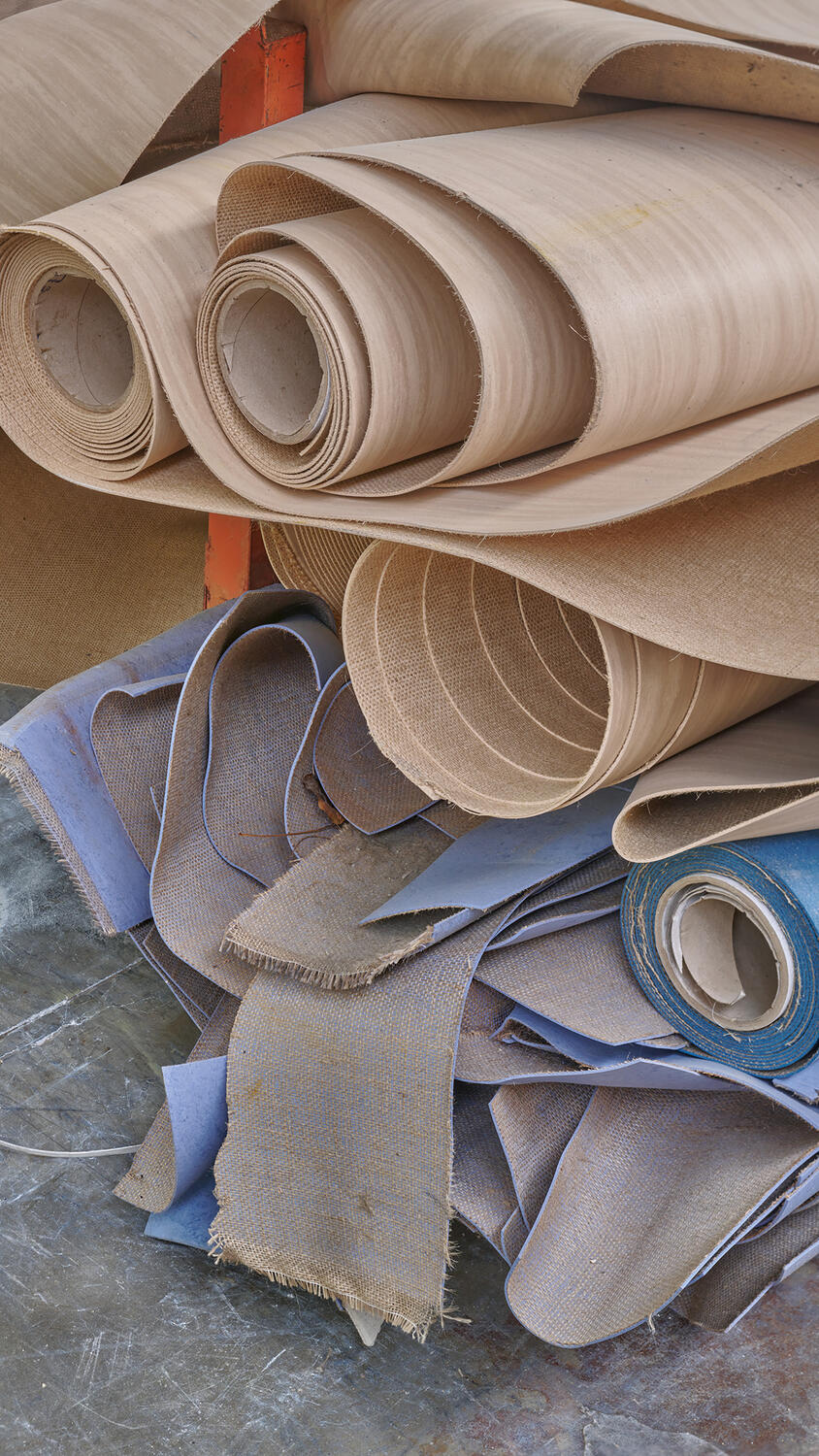
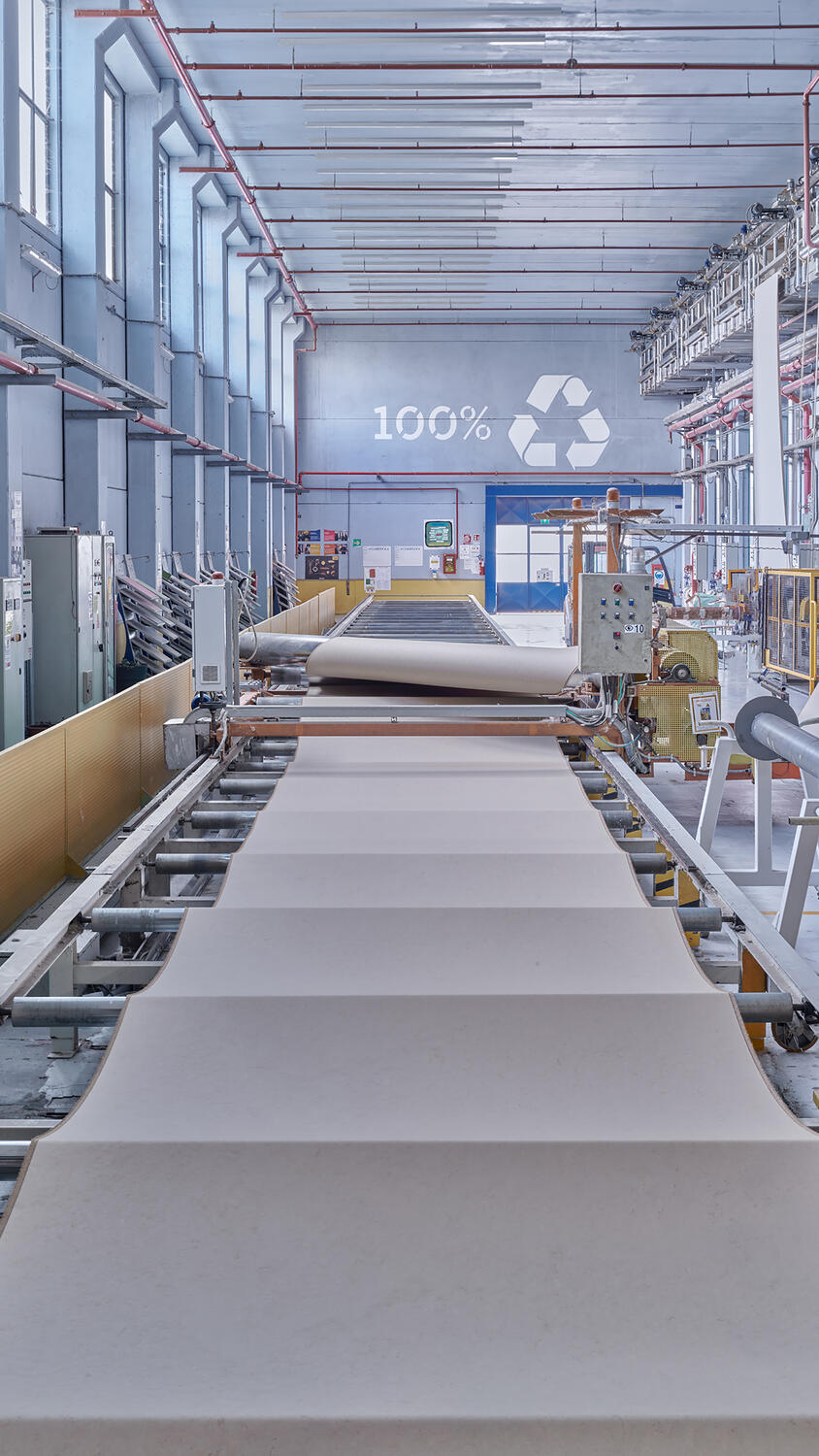
The company links its carbon performance to a take-back and recycling system for used linoleum floors. After use, clients can return the flooring. Tarkett then recycles the material and reuses it in new flooring products or other applications.
This process aims to keep both materials and stored biogenic carbon in circulation. It also shows how circular design depends on cooperation between manufacturers, clients and end users. Without material return at the end of use, recycling is not possible.
Biobased Materials With A Long History
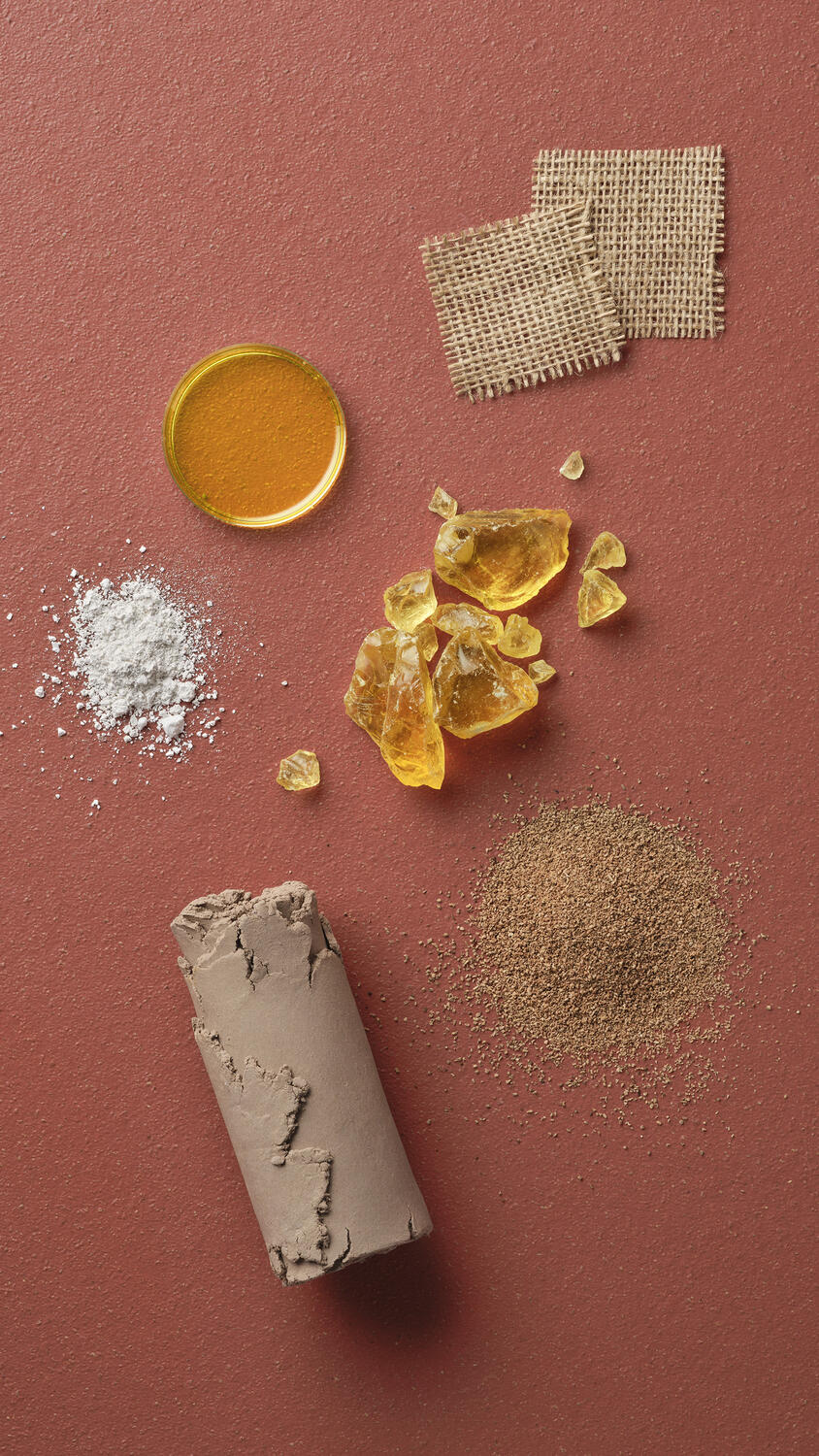
Tarkett has produced linoleum since 1898 at its manufacturing site in Italy. The material uses a recipe based on natural and renewable raw materials. These include linseed oil, cork, pine resin and wood flour.
The biobased composition contributes to carbon storage and long service life. At the same time, linoleum remains suitable for high-traffic interior environments. For designers working on sustainable interiors, carbon-negative linoleum shows how established materials can evolve through verified data, life cycle analysis and circular systems.
Source & photos: Tarkett

Comments