Turning Bark Waste into a Protective Furniture Finish


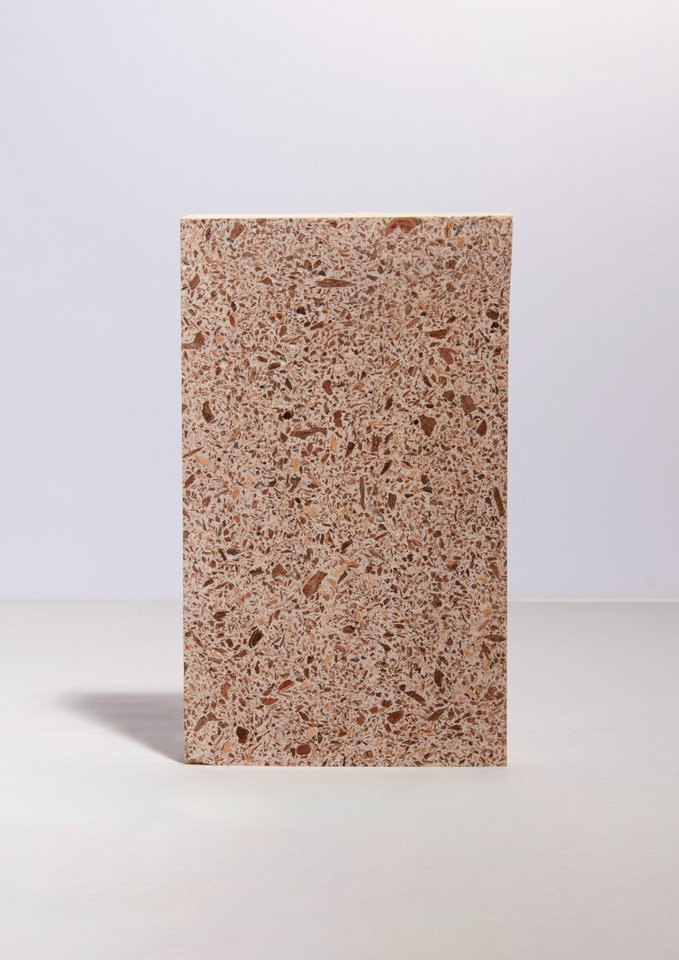
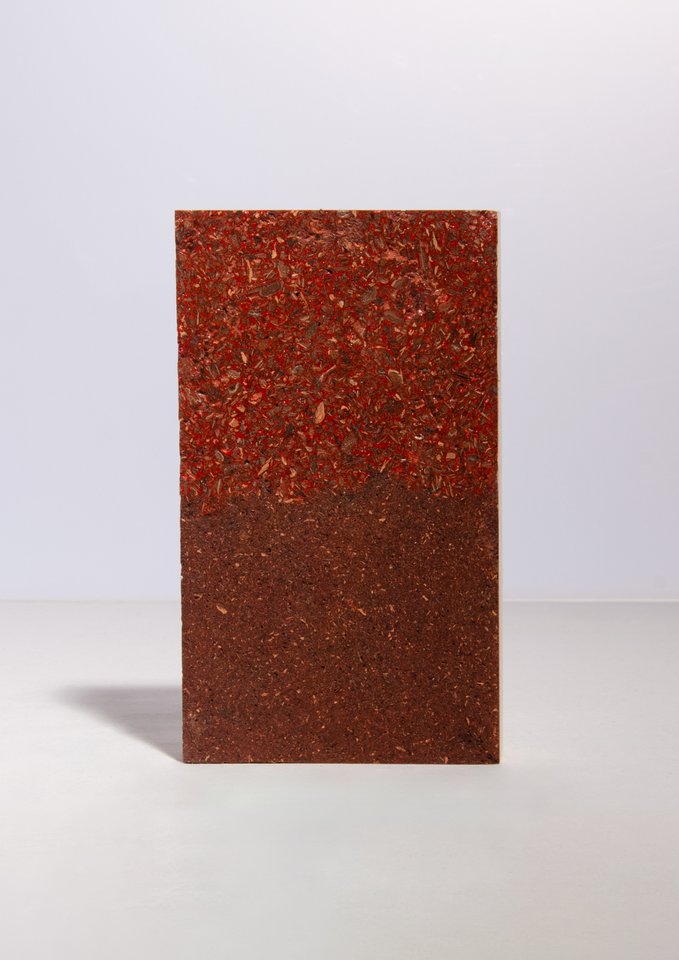
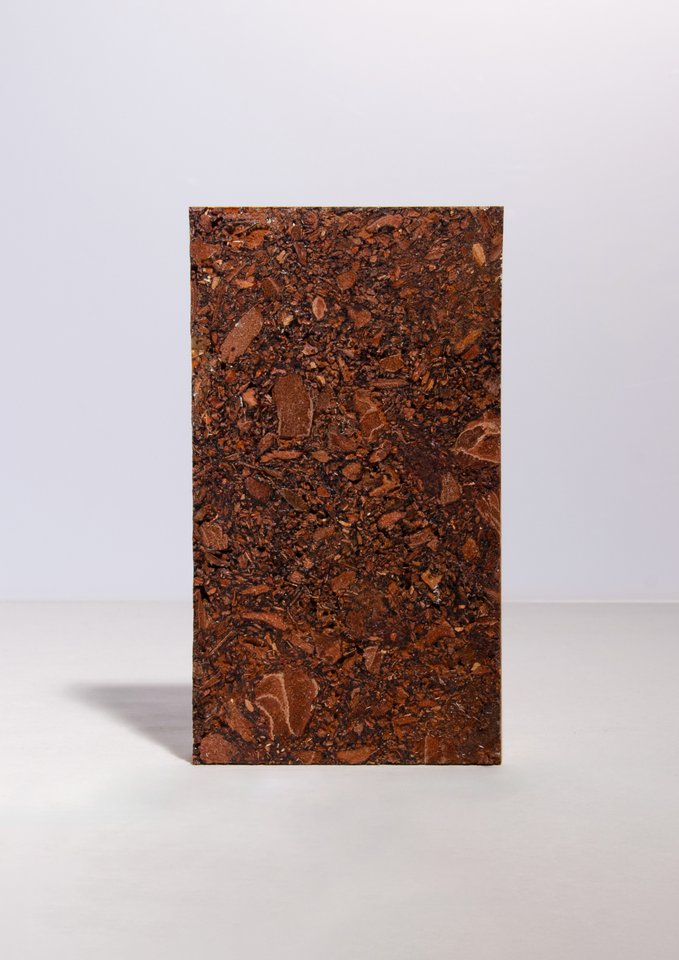
Tree bark makes up roughly 10% of the material processed in sawmills, yet most of it ends up as waste. Many manufacturers burn it for energy, even though bark has strong natural qualities that could support long-lasting design. For her bachelor at ÉCAL, industrial design graduate Denise Merlette explored this potential in Barko, a research project that gives bark a new role as a protective finish for wooden furniture.
A Natural and Circular Approach
Merlette started with a simple question: can bark offer more value than low-grade fuel? Her answer is yes. In nature, bark protects trees from UV light, moisture, insects, and mechanical damage. These qualities are also useful for furniture that must withstand daily wear.
With Barko, Merlette transforms bark into a biobased coating made from natural and recyclable ingredients. This new finish strengthens wooden surfaces and supports a more circular use of forest resources. Designers can reduce their reliance on synthetic coatings and turn an overlooked by-product into something functional and durable.
Learning from Ancient Techniques
Traditional wood treatments inspired Merlette’s research. She studied historical methods that relied on plant-based substances to seal, harden, or nourish timber. These techniques guided her development process, but she adapted them to meet modern design expectations. The resulting finish recalls the look and feel of bark while still working with a wide range of wood types.
For furniture designers, interior architects, and product designers, Barko offers a clear example of how waste materials can become new resources. The project also shows the value of combining craft knowledge with material innovation.
Source: Core77 / ÉCAL
Photos: ÉCAL

Comments