Weather-Resistant Perovskite Solar Cells Move Closer To Real-World Application
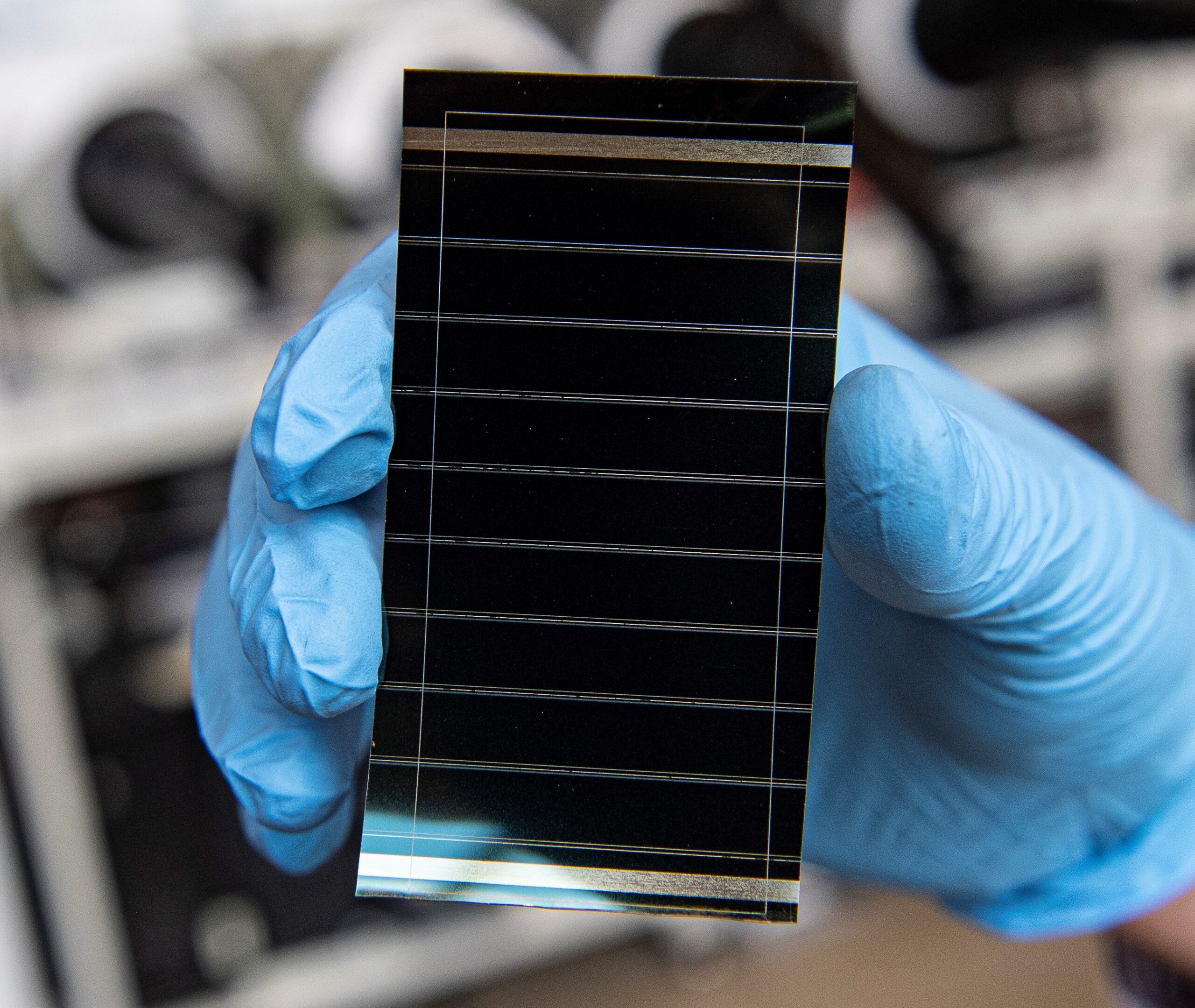
Perovskite solar cells are one of the most promising innovations in renewable energy. They offer high efficiency and low production costs. However, their use in real-world applications has remained limited. The main issue is their lack of long-term durability. Researchers at the Technical University of Munich (TUM), together with international partners, have now identified why these materials degrade. They also developed a strategy to improve their stability. This brings perovskite solar cells closer to use in buildings, products, and vehicles.
Understanding Material Behaviour Under Temperature Changes
In real conditions, solar materials face constant temperature shifts. Panels can move from freezing nights to hot daytime conditions. This process is known as thermal cycling.
The research team used high-resolution X-ray analysis to study the material. They observed how the crystal structure reacts to temperature changes. The structure expands and contracts continuously. This movement creates internal stress and weakens the material over time. The team identified a critical early stage called the “burn-in” phase. During this phase, solar cells can lose up to 60% of their performance. Internal tension disrupts the crystal structure and reduces energy output.
Molecular Anchors Strengthen The Material
To solve this problem, the researchers introduced specially designed organic molecules. These molecules act as stabilising “anchors” within the material. The team tested different molecular structures. A bulkier molecule, known as PDMA, delivered the best results. It stabilises the crystal structure and prevents breakdown during temperature changes. As a result, the solar cells remain more stable and durable.
Opportunities For Architecture And Product Design
More stable perovskite materials could support the wider use of building-integrated photovoltaics (BIPV). Designers could integrate lightweight and efficient solar layers into façades, roofs, and surfaces. Improved durability also supports circular design goals. Longer-lasting materials reduce waste and improve overall lifecycle performance. This makes renewable energy systems more viable across design disciplines.
In addition, the research supports the development of tandem solar cells. These systems combine multiple layers to capture more sunlight. They offer higher efficiency and strong potential for future applications.
Source: Technical University of Munich (TUM) via EurekAlert!
Photo: Dennis Schroeder / National Renewable Energy Laboratory

Comments