Stichting Fabrikaat
Request Information
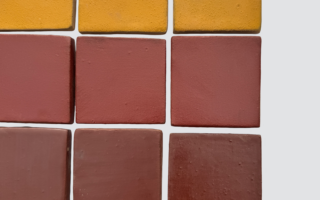
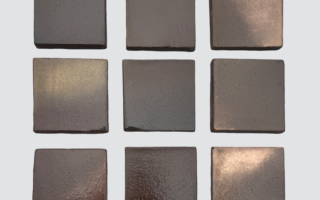
Since 2013, Fabrikaat has been developing an art and design programme with a strong focus on placemaking. Located between the Waal River and the Waalsprong development area, Fabrikaat is experiencing the transformation of this area firsthand: the soil north of the Waal River near Nijmegen is characterised by rich river clay. This clay soil has shaped the culture in this area for centuries: shaping the landscape, growing fruit, the brick industry, and even in prehistoric times; the clay was used to make pottery. Currently, the clay soil in many parts of the Waalsprong area is being buried under a thick layer of sand due to construction work resulting from the area’s development; a total of 12,000 homes are being built in this, until recently, agricultural area. The clay soil is literally disappearing into the background, and with it, the valuable significance of this clay is at risk of being lost.
Raw materials characteristic of the area are being investigated for their properties and new applications. With these insights, we are developing new concepts for how we, as a society, can sustainably utilise our local resources. The results will be used to connect residents with their environment and heritage.
Fabrikaat’s programme is characterised by experimentation, innovation, and cross-sector collaborations. Through its approach and programme, Fabrikaat responds to current developments aimed at creating a sustainable and liveable society. Although the issues involved transcend national boundaries, it initially focused on the newly developed Waalsprong district in Nijmegen.
Fabrikaat’s mission is to inspire and innovate through art and design, sharing new insights and applications of area-specific raw materials and the sustainable use of local resources and residual materials. Fabrikaat focuses on the raw materials of river clay and other natural materials characteristic of this area, such as plants.
This connects the local community—fellow residents of the surrounding new district—with each other and with the land on which they live. The immediate local environment is the “testing ground”: the place where ideas are developed and directly applied and tested by the public. The developed ideas are then shaped into programming and products. These are used as conversation starters and act as a catalyst for developing new ways of thinking about how we can interact with the surrounding natural environment. How can we (partly through collaboration) achieve a new local ecology?
Contact Details
Zaligestraat 10 |
| 6663 KR, Nijmegen |
| Netherlands |
| projectfabrikaat@gmail.com |
| www.stichtingfabrikaat.nl |