Flaxwood®




Request Information
Please sign in first or register for free to contact Dzek Limited.
- story by MaterialDistrict
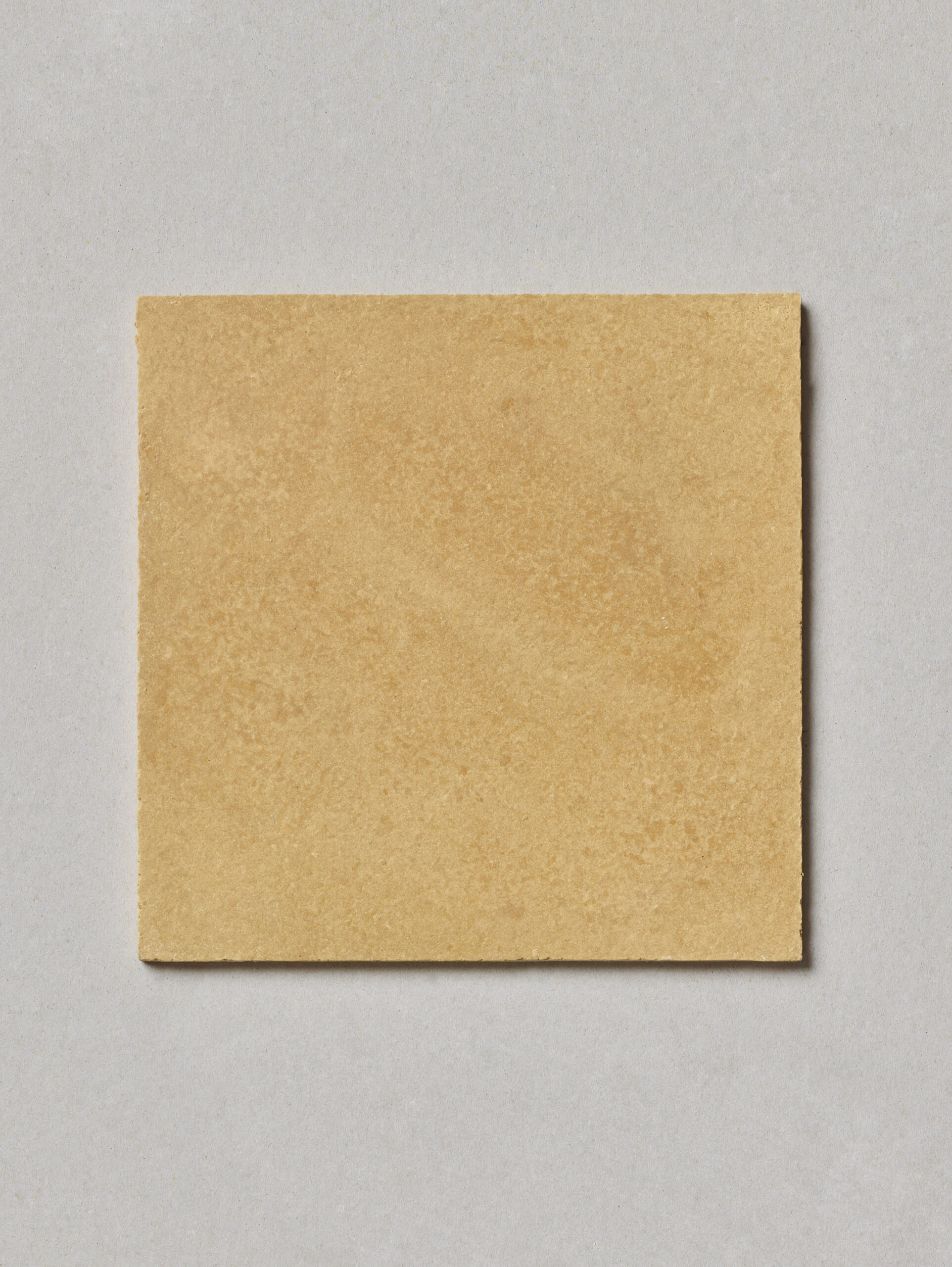
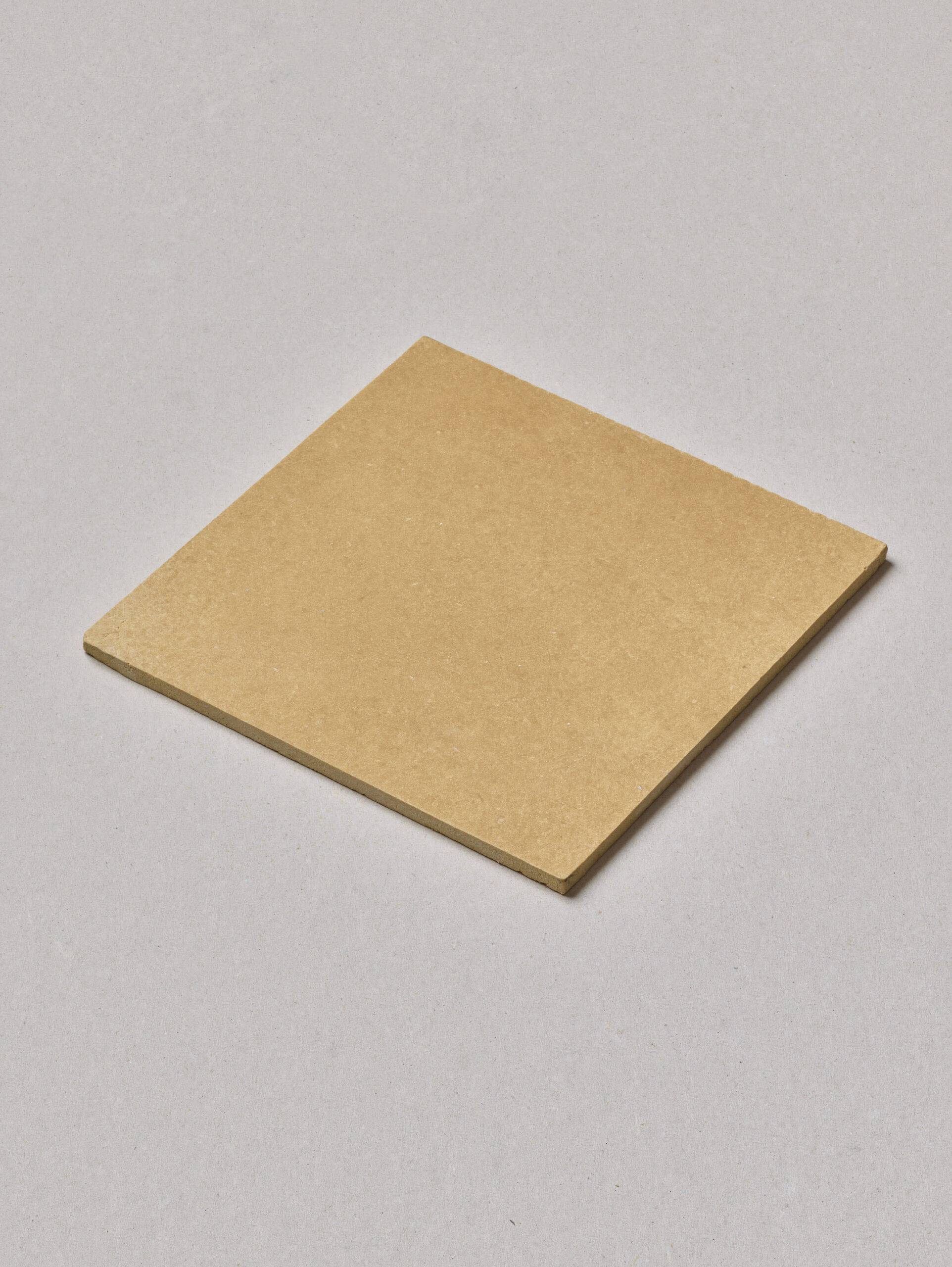
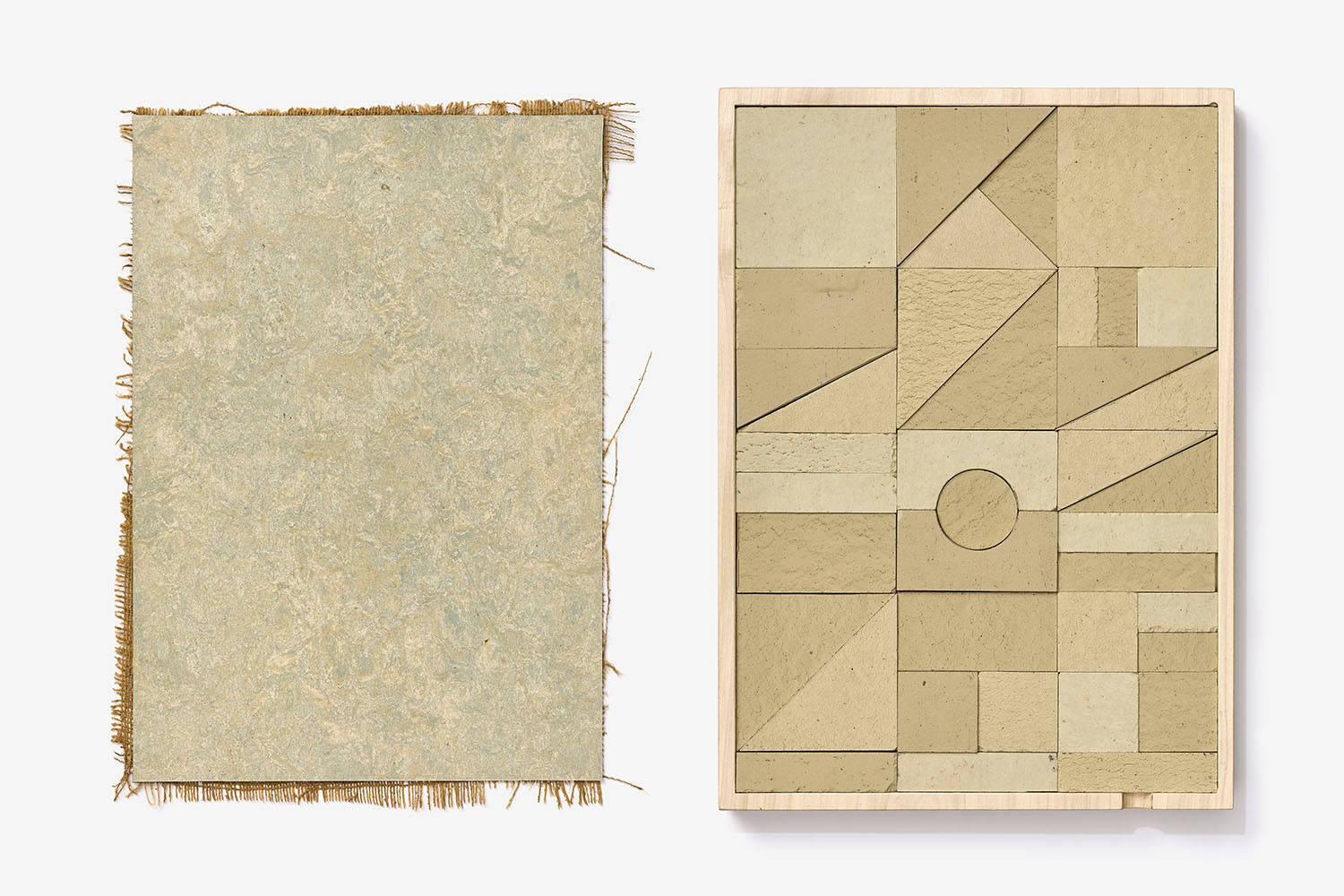
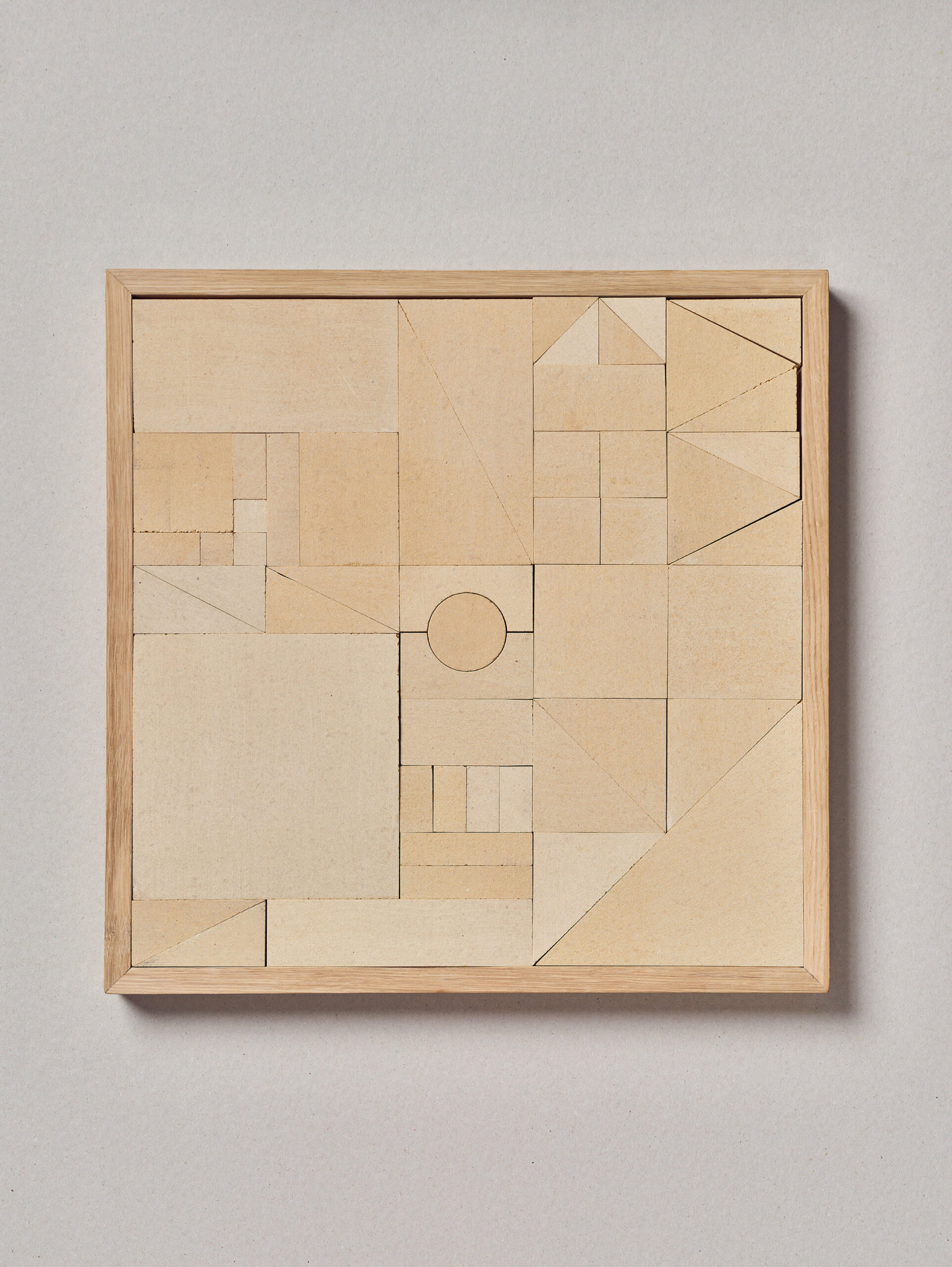
Flaxwood® is a biobased architectural tile developed by London-based design studio Dzek in collaboration with Dutch designer Christien Meindertsma. The material is derived from linseed oil obtained from flax and is based on the traditional linoleum production process, which was first developed in the 19th century. By intervening in this process, Flaxwood® is produced as a solid, three-dimensional tile rather than a thin, flexible sheet, resulting in a more tactile and material-driven surface.
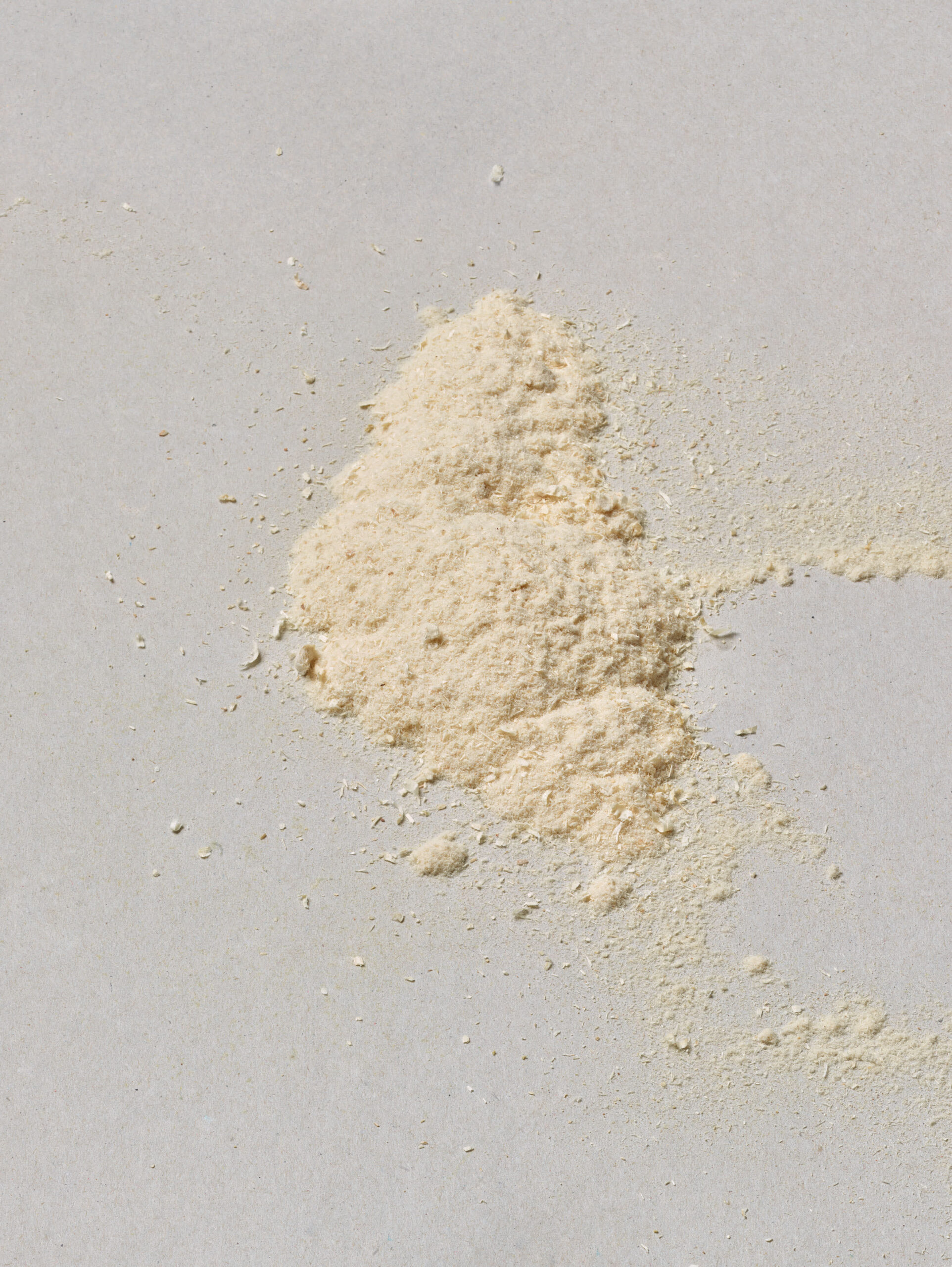
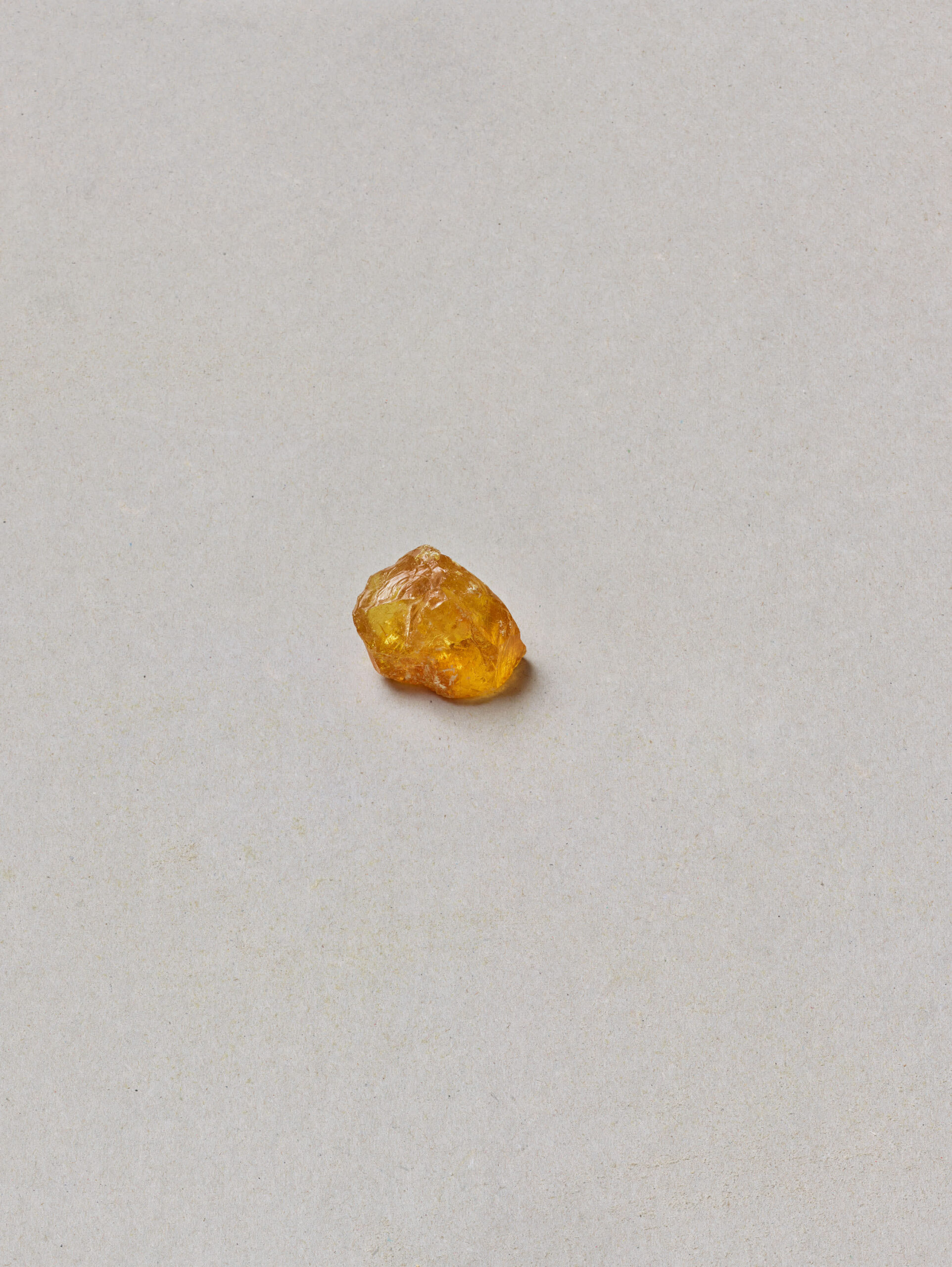
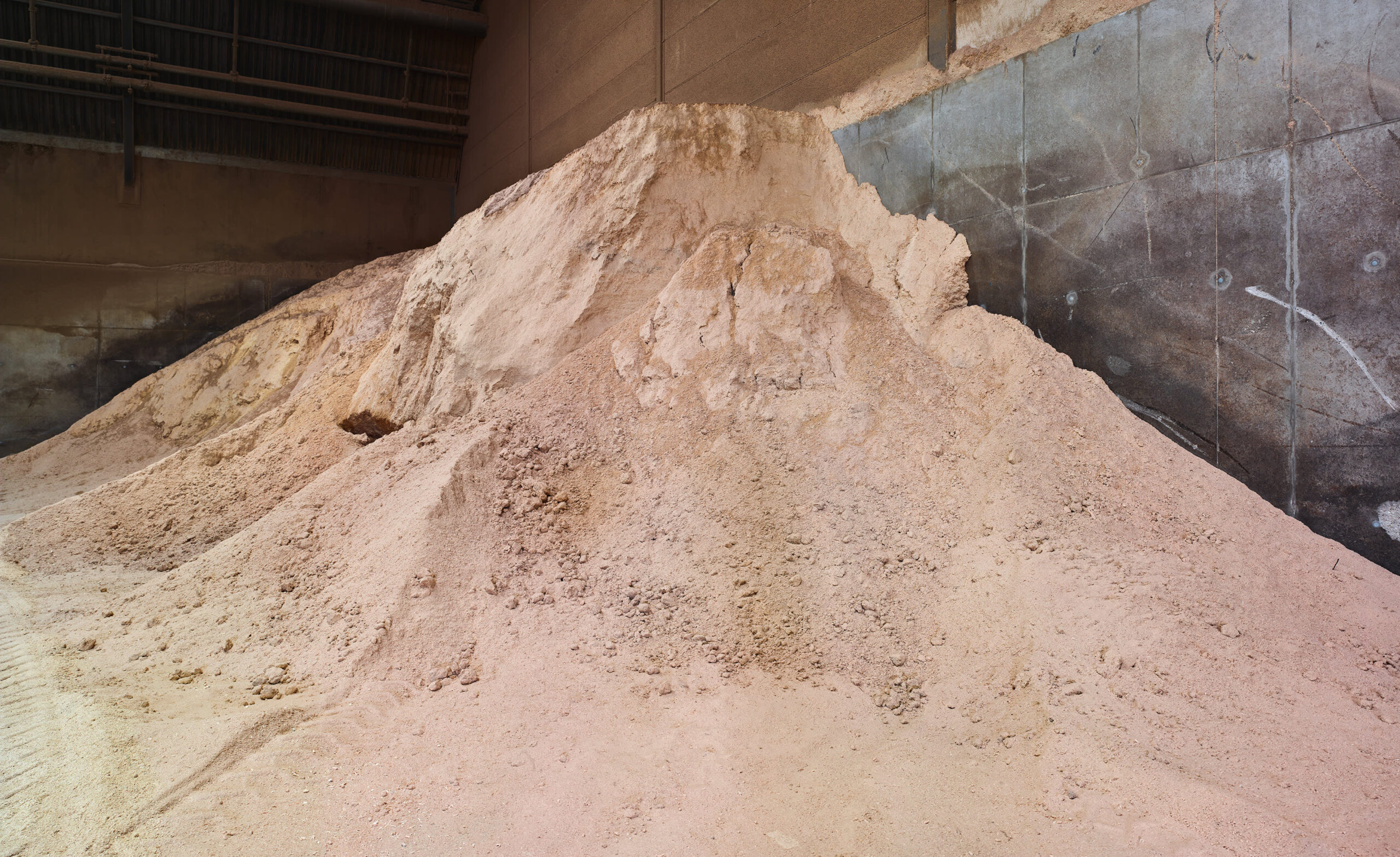
The material is composed of linseed oil, pine rosin, wood dust and calcium carbonate. These ingredients are combined into a compound that is granulated and pressed into solid tiles, creating a homogeneous material throughout its thickness. The linseed oil is sourced from flax grown in the Dutch Flevopolder, while the wood dust is obtained as a by-product from woodworking and furniture production.
Flaxwood® builds on extensive research by Christien Meindertsma into flax-based materials and linoleum systems, including projects that explore material reuse, alternative fillers and locally sourced raw materials. This research informs both the material composition and the ambition to develop a renewable, biodegradable and traceable architectural product.
The first Flaxwood® tiles, with a thickness of 8 mm, were presented during Milan Design Week 2024. At the time of presentation, the material was in an optimisation and testing phase, with further development required to assess performance and suitability for architectural applications. Potential uses include interior wall and surface finishes where material expression and biobased content are relevant.