Laser-Induced Graphene on paper

Request Information
Please sign in first or register for free to contact PulpaTronics.
- story by MaterialDistrict
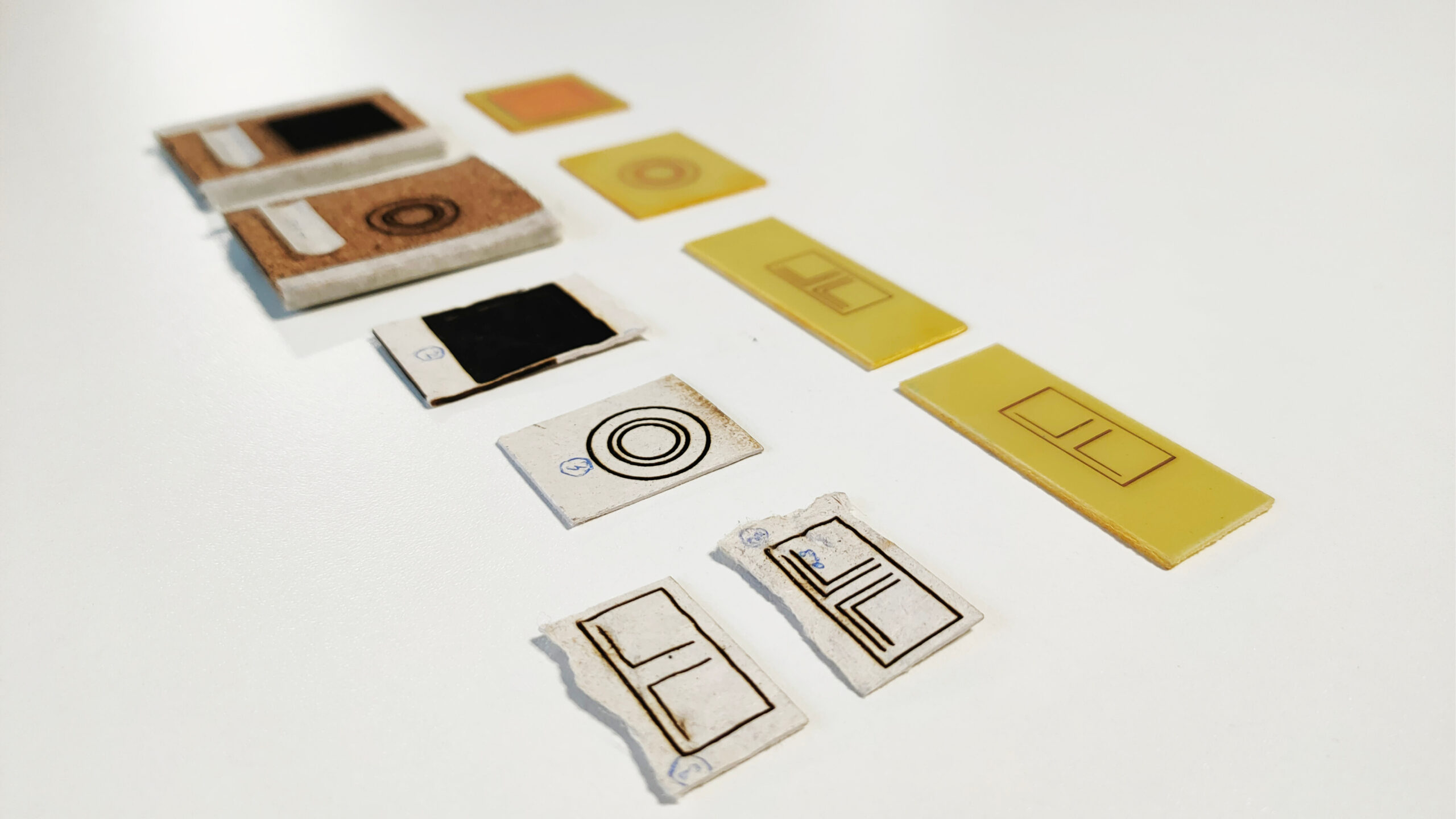
PulpaTronics has developed a paper-based RFID inlay that replaces conventional metal antennas with conductive Laser-Induced Graphene (LIG). The technology is intended as an alternative to standard RFID inlays used in retail price tags and short-lifecycle product labelling.
Conventional RFID inlays typically consist of multiple components, including a metallic antenna mounted onto a substrate. These tags are often discarded once removed by consumers and can complicate recycling due to their mixed-material composition.
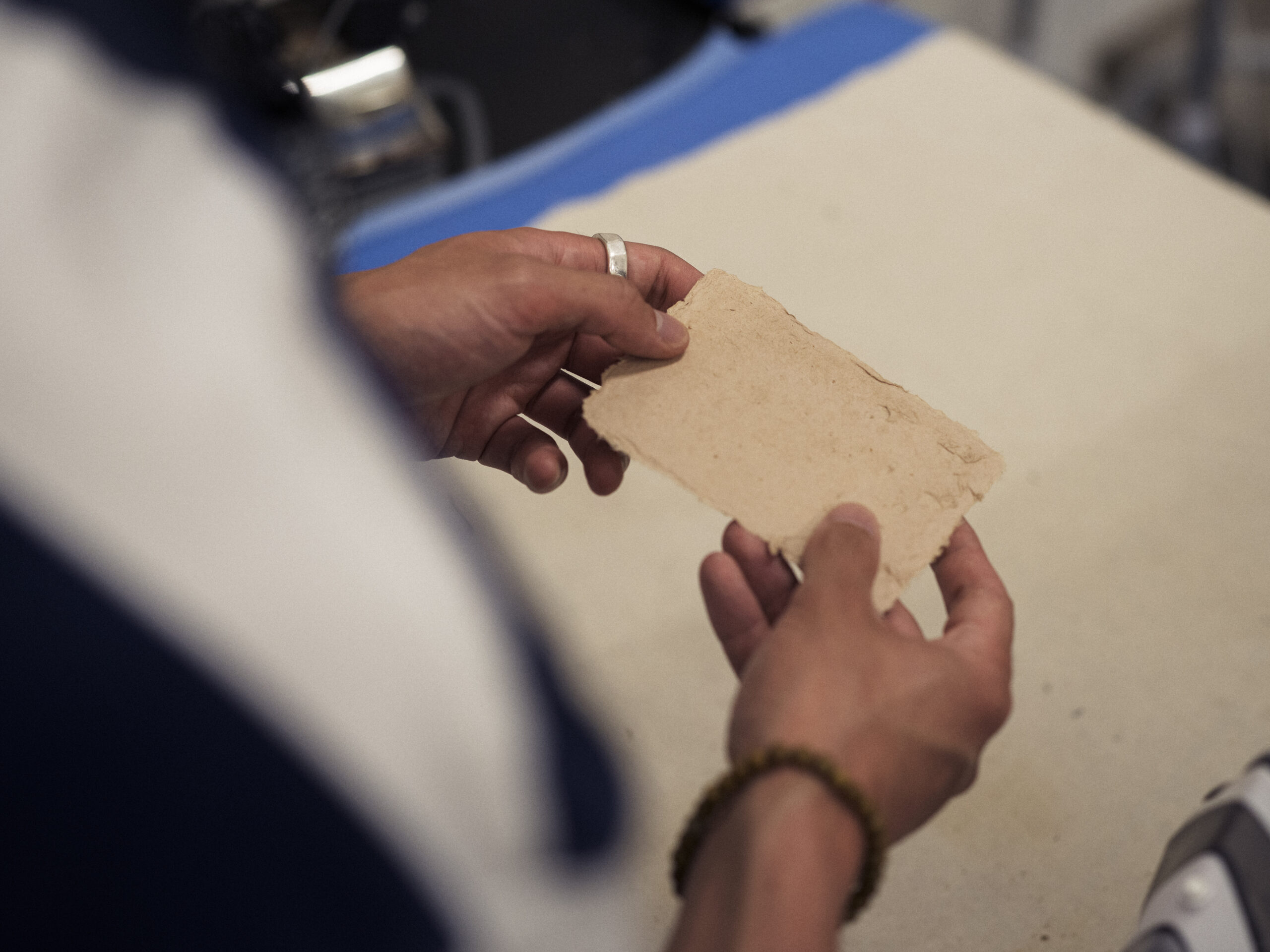
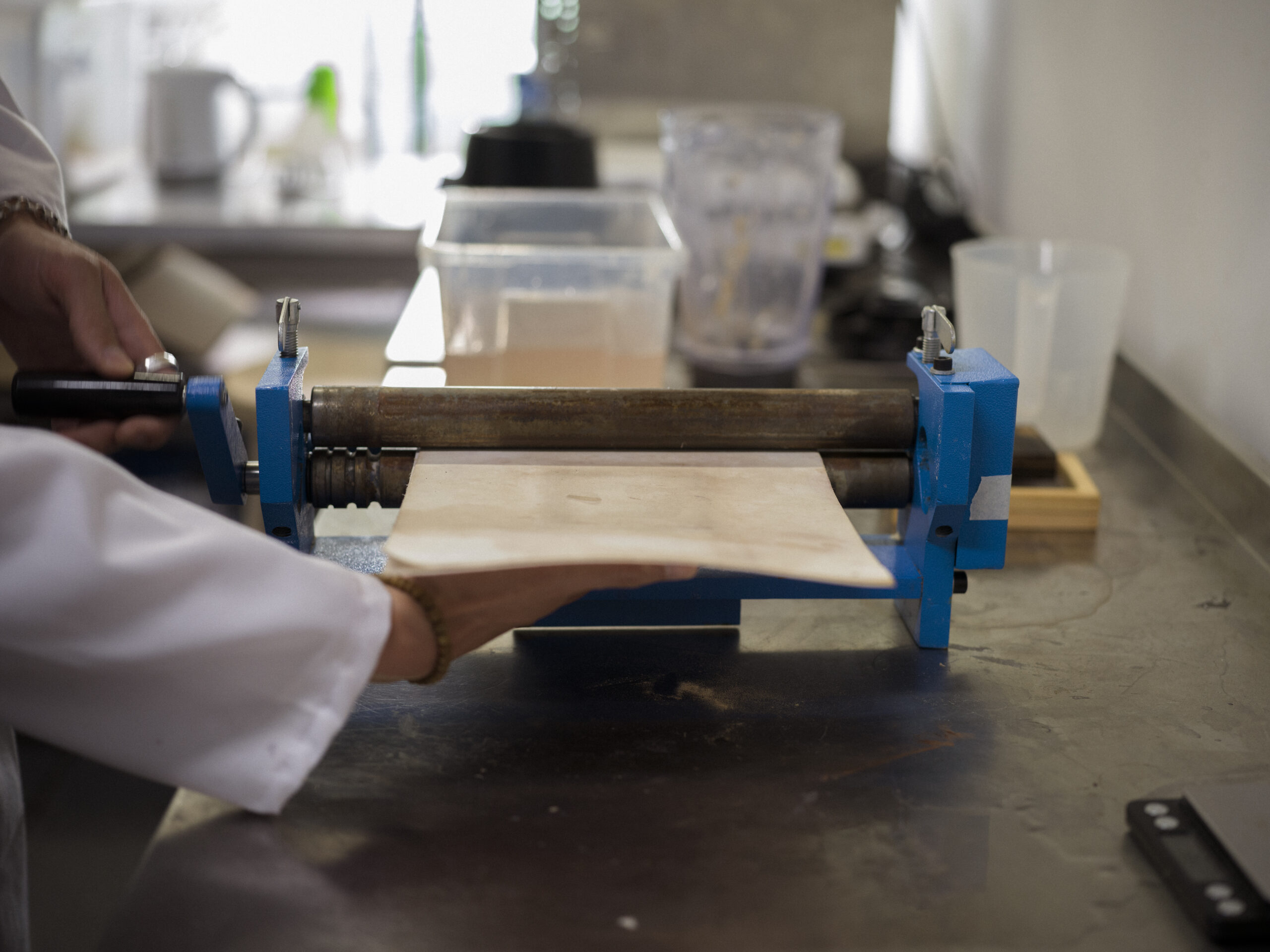
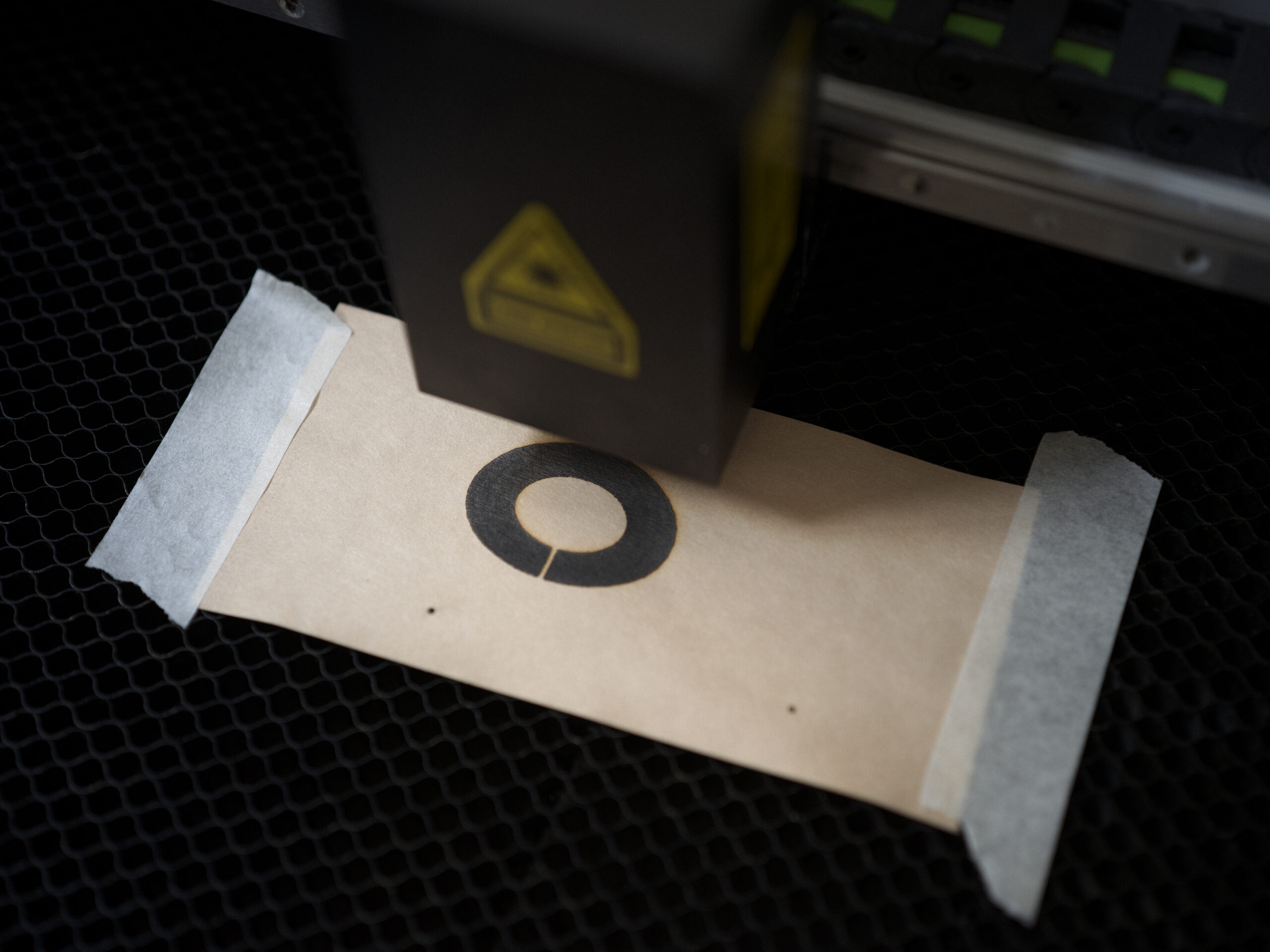
In the PulpaTronics process, selected areas of a paper substrate are exposed to laser radiation. This triggers a chemical transformation within the lignocellulosic fibres, rearranging carbon atoms into a graphene-like structure. The treated areas become electrically conductive, allowing the antenna circuitry to be formed directly within the paper without added metal components.
By integrating the conductive pathway into the paper itself, the inlay reduces component complexity and manufacturing steps. The resulting tag is compatible with existing paper recycling systems, supporting simplified end-of-life processing compared to conventional multi-material RFID inlays.