RIWOOD Rice Husk Composite

Request Information
Please sign in first or register for free to contact Fiberplast Group.
- story by MaterialDistrict
RIWOOD is a biocomposite material developed by Fiberplast Group for exterior and architectural applications. The material combines recycled rice husks, calcite and post-industrial recycled PVC to create a durable alternative to conventional timber and plastic-based products.
The composition incorporates up to 15% rice husk, an agricultural by-product, together with recycled PVC polymers and calcium carbonate recovered from drinking water production processes. By integrating both agricultural and industrial residual streams, the material contributes to the utilisation of secondary resources within a circular material system.
RIWOOD is designed for outdoor environments where durability, weather resistance and low maintenance are required. The material is resistant to moisture, UV exposure, temperature fluctuations, biological degradation and insect attack. Unlike natural timber, it does not require regular sanding, painting or sealing, and its splinter-free surface makes it suitable for applications where direct contact with users is expected.
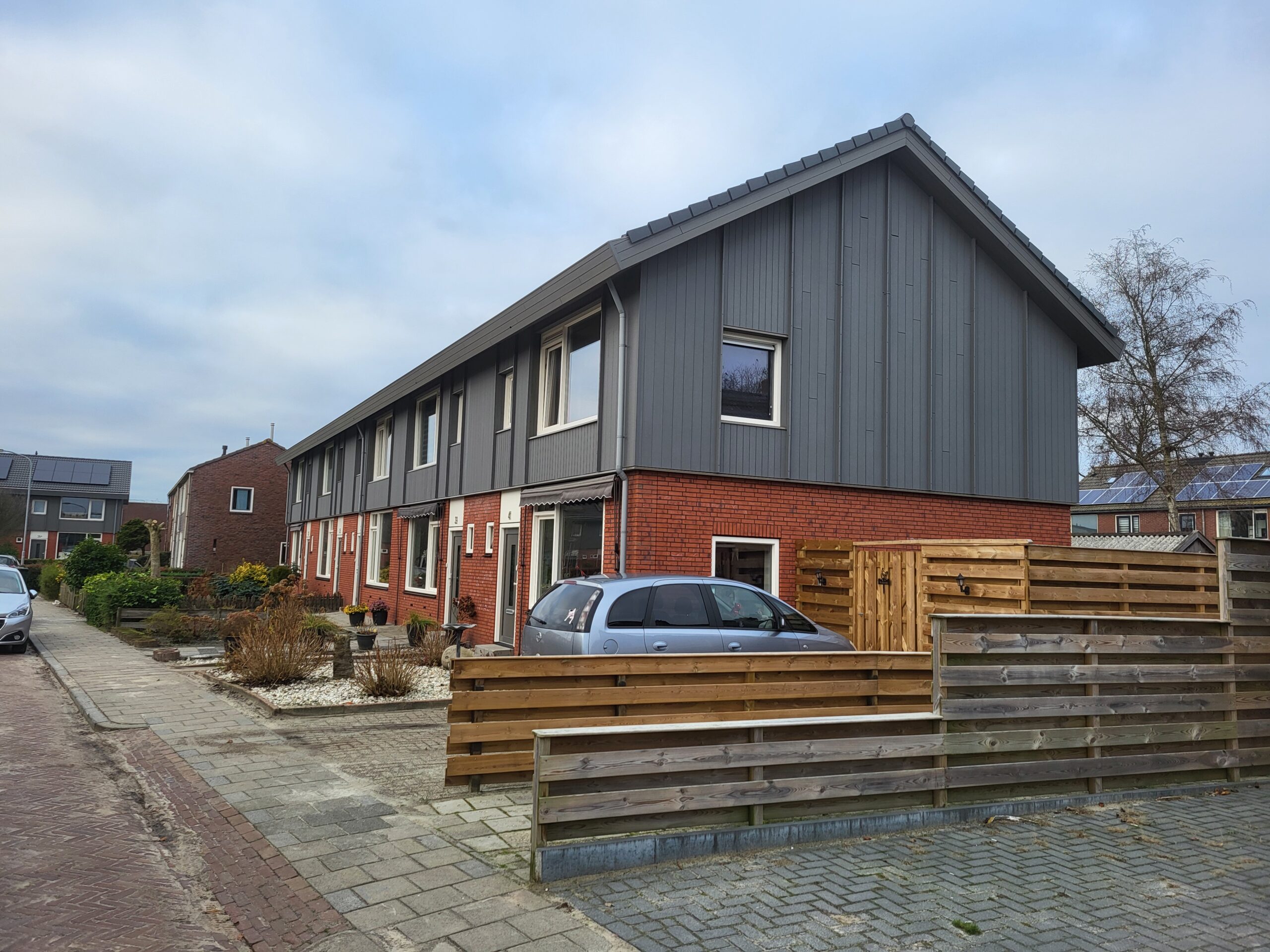
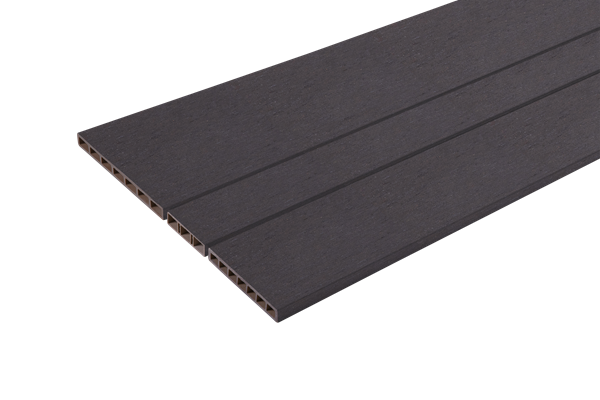
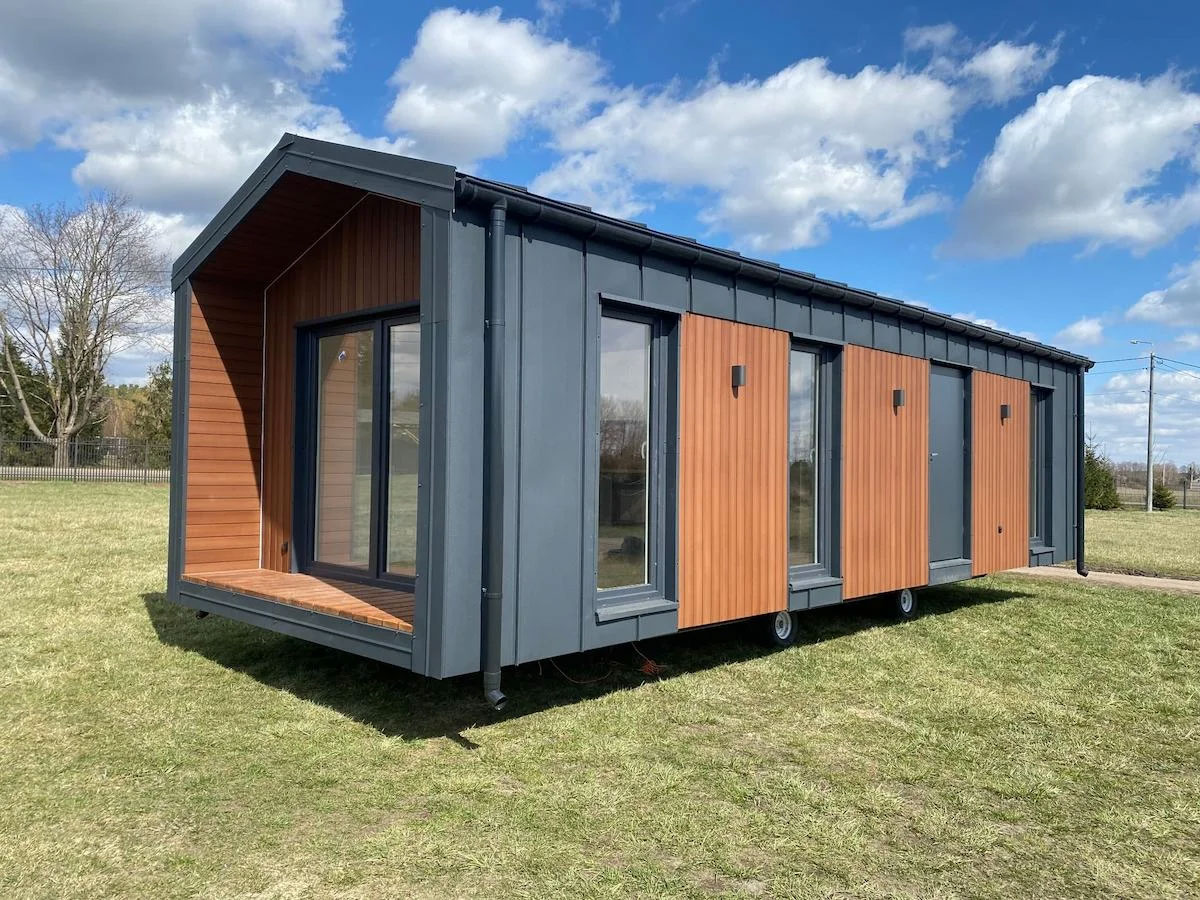
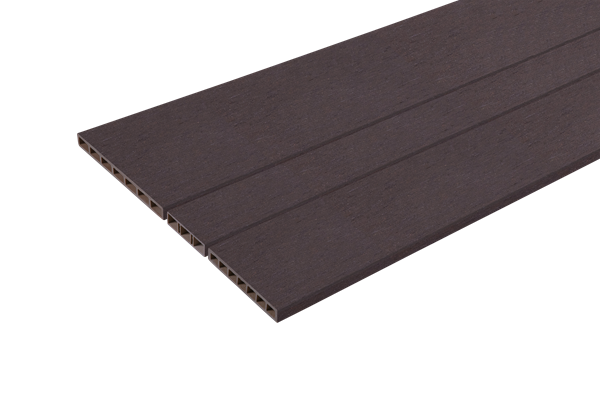
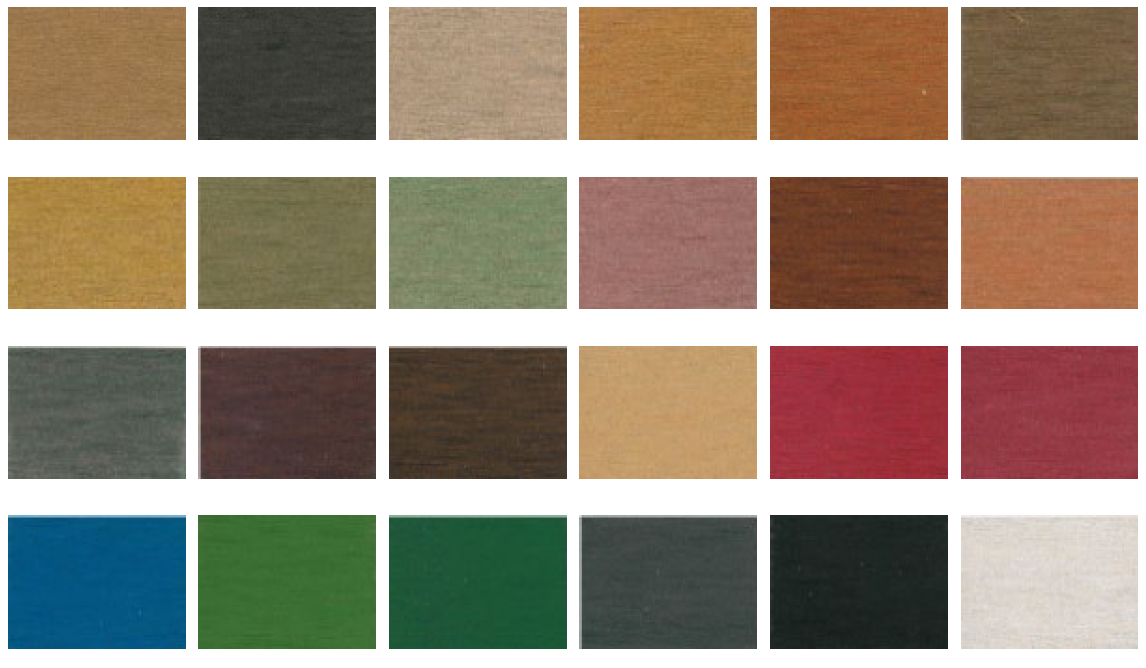
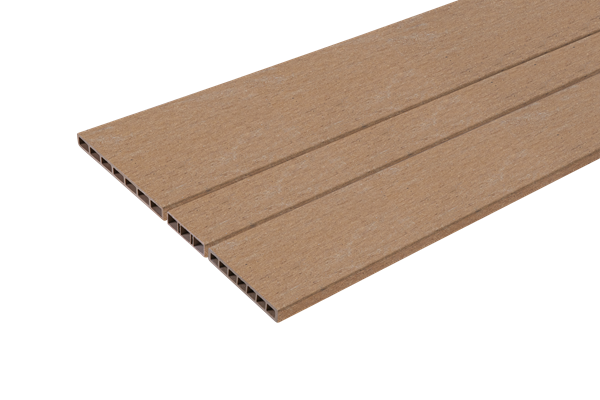
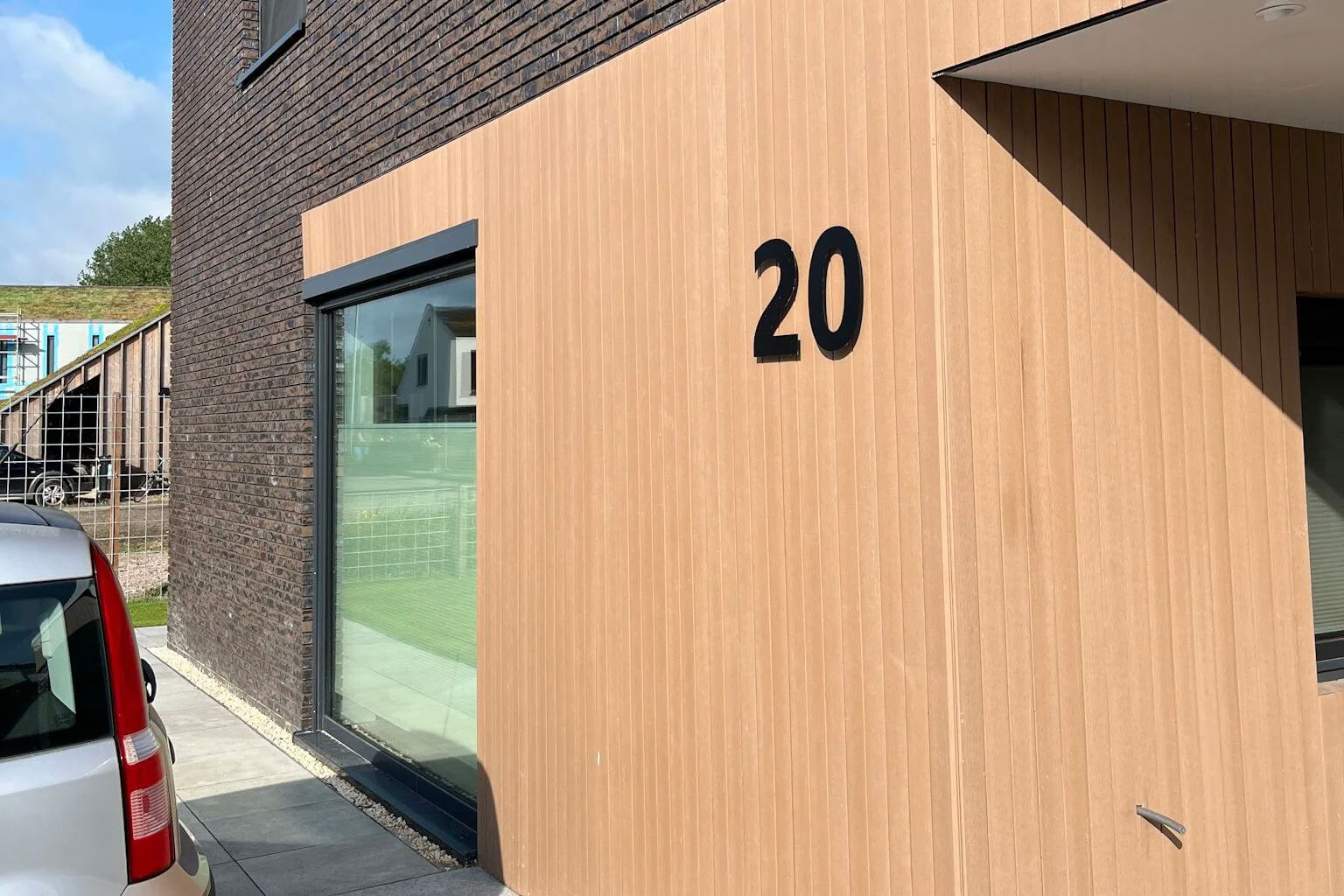
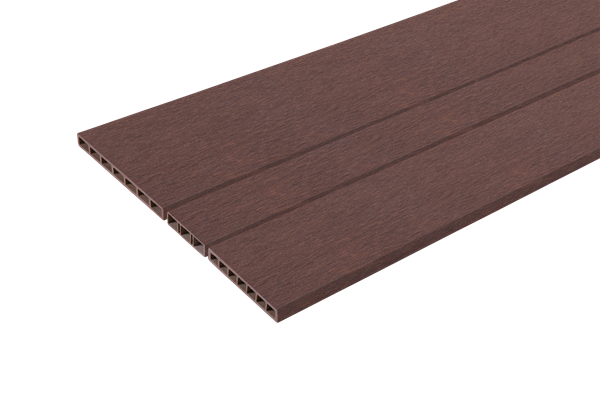
The material is available in a range of mass-coloured finishes and can be manufactured in multiple colour options. It is used in applications such as decking systems, façade cladding, urban furniture, fencing, pergolas and structures in marine or poolside environments. Installation options include concealed fixing systems, click-based assemblies and adhesive bonding, depending on the application.
RIWOOD has a density of approximately 1.1–1.3 g/cm³ and is available in configurations that achieve fire performance ratings up to Euroclass B-s3,d0, depending on the profile and end-use application. The material is designed to maintain its appearance and performance under long-term outdoor exposure.
At the end of its service life, RIWOOD can be recycled and reintroduced into new production cycles. The manufacturing process incorporates closed-loop recycling principles, including the recovery of production waste streams. The material is supported by environmental documentation, including an Environmental Product Declaration (EPD), and is produced in accordance with recognised quality and environmental management standards.