3D Printed Street Furniture Made From Recycled Construction Waste
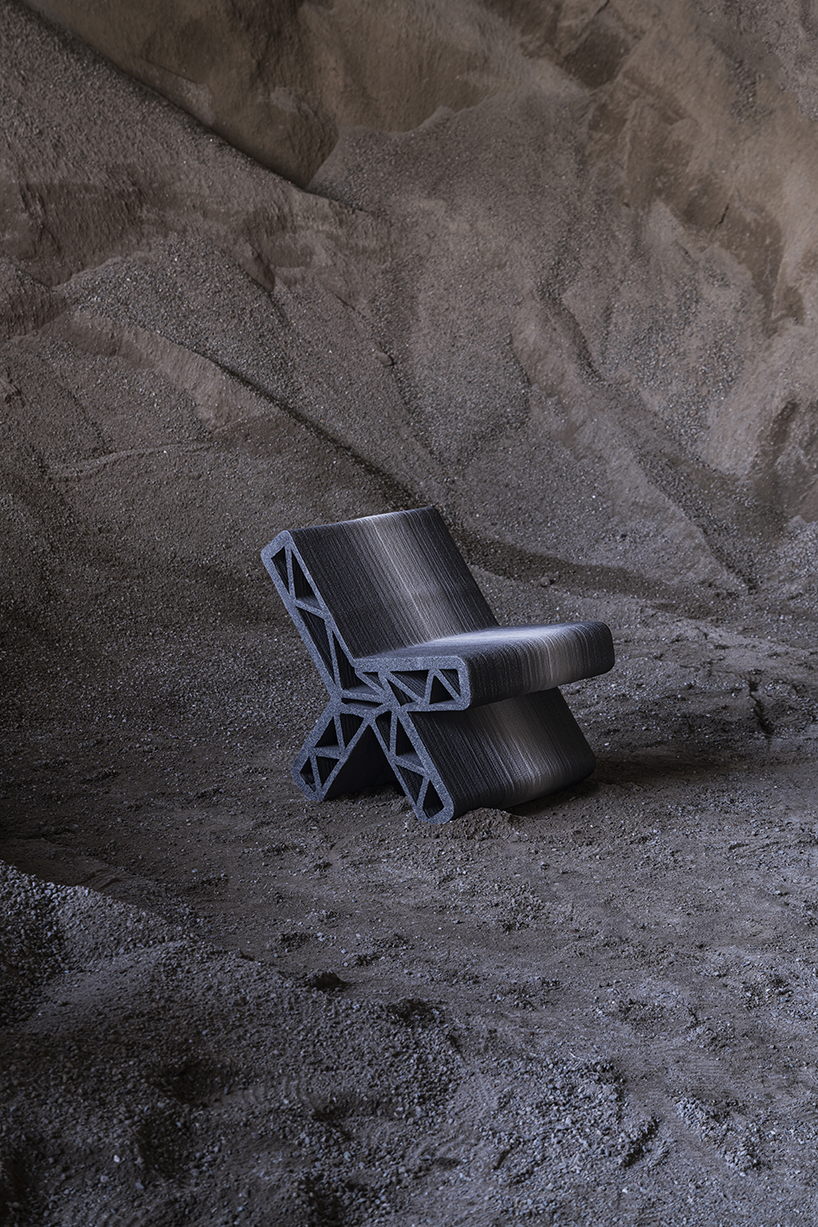
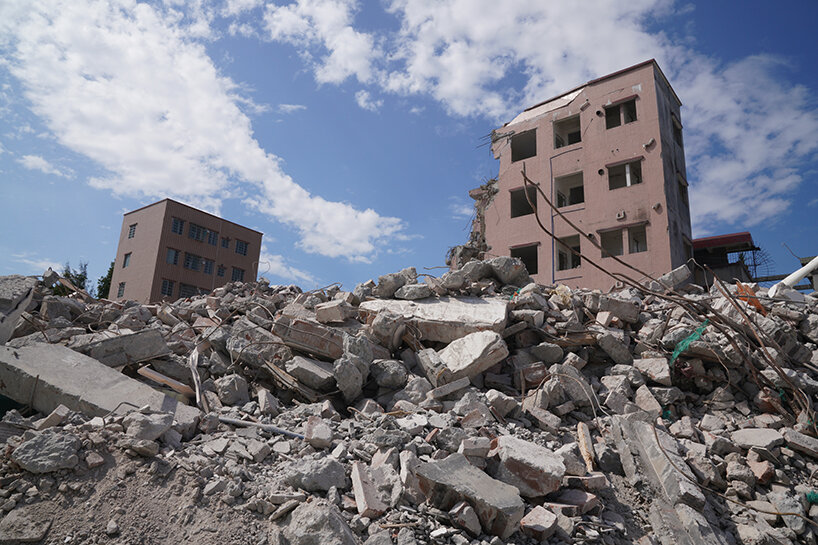
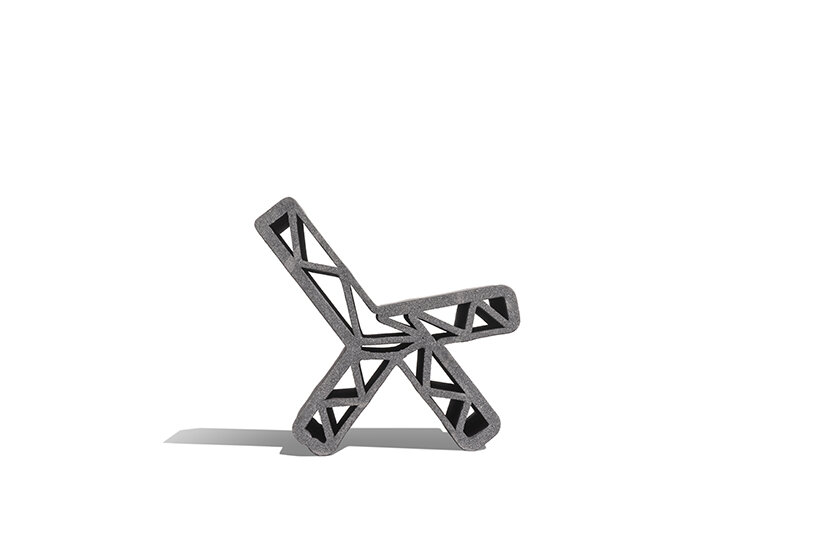
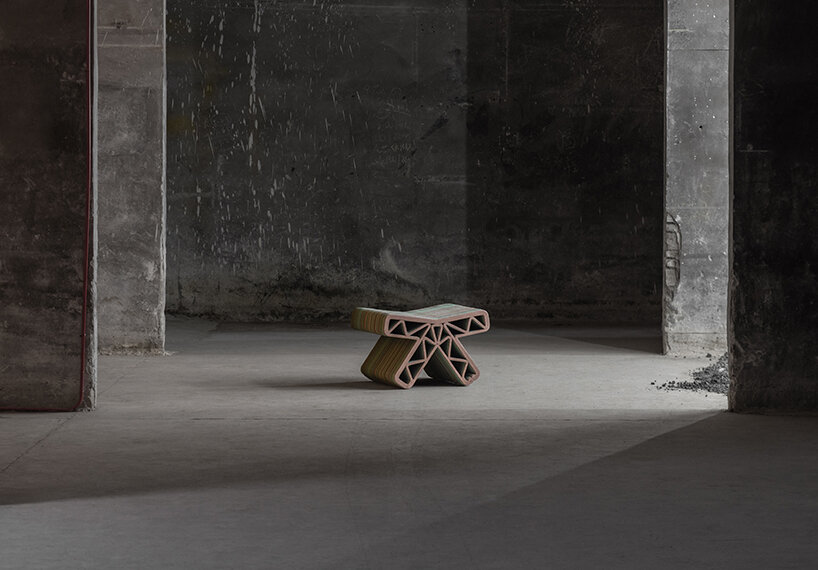
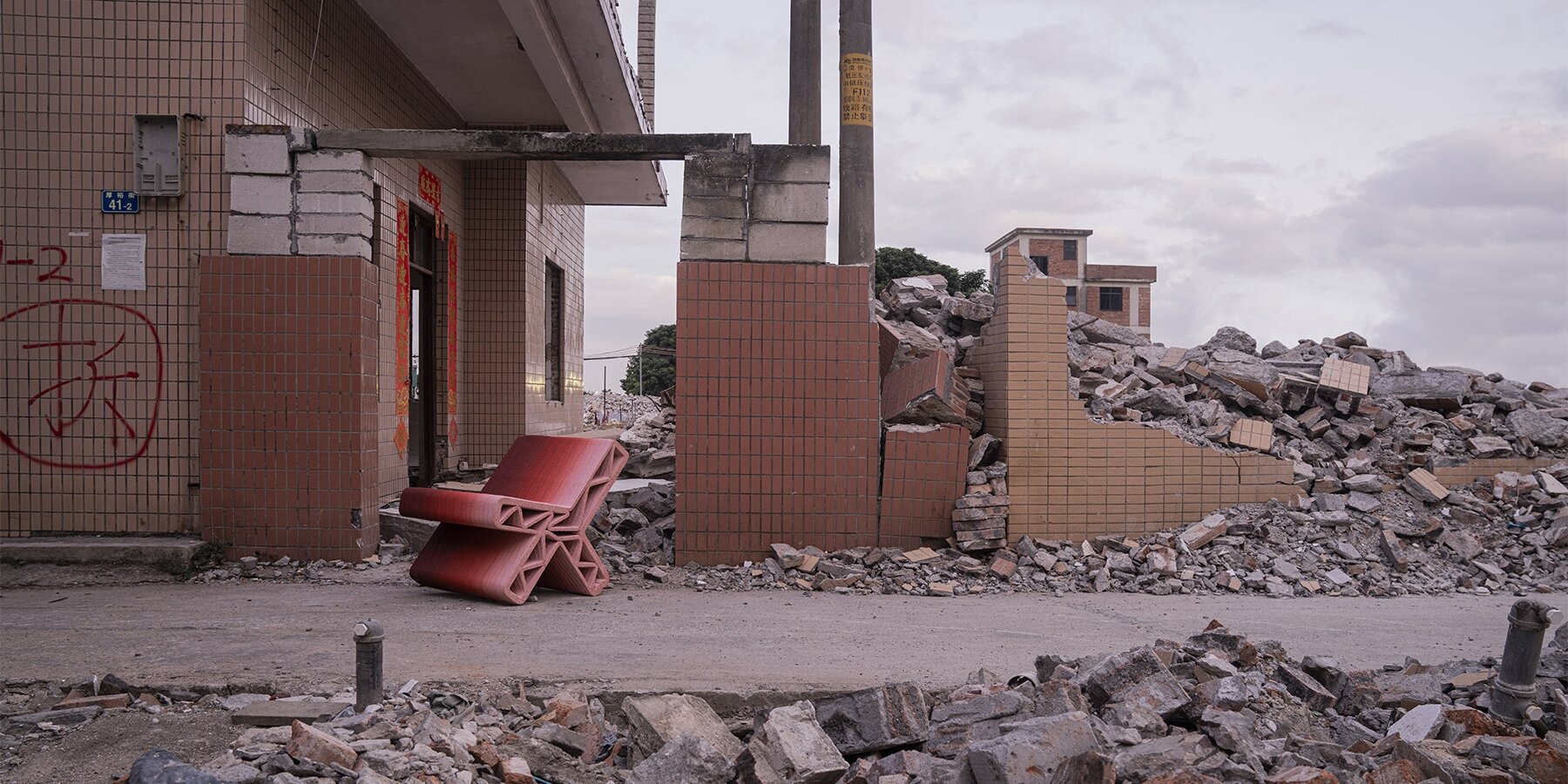
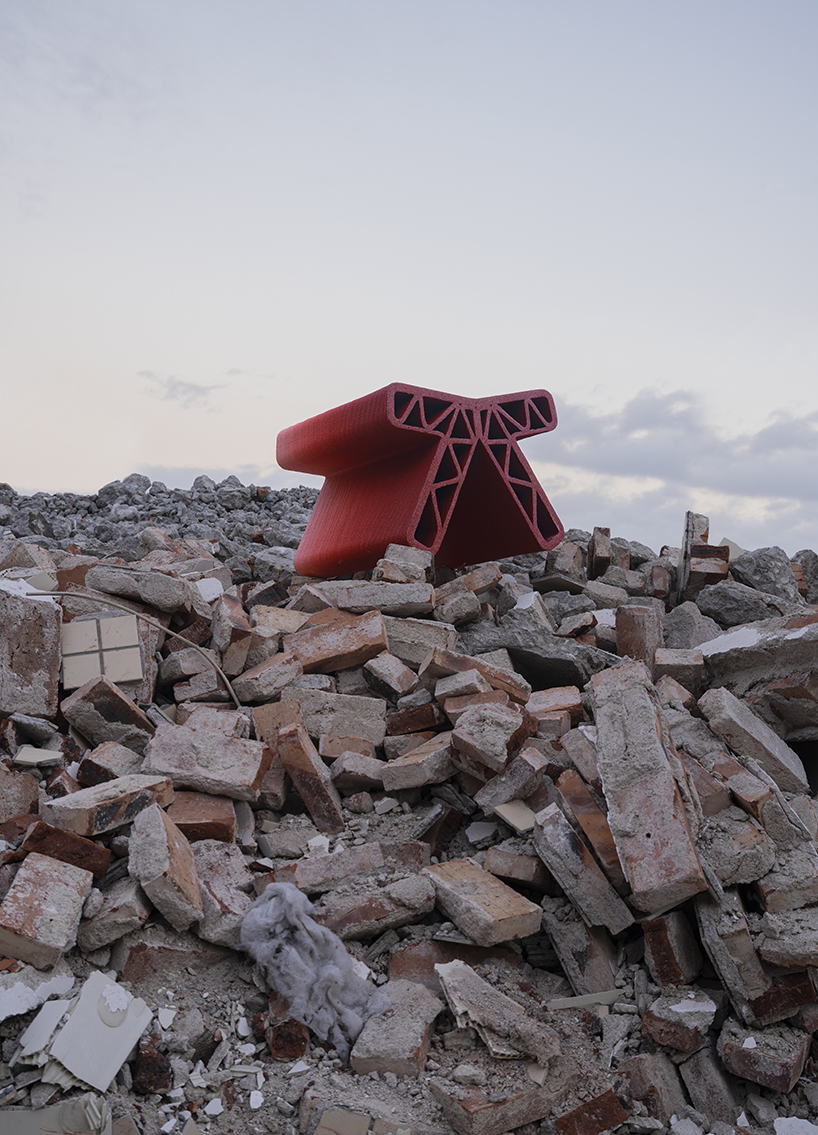
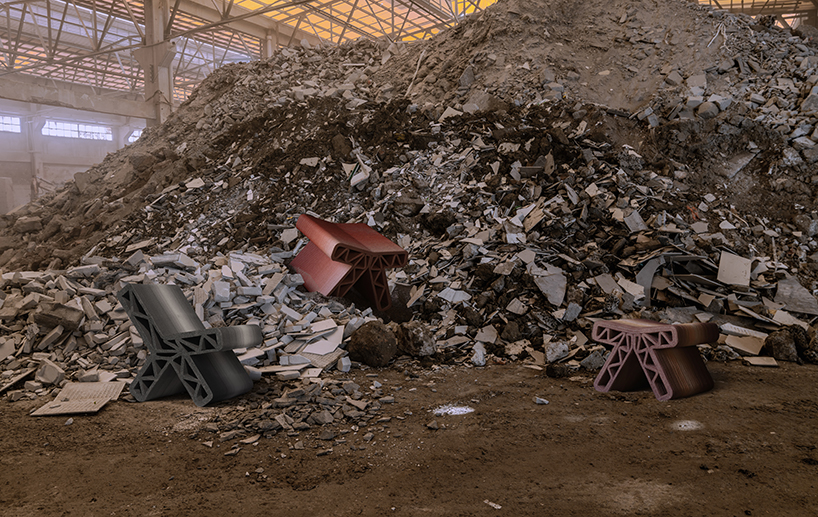
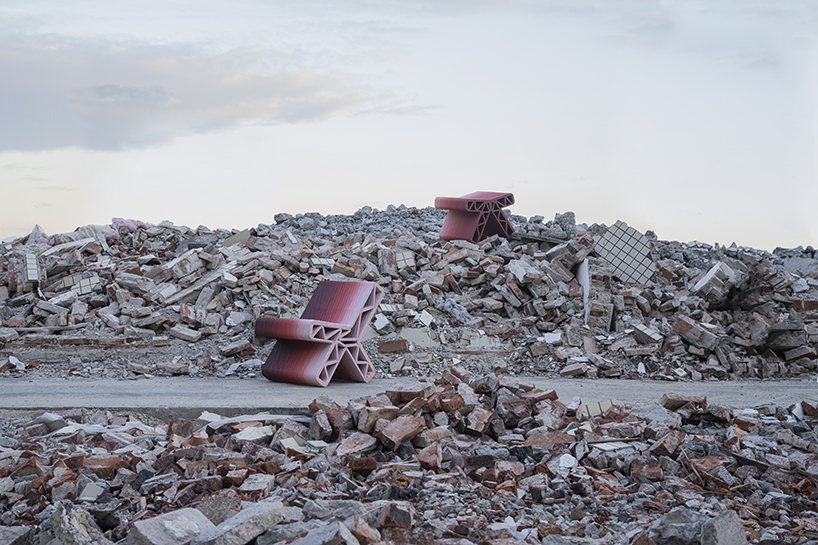
Chinese studio BENTU Design has developed a method to transform demolition waste into 3D printed urban furniture. The project, titled Inorganic Growth, explores how discarded construction materials can re-enter the urban environment as functional infrastructure. The designers convert concrete fragments, brick rubble and mortar from demolished urban villages into a printable composite material. As a result, the furniture contains up to 85% recycled solid waste. Instead of sending demolition debris to landfill, the project reuses it directly within the city.
This approach creates a local circular production cycle. Material recovery, processing and fabrication take place close to demolition sites. Consequently, the process reduces transportation and lowers carbon emissions while preserving material value.
Engineering A Printable Recycled Composite
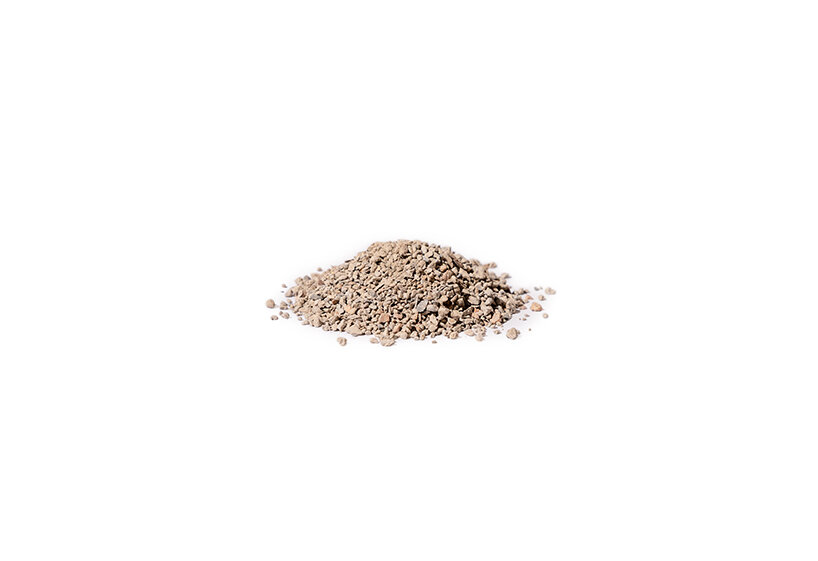
First, construction waste undergoes several processing stages. The material is crushed and sorted by particle size using jaw crushers, impact crushers and vibrating screens. The finest particles (0–3 mm) form about 30–35% of the waste stream. Designers activate this powder mechanically and chemically. Afterwards, they combine it with industrial by-products such as fly ash, slag powder and silica fume. This mixture forms a recycled cementitious binder.
Meanwhile, larger aggregates (3–6 mm) provide structural strength. To improve performance, the team modifies the aggregate surfaces using nano-suspension treatments. This process reduces water absorption and strengthens the bond between particles.
As a result, the printable material achieves both good flow during extrusion and stability after printing. AI-assisted mix optimisation and thixotropic agents further support consistent fabrication.
Colours Inspired By Urban Village Architecture
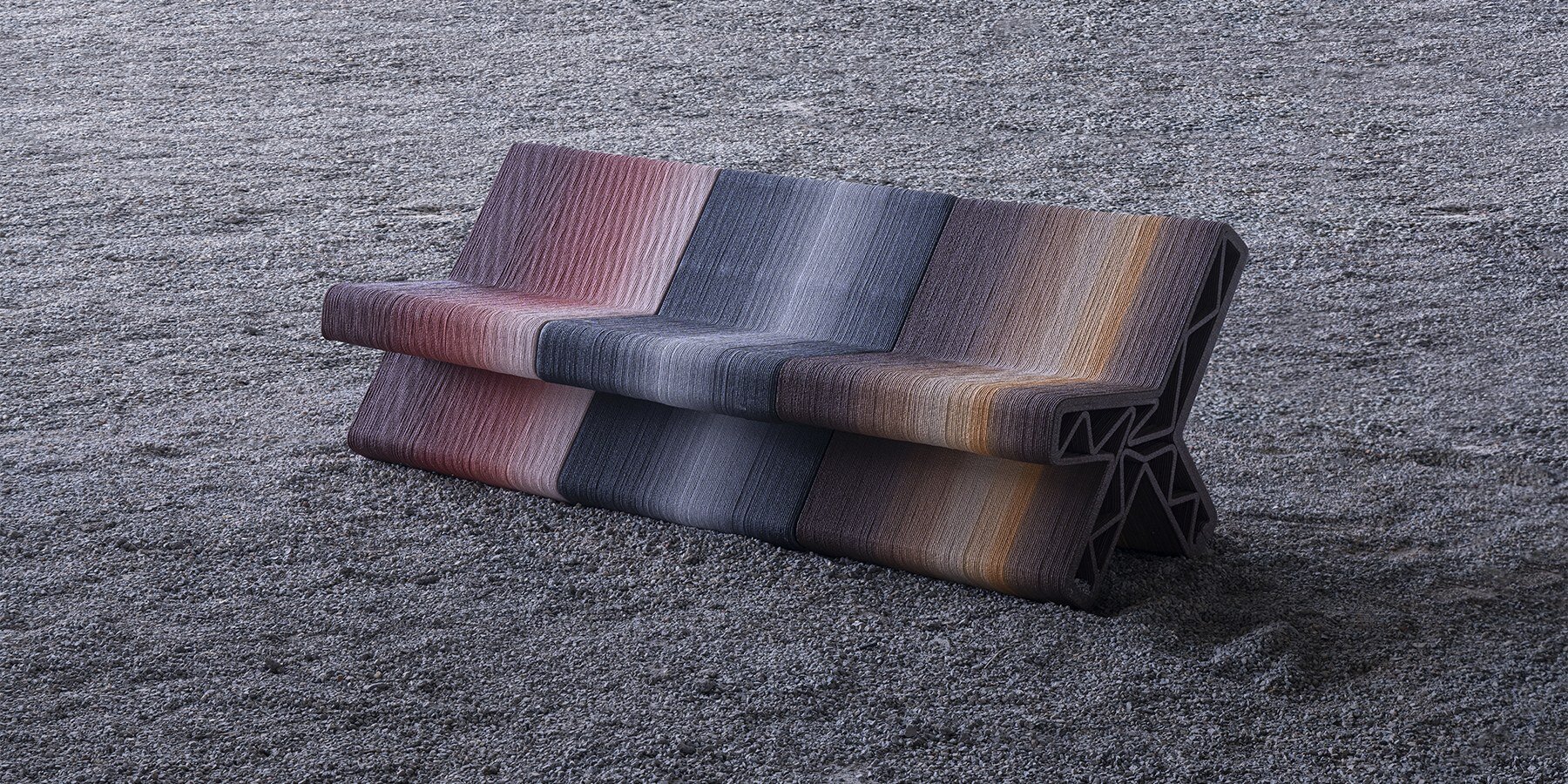
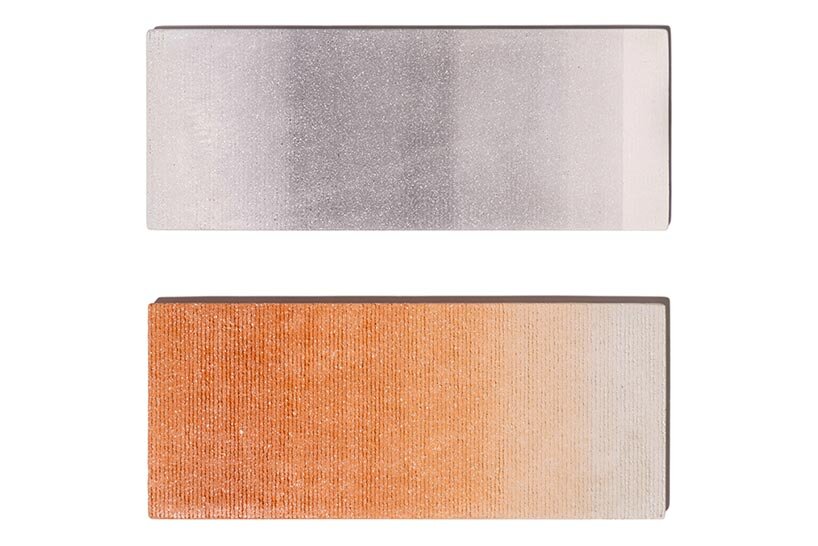
The furniture also reflects the visual identity of the demolished neighbourhoods. To begin with, the designers analysed photographs of urban villages using image-processing algorithms. This process extracted characteristic colours from local building materials. Consequently, the palette includes brick reds, concrete greys, muted greens and ceramic blues. Importantly, these colours come directly from the recycled materials themselves. For example, brick powder produces red tones, while concrete fines generate neutral greys. In addition, crushed ceramic fragments introduce subtle blue-green shades.
During printing, dual print heads distribute pigments gradually along the vertical axis. Therefore, the finished surfaces display layered colour transitions. These strata resemble geological or architectural sections that reveal the material’s history.
Local Manufacturing Reduces Carbon Emissions
BENTU Design also developed a mobile processing unit for demolition sites. This system enables crushing, sorting, material preparation and printing in one location. Because of this local workflow, transportation-related emissions drop by around 70%. Furthermore, the production system achieves a material utilisation rate of 92%.
Compared with conventional concrete or metal street furniture, the recycled printed components reduce carbon emissions by an estimated 65–80%. At the same time, intelligent slicing algorithms optimise the geometry. Consequently, the designs use about 40% less material without compromising structural performance.
Reintroducing Material Memory Into Public Space
Ultimately, the project demonstrates how cities can reuse their own material resources. Instead of removing demolition waste, designers transform it into new public infrastructure. The layered surfaces preserve traces of earlier buildings. Therefore, the furniture acts both as functional urban equipment and a material archive of the city.
Source: Designboom
Photos: BENTU Design

Comments