Biobased Erosion Control Tile Supports Nature-Positive Infrastructure
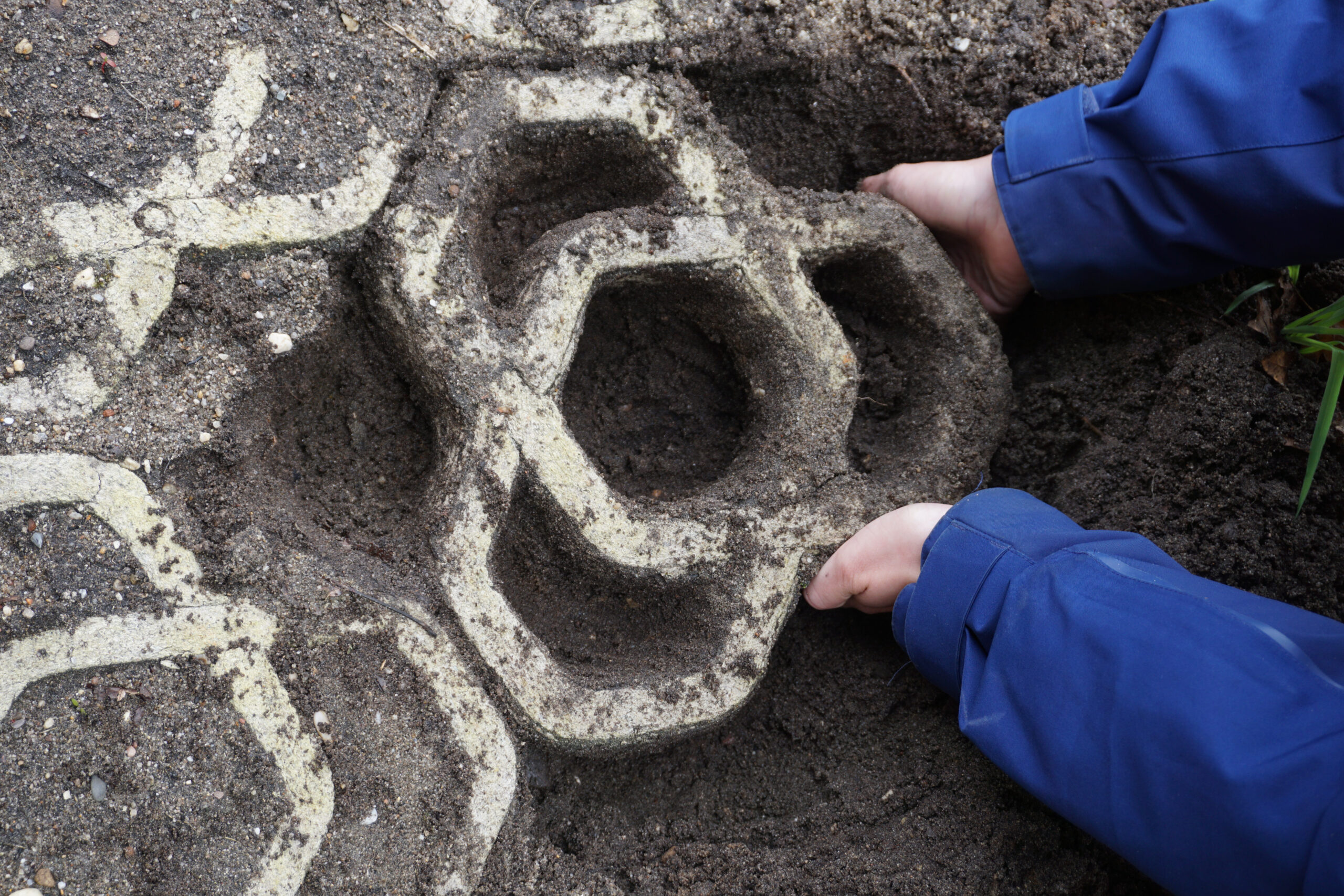
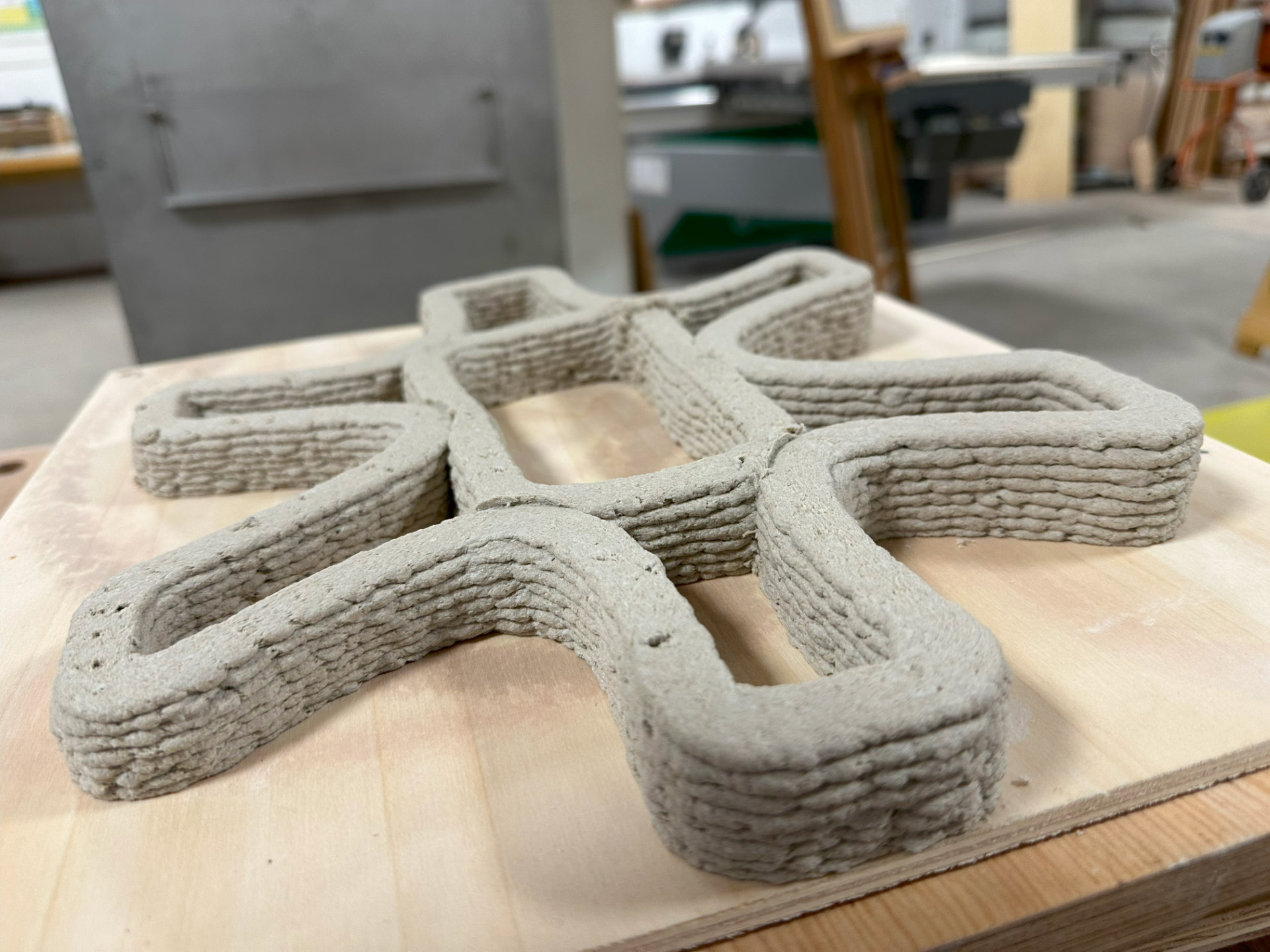
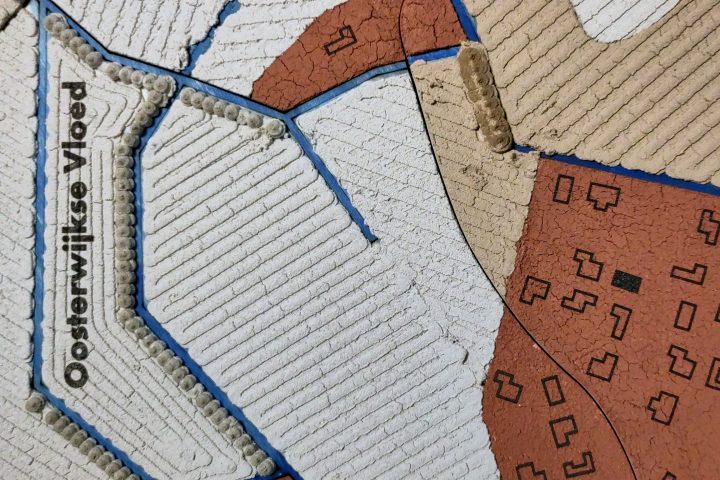
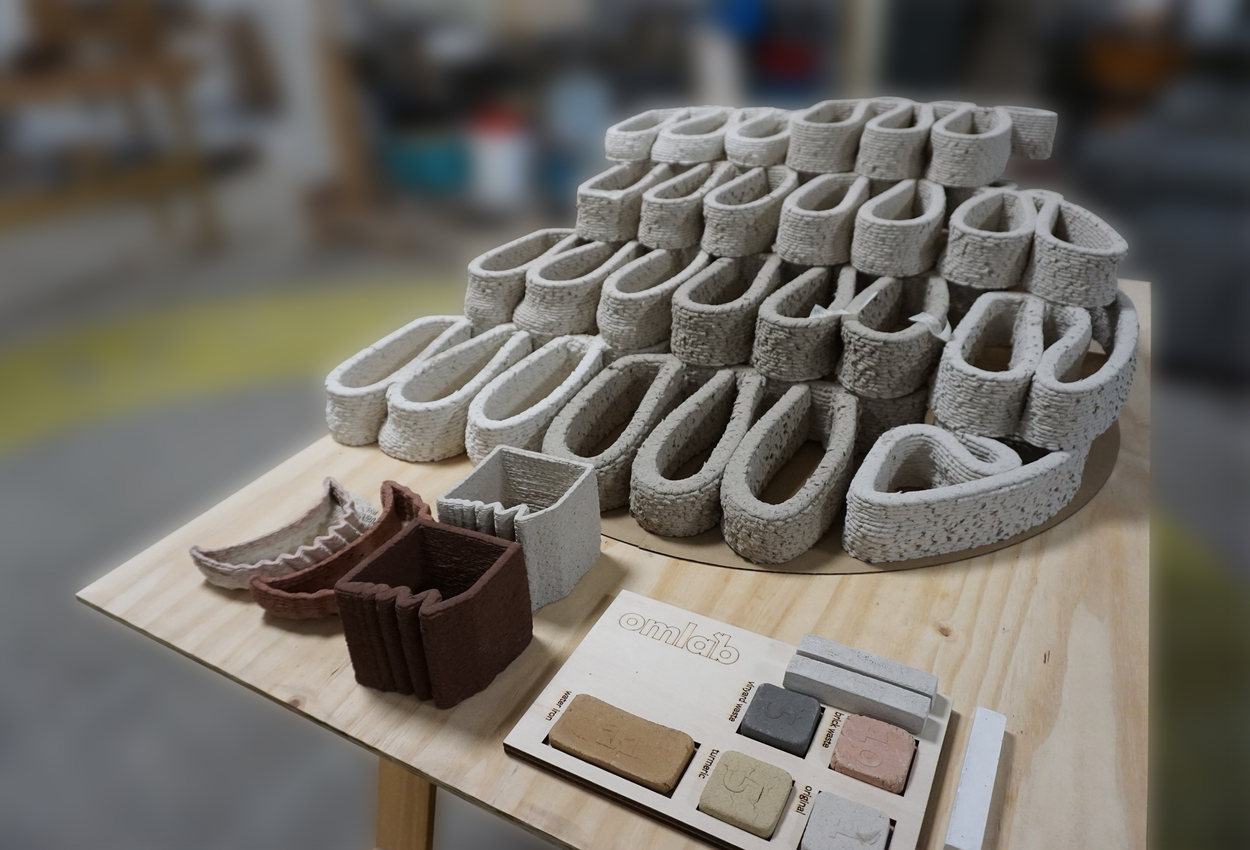
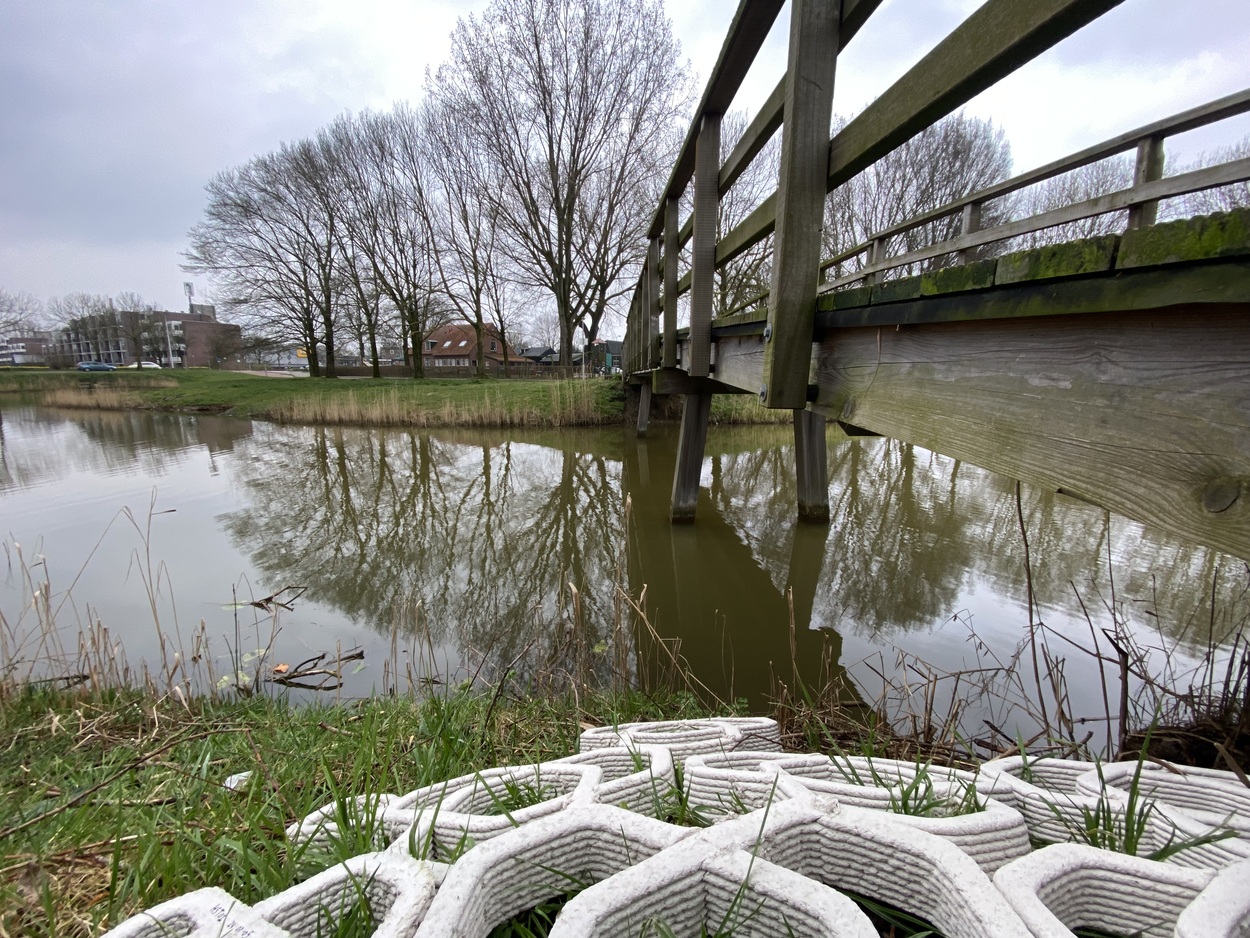
Across Europe, erosion control on embankments still relies heavily on fossil-based materials such as plastic geogrids, geotextiles and concrete tiles. However, these solutions leave long-term waste in the soil. They also have a high carbon footprint and offer little support for biodiversity.
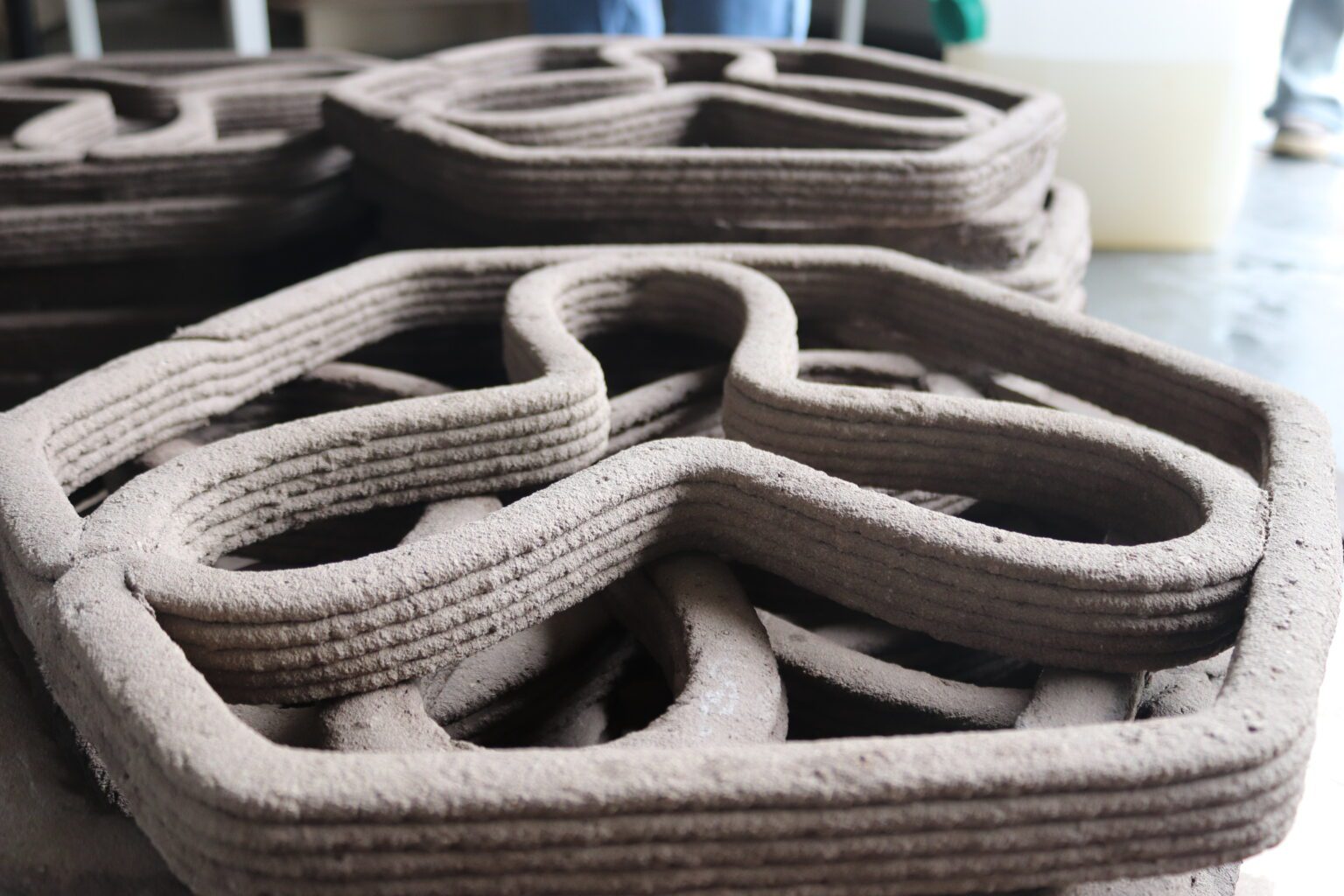
In response, Dutch design studio Omlab developed the Biotaludtegel, a biobased slope tile. This innovation provides a circular alternative that combines structural performance with ecological value. As a result, it is highly relevant for landscape architects and infrastructure designers working on climate-adaptive projects.
Designed To Support And Then Disappear
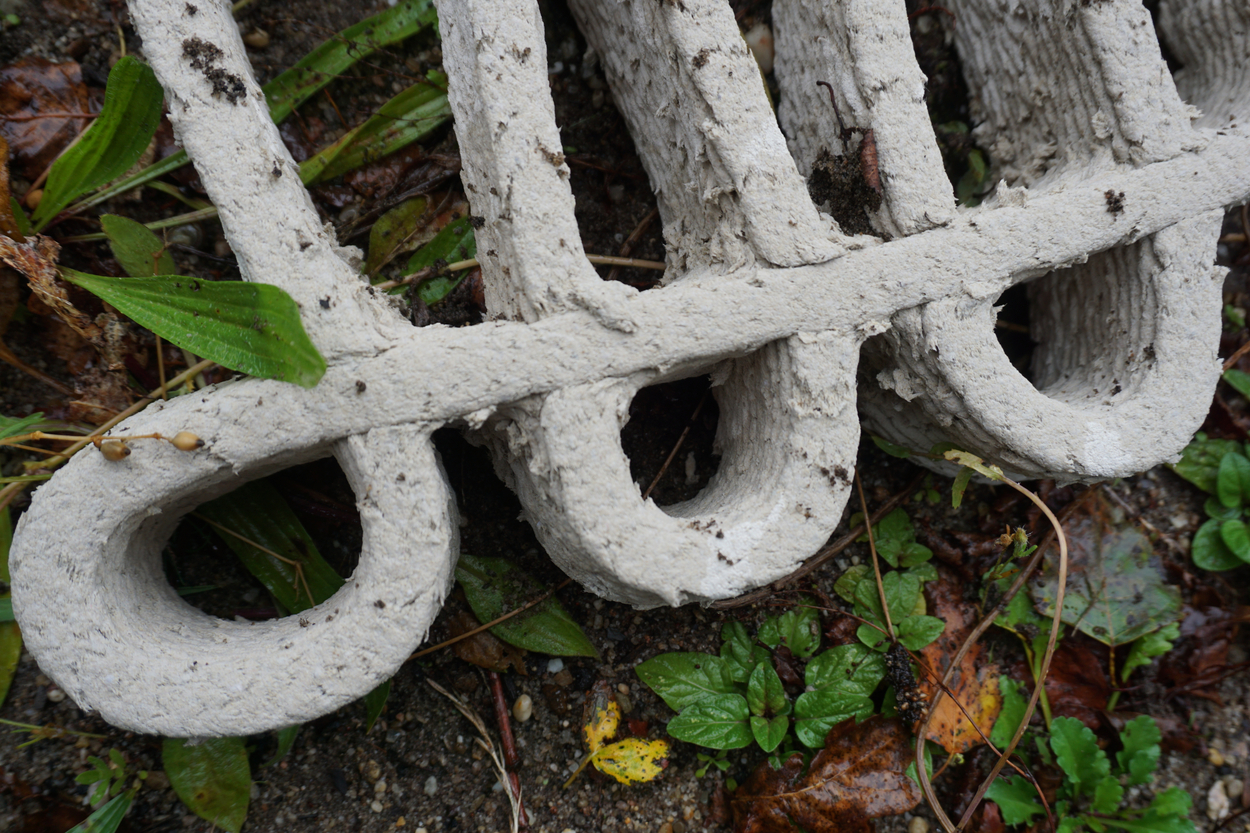
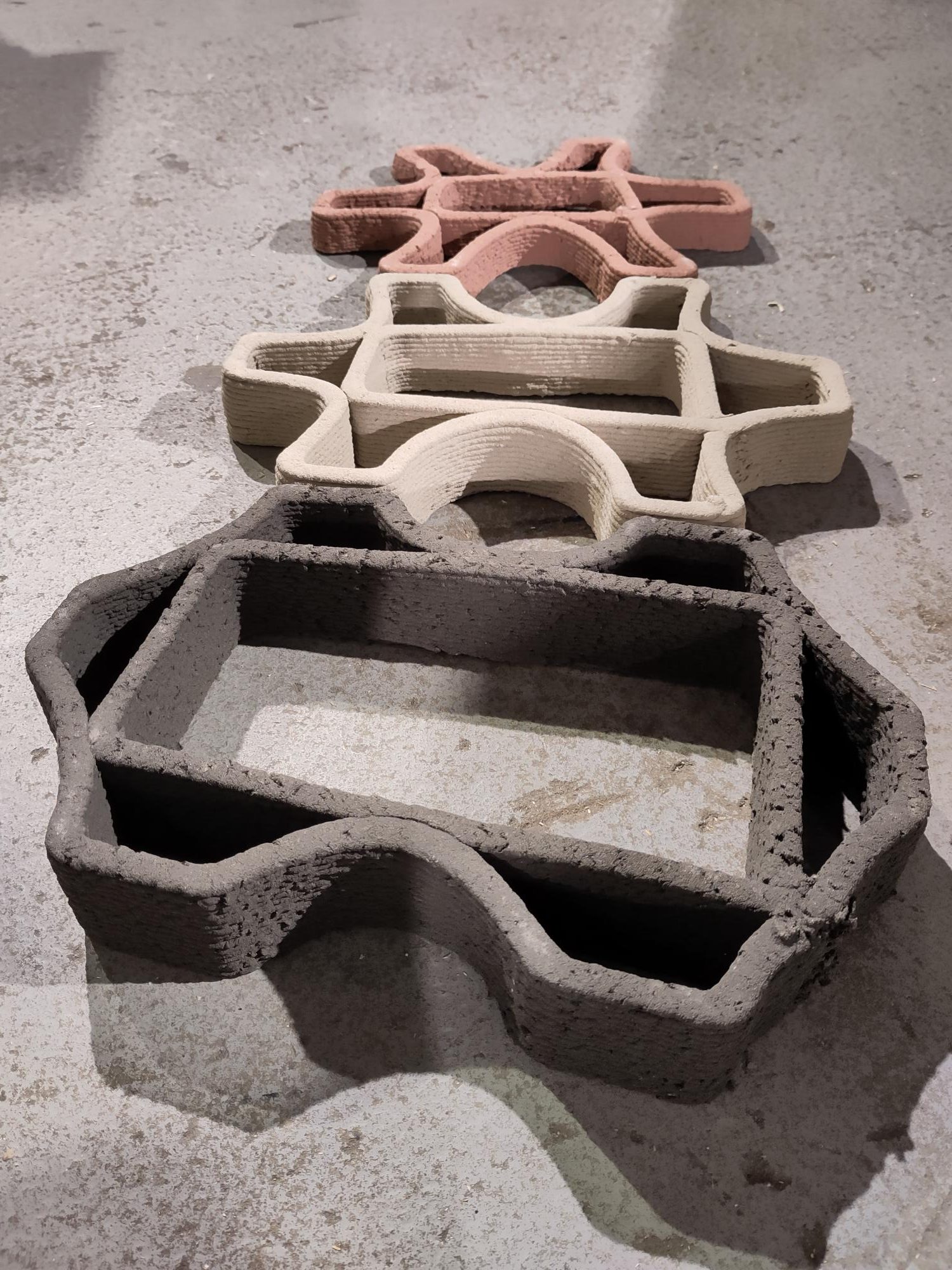
The tile uses residual materials from wastewater treatment, including cellulose and calcite. Omlab combines these with other natural ingredients that are already in circulation. This creates a fully biocircular and low-emission material. Importantly, the composition can be adjusted to match local soil conditions. As the tile breaks down, it releases nutrients that support soil health. At the same time, its 3D printed structure stabilises the slope during the early phase.
Next, vegetation begins to grow. Plant roots gradually take over the structural function of the tile. Eventually, the material disappears completely. What remains is a stable, green slope without synthetic residues. This approach introduces a new way of designing with materials. Instead of remaining static, the material evolves over time and supports natural processes.
Real-World Testing At The Green Village
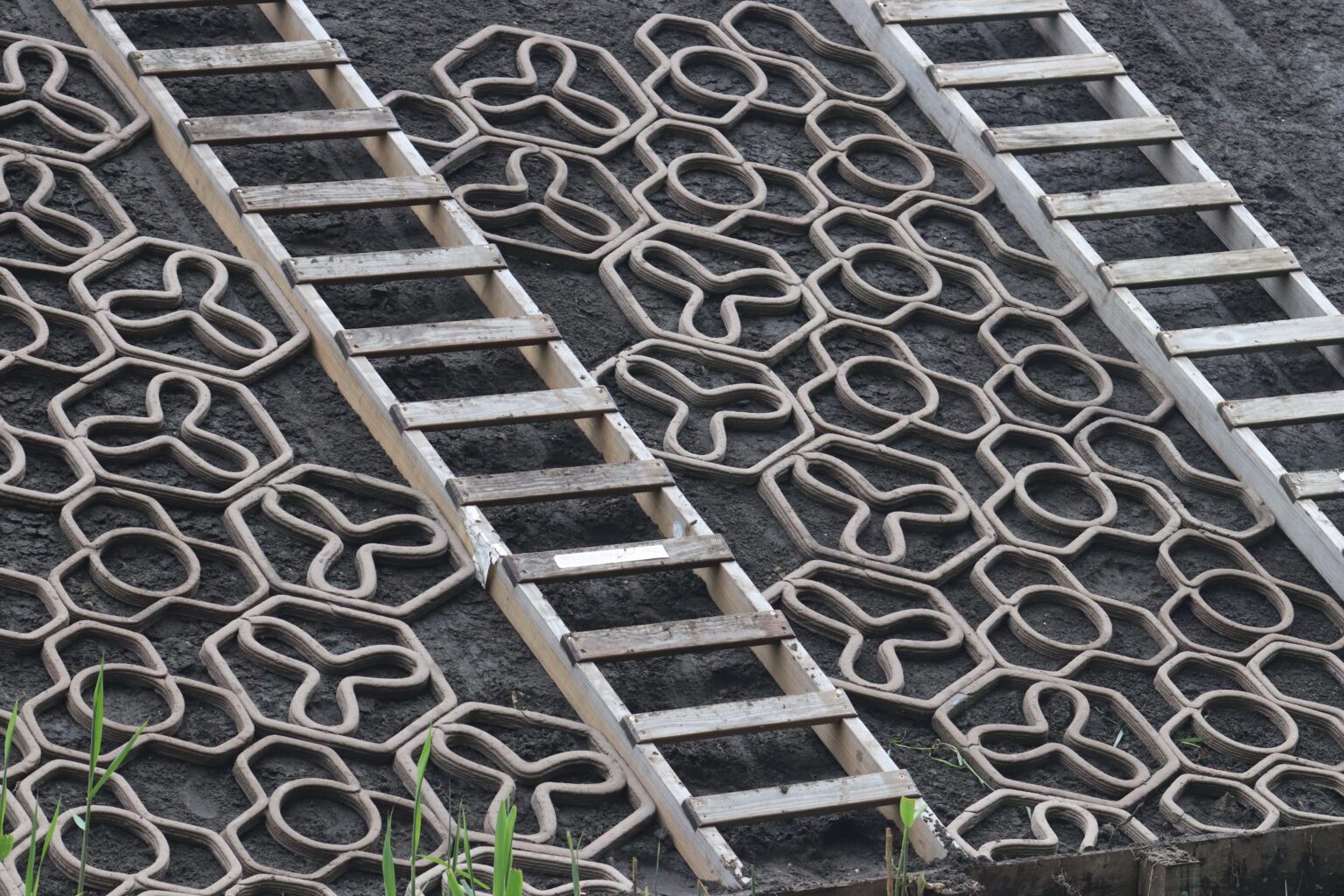
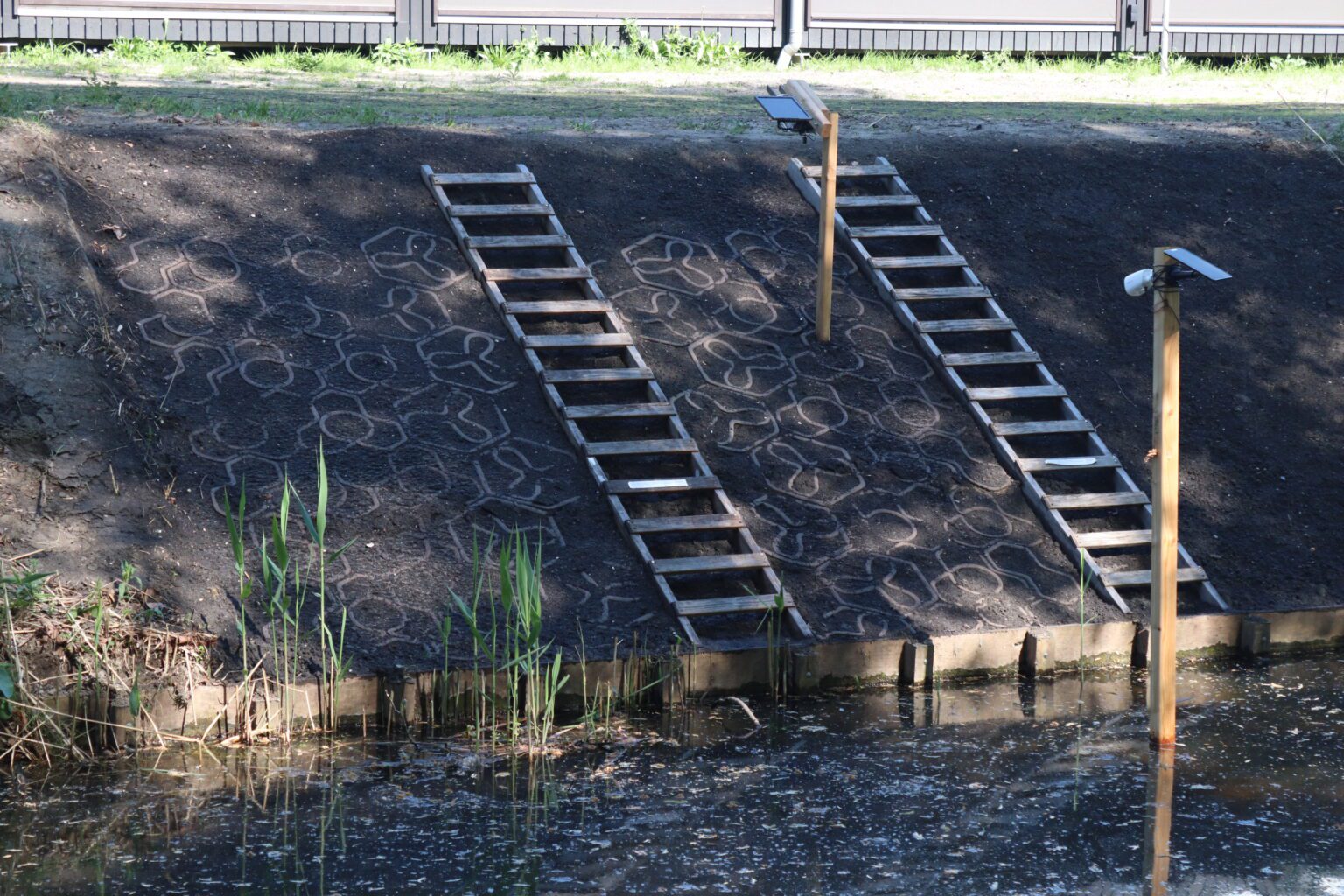
Currently, the Biotaludtegel is being tested at The Green Village in Delft, the Netherlands. This living lab focuses on sustainable construction and infrastructure. During installation, researchers already gained insights into placement and handling. Now, they are studying how the tiles perform over time. For example, they measure erosion resistance and monitor how quickly plant roots develop.
In addition, soil samples are taken over a two-year period. These tests help determine how the degrading material improves soil quality. This knowledge is essential for landscape architects working on regenerative design strategies.
Towards Scalable Nature-Positive Infrastructure
The project is part of the Rethink Materials for Infranature consortium. This collaboration explores how infrastructure can work together with natural systems. At the same time, the team focuses on scaling production through robotic 3D printing. This could enable wider application in projects such as dikes, roadside slopes and embankments. Moreover, partners such as water authorities and contractors are involved early in the process. This helps address regulatory challenges and supports the development of viable business models.
A Shift Towards Regenerative Materials
Overall, the Biotaludtegel reflects a broader shift in design and construction. Materials are no longer just passive elements. Instead, they actively contribute to ecosystem restoration.
Omlab summarises this vision clearly: use concrete where necessary, and nature-positive materials where possible. For designers, this project highlights how circular materials, digital fabrication and ecological thinking can come together in practice.
Source & photos: The Green Village / Omlab

Comments