Compostable Soft Robotics: Plant-Based Materials That Return to the Soil
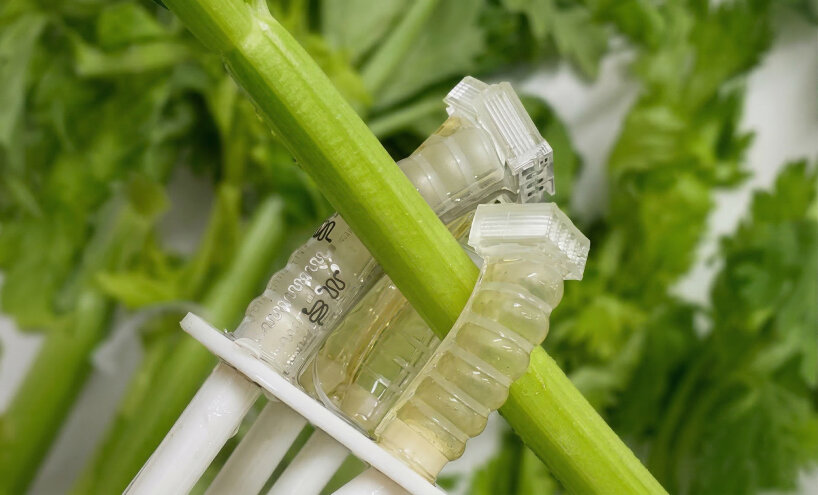
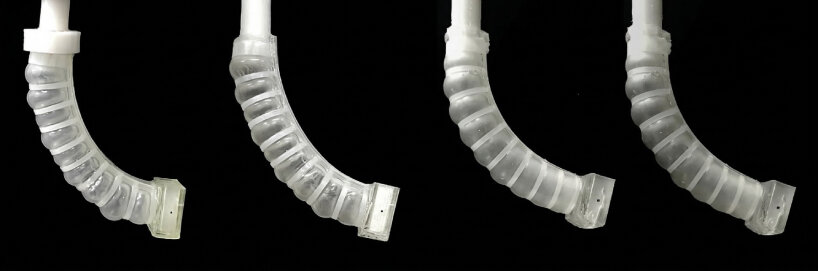
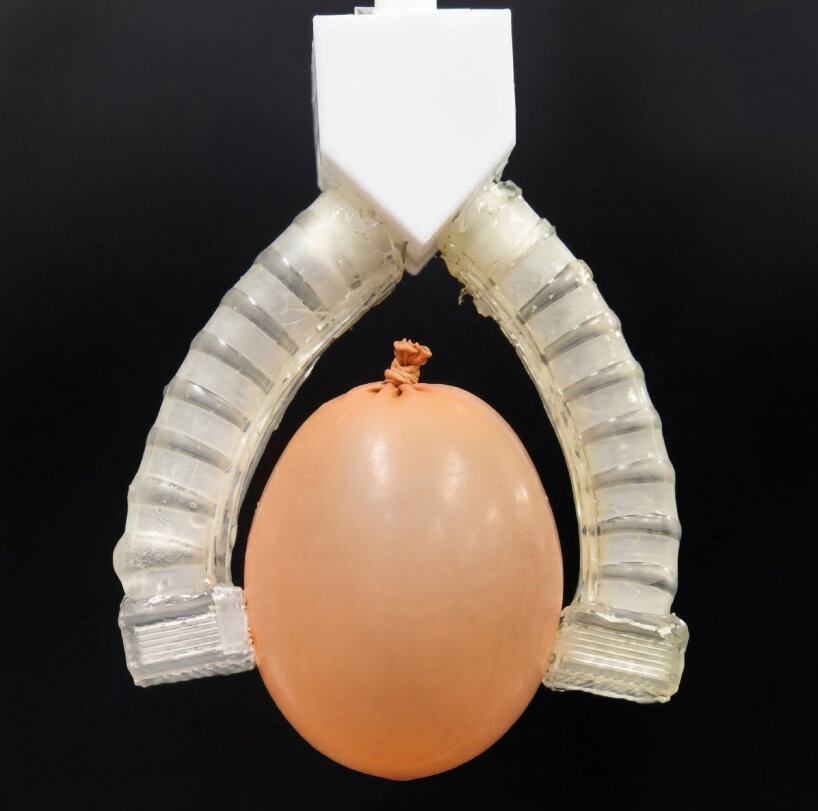
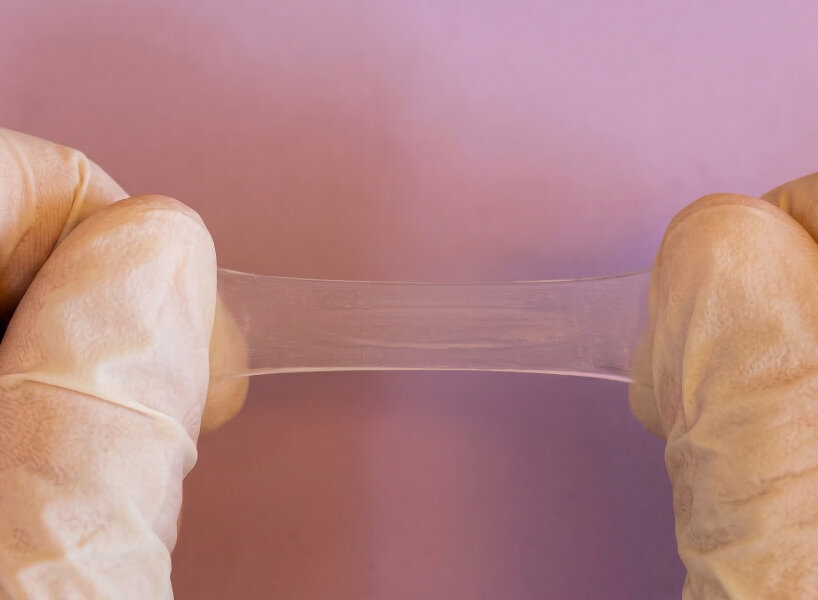
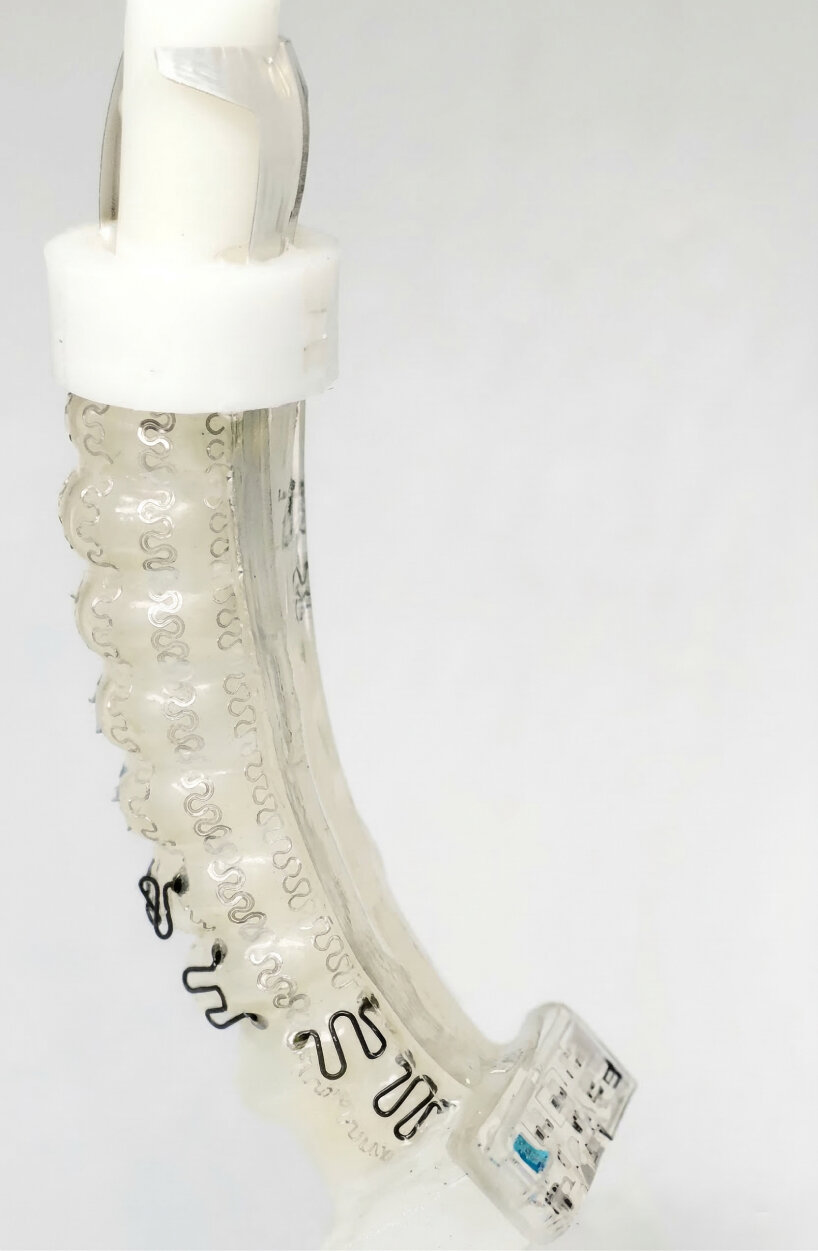
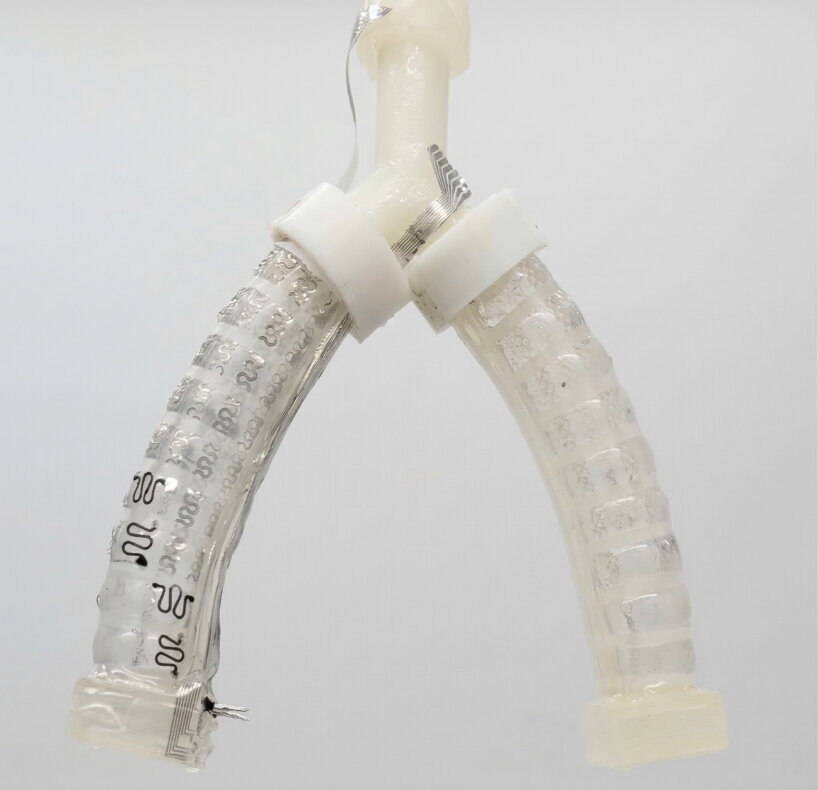
Researchers at Seoul National University have developed stretchable soft robotic fingers made from plant-based, biodegradable materials. After use, the devices break down in soil and support plant growth. This innovation offers a promising direction for zero-waste electronics and robotics, relevant for product designers and material developers working with sustainable technologies.
Plant-Based Elastomers for Soft Robotics
The robotic system uses polyglycerol sebacate (PGS), a synthetic elastomer derived from renewable sources. Glycerol comes from biodiesel production, while sebacic acid is extracted from castor oil. Designers already use PGS in medical applications because the human body can safely absorb it.
The material allows the robotic fingers to stay flexible and durable. Tests show that the actuators can perform over one million movements without losing performance. This proves that biodegradable materials can still meet high technical demands.
Dissolving Electronics Reduce E-Waste
Traditional electronics rely on materials that persist in the environment and contribute to e-waste. In this project, the researchers used transient inorganic electronics. These components dissolve under specific conditions after use. The system includes materials such as magnesium, molybdenum, and silicon. A water-sensitive adhesive binds the layers together and breaks down when exposed to moisture. As a result, the entire device can fully disintegrate.
From Device to Fertiliser
The team tested the environmental impact by composting the robotic fingers. They then used the compost to grow oats. The plants grew at normal rates, which shows that the materials are non-toxic. The remaining elements even helped enrich the soil. This turns the device into a functional fertiliser after its lifecycle ends.
Designing for Circular Electronics
This project addresses a major challenge in product design: complex materials that are difficult to recycle. Many robotic and electronic devices end up in landfill after short-term use.
The research shows how designers can rethink material choices and product lifecycles. By using biobased polymers and dissolvable electronics, products can return safely to nature. This approach supports a more circular design strategy, where materials do not become waste but resources for new growth.
Source & photos: Seoul National University

Comments